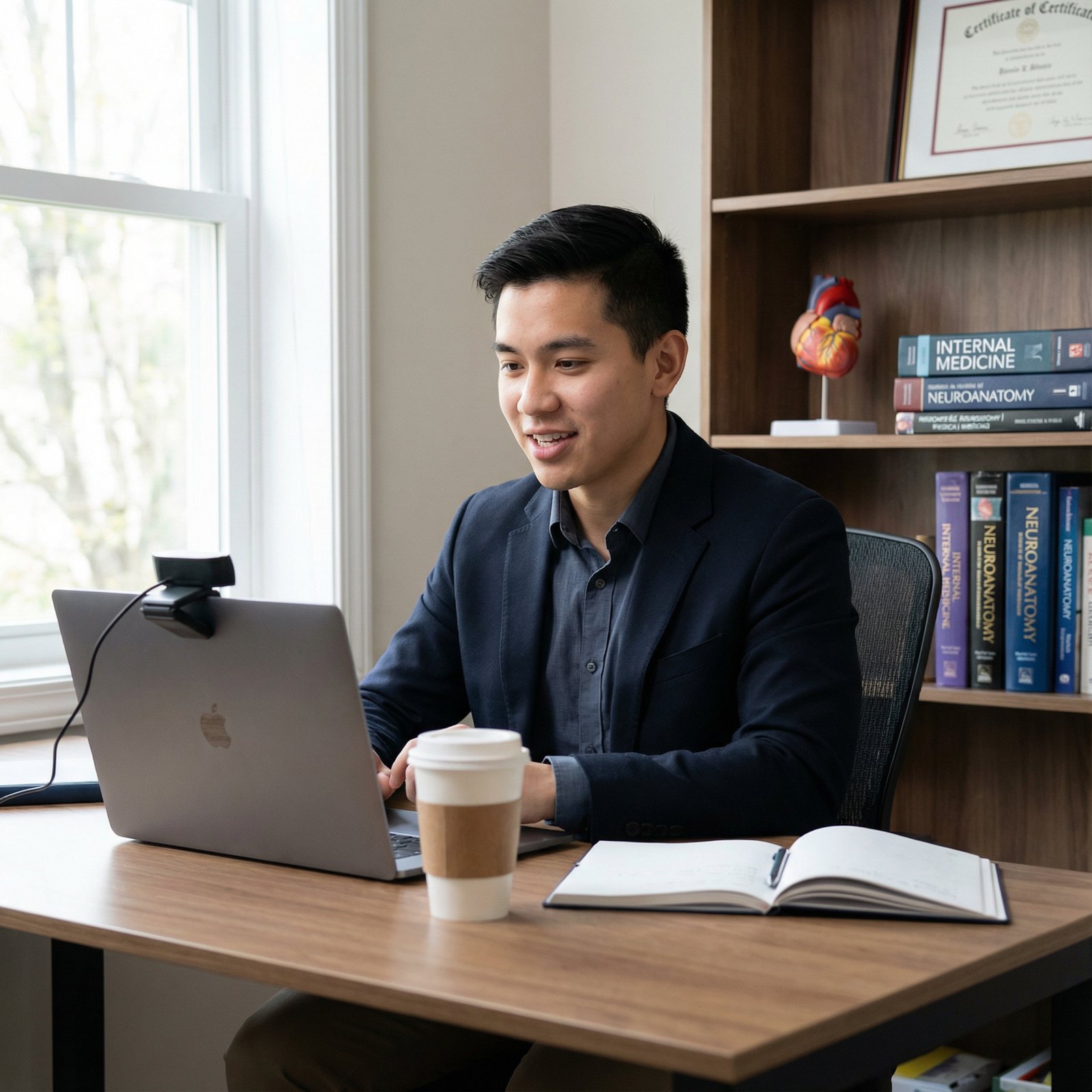
As Virtual Interviews become a central part of the Residency Match, what you wear on screen can strongly influence how programs perceive you. Even though you may be sitting at your kitchen table or bedroom desk, your appearance communicates professionalism, attention to detail, and respect for the opportunity—traits every residency program values.
This expanded guide walks you through practical, high-yield Interview Tips on Professional Attire and overall presentation tailored specifically for medical students and graduates navigating virtual residency interviews. Think of it as one component of your broader Career Development strategy: you’re not just dressing for an interview—you’re dressing for your future role as a physician colleague.
Why Professional Attire Still Matters in Virtual Residency Interviews
Even in a virtual setting, how you look on screen shapes first impressions and subtly influences the entire conversation.
First Impressions in the First 10 Seconds
Research in professional communication shows that interviewers form impressions within seconds—before you’ve answered a single question. In the context of the Residency Match:
- A professional appearance signals that you take the process seriously.
- It reassures programs that you will represent them well with patients, families, and other staff.
- It quickly communicates readiness to transition from “student” to “colleague.”
In a tiled Zoom or Thalamus grid of applicants, the way you present yourself visually can help you stand out as polished and prepared.
The Psychology of Dressing “Like a Doctor”
What you wear influences how you feel and perform:
- Many applicants report feeling more confident and focused when they dress in full professional attire, including shoes.
- Dressing in your “interview clothes” can help your brain switch into “professional mode,” similar to white coat ceremonies marking a transition in training.
- When you’re comfortable with your appearance, you’re less distracted by self-consciousness and better able to listen, think, and respond clearly.
This is a low-effort, high-yield way to support your performance on interview day.
Professionalism as a Reflection of Your Brand
Your virtual appearance becomes part of your professional brand:
- Programs are asking:
“Can we picture this person speaking with families, joining our team, and representing our program?” - Your attire, grooming, and background together send a clear message about your work ethic, organization, and maturity.
- You don’t need luxury clothing; you do need to show that you’re deliberate and intentional.
You’ve invested years in your application; investing a bit of effort into your visual presentation is a natural extension of that work.
Choosing the Right Level of Formality for Virtual Residency Interviews
The question most applicants ask: “Should I go full suit, or is business casual OK?” The answer often depends on specialty, program culture, and your personal style—but there are safe, professional defaults.
Formal vs. Business Casual: General Rules
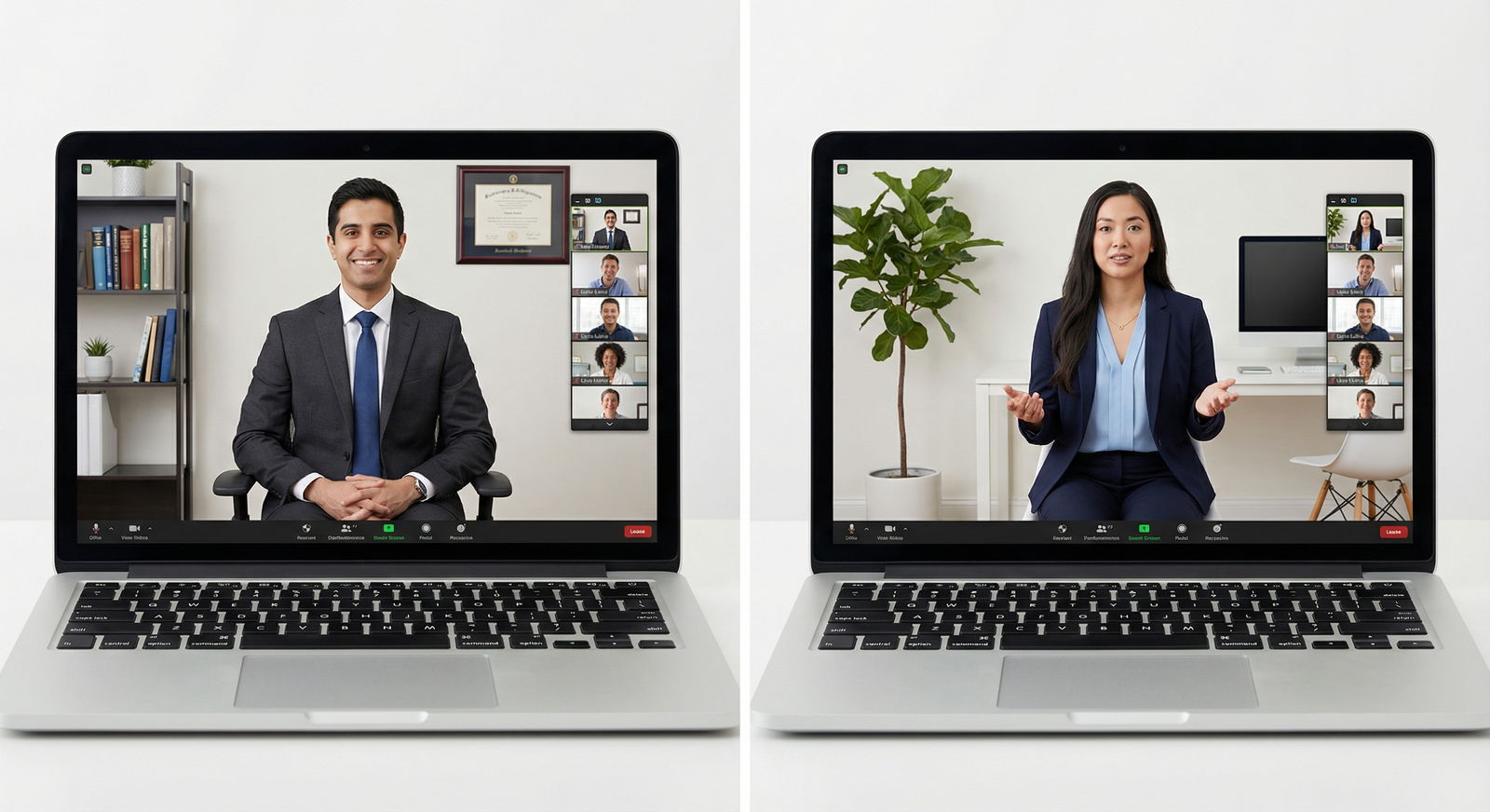
1. Formal/Traditional Professional Attire
Best for: Most residency interviews, especially competitive or traditionally conservative fields (e.g., dermatology, radiology, orthopedics, neurosurgery, ophthalmology, ENT).
Typical options include:
Suits (any gender):
- Dark or neutral-colored blazer (navy, charcoal, black, deep gray)
- Matching or coordinating trousers or skirt
- Simple, solid-colored dress shirt or blouse
- Optional tie in subtle color or pattern
Professional dresses:
- Knee-length or midi, solid or simple pattern
- Paired with a blazer for a more formal look
This level of formality is nearly always safe and rarely perceived as “too much.”
2. Business Casual / Smart Professional
Best for: Programs or specialties known for a more relaxed culture (e.g., family medicine, pediatrics, some psychiatry or community programs), or when you explicitly receive guidance that “business casual” is appropriate.
Business casual options:
- Collared shirt or blouse + blazer (with or without a tie)
- Professional, non-logo sweater or knit under a blazer
- Neat, tailored trousers or skirt (even if not visible on camera)
When in doubt, lean one step more formal. It’s better to be slightly overdressed than the only person in a very casual outfit.
Matching Attire to Program Culture
Use program-specific clues:
- Website photos: How are faculty and residents dressed in official photos?
- Pre-interview communication: If they write “business casual is fine,” that’s genuine, but a blazer still looks sharp.
- Virtual socials and pre-interview dinners:
- These are typically more relaxed (smart casual).
- The actual interview day is still a professional event and deserves a more polished look.
If you’re not sure, asking current residents (via email or social media) is completely reasonable and shows thoughtfulness.
Color, Pattern, and Fabric: Looking Sharp on Camera
What looks good in person doesn’t always look good on video. Your camera, lighting, and screen resolution can exaggerate or distort certain colors and patterns.
Best Colors for Virtual Interviews
Aim for colors that project calm professionalism and work well with typical webcams:
Great choices:
- Navy, charcoal, or medium gray
- Soft white, cream, or light blue shirts/blouses
- Muted jewel tones (burgundy, forest green, deep teal) in accessories or blouses
Use caution with:
- Pure black or pure white tops (can blow out or wash out under bright lighting)
- Bright reds or neon colors (can be harsh or distracting on camera)
- Very light pastels if your background is also light (you may blend in too much)
Consider running a quick video test with your chosen outfit and lighting setup to see how it appears on screen.
Patterns and Prints: Subtle Is Safer
Prefer:
- Solid colors
- Simple, subtle patterns: fine stripes, small checks, or understated prints
Avoid:
- Tight, high-contrast patterns (e.g., tiny checks, high-contrast stripes) that can create a “moiré” or shimmering effect on camera
- Busy florals, bold logos, or loud prints that steal attention from your face and words
Your goal is for your outfit to frame your face, not compete with it.
Fabric and Fit: Comfort You Don’t Have to Think About
- Choose breathable, non-itchy fabrics that won't wrinkle easily (e.g., wool blends, ponte knits, quality cotton).
- Ensure:
- Shoulders sit properly
- Sleeves aren’t too long or short
- Neckline stays in place when you move
- Sit at your desk or workspace while wearing your outfit and check:
- Is the shirt gaping at buttons?
- Does the blazer bunch awkwardly?
- Does anything ride up or pull when you reach for the mouse or keyboard?
A well-fitted, comfortable outfit keeps your attention on the conversation—not on adjusting your clothes every few minutes.
Grooming, Hygiene, and On-Camera Presence
Your grooming is just as noticeable in a close-up webcam frame as your clothing. It’s part of your overall professional presentation.
Hair: Neat, Intentional, and Out of Your Face
- Aim for a style that:
- Stays in place without constant fixing
- Keeps hair away from your eyes and mouth
- Looks neat from the front and sides on camera
Specific tips:
- Longer hair:
- Consider a low ponytail, bun, half-up style, or other controlled look to minimize distractions.
- Short hair:
- A quick trim before interview season can sharpen your profile.
- Facial hair:
- Keep beards and mustaches neatly trimmed and defined.
- If you usually shave, do so the morning of the interview (or the night before if you tend to get razor burn).
Makeup: Optional, Polished, and Camera-Friendly
Makeup is not required. The goal is to look alert and well-rested, not dramatically styled.
If you choose to wear makeup:
- Opt for a natural, professional look:
- Even skin tone (tinted moisturizer or foundation if desired)
- Light blush or bronzer to avoid looking washed out under lighting
- Neutral eyeshadow and simple liner/mascara
- Lip color close to your natural tone (tinted balm, nude or soft rose shades)
- Avoid:
- Heavy shimmer or glitter—can flare on camera
- Extremely bold or dramatic colors that become the focal point
The best feedback you can give yourself: “Would I feel comfortable wearing this to round with an attending?”
Personal Hygiene and Subtle Details
Even though your interviewers can’t smell fragrances or feel handshakes, these details still matter for your own mindset:
- Nails: Clean, trimmed, or neatly manicured. Neutral or soft colors are usually safest.
- Fragrance: Light if you choose to wear it; heavy scents can distract you or trigger headaches.
- Glasses:
- Clean lenses (fingerprints can catch light and distract).
- Anti-glare coating can help reduce reflections from ring lights or screens.
These seemingly small choices contribute to an overall impression of reliability and care.
Optimizing Your Interview Environment to Complement Your Attire
Even the most impeccable Professional Attire can be undermined by poor lighting or a messy background. Your environment is part of your professional “frame.”
Setting the Scene: Background and Lighting
Background:
- Aim for simple, clean, and neutral.
- A plain wall, a tidy bookshelf, or a minimal home office setup works well.
- Remove clutter, laundry, and personal items that may distract (or feel too intimate for a professional setting).
Lighting:
- Ideally, face a window with natural light; avoid bright windows behind you (which turn you into a silhouette).
- If using a ring light or lamp:
- Place it slightly above eye level, angled toward your face.
- Avoid harsh, direct overhead light that casts deep shadows.
Try your full outfit on camera in your actual interview setup (same time of day if possible) to see how everything looks together.
Camera Position, Framing, and Body Language
Camera height:
- Place your webcam at or slightly above eye level.
- Avoid low angles (looking down on the camera) which can feel less engaged and highlight under-chin shadows.
Framing:
- Aim for head and upper torso in frame.
- Your blazer or shirt collar should be visible; this reinforces your Professional Attire visually.
Body language:
- Sit up straight, shoulders relaxed.
- Keep both feet flat on the floor or comfortably planted—this naturally improves posture and reduces fidgeting.
- Look at the camera when speaking (not your own image) to simulate eye contact.
The cleaner and more professional your on-screen environment, the more your answers and personality can shine.
Accessories, Footwear, and Small Details That Matter More Than You Think
Accessories can support your professional image—or distract from it. Aim for simple, intentional choices.
Jewelry and Watches: Understated and Non-Disruptive
Good choices:
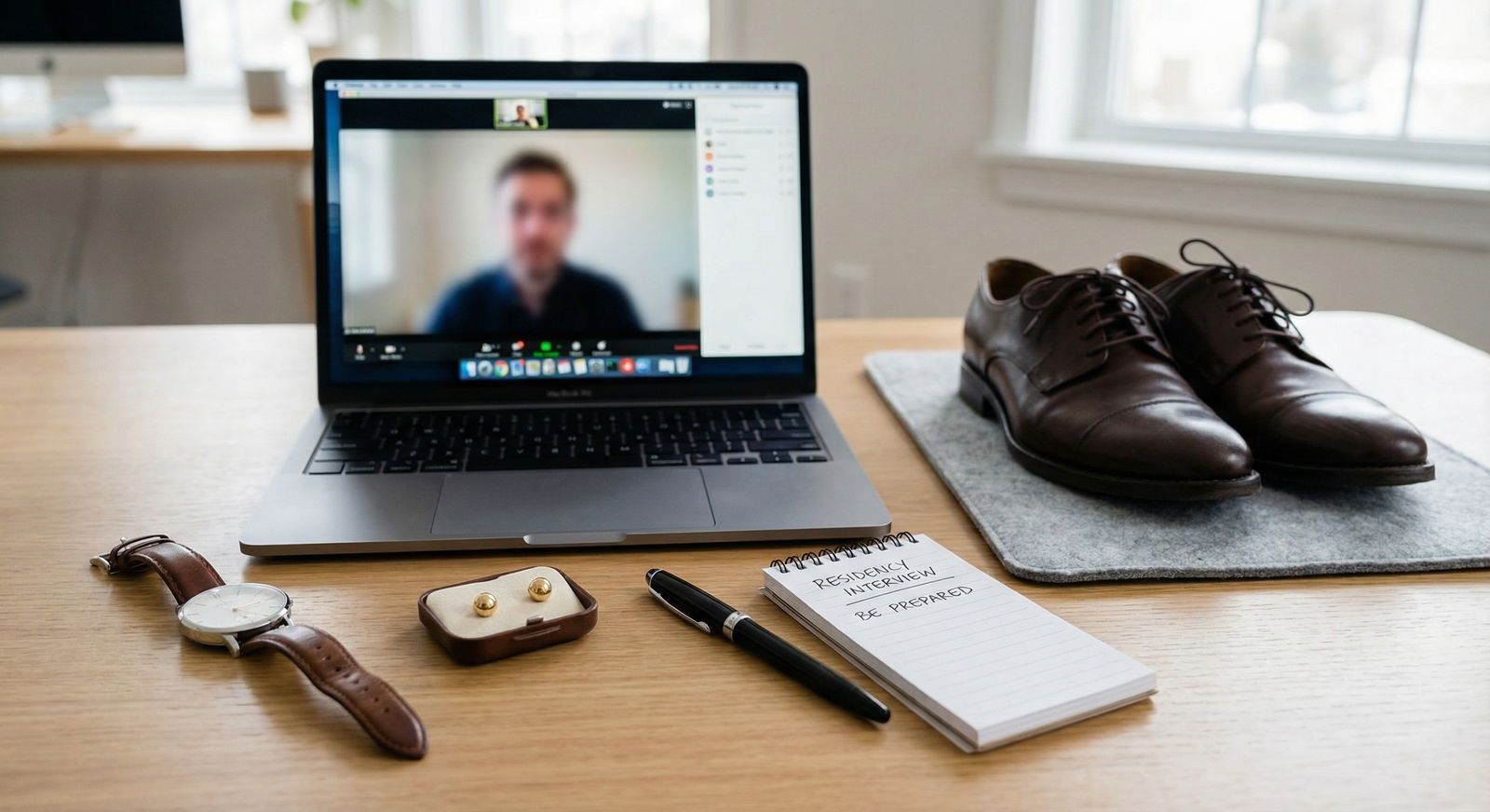
- Simple stud earrings or small hoops
- A classic watch
- Modest necklace or ring(s)
Avoid:
- Large, flashy, or noisy jewelry (e.g., bangles that clink when you gesture)
- Overly flashy logos or brand-heavy pieces
You want interviewers focusing on your words, not your accessories.
Footwear: Yes, It Still Matters
Even though your shoes are rarely visible on camera, wearing professional shoes can:
- Enhance your “fully dressed for a professional event” mindset.
- Subtly improve posture and presence (you’re less likely to tuck your legs under you or slump).
- Help you transition mentally from “home” to “interview mode.”
Comfortable loafers, dress shoes, flats, or low heels are all appropriate.
Practical Tools: Notepad, Water, and Tech Backups
Have these within arm’s reach—but not cluttering the screen:
- Notepad and pen:
- For jotting down faculty names, key points about the program, and questions.
- Avoid constant note-taking during answers (it can break eye contact); use between questions or in breaks.
- Water:
- A simple glass or neutral bottle nearby can save you if your throat gets dry.
- Tech backup:
- Printed or digital copy of interview links and contact numbers in case of technical issues.
- Headphones within reach if audio suddenly becomes problematic.
These small details demonstrate preparedness and calm under pressure.
Practical Pre-Interview Checklist for Attire and Setup
Use this quick checklist in the week leading up to, and on the morning of, your Virtual Interview:
3–7 Days Before
- Choose and try on your interview outfit(s).
- Do a full test call:
- Wear your outfit.
- Use your planned lighting and background.
- Record a short video answering a practice question and review it.
- Make any necessary adjustments (fit, color, hair style).
The Night Before
- Lay out your entire outfit including shoes and accessories.
- Ensure your shirt is ironed/steamed and your blazer looks crisp.
- Charge your devices, update Zoom or interview platform apps, and set alarms.
Day of the Interview
- Get fully dressed at least 30–45 minutes before your first session.
- Do a quick last-minute video check:
- Is your collar straight?
- Any stray hairs?
- Is the camera framing still good?
- Take a few calm, deep breaths in your “interview chair” to settle your nerves.
You’ve done the hard work preparing your application and practicing your answers; this process ensures your appearance and environment support that effort.
Frequently Asked Questions (FAQs) About Virtual Interview Attire for Residency
1. What should I wear for a virtual medical residency interview?
For most residency interviews, formal professional attire is the safest and most appropriate choice:
- A suit (any gender) with a collared shirt or blouse.
- A professional dress with a blazer.
- Neutral, solid colors like navy, gray, or black are best, paired with a simple light-colored shirt.
If a program explicitly states “business casual,” you can consider a collared shirt or blouse with a blazer and tailored pants, but still avoid anything that would feel too casual for an in-person hospital interview.
2. Do I really need to wear dress pants or a full suit if only my top half is visible?
While the camera usually only shows your upper body, it’s strongly recommended to wear a full professional outfit, including pants or a skirt and appropriate shoes. Reasons include:
- Unexpected reasons to stand up (technical issues, reaching for something, or being asked to adjust your camera).
- Psychological benefits—you feel more “in role” as a professional when fully dressed.
- Reduces temptation to lounge or sit casually during the interview.
3. Is it okay to wear a white coat during my virtual interview?
Generally, no. A white coat is not standard interview attire and may come across as performative or out of context unless a program specifically instructs you to wear one for a particular event (rare). Instead:
- Present yourself the way you would for an in-person residency interview.
- Let your experiences and communication show your readiness, not the white coat.
4. Can I reference notes during my virtual interview, and how should I manage them professionally?
Yes, you can keep a short, organized set of notes nearby:
- Write down:
- Program-specific details you want to mention.
- A few key questions you want to ask.
- Names of interviewers (if provided).
Tips:
- Avoid reading verbatim; glance briefly if needed and then return your gaze to the camera.
- Place notes at eye level near your screen to limit obvious downward looks.
- Do not type loudly during the interview—use pen and paper for quiet notes.
5. How can I adapt my attire if I’m interviewing across multiple programs and time zones in one day?
If you have a packed interview schedule:
- Choose one versatile, comfortable suit or blazer in a neutral color that you feel great in.
- Have a second shirt or blouse ready to change into during breaks in case of spills or sweat.
- Use short breaks to:
- Refresh your hair and face.
- Adjust your tie, collar, or jewelry.
- Check camera framing and lighting after any break.
Staying in essentially the same core outfit is perfectly acceptable; the priority is consistency, professionalism, and comfort.
By approaching Virtual Interviews with intentional Professional Attire, thoughtful grooming, and a polished environment, you reinforce the strong application you’ve already built. Programs are looking for future colleagues; presenting yourself as someone they can confidently see on their team—and ultimately at the bedside of patients—can meaningfully strengthen your Residency Match prospects.