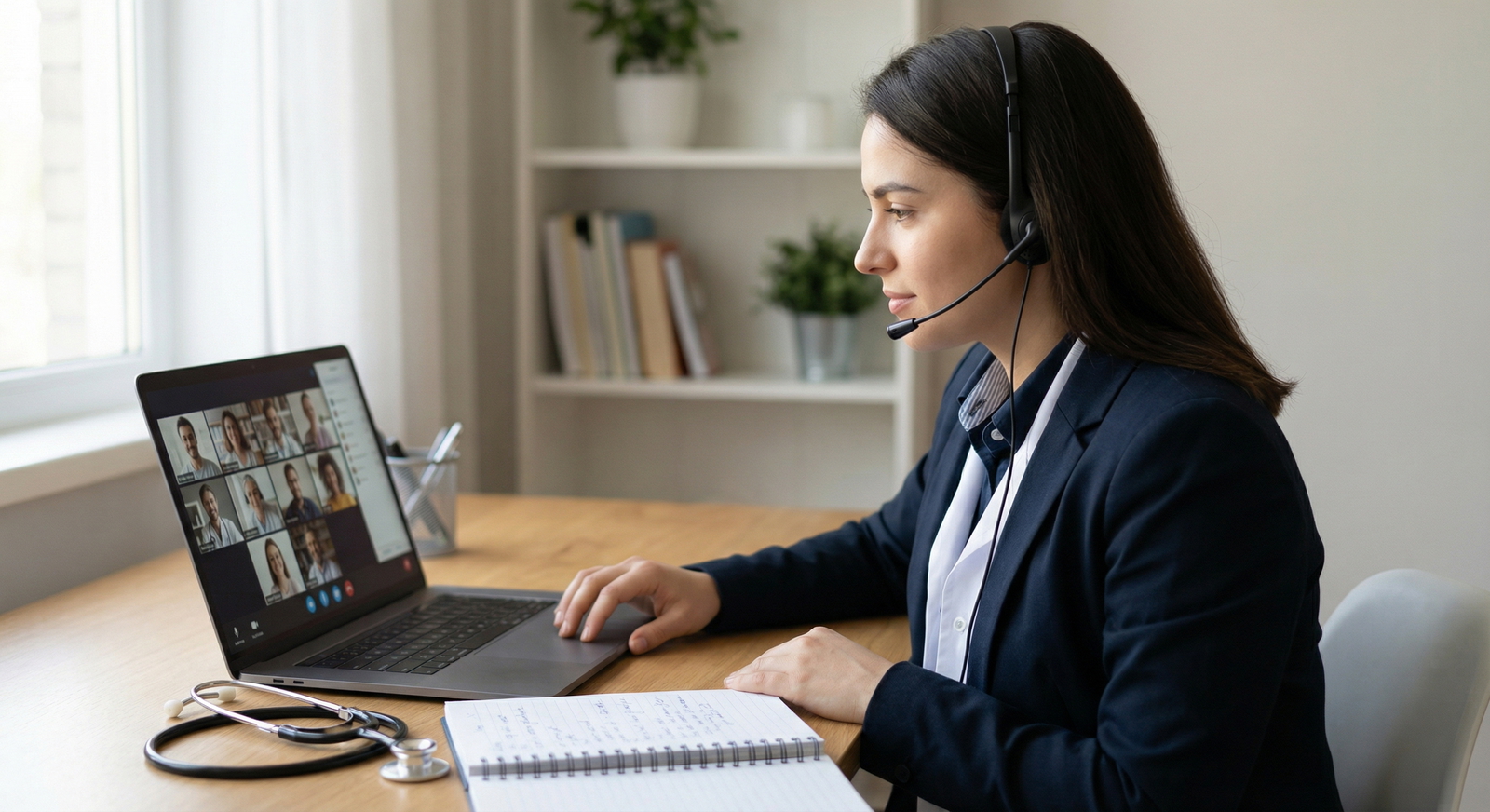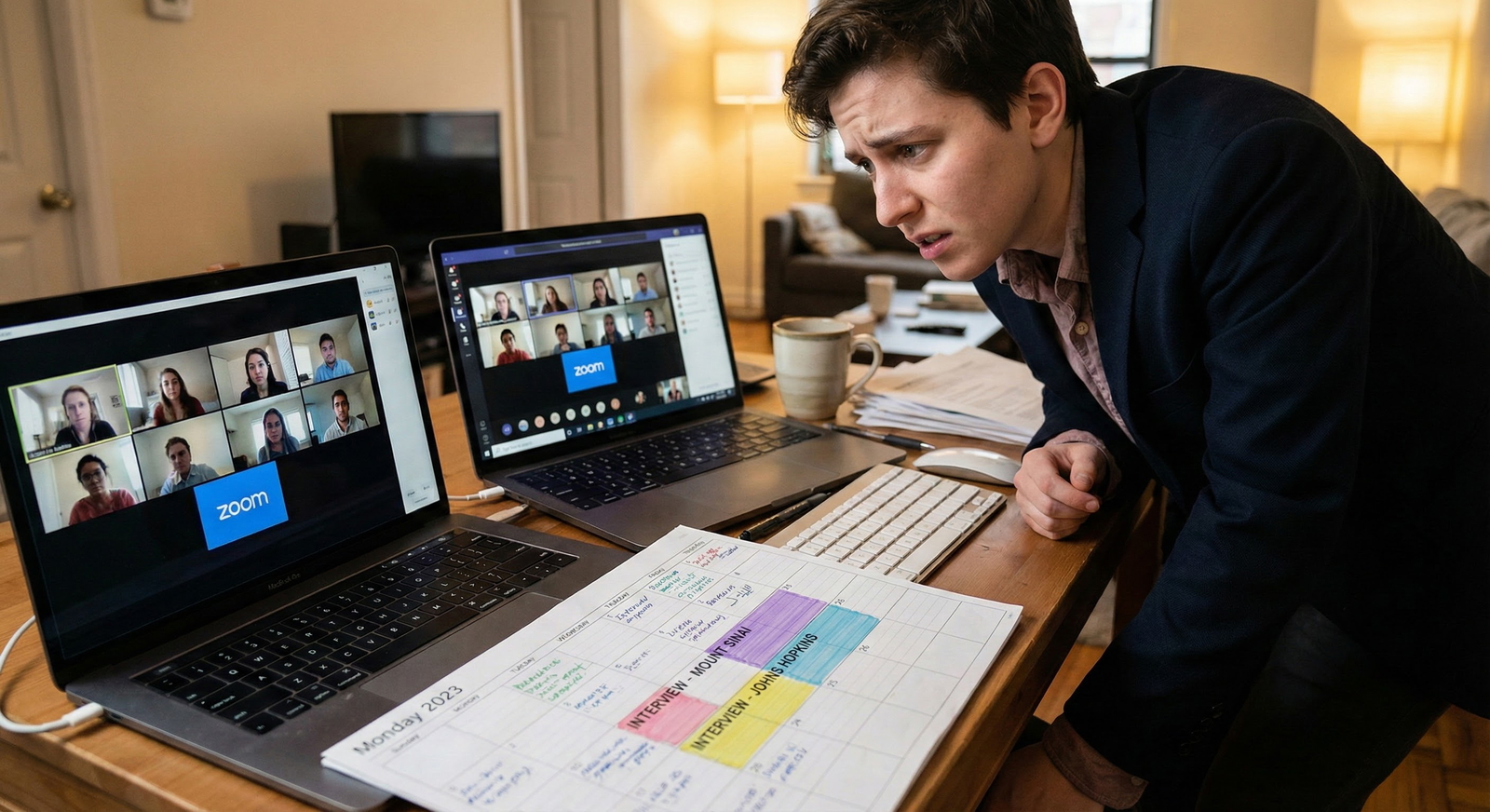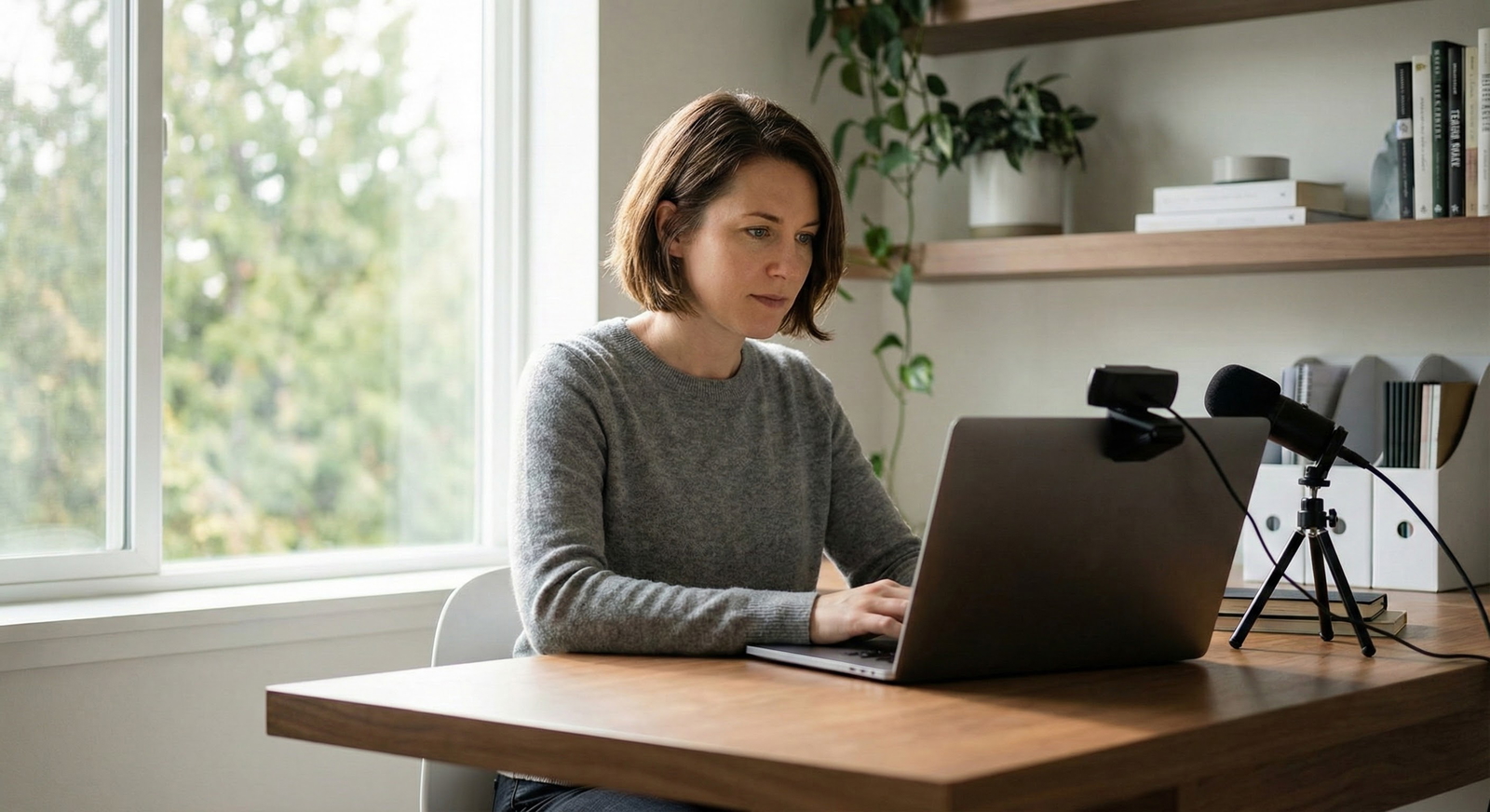
Understanding the Virtual Residency Interview Landscape as a US Citizen IMG
Virtual residency interviews are now a permanent part of the residency match process. For a US citizen IMG, this can be both an opportunity and a challenge.
On one hand, virtual interviews remove travel costs, let you interview at more programs, and can even level the playing field for an American studying abroad who might otherwise be limited by time and finances. On the other hand, programs have fewer in-person cues to judge your professionalism, personality, and communication skills—so everything the camera sees and microphone hears matters.
Key realities you should recognize as a US citizen IMG:
- Programs may have limited prior exposure to your school or country. The virtual residency interview is often their primary way of assessing you beyond your application.
- Your “American studying abroad” story is an asset. Programs are increasingly interested in applicants with diverse paths; your job is to present that path clearly, confidently, and concisely.
- Technical polish and non-verbal communication are heavily weighted. Whether you seem prepared, reliable, and easy to work with is judged in the first 30–60 seconds of the Zoom call.
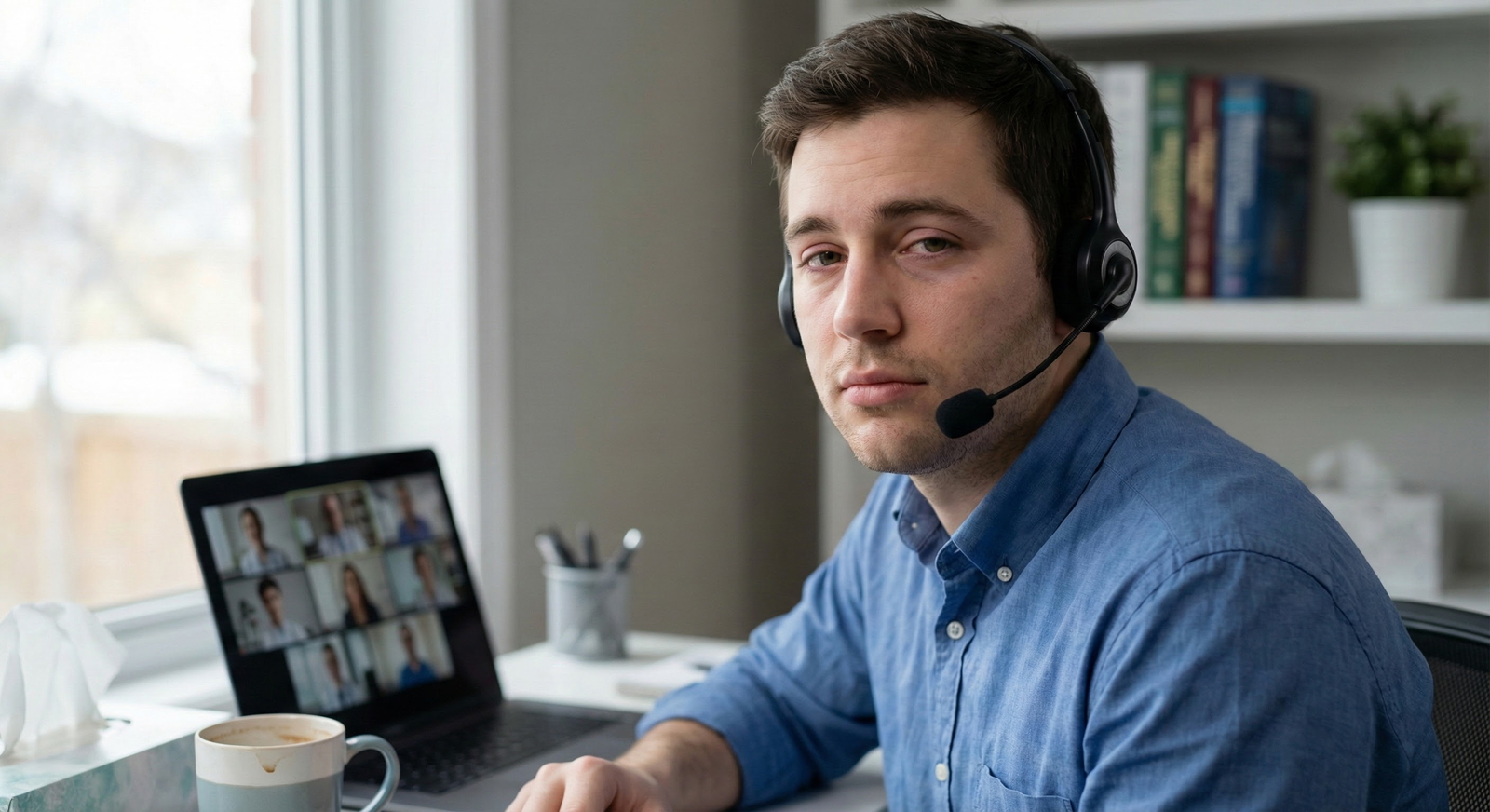
- Virtual fatigue is real on both sides. Faculty may interview dozens of candidates back-to-back online; clarity, structure, and energy help you stand out.
Viewed correctly, a virtual residency interview is not a “lesser” version of an in-person interview. It is a different medium that demands its own strategy. The good news: almost all of the key skills are learnable and practiceable in advance.
Technical Setup and Professional Environment: Your Virtual “Clinic Room”
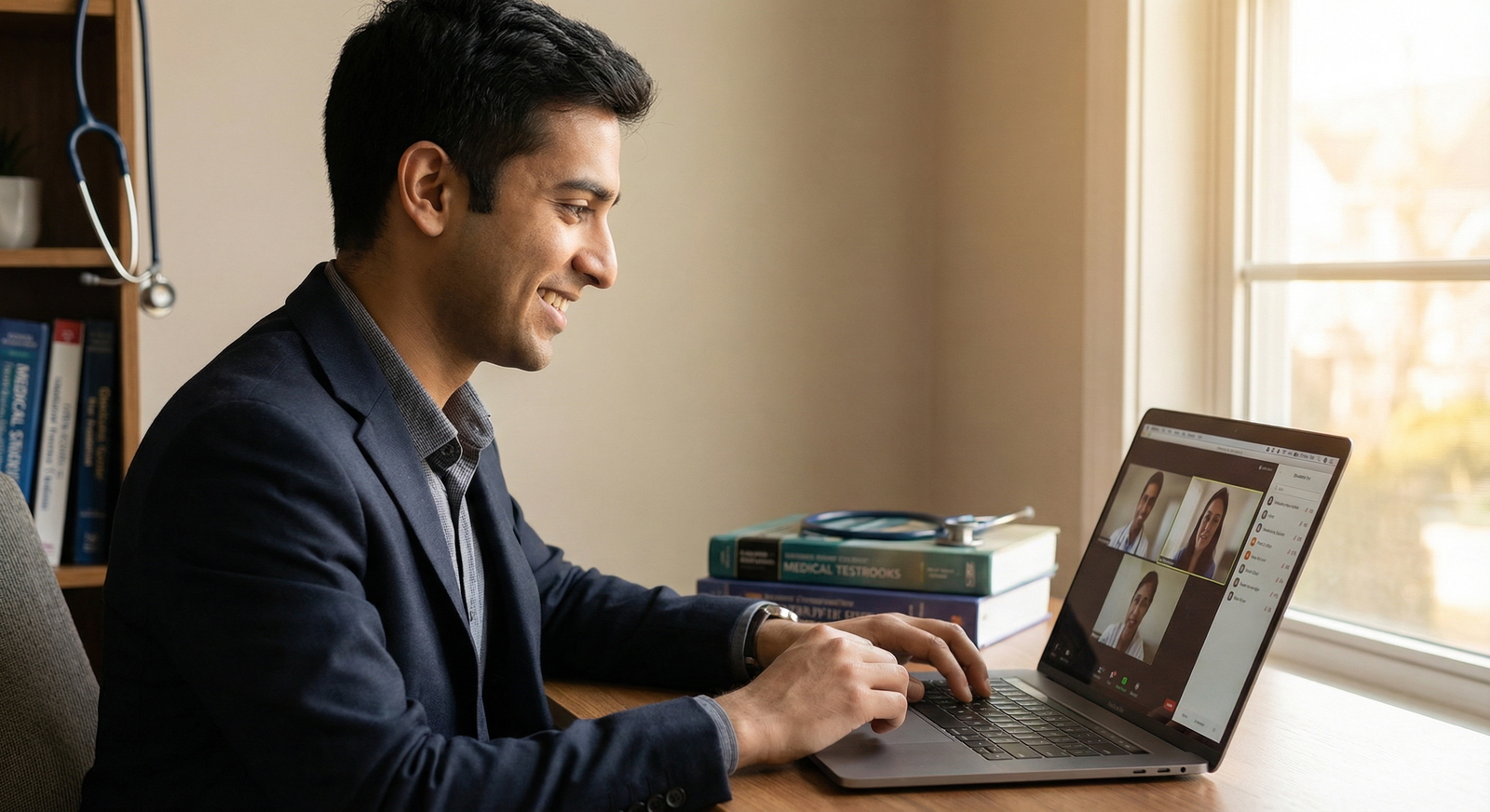
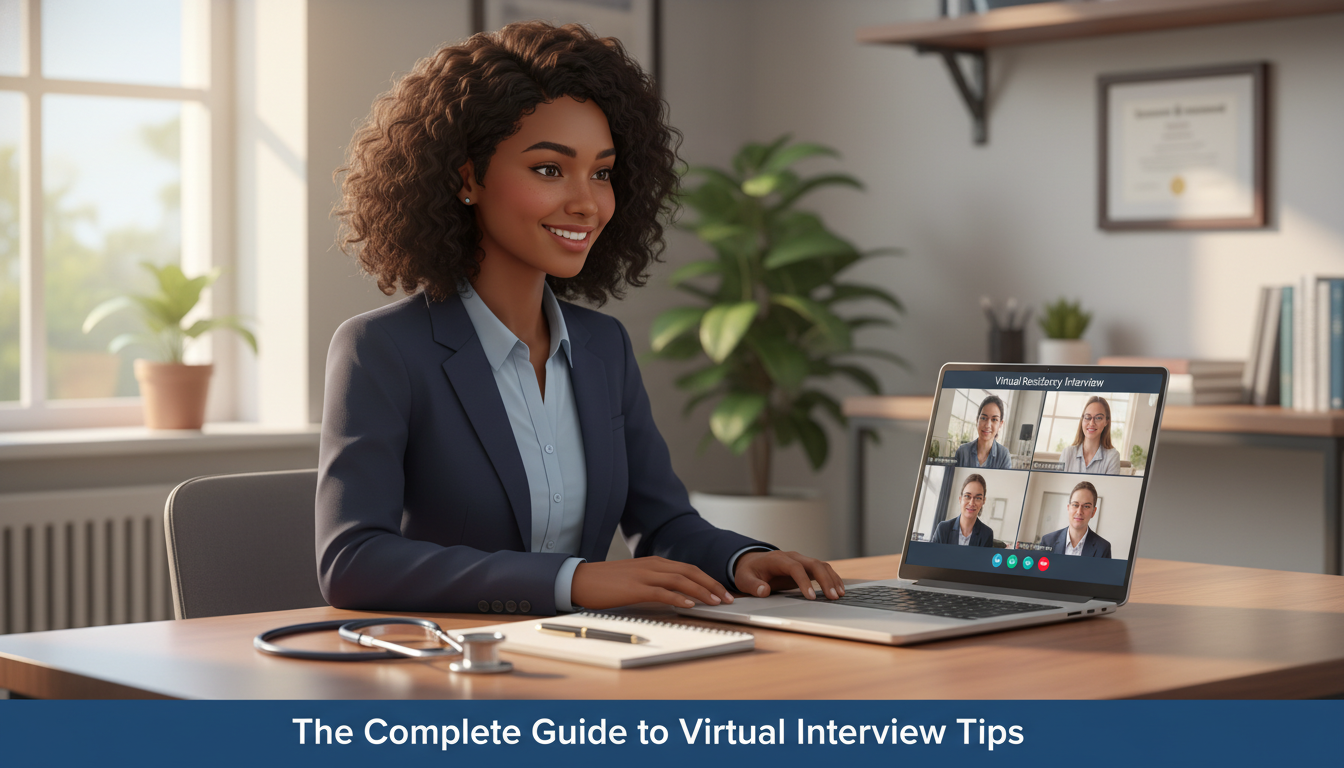
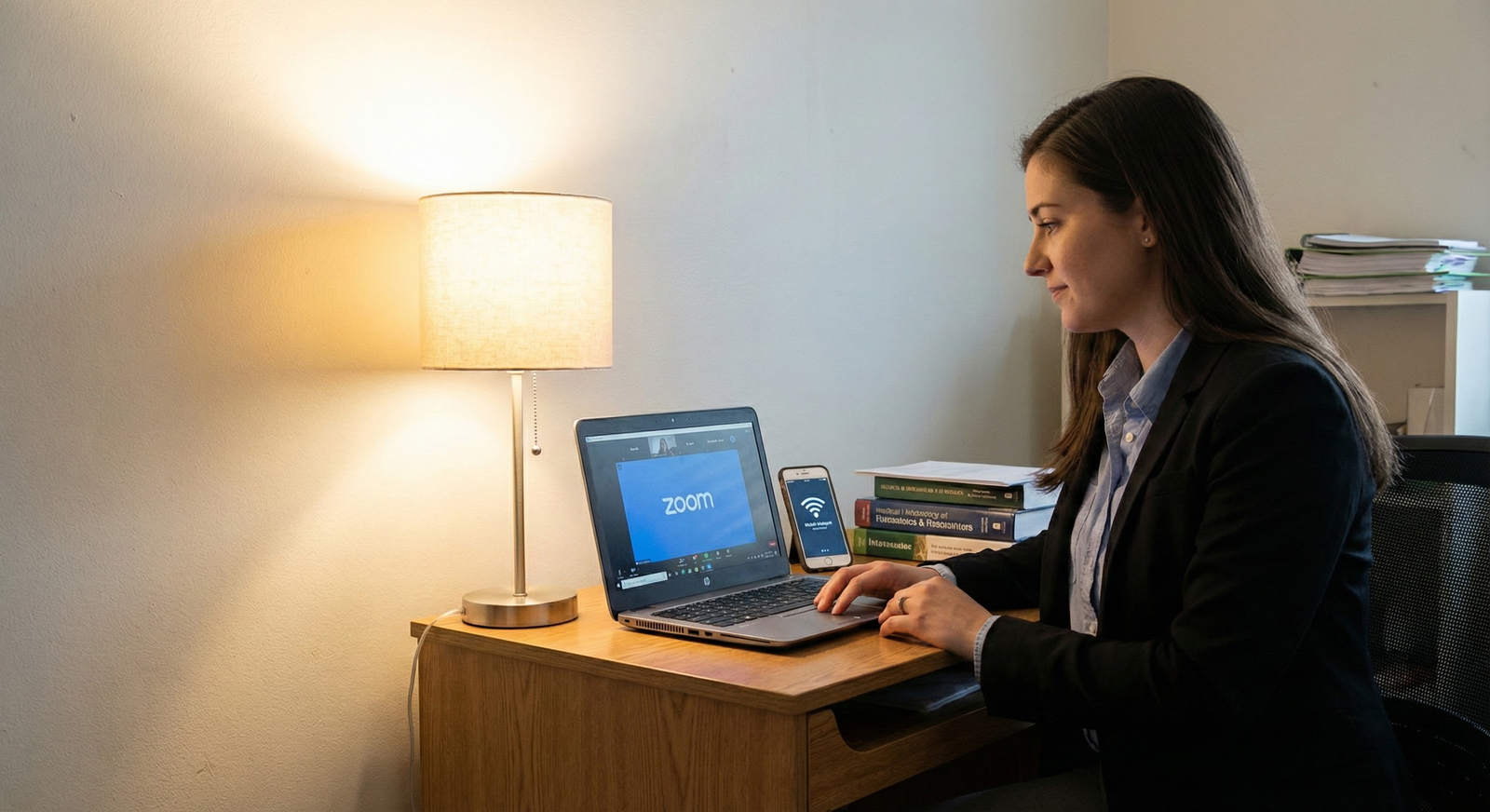
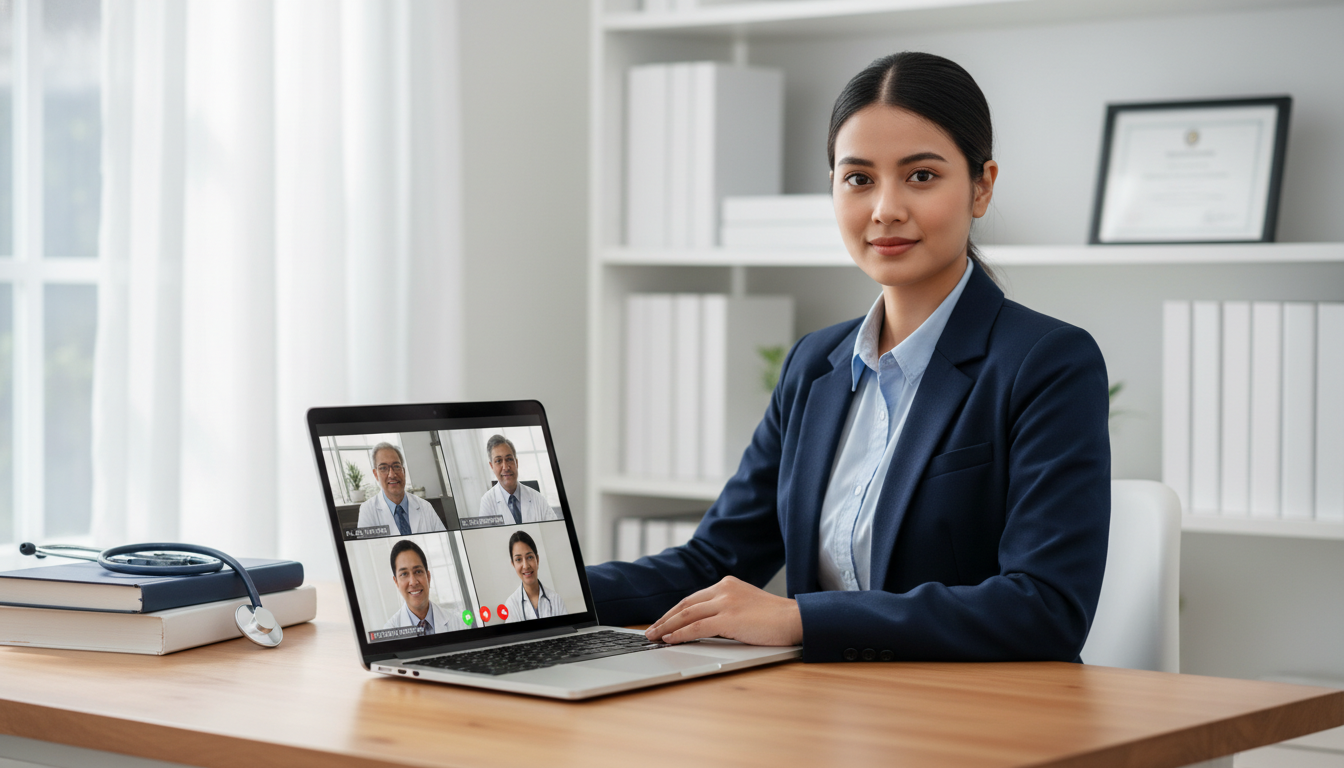
Think of your virtual interview environment as your professional clinic or office. Programs will assume this is a reflection of how you would show up to work—organized, thoughtful, and prepared.
1. Hardware and Internet Essentials
Device choice
- Prefer laptop or desktop over a phone or tablet.
- Test whether the camera is at least 720p (1080p is ideal); most modern laptops are adequate.
Internet connection
- Use wired Ethernet if possible. If not, position yourself close to your router.
- Aim for at least 10 Mbps upload and download speeds.
- Test your connection at the same time of day your actual interview will occur to catch peak-usage issues.
Audio quality
Poor audio is one of the fastest ways to create frustration and miscommunication.
- Use wired earbuds or a wired headset if possible; they’re more reliable than Bluetooth and reduce echo.
- Avoid using only your laptop’s built‑in microphone, which often picks up echo and background noise.
- Turn off noisy fans or appliances; close windows to reduce street noise.
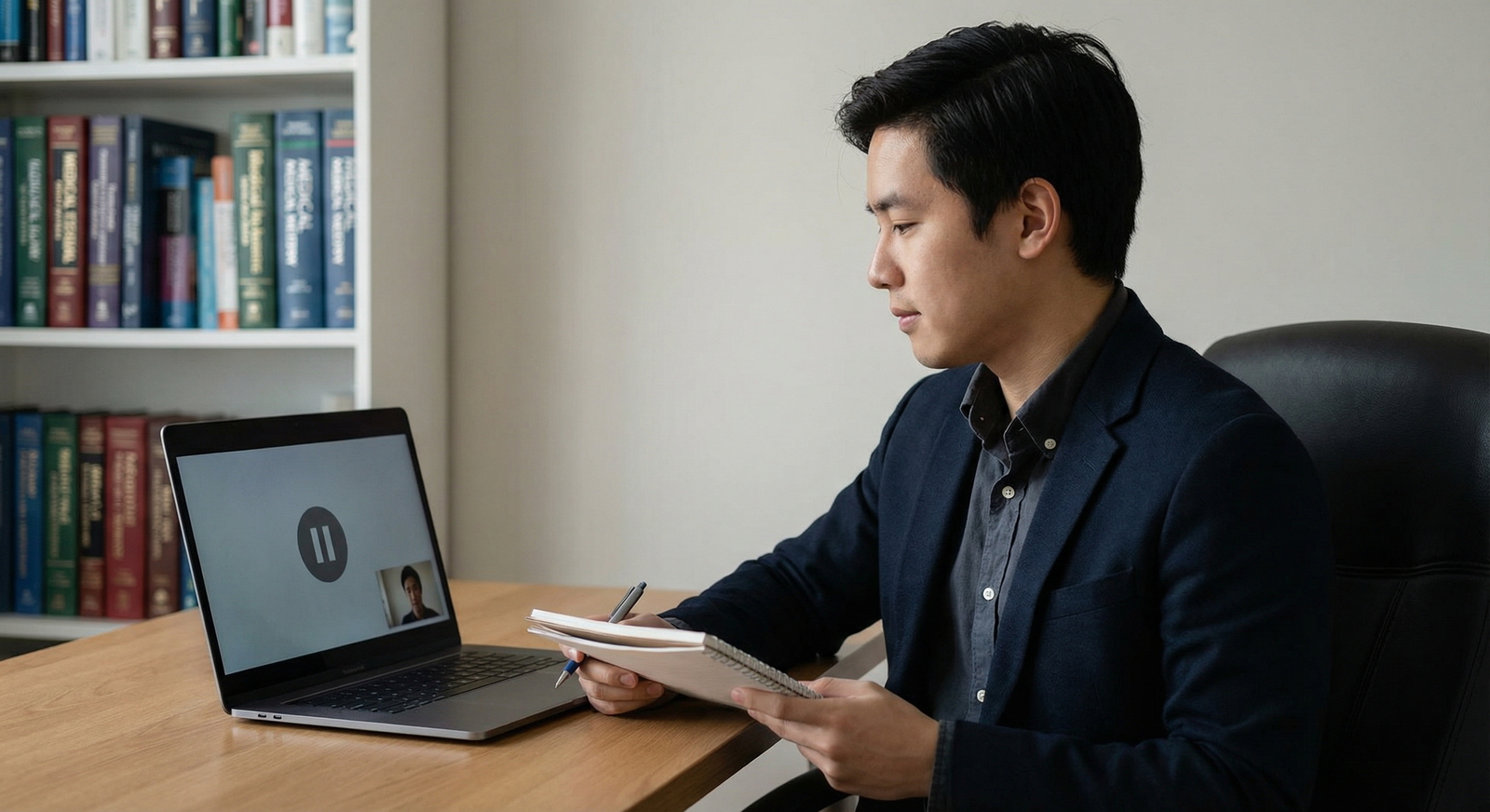
Actionable step: Schedule a mock Zoom call with a friend and record the session. Play it back and assess your video clarity, audio quality, and internet stability. If anything distracts you as a viewer, it will distract programs too.
2. Background, Lighting, and Composition
Your background gives interviewers unconscious cues about your organization, professionalism, and attention to detail.
Background
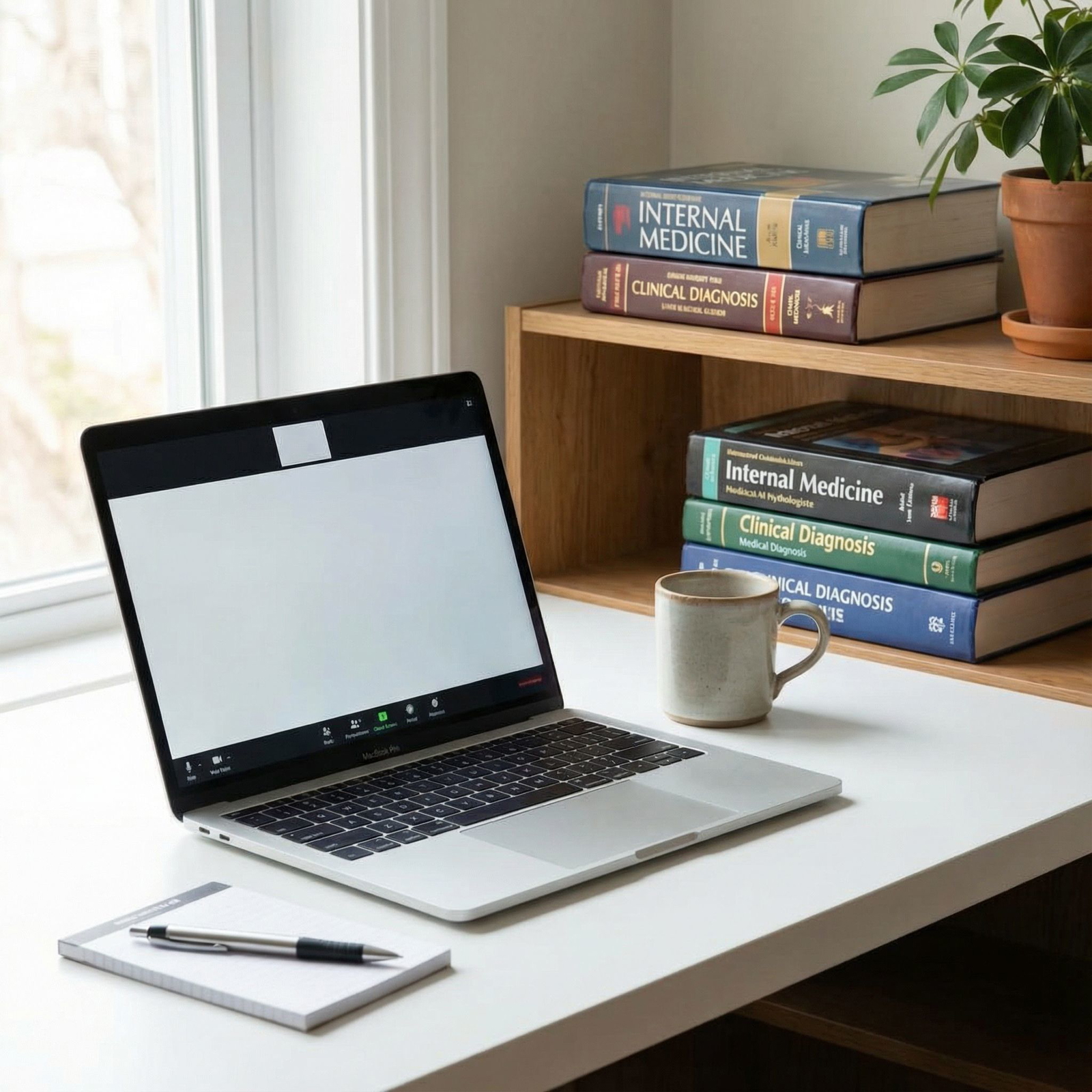
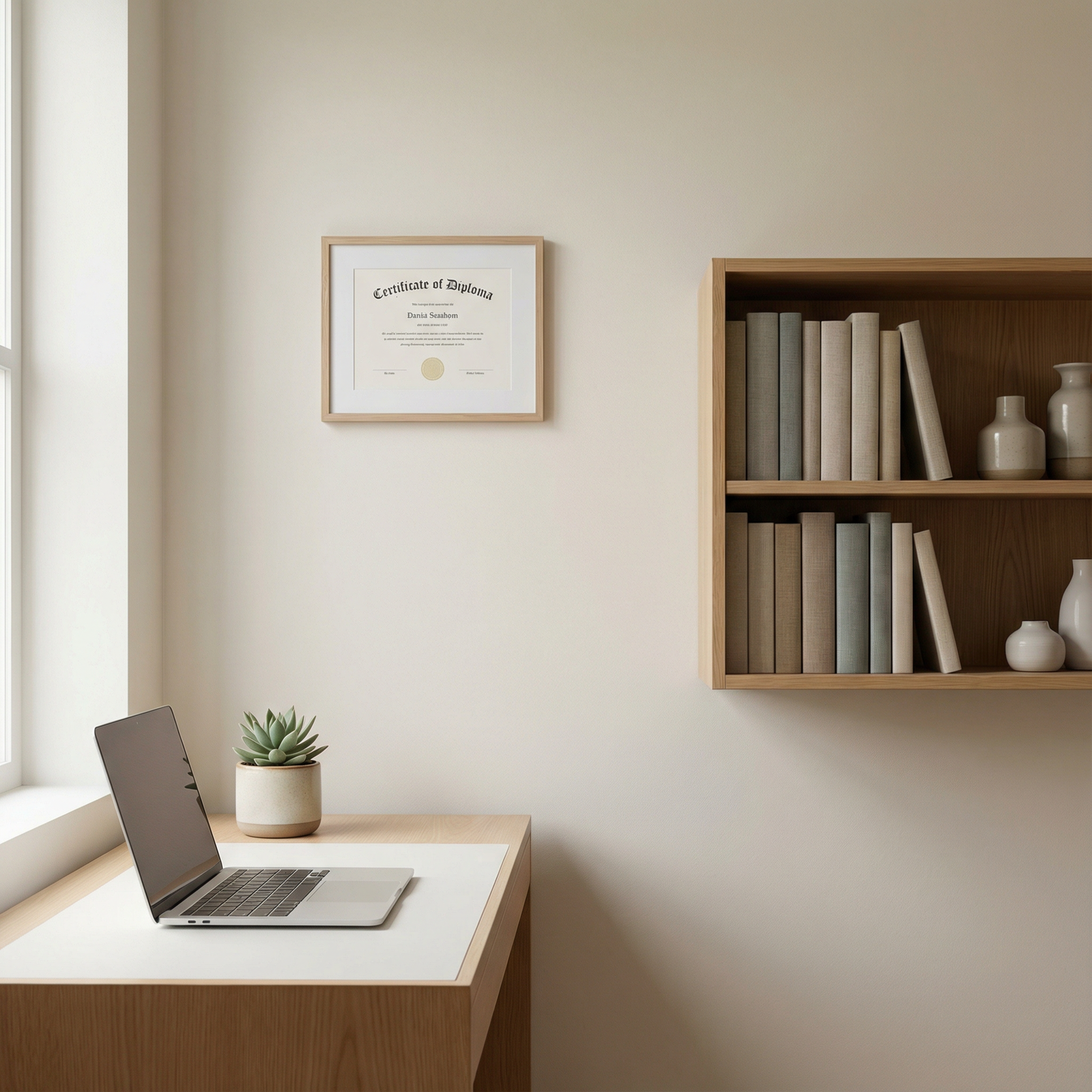
- Choose a simple, neutral background: plain wall, neatly organized bookshelf, or tidy office space.
- Remove distracting clutter, posters, or personal items that feel too casual.
- Place medical-related items sparingly (e.g., a framed diploma, medical book) if available—but avoid over-decorating.
Virtual backgrounds are not recommended unless your real space is unworkable. If you must use one:
- Choose a subtle, professional virtual background (plain color or blurred office).
- Avoid backgrounds that glitch as you move. Test with your specific lighting and clothing.
Lighting
- Face a window or a light source; the light should come from in front of you, not behind.
- Avoid strong backlighting (like a bright window behind you), which makes your face appear in shadow.
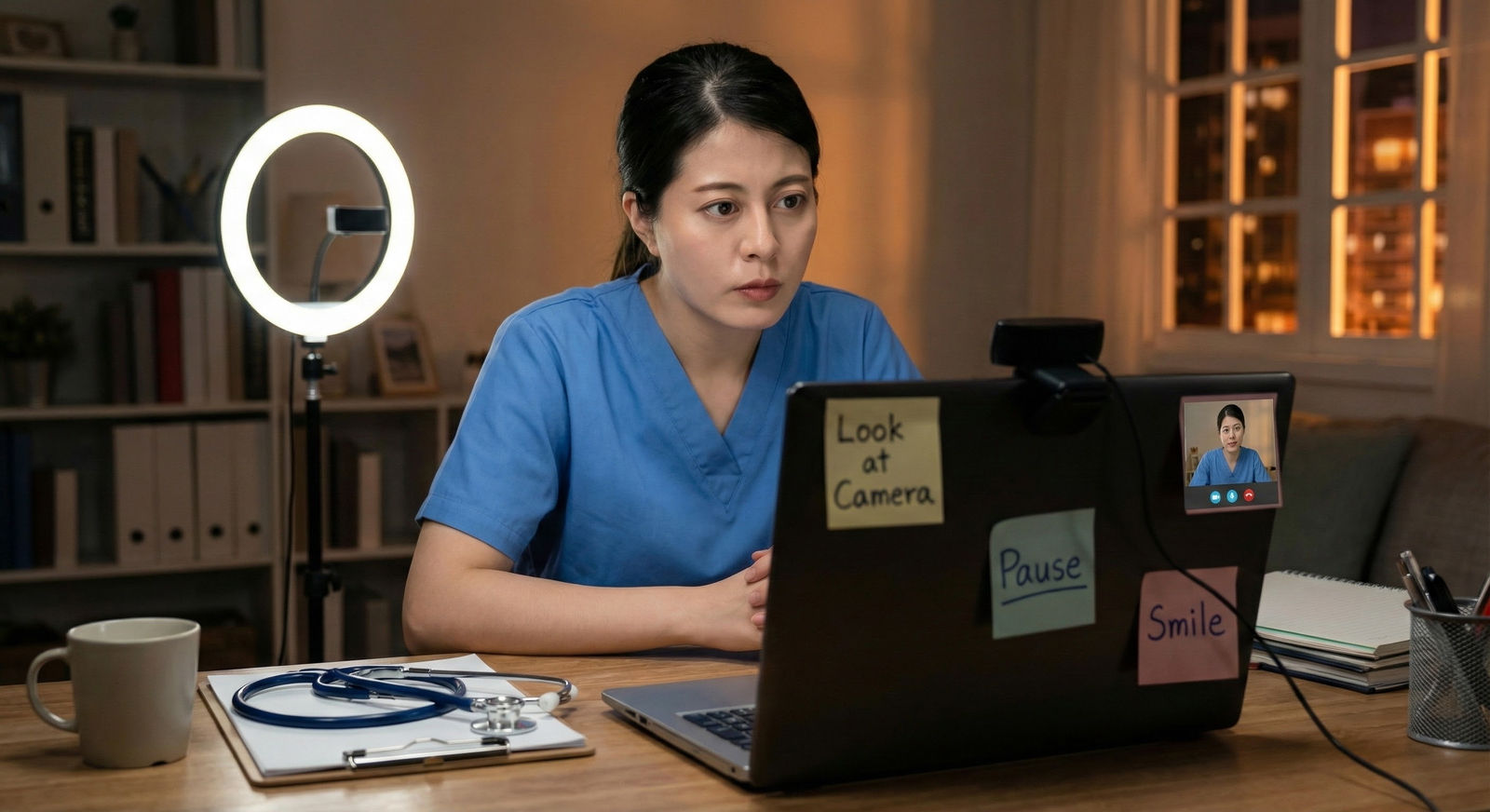
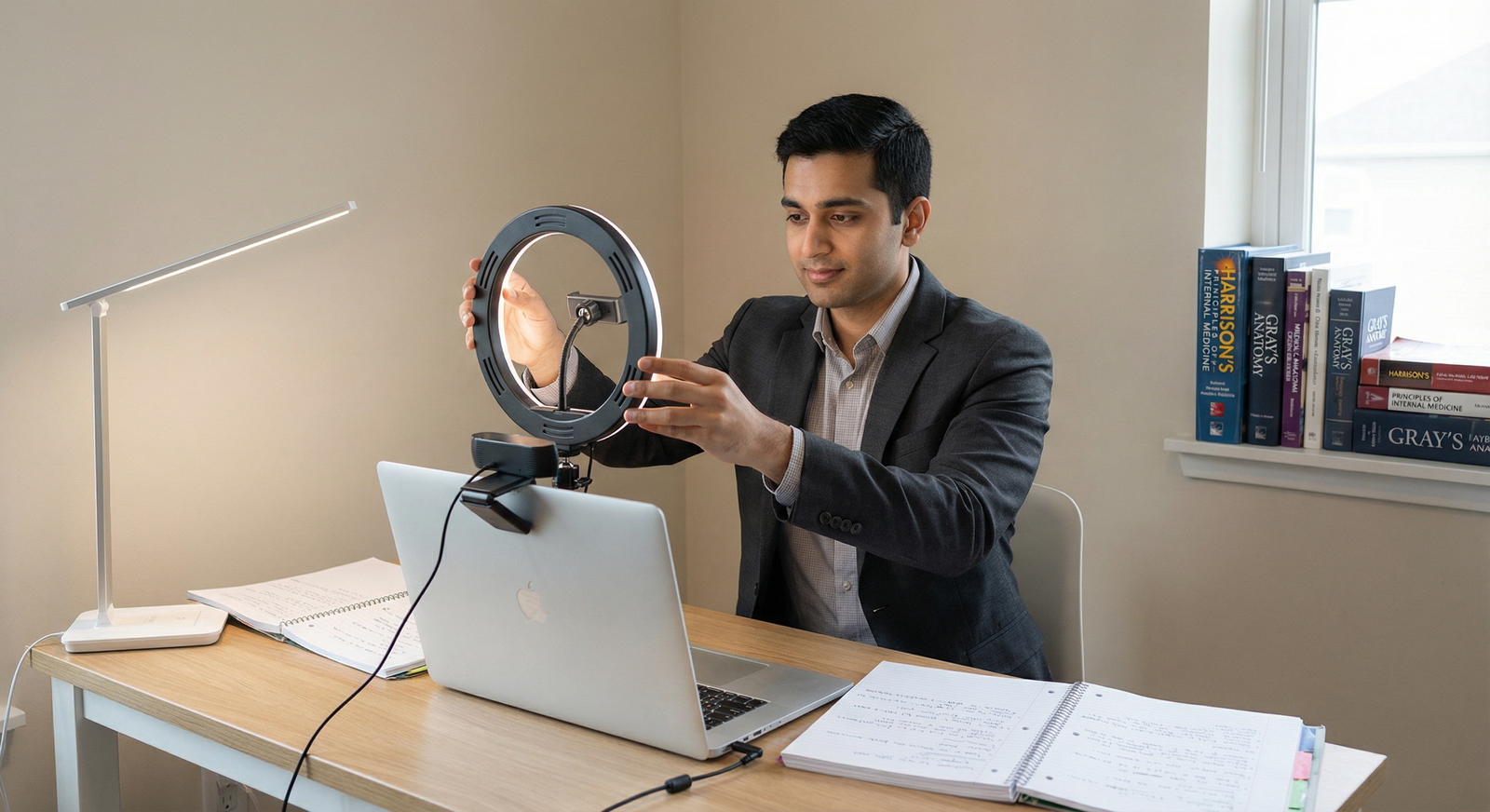
- If your room is dim, use a small ring light or desk lamp placed slightly above eye level behind your screen.
Camera framing
- Your eyes should be about one-third from the top of the screen.
- Show from mid-chest upward; avoid being only a floating head or appearing too far away.
- Position the camera at eye level (stack books or use a stand if needed) to avoid looking down into the camera.
Actionable step: Take a screenshot of yourself during a test call. Would you hire this person as a colleague? If not, adjust background, lighting, or framing until the answer is yes.
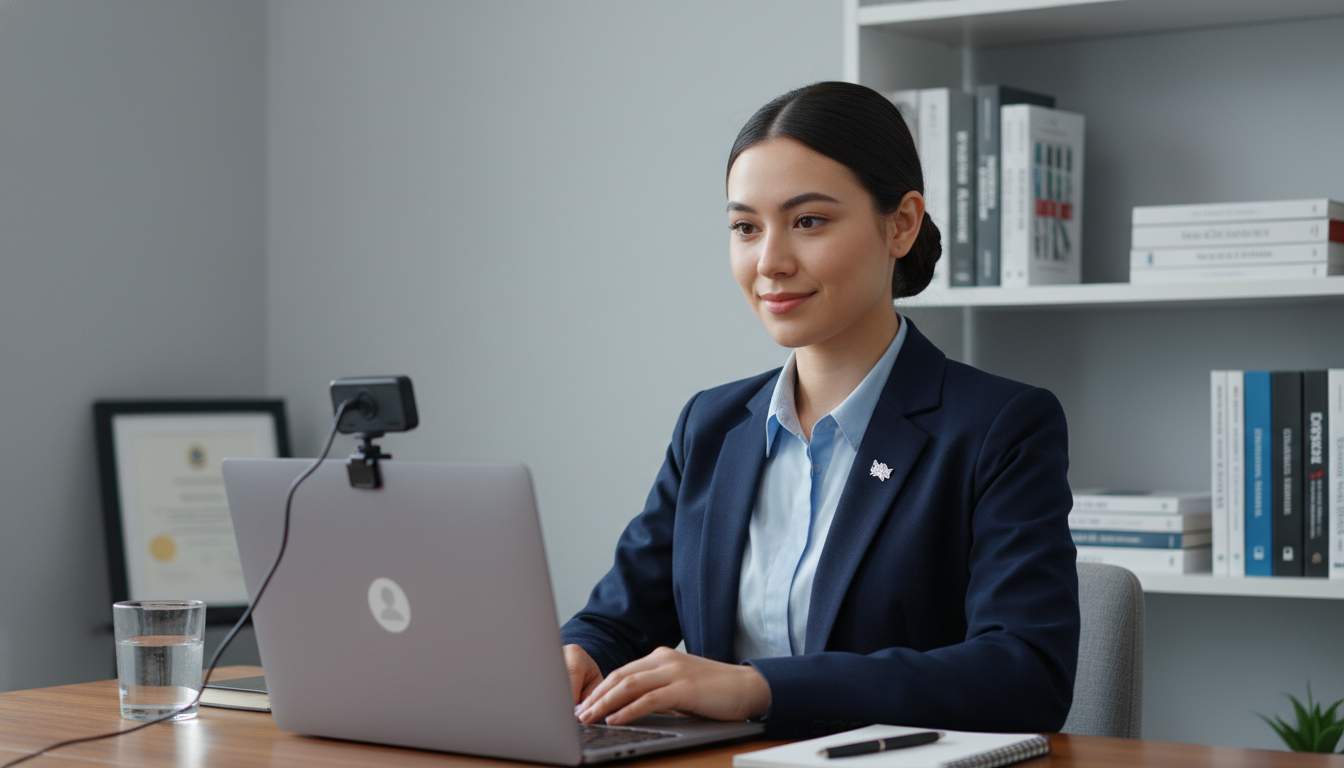
Professional Demeanor On Screen: Translating Bedside Manner to Webcam
In person, you naturally rely on subtle body language, handshakes, and eye contact. In a virtual residency interview, all of this has to be adapted to a small rectangle.
1. Dress Code: From “Clinic Ready” Up
Dress as you would for a hospital-based professional meeting. Programs expect the same professionalism virtually as in person.
For all genders:
- Top: Solid-colored dress shirt or blouse, or simple professional dress. Avoid loud patterns that distort on camera.
- Jacket: A blazer is optional but can help you feel and look more formal.
- Color: Navy, charcoal, white, light blue, or other neutral tones work best.
- Bottoms: Wear professional pants or skirt; don’t risk needing to stand up and revealing pajamas.
Avoid:
- Flashy jewelry or accessories.
- Clothing that blends into your background (e.g., white shirt against white wall).
- Distracting ties or overly bright colors.
Actionable step: Do a full outfit trial on camera. Check for color contrast with your background and reflection of light.
2. Body Language and Eye Contact on Camera
Eye contact in a virtual setting is counterintuitive: you feel like you’re making eye contact when looking at the interviewer’s face on screen, but they experience eye contact only when you look at the camera.
- When listening, look mostly at the screen to read facial cues, occasionally glance at the camera.
- When speaking, look directly into the camera around 60–70% of the time, especially when making key points or closing a response.
- Keep your hands visible occasionally—light, natural gestures near your chest/shoulder area can make you appear more engaged.
- Sit upright, shoulders relaxed but not slouched; avoid leaning too far back or hunching towards the screen.
Practice tip: Tape a small arrow or sticker near your webcam as a reminder to look there when responding.
3. Voice, Pace, and Clarity
Virtual platforms sometimes introduce audio lag or distortion. Compensate by being slightly more deliberate:
- Speak 5–10% slower than usual, and articulate clearly.
- Pause briefly after a question is asked before answering, to avoid talking over the interviewer if there is a lag.
- If you have an accent or speak very quickly, practice short, well-structured answers with clear transitions (“First… second… finally…”).
Actionable step: Record yourself answering two common questions (“Tell me about yourself” and “Why this specialty?”), then play back and evaluate: volume, pace, clarity, and number of filler words (“um,” “like,” “you know”).
Content Preparation: What to Say and How to Structure It
Technical polish gets you taken seriously; your content—what you actually say—gets you ranked to match. As a US citizen IMG, you should anticipate additional interest in your path and motivations.
1. Your “US Citizen IMG” Narrative
Programs will likely ask something like:
- “Tell me about your path to medicine.”
- “How did you decide to attend medical school abroad?”
- “Walk me through your journey as an American studying abroad and returning to the US system.”
Your goal is to present this in a confident, positive, and forward-looking way—not apologetic or defensive.
Example structure:
Origin of interest in medicine (1–2 sentences)
“I grew up in [state/city], and my interest in medicine started when…”Decision to attend medical school abroad (2–3 sentences)
“I chose to study at [school] in [country] because… (strengths of program, clinical exposure, global health, limited US options at the time—without blaming).”What you gained from being an American studying abroad (3–4 sentences)
Discuss adaptability, cross-cultural communication, working in resource-limited settings, independence, or language skills.Transition back to the US system and current readiness (2–3 sentences)
Mention US clinical experience, USMLE completion, letters from US physicians, and familiarity with US healthcare culture.
Avoid:
- Long explanations about admissions or financial issues.
- Criticizing your medical school or healthcare system abroad.
- Sounding like you “settled” or were forced; frame decisions as intentional and growth-oriented.
2. Structuring Answers for Common Virtual Residency Interview Questions
Given virtual fatigue, structured answers stand out. Use simple frameworks like STAR (Situation, Task, Action, Result) or PAR (Problem, Action, Result).
Common questions and strategic approaches:
“Tell me about yourself.”
- Aim for 2 minutes or less.
- Focus on your trajectory: background → medical school abroad → key experiences → why this specialty → current goals.
- Ensure the story is coherent and explicitly mentions you are a US citizen IMG in a confident, matter-of-fact way.
“Why this specialty?”
- Start with an early motivating experience (brief).
- Link 2–3 core values or strengths (e.g., continuity of care, procedural vs cognitive, team-based work).
- End with why the specialty is a good long-term fit, not just what you like about it.
“Why our program?” (virtual version)
Programs know you haven’t visited in person, so your virtual residency interview answer must show specific research:
- Reference program features you learned from their website, video tours, or virtual open houses.
- Mention teaching structure, patient population, location, or fellowship opportunities relevant to your goals.
- If you attended a Zoom info session or spoke with residents via email or social media, mention this briefly.
“Tell me about a time you had a conflict with a team member.”
- Choose a clinical or team-based example, not a minor classroom disagreement.
- Use STAR:
- Situation/Task: concise background
- Action: what you did (communication, empathy, seeking feedback)
- Result: resolution and what you learned for future team interactions
Actionable step: Write bullet-point outlines (not scripts) for 8–10 common questions and practice them out loud. Focus on clarity, structure, and positivity.

Online Interview Preparation: Rehearsal, Logistics, and Day-of Strategy
Virtual success is rarely accidental. Treat your preparation as you would for an OSCE or major exam: deliberate, structured, and repeated.
1. Mock Interviews and Zoom Interview Tips
Doing at least 2–3 mock virtual residency interviews is essential, especially if you haven’t had much formal interviewing experience.
Who to practice with:
- Faculty at your medical school (even abroad).
- US-based mentors, alumni, or relatives in healthcare.
- Peers or other US citizen IMGs going through the Match.
Zoom interview tips during practice:
- Simulate real conditions: full professional attire, same room, same device, same time of day.
- Ask for feedback on content (clarity, depth, structure) and delivery (eye contact, energy, nonverbal cues).
- Record one of your mocks (with permission) and identify:
- Overused filler words
- Any slouching, fidgeting, or staring at another screen
- If your answers are too long or too brief
2. Technology and Logistics Checklist
At least 3–5 days before each interview:
- Confirm time zones (especially important if you’re still abroad).
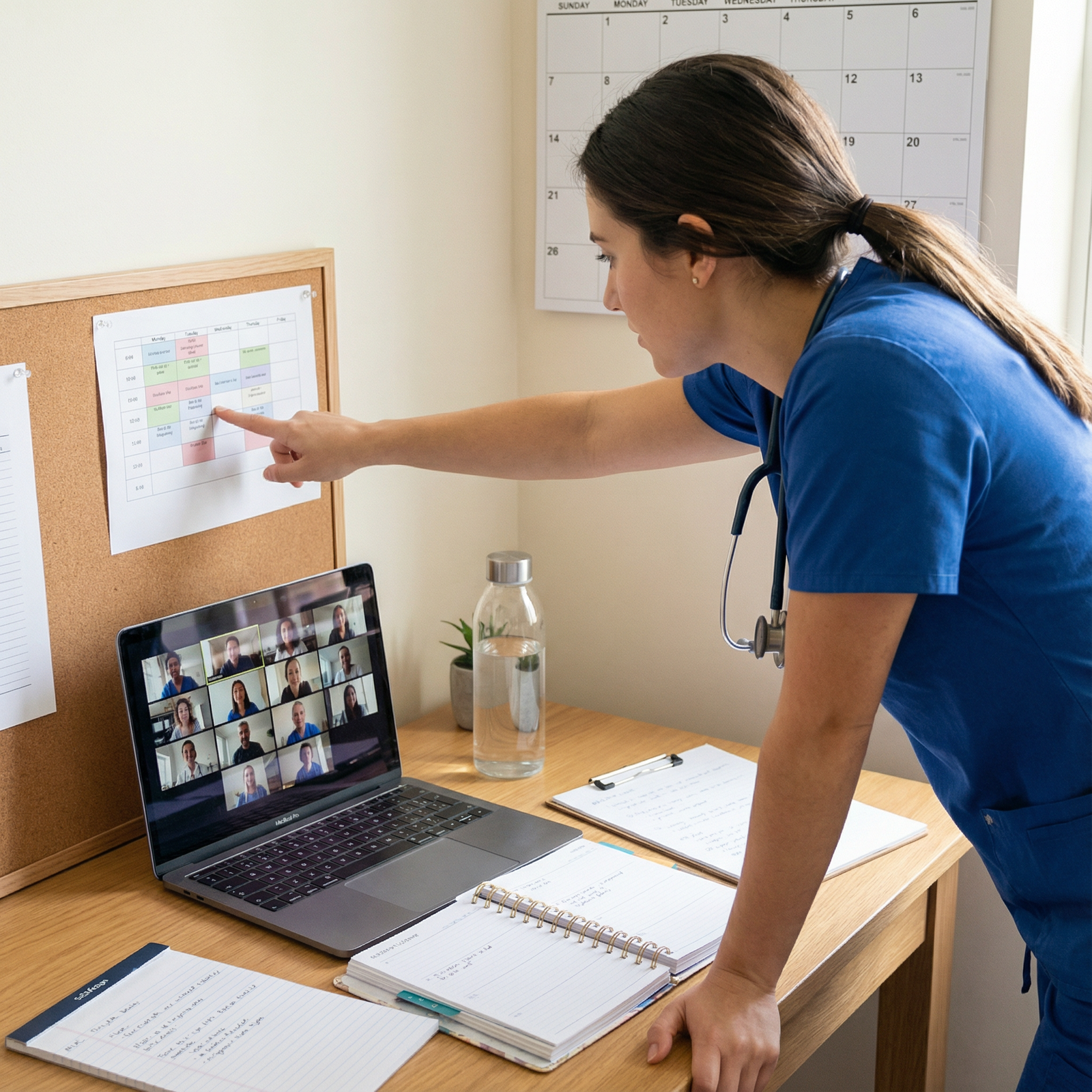
- Print or save the program’s schedule, list of interviewers (if provided), and Zoom/Teams links.
- Prepare a backup device (e.g., phone with app installed) in case of emergency.
- Check your username and photo on Zoom/Teams—use your full name and a professional headshot if one appears.
The night before:
- Lay out your clothes and test your camera and lighting at the same time of day as the interview.
- Charge your laptop and position your charger within reach.
- Close all unnecessary tabs and programs; disable pop-up notifications and messaging apps.
3. Interview Day Routine
Create a routine that reduces anxiety and promotes consistency.
2 hours before:
- Eat a light meal and hydrate.
- Avoid excessive caffeine if it makes you jittery or talk too fast.
45–60 minutes before:
- Do a final tech check: internet speed test, camera framing, mic test.
- Place a notepad and pen beside you.
- Keep a printed or on-screen document with:
- Key bullet points about the program
- Your top 4–5 talking points (e.g., strengths, key experiences)
- A short list of questions you want to ask
10–15 minutes before:
- Close your door; let housemates/family know not to interrupt.
- Turn your phone to Do Not Disturb, but keep it nearby for emergency contact with the program.
- Open the Zoom/Teams link and be ready 5–10 minutes early.
4. Handling Technical Glitches Gracefully
Programs understand that technology can fail. They judge you more on how you respond than on the glitch itself.
If your screen freezes or audio drops:
- Stay calm. Use the chat function: “I’m having some technical issues with my audio; I’m reconnecting now.”
- If disconnected entirely, rejoin immediately. If you cannot, email or call the coordinator using the contact info in your instructions.
You might say upon returning:
“I apologize for the technical issue and appreciate your patience. I’m back now and ready to continue.”
Don’t dwell on the issue; move forward with confidence.
Making a Strong Impression and Following Up
In a virtual setting, small signals of professionalism can have outsized impact.
1. Asking Insightful Questions
Every interview includes time for your questions. Use this to demonstrate genuine interest and preparation.
Good question categories:
Education and mentorship:
“How does your program support US citizen IMG residents in transitioning to the US system?”
“Can you tell me about your approach to feedback and resident evaluation?”Resident life and culture:
“How would you describe the culture of the program and the type of residents who thrive here?”
“What supports are available for wellness and work–life balance?”Program specifics:
“I noticed you have strong exposure to [patient population/service]; how has that influenced graduates’ career paths?”
Avoid questions easily answered on the website (call schedule basics, salary, etc.), unless you need clarification.
2. Showing Enthusiasm Without Overdoing It
Because interviewers are behind a screen all day, your energy and warmth matter:
- Use active listening: nod, respond with short verbal affirmations (“That makes sense,” “I appreciate you sharing that”).
- Smile naturally at the beginning, when you greet them, and when something is genuinely positive or humorous.
- Be concise; respecting time signals professionalism.
As a US citizen IMG, you may want to subtly highlight your readiness:
- Mention specific US rotations, USMLE step completions, and any US letters of recommendation.
- Reinforce that you are committed to practicing in the US long-term, especially if interviewing from abroad.
3. Post-Interview Notes and Thank-You Messages
Immediately after each virtual residency interview:
- Take 5–10 minutes to jot down:
- Names and roles of interviewers
- Memorable parts of the conversation
- Your overall impression of the program
- Any follow-up questions you have
For thank-you messages:
- Many programs still appreciate a brief, personalized email to each interviewer within 24–48 hours.
- Keep it short and specific:
- Express appreciation for their time.
- Reference one specific topic you discussed.
- Reiterate your interest in the program in a balanced way (avoid overstating “No. 1” unless you truly mean it and the timing is appropriate).
Example:
Subject: Thank You – [Your Name], Residency Interview
Dear Dr. [Last Name],
Thank you for taking the time to speak with me during my virtual interview with [Program Name] on [date]. I especially enjoyed our discussion about [specific topic – e.g., your approach to mentoring US citizen IMGs and supporting their transition back to the US system].
Our conversation reinforced my strong interest in [Program Name], particularly because of [brief reason – e.g., the diverse patient population and emphasis on resident education].
Sincerely,
[Your Full Name]
[AAMC ID (optional)]
Check whether a program explicitly discourages thank-you emails; if so, follow their policy.
FAQs: Virtual Residency Interview Tips for US Citizen IMGs
1. As a US citizen IMG, will programs expect me to explain why I studied abroad, and how should I handle that in a virtual interview?
Yes. Programs often ask about your path. Address it proactively and positively: focus on what drew you to your school, what you gained from being an American studying abroad (resilience, cultural competence, exposure to different systems), and how your US clinical experiences and exam performance demonstrate readiness for residency in the US. Avoid sounding defensive or apologetic; treat your path as a strength that broadened your perspective.
2. Do I need a professional camera or expensive equipment for a virtual residency interview?
No. Most applicants do well with a standard laptop camera and a reliable internet connection. Prioritize:
- Stable internet (wired if possible),
- Good lighting (light in front of you),
- Clear audio (preferably a wired headset or earbuds). If you have limited resources, low-cost improvements like a simple desk lamp or ring light can make a big difference.
3. How many mock virtual interviews should I do before the real thing?
Aim for at least 2–3 full-length mock interviews conducted over Zoom or your platform of choice. Include:
- One focused on content (your story, common questions).
- One focused on delivery and presence (eye contact, pacing, nonverbal cues).
- One that simulates a full interview day, if possible, with multiple short sessions. Record at least one session and review it critically.
4. What if I get very nervous on camera or feel “awkward” in virtual interactions?
Nerves are common, especially for applicants who haven’t had many video-based professional interactions. Practical steps:
- Practice short, structured answers so you’re not improvising under pressure.
- Do brief warm-ups before interviewing: speak out loud for a few minutes, do light stretching or breathing exercises.
- Conduct several low-stakes video calls with friends or peers to get used to seeing yourself on screen. Over time, you’ll become more comfortable, and your authentic personality will show through more easily.
By approaching your virtual residency interview with intentional technical setup, polished on-screen presence, and well-structured content, you transform a potential barrier into a powerful platform. As a US citizen IMG, you bring a unique combination of US roots and global medical training—use these strategies to make that story clear, compelling, and unforgettable on screen.