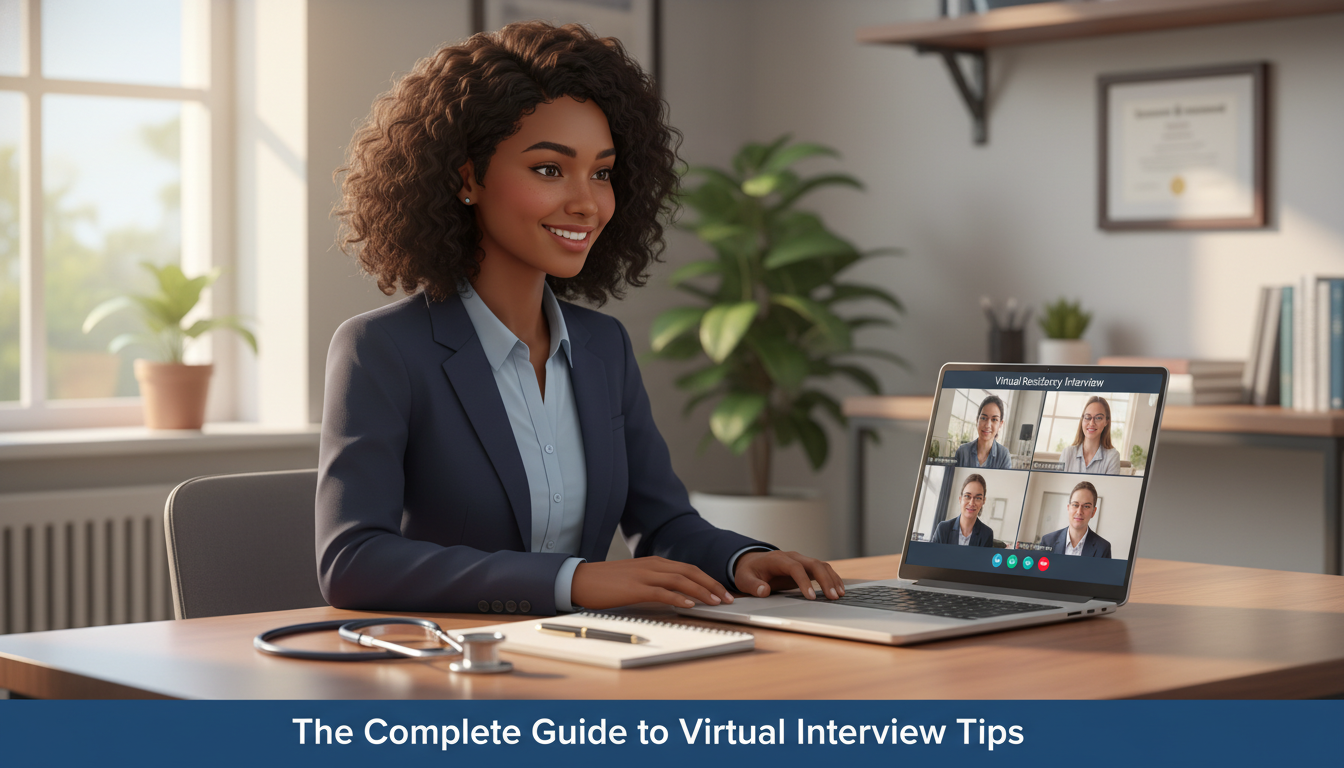
Understanding the Virtual Residency Interview Landscape as an IMG
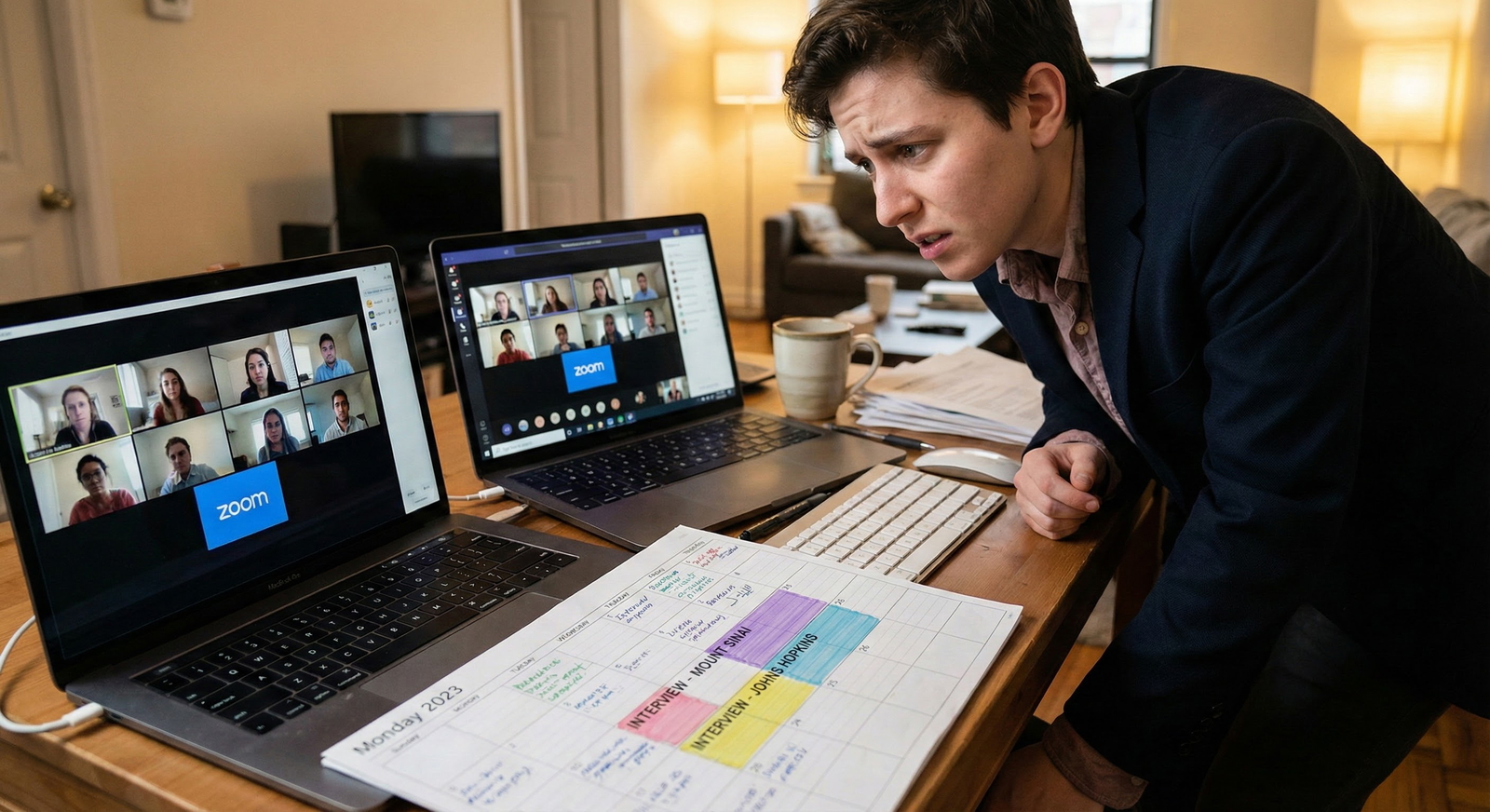
Residency interviews have permanently shifted toward virtual formats in many specialties and programs. For an international medical graduate (IMG), this change is both a challenge and an opportunity. You no longer need to travel across the country or navigate complex visa-related logistics for in‑person interviews, but you must now master a new skill set: succeeding in the virtual residency interview.
Virtual interviews usually take place on platforms like Zoom, Microsoft Teams, or Webex. They can include:
- Individual interviews with faculty and program leadership
- Breakout rooms with residents
- Group information sessions and Q&A
- Virtual social events or “pre‑interview dinners”
- Program overview videos and virtual hospital tours
This IMG residency guide focuses specifically on virtual interview tips and online interview preparation so that you can perform at your best in this format.
Key differences for IMGs in virtual interviews:
- Technology is part of your first impression. Your internet, background, camera angle, and sound become part of your professional image.
- Nonverbal communication is harder to convey. Programs see only your upper body and facial expressions; cultural nuances can be magnified or lost.
- Time zones and fatigue can affect performance. Interviews may occur early morning or late at night depending on where you live.
- English communication skills are under a virtual microscope. Clarity, pace, and confidence matter even more through a screen.
The good news: each of these areas can be intentionally practiced, controlled, and improved. The sections below provide a step‑by‑step, IMG‑specific blueprint.
Technical Setup and Environment: Building a Professional Virtual “Stage”
Your virtual interview room is your new interview suit. It communicates organization, professionalism, and attention to detail before you even speak.
1. Internet, Device, and Backup Plan
Internet connection
- Use wired Ethernet if possible. If not, stay close to your Wi‑Fi router.
- Test your upload and download speed: ideally at least 10 Mbps upload and 25 Mbps download.
- Ask others in your home not to stream video or games during your interviews.
Device choice
- Prefer a laptop or desktop over a phone or tablet.
- Ensure your device is plugged in or fully charged. Disable battery‑saving modes that might slow performance.
- Close all unnecessary programs and browser tabs to prevent lag or notifications.
Backup plan
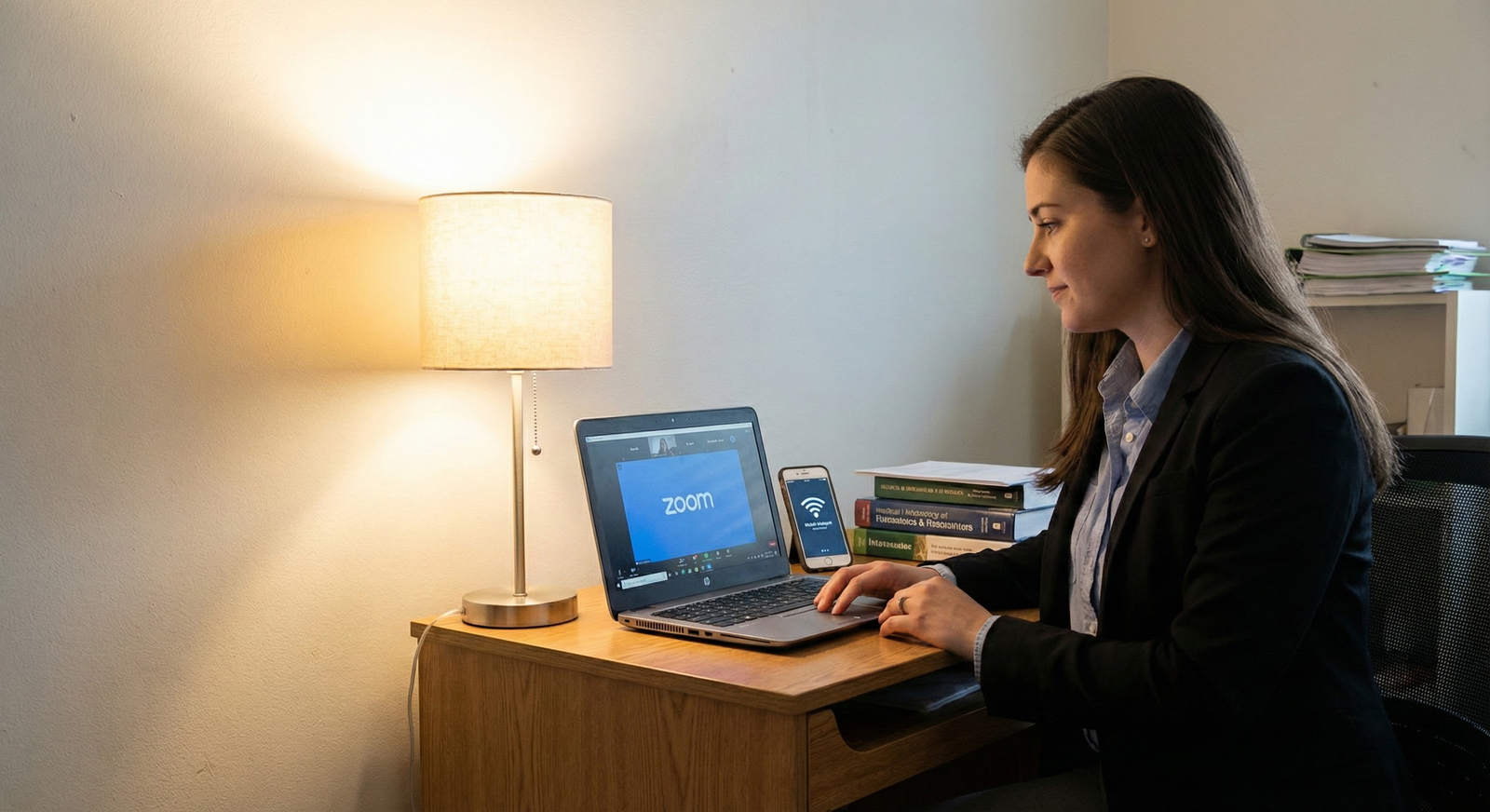
- Have a second device ready (phone or tablet with the Zoom/Teams app installed).
- Save program coordinator emails and phone numbers in advance.
- Keep a portable hotspot or backup Wi‑Fi source if possible.
- If your internet fails during the interview, email the coordinator immediately and rejoin as soon as possible with a brief apology and explanation.
2. Camera, Audio, and Lighting
Your camera and microphone dramatically influence how “present” and professional you look and sound.
Camera
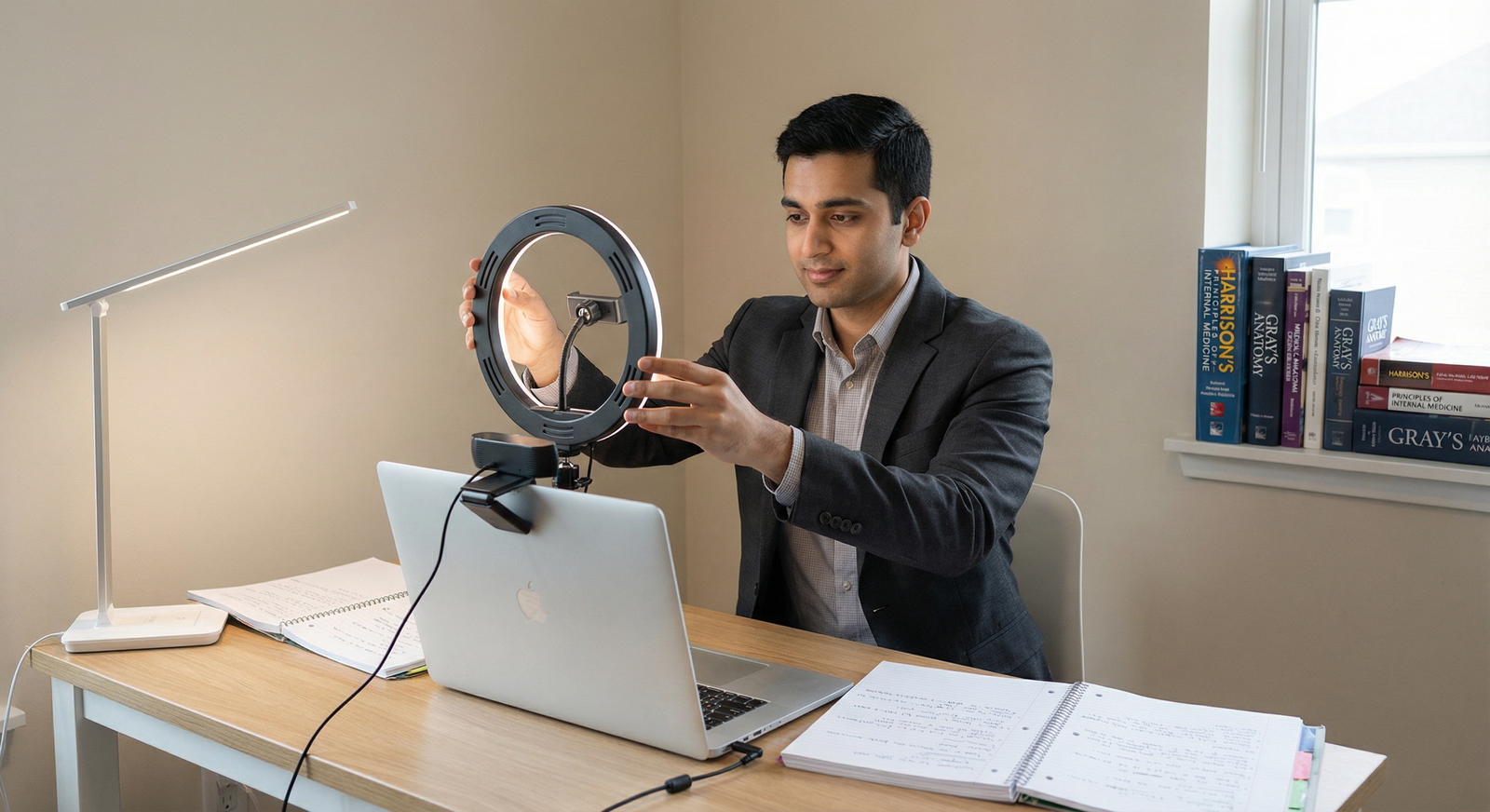
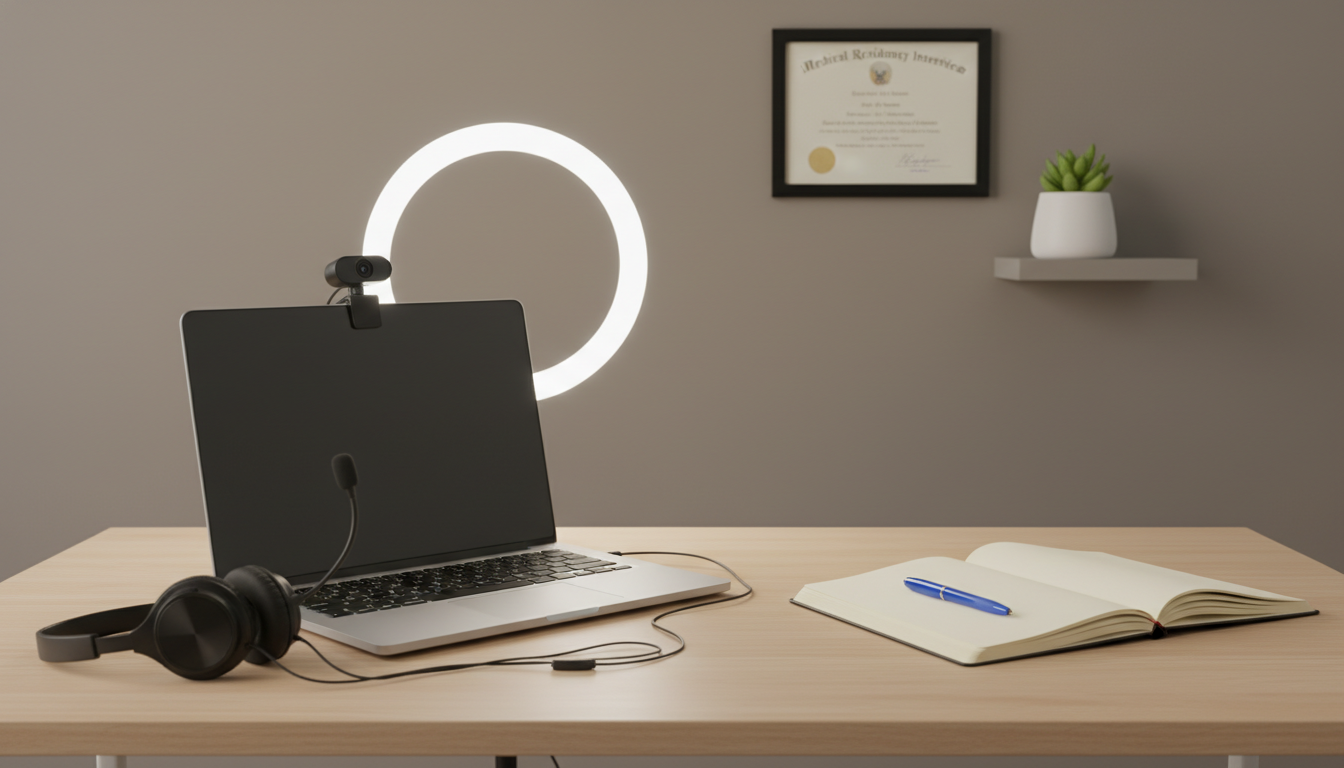
- Use an external HD webcam if available; these often provide sharper image and better light handling.
- Adjust the camera so your eyes are at the same level as the lens. Use books or a laptop stand if needed.
- Frame yourself from the chest up with a little space above your head.
Microphone
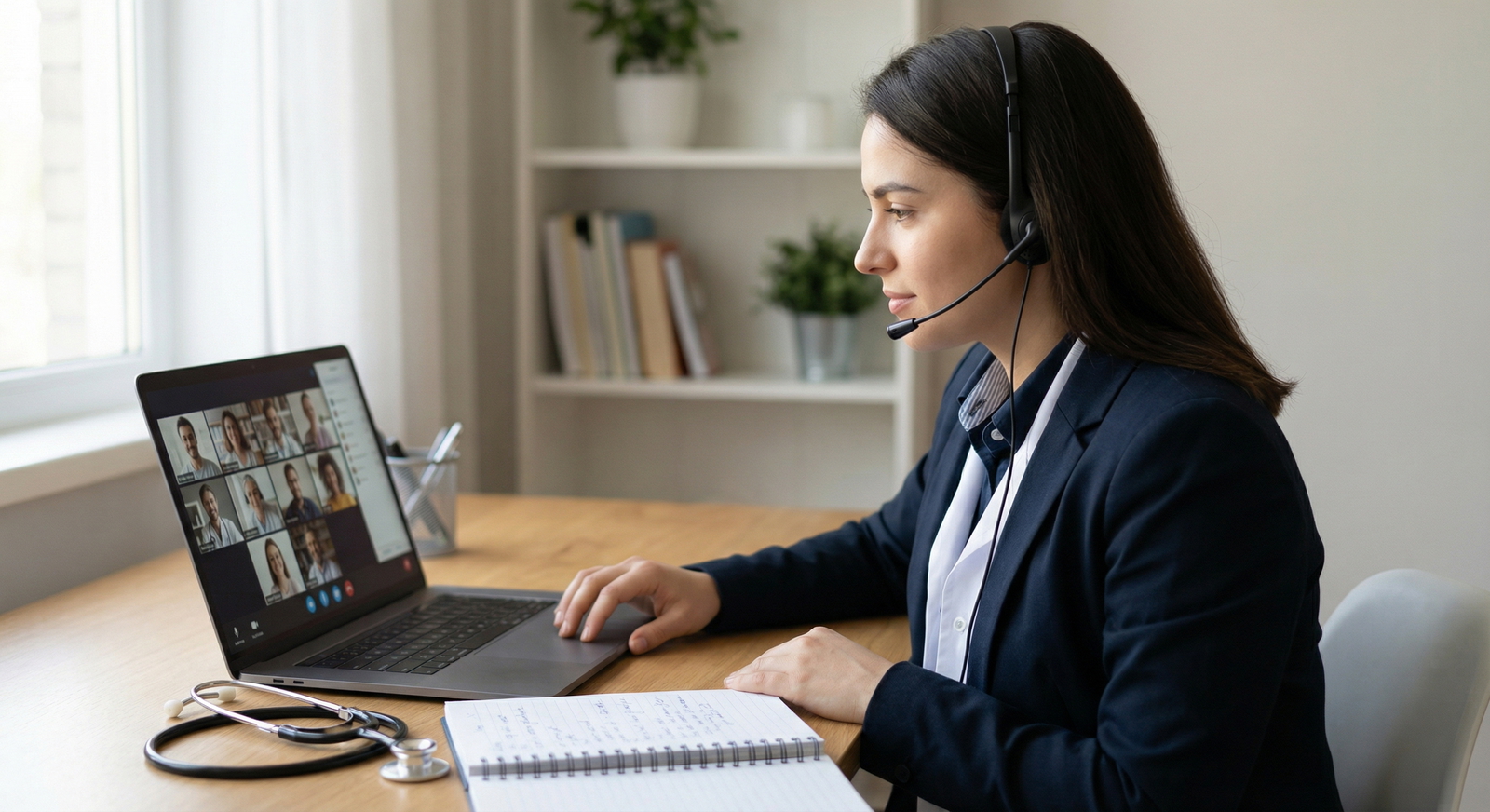
- Use wired or good‑quality Bluetooth headphones with a built‑in microphone to reduce echo.
- Avoid using laptop speakers and mic alone—they often create echo and background noise.
- Test your audio by recording yourself speaking typical interview answers.
Lighting
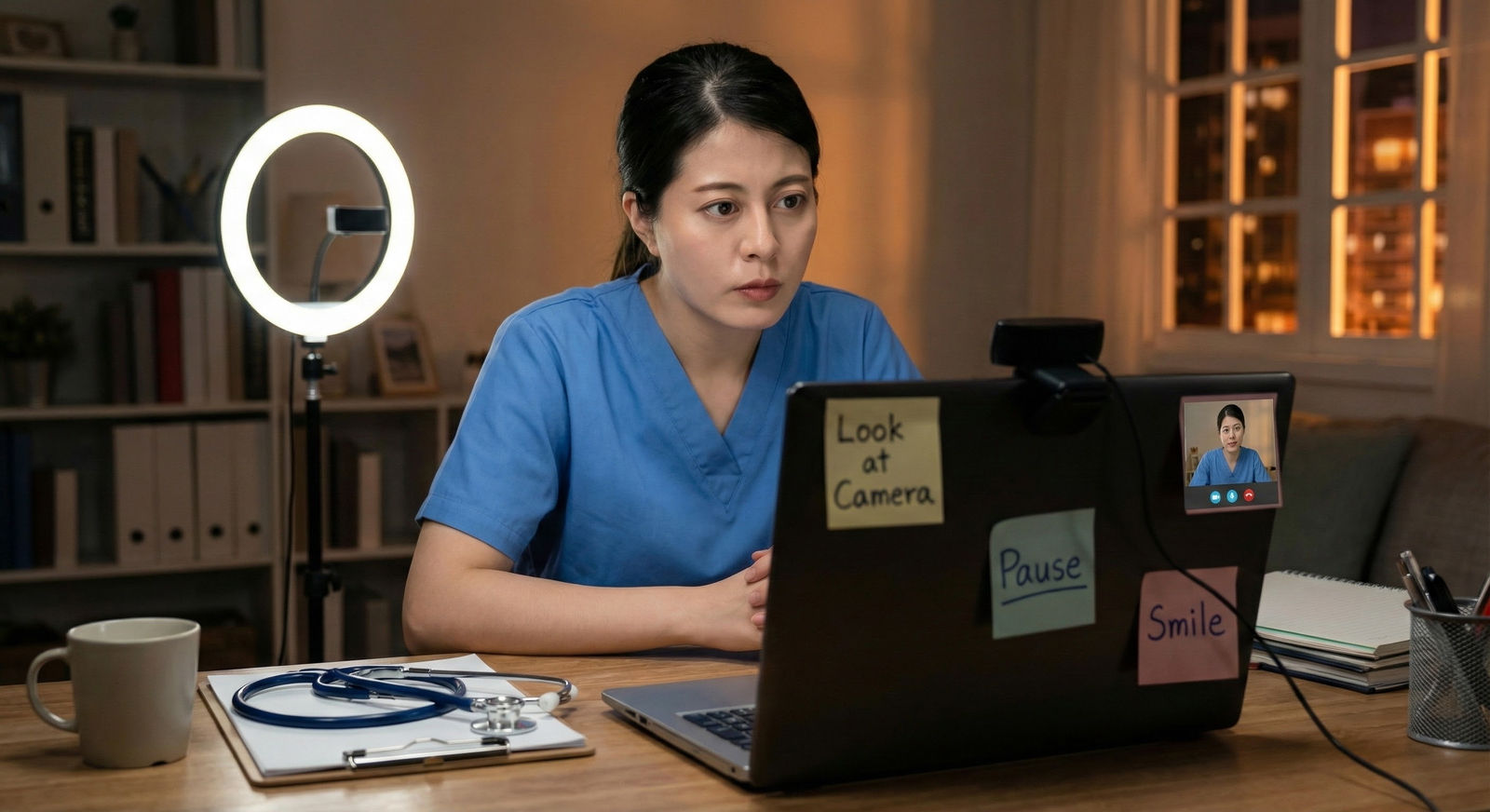
- Face a window or light source; never have bright light behind you.
- Use a simple ring light or desk lamp if natural light is poor.
- Avoid overhead lighting that causes shadows under your eyes.
Aim for a clear, bright, and natural look. Programs don’t expect studio‑level quality, but they notice poor lighting or audio.
3. Background and Professional Setting
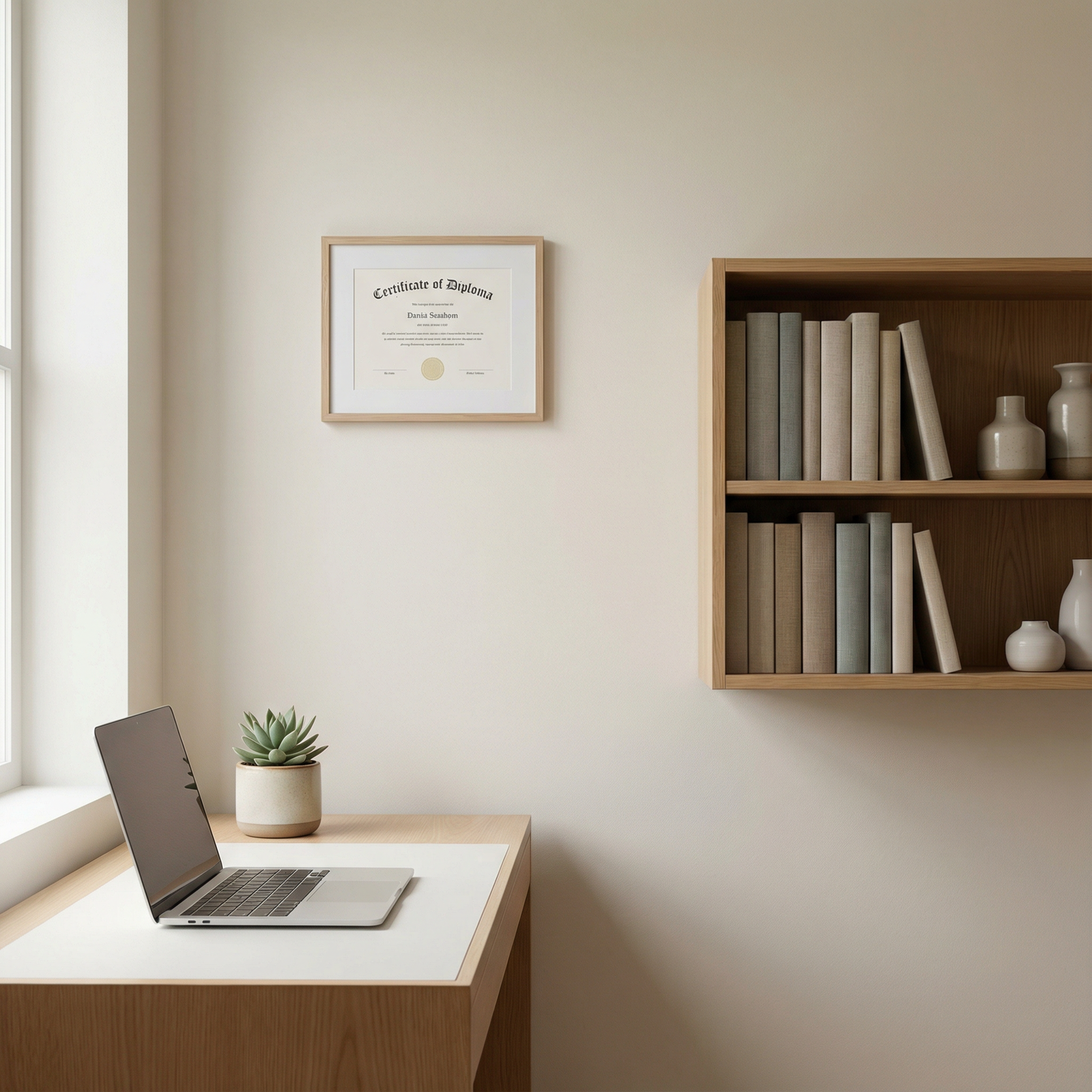
Your background should be simple, tidy, and non‑distracting.
Ideal background elements
- Neutral wall color or a tidy bookcase
- A framed diploma, certificate, or simple artwork
- Minimal curated medical cues (e.g., one textbook, stethoscope on desk), but avoid clutter
Avoid
- Beds or messy rooms in view
- Bright patterns, political or controversial posters
- Busy virtual backgrounds that flicker or cut around your hair and shoulders
If your environment is not ideal:
- Use a solid-color virtual background or subtle blurred background.
- Test it with your outfit to ensure there’s no visual glitching.
Professional Presence On Camera: Body Language, Communication, and Impression Management
Online interviews compress your image into a small rectangle, making deliberate nonverbal communication essential.
1. Body Language and Eye Contact
Eye contact
- Look at the camera lens when delivering key points—not the video of yourself.
- Place the video window as close to the camera as possible (top center of your screen) to make this easier.
- Aim for a natural pattern: 70–80% at the lens, 20–30% glancing at the interviewer’s face on screen.
Posture
- Sit upright with your back supported and both feet flat on the floor.
- Keep shoulders relaxed. Lean slightly forward; this conveys engagement.
- Avoid rocking, swiveling chairs, or fidgeting with pens or cords.
Facial expression
- Practice a resting attentive face: neutral but slightly positive, with a hint of a smile.
- Nod occasionally to show you are listening and understanding.
2. Voice, Accent, and Pace (Especially Important for IMGs)
As an international medical graduate, you may worry about your accent or being understood through video. You do not need a perfect American accent, but you do need clarity, confidence, and controlled pace.
Strategies to improve verbal clarity
- Speak slightly slower than you think you should, especially for complex answers.
- Enunciate clearly; emphasize key words in your responses.
- Use shorter sentences and pause briefly between ideas.
- Practice answers while recording yourself and play back to evaluate clarity.
If interviewers ask you to repeat yourself, don’t panic:
- Repeat with a calm, friendly tone:
- “Of course, I was explaining that during my internal medicine rotation, I learned…”
- This shows emotional maturity and adaptability.
3. Dressing for a Virtual Residency Interview
Treat your virtual residency interview like an in‑person one.
Basics
- Wear professional attire: suit jacket or blazer with a collared shirt or formal blouse.
- Solid colors photograph better than busy patterns.
- Avoid bright white if you are directly in front of a strong light; light blue, gray, or soft tones work well.
Camera‑specific dressing tips
- Test your outfit on camera before the interview to ensure:
- There is enough contrast with your background.
- It doesn’t cause glare or strange visual patterns.
- Wear professional bottoms as well; there are occasionally reasons you might need to stand.
Content Preparation: Crafting Strong, Structured Responses for Virtual Interviews
Technical excellence is only one part of online interview preparation. You also need solid, concise content and stories that translate well over video.
1. Know Your Own Application Inside Out
Residency programs will expect you to discuss:
- Your medical school journey and major transitions
- Clinical experience (especially U.S. clinical experience, if any)
- USMLE scores and exam experiences (briefly)
- Gaps in training or career, and how you used that time
- Research projects, posters, and publications
- Volunteer work and leadership roles
As an IMG, you must be ready to translate unfamiliar systems (e.g., your home country’s curriculum) into terms that U.S. programs can understand:
- Explain your grading system briefly when relevant.
- Clarify how your rotations were structured (duration, responsibilities).
- Highlight any exposure to U.S. healthcare or similar systems.
2. Structuring Your Answers: Use Simple, Reliable Frameworks
Because virtual interactions can reduce attention span, organized and concise answers are crucial.
Use standard frameworks such as:
STAR method for behavioral questions:
- Situation
- Task
- Action
- Result
SPF method for “Tell me about yourself” and “Walk me through your CV”:
- Summary of who you are as a candidate
- Past experiences that prepared you
- Future goals in that specialty/program
Example: “Tell me about yourself” (IMG tailored)
“I am an international medical graduate from [Country] with a strong interest in internal medicine and longitudinal patient care. During medical school, I completed rotations in both [home country] and the United States, where I developed particular strength in caring for complex, underserved patients and working in multidisciplinary teams. Over the last year, I’ve focused on solidifying my clinical knowledge through observerships, USMLE preparation, and research in [topic]. I’m now looking for a residency program where I can build a career as a [goal, e.g., academic hospitalist] and continue contributing to quality improvement and medical education.”
3. Strong, IMG‑Focused Answers to Common Questions
“Why did you choose this specialty?”
- Connect your specialty choice to experiences in your home country and, if possible, U.S. rotations.
- Emphasize long‑term commitment, not only short‑term interests.
Example
“In my home country, I saw how chronic diseases such as diabetes and hypertension often progressed without adequate early intervention. During my internal medicine rotations, I valued the opportunity to build ongoing relationships with patients and coordinate their care. Later, during an observership in the U.S., I was impressed by how internal medicine physicians led multidisciplinary teams and used evidence‑based guidelines. These experiences confirmed that internal medicine is the right field for me because it combines long‑term patient relationships, complex problem‑solving, and opportunities for teaching and quality improvement.”
“Why are you interested in our program?”
Programs want specificity, not a generic answer you could give anywhere.
- Mention 3–4 program‑specific points from their website or virtual open house:
- Curriculum features (e.g., strong ambulatory training)
- Research / QI opportunities
- Support for IMGs, mentorship, or visa sponsorship
- Geographic or patient‑population reasons
Example
“I am especially drawn to your program because of its strong ambulatory curriculum, your commitment to caring for a diverse, underserved population, and the structured mentorship for international medical graduates. I also appreciate your track in quality improvement, which aligns with my prior research in improving diabetes management protocols. Finally, your location in [city] is meaningful to me because I have family nearby and I’ve already started building a support network here.”
Addressing gaps, attempts, or time since graduation
As an IMG, you may have additional hurdles—time since graduation, multiple attempts, or gaps. Address them directly, briefly, and constructively.
“After graduating in 2018, I dedicated time to prepare for the USMLE exams and adapt to the U.S. medical system. I had a delay due to [brief reason: family obligation, health, finances], but I used that period to complete online courses, improve my English communication, and volunteer in a local clinic. This experience ultimately made me more organized and resilient, and I’m now fully focused and prepared to begin residency training.”

Zoom Interview Tips and Online Interview Preparation Routines
Your performance on interview day reflects how well you practiced in advance. Online interviews reward deliberate rehearsal.
1. Simulate the Real Virtual Residency Interview
Create at least two full mock interviews:
- Ask a mentor, friend, or fellow IMG to act as the interviewer.
- Use the actual platform (Zoom, Teams, Webex) you’ll use for interviews.
- Wear your interview outfit, set up your camera, and practice with your real background.
- Record the session and review:
- Are you looking at the camera often enough?
- Are your answers too long or too short?
- Do you say “um” or “like” frequently?
Take specific notes and refine your performance.
2. Practice Answer Length and Focus
In a virtual setting:
- Aim for 1–2 minutes for most answers.
- Complex stories can go up to 3 minutes, but only if they are engaging and structured.
- Avoid going on for 5–6 minutes without a pause; it’s easy to lose attention on screen.
Use a timer during practice sessions until you can feel the right length intuitively.
3. Handling Group Sessions and Resident Q&A
Many programs hold group Zoom sessions with multiple applicants. How you behave here also shapes your impression.
Strategies
- Keep your camera on and name clearly labeled (e.g., “First Last, MD – IMG”).
- Ask one or two thoughtful questions; don’t dominate the conversation.
- Show active listening: nod, smile, look engaged.
- Avoid typing loudly or doing other tasks; your attention is visible.
Sample questions for residents
- “How does the program support IMGs in adapting to documentation and communication in the U.S. system?”
- “What do graduates typically do after finishing this residency—fellowship, hospitalist, primary care?”
- “How has the program adjusted to virtual/online education, and what changes have been kept after COVID?”
These questions demonstrate that you’re thinking ahead and understand IMG‑specific needs.
4. Managing Time Zones and Energy (Critical for Overseas IMGs)
If you live outside the U.S., interviews may be at unusual hours.
- Convert time zones carefully and confirm them twice (use online time converters; double‑check AM/PM).
- Try to adjust your sleep schedule 2–3 days before important interview days.
- If your interview is late at night locally:
- Avoid heavy meals or caffeine overload.
- Take a short nap earlier in the day if possible.
- Do a brief stretching or breathing exercise 15–20 minutes before.
Keep water nearby during interviews, but avoid noisy snacks.
Professionalism, Etiquette, and Follow‑Through in the Virtual Era
Many aspects of professionalism are similar across in‑person and virtual formats, but the online context adds extra details.
1. Punctuality and Login Etiquette
- Log in 10–15 minutes early to test your audio and video.
- Use your full name as shown on ERAS; avoid nicknames or device default names.
- Mute yourself when entering large group sessions until called upon.
If you experience technical issues:
- Quickly log out and back in.
- If unsuccessful, email or call the coordinator immediately.
- When you rejoin, briefly apologize and move forward—don’t dwell on it.
2. Handling Difficult or Unexpected Questions
You may encounter challenging questions such as:
- “Why did you score lower on Step 1?”
- “Why haven’t you had U.S. clinical experience recently?”
- “Why should we choose an IMG over a U.S. graduate?”
Approach them calmly and constructively:
- Acknowledge briefly.
- Provide context if needed (without making excuses).
- Focus on what you learned and how you’ve improved or prepared.
Example
“My Step 1 score was lower than I had hoped. At the time, I underestimated the breadth of material and did not take enough practice exams. I reflected on this and completely changed my study strategy for Step 2, focusing more on question banks and timed simulations. This led to a significantly higher Step 2 score and showed me the importance of strategic preparation and self‑reflection. I bring that same growth mindset to residency training.”
3. Asking Questions That Show Insight and Maturity
Programs evaluate you based on the quality of your questions. Avoid questions that you can easily answer by reading their website (e.g., “How many residents are in your program?”).
Instead, ask about:
- Resident support and wellness, especially for IMGs and those far from family
- Mentorship and career development
- How feedback is given and how remediation is handled, if needed
- Opportunities for research, quality improvement, or teaching
Example questions
- “How are international medical graduates supported during the transition into the U.S. system, especially in the first few months?”
- “Can you describe how feedback is typically provided to residents? How often and in what format?”
- “What characteristics do graduates of your program usually share?”
These questions subtly highlight that you are thoughtful, self‑aware, and invested in your growth.
4. Thank‑You Emails and Post‑Interview Communication
Follow‑up remains important, even in virtual interviews.
Thank‑you email basics
- Send a short email within 24–48 hours to each interviewer if their contact is provided.
- Mention 1–2 specific points from your conversation to personalize it.
- Keep it professional, sincere, and concise.
Sample format
Subject: Thank you – [Your Name], [Specialty] Interview on [Date]
Dear Dr. [Last Name],
Thank you for taking the time to speak with me during my virtual interview at [Program Name]. I especially appreciated our discussion about [specific topic, e.g., caring for underserved patients and opportunities for quality improvement].
Our conversation reinforced my strong interest in [Program Name] and in becoming part of a team that values [program strength you noticed].
Sincerely,
[Full Name], MD
AAMC/ERAS ID: [if applicable]
Avoid repeated emails or pressure about ranking. If the program accepts post‑interview updates, send them sparingly and only when you have significant new information (e.g., new publication, major award).
Putting It All Together: A Practical Virtual Interview Preparation Timeline for IMGs
To make this IMG residency guide actionable, here is a sample timeline for online interview preparation.
4–6 Weeks Before Interview Season
- Set up and test your interview space, lighting, and background.
- Purchase or borrow any needed equipment (webcam, microphone, ring light).
- Draft and refine answers to common questions:
- Tell me about yourself
- Why this specialty?
- Why our program?
- Strengths and weaknesses
- Challenges you’ve faced (especially as an IMG)
- Practice answers out loud and record yourself.
2–3 Weeks Before First Interview
- Schedule mock interviews with mentors or friends.
- Practice on Zoom or the specific platform.
- Review your ERAS application, personal statement, and CV; be ready to discuss any line.
- Create a question bank of 10–15 thoughtful questions for programs and residents.
1 Week Before Each Interview
- Re‑check your internet, device updates, and software.
- Review the specific program website; note distinctive features and values.
- Prepare a one‑page “program sheet” for each interview:
- Names and roles of interviewers (if known)
- 3–4 reasons you like the program
- Personalized questions you plan to ask
Day Before Interview
- Lay out your interview outfit and test it on camera.
- Confirm time zones and meeting links; print or save them.
- Charge all devices; set multiple alarms.
- Sleep adequately; avoid new or heavy meals late at night.
Day of Interview
- Log in 10–15 minutes early.
- Turn off notifications on phone and computer (Do Not Disturb).
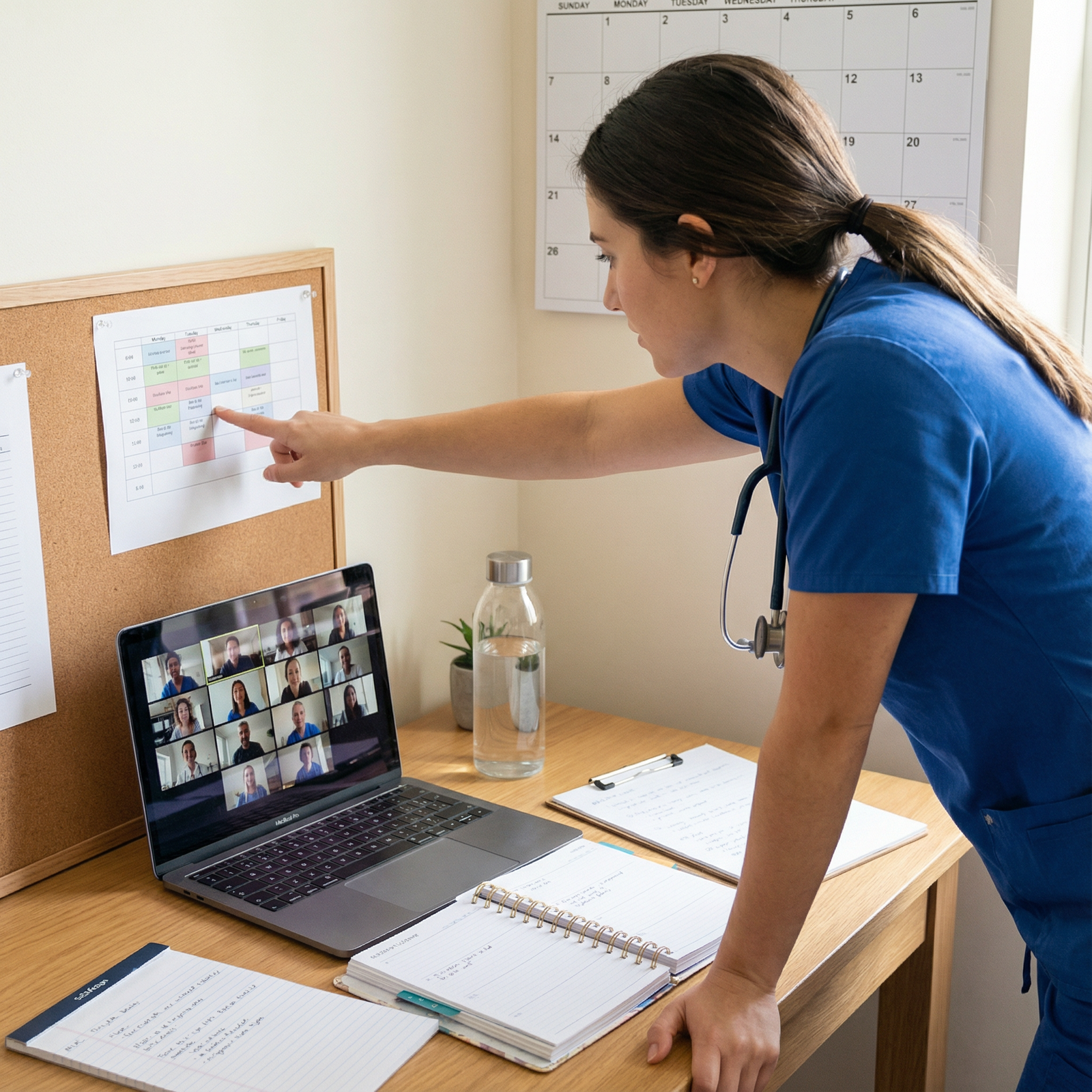
- Have water, notepad, and pen ready, plus your schedule for the day.
- Before each session, take three slow, deep breaths to calm nerves.
- After the interview, jot down impressions and details while they’re fresh to help with ranking later.
FAQ: Virtual Residency Interviews for International Medical Graduates
1. How are virtual interviews different for an IMG compared to a U.S. graduate?
For an international medical graduate, virtual interviews highlight factors such as English communication, cultural adaptation, and ability to navigate U.S. healthcare expectations without direct physical presence. You may need to spend extra time:
- Practicing clear, paced English answers
- Explaining your medical education structure and experiences
- Demonstrating familiarity with the U.S. clinical environment
- Showing that you can integrate smoothly into the team despite geographic and cultural distance
However, virtual formats also reduce travel cost, allow you to attend more interviews, and can even help level the playing field if you prepare thoroughly.
2. What should I do if I lose connection or have a major technical problem during my Zoom interview?
- Stay calm and try to reconnect immediately.
- If you cannot rejoin within 1–2 minutes, email or call the program coordinator explaining the issue.
- When you rejoin, briefly apologize and move on:
- “I apologize for the technical issue; my connection dropped, but it is stable now. Thank you for your patience.”
Programs understand that technology can fail; they care more about your professionalism and composure.
- “I apologize for the technical issue; my connection dropped, but it is stable now. Thank you for your patience.”
3. Can I read notes during my virtual residency interview?
You may keep brief bullet points near your screen, but avoid reading full sentences. Interviewers will notice if your eyes keep shifting away. Use notes only as a prompt for:
- Specific program features
- Key questions you want to ask
- A few reminders of examples you might use
It’s better to practice enough that you can speak naturally and conversationally, with only minimal reference to notes.
4. How do I convey my personality and enthusiasm over a screen?
In a virtual format, you must be intentional about warmth and enthusiasm:
- Smile genuinely at the beginning and end of responses.
- Use positive, energetic language when discussing your experiences and goals.
- Show curiosity by asking thoughtful questions.
- Share specific personal stories that describe your values, resilience, and teamwork.
Even small adjustments—slightly more expressive facial animation, clear eye contact, and engaged posture—make a big difference on camera.
By treating your virtual residency interview as both a technical performance and a professional conversation, you can present yourself as a confident, prepared, and adaptable international medical graduate. With deliberate online interview preparation, careful attention to Zoom interview tips, and a clear understanding of how you add value as an IMG, you’ll be ready to make a strong impression on residency programs in the virtual era.