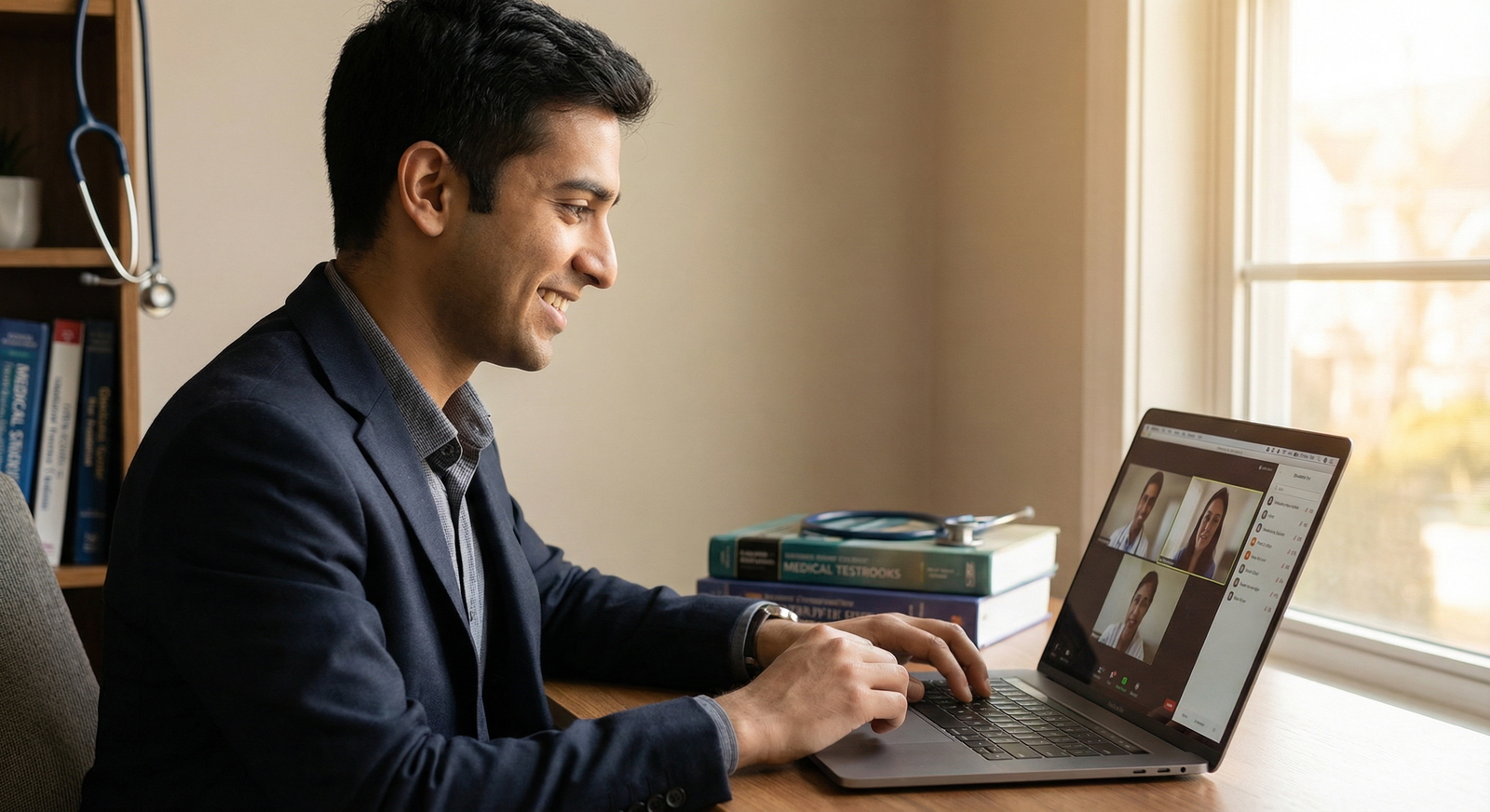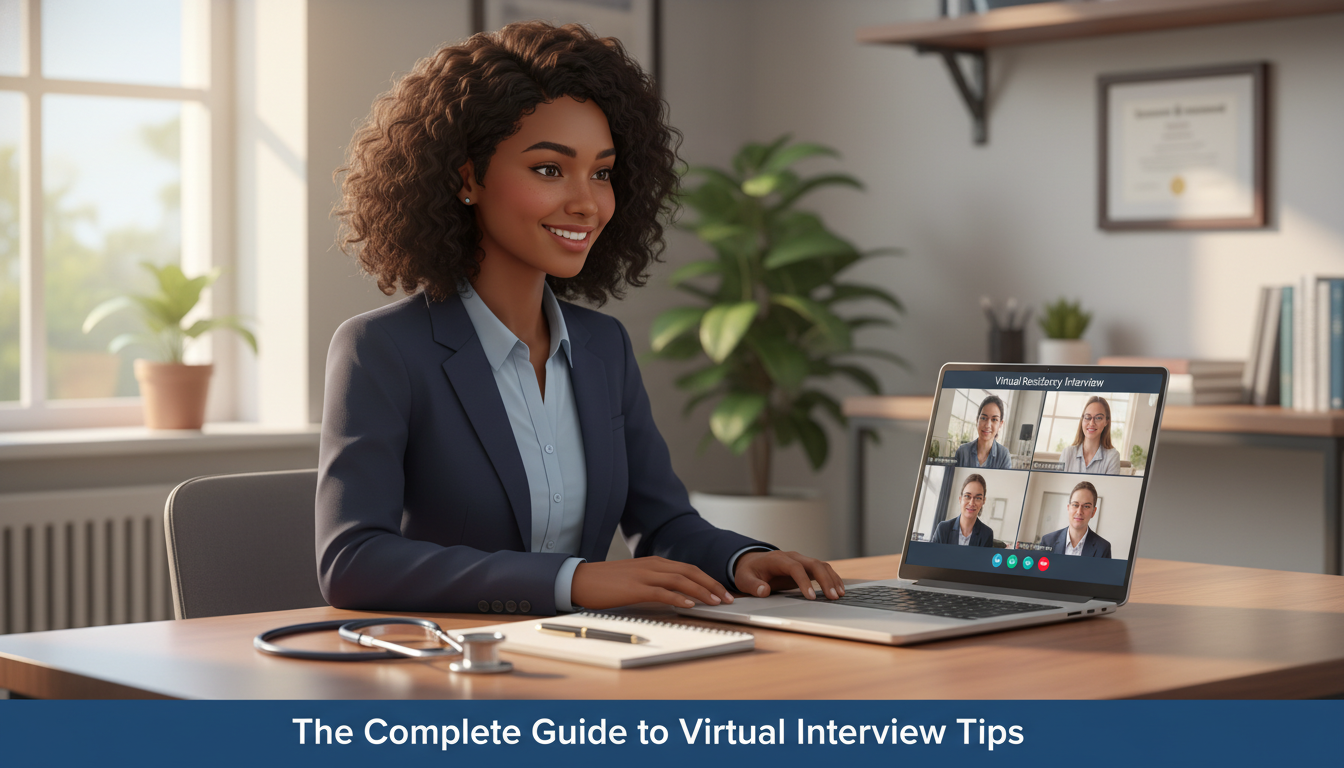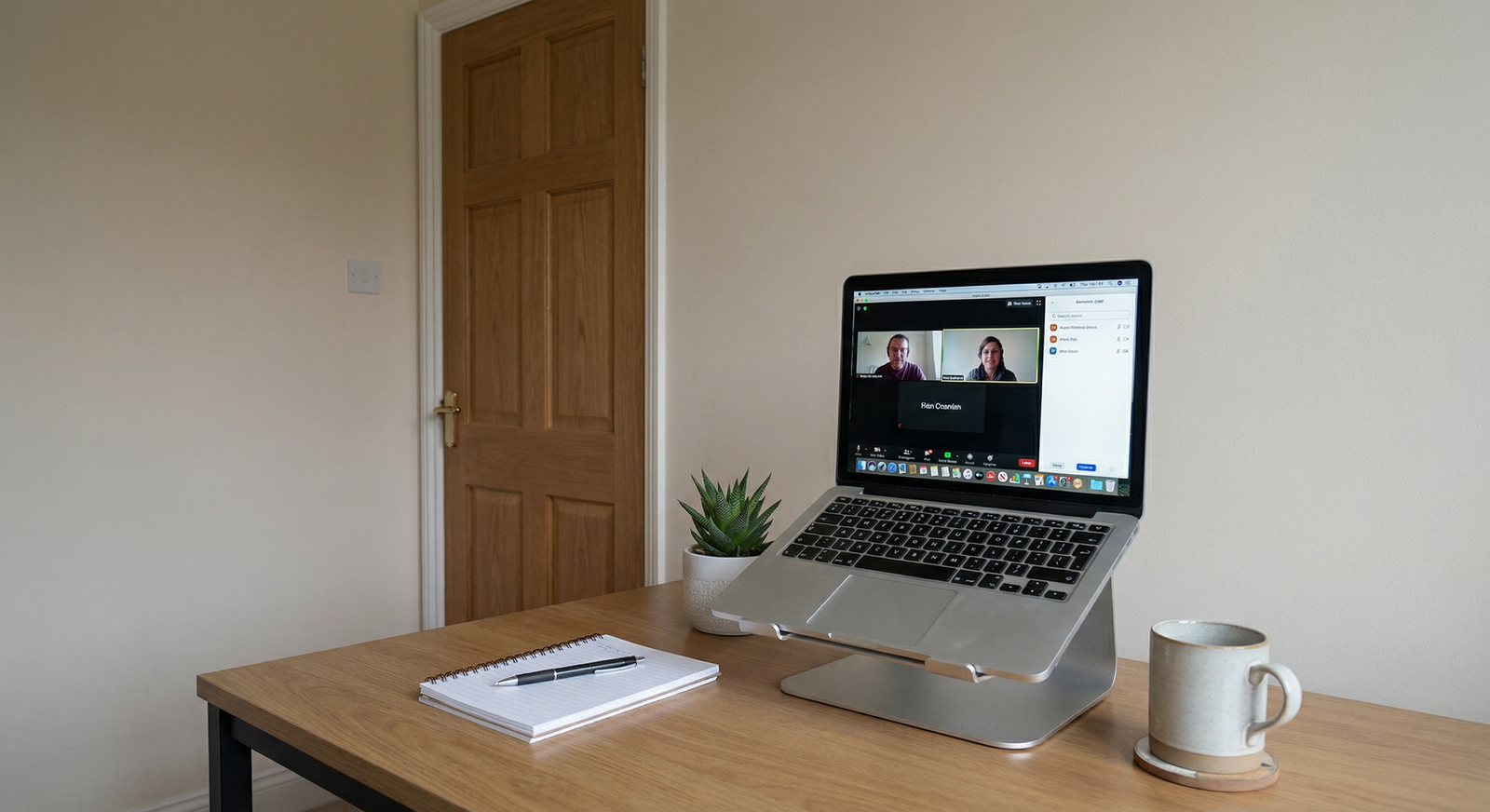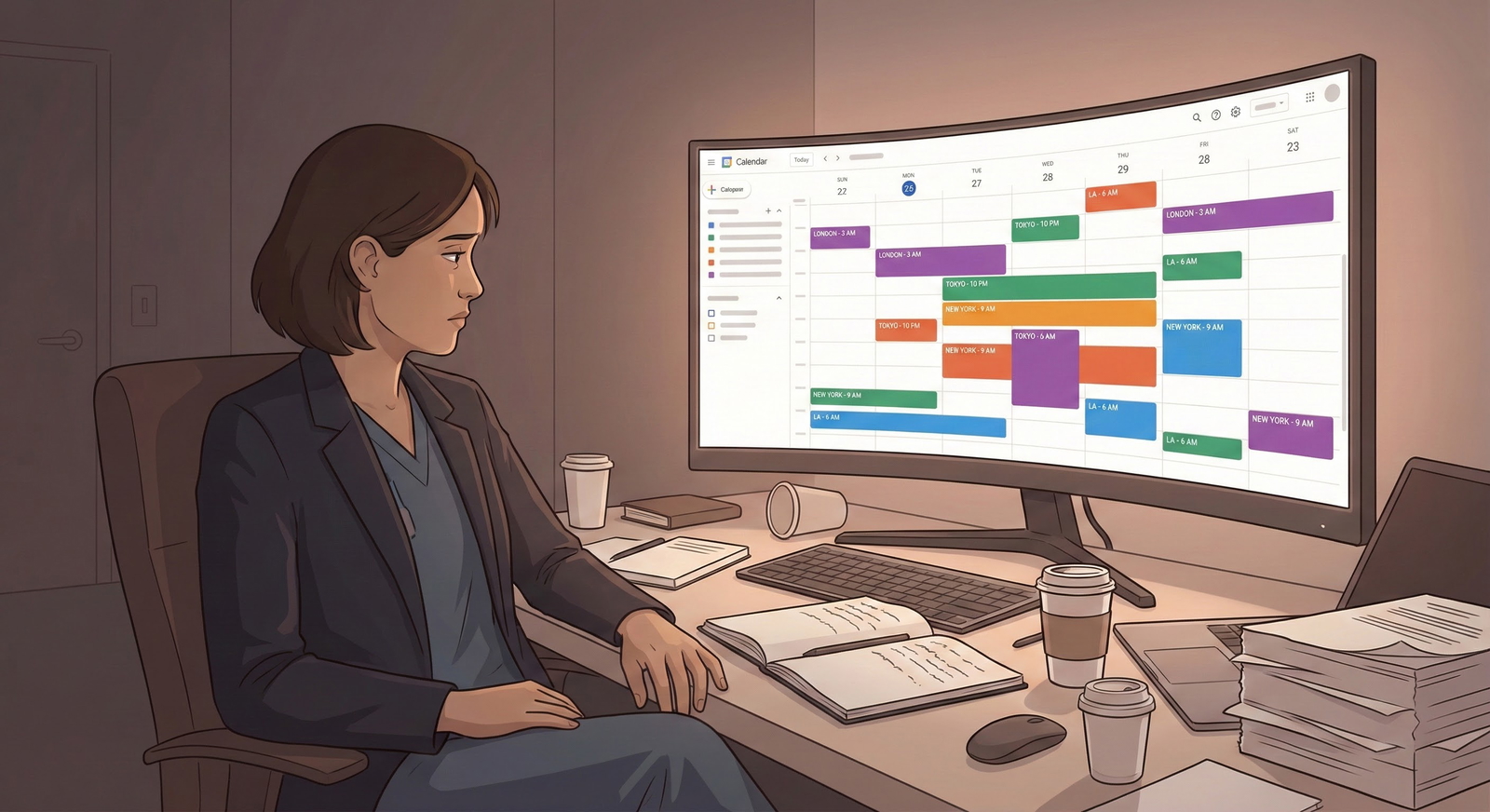
Understanding the Virtual Residency Interview Landscape
The residency interview process has permanently shifted toward virtual formats. For MD graduates, especially those coming from allopathic medical schools, mastering the virtual residency interview is now just as important as crafting a strong ERAS application.
Programs use virtual formats for:
- Initial and second-look interviews
- Informational sessions and open houses
- Pre-interview socials
- Faculty and resident meet-and-greets
Whether you’re preparing for your first cycle or reapplying, success now depends on online interview preparation just as much as on your academic record and USMLE performance.
Key realities of the current landscape:
Virtual is here to stay
While some specialties and programs may experiment with hybrid formats, the dominant model remains virtual interviews. Expect to do most—if not all—your interviews via Zoom, Webex, Microsoft Teams, or similar platforms.Technical performance is part of professionalism
Clear audio, stable internet, and a distraction-free background are no longer “nice-to-haves”; they shape first impressions of your reliability and communication skills.Many MD graduate residency applicants look similar on paper
Board scores, clerkship grades, and research may blend together. Your performance in a virtual residency interview is often the key differentiator.
This article breaks down practical, step‑by‑step zoom interview tips and strategies tailored specifically for MD graduates navigating the allopathic medical school match. The goal is to make you feel as confident in a virtual setting as you would in a face‑to‑face interview.
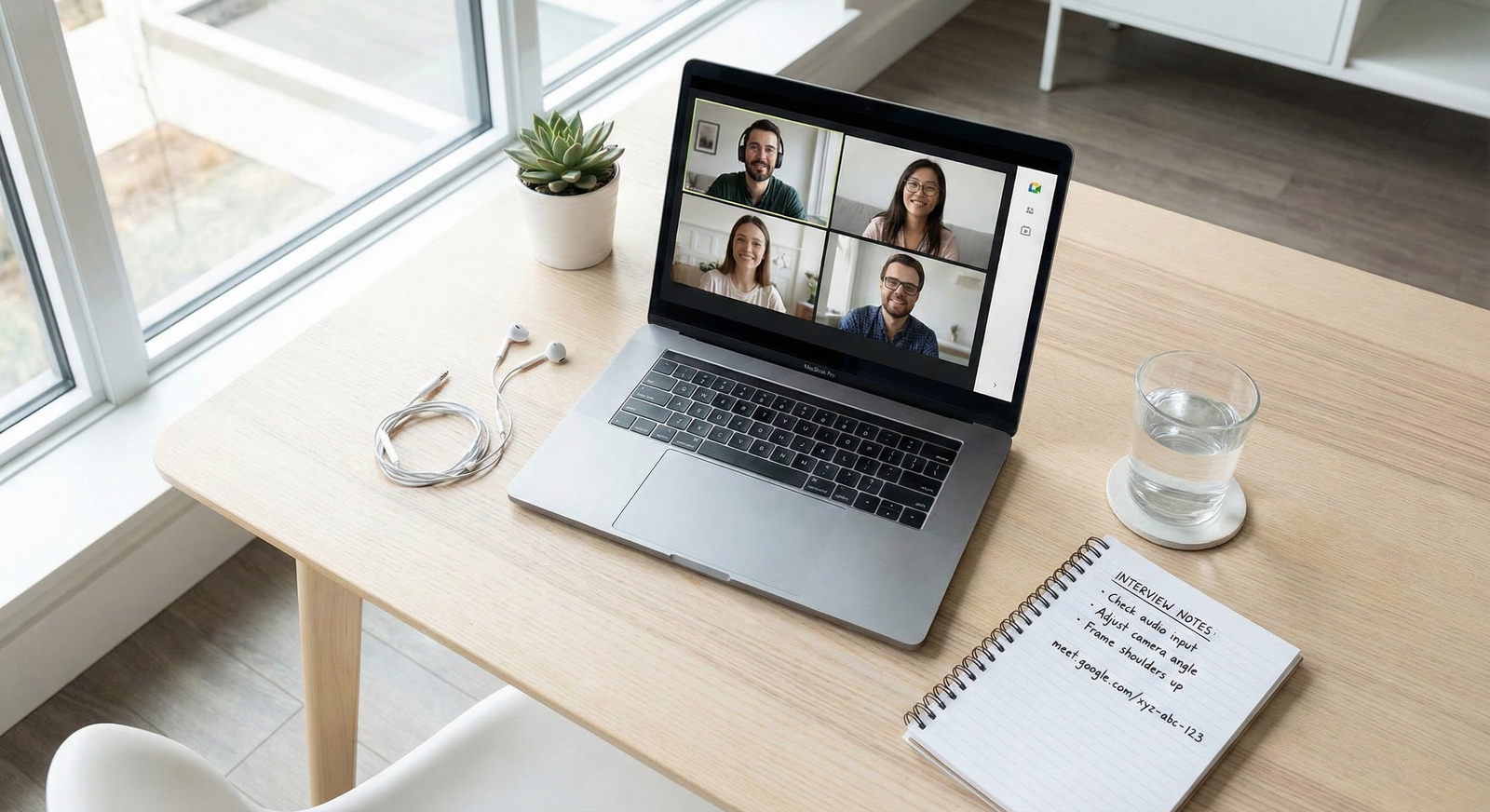
Technical Setup: Building a Professional Virtual Interview Environment
Your technical environment is the “room” you bring the interviewers into. Instead of walking into a conference room at the hospital, they’re stepping into a snapshot of your professional life on screen.
1. Internet & Hardware: Your Reliability Backbone
Internet connection
- Use wired ethernet if possible; if not, sit close to the router.
- Aim for at least 10 Mbps upload and download speed.
- Ask others in your home not to stream video or game during your interviews.
- Run a speed test the week before and again the day prior; if your connection is unstable, consider interviewing from:
- A medical school office or simulation center
- A quiet study room at a university or library
- A friend’s or relative’s home with more reliable internet
Computer and camera
- Prefer a laptop or desktop over a phone. Tablets are acceptable but not ideal.
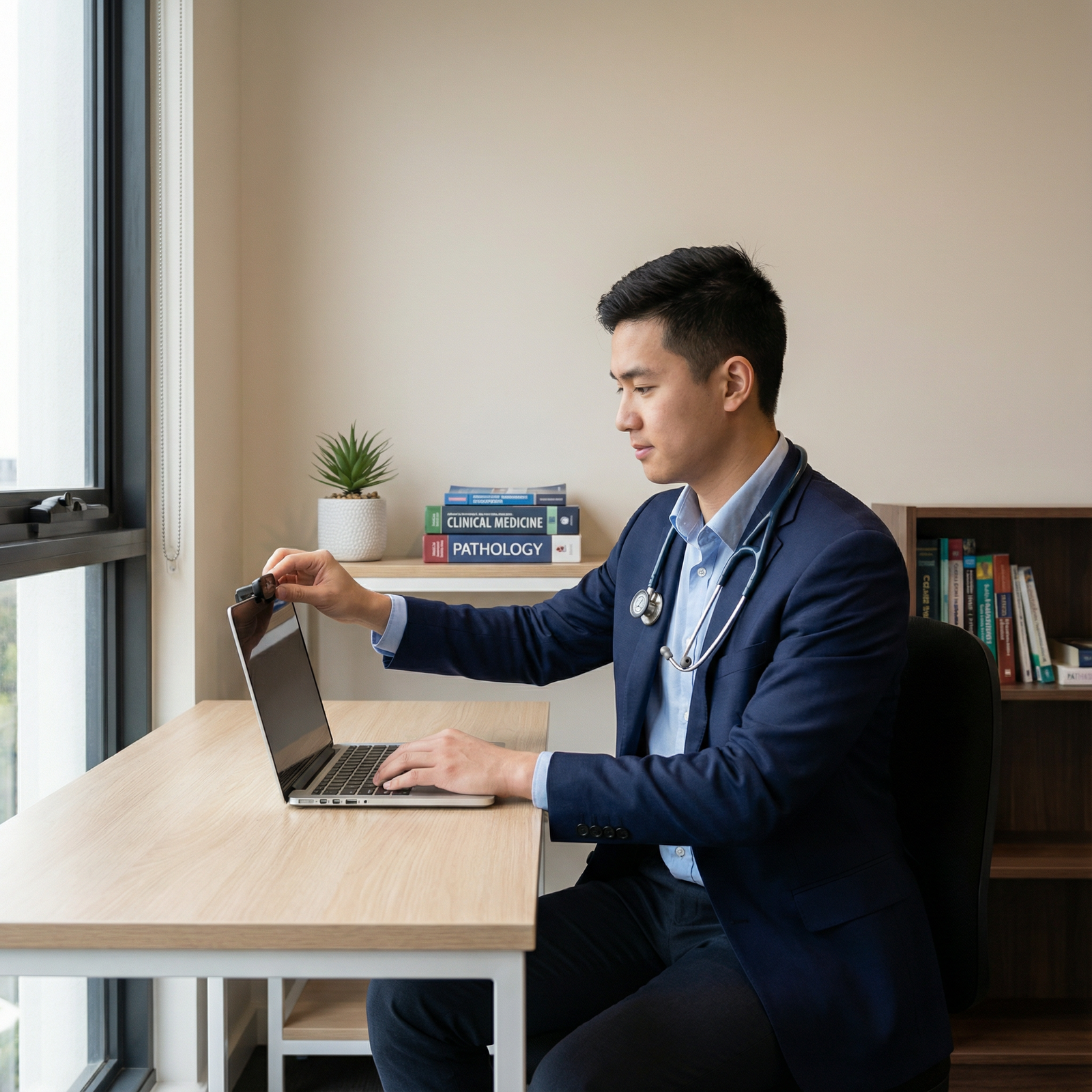
- Use a 1080p HD webcam if your built‑in camera is poor or angled awkwardly.
- Position the camera at eye level, about an arm’s length away.
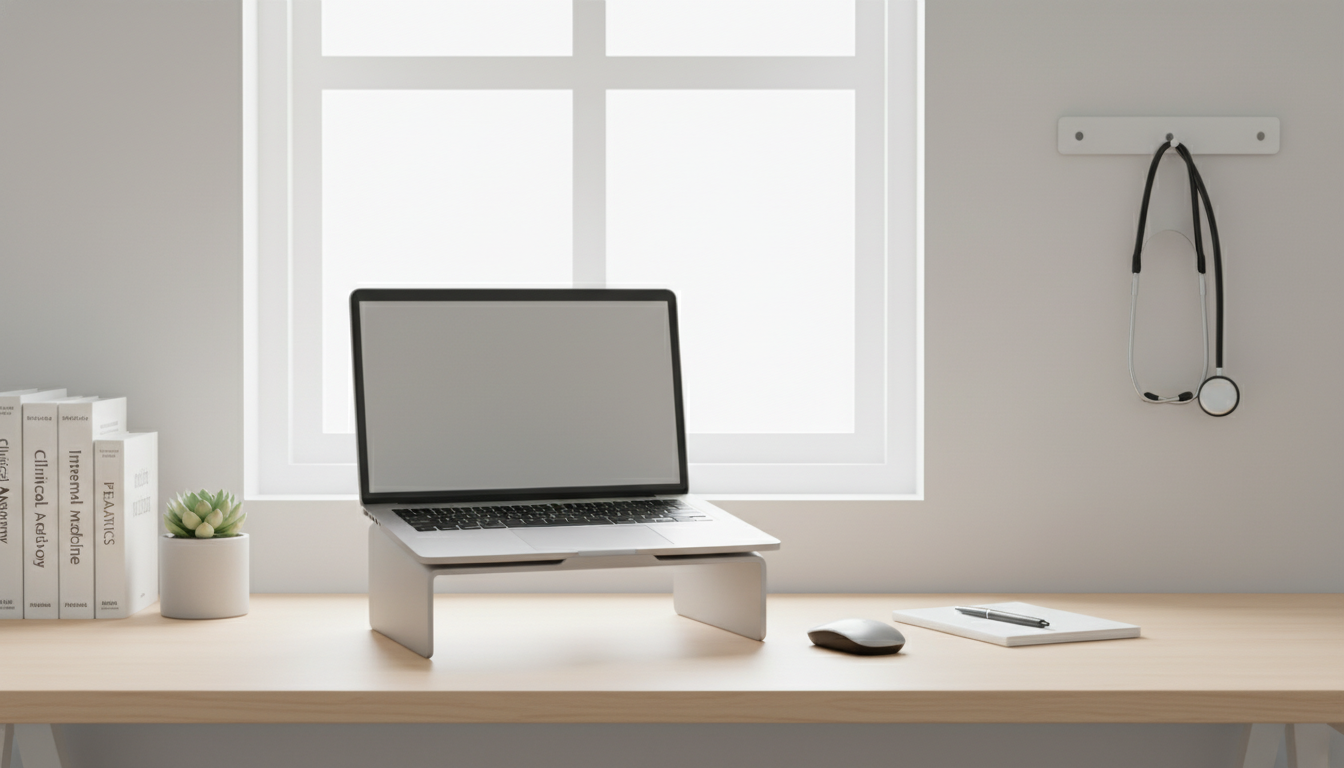
- Use a shoebox, stack of books, or a laptop stand to raise the screen.
- You want the frame from about mid‑chest to just above your head.
Audio
Clear audio is more important than perfect video.
- Use a USB or clip‑on microphone if possible.
- If not, wired earbuds or a good laptop mic in a quiet room can be enough.
- Avoid large gaming headsets unless they’re minimalist and neutral in color.
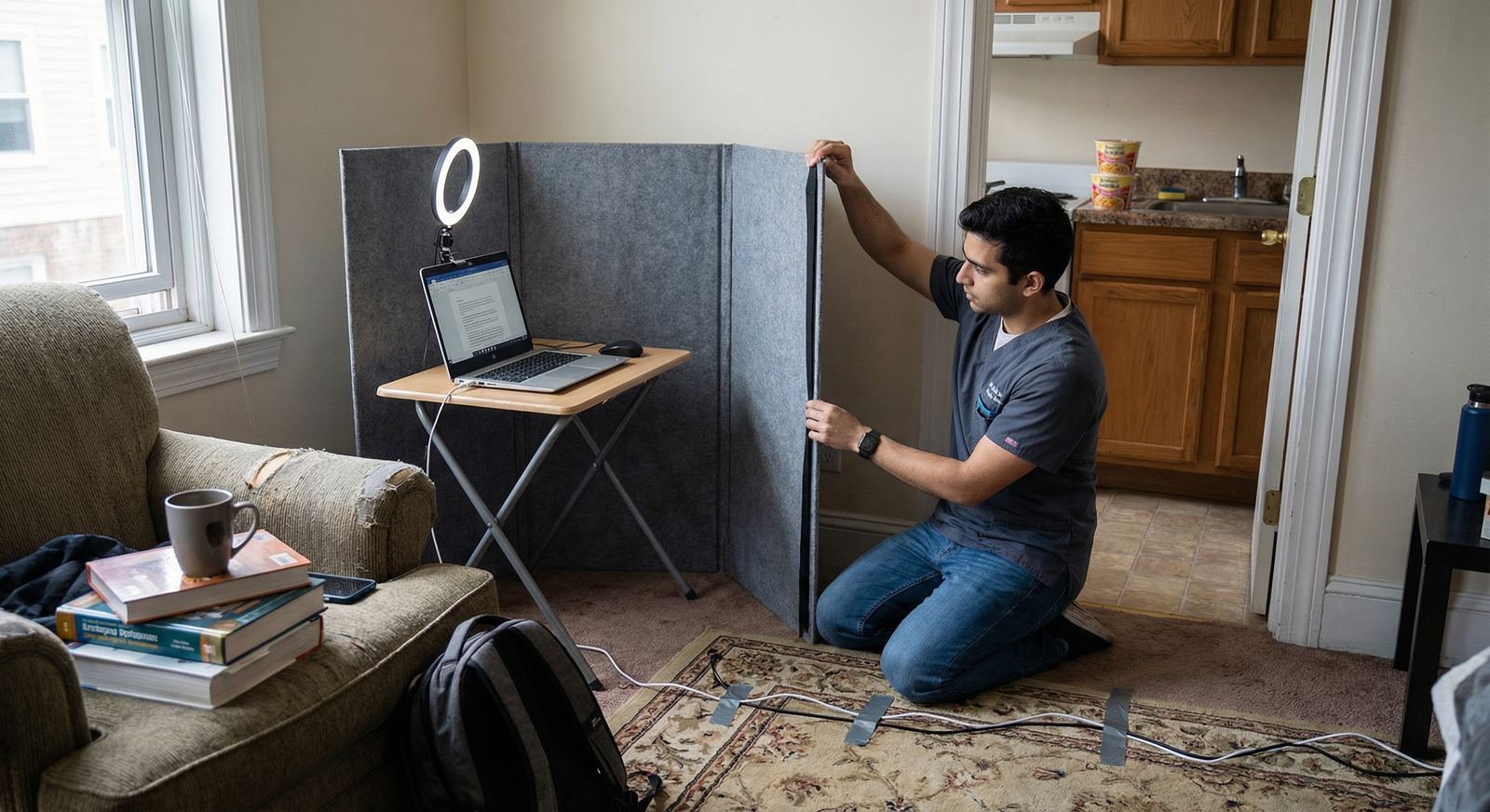
- Test for echo; add soft items (curtains, rug, books) to reduce sound bounce.
Action step (1–2 weeks before interviews):
- Conduct a full tech rehearsal with a friend using the same platform (Zoom, Teams, etc.) the program uses.
- Confirm:
- Your face is well lit and centered.
- Your voice is clear and at a comfortable volume.
- You can easily mute/unmute, turn camera on/off, share screen if needed.
2. Lighting, Background, and Framing: Looking Polished on Screen
You don’t need a fancy studio—just a clean, intentional setup.
Lighting
- Face a window if possible; natural light is most flattering.
- If natural light is limited:
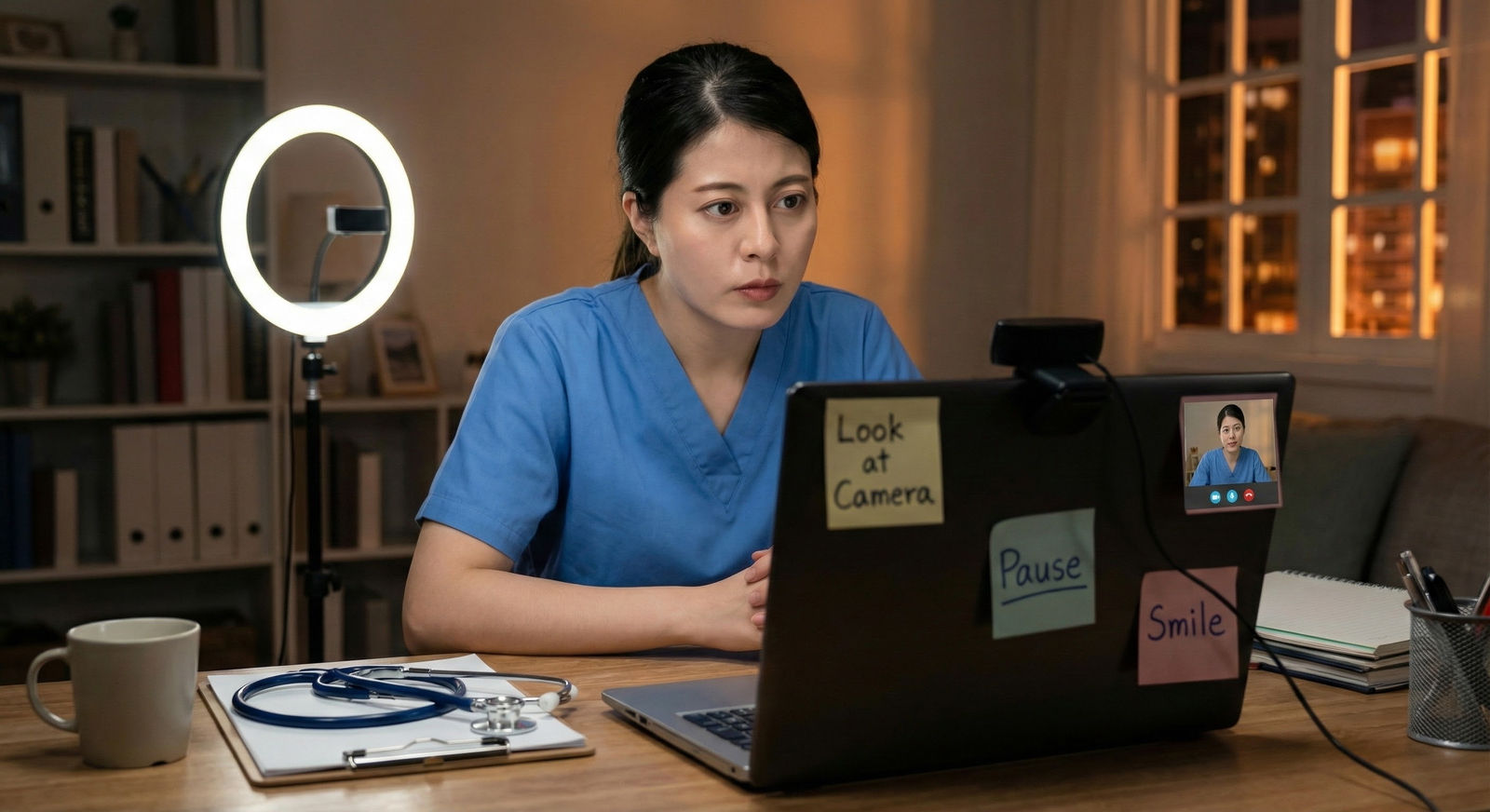
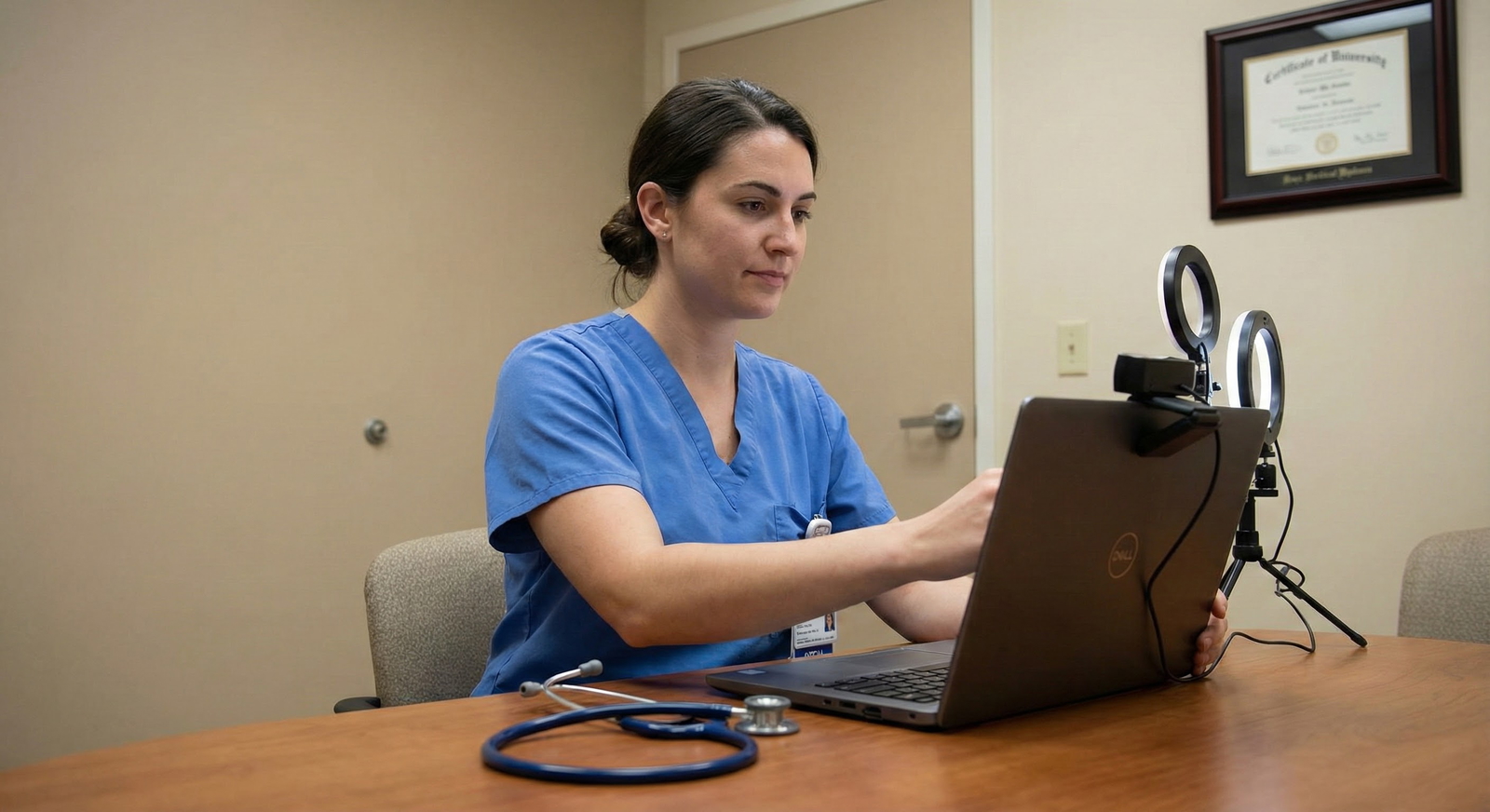
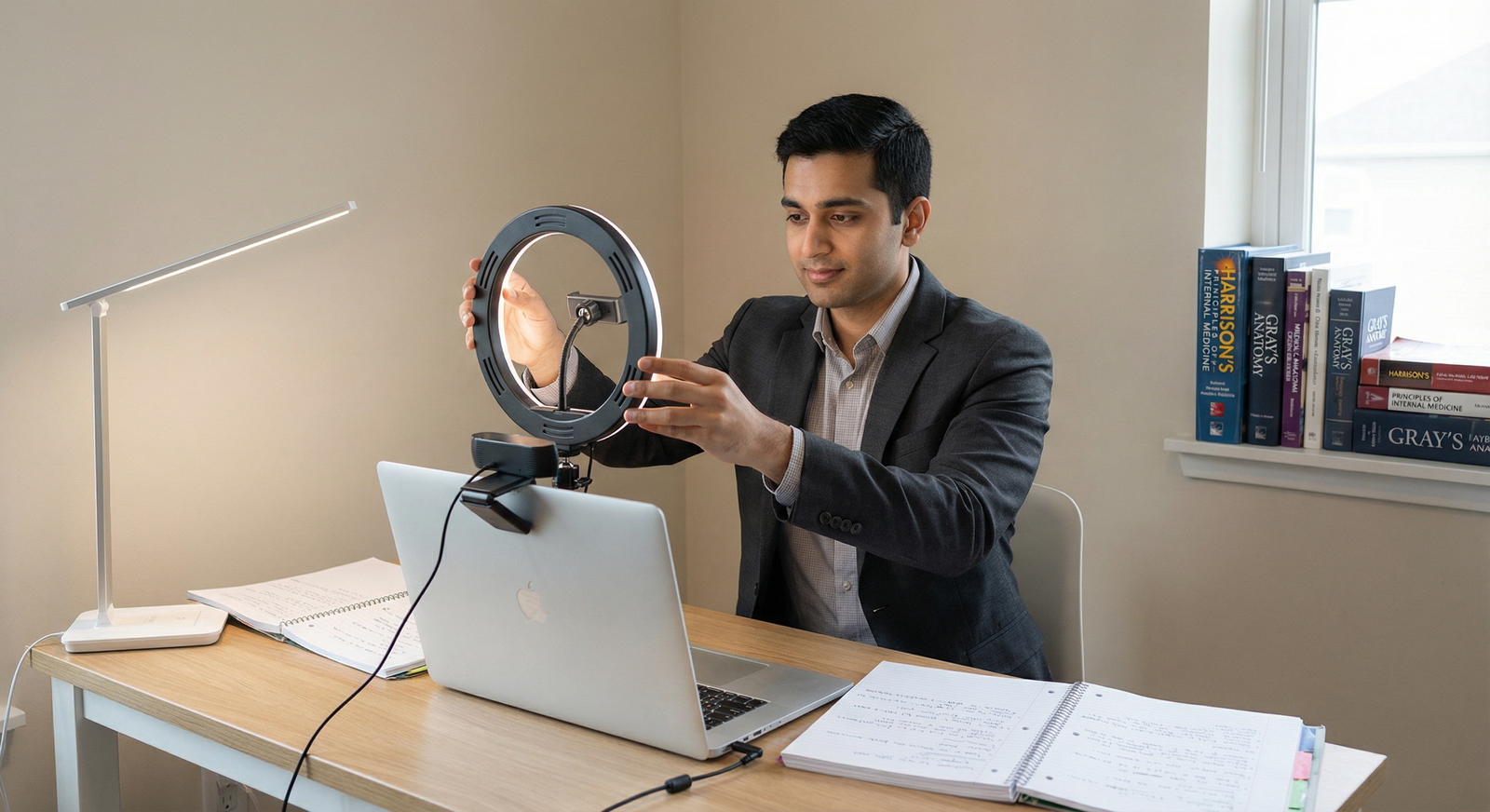
- Use a desk lamp or ring light placed behind and above your screen.
- Avoid strong backlighting (windows behind you) that makes you a silhouette.
Background
Choose a neutral, uncluttered background:
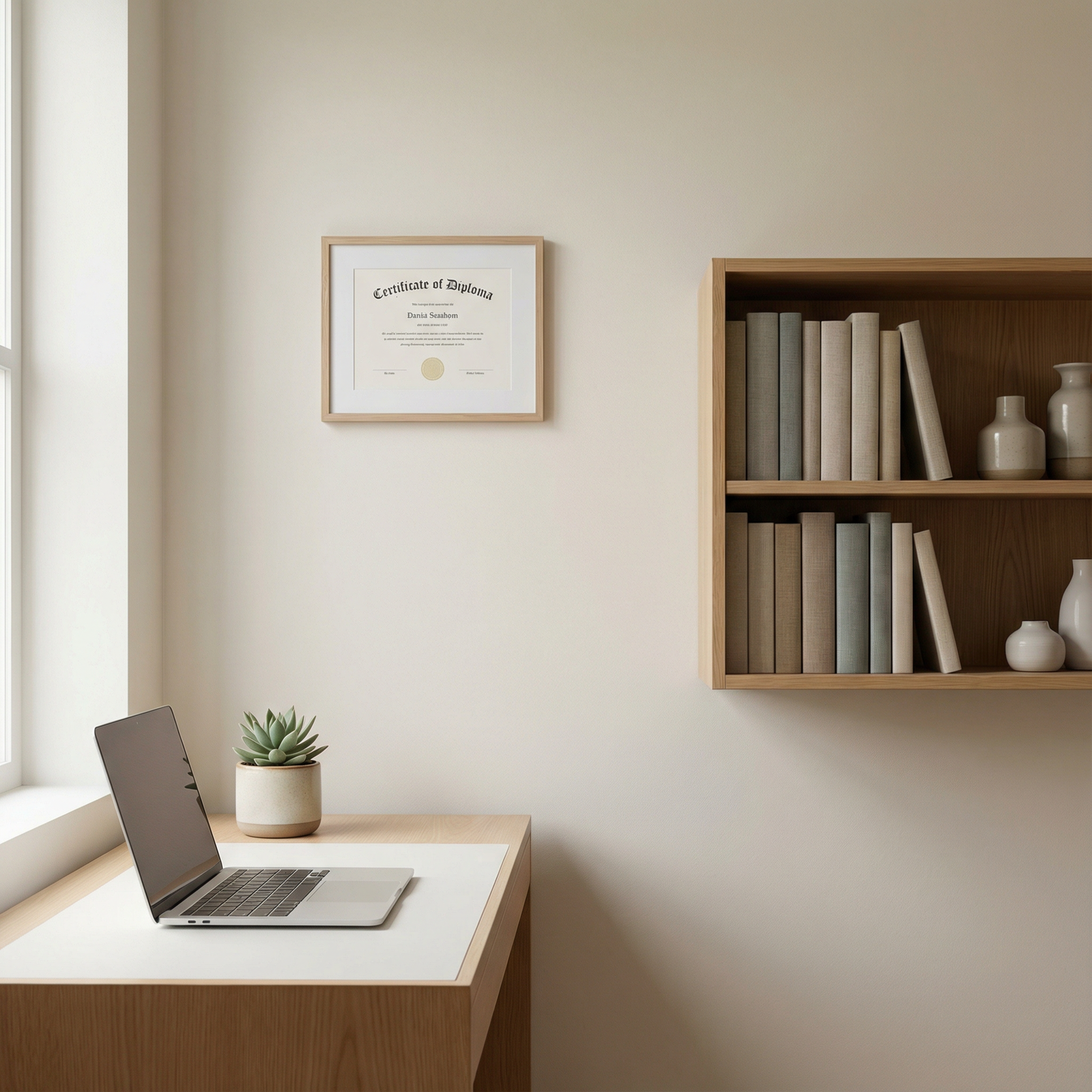
- Plain wall, bookshelf, or a tidy corner of your room.
- If using a bookshelf, keep it organized and professional (avoid distracting decor).
- Hide laundry, kitchen supplies, or anything too personal.
Avoid:
- Distracting virtual backgrounds (beaches, outer space).
- Animated or “fun” filters.
- Busy environments where people may walk behind you.
If you must use a virtual background, choose a simple, office‑like image and test it beforehand to ensure your outline doesn’t flicker.
Framing and posture
- Center yourself so your eyes are about one-third from the top of the screen.
- Sit up straight with both feet on the floor or supported.
- Angle the camera so it’s not looking up at your chin or down onto your head.
Action step (few days before interviews):
- Take screenshots during a mock session to evaluate how your setup appears to others. Adjust lighting or background until you convey a calm, professional environment.
Professional Presence: Translating Bedside Manner to the Screen
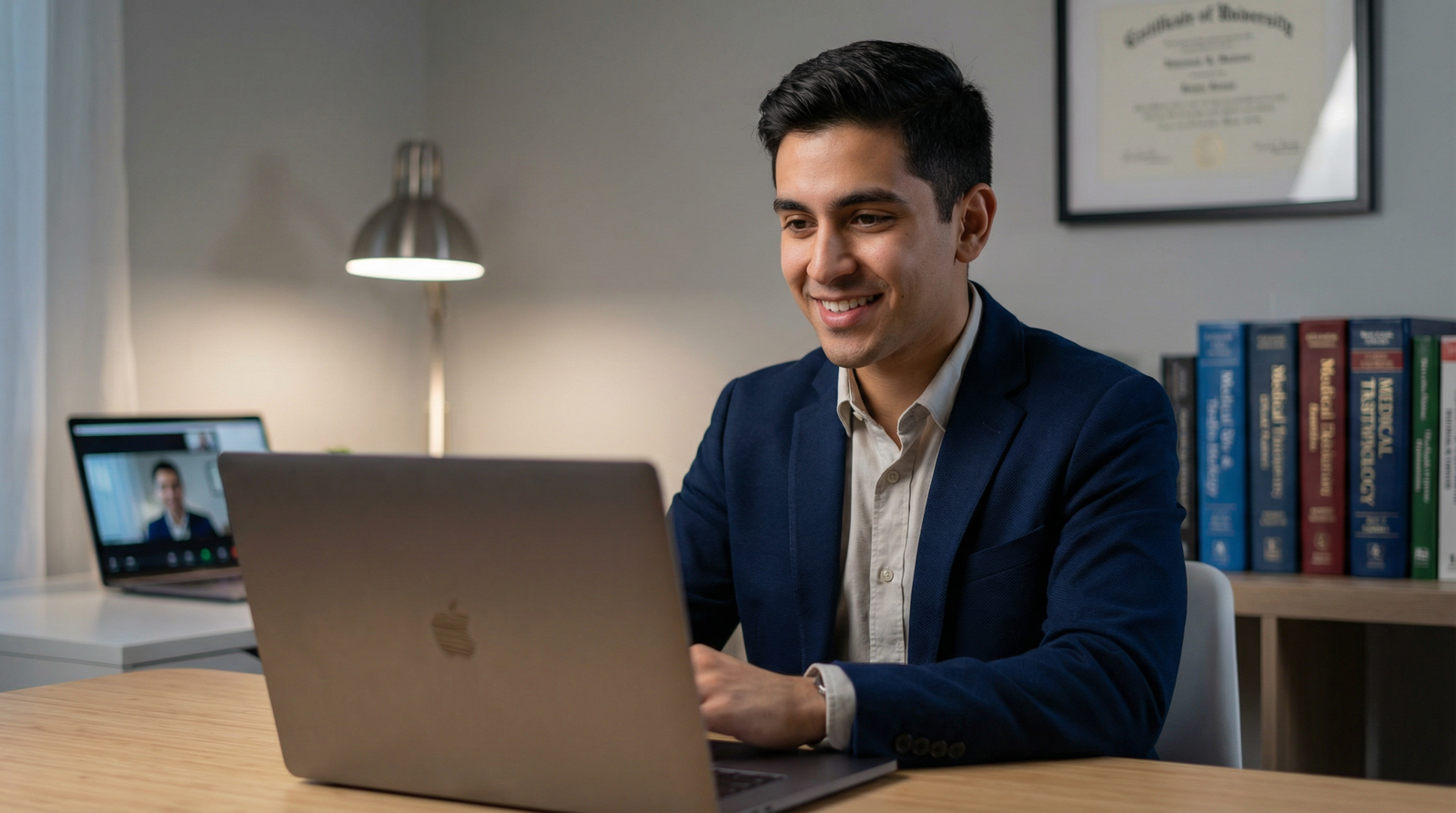
Being an effective physician requires excellent interpersonal skills; a virtual residency interview is your first chance to demonstrate that professionalism and empathy can shine even through a webcam.
1. Dress Code: From Allopathic Medical School to Virtual Stage
Even though you’re at home, dress as you would for an in‑person academic meeting.
General guidelines
- Top: Solid-colored dress shirt or blouse; no busy patterns that can flicker on camera.
- Bottom: Dress pants or a skirt—even if unseen, it helps your mindset and protects you if you need to stand up.
- Jacket: A blazer or suit jacket adds formality, especially for categorical positions.
- Avoid: Bright white (can blow out lighting), neon colors, flashy jewelry, and noisy accessories.
For MD graduates, think “sub-internship presentation” level of professionalism: polished, conservative, but not stiff.
2. Nonverbal Communication: Subtle but Powerful
On a screen, smaller cues become amplified.
Eye contact
- Look into the camera when speaking; glance at the screen when listening.
- A trick: Move the video window closer to the camera at the top of your screen so that looking at interviewers and the camera are nearly the same.
Facial expressions
- Aim for a resting friendly face—slight smile, open expression.
- Nod occasionally to show active listening, but avoid excessive head movement.
Body language
- Lean in slightly when listening; sit upright with shoulders relaxed.
- Avoid fidgeting with pens, jewelry, or chair levers.
- Keep your hands in the frame occasionally when emphasizing points; this appears more natural and engaged.
Noise and distractions
- Silence notifications on your phone and computer (email, messaging apps).
- Close unrelated browser tabs.
- Inform housemates or family about your interview schedule.
3. Communication Style: Clear, Concise, and Authentic
Because virtual conversations can be slightly delayed or glitchy, clarity matters.
Speak slightly slower than usual
- Enunciate clearly.
- Pause briefly after complex points to allow interviewers to respond.
Structure your responses
Use concise frameworks such as:
- PAR (Problem–Action–Result) for behavior questions.
- Past–Present–Future when describing your interests or career path.
Example (Past–Present–Future):
- “During medical school (Past), I developed a strong interest in hepatology through a sub‑internship. Currently (Present), I’m working on a QI project focused on reducing 30‑day readmission for cirrhotic patients. Looking ahead (Future), I hope to train at a program like yours with strong transplant exposure so I can ultimately practice as a transplant hepatologist in an academic setting.”
Be concise but complete
Most answers should be about 60–90 seconds. Practice out loud with a timer to avoid over‑talking.
Strategic Content: What to Say and How to Prepare for Common Questions
Even with perfect technology and presence, success in a virtual residency interview still depends on the substance of your answers. As an MD graduate, you’re expected to articulate your clinical interests, professionalism, and alignment with each program.
1. Core Question Themes You Should Master
Prepare structured responses to these common categories:
“Tell me about yourself.”
- Focus on professional identity, not childhood biography.
- Outline: Background → Medical school highlights → Current interests → What you’re seeking in a residency.
- Example (Internal Medicine applicant):
“I’m an MD graduate from an allopathic medical school in the Midwest, where I developed a strong foundation in evidence‑based medicine and a particular interest in cardiology. During my third‑year clerkships, I found that I thrived in complex inpatient settings and enjoyed longitudinal relationships in continuity clinic. Over the last year, I’ve worked on a research project focusing on heart failure readmissions, which solidified my interest in academic internal medicine. I’m looking for a residency program that offers strong mentorship, robust research infrastructure, and diverse patient populations, which is why I’m excited about your program.”
“Why this specialty?”
- Combine clinical experiences, personal traits, and future goals.
- Avoid generic statements—be specific about what drew you in.
“Why our program?”
- Demonstrate research: cite specific features (clinical sites, tracks, curriculum innovations, resident culture).
- Link them directly to your goals.
Behavioral questions (e.g., conflict, failure, stress)
- Use PAR or STAR (Situation–Task–Action–Result).
- Focus on what you learned and how you changed your behavior.
Red flags or gaps in your application
- Address them briefly, honestly, and confidently.
- Emphasize insight and growth, not excuses.
2. Customizing Your Story for MD Graduate Residency Programs
As an MD graduate, you bring particular strengths from your allopathic medical school match preparation:
- Exposure to structured clinical curricula and standardized patient encounters.
- Often, opportunities for research, QI, and leadership.
- Familiarity with US healthcare systems and multidisciplinary teams.
Highlight these in your stories:
- Leadership in clerkships or sub‑internships
- Research or QI projects (not just publications, but impact)
- Experiences in diverse clinical environments (county hospitals, VA, academic centers)
Example: Demonstrating fit for a community program
A common mistake is assuming community programs want “less academic” applicants. In reality, they prioritize reliability, teamwork, and efficiency—traits you can show through:
- Stories of managing high patient volumes
- Examples of coordinating with nursing, social work, and case management
- Times you advocated for patient-centered care within resource constraints
3. Practicing Effectively: Online Interview Preparation Methods
Your performance improves dramatically with targeted practice.
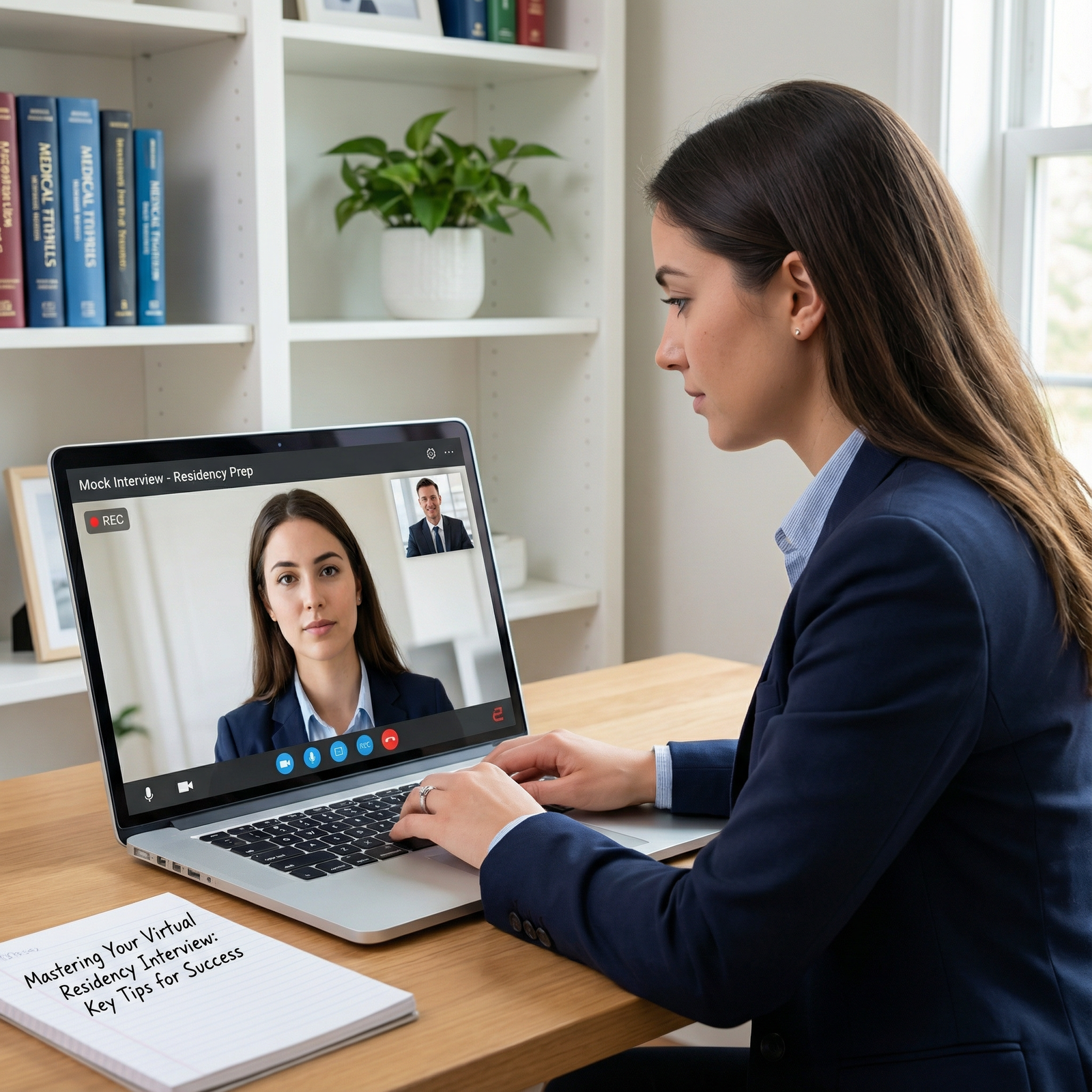
Mock interviews
- Schedule 2–4 formal mock interviews:
- Use your medical school’s career office or residency advising.
- Ask residents or recent graduates from your specialty to participate.
- Request:
- Recorded sessions (video and audio) to review later.
- Specific feedback on clarity, nonverbal cues, and content depth.
Solo practice
- Record yourself answering common questions.
- Watch on mute first (evaluate body language), then listen on audio only (evaluate rhythm and clarity).
Question bank preparation
Build a personal question bank and draft bullet-point answers (not scripts) for:
- 10–15 common questions.
- 3–4 “difficult” questions (e.g., low Step score, leave of absence, change in specialty).
- 3–5 questions you want to ask programs (more on this later).
Navigating the Interview Day: From Check-In to Socials
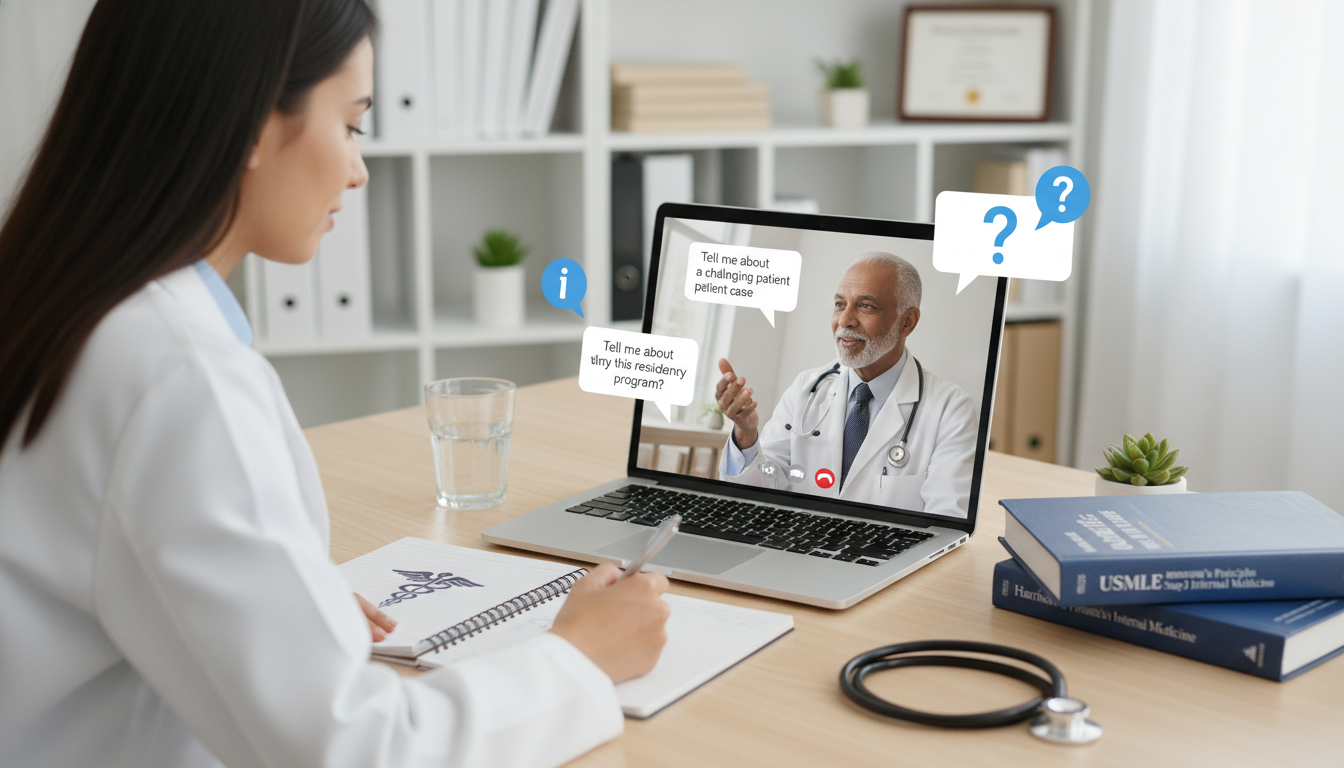
Virtual interview days have several distinct components. Being prepared for each part will distinguish you from other MD graduate residency applicants.
1. Pre-Interview Logistics
The week before
- Confirm:
- Interview date and time zone (double-check if you’re in a different region).
- Platform (Zoom, Teams, Webex, Thalamus, etc.).
- Whether there will be group sessions, one-on-one interviews, or MMI-style stations.
- Save links in a calendar event and test them at least once.
The night before
- Lay out your interview outfit.
- Print or open:
- Your ERAS application and personal statement.
- Program website notes.
- A one-page summary of your key talking points and questions.
- Prepare a water bottle and light snack nearby (off camera).
2. Morning-of Checklist
- Restart your computer and close unnecessary applications.
- Check audio/video again.
- Log in to the platform 10–15 minutes early.
- Keep your full name displayed clearly (e.g., “Alex Smith, MD”).
- Turn off all device notifications and set your phone to Do Not Disturb.
3. During the Interview: Specific Zoom Interview Tips
Because many programs use Zoom, these zoom interview tips will be especially helpful:
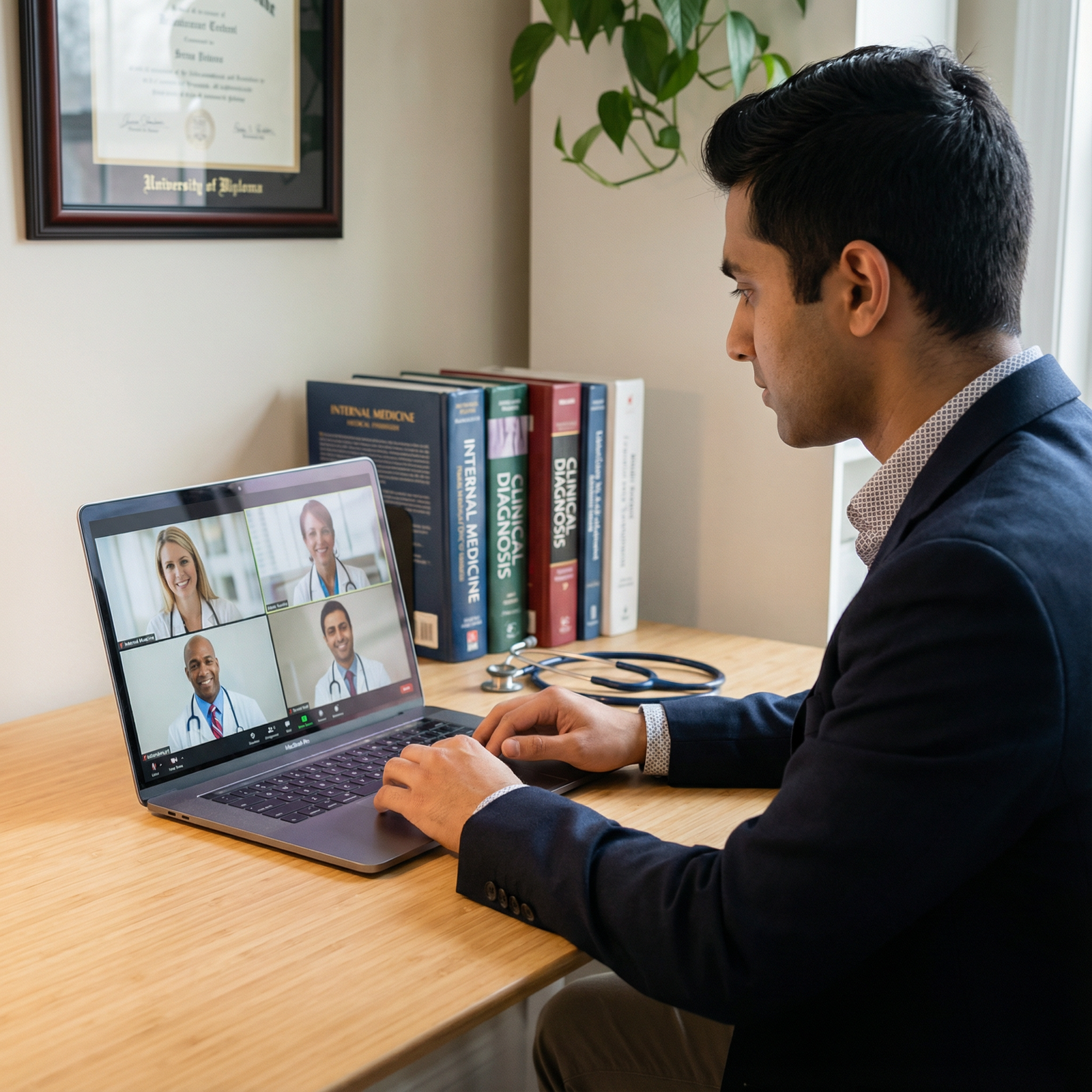
- Use “Speaker View” when being interviewed by one person; “Gallery View” when in group sessions, so you can read expressions from multiple participants.
- Position your Zoom window just under your camera to mimic eye contact.
- Use the mute function strategically:
- Mute when in large group informational sessions unless speaking.
- Avoid rapid unmute/mute that may cause audio clipping.
If there is a technical issue:
- Stay calm; this is part of virtual life.
- Quickly:
- Type a brief note in the chat if you can: “Audio is cutting out, I’m reconnecting now.”
- Turn video off briefly if bandwidth is low.
- Rejoin the meeting if disconnected.
- After reconnecting, offer a brief acknowledgment:
“Thank you for your patience; my connection briefly dropped, but I think we’re good now.”
Programs don’t expect perfection—but they do notice how professionally you handle disruptions.
4. Group Sessions and Resident Socials
Virtual socials can feel awkward, but they’re extremely important for evaluating culture.
Before the social
- Review the resident list and program highlights.
- Prepare 2–3 casual but thoughtful questions about day-to-day workflow, teaching culture, and life in the city.
During the social
- Turn your camera on unless there’s a compelling reason not to.
- Participate early; entering the conversation once it’s already flowing can be harder.
- Ask open-ended questions like:
- “What surprised you most about this program after you started?”
- “How does the program support you when a rotation feels particularly challenging?”
- “If you could change one thing about the program, what would it be?”
Remember, you’re being evaluated informally here too—maintain professionalism but allow your personality to come through. Residents often report who seemed engaged, kind, or dismissive.
5. Taking Notes and Post-Interview Reflection
Have a notepad or document to jot down impressions immediately after each interview block.
Capture:
- Overall vibe: supportive, rushed, collegial, hierarchical.
- Specific faculty or residents you connected with.
- Unique program features (rotations, research opportunities, wellness initiatives).
- Any concerns or red flags.
At the end of the day, spend 10–15 minutes writing a brief summary. These notes will be invaluable when you’re building your rank list weeks later.
After the Virtual Interview: Follow-Up and Next Steps
The interview day isn’t the end of your effort; how you manage follow‑up can strengthen your standing and clarify your own preferences in the MD graduate residency match process.
1. Thank-You Emails
While not universally required, thank-you notes are generally appreciated.
Best practices:
- Send within 24–48 hours.
- Keep it short, specific, and sincere:
- Thank them for their time.
- Mention a specific topic you discussed.
- Reiterate your enthusiasm for the program (if genuine).
Example:
Dear Dr. Lee,
Thank you for taking the time to speak with me during my virtual interview for your Internal Medicine residency program. I especially appreciated our discussion about the resident-driven QI initiatives and your description of the mentorship culture within the cardiology division. Our conversation reinforced my impression that your program would be an excellent fit for my interests in academic cardiology and quality improvement.
Sincerely,
[Your Name], MD
Avoid sending multiple follow-up emails unless you have a substantive update (new publication, award, or significant academic development).
2. Handling Second Looks and Additional Virtual Events
Some programs may host additional virtual sessions, especially in competitive specialties.
- Attend if:
- You’re strongly considering the program.
- The session offers new information (e.g., a dedicated research Q&A, diversity initiatives panel).
- Prepare 1–2 deeper-level questions that build on what you already know rather than rehashing basic website information.
3. Protecting Your Well-Being During Interview Season
Virtual interviews can lead to “Zoom fatigue” and emotional exhaustion.
Protective strategies:
- Limit to one interview per day if possible, especially for longer formats.
- Schedule buffer days between clusters of interviews to rest and reflect.
- Stay physically active—short walks, stretches between sessions, or quick workouts.
- Lean on peer support: group chats or debrief calls with classmates going through the same process.
Remember, maintaining composure and energy across multiple virtual days is part of your professional performance in the allopathic medical school match phase.
FAQs: Virtual Residency Interview Tips for MD Graduates
1. How different is a virtual residency interview from an in-person interview?
The content of the interview—questions about your background, interests, and fit—is very similar. The key differences are:
- Greater emphasis on your technical setup and ability to communicate through a screen.
- Limited ability to assess physical facilities and in-person “vibe.”
- More fatigue from multiple consecutive days of sitting at a computer.
Your goal is to translate the same professionalism and warmth you’d demonstrate in person into a virtual format by optimizing your environment, communication, and online interview preparation.
2. What if my internet fails or I have a major technical problem?
Programs understand that technology can fail. Your responsibility is to:
- Prepare: Test your setup and have a backup device or location if possible.
- Communicate: If something goes wrong, send a quick email or message to the coordinator as soon as you’re able.
- Stay calm: Rejoin as soon as you can; briefly acknowledge the issue and continue.
A brief, well‑handled disruption rarely harms your candidacy; how you manage it can actually demonstrate your composure under pressure.
3. Is it okay to use notes during a Zoom interview?
Yes, but use them discreetly and sparingly.
- Place a few bullet points (not full scripts) near your camera.
- Avoid obvious reading; prolonged eye shifts downward are noticeable.
- Rely primarily on practice so your answers feel natural.
Notes are best used for questions you want to ask the program and quick reminders of key experiences you want to highlight.
4. How can I stand out as an MD graduate when so many applicants look similar on paper?
In the virtual environment, you stand out by combining:
- Clarity of purpose: Well‑articulated reasons for your specialty and program.
- Insightful reflection: Demonstrating what you’ve learned from challenges and experiences.
- Professional presence: Confident but humble demeanor, strong communication, and active engagement in virtual sessions.
- Specific alignment: Showing that you understand each program’s strengths and how they match your goals as an MD graduate entering residency.
The combination of strong content, polished virtual presentation, and authentic enthusiasm will distinguish you in a competitive MD graduate residency applicant pool.
By intentionally optimizing your technology, environment, communication, and preparation, you can transform the virtual residency interview from a source of anxiety into an opportunity to showcase exactly why you’ll be an outstanding resident physician.