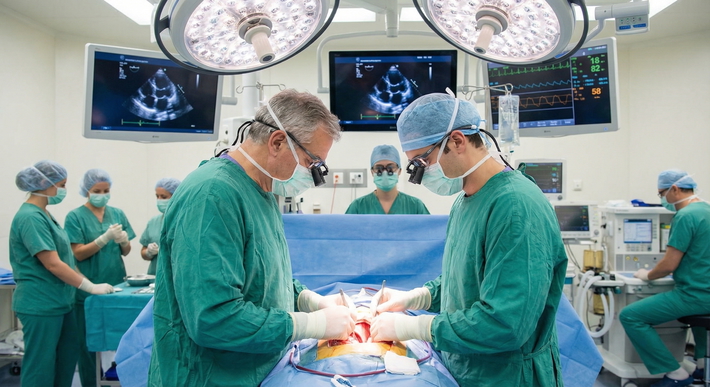
The way most people talk about “following your passion” in surgery completely ignores your body. That’s naïve at best and cruel at worst if you live with chronic health issues.
You need to choose a surgical field with your eyes open: about the physical demands, the schedule, the culture, and your own actual limitations on a bad day, not your idealized “good week” version.
This is how to do that, step by step.
Step 1: Get Brutally Honest About Your Baseline and Your Worst Days
Before you even touch “which specialty,” you need hard data on you.
Do not rely on vibes like “I think I can handle long hours.” Break it down.
Ask yourself, very concretely:
- How many hours can I be on my feet before pain/fatigue becomes distracting?
- How does my cognition change with:
- 4 hours of sleep?
- Missing two meals?
- Pain above, say, 6/10?
- What triggers flares or worsening? (heat, standing still, stress hormones, fasting, dexterity strain, etc.)
- How predictable are your good/bad days? Random, or can you see them coming?
If you have not done this yet, you need a trial block during clinical rotations or even outside medicine:
Track 2–4 weeks in detail:
- Daily pain/fatigue score (0–10)
- Hours standing/walking
- Sleep duration and timing
- Meals, caffeine, meds
- Work demands (notes, procedures, call)
Note what breaks you:
- Is it standing still for >2 hours?
- Is it 24+ hours awake?
- Is it consecutive late nights / early mornings?
Be especially attentive to recovery time. If a 14-hour day wipes you for 48 hours, that matters more than surviving the day itself.
If you have conditions like POTS, EDS, inflammatory arthritis, IBD, migraines, diabetes, or chronic pain, you should also get your treating physician’s opinion framed in surgical terms:
- “Can I safely do 12–16 hour shifts with unpredictable timing?”
- “Is it realistic to be scrubbed in for 4–8 hours, with limited bathroom access?”
- “What’s the risk that disease progression will reduce my stamina at 40 vs 30?”
You’re not asking for permission. You’re collecting expert constraints so you don’t build a career on denial.
Step 2: Understand the Real Demands of Different Surgical Fields
Most students have only a cartoon version of what specialties are like. “ENT is chill.” “Ortho is for jocks.” That kind of lazy shorthand will burn you if you’re chronically ill.
Here’s a more honest, practical breakdown focusing on physical demands, typical case length, and schedule.
| Specialty | OR Standing Load | Case Length Pattern | Lifestyle Intensity* |
|---|---|---|---|
| General Surgery | High | Mixed, many 1–4 hr | High |
| Ortho | Very High | 2–6+ hr, heavy instruments | High |
| Neurosurgery | Very High | 4–10+ hr | Extreme |
| OB/GYN | Moderate–High | Short L&D + 1–3 hr | High |
| ENT | Moderate | 1–3 hr | Moderate–High |
| Ophtho | Low–Moderate | Many short cases | Moderate |
| Urology | Moderate | Endoscopic + 1–3 hr | Moderate–High |
| Plastics | Moderate–High | 2–8 hr | High |
*Lifestyle intensity here = residency grind + typical call burden + culture, not “malignant vs nice.”
What “Demand” Really Means Day-to-Day
Physical demand isn’t just “hours in hospital.” It’s the pattern:
- Long single-case marathons (neurosurg, complex plastics, big onc cases)
- Repetitive medium-length cases (many ortho lists, general laparoscopic)
- High unpredictability (trauma, transplant, OB)
- Constant low-level standing/walking (rounding, consults, ED)
Examples:
- Neurosurgery: You might be standing for 8–12 hours in a craniotomy with minimal movement. Bathroom breaks? Maybe one if your attending is gracious.
- Ortho: Lead aprons, bone cement fumes, heavy retractors, mallets. If you have joint instability or back issues, this is not “just work out more” territory.
- OB/GYN: L&D nights with three hours of sleep, sudden crashes to the OR, lots of time on your feet. Not a sedentary specialty.
- Ophtho: Shorter cases, seated operating position, more control over the environment. But high fine-motor, visual strain, and precision.
You’re not asking “can I survive a single day,” but “could I do this 5–6 days a week for 5+ years without wrecking myself?”
Here’s where some people get it wrong: they think they’ll “push through” residency and then escape to a lighter attending job. If your condition is marginal in residency, you may not reach attendinghood, or you’ll be miserable getting there.
Step 3: Map Your Limitations Against Different Surgical Fields
Now you combine the two: your body’s realities and the specialty’s demands.
Let’s run through a few common chronic-issue scenarios and how they line up with surgical fields.
Scenario A: Chronic Back Pain / Spine or Hip Issues
Key problem: prolonged standing, lead aprons, static postures.
Better fits:
- Ophthalmology (seated)
- Some ENT setups (often seated, shorter cases)
- Certain minimally invasive / endoscopic-heavy fields where you can adjust posture and get breaks (some GI endoscopy if you pivot away from formal surgery, some urology groups with flexible ergonomics)
Riskier fields:
- Ortho (especially trauma, joint, spine)
- Neurosurgery
- General surgery with heavy trauma/acute care focus
- Transplant
Tactical question: Can your back tolerate:
- 4 hours standing with lead?
- Repeated bending/twisting to assist/position patients?
If the honest answer is no, don’t lie to yourself that core exercises will fix structural disease.
Scenario B: Autoimmune Disease with Flares (e.g., RA, Lupus, Crohn’s)
Key problem: unpredictability, fatigue, need for bathroom access, possible immunosuppression.
Fields with slightly better odds:
- Ophtho, ENT, some urology, some plastics if you find a practice with predictable elective cases and can plan around infusion days, flares, etc.
- Longer-term goal: mostly elective practice, minimal trauma call.
Fields that are brutal:
- Trauma surgery, transplant, neurosurgery, OB, vascular – anything where the service never sleeps and you’re constantly plugging holes in the dam.
Here, the main constraint is reliable presence. Operating rooms don’t like last-minute cancellations because you woke up with a flare you literally cannot walk through. You’ll need to think: could you structure a career with partners who can cover you on flare days? That’s easier in fields with more group practices and less solo hero culture.
Scenario C: POTS / Dysautonomia
Key problem: orthostatic intolerance, tachycardia with standing, heat, dehydration.
Red flags:
- Long, hot OR days under lights, wearing lead, minimal water breaks.
- Rapid position changes, standing still for long periods.
Better odds:
- Ophtho, some ENT, maybe a more clinic-heavy procedural field like interventional pain or some endoscopy-driven jobs.
- Practices where you can truly sit frequently, hydrate, and manage salt/meds without raising eyebrows.
Terrible fit:
- Anything with “I can’t leave the room for hours and I’m in lead and the room is hot.” That includes a lot of general, ortho, vascular, neurosurg.
Scenario D: Type 1 Diabetes or Other Conditions Requiring Tight Regimen
Key problem: regular meals, blood sugar monitoring, avoiding extreme sleep disruption.
You need:
- Reliable ability to snack/bolus.
- Enough sleep that you’re not making life-or-death decisions hypo at 3 a.m.
More forgiving:
- Ophtho, many elective ENT/urology/plastics groups, maybe highly elective general surgery (hernia centers, breast surgery) after residency.
- But residency itself? Almost all surgery residencies will test your limits.
Again, it’s not impossible. I’ve seen endocrine-fragile residents make it work with pumps, aggressive planning, and supportive programs. But you must pick both specialty and program carefully.
Step 4: Use Rotations and Sub-Is as Deliberate “Stress Tests”
You should treat your third-year and early fourth-year rotations like a controlled experiment.
Do not coast through them. Use them to answer specific questions.
On each surgical rotation, deliberately track:
- How many hours scrubbed in? How did your body feel at hour 2, 4, 6?
- How long between bathroom breaks?
- How many meals did you actually get, not theoretically?
- How did you feel post-call? How long to feel human again?
If you’re serious about a field, during a sub-I:
- Mimic intern hours as much as possible.
- Don’t “protect yourself” more than you’d have as an intern. You need real data.
- After 2–3 weeks, ask:
- Am I barely hanging on, or functioning reasonably?
- Am I needing secret recovery days or extra meds to survive?
- What would this feel like for 5 years, not 4 weeks?
Then be honest: were you compressing all your coping into this one month, knowing there’s an end? Residency does not have that finish-line-in-4-weeks mental crutch.
Step 5: Look at Subspecialty Paths Within Fields
Even inside a given surgical residency, what you do after matters.
Some examples of “modifying” the demands:
- General surgery → Breast surgery, endocrine surgery, some hernia-focused practices: more elective, less 3 a.m. trauma.
- Ortho → Hand, sports (in some practice models), mostly elective joints: more scheduled, less night trauma. Still physically demanding, though.
- ENT → Mostly sinus, otology, laryngology in group practice: many short, elective cases.
- OB/GYN → Gyn-only practices, urogynecology, minimally invasive gyn surgery: away from 24/7 L&D.
- Plastics → Elective cosmetics vs heavy microsurgery/trauma call.
But don’t deceive yourself: you still must complete the base residency, which in most surgical fields is physically punishing and call-heavy. You can’t skip to the cushy version.
Step 6: Evaluate Program Culture and Flexibility (This Matters Almost as Much as Field)
Two programs in the same specialty can feel like different planets if you have chronic health issues.
You want to identify programs that are:
- Large enough to absorb coverage needs if you have occasional bad days.
- Not proud of being “old-school malignant.”
- Already have residents with kids, health issues, or nontraditional paths.
At interviews and on the trail, pay attention to:
- How they talk about wellness. Not the slide. The side comments.
- Whether anyone mentions maternity/paternity leave, schedule flexibility.
- If they’ve ever had a resident with accommodations or chronic illness. Ask current residents privately: “Have you seen the program work with someone who needed adjustments?”
You are not looking for perfection. You’re looking for evidence they see residents as humans, not disposable FTEs.
Step 7: Build a Concrete Accommodation Plan (Before You Commit)
This is where you need to think like a lawyer and an operations manager.
Ask yourself:
What specific accommodations do I need to be safe and effective?
- Scheduled 5–10 min hydration/bathroom breaks during long cases?
- Limits on consecutive 28-hour calls?
- Ability to use a stool or sit intermittently in the OR?
- Assistive devices (brace, compression garments, etc.) that need acceptance?
What can you absolutely not do?
- No overnight call?
- No heavy lifting or transferring patients?
- No lead for more than X hours?
Now test those against reality.
Some accommodations are usually feasible:
- Sitting intermittently when not scrubbed.
- Using a stool or adjusting table height when you’re primary surgeon (attending life especially).
- Adjusting rotation selection within reason (e.g., more elective, fewer trauma-heavy electives as a senior).
- Scheduling health appointments, infusions, etc., with some grace.
Some are career-ending in surgery:
- “I can’t do any overnight call.”
- “I cannot be in the OR more than 4 hours at a time, ever.”
- “I can’t respond to emergencies quickly or reliably.”
You need to know which category you fall into before you bet 7–10 years of your life.
Do not assume “they’ll work something out” if your needs fundamentally clash with core duties of a surgical resident. They might try, you might try, and you both still fail.
Step 8: Consider Nontraditional or Adjacent Paths if Full OR Life Isn’t Sustainable
There’s this myth that if you can’t handle the full traditional surgical path, you’re out of procedural medicine completely. That’s not true.
Adjacency options, depending on where you are in training:
- Interventional radiology or interventional pain: Still procedural, more control over hours at some centers, often more sitting than standing, but fellowship-level training and its own demands.
- Endoscopy-heavy GI (if you’re still early enough to pivot away from formal surgery interest).
- Wound care, procedural derm, Mohs for people far earlier in the pipeline.
- Clinical roles within surgery: surgical hospitalist, perioperative medicine, critical care. Less OR, more cognitive but still closely tied to surgical patients.
- Academic/industry hybrid: You stay in the surgical world via devices, simulation, education, quality improvement, but cap your direct physical demand.
If your body clearly cannot tolerate classic surgical residency, switching earlier is a mercy, not a failure. I’ve watched people cling to a specialty for pride, only to crash halfway through PGY-2 and have far fewer options than if they’d pivoted during med school.
Step 9: Run the Thought Experiment: “What if My Disease Progresses 20–30%?”
You have to think forward.
Ask:
- If my stamina drops 20–30%, is this field still viable?
- If I need a surgery, new biologic, or significant time off, can I realistically resume?
- Could I shift to a lighter-track job in the same specialty (more clinic, less OR) and still be happy?
Some conditions are relatively stable with treatment. Others have a high risk of progression in your 30s or 40s. You do not need a guarantee, but you should know the probabilities.
I’m not telling you to live in fear. I’m telling you not to build a career that only works if your disease magically behaves better than it ever has.
Step 10: How to Actually Decide
At the end, you’re balancing three things:
- What your body can realistically sustain.
- What kind of work you find meaningful.
- What environments (specialty + program) will actually support you.
If you’re stuck, do this exercise:
- List your top 3 specialties of interest.
- For each, write:
- Best-case scenario with my current health.
- Realistic scenario.
- Worst-case scenario if my health worsens.
- Then ask: which worst-case am I most willing to live with?
Sometimes the choice becomes obvious when you stare at the worst-case rows.
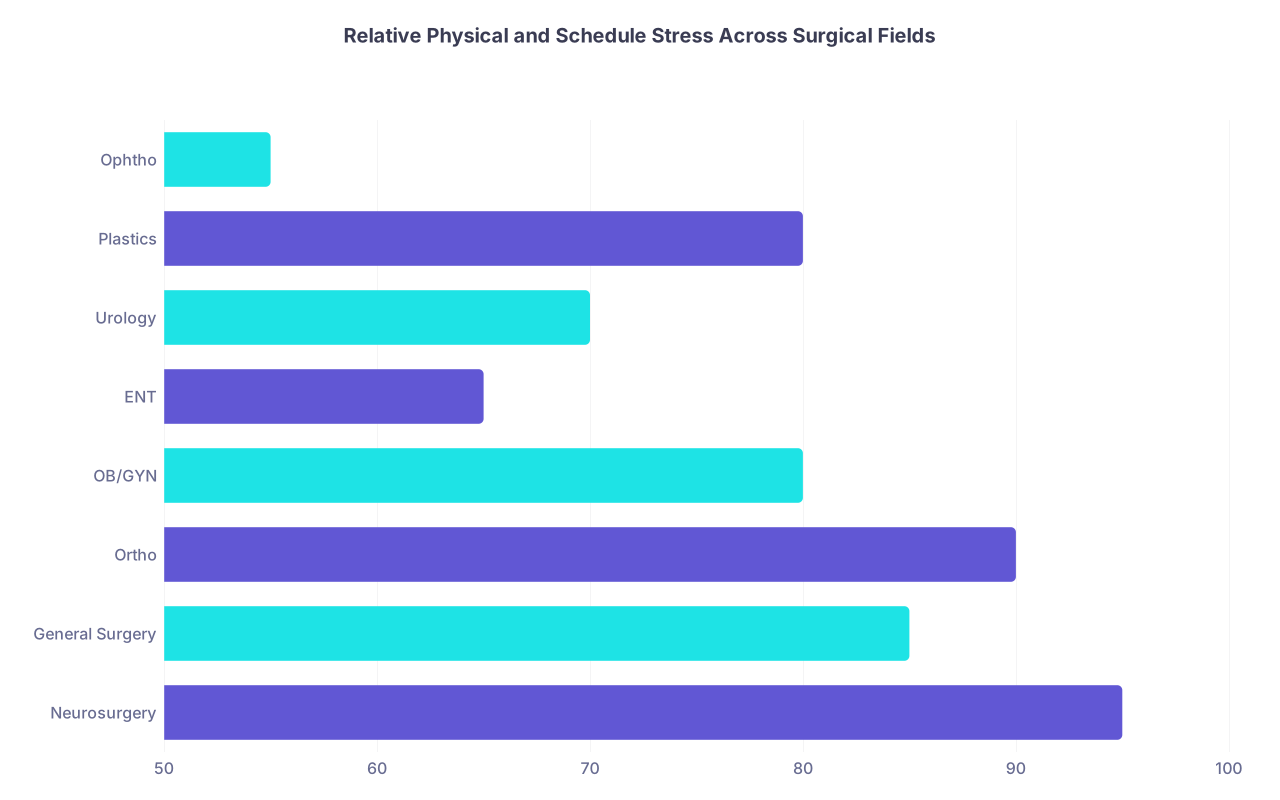
| Category | Value |
|---|---|
| Neurosurgery | 95 |
| General Surgery | 85 |
| Ortho | 90 |
| OB/GYN | 80 |
| ENT | 65 |
| Urology | 70 |
| Plastics | 80 |
| Ophtho | 55 |

| Step | Description |
|---|---|
| Step 1 | Chronic Health Condition |
| Step 2 | Define limits with doctor and self tracking |
| Step 3 | Trial demanding rotations and sub I |
| Step 4 | Consider lighter or adjacent fields |
| Step 5 | Shortlist feasible surgical specialties |
| Step 6 | Assess program culture and flexibility |
| Step 7 | Plan specific accommodations |
| Step 8 | Apply strategically and commit |
| Step 9 | Tolerable with recovery? |
| Step 10 | Core duties still possible? |
FAQs
1. Should I disclose my chronic health condition during residency applications or interviews?
Usually you do not disclose specific diagnoses during interviews. You do assess culture by asking residents how the program handles medical leave, pregnancy, or health issues in general. Formal disclosure for accommodations typically happens after you match, through GME and occupational health. If your condition might genuinely limit your ability to fulfill essential duties, you should clarify that privately with GME and your own physician before ranking programs, so you are not matching into something you already know is impossible.
2. Can I “just push through” residency and then switch to an easier surgical job later?
You can try. But if you’re already close to your physical limit as a student or sub-I, residency will probably break you before you get to that lighter attending job. The idea that you can white-knuckle five brutal years and then suddenly coast is fantasy for most people with real chronic diseases. Choose a path where the residency itself is survivable, not just the imagined future job.
3. Is it unethical to go into a demanding surgical field if I know I have a chronic illness?
No, not inherently. It becomes a problem only if you knowingly conceal limitations that make you unable to safely perform core duties, risking patients and colleagues. Many excellent surgeons have chronic conditions. The ethical line is honesty—with yourself first, then with your program—about what you can reliably do and what accommodations you truly need.
4. What if I start a surgical residency and realize my health cannot handle it?
Then your job is to face that reality fast, not drag out the misery. Talk to your program director and GME honestly. Explore medical leave, part-time, or transition options. Many people successfully pivot to fields like anesthesia, radiology, PM&R, internal medicine subspecialties, or nonclinical roles. Leaving surgery is not a moral failure; staying in a situation where you’re unsafe to yourself and patients is.
Key points: You have to assess your body with the same rigor you’d assess a patient. You have to match that against the real, unromantic demands of specific surgical fields and programs. And you have to be willing to walk away from the wrong fit, even if your ego and your mentors think you “should” be a surgeon.