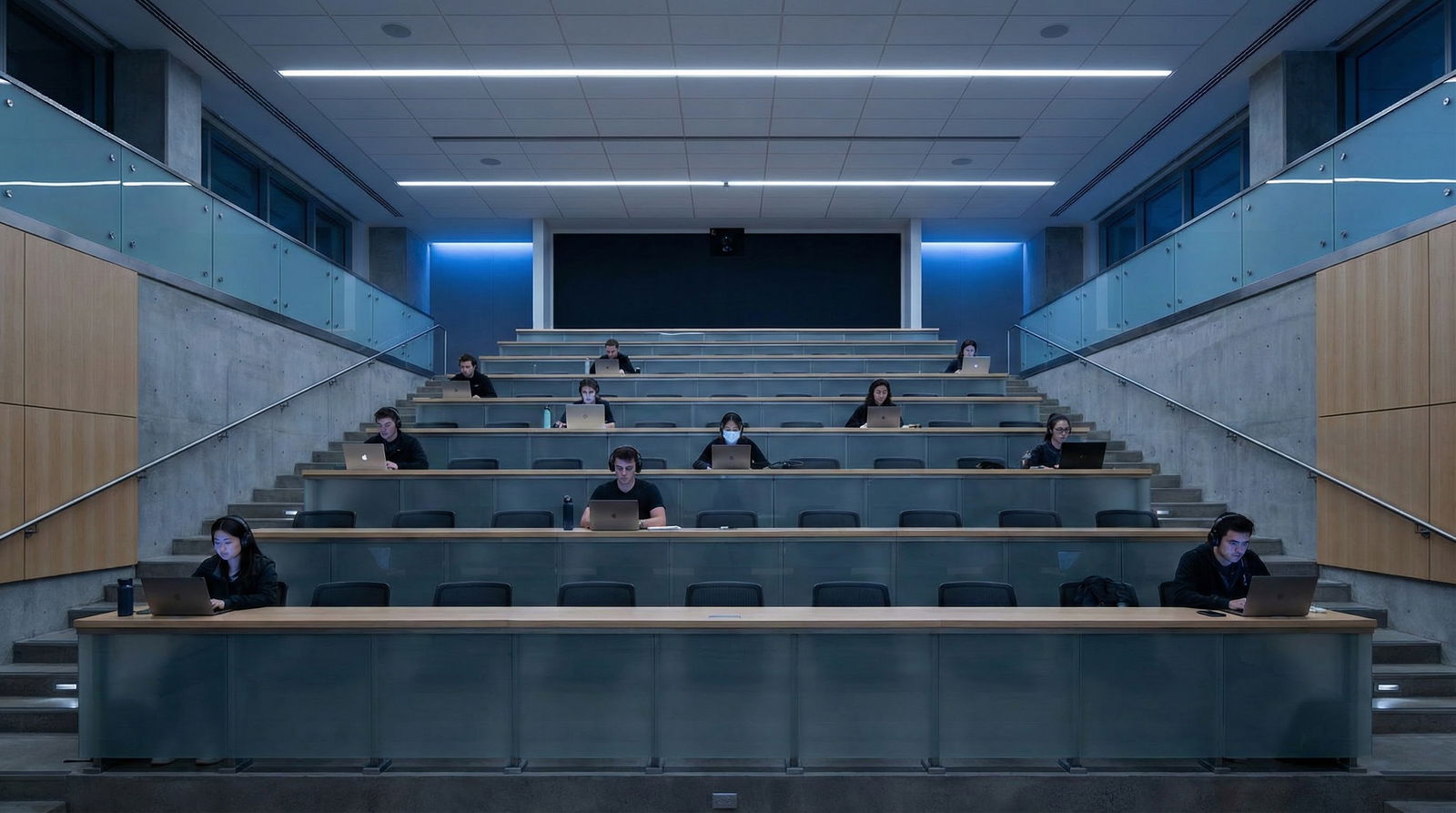
It is 10:47 p.m. You told yourself you would be in bed by 11.
Your Anki streak is intact but your brain is fried, you still have 23 pages of renal to “skim,” and your group chat is talking about a 7 a.m. practice exam Saturday that you’re absolutely not ready for.
You are not lazy. You are not broken.
You just do not have a working day structure.
Let’s fix that with a concrete, time-blocked template you can actually run tomorrow.
Step 0: Know Your Constraint – Your Sleep Anchor
At this point you should pick one non‑negotiable: your sleep anchor.
No calendar, no productivity hack matters if you keep moving your bedtime like a resident on nights. You are in medical school; chronic sleep debt will wreck your learning, mood, and memory. I have watched strong students quietly disintegrate over 3–4 months because they treated sleep as “flex.”
You are going to pick:
- A fixed wake time (±30 minutes, max)
- A target bedtime that gives you 7–8 hours
Example:
- Wake: 6:30 a.m. (alarm between 6:15–6:45 a.m.)
- Bedtime: 11:00 p.m. (in bed by 10:45 p.m.)
This is your anchor. Everything else bends around this.
Now we build the day.
The Core Template: One Default Day for Study, Sleep, Recovery
Think of this as your baseline weekday during pre‑clinical or dedicated exam prep. You will modify it, but you need a default pattern to deviate from.
Here is a simple 24‑hour template for a typical lecture + self‑study day.
| Time Block | Focus |
|---|---|
| 06:30–07:15 | Wake, light, brief movement |
| 07:15–08:00 | Breakfast, commute/prep |
| 08:00–10:00 | Deep study / lecture |
| 10:00–10:15 | Break + micro-recovery |
| 10:15–12:00 | Deep study / active work |
| 12:00–13:00 | Lunch + true break |
| 13:00–15:00 | Moderate-focus tasks |
| 15:00–15:20 | Break + short walk |
| 15:20–17:00 | Practice questions / Anki |
| 17:00–18:00 | Exercise or movement |
| 18:00–19:30 | Dinner + social / decompression |
| 19:30–21:30 | Light study / review |
| 21:30–22:30 | Wind-down, no new input |
| 22:30–06:30 | Sleep |
Strong opinion: if you routinely study past 11:30 p.m., that is usually a systems problem, not a “you should grind harder” problem.
Morning: 06:30–12:00 – Protect Your Deep Focus
At this point in your day, your job is to front‑load the hardest work while your brain is clean and less anxious.
06:30–07:15 – Wake & Reset
You roll out of bed. Before you touch your phone:
- Light: curtains open or 5–10 minutes on a balcony / porch
- Water: 300–500 ml water, not an energy drink
- Movement: 5–10 minutes:
- brisk walk in the hallway / outside, or
- 10 squats, 10 pushups, 30 seconds plank × 2
This is not “fitness.” This is switching your brain to awake mode.
07:15–08:00 – Breakfast + Prep
You should:
- Eat something with protein + complex carb (eggs + toast, yogurt + oats)
- Look once at your time‑blocks for the day (not your to‑do list yet)
- Decide your one main academic win for the day:
- e.g., “Finish cardiology pathoma + 40 cardio UWorld Qs with review”
Write that one line somewhere visible. If the day explodes, that is the piece you still protect.
08:00–10:00 – Block 1: Deep Study
No social media. No email. This is when you attack the hardest cognitive task:
- First‑pass content of a heavy system (renal, neuro, cardio)
- Watching high‑yield videos actively (pausing, taking minimal notes)
- Synthesizing notes into a small outline / concept map
Run it as 2 × 50‑minute focus intervals:
- 08:00–08:50 – Work
- 08:50–09:00 – Stand up, water, 10 deep breaths
- 09:00–09:50 – Work
- 09:50–10:00 – Reset break
If you are in mandatory lecture 08:00–10:00, you reclassify it: lecture is deep focus time. Not texting time, not half‑watching.
10:15–12:00 – Block 2: Active Reinforcement
At this point, your brain is slightly more fatigued but still good.
Use 10:15–12:00 for:
- Active recall:
- whiteboard brain dumps of yesterday’s material
- closed‑book concept maps
- Smaller question sets (10–20 Qs) targeting what you just studied
- Anki new cards and mature reviews, not full random sets of 500
Same idea: 50–55 minutes on, 5–10 minutes off.
Midday: 12:00–17:00 – Guard Against the Crash
This is where most students lose the day. The post‑lunch fog, the “I’ll just lie down for 10 minutes” nap that becomes 90 minutes, the doom‑scroll.
12:00–13:00 – True Lunch Break
You should not be studying during lunch. If you routinely watch lectures while eating, you are not actually learning or resting; you are doing both badly.
Use this hour for:
- Eating away from your study setup
- 5–10 minutes of light walking afterward
- Maybe one short, non‑academic conversation
Do not start a Netflix episode. Do not open YouTube “for five minutes.” You are not stronger than the algorithm.
13:00–15:00 – Block 3: Moderate‑Focus Work
Your capacity for deep novelty drops here, so you pivot to medium‑intensity tasks:
- Reviewing slides / notes you already saw earlier in the week
- Cleaning up Anki decks, tagging, or lightly rewriting confusing cards
- Slower video explanations for topics you flagged as weak
Think of this as maintenance + clarification.
Do not schedule your hardest new topic here if you can avoid it. If you have mandatory small group or labs here, good—it matches the energy of this block.
15:00–15:20 – Short Recovery Block
At this point, your brain needs real recovery, not a vertical death‑scroll.
Good options:
- 10–15 minute walk outside
- 5 minutes stretching + 5 minutes eyes‑closed breathing
- Lie down on the floor, legs on a chair, 5–10 minutes, no phone
Bad options:
- TikTok
- “Just one” gaming round
- Deep dive into residency gossip threads
You are not a monk. You can do those things. Just not in the fragile afternoon slot that decides whether you recover for the evening or crash hard.
15:20–17:00 – Block 4: Questions + Targeted Practice
Now you specialize:
- 20–40 USMLE‑style questions (pre‑clin) or NBME‑style blocks
- Practice questions for tomorrow’s quiz
- Spaced mixed review questions from old systems
Process:
- Do a small set of questions timed.
- Immediately review each question and write 1–2 line takeaways.
- Tag weak topics for future review (do not deep dive every explanation now).
This is where people either sharpen or burn out. If you are doing 80 questions with no real review and then beating yourself up, fix the structure, not your “willpower.”
Late Afternoon / Evening: 17:00–22:30 – Recovery First, Then Light Study
This is usually when the guilt monsters show up.
“Everyone else is still in the library.”
“My friend did 120 questions today.”
“I should probably just keep going.”
No. At this point, you should train your brain that hard work is followed by real recovery. That is how you survive 4+ years.
17:00–18:00 – Movement Block (Non‑Negotiable 4–5 Days/Week)
I do not care if it is:
- 30–40 minutes in the gym
- A brisk 45‑minute walk with a podcast
- 20 minutes bodyweight circuit at home
You need structured movement.
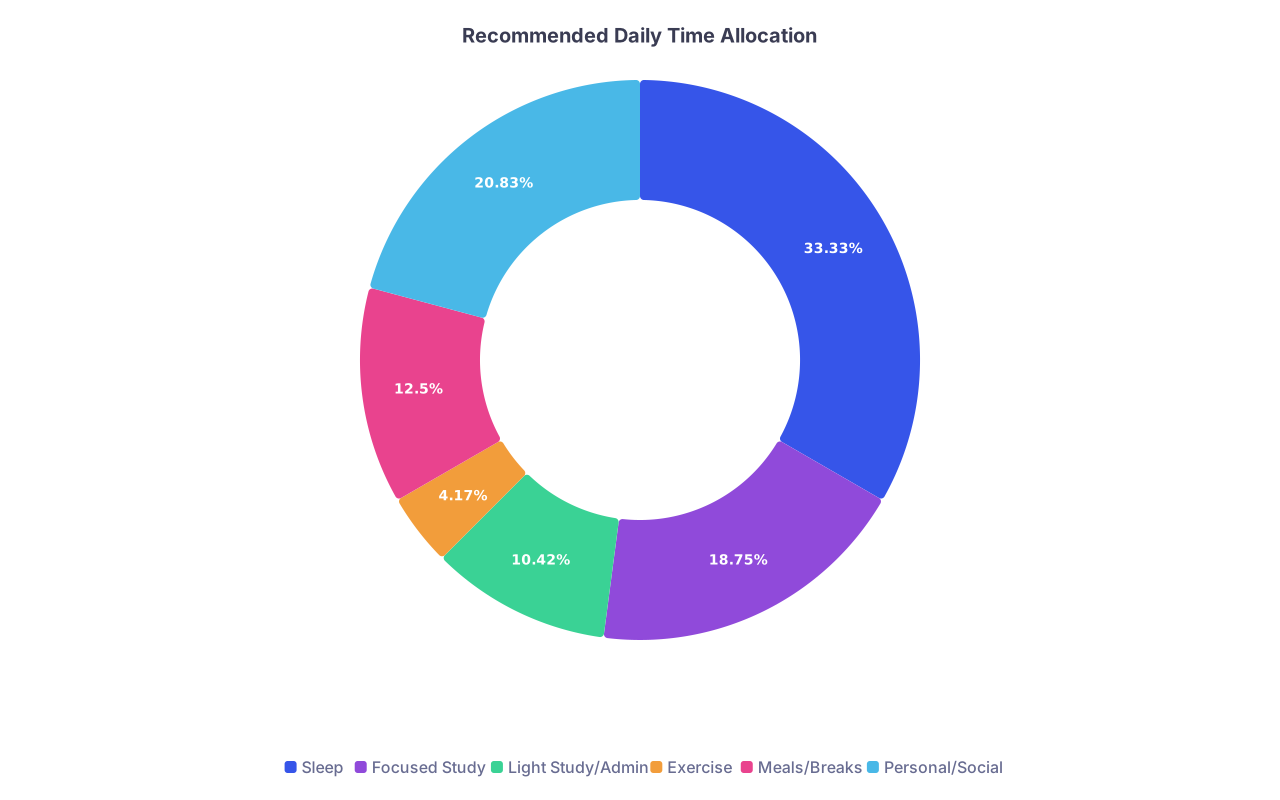
| Category | Value |
|---|---|
| Sleep | 8 |
| Focused Study | 4.5 |
| Light Study/Admin | 2.5 |
| Exercise | 1 |
| Meals/Breaks | 3 |
| Personal/Social | 5 |
The exact activity is flexible. The block existing is not.
If you are “too tired” to move every day, that is usually from over‑stimulation (screens) and crappy sleep, not genuine physical exhaustion.
18:00–19:30 – Dinner + Social / Life Admin
This slot is for:
- Dinner (ideally not at your desk)
- Light social contact: roommates, partner, quick call with family
- One small life task:
- laundry start
- trash out
- reply to 1–2 key emails
You’ll be tempted to drift back into studying here. Resist. You are buying mental freshness for 19:30–21:30.
19:30–21:30 – Light Study / Review Only
At this point you should not be starting brand‑new dense content. Your brain is slower; forcing heavy work here just trains resentment.
Use this window for:
- Anki reviews only (no new cards)
- Re‑watching a confusing 10–15 minute clip at 1x speed
- Skimming your summaries or high‑yield outlines
- Organizing tomorrow’s tasks and downloading files you will need
Rules:
- If you find yourself rereading the same paragraph 3 times, you stop.
- If you are doing questions and your accuracy craters, you stop.
- Hard curfew: no active study after your chosen time (say, 21:30).
21:30–22:30 – Wind‑Down: Zero New Input
Your nervous system is jacked all day from cortisol, caffeine, and content. Something needs to hit the brakes.
Good options:
- Shower, then 10–15 minutes of stretching
- Light reading that is not medicine
- Very boring podcast / low‑stimulation audio
Try to:
- Dim lights.
- Keep screens off or use night mode with brightness low.
- Run the same routine most nights; your brain learns the pattern.
By ~22:30, you should be in bed. Not “thinking about going to bed.”
Actually in the bed.
Weekly View: How This Looks Over 7 Days
A daily template is useless if you never look at the week.
At the start of the week (Sunday, ideally), you should rough‑plot:
- Which days are heavy content days
- Which day is your lighter / partial rest day
- Any fixed non‑school commitments (clinic, volunteering, work)
Here is a simple weekly skeleton:
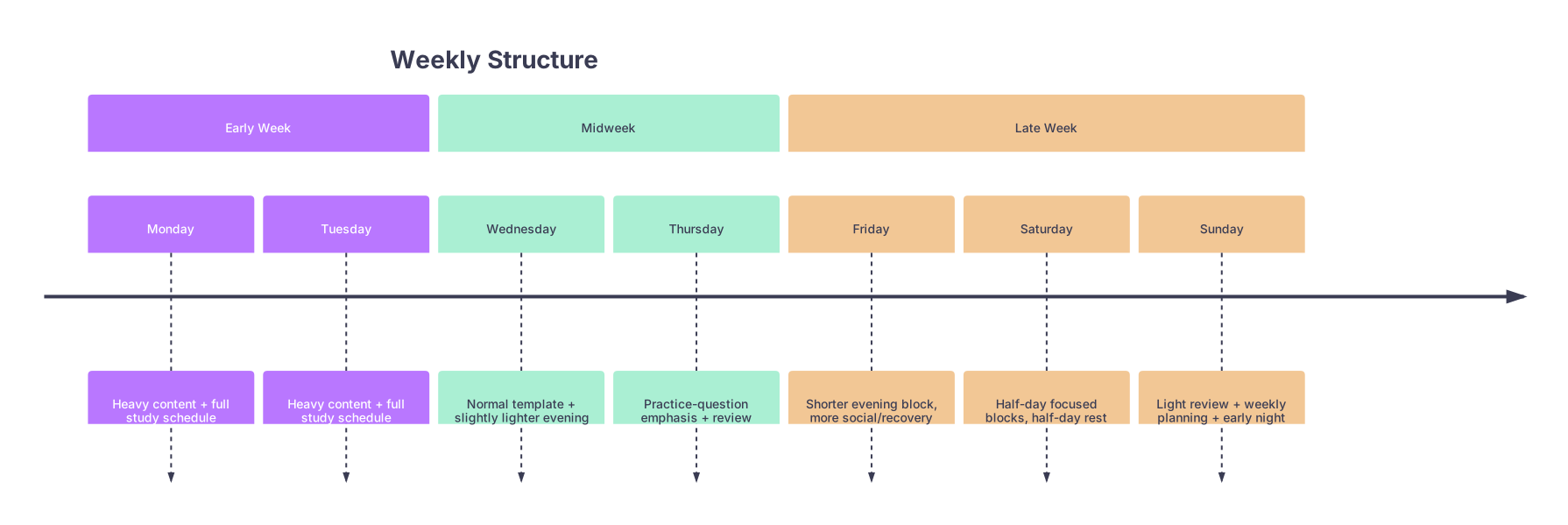
| Period | Event |
|---|---|
| Early Week - Monday | Heavy content + full study schedule |
| Early Week - Tuesday | Heavy content + full study schedule |
| Midweek - Wednesday | Normal template + slightly lighter evening |
| Midweek - Thursday | Practice-question emphasis + review |
| Late Week - Friday | Shorter evening block, more social/recovery |
| Late Week - Saturday | Half-day focused blocks, half-day rest |
| Late Week - Sunday | Light review + weekly planning + early night |
You are not a machine. Good weeks have:
- 4–5 days that closely follow the full template
- 1–2 days with modified, shorter evening blocks
- At least half a day where you are not forcing heavy cognition
If every single day is 06:30–24:00 “on,” something will break. Usually mood first. Then memory.
Adjusting for Exam Crunch vs. “Normal” Weeks
There are really two modes: baseline weeks and exam‑crunch weeks. Do not treat every week like dedicated Step crunch.
Normal Weeks (No Major Exam in ≤10 Days)
At this point you should:
- Respect the template almost exactly.
- Protect your exercise block.
- Keep evenings light.
Your goals:
- Steady content coverage
- Stable mood and sleep
- Building habits that will still exist in clerkships
Exam‑Crunch Weeks (Exam in 3–10 Days)
You can temporarily tighten, but not obliterate, the structure.
Reasonable modifications:
- Extend 08:00–10:00 block to 08:00–10:30 for more questions.
- Use 13:00–15:00 for mixed question blocks instead of lighter work.
- Push light study to 22:00 max (not 01:00).
Unreasonable (and harmful) changes I see all the time:
- Dropping exercise to “save time”
- Cutting sleep to 4–5 hours
- Replacing breaks with phone scrolling while pretending they are breaks
Your brain on 4 hours of sleep learning immunology is a clown car. You will not remember most of it 48 hours later.
How to Actually Implement This: A 3‑Day Rollout
Reading a schedule does nothing. You have to stress‑test it.
Day 1 – Build and Label
Tonight:
- Take your calendar (digital or paper).
- Drop in the fixed blocks:
- Sleep: 22:30–06:30
- Classes, labs, clinic times
- Commute
- Add the study / recovery blocks around them using the template:
- Two morning deep blocks
- Afternoon moderate + questions
- Movement
- Light evening study
Do not chase perfect. Just block something.
Day 2 – Run and Observe
Tomorrow, run the schedule.
At this point your goal is not perfection; it is data:
- Where did you consistently over‑ or under‑estimate time?
- Which block felt hardest to respect?
- Did you actually sleep at the time you wrote down?
At night, take 5 minutes and jot:
- 2 blocks that worked
- 1 block that failed and why
Day 3 – Tighten and Commit
Adjust:
- Move your hardest topic into the 08:00–10:00 block.
- Shorten any blocks you never fill (e.g., 2 hours of Anki that always becomes 70 minutes).
- Make one rule for the next 48 hours (e.g., “No new content after 21:30”).
Now commit to running the adjusted schedule for 3 more days before any major overhaul. Constantly redesigning your schedule is just a sophisticated form of procrastination.
Common Failure Points (And How to Pre‑Empt Them)
You are not special; you will likely hit the same walls as everyone else.
1. The 10‑Minute Phone Check That Eats an Hour
At this point you should assume willpower is unreliable.
- Put your phone in another room during 08:00–12:00 and 15:20–17:00.
- Use website blockers (e.g., Cold Turkey, Freedom) for the heavy blocks.
- If you must keep your phone for pages / emergencies, use grayscale mode.
2. “I Can Catch Up Sleep on Weekends”
No, you cannot fully. You can decrease some debt, but your cognition all week is still impaired.
Set one weekend day with the same wake time ±30 minutes. Sleep in an extra hour, not four.
3. “I Don’t Have Time for Exercise”
Translate that to what it really means: “I am using my lowest‑yield study hours to replace movement.”
On days where you absolutely cannot do 45 minutes, do 15–20. Non‑negotiable.
4. Using Breaks as Stealth Study
If your “breaks” are watching Sketchy or Boards & Beyond “for fun,” your brain never exits work mode. Then you wonder why you feel fried.
Breaks are:
- Movement
- Nature
- Social contact
- Trash TV or games in short, planned windows, not in every gap
Quick Visual: How the Day Flows

| Step | Description |
|---|---|
| Step 1 | Wake 06:30 |
| Step 2 | Morning Deep Study 08:00-12:00 |
| Step 3 | Lunch Break 12:00-13:00 |
| Step 4 | Moderate Work 13:00-15:00 |
| Step 5 | Short Recovery 15:00-15:20 |
| Step 6 | Questions Block 15:20-17:00 |
| Step 7 | Movement 17:00-18:00 |
| Step 8 | Dinner/Social 18:00-19:30 |
| Step 9 | Light Study 19:30-21:30 |
| Step 10 | Wind-down 21:30-22:30 |
| Step 11 | Sleep 22:30-06:30 |
Print something like this. Stick it above your desk. The fewer decisions you make each day, the more energy you have to actually learn.
FAQ (Exactly 2 Questions)
Q1: What if my schedule is unpredictable because of labs, small groups, or early clinic?
Block your sleep and one protected 2‑hour deep‑work slot first. Those are your pillars. Then, treat the rest as movable pieces: on early‑clinic days, maybe your deep block is 13:00–15:00 instead of 08:00–10:00. The template is a pattern, not a prison. But if every single day is “totally different,” you need at least 2–3 recurring anchors—same wake time, recurring movement block, and a single recurring 2‑hour focus block.
Q2: Is it ever okay to pull a late night or all‑nighter before an exam?
Rarely, and only if the alternative is genuinely catastrophic (e.g., you have not covered huge swaths of material). Most of the time, all‑nighters trade short‑term anxiety relief for worse recall and slower test‑taking. If you must push late, cap it at 1–2 hours past your normal bedtime, keep the next night strict, and do not let it become your default. A stable time‑blocked day with 7–8 hours of sleep will always beat heroic last‑minute marathons over the long run.
Open your calendar right now and block off tomorrow’s 06:30–12:00 exactly as described. Put “Deep Work Block” from 08:00–10:00 and decide one specific task for it. That is the first brick in a day that actually protects your study, sleep, and sanity.