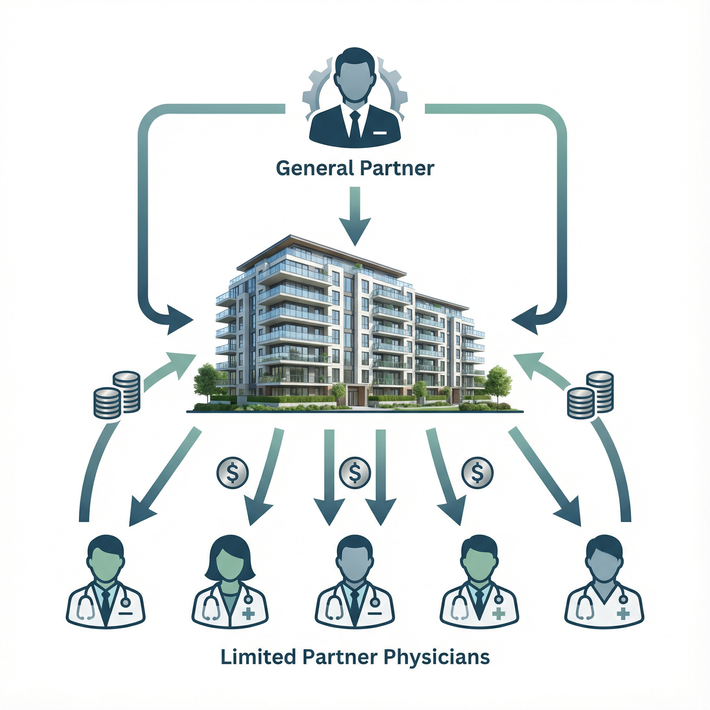
The fear that real estate will wreck your board scores is wildly exaggerated—but not completely wrong.
I’m saying that as someone who has had the exact thought you’re probably having right now: “If I start looking at deals, I’m going to fail boards, disappoint my program director, and never match/fellowship/get a job.” The catastrophizing is strong with this one. I know.
Let’s walk through this like two anxious people trying not to blow up their careers while still wanting a life outside medicine.
The Real Fear Behind “Real Estate vs Boards”
You’re not really asking, “Is real estate investing bad?” You’re asking:
- Am I about to sabotage years of work for a side quest?
- Will this give my co-residents an edge on me academically?
- What if I’m the one who fails boards while they’re all chiefs and I’m the “real estate guy” who washed out?
And the worst part? You’ve seen the highlight reels. The attendings who own 20 doors. The residents posting on X/IG about their syndication investments. The “I bought 3 rentals in residency and now my passive income covers my loans” people.
Meanwhile you’re like: “I’m just trying to remember the side effects of amiodarone.”
Here’s the uncomfortable but honest answer: real estate can absolutely destroy your board prep and training—if you do it wrong. If you treat it like a second full‑time job, or like a personality, or like a competition.
But if you treat it like what it actually is at this phase—a long-term wealth tool you can start very, very slowly—it doesn’t need to cost you your scores or your reputation.
The key is being brutally realistic about time and mental bandwidth. Not optimistic. Not Instagram. Real.
How Much Bandwidth Do You Actually Have?
Let me be blunt: most residents overestimate what they can do outside training. Then they get crushed.
You’re already juggling:
- 60–80 hour weeks
- Night float
- Golden weekends that vanish to weddings and errands
- Board prep you keep saying you’ll start “after this rotation”
Layer real estate on top without a plan and yeah, now you’re in danger territory.
Think of your life like a pie chart. There’s only 100%. Not 140%. Not “I’ll just sleep less.”
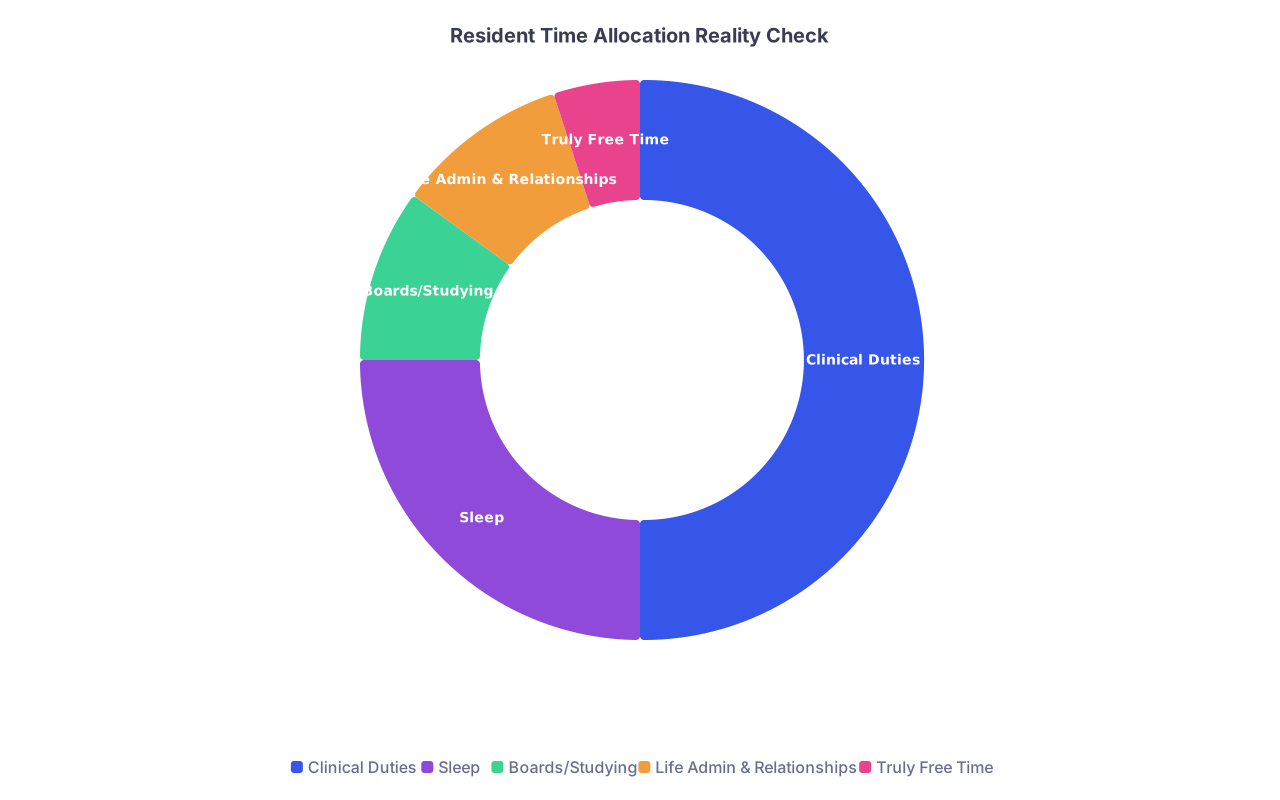
| Category | Value |
|---|---|
| Clinical Duties | 50 |
| Sleep | 25 |
| Boards/Studying | 10 |
| Life Admin & Relationships | 10 |
| Truly Free Time | 5 |
That tiny 5% “Truly Free Time” slice? That’s where real estate has to fit in. If your plan can’t squeeze into that, it’s going to steal from boards, sleep, or basic sanity. And boards are the easiest target, because you can always “catch up later,” right? Until later doesn’t come.
So the real question isn’t, “Is real estate bad during training?” It’s, “Can I keep my real estate involvement inside that 5% without letting it leak into the rest?”
Most people only realize it leaked when they’re:
- Pushing UWorld blocks to “next week”
- Glazing over during noon conference because they’re thinking about inspection reports
- Studying at 2 am because they spent the night comparing cap rates instead of reading for boards
If that sounds like something you’d 100% do… then yeah, we need to be careful.
The Big Distinction: Active vs Passive Real Estate
This is where a lot of Type A physicians get themselves into deep trouble. They think “real estate investing” is one big bucket.
It’s not.
There’s a huge difference between:
- Going all-in on active real estate during training
vs - Dipping your toes into passive / slow-burn real estate that doesn’t demand your soul
Here’s the rough breakdown.
| Approach | Time Demand | Mental Load | Board Risk Level |
|---|---|---|---|
| DIY landlording local | High | High | Very High |
| Fix-and-flip projects | Extreme | Extreme | Career Suicide |
| Small passive syndication | Low | Low | Low |
| REIT index funds | Minimal | Minimal | Zero |
| “Education only” phase | Minimal | Low | Very Low |
If you’re expecting call weeks and ICU rotations to coexist peacefully with:
- Contractors missing deadlines
- Tenants calling about leaks
- Appraisals falling short
- Surprise repairs …then you’re living in fantasyland.
Active real estate during residency is like trying to train for a marathon while also taking night float and cramming for Step 3. Something’s going to lose. Probably your boards.
But passive-ish approaches—REITs, small stakes in vetted deals, or just learning mode? Those can be sized to fit your life. If anything, they might calm some of the “I’m behind financially” panic and let you focus better.
Worst-Case Scenarios (Because That’s How Our Brains Work)
Let’s lean into the nightmare images you probably already have in your head and be honest about them.
Nightmare #1: You Fail Boards Because of Real Estate
The script in your head probably goes like this:
You start a rental. A tenant stops paying. You’re on nights. You’re emailing your property manager between admits. You miss dedicated study time for a call with an attorney. You push UWorld to tomorrow. Then again. And again. You walk into boards underprepared, you score borderline, or you fail. Now your program director is furious and people whisper that “he/she was too distracted with real estate.”
Could that happen? Yes.
But only if you:
- Take on a high-maintenance, active deal with poor support
- Refuse to set hard boundaries around study time
- Treat your real estate as non-negotiable and boards as flexible
Flip that script:
You decide, “For intern year, I will do zero active deals. I’m allowed to read one real estate book a month and maybe sit in on a webinar, that’s it.” During lighter rotations as a PGY‑2 or 3, you take a very small, passive position in a boring, long-term deal you’ve vetted in advance. You automate contributions. No tenants. No toilets. No contractors. No endless Zoom calls.
You’re not going to fail boards because you do that. You’re more likely to fail because of inconsistent studying, bad question discipline, or burnout. Real estate won’t be the cause. It’ll be background noise.
Nightmare #2: Your Reputation Tanks
You don’t want to be “that resident” whose PD thinks they’re more focused on cash flow than patient care.
Here’s what actually triggers program director red flags:
- Showing up late or post-call wrecked because you were dealing with property drama
- Complaining constantly about money and side hustles in front of faculty
- Talking more about cap rates than your patients
- Bragging about real estate during rounds while being weak on clinical knowledge
I’ve literally heard attendings say things like, “He’s smart, but I worry his attention is split. He’s always talking about other projects.”
If you’re going to dip into real estate during training, you need one clear rule: never let it show up in your clinical performance. Excellence buys you a ton of leeway. Sloppiness plus visible side interests? Bad combination.
So your internal metric has to be:
- Are my evals excellent?
- Am I reliable on call?
- Do I feel ahead or at least solid on my board prep schedule?
If any of those start to slip and you’re concurrently reading about BRRRR strategies… your PD will never know the exact cause, but you will.
A Safer Real Estate Roadmap That Won’t Kill Your Boards
If you’re still reading, you probably don’t want to hear “Just wait 10 years and only think about real estate when you’re an attending.”
Me neither.
So here’s the middle ground I wish someone had spelled out to me—not hype, not “grind harder,” just a sane pacing strategy.
Phase 1: Pure Learning Mode (High-Yield Anxiety Management)
This is for:
- Med students
- Interns
- Anyone on brutal rotations
The goal: build basic literacy without a single time‑sucking commitment.
Think 1–2 hours a week. Max. That’s a podcast on your commute. Half a chapter before bed once or twice a week.
You can:
- Read one legit real estate book each 1–2 months
- Listen to physician real estate podcasts on walks
- Take notes in one Google doc you never have to show anyone
- Learn vocabulary: cap rate, DSCR, syndication, REIT, 1031, etc.
No deals. No LLCs. No loans. No “But this duplex is such a good opportunity.” You are not losing money by waiting a year; you’re gaining clarity and protecting your board scores.
Phase 2: “Hands Off” Exposure
This is for:
- Later residency
- Early fellowship with more predictable schedules
You still protect boards as the #1 academic priority.
Here, consider things like:
- A small percentage of your portfolio (5–10%) in a broad real estate index fund or REIT ETF
- Maybe one small, carefully vetted syndication as a limited partner, where your role is: wire money, read quarterly updates, that’s it
No renovations. No self-managing tenants. No value-add projects where “if everything goes perfectly, this will be amazing.” Things never go perfectly. You’re on call when the inspector finds mold. Of course.
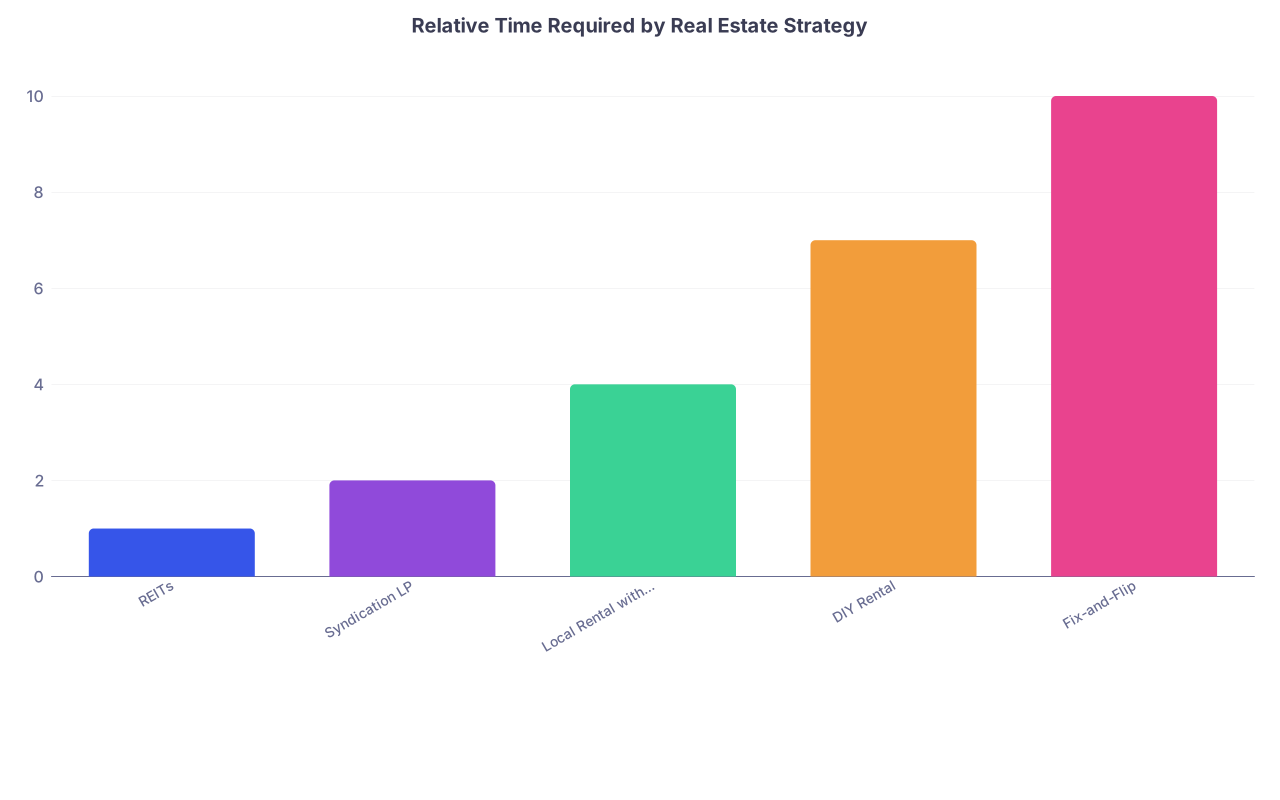
| Category | Value |
|---|---|
| REITs | 1 |
| Syndication LP | 2 |
| Local Rental with PM | 4 |
| DIY Rental | 7 |
| Fix-and-Flip | 10 |
Notice how REITs and LP positions are at the low end. That’s your lane during training.
Phase 3: Active Stuff Only After You Prove You Can Protect Boards
You only earn the right to consider more active real estate if:
- You’ve passed Step/Level 3 and your specialty boards (or you’re clearly on track)
- Your evals are strong
- You have a system for studying that actually works and you know you’ll use it again for recerts, fellowship boards, etc.
Active real estate is an attending game unless:
- Your program is chill
- Your schedule is unusually light
- You are terrifyingly disciplined about time blocks and boundaries
Most of us are not that person. Most of us are tired and trying not to miss birthdays and laundry pickups.
The Legal and Financial Side You’re Probably Overthinking
Under the hood, there are a few things that sound way scarier than they are—and a few that are genuinely serious.
You do not need:
- A 12-entity asset protection structure your PGY‑2 self barely understands
- Fancy lawyers on retainer
- To buy buildings in Wyoming because you heard about anonymity on a podcast
You do need:
- To not overleverage yourself with huge mortgages that trap you in a specialty or job you hate
- To keep your finances simple enough that they don’t become a second residency
Reasonable steps during training:
- Establish a basic LLC only if/when you actually own an active property and your state/CPA agree it makes sense
- Get appropriate insurance (umbrella, landlord policy if you somehow go that route) instead of obsessing over exotic structures
- Run any deal numbers by someone who is both real estate competent and physician‑aware, not just a hype-y investing friend
The real legal danger during training isn’t that you’ll get sued into oblivion. It’s that you’ll sign terrible financing or partnership agreements because you were tired and rushed. Things like:
- Personal guarantees you don’t fully understand
- Variable rates with no cushion
- “Partnerships” that are actually you doing all the work and taking all the risk
If a deal can’t survive you saying, “I need a week to have someone review this and think about it,” it’s a bad deal.
How to Know Real Estate Is Distracting You
If you want a simple gut check, use this. If any of these are true for more than 2–3 weeks in a row, real estate is no longer harmless:
- You’re doing fewer question blocks or reading fewer pages than you planned because you’re pulling up Zillow or BiggerPockets instead
- You feel more emotionally activated by deal news than by your last practice exam score
- You’re talking about real estate more than medicine around attendings/faculty
- You’re “too tired” to study but somehow have energy to scroll listings or run deal calculators
That’s your brain telling you what it actually prioritizes, not what you wish it prioritized. When those drift, you have to consciously pull back.
I’m not saying you should be a monk with no outside interests during training. I’m saying: if you’re going to flirt with real estate, you need a pre-committed line in the sand where you say, “If X starts happening, I pause all new real estate activity until I’m back on track.”
Write that rule down. For real.
A Quick Reality Check On “Falling Behind”
One last thing, because I know this thought is lurking: “If I don’t start now, I’ll be behind everyone else building wealth.”
Here’s the cruel twist: your biggest financial risk as a physician isn’t “starting real estate too late.” It’s:
- Burning out
- Failing boards
- Getting stuck in a job you hate but can’t leave because of money stress
If a single failed board exam delays your attending salary by even 6–12 months, the lost income dwarfs any modest real estate gains you might have made by rushing into deals during residency.
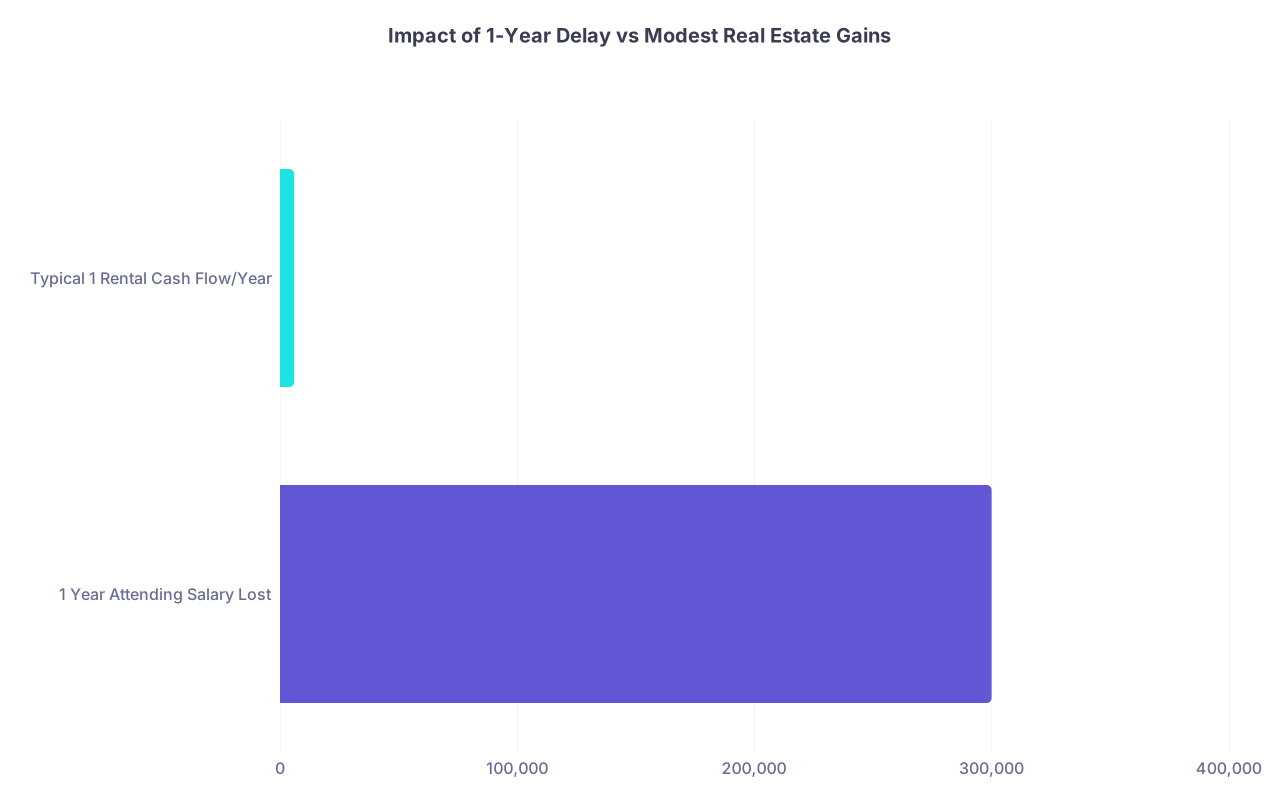
| Category | Value |
|---|---|
| 1 Year Attending Salary Lost | 300000 |
| Typical 1 Rental Cash Flow/Year | 6000 |
Which would you rather protect? Exactly.
Real estate will be there in 3, 5, 10 years. Deals come and go. Your license, your reputation, your board certification—that’s the foundation. Don’t risk the foundation to speedrun the kitchen remodel.
The Bottom Line (Before Your Brain Spirals Again)
Here’s what all this boils down to:
- Boards and training are non‑negotiable. Any real estate that consistently steals from your study time, sleep, or clinical performance is too much, too soon.
- You can still play the long game. Use training for low‑stakes education and maybe tiny, truly passive exposure. Save the heavy stuff for once you’re established and board‑certified.
- Your fear of “falling behind” is lying to you. One delayed board pass or damaged reputation will cost far more than a few years of “missed” real estate returns.
If you keep those three points front and center, you can explore real estate without letting it derail the one thing you absolutely can’t afford to screw up: becoming the physician you’ve already worked so hard to be.