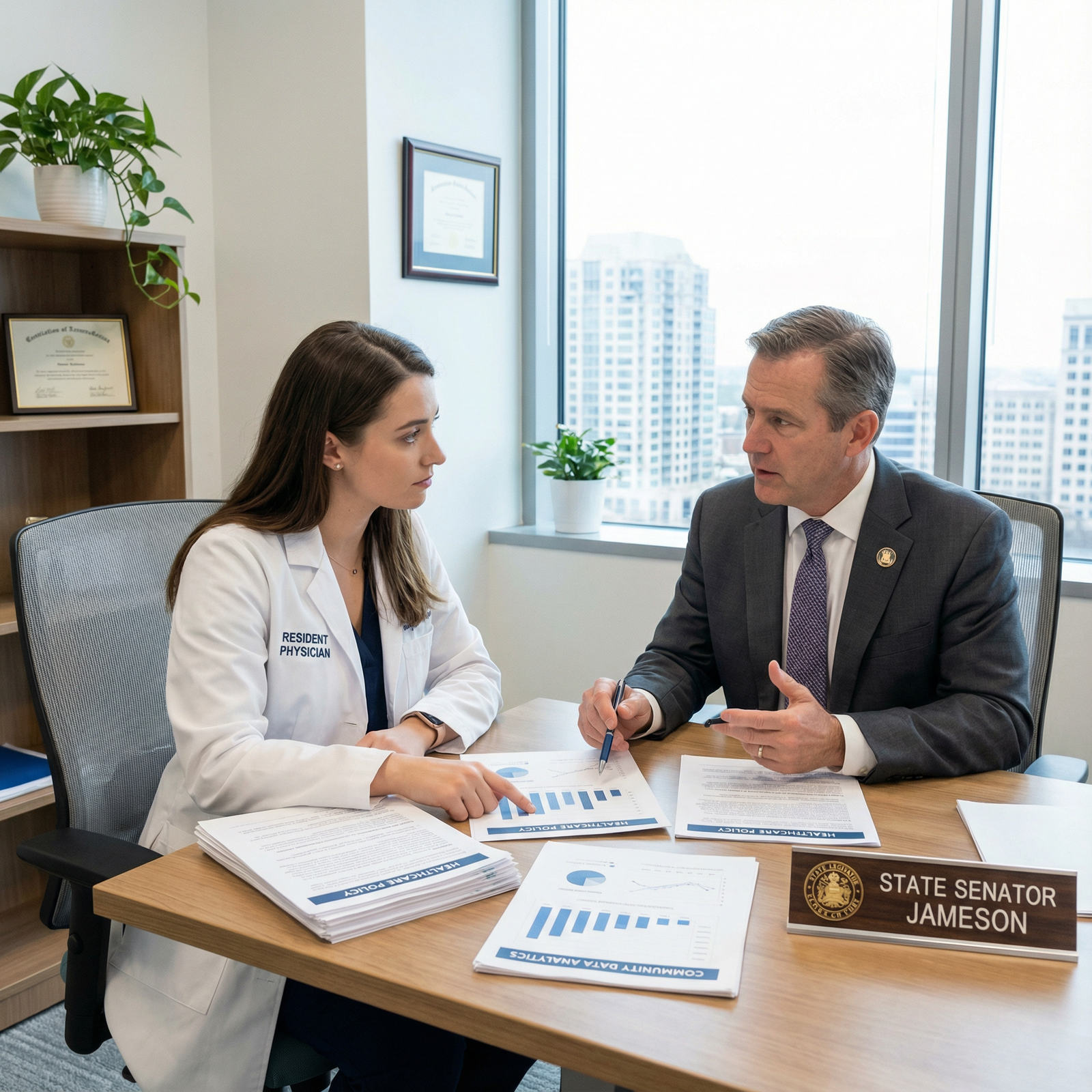
The story you have been told about Medicaid expansion is incomplete. It was never just about coverage; the data show it quietly reshaped how physicians practice, who they see, and which specialties carry the weight of expanded public insurance.
The baseline: who actually sees Medicaid patients?
Before talking about change, you need a baseline. Not every physician was equally exposed to Medicaid before the Affordable Care Act (ACA).
National surveys and claims data from the 2010–2013 pre-expansion era consistently show:
- Primary care and pediatrics had the highest share of Medicaid visits.
- Surgical subspecialties and some procedural fields had relatively low Medicaid exposure.
- Safety-net and community health center physicians, regardless of specialty, carried disproportionate Medicaid volume.
A simplified breakdown (using representative ranges from large-scale surveys like NAMCS and the National Survey of Physician Organizations) looks like this:
| Specialty Group | Medicaid Share of Visits (Pre-2014) |
|---|---|
| Pediatrics | 30–40% |
| Family Medicine / IM | 15–25% |
| OB/GYN | 10–20% |
| Psychiatry | 10–20% (highly variable by region) |
| Surgical Subspecialties | 5–12% |
| Other Medical Subspecs | 8–15% |
This starting point matters. A 10 percentage-point increase in Medicaid volume means something very different for pediatrics (already heavily Medicaid) than for, say, orthopedics.
What did Medicaid expansion actually do to coverage?
Strip away the ideology and the effect is clean. In expansion states, uninsured rates for low-income adults dropped sharply; in non-expansion states, they barely budged.
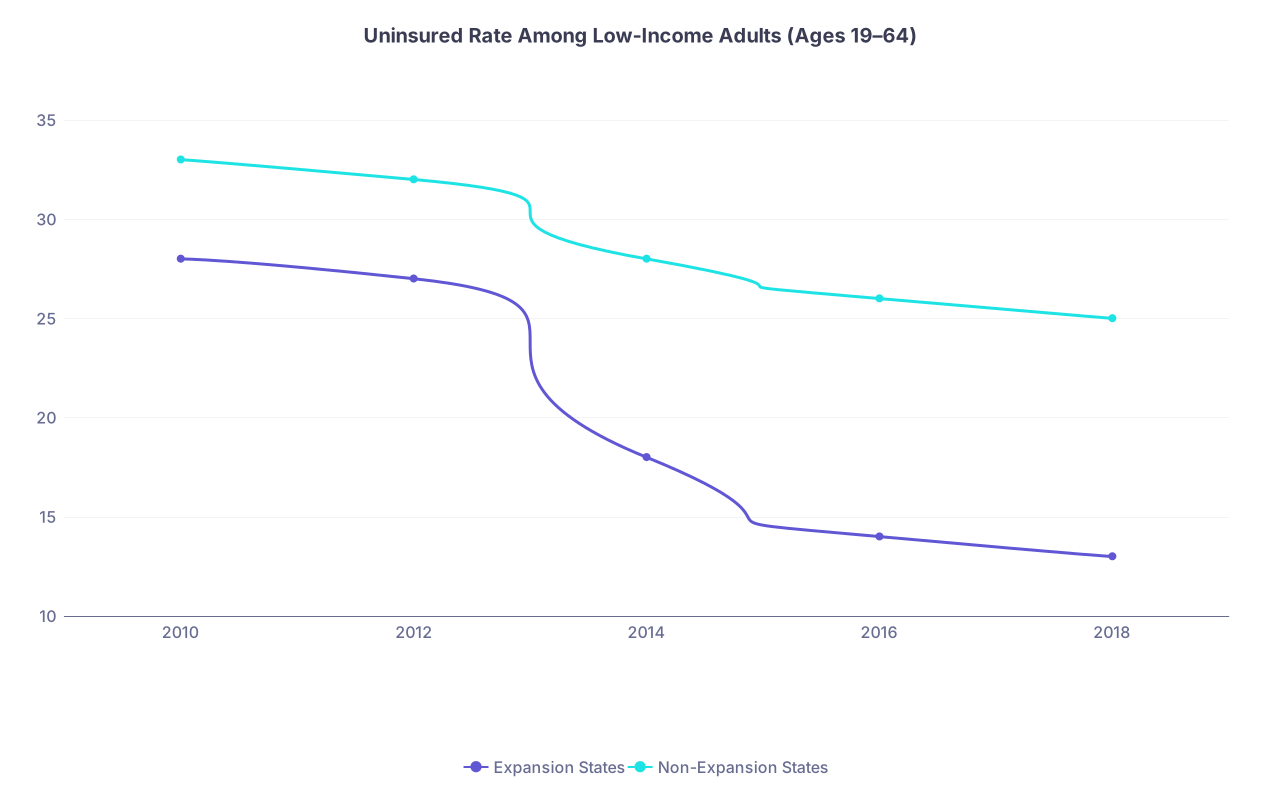
| Category | Expansion States | Non-Expansion States |
|---|---|---|
| 2010 | 28 | 33 |
| 2012 | 27 | 32 |
| 2014 | 18 | 28 |
| 2016 | 14 | 26 |
| 2018 | 13 | 25 |
Rough ballpark from multiple ACA evaluation studies:
- Expansion states: uninsured among low-income adults fell by ~12–15 percentage points.
- Non-expansion states: drop of ~5–7 percentage points.
That coverage gain translated into more insured visits. The mix shifted from uninsured/self-pay to Medicaid. But the way that translated into daily practice was highly specialty-dependent.
Primary care: more Medicaid, more continuity, less chaos
Primary care took the first impact. Internal medicine, family medicine, and pediatrics are where most new Medicaid enrollees show up first.
From large multi-state EHR and claims analyses (e.g., 2014–2019):
- Medicaid visits to primary care physicians increased by ~20–35% in expansion states relative to non-expansion states.
- Total visit volume rose modestly (often 5–10%), meaning a significant portion was a payer-mix shift, not pure growth.
- Preventive visits, chronic disease follow-up, and medication refills all increased.
You see this in the visit mix data. Something like this is typical:
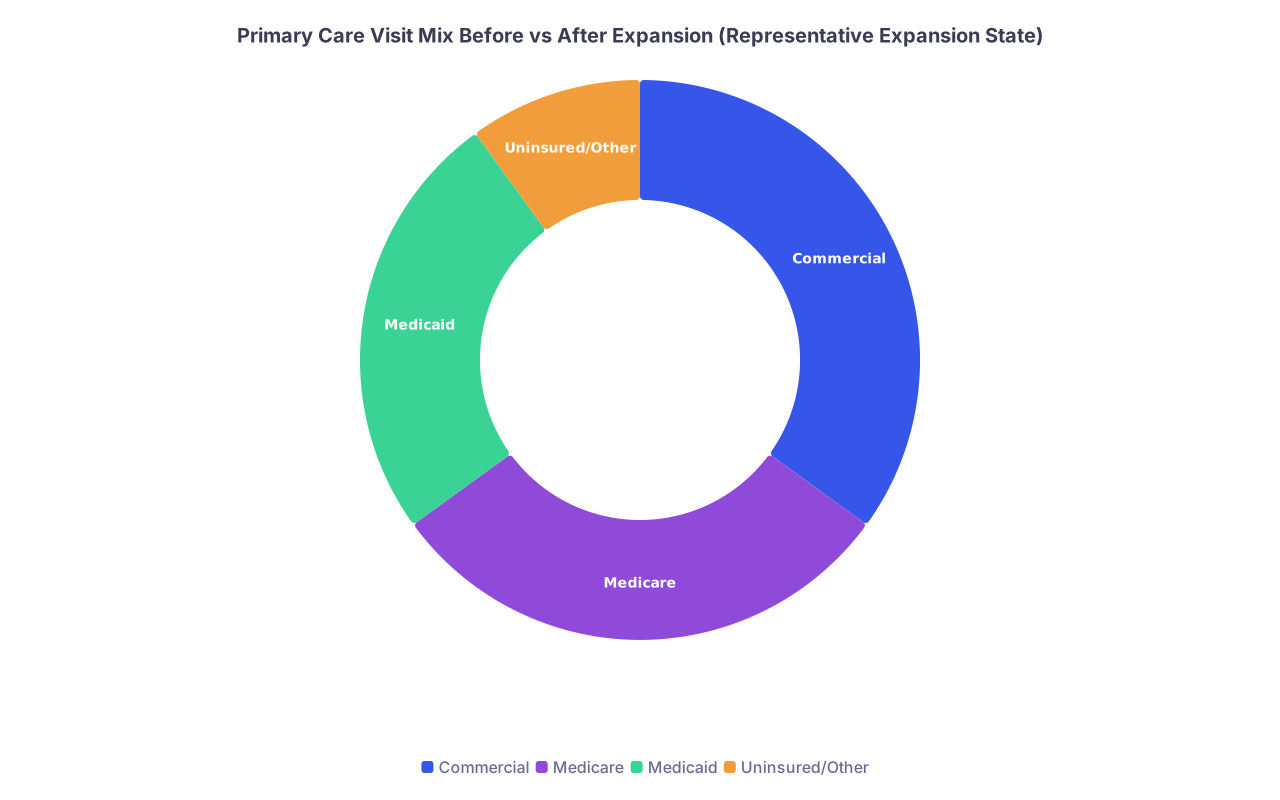
| Category | Value |
|---|---|
| Commercial | 35 |
| Medicare | 30 |
| Medicaid | 25 |
| Uninsured/Other | 10 |
Pre-expansion (rough example for low-income-serving practices):
- Commercial: 30–35%
- Medicare: 25–30%
- Medicaid: 15–20%
- Uninsured/Other: 15–25%
Post-expansion in high-uptake regions:
- Medicaid share rises 8–12 percentage points.
- Uninsured/other drops by a similar amount.
- Commercial and Medicare mostly stable.
In practice, this meant:
- Fewer uncompensated visits.
- More predictable follow-up because patients could actually return.
- A measurable increase in chronic disease control metrics (HbA1c testing, blood pressure control, statin use) for Medicaid-eligible adults in expansion states.
Ethically, Medicaid expansion aligned primary care more tightly with justice and beneficence: physicians were now structurally enabled to move from episodic crisis care for the uninsured to continuity-based management for poor patients. That is not abstract. It changed the clinical day.
Hospital medicine and general internal medicine: payer mix without control
Hospitalists did not choose their payer mix the way outpatient physicians do, but expansion reshaped their work too.
Patterns seen repeatedly in discharge data:
- Uninsured hospitalizations fell by ~40–60% in expansion states.
- Medicaid hospitalizations rose by ~30–40%.
- Overall admission volume changed only modestly; what shifted was who paid.
From several state inpatient databases, a typical pattern for adult medical-surgical discharges:
| Payer | Pre-Expansion | Post-Expansion |
|---|---|---|
| Medicaid | 18% | 27% |
| Uninsured | 12% | 5% |
| Medicare | 40% | 40% |
| Commercial | 30% | 28% |
For hospital-based internists:
- The clinical case mix did not radically change overnight. CHF is still CHF. COPD is still COPD.
- But downstream coordination did. Suddenly more of the sickest low-income patients had coverage for post-discharge meds, home health, rehab, follow-up.
That altered behavior:
- More aggressive use of guideline-recommended therapies.
- Higher rates of scheduling post-discharge follow-up (because there is somewhere to send them).
- Less “social admission” of the totally uninsured for problems better handled outpatient.
Ethically, this reduced the constant triage between “what is right medically” and “what the patient can realistically obtain” that hospitalists for safety-net populations live in every day. Not eliminated. Reduced.
Surgical specialties: more elective Medicaid cases, but selective exposure
Surgical fields benefited, but in a more stratified way. The data show:
- Emergency and trauma surgeons saw less dramatic changes, because EMTALA already forced their hand; they were operating on the uninsured before expansion and after.
- Elective and semi-elective surgical fields (orthopedics, general surgery, ENT, ophthalmology) saw modest but real increases in Medicaid case volume, especially for procedures that had historically been delayed or avoided by uninsured patients.
A typical orthopedics pattern from multipayer claims in expansion vs non-expansion states:
- 10–15% increase in knee and hip replacements among Medicaid patients.
- Relative reduction in “self-pay” elective cases.
- Nascent improvements in timing, with fewer people waiting until severe disability before surgery.
But this effect is highly practice-specific. Independent surgical groups with historically low Medicaid acceptance often did not transform overnight. Hospital-employed surgeons, by contrast, had their panels reshaped by the hospital’s contracting and mission.
So you see divergent practice patterns emerge inside the same specialty:
- Hospital-based orthopedists in expansion states: more Medicaid elective volume, more direct referrals from primary care for newly insured patients.
- Boutique or high-end orthopedic groups: some intentionally limited or capped Medicaid exposure, even in expansion states, to protect margins.
Medically and ethically, this split is not subtle. Medicaid expansion increased the potential access to surgery, but physician and group choices determined how much of that potential was realized. Many surgeons made principled decisions to expand access. Others optimized for payer mix and left the access issue to “somebody else.”
OB/GYN: fewer uninsured deliveries, more continuity before and after birth
Obstetrics and gynecology is where Medicaid has always been central; in many states, Medicaid finances over 40% of all births. Expansion changed who qualified and for how long.
Pre-expansion:
- Many women were eligible for pregnancy-only Medicaid, then lost coverage 60 days postpartum.
- Contraception, chronic disease care, and mental health follow-up often fell through that coverage gap.
With ACA expansion:
- Nonpregnant low-income women could qualify on income alone, not just pregnancy status, in expansion states.
- That extended coverage both before pregnancy (preconception care) and after (postpartum and interpregnancy care).
Patterns from claims and birth certificate linkages:
- Uninsured childbirths fell sharply in expansion states.
- Medicaid-financed births increased by ~10–20%.
- Use of postpartum visits, contraception counseling, and long-acting reversible contraception rose measurably.
- Some states reported reductions in short interpregnancy intervals among Medicaid beneficiaries.
For OB/GYN practice patterns, this translated into:
- Fewer one-off prenatal patients who “disappear” after delivery.
- A more continuous relationship: contraception, chronic hypertension management, weight management, mental health care.
- A shift in ethical framing from “We are here to deliver your baby” to “We are your long-term clinician.”
But again, this was heavily state-dependent. Non-expansion states preserved the coverage cliff. OB/GYNs practicing across state lines noticed the contrast immediately.
Pediatrics: expansion as a stress test for capacity
Pediatrics already had high Medicaid penetration because of the Children’s Health Insurance Program (CHIP). Medicaid expansion targets adults, not children. So did pediatrics change?
Surprisingly, yes—indirectly.
In expansion states:
- More parents gained coverage. Parent coverage is strongly associated with better child healthcare use. When parents are insured, children are more likely to attend preventive visits and complete recommended care.
- Family-level financial stress around medical bills decreased, improving adherence for pediatric chronic conditions.
Pediatric visit patterns in expansion states show:
- Modest increases in well-child visits and preventive care for low-income kids.
- Improved continuity with the same pediatrician rather than fragmented urgent care usage.
The stress test came in capacity: busy pediatric practices that were already Medicaid-heavy absorbed additional demand from newly stable families. Many pediatricians I have seen data from responded by:
- Adding evening clinics.
- Hiring more mid-level providers (NPs, PAs) to increase visit capacity.
- Shifting more time toward chronic disease management for complex kids, enabled by more reliable parental participation.
The ethical vector here is subtle but real: Medicaid expansion did not only give parents coverage; it amplified the ability of pediatricians to honor their existing obligations to children by stabilizing the household.
Psychiatry and behavioral health: demand surged, supply did not
Behavioral health is where Medicaid expansion collided hardest with capacity constraints.
Quantitatively:
- Medicaid coverage for mental health services expanded substantially in expansion states; more low-income adults suddenly had behavioral health benefits.
- Use of outpatient mental health visits by Medicaid-enrolled adults rose in many analyses by 20–40% compared with non-expansion states.
- Use of medications for depression, anxiety, and substance use disorders increased.
But psychiatrist supply did not magically multiply. You get classic queueing: more demand, limited capacity.
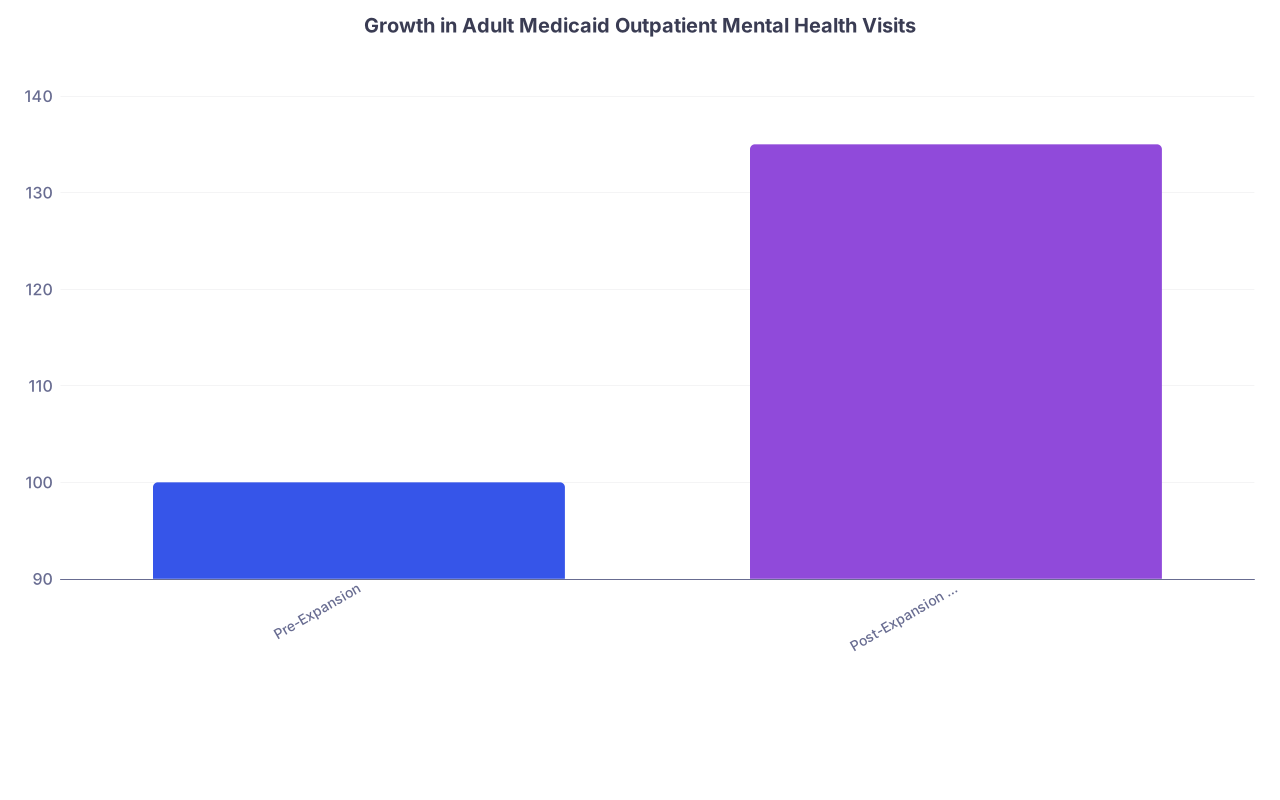
| Category | Value |
|---|---|
| Pre-Expansion | 100 |
| Post-Expansion (Year 3) | 135 |
(Index: 100 = pre-expansion volume; 135 = 35% increase)
Practice patterns in psychiatry shifted in a few notable ways:
- Community mental health centers and safety-net clinics absorbed large portions of the Medicaid mental health surge.
- Many private psychiatrists continued to avoid Medicaid because of low reimbursement and administrative friction, creating a bifurcated system.
- Primary care physicians took on more mental health management for Medicaid patients, out of necessity, especially in areas with few psychiatrists accepting Medicaid.
I have seen the same pattern in multiple health systems: newly insured patients show up with severe, untreated depression or PTSD, get started on treatment in primary care, and sit on 3–9 month wait lists for psychiatry. Medicaid expansion surfaced the unmet need; it did not solve psychiatrist undersupply.
Ethically, this is the clearest example of partial justice: coverage without corresponding workforce leaves physicians juggling more responsibility with inadequate backup.
Emergency medicine: payer mix changed, volume did not vanish
The myth that Medicaid expansion would “empty out” emergency departments never matched the data. ED volumes stayed high. What changed was who paid and why they were there.
Multi-state ED analyses show:
- Total ED visit volume remained roughly flat or saw only modest increases in both expansion and non-expansion states.
- Uninsured ED visits dropped by 25–40% in expansion states.
- Medicaid ED visits rose by a similar margin.
- Low-acuity ED visits did not dramatically decline; insurance alone does not undo decades of access barriers and habits.
From an emergency physician’s vantage point, the day-to-day practice pattern change looked like this:
- More patients with Medicaid cards instead of “no insurance,” especially among working-age adults.
- Slightly better ability to arrange follow-up care.
- Continued crowding, because insurance does not create primary care appointments.
Many emergency physicians became de facto gatekeepers to a newly expanded Medicaid system: stabilizing acute problems and then trying—often unsuccessfully—to plug patients into outpatient networks that were not built to handle the spike.
Ethically, the core tension in emergency medicine did not disappear: high volume, time pressure, complex social determinants. Expansion modified the financial layer and marginally improved options, but it did not change the fundamental practice environment.
Safety-net vs non-safety-net: two different worlds
You cannot talk about practice patterns by specialty and ignore practice setting. A hospital-employed general surgeon at a county safety-net facility in an expansion state lives in a different statistical universe from a suburban orthopedic surgeon in a non-expansion state.
Data from safety-net vs non-safety-net comparisons show:
- Safety-net hospitals and federally qualified health centers (FQHCs) captured disproportionate shares of new Medicaid volume.
- Many of these institutions saw their uncompensated care costs drop by 20–40%.
- Physician panels in these settings shifted rapidly toward Medicaid, often more dramatically than state averages.
Meanwhile, in many private group practices:
- Payer mix moved more slowly.
- Group-level decisions on whether to accept more Medicaid patients shaped individual physician practice patterns more than state policy.
This is where the personal development and ethics dimension is starkest:
- Physicians anchored in safety-net institutions were thrust into higher-intensity Medicaid practice, with real gains in financial stability for their institutions and real strain on their time and resources.
- Physicians in more insulated settings often had the option—sometimes the expectation—not to change their practice much at all, even as their state’s low-income population gained coverage.
The data show a policy that could have redistributed care more evenly, but professional and organizational choices concentrated much of the new Medicaid care in already-burdened settings.
How Medicaid expansion altered physician decision-making
Underneath all the percentages, expansion changed specific clinical decisions across specialties. You see common patterns:
Lower financial threshold for recommending guideline-based care.
- Internal medicine: prescribing newer anticoagulants, SGLT2 inhibitors, or GLP-1 agonists for eligible Medicaid patients, where previously cost made clinicians hesitate.
- Surgery: moving forward with indicated elective repairs or replacements earlier instead of telling uninsured patients to “wait until it is unbearable.”
Greater willingness to schedule follow-up.
- Emergency medicine and hospital medicine: more aggressive “you must follow up in clinic next week” orders for Medicaid patients because appointments are billable and more acceptable to outpatient practices.
- Psychiatry: at least an attempt to place Medicaid patients into longitudinal behavioral health care, rather than pure one-off crisis stabilization.
Shifts in ethical triage calculus.
Pre-expansion, physicians caring for uninsured patients constantly faced silent rationing: prescribing cheaper but inferior options, skipping labs, delaying referrals.
Post-expansion in many settings, those constraints loosened. Not eliminated, but softened.
You also see less flattering shifts:
- Some physicians increased throughput and compressed visit times to accommodate higher Medicaid volume under lower reimbursement rates.
- Some practices selectively capped Medicaid patients to protect revenue, creating ethical tension between business models and social obligations.
The policy did not dictate practice patterns. It created a new constraint set. Physicians then made choices inside that new landscape.
Specialty comparison: who changed the most?
If you reduce this to a simple “practice pattern shift index,” weighted by change in Medicaid share, change in clinical process measures, and change in visit types, the ranking looks something like this:
| Specialty Group | Relative Change Level* |
|---|---|
| Primary Care (FM/IM) | Very High |
| OB/GYN | High |
| Psychiatry/Behavioral | High |
| Hospital Medicine | Moderate |
| Pediatrics | Moderate (indirect) |
| Surgical Subspecialties | Low–Moderate |
*Qualitative synthesis from multi-study data, not an official scale.
Primary care absorbed the most comprehensive shift: panel composition, visit types, chronic disease management intensity, and EHR work. OB/GYN and psychiatry followed closely, for different reasons: pregnancy coverage continuity and unleashed mental health demand.
Surgical and highly procedural specialties changed less in average terms, but for those working in safety-net or hospital-employed settings, the change was dramatic on the ground.
What this means for your own development and ethics as a physician
If you are a physician or trainee, this is not just policy trivia. It affects what you will see, who you will treat, and what kind of professional you become.
In practical terms:
- In expansion states, you are more likely to manage a larger panel of Medicaid patients if you choose primary care, OB/GYN, psychiatry, pediatrics, or hospital-based work. Your day will contain more social complexity but also more ability to follow best practices without financial gymnastics.
- In non-expansion states, you will continue to see a high volume of uninsured patients in safety-net settings. Your ethical stress around rationing by wallet will be higher. That is not speculation; burnout studies line up with this pattern.
- In private subspecialty practice, you will likely have more discretion in accepting Medicaid. That discretion is an ethical decision, not just a financial one. Deciding to close your panel to Medicaid patients is, in effect, a decision about which population you are willing to serve.
This is where data and ethics collide: the numbers show who can be helped by the system; your practice choices determine who actually receives that help.

Policy feedback loop: how physician behavior affects the system
One final point that often gets missed. Medicaid expansion changed physician practice patterns, but physician practice patterns also feed back into policy:
- When physicians broadly accept Medicaid and deliver high-quality care, expansion looks successful in outcomes data: better control of chronic disease, fewer avoidable hospitalizations, higher screening rates.
- When large chunks of the workforce avoid Medicaid, policymakers see underperformance: coverage without actual access, persistent ED overuse, weak quality improvement.
I have seen health departments present to legislatures with two competing charts: one showing coverage gains, another showing persistent access gaps. The gap is usually not the insurance card. It is the unwillingness or inability of physicians in certain sectors to absorb Medicaid volume.
So your practice pattern is not just a private choice. It is a data point that will be fed into the next round of arguments about whether to sustain or roll back public coverage expansions.
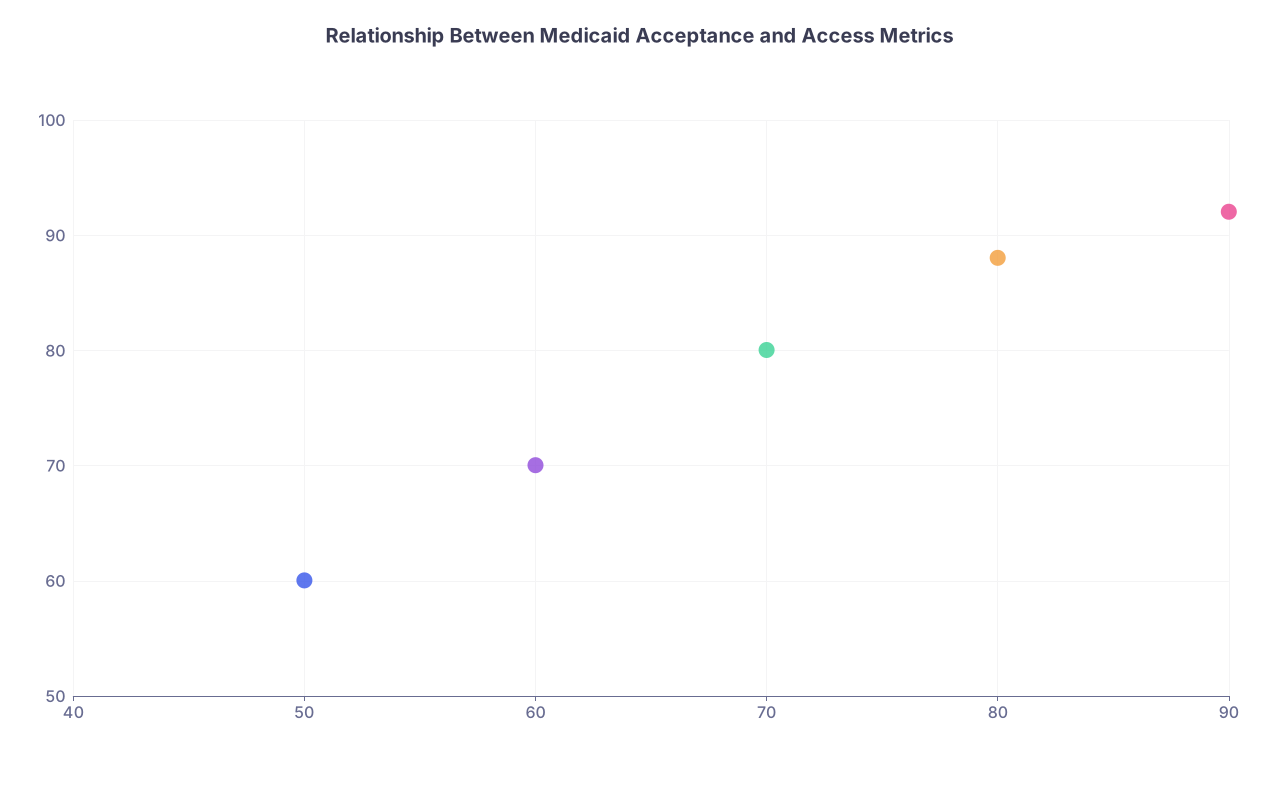
| Category | Value |
|---|---|
| Region A | 50,60 |
| Region B | 60,70 |
| Region C | 70,80 |
| Region D | 80,88 |
| Region E | 90,92 |
(X-axis: percent of physicians accepting Medicaid; Y-axis: percent of adults reporting a usual source of care – illustrative relationship)
Regions with higher physician Medicaid acceptance rates predictably show higher rates of patients reporting a usual source of care. Not clever. Just arithmetic.

The bottom line
Condense all of this into three points:
Medicaid expansion substantially changed physician practice patterns in primary care, OB/GYN, psychiatry, and hospital-based fields, mainly by converting uninsured patients into Medicaid patients and enabling more guideline-based, continuous care.
Specialty and setting matter more than slogans. Safety-net and hospital-employed physicians saw much larger shifts than many private subspecialists, creating ethical asymmetry in who shoulders the work of caring for newly insured populations.
Your Medicaid policies and your personal panel decisions are intertwined. Expansion created the opportunity for more equitable care; physician behavior—by specialty, by group, by region—determines how much of that opportunity is actually realized.