
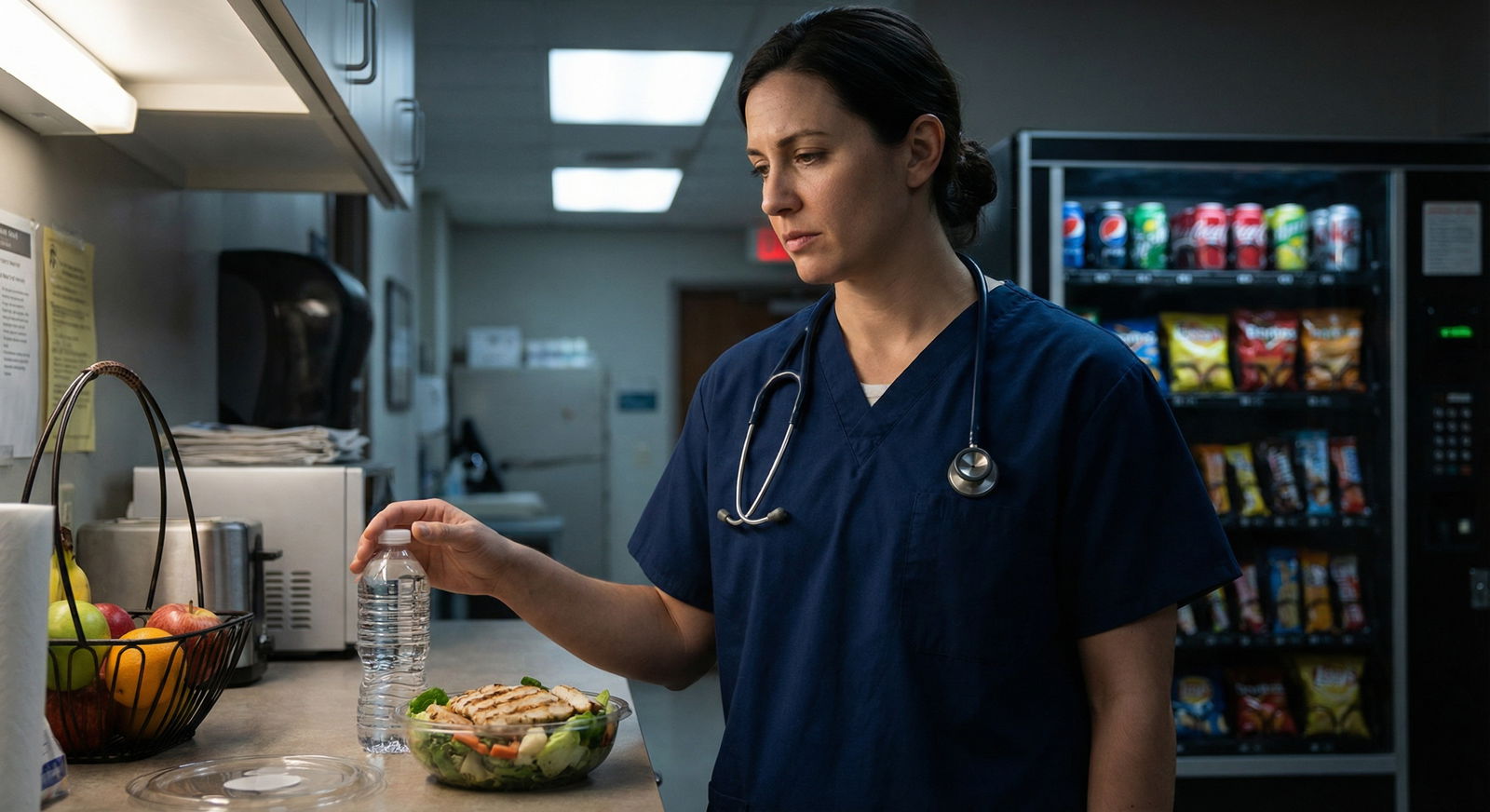
What do you actually do when you feel burned out on call… and you still have four patients to admit and a septic patient circling the drain? Are you suddenly “unsafe,” or are you just another resident in 2025?
Let me be blunt: people throw around “burnout” and “patient safety” like they’re perfectly correlated. They aren’t. The story you’ve probably been sold—“If you’re burned out, you’re dangerous and shouldn’t practice”—is neat, dramatic, and incomplete.
Let’s rip it apart and rebuild it with what the data actually shows.
The Myth: Burnout = You’re a Danger to Patients
The popular narrative goes like this:
- Burnout makes you emotionally numb.
- Emotional numbness means you stop caring.
- Once you stop caring, you make reckless mistakes.
- Therefore, burned-out residents are unsafe and should be pulled from clinical duty.
It sounds logical. It’s also way too simplistic and, in several ways, misleading.
Here’s the uncomfortable truth: a huge proportion of residents are burned out by standard survey definitions, yet hospitals have not turned into daily mass casualty sites because of resident error. The math doesn’t add up if you take the myth literally.
Multiple large studies show:
- Burnout is common (often 40–70% of residents depending on specialty and year).
- Self-reported “burnout” correlates modestly with self-reported errors.
- Actual measured major adverse events from burnout alone? Much murkier.
So no, feeling burned out does not magically flip you from “safe” to “unsafe.” That’s not how human performance—or safety—actually works.
What Burnout Really Is (And What It Isn’t)
Before we talk safety, we need to get clear on definitions. Because people use “burnout” to describe everything from “I’m tired” to “I’m actively suicidal.”
The classic burnout model (Maslach, used in most studies) has three components:
- Emotional exhaustion – feeling drained, used up, no gas left.
- Depersonalization – becoming cynical, calling patients “the CHF in room 8.”
- Reduced personal accomplishment – “I suck, I’m failing, nothing I do matters.”
Now the reality check:
- You can be emotionally exhausted and still be hyper-conscientious.
- You can feel detached internally yet still follow protocols perfectly.
- You can feel like a failure and still hit every checklist item.
Burnout is an internal state. Patient safety is an external outcome. There’s overlap, but they’re not synonyms.
Residents aren’t airline pilots who can “call unfit to fly” and go home; the system was literally built assuming you’ll keep working tired, stressed, and emotionally frayed. Ethically debatable? Yes. But that’s the world you’re in, and wishful thinking about it doesn’t help.
What the Data Actually Shows About Burnout and Errors
Let’s cut to evidence instead of vibes.

Several key patterns:
Burnout and self-reported errors correlate.
Residents who say they’re burned out are more likely to say they’ve made errors. But self-report is a mess—burned-out people are more self-critical, more likely to notice or remember mistakes, and more likely to label minor issues as “errors.”Objective safety outcomes are influenced more by system factors than by individual burnout.
Handoffs, staffing levels, EMR usability, supervision, workload, and task switching all have stronger, cleaner relationships with errors than burnout scores alone.Extreme burnout + depression + sleep deprivation is where risk spikes.
Not “I’m tired of notes,” but “I haven’t slept, I’m hopeless, and I don’t care if I wake up tomorrow.” That combination is where you start to genuinely worry about judgment, attention, and follow-through.
To put this in perspective:
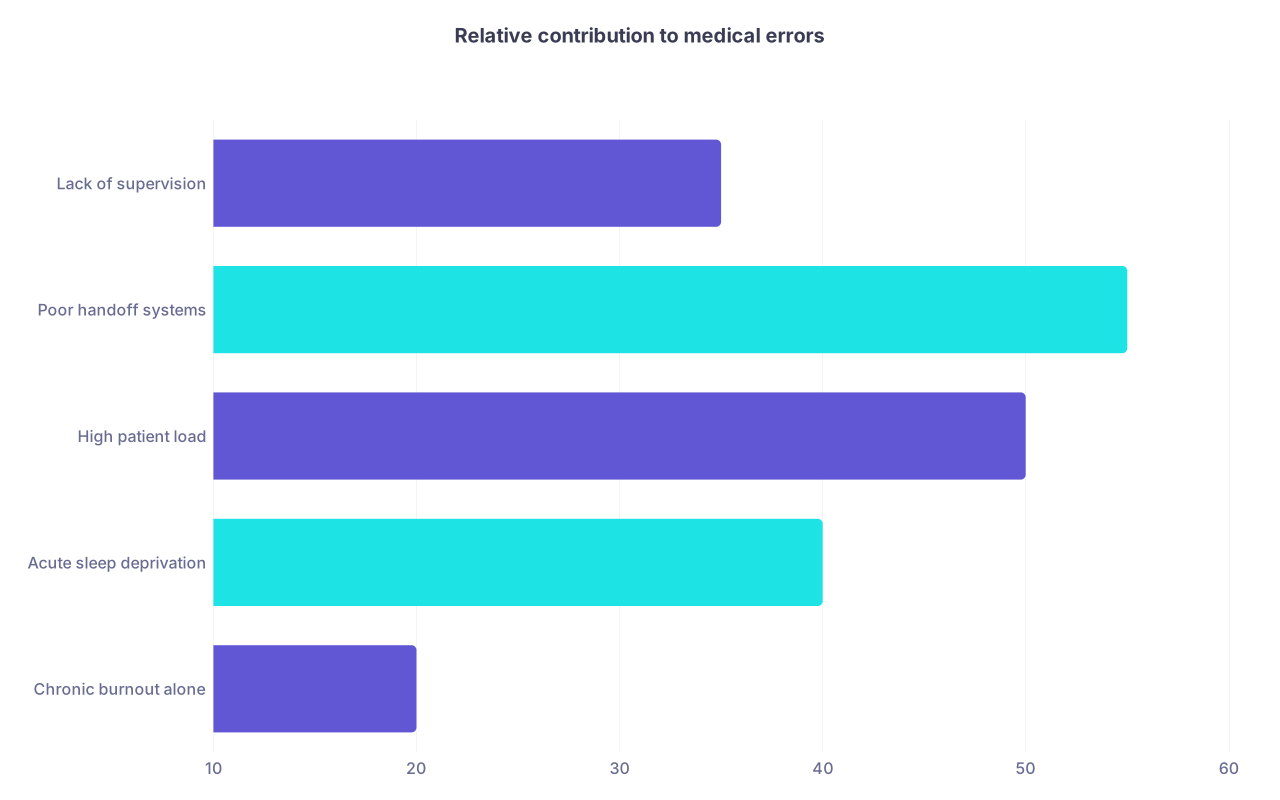
| Category | Value |
|---|---|
| Chronic burnout alone | 20 |
| Acute sleep deprivation | 40 |
| High patient load | 50 |
| Poor handoff systems | 55 |
| Lack of supervision | 35 |
Is this exact? No. But it fits the pattern seen across multiple studies: burnout matters, but workload, fatigue, and system design often matter more in a concrete, measurable way.
So “burned out = unsafe” is lazy thinking. The more accurate statement is:
Burnout increases vulnerability to errors, especially when combined with sleep loss, high workload, and mental health issues—but on its own, it doesn’t automatically make you unsafe.
The Real Performance Killers You’re Not Being Told About
Hospitals love to talk about “resilience” and “burnout prevention” because it locates the problem inside you. Less convenient is admitting that many of the worst safety risks aren’t your emotional state. They’re baked into the system.
Here are a few performance killers that matter as much—or more—than your burnout level:
1. Acute Sleep Deprivation
If you want a real hazard, this is it.
Study after study shows that being awake for 20–24 hours impairs performance on psychomotor tasks to a level similar to being legally drunk. Reaction time, working memory, vigilance—all tank.
You can feel burned out for months and still do decent work. You can’t stay awake for 28 hours, cross-cover 40 patients, and expect your frontal lobe to behave.
2. Cognitive Overload and Constant Interruptions
Twelve tasks half-done are riskier than two tasks done well.
- You’re writing a note.
- A nurse calls about a low BP.
- Your senior asks you about a different patient.
- A page about “pain control request room 412.”
- You get an admit in the middle of that.
Error risk skyrockets when you’re juggling multiple partially formed mental threads. Burnout can lower your bandwidth, sure, but the design of the workday is what’s truly unsafe.
3. Inadequate Supervision and Teaching
You know what’s more dangerous than a burned-out PGY‑2?
A cheerful, overconfident intern doing procedures they barely know, with no attending in sight.
I’ve watched residents in “good moods” do objectively dumb things because they were rushed or poorly supervised. Safety depends heavily on the culture: Do you feel safe calling for help? Are attendings available? Do seniors genuinely watch your back?
4. Toxic Culture and Fear of Speaking Up
This one is subtle but deadly.
If the environment tells you:
- “Don’t wake the attending.”
- “Don’t call rapid responses too often.”
- “Don’t question orders.”
…you’ll delay escalation. That delay causes more harm than any one resident’s burnout ever could.
When Burnout Does Start to Threaten Safety
Let me not sugarcoat the other side. There are red zones where burnout really does begin to look like a safety risk.
The warning signs are not “I’m tired of Epic.” They’re more like:
- You’re skipping basic safety checks (allergies, weight-based dosing, ID checks).
- You’re charting things you did not actually do (“neuro checks q4” that never happened).
- You feel actively indifferent if a patient decompensates.
- You’re contemplating self-harm and still coming to work.
- You’re using substances to get through shifts.
At this point, we are well beyond “normal residency burnout.” You’re in clinical impairment territory. If that’s where you are, the problem isn’t just burnout—it’s a real mental health and professionalism issue, and yes, safety is now on the table.
Here’s the nuance everyone skips:
You can be deeply burned out and still safe if:
- You’re still obsessive about double-checking.
- You still ask for help freely.
- You still care about getting the medicine right, even if you feel numb.
And you can be not particularly burned out and unsafe if:
- You’re chronically careless.
- You’re overconfident.
- You ignore protocols you find “annoying.”
Burnout is one lens. It’s not the entire safety equation.
Burnout vs Depression vs “I Hate This Rotation”
Residency language is sloppy. People call everything “burnout.”
But for safety and your own sanity, you need to distinguish:
Situational hatred: “I hate this ICU month, the hours are brutal.”
You’re exhausted and pissed, but outside work, you still enjoy some things.Burnout: Exhausted, cynical, feeling ineffective across work, maybe spilling into life. Recharge is possible but takes more effort and time than it used to.
Major depression: Low mood most days, anhedonia, hopelessness, maybe suicidal thoughts, sleep/appetite changes, impaired concentration everywhere, not just work.
The safety risk jumps dramatically when depression and suicidality enter the picture, more than with “classic” burnout alone.
If you’re in the depression zone and still practicing, that’s no longer just a “wellness” issue—it’s a real risk to you and indirectly to patients.
How to Stay Safe While Burned Out (Because You Probably Will Be)
You’re not going to fix burnout by next month. Or maybe ever, fully, during residency. So the real question is: how do you practice safely enough in a broken system while not ideal internally?
Here’s the non-fluffy version.
1. Externalize Safety Checks
Assume your brain will be tired and distracted. Build guardrails that don’t rely on “trying harder.”
- Use order sets for common conditions rather than free-styling everything.
- Keep a personal “high risk” checklist: anticoag dosing, insulin, potassium, chemo, pediatrics doses.
- Hard rule: verify ID and allergies out loud before any med, any procedure, every time.
You’re designing around your future, tired self.
2. Ruthlessly Ask for Help on the Margins
If you’re even 10% uneasy about a patient, escalate earlier:
- Run it by your senior.
- Call the attending.
- Ask the nurse, “Do you feel comfortable with how they look?”
Burnout often makes you withdraw and stop speaking up. That’s the part that becomes dangerous. Counteract that on purpose.
3. Recognize Your “Red Flag” State
You should know your own early warning signs that you’re moving from “burned out but functioning” to “not safe.”
Common ones I’ve heard from residents:
- “I caught myself not caring if the patient made it or not. That scared me.”
- “I started skipping vitals reviews because I just didn’t want to deal with any more issues.”
- “I was double-dosing meds and only catching it at the last second.”
When that starts happening repeatedly, that’s not just a bad day. That’s a “I need to pull someone in and possibly step back” moment.
4. Stop Treating Time Off as a Luxury
You are allowed to use:
- Sick days for actual mental health crises.
- Your program’s wellness days (if they exist).
- Occupational health or employee assistance for urgent evaluation.
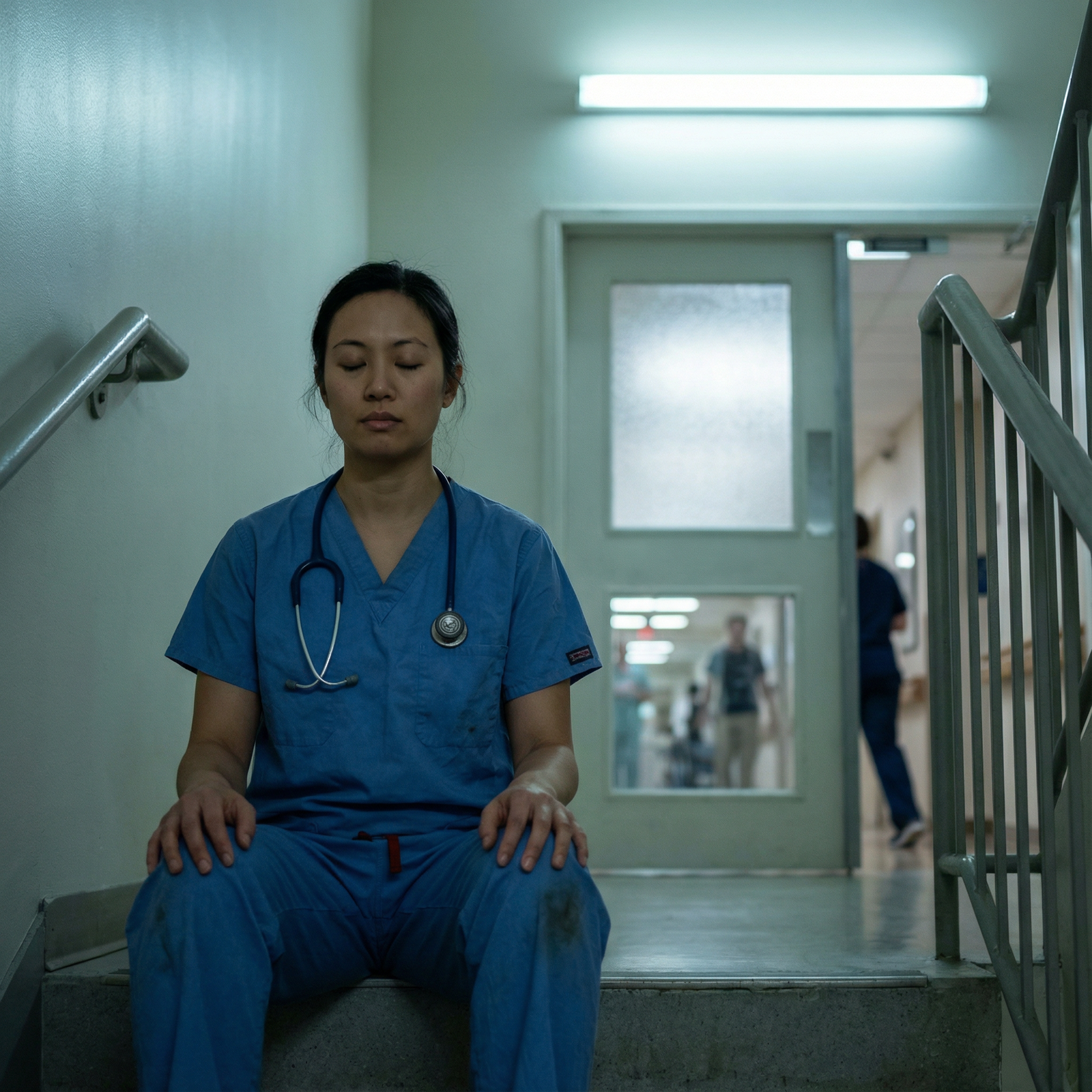
If you’re at the point where you’re crying in the stairwell every other shift, that’s not “being weak.” That’s early failure of the system’s promise to train you, not break you.

| Step | Description |
|---|---|
| Step 1 | Feeling burned out |
| Step 2 | Use checklists, ask for help, continue work |
| Step 3 | Talk to chief or mentor |
| Step 4 | Seek mental health care and consider time off |
| Step 5 | Plan safe return with support |
| Step 6 | Still following safety checks |
| Step 7 | Skipping checks, apathetic, intrusive thoughts |
The System Problem No One Wants to Own
Here’s the part institutions hate:
If burnout automatically meant “unsafe to practice,” half of U.S. residents would be pulled from service tomorrow. That’s obviously not going to happen. So programs do the next best thing: pretend the problem is your lack of mindfulness.
Burnout is not a personal moral failure. It’s a predictable human response to:
- Chronic overwork
- Lack of control
- Administrative bloat
- Emotional trauma exposure
- Weak support and feedback
Your responsibility is to monitor your own line between “miserable but safe” and “truly impaired.” The institution’s responsibility—honored in the breach more than the observance—is to not shove you past that line for months at a time.
You can’t fix the system alone. But you can at least stop absorbing all the blame.
When You Should Actually Step Back
Let’s be unambiguous about this, because too often the messaging is vague.
You should seriously consider stepping back from clinical duty (even briefly) if:
- You’re having persistent thoughts of self-harm or wishing you wouldn’t wake up.
- You’ve started cutting real corners and you know it (and feel nothing).
- Colleagues or nurses are asking “Are you okay? You seem off” and they mean it.
- You’re making repeated, near-miss level errors and shrugging them off.
That’s not just burnout. That’s impairment. And yes, in that state, continuing to practice is unsafe—for you first, and for patients second.
| State | How it feels | Typical function at work | Safety risk level |
|---|---|---|---|
| Tired/overworked | Exhausted, irritable | Still careful, annoyed | Low–moderate |
| Classic burnout | Drained, cynical, ineffective | Slower, less empathetic, still precise with effort | Moderate |
| Depression | Hopeless, anhedonic, self-critical | Concentration impaired, energy low | Moderate–high |
| Impaired (red zone) | Numb, reckless, suicidal or using substances | Cutting corners, missing basics | High |
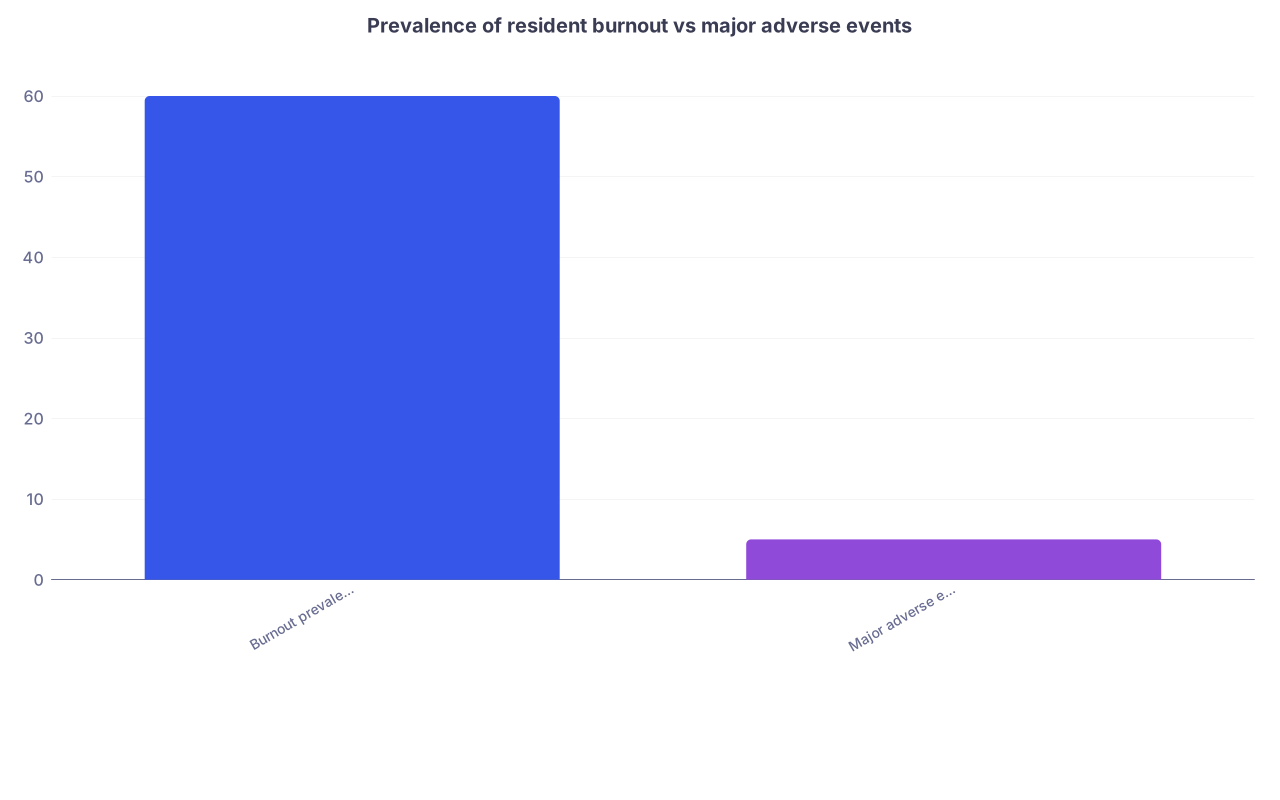
| Category | Value |
|---|---|
| Burnout prevalence | 60 |
| Major adverse events attributable purely to burnout | 5 |
So, Does Burnout Mean You’re Unsafe to Practice?
Here’s the reality distilled.
Burnout does not automatically mean you’re unsafe.
Most residents practice competently while burned out. The bigger drivers of error are system issues: workload, sleep deprivation, poor handoffs, weak supervision.Burnout is still a serious warning light.
It’s a risk amplifier. It makes you more vulnerable to the effects of fatigue, distractions, and depression. Ignoring it is dumb; moralizing it is worse.The true danger zone is impairment, not mere burnout.
When burnout progresses to apathy, corner-cutting, substance use, or suicidality, patient safety is genuinely threatened—and so are you. That’s when stepping back, getting help, and changing something is not optional; it’s responsible.
You’re not broken for feeling burned out. You’re human in a system that often behaves like it owns you. Your job isn’t to be endlessly “resilient.” It’s to stay just self-aware enough to know when your internal state plus your external environment crosses from “hard but safe” into “not okay.”


