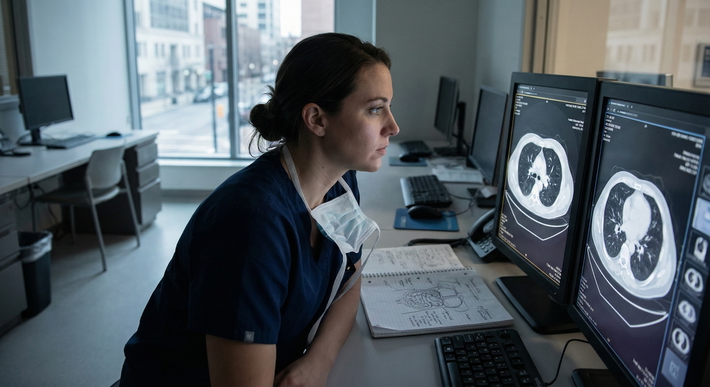
The belief that simulation can fully substitute for real operations is wrong—but ignoring simulation when live volume is low is just as bad.
Here’s the blunt answer you’re looking for:
Yes, simulation can partially replace low live surgical case volume—for some skills, to a meaningful degree. But it cannot replace the full complexity, risk, and responsibility of real surgery. Programs that treat it as a true “equivalent” to operative cases are lying to themselves. Programs that treat it as “extra” rather than core curriculum are also behind.
Let’s break this down in a way that actually helps you make decisions—for yourself or for your program.
What Simulation Can (and Cannot) Replace
You have to separate “surgical training” into components. Otherwise, everyone yells past each other.
Roughly, you’re trying to train:
- Psychomotor and technical skills
- Procedural flow and cognitive steps
- Team communication and crisis management
- Real-world judgment and risk ownership
Simulation can do very well with the first three. It is much weaker on the fourth.
1. Technical Skills: Where Simulation Is Shockingly Good
For basic and intermediate technical skills, simulation is not just a partial replacement—it can be better than the OR.
I’m talking about:
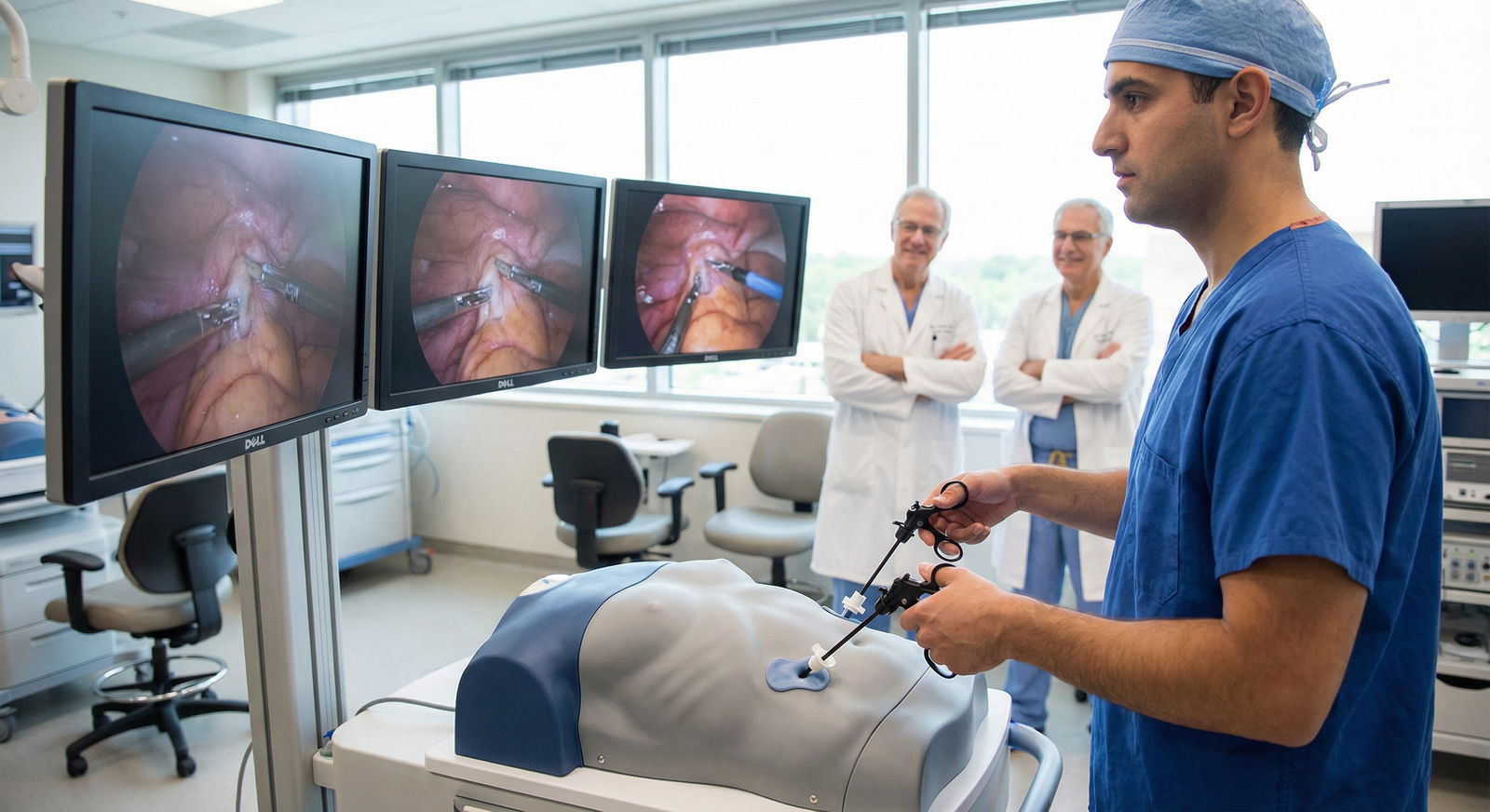
- Laparoscopic camera navigation
- Two-handed instrument control
- Knot tying (open and laparoscopic)
- Dissection in defined planes
- Bowel anastomosis on synthetic or animal tissue
- Vascular anastomoses on bench models
- Endoscopy navigation and biopsy techniques
These are perfect for simulation because:
- You can repeat the same task to failure, then until mastery.
- You get objective scores: time, path length, errors, leaks.
- No patient is harmed while you learn not to shred tissue.
There are randomized trials and meta-analyses showing that residents trained on simulators perform faster and with fewer errors when they get to the OR. This is not controversial anymore.
Where it starts to break down: high-fidelity tissue behavior and edge cases. Even the best synthetic bowel does not behave like radiation-fried, obese, re-operated bowel with adhesions and inflammation.
So: for foundational technical skills, simulation can offset low case volume in a major way. If your operative volume is weak and your simulation exposure is also weak, you’re in trouble.
2. Procedural Flow and Cognitive Skills: Simulation Is a Strong Adjunct
A lobectomy is not just stapling and dissecting. It’s:
- What do you do when you enter the chest and see dense adhesions?
- Which structure do you isolate first and why?
- What do you do when you injure a branch pulmonary artery?
Simulation can walk you through:
- Standard operative steps and order
- Recognition of key anatomy and danger zones
- Decision branches: “If X, then Y”
- Crisis algorithms: hemorrhage, hypoxia, hypotension
This can be done via:
- Virtual reality (VR) cases with decision points
- Cadaver or animal labs simulating specific procedures
- Scenario-based OR simulations for intraoperative crises
Is it as good as seeing dozens of real cases? No. But if your live volume is limited, you can absolutely learn:
- The expected flow of a colectomy
- How a laparoscopic cholecystectomy should look when it’s smooth
- How to respond when your end-tidal CO2 crashes during a laparoscopic case
You’re training your mental model of the operation. Residents who have done 0 live AAA repairs but 10–15 high-quality simulations walk into their first real case much less dangerous than the ones who’ve only read about it.
3. Team Skills and Crisis Management: Simulation Can Be Better Than Reality
Here’s an area where simulation sometimes beats real life: multidisciplinary crisis drills.
Think about:
- Massive intraoperative hemorrhage
- Airway loss during induction
- Malignant hyperthermia
- OR fire
- Wrong-site surgery near-misses
You hope these are rare. Which means you cannot rely on “live volume” for training. If your education model is “you’ll learn it when it happens,” you’re admitting you don’t actually care if people are competent before the first disaster.
High-fidelity simulation:
- Forces anesthesia, nursing, and surgeons into the same room
- Tests communication under stress
- Surfaces latent safety problems (no blood tubing in the room, confusion about who calls for more PRBCs, etc.)
Residents routinely tell me that a single well-run crisis simulation sticks with them more than a dozen routine OR days.
So for rare but high-stakes events, simulation is not just a partial replacement—it’s essentially the only ethical way to “get reps.”
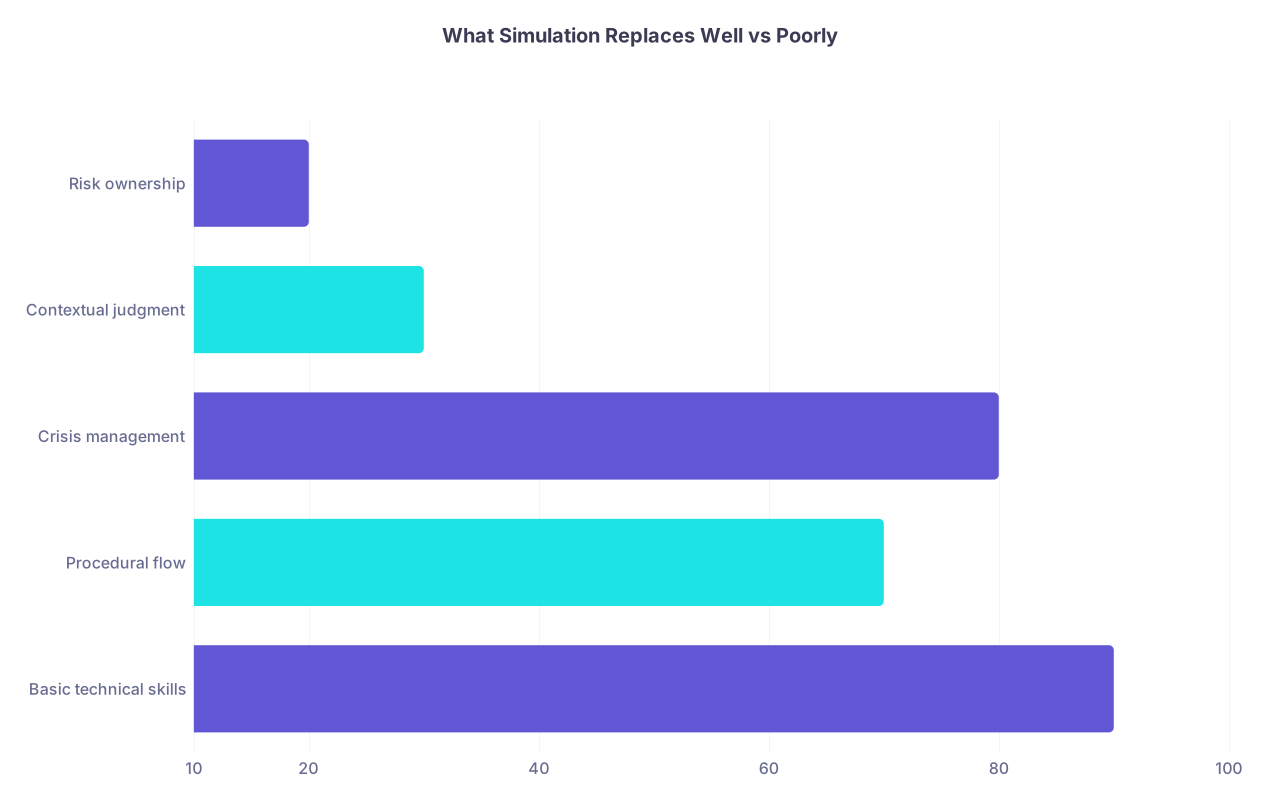
| Category | Value |
|---|---|
| Basic technical skills | 90 |
| Procedural flow | 70 |
| Crisis management | 80 |
| Contextual judgment | 30 |
| Risk ownership | 20 |
(Values here are conceptual “replacement strength,” not data from a single study—but they’re directionally right.)
4. Context, Judgment, and Ownership: Where Simulation Fails You
This is the part everyone feels but has trouble articulating.
There’s a difference between:
- Running a beautiful simulated colectomy while knowing nobody dies if you mess up, and
- Standing at the table with a frail, septic patient, knowing your dissection choices may decide whether they ever leave the hospital.
Simulation cannot fully reproduce:
- That gut-level sense of “this patient will not tolerate this extra hour of operative time.”
- The pressure of making a call when the attending is scrubbed out and you’re the only surgeon in the room for five minutes.
- The emotional weight after a complication you had a hand in.
You need real case volume to internalize:
- Which battles to pick intraoperatively
- When to convert from lap to open without ego
- When to bail early and stage the operation
This is where low volume is truly dangerous. Scripted simulations tend to be tidy. Real life is not.
So no, simulation cannot “replace” live surgical exposure in the domain of judgment and ownership. It can only prepare you to be less overwhelmed when you face it.
How Programs Should Use Simulation When Volume Is Low
If you’re leading a program or trying to advocate within one, here’s the practical framework.
Step 1: Stop Treating Simulation as Optional or “Extra”
If operative volume is limited, simulation must be:
- Scheduled, protected, and required
- Built into the rotation schedule, not squeezed into post-call evenings
- Mapped to graduation competencies and milestones
You do not fix a low-volume problem with a voluntary, once-a-month box-lab night.
Step 2: Use Simulation Strategically, Not Randomly
The worst mistake: buying an expensive simulator and then using it like a toy.
You want a deliberate mix:
| Goal | Best Simulation Modalities |
|---|---|
| Basic technical skills | Box trainers, VR tasks, bench models |
| Procedure-specific skills | VR procedures, cadaver/animal labs |
| Rare crisis management | High-fidelity OR sims, interprofessional drills |
| Cognitive decision-making | Scenario-based VR, case-based discussions |
| Systems and workflow | OR flow simulations, checklist run-throughs |
Match the simulation tool to the gap you actually have, not to whatever hardware your institution happened to buy on discount.
Step 3: Tie Simulation Directly to Operative Opportunities
Best practice: simulation before exposure.
For example:
- Week 1 of a hernia/foregut rotation: mandatory simulator module on laparoscopic chole, including CBD injury scenarios.
- Before vascular exposure: bench-based end-to-side anastomoses with leak testing.
- Before trauma nights: team-based hemorrhage simulation with MTP activation and logistics.
Residents then enter those scarce real cases with a baseline level of competence, which multiplies the learning they get from each live operation.

| Step | Description |
|---|---|
| Step 1 | Identify low-volume procedure |
| Step 2 | Define skills and decisions |
| Step 3 | Design targeted simulations |
| Step 4 | Mandatory pre-rotation sim |
| Step 5 | Real OR cases |
| Step 6 | Post-case debrief |
| Step 7 | Refinement sims for gaps |
What This Means for Residents in Low-Volume Programs
If you’re the trainee stuck in a program with shaky numbers, you cannot just shrug and blame the system. You also cannot magically invent cases.
Here’s what you can actually do:
Max out whatever simulation exists.
Do not treat it like a checkbox. Repeat modules until you’re bored. Then speed up. Then do it left-handed.Track your own gaps.
If you’ve assisted on 10 appendectomies but never driven the case, design your simulation practice around doing the whole procedure from start to finish.Ask for simulation sign-offs tied to real cases.
For example: “I’ve done 20 VR cholecystectomies with objective metrics. Can I be primary on a straightforward lap chole with you scrubbed?” Some attendings will say no. Persistent, data-backed asks tend to move the needle.Use external simulation if your home shop is weak.
Courses from societies (SAGES, ACS, AATS, etc.), bootcamps, labs. Yes, it’s often on your own time. The alternative is graduating undercooked.Be brutally honest with yourself approaching graduation.
If your real operative numbers are thin in a high-risk area, seek:- Fellowship with higher volume
- Proctorship for early independent cases
- Slower ramp-up of scope until your real-world experience catches up
Simulation can cover some of the gap. Not all of it.
How Accrediting Bodies and Hospitals Should Think About This
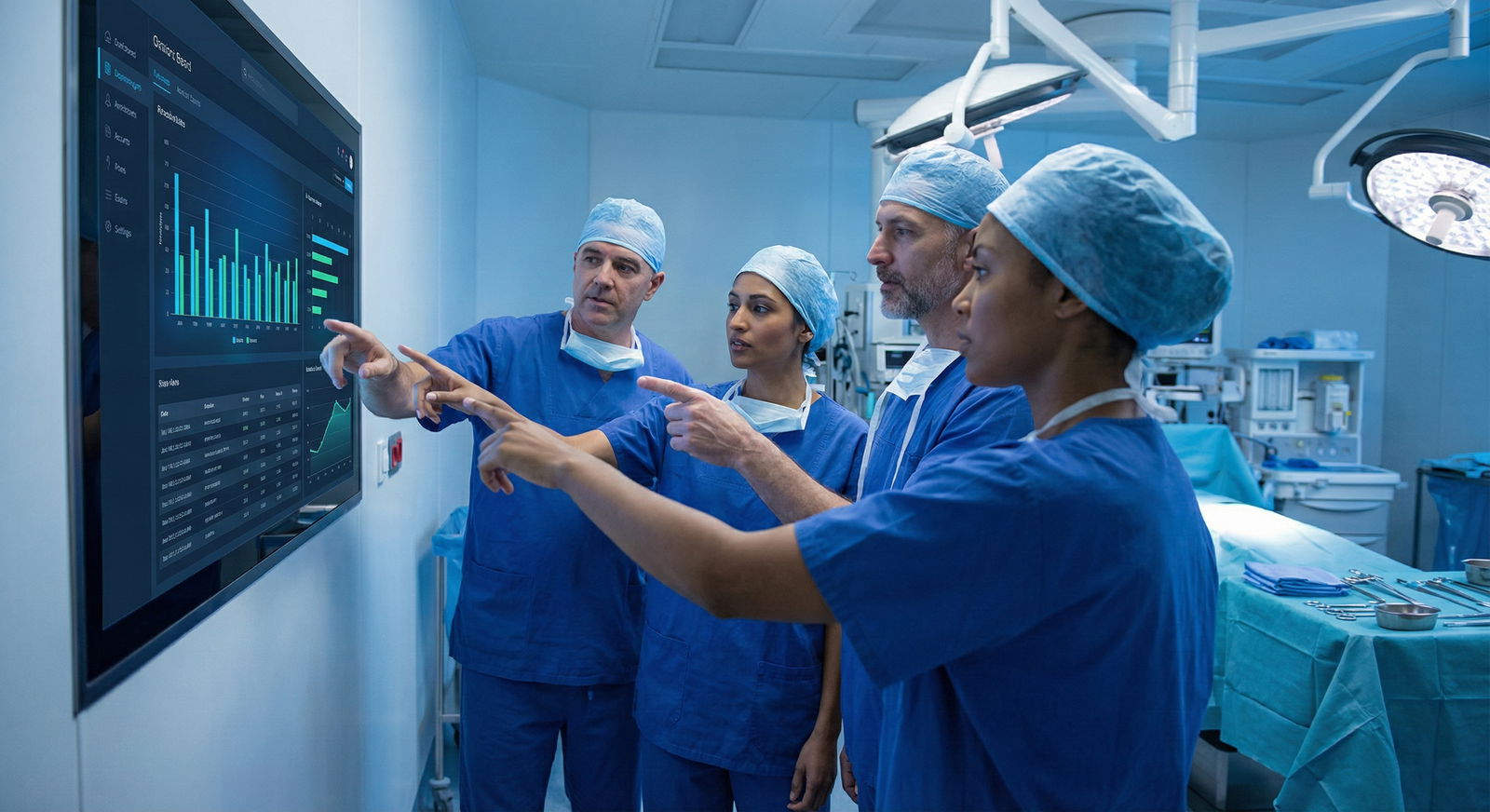
Right now, most oversight bodies still look heavily at case numbers. That’s not going away, and it shouldn’t. But for low-frequency, high-complexity operations, pure case counts are a blunt instrument.
A more honest, future-facing model would combine:
- Minimum case numbers for core procedures
- Documented competence in simulation-based assessments
- Team-based crisis simulation participation
You’re not going to see “50 open AAA repairs” as a hard requirement ever again in most programs. But you can require structured simulation training and objective metrics before residents are allowed near a real AAA.
Hospitals also need to accept this reality: if you centralize complex work to a few high-volume centers (which is good for outcomes), then most training programs must lean harder into simulation for exposure. You cannot have it both ways.
Bottom Line: So, Can Simulation Partially Replace Low Case Volume?
Here’s the straight summary.
Simulation can meaningfully compensate for low live case volume in:
- Basic and intermediate technical skills
- Standard procedural flow
- Crisis management and team communication
- Initial cognitive decision-making and mental models
Simulation cannot replace:
- The messy, variable reality of actual pathology
- High-stakes longitudinal responsibility for outcomes
- The nuanced judgment that comes from hundreds of imperfect, real operations
So the honest statement is:
Simulation can partially replace low live surgical volume for skill acquisition and early competence, but it cannot replace real cases for maturation into a safe, independent surgeon.
If your program’s live volume is weak and it’s not aggressively using simulation to fill the gap, it is failing you.
If your program leans on simulation and pretends that makes up completely for low volume, it is also failing you.
The right answer lives in the middle: heavy, structured simulation early and often, tightly integrated with every real operative opportunity you can get.
FAQ: Can Simulation Partially Replace Low Live Surgical Case Volume?
Can simulation truly replace some real surgical cases for training?
It can replace a significant portion of technical and cognitive practice, especially for basic tasks and standard steps of common procedures. It can’t replace the full context and emotional weight of operating on real patients, so it’s a partial, not total, substitute.Does simulation training actually improve performance in the OR?
Yes. Multiple studies show that residents who train on validated simulators make fewer errors, work faster, and are more confident in the OR. Skills like laparoscopic camera use, knot tying, and endoscopy clearly transfer.If my program has low operative volume, how much can simulation realistically help me?
A lot for basics and intermediate skills. You can enter the OR already competent with your hands and instruments, so each limited case teaches you higher-level judgment instead of raw mechanics. But if your core case numbers are extremely low, simulation alone will not make up the full deficit.Are high-fidelity VR simulators necessary, or are box trainers enough?
Box trainers plus good instruction get you very far on psychomotor skills. VR adds value for full procedures, 3D anatomy, and decision-making branches. The best programs use both, but cheap, well-used box trainers beat an expensive VR machine gathering dust.Can simulation prepare me for surgical complications and crises?
It’s actually one of the best tools for that. You can practice rare events—massive bleeding, airway loss, malignant hyperthermia—safely, repeatedly, and with your team. You’ll still feel different when it happens for real, but you won’t be starting from zero.Should simulation performance count toward graduation or privileging?
It should absolutely inform decisions about readiness, especially in low-volume environments. Objective simulation metrics are more meaningful than just raw case numbers for some skills. But they should complement, not replace, real-case experience and faculty judgment.What’s one concrete way my program could use simulation better tomorrow?
Pick one common procedure with variable resident performance—say, laparoscopic cholecystectomy. Require every resident to complete a structured simulation module (box + VR or case-based) with defined benchmarks before they act as primary surgeon on a real chole. Then debrief each real case and send them back to the simulator to fix specific weaknesses.
Now do something with this: look at one procedure you feel underexposed to, find or set up a simulation for it this month, and run it until you can talk through every step, decision, and bailout strategy out loud—without stopping.