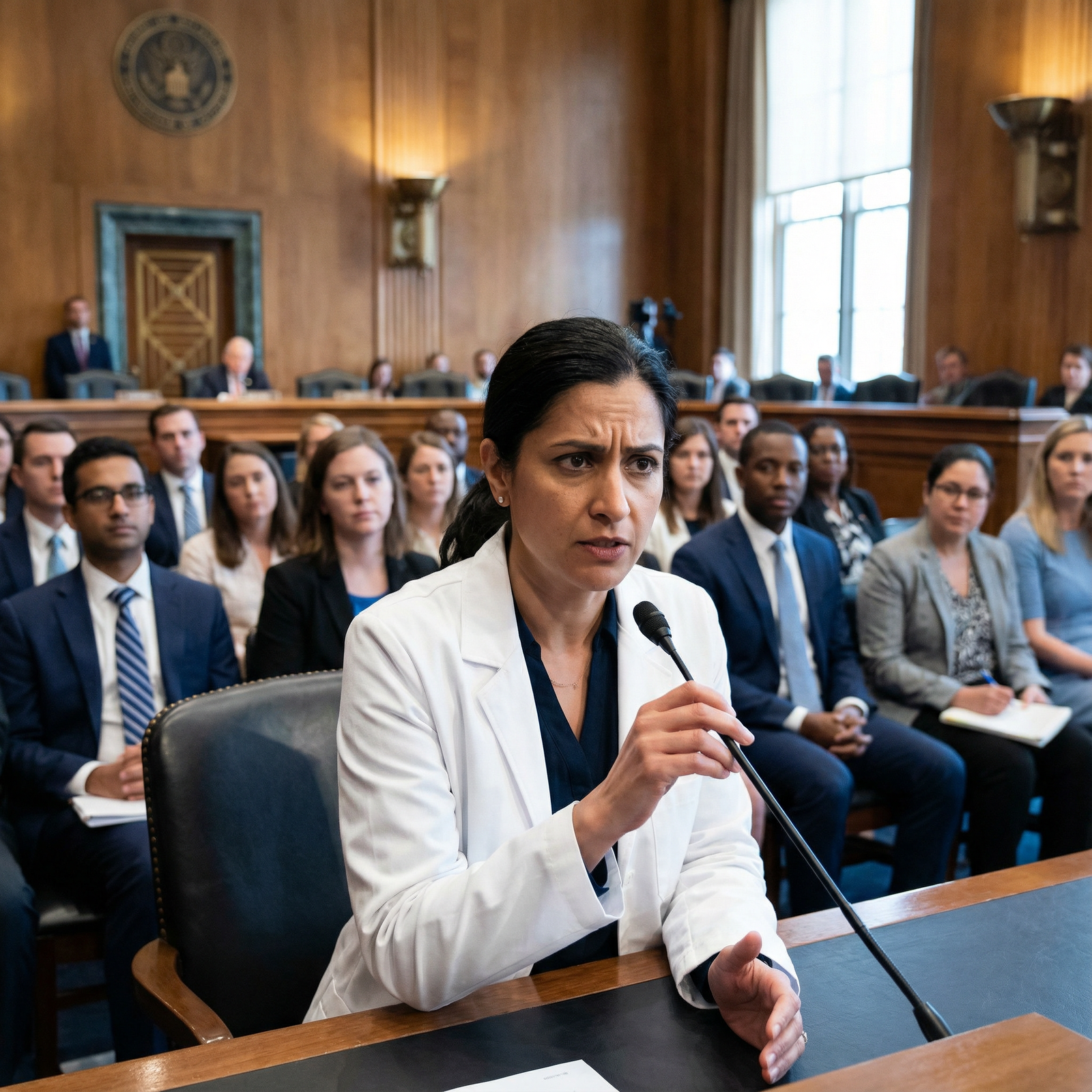
You are post-call, scrolling your inbox, and you see it: a leadership role announced, or a plum committee spot handed to a colleague with half your publications and fewer years in practice. You are not surprised. That person has “people.” You have… mentors who tell you you are doing great.
This is the gap. Mentors advise. Sponsors act. And as a woman in medicine, you usually get flooded with the first and starved of the second.
Let me walk you through how to fix this systematically, not by “being more confident,” but by building a real sponsor network—on purpose.
1. Understand What Sponsorship Actually Is (And Is Not)
Before you start collecting meetings on your calendar, you need clarity.
Mentors vs Sponsors – the hard line
| Role | What They Really Do | Typical Impact |
|---|---|---|
| Mentor | Gives advice, feedback, support | Better skills, insight, confidence |
| Sponsor | Uses their power and reputation to open doors for you | Promotions, leadership roles, visibility |
Sponsors:
- Say your name in rooms you are not in.
- Put you on high-value projects.
- Nominate you for committees, titles, and awards.
- Risk some of their political capital on you.
If someone “cheers you on” but never connects you to opportunities, they are not a sponsor.
Why women physicians get stuck with mentoring but not sponsorship
Patterns I have seen over and over:
- Women are over-mentored, under-sponsored. Endless “coffee chats,” no actual power transfer.
- Senior men sponsor men who “remind them of themselves.” You are left out of that unspoken club.
- Women leaders are overloaded, asked to mentor every junior woman, leaving them with little bandwidth to sponsor effectively.
This is not your fault. But it is your problem. And you can fix it with a structured strategy.
2. Get Sponsor-Ready: Make Yourself Easy To Bet On
You cannot skip this part. A sponsor is taking a reputational risk by putting you forward. Your job is to make that risk look low.
Step 1: Clarify your “thesis” — what are you for?
If a senior leader likes you, they still need to answer one internal question:
“What, exactly, is she the person for?”
You must be able to answer that in one sentence. Example:
- “I am a hospitalist focused on improving throughput and patient flow.”
- “I am a pediatric cardiologist building a research program in quality metrics and outcomes.”
- “I am an ED physician with strengths in operations and digital health.”
That clarity lets sponsors connect you to the right rooms.
Write down:
- Your specialty and 1–2 core focus areas.
- The kind of role you want in 3–5 years (division QI lead, program director, associate CMO, etc.).
- Two strengths that you want people to know you for (e.g., systems thinking, communication, data analysis, curriculum design).
Keep it tight and repeatable.
Step 2: Clean up your professional footprint
You want a sponsor to Google you and feel confident immediately.
Minimum viable professional presence:
- Updated CV (with leadership, teaching, quality, and committee work clearly labeled).
- Brief, current bio (150–200 words) aligned with your “thesis.”
- Accurate institutional profile (headshot, roles, interests, awards).
- LinkedIn or professional site with:
- Your role and interests
- Key accomplishments
- Speaking topics or areas where you can contribute
You are building “sponsorable clarity.” The clearer you are, the easier it is for someone to pitch you.
3. Map Your Sponsorship Targets (Strategic, Not Random)
You do not “hope” for sponsors. You identify them.
Step 1: Identify the roles that control opportunities you care about
Ask yourself:
- Who decides:
- Committee appointments?
- Leadership roles?
- Fellowship or program director positions?
- Protected time distribution?
- Speaking invitations locally?
These are your opportunity gateways.
Write down 2–3 specific career directions you might want:
- “Section chief in 5–7 years.”
- “Institutional QI role with 0.3–0.5 FTE effort.”
- “National reputation in my niche, leading to invited talks and guideline committees.”
Then map backward:
- Who are 3–5 people locally that influence those paths?
- Who are 3–5 people regionally or nationally who are visible in those areas?
Those are your sponsor candidates.
Step 2: Choose a diverse sponsor portfolio
You need a portfolio, not a single “fairy godmother” sponsor. That is how women get stuck: too dependent on one gatekeeper.
Aim for:
- 2–3 local operational leaders
- Division chiefs, service line leads, program directors, medical directors.
- 1–2 institutional leaders
- Associate/vice deans, CMOs, quality leaders, academic affairs.
- 2–4 external leaders
- Guideline authors, national committee chairs, respected researchers, or society leaders.
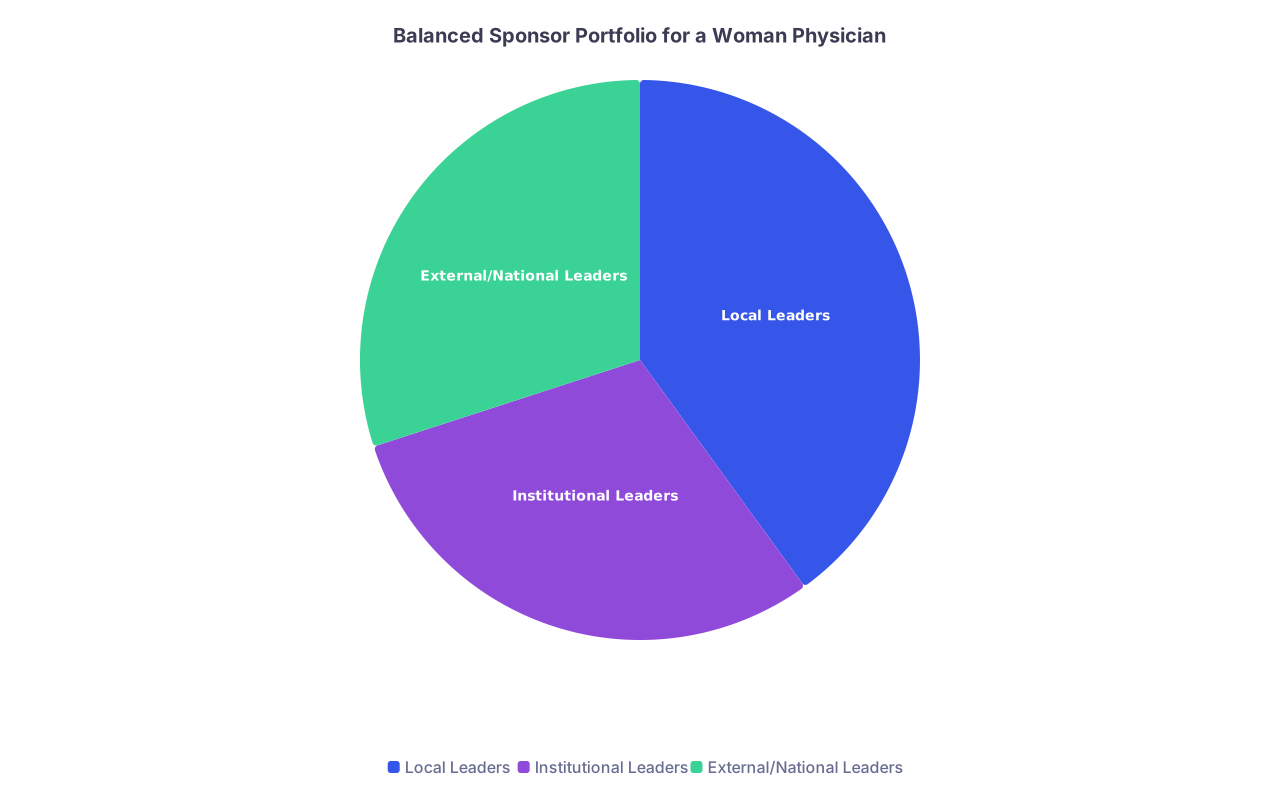
| Category | Value |
|---|---|
| Local Leaders | 40 |
| Institutional Leaders | 30 |
| External/National Leaders | 30 |
If your list is all internal, you are too dependent on local politics. If it is all external, you will struggle to convert that to real promotions where you work. Balance both.
4. Create Strategic Proximity: How to Get on Their Radar
Sponsors do not appear magically. You must create repeated, meaningful contact.
Step 1: Insert yourself into the right rooms
You want to be where your potential sponsors already are. Specifically:
- Committees they lead or care about
- Projects they are responsible for (quality, safety, DEI, curriculum, digital health)
- Conferences, grand rounds, or journal clubs they attend or run
Tactical moves:
- Volunteer for:
- Department QI committee
- Morbidity and mortality improvement work
- Educational projects (bootcamps, simulation, curriculum)
- Submit a brief project proposal that solves one of their problems:
- Short 1-page pitch: problem, your proposed intervention, metrics, timeline
- Ask your current mentor:
- “I am very interested in X. Are there any working groups or committees led by Dr. Y where I could contribute?”
You are not asking for favors yet. You are offering competence and labor in high-visibility spaces.
Step 2: Use “warm intros” aggressively
Cold outreach can work. Warm intros are faster.
Scripts you can send to someone who knows both you and the potential sponsor:
“I am really interested in X (e.g., inpatient throughput and QI) and I admire Dr. Smith’s work in this area. Would you feel comfortable connecting us by email so I could ask her a few focused questions and see how I might contribute to ongoing efforts?”
Most people will say yes. Their email becomes social proof: “This person is worth your time.”
5. Run High-Impact Sponsor Meetings (Without Sounding Desperate)
This is the part where many people blow it—turning sponsor-eligible meetings into vague mentoring chats.
You are not “picking their brain.” You are positioning yourself.
Step 1: Pre-work before every meeting
Spend 20–30 minutes doing real prep:
- Read their last 1–2 publications (or institutional reports).
- Look up their role responsibilities.
- Identify 1–2 institutional priorities they touch (e.g., readmissions, burnout, DEI, patient access).
Then answer for yourself:
- How does my work or interests intersect with theirs?
- What could I realistically contribute in the next 6–12 months?
- What is one concrete ask that would help me move forward?
Step 2: A simple structure for the meeting
Aim for 30 minutes. Run it like this:
3–4 minutes: Tight introduction
- Who you are
- What you do
- Your “thesis” / focus
- One sentence on where you want to grow
Example:
“I am a hospitalist in my third year on faculty, with a focus on patient flow and discharge efficiency. I have been leading a small project in our unit on discharge before noon, and longer-term I am interested in taking on more formal QI leadership roles.”
10–15 minutes: Ask targeted, strategic questions Try:
- “From your vantage point as X, what are the top 1–2 institutional priorities over the next year in [their area]?”
- “For someone at my stage who wants to contribute meaningfully, where do you see gaps or opportunities?”
- “Are there existing projects or committees where someone with my skills could be useful?”
5–7 minutes: Offer aligned value Connect what they just told you to what you can do:
“You mentioned the new initiative around reducing LOS. In my unit, I have been tracking discharge delays and building a small dashboard. I would be glad to support any broader efforts by bringing this work under a larger project or helping with data collection / provider education.”
2–5 minutes: A specific, small ask Do not jump straight to “please sponsor me.” Start with:
- “Would you be open to my joining [specific working group/committee] if there is room?”
- “If a pilot project in X moves ahead, could I be considered for a role in its design or implementation?”
- “Is there someone you recommend I meet next, given my interests?”
You are seeding the idea: “This is someone I can plug into real work.”
6. Convert Helpful Leaders into Actual Sponsors
Having good conversations is not the finish line. Sponsorship shows up in behavior.
Step 1: Deliver on visible work—fast and clean
Once someone has given you an opportunity:
- Over-communicate early. Short emails: “Here is what I plan to do by X date.”
- Hit deadlines. Or renegotiate them early if something changes.
- Make their lives easier:
- Draft emails they can send.
- Prepare slides they can present.
- Summarize key data clearly, without drama.
People sponsor those who make them look competent and effective. If you become that person, they will keep pushing you forward.
Step 2: Make your ambitions visible (without begging)
Sponsors cannot help you if they have no idea what you want.
A good way to phrase it:
“Over the next 3–5 years, I would like to move toward [specific type of role]. I know that will require building more experience in X and Y. I would be very grateful if, when you see opportunities that align with that, you might keep me in mind.”
You are doing three things here:
- Stating your direction.
- Acknowledging that you are still building.
- Giving them explicit permission to think of you for future roles.
That is sponsorship priming.
Step 3: Watch for these concrete sponsorship behaviors
You will know sponsorship is happening when they:
- Nominate you for:
- Committees
- Task forces
- Institutional initiatives
- Awards/grants
- Recommend you to others:
- “Talk to Dr. X, she would be excellent for this role.”
- Put your name on:
- Presentations
- Emails to leadership
- Multi-PI or co-lead positions
If you never see these behaviors, you have a mentor, not a sponsor. That is useful, but different. Adjust expectations accordingly.
7. Build a Network, Not a Pyramid
You do not want a single all-powerful sponsor. You want redundancy and range.
Step 1: Maintain light, consistent contact
You cannot treat sponsors as a one-and-done transaction.
System that works well:
- Every 3–4 months:
- Send a short update email:
- 2–3 bullets: what you have done, outcomes, next steps
- 1 sentence of appreciation if they helped with anything specific
- Send a short update email:
Example:
“I wanted to quickly update you that the discharge-before-noon project we discussed has now rolled out to a second unit and early data show a 15% improvement. I really appreciate your support in connecting me with the QI analyst team—that made the data side possible.”
This keeps you in their mental “active file.”
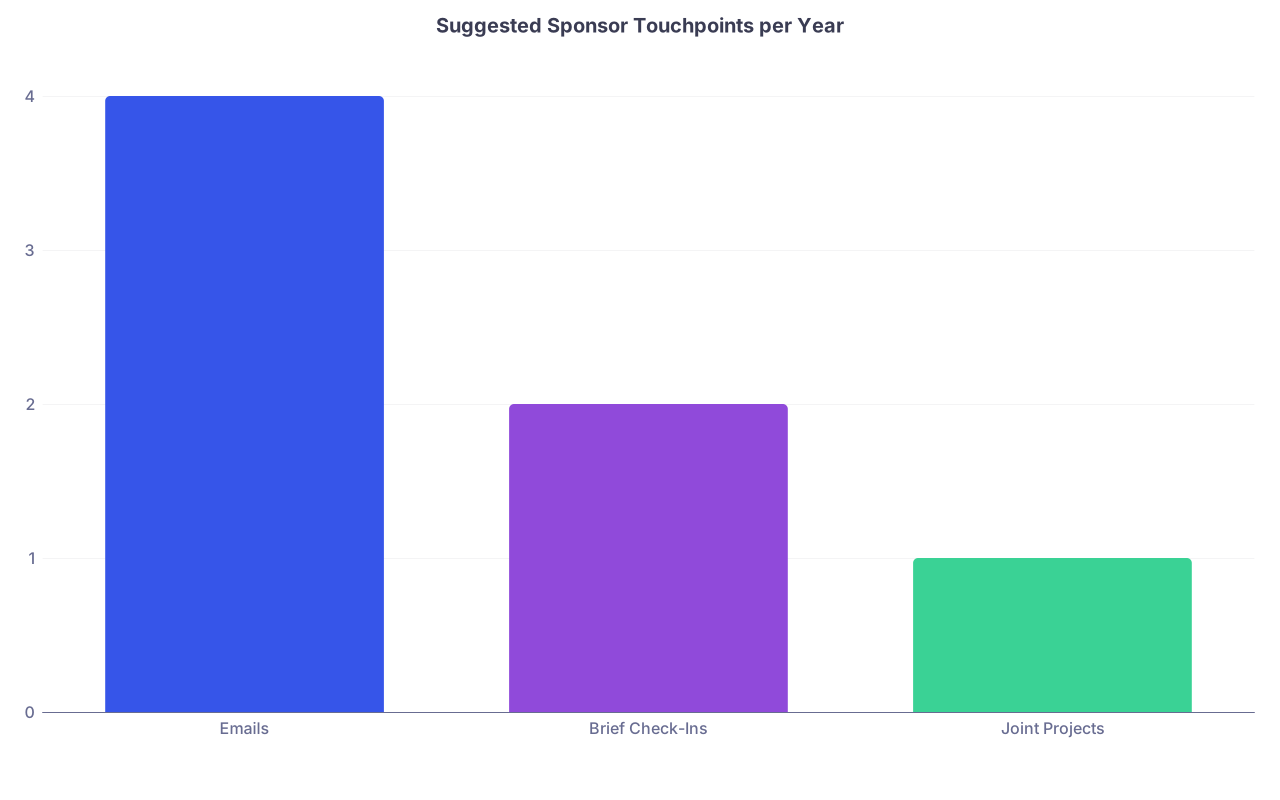
| Category | Value |
|---|---|
| Emails | 4 |
| Brief Check-Ins | 2 |
| Joint Projects | 1 |
Step 2: Use wins to springboard to more visible roles
Each success should be leveraged.
After a project or initiative goes well, ask:
- “Would it be valuable to present this at department grand rounds or our quality forum?”
- “Do you think this work would fit as a brief piece at [regional meeting]?”
- “Is there an institutional newsletter or platform where results like this are usually highlighted?”
Often sponsors will say, “Let me connect you with X,” or “I’ll suggest you as the presenter.”
You are converting “quiet work” into visible currency.
8. Navigate Gender Dynamics and Politics Without Losing Your Mind
We have to talk about this. You are not operating in a neutral environment.
Common traps women physicians face
Being funneled into low-power “service” work
- Wellness committees
- Social events planning
- “Diversity decorations” roles without real budget or authority
These can sometimes help but often do not move your promotion dossier or leadership credibility much.
The “office mom” problem
You take on emotional labor, organizing, smoothing conflict, but none of it is recognized in titles or RVUs. Sponsors do not usually push that work; it just sticks to women.Overload of mentorship asks
As soon as you are slightly senior, everyone wants your time. Your career stalls while you help everyone else.
Step 1: Filter opportunities through a power-and-credit test
Before you say yes:
Ask:
- Does this connect me to:
- Decision-makers?
- Budget?
- Measurable outcomes that go on my CV?
- Will this be visible to people who write promotion letters?
- Does it align with my 3–5 year path?
If the answer is “no” across the board, consider:
“This sounds like a meaningful initiative, but my current bandwidth is limited and I am focusing my extra time on X [aligned with your path]. I would not be able to give this the attention it deserves.”
You are not obligated to do all the unpaid emotional work of your department.
Step 2: Intentionally seek male and female sponsors
Do not limit yourself to women leaders only. They are overburdened and often underpowered relative to equivalent men.
Aim for a mix:
Women sponsors:
Often more aware of the barriers; can provide tactical navigation and lived experience.Men sponsors:
Still hold a disproportionate amount of formal power in many institutions. You need access to that.
This is not betrayal. It is strategy.
9. Use External Platforms to Force Internal Recognition
Sometimes your institution will only take you seriously after others do.
Step 1: Target 1–2 professional societies strategically
Do not join eight societies and do nothing. Pick one or two high-yield organizations in your specialty.
Steps:
- Join and actually read the emails.
- Look for:
- Committee calls
- Abstract deadlines
- Leadership development programs for women or early-career physicians
- Apply for:
- A small committee role that matches your “thesis” (e.g., quality, education, policy).
- Speaking roles at section meetings or workshops.
Once you are in:
- Show up on time, do the work, volunteer for specific tasks.
- Let your internal sponsors know you are doing this.
Step 2: Turn external credibility into internal leverage
After external work gains traction:
Ask your sponsor:
“I have been serving on the [society] committee on X and we are working on Y. I am wondering whether there is an internal counterpart group or role here where this experience could be useful.”
You are using outside prestige to justify inside advancement. Works far more often than you think.

10. Protect Yourself Ethically: Boundaries, Credit, and Safety
Sponsorship has power asymmetry baked in. You must be clear on your boundaries and ethics.
Step 1: Protect credit and authorship
Classic problems:
- You do the work on a project “for visibility,” and your name vanishes from the final presentation.
- Your contribution is framed as “helping” rather than leading.
Set expectations early:
- In email:
- “Happy to lead the data analysis and draft the initial results. For authorship, I would propose [authorship plan] if that aligns with your expectations.”
- For presentations:
- “If this moves forward beyond a pilot, would I be able to present at [venue] or be listed as co-presenter?”
If a sponsor repeatedly sidelines your credit, that is not healthy sponsorship. That is extraction.
Step 2: Watch for personal boundary crossing
If a sponsor begins:
- Inviting you to non-professional, uncomfortable situations.
- Making comments on your appearance.
- Using sponsorship as leverage for personal favors.
That is not a gray area. That is abuse of power.
Tactics:
- Move communication back to formal channels (institutional email, scheduled office meetings).
- Loop in a third party when appropriate (e.g., “I will bring X to our next meeting as they are also working on Y.”).
- If needed, gradually shift your energy to other sponsors and document any inappropriate behavior.
Your safety and integrity matter more than any opportunity.

| Step | Description |
|---|---|
| Step 1 | New Sponsor Opportunity |
| Step 2 | Clarify Expectations |
| Step 3 | Limit Involvement |
| Step 4 | Proceed with Caution |
| Step 5 | Set Boundaries and Document |
| Step 6 | Shift to Other Sponsors |
| Step 7 | Continue |
| Step 8 | Good Sponsorship |
| Step 9 | Credit is Clear? |
| Step 10 | Still Vague or Unfair? |
| Step 11 | Boundaries Respected? |
| Step 12 | Pattern Persists? |
11. A Simple 6-Month Action Plan
If you want this to be real, treat it like a QI project with a timeline.
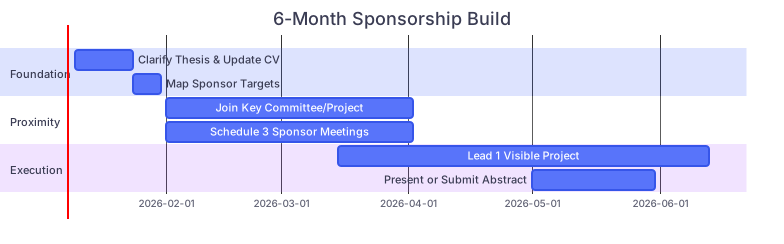
| Task | Details |
|---|---|
| Foundation: Clarify Thesis & Update CV | a1, 2026-01-10, 14d |
| Foundation: Map Sponsor Targets | a2, 2026-01-24, 7d |
| Proximity: Join Key Committee/Project | b1, 2026-02-01, 60d |
| Proximity: Schedule 3 Sponsor Meetings | b2, 2026-02-01, 60d |
| Execution: Lead 1 Visible Project | c1, 2026-03-15, 90d |
| Execution: Present or Submit Abstract | c2, 2026-05-01, 30d |
Concrete goals for 6 months:
- Define your “thesis,” clean up your CV and bio.
- Identify 6–10 sponsor targets (local + institutional + external).
- Have at least 3 focused meetings with sponsor-eligible leaders.
- Join 1 committee or project aligned with your path.
- Lead or co-lead 1 small but visible initiative.
- Give 1 internal or external presentation on that work.
Document what happens. Sponsors who act get more of your time. Those who do not become background networking, nothing more.

12. When You Become the Sponsor
You will eventually have power. When that happens, do better than what you got.
Basic rules:
- Do not hoard opportunities; push them down the ladder.
- Sponsor across, not just “little versions of you.” Support women, underrepresented colleagues, people outside the usual club.
- Be explicit:
- “I am putting your name forward for this role because of X, Y, Z strengths. Here is what you need to deliver for both of us to look good.”
That is how you change a culture long term—not by waiting for it to be fair, but by using each rung you climb to pull others up deliberately.
Key Takeaways
- Sponsorship is about power, not advice. You need a portfolio of sponsors whose roles align with your 3–5 year career thesis.
- Make yourself sponsorable: clear focus, visible competence, and consistent delivery on high-impact work that makes leaders look good.
- Treat building a sponsor network like a structured project: map targets, create proximity, convert meetings to opportunities, and protect your boundaries and credit as you go.