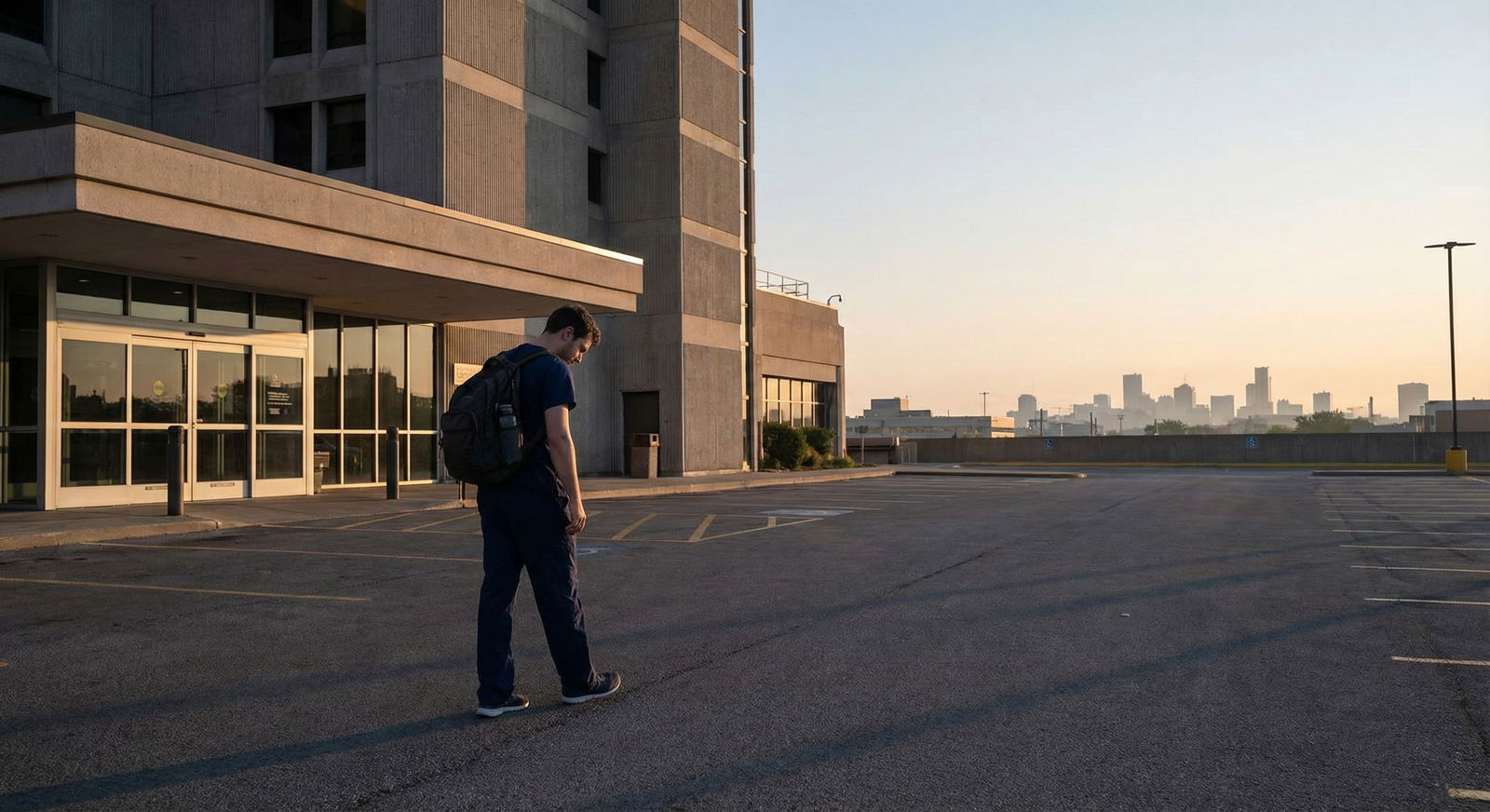
Last month I was talking to an MS3 who burst into tears in a coffee shop when she said this: “What if I literally can’t handle call? Like… what if I freeze at 3 a.m. and a patient crashes and it’s my fault?”
I’ve heard versions of that same sentence so many times it’s almost a script. And honestly? I’ve thought it myself. More than once.
You see the memes about residents falling asleep on keyboards, hear the horror stories about 28‑hour calls, and your brain goes straight to: “I’m too anxious, too sensitive, too tired, too… human. Maybe I’m not built for this.”
Let’s unpack that. For real. Not in the fake “you’ll be fine, don’t worry” way. In the “what actually happens, and what if you really can’t handle it” way.
What “Call” Really Looks Like (Not the Instagram Version)
People talk about “call” like it’s one thing, but it’s actually a bunch of different beasts hiding under one word.
| Type of Call | Typical Length | Where You Sleep | Stress Level* |
|---|---|---|---|
| In-house overnight | 12–28 hours | Call room | High |
| Home call | 24 hours | Your home | Medium |
| Night float block | 8–14 hours | Home after | Medium–High |
| Home backup | 24 hours | Home | Low–Medium |
*Stress level = my very unscientific “how much does this wreck your nervous system” scale.
Here’s the part your anxiety brain skips: no one throws a brand‑new intern alone into a 30‑bed ICU overnight and says “good luck.”
Real life looks more like:
- You’re on a team.
- There’s always someone above you (senior, fellow, attending).
- The pager sucks, but you’re not the only one wearing one.
- You start with training wheels. Then slowly they come off.
Is it still exhausting? Yes. Is it chaos sometimes? Also yes.
But is it this solo, unsupervised, “if I blink someone dies” situation your brain is playing on loop? No.
The Dark Thought: “What If I Fall Apart on Call?”
Let’s name the specific fears, because I’m guessing at least a few of these live rent‑free in your head:
- “What if I fall asleep and miss something critical?”
- “What if I panic and can’t make a decision?”
- “What if I cry in front of the nurse / attending / patient?”
- “What if I make a huge mistake because I’m tired?”
- “What if my anxiety or depression gets worse?”
- “What if I realize I hate overnight work and I’m trapped?”
You’re not abnormal for thinking this way. Honestly, I worry more about the people who don’t question themselves a little. Overconfidence at 3 a.m. is way more dangerous than “let me double‑check this vitals trend.”
Here’s the uncomfortable truth:
Yes, you will screw up small things on call. Everyone does. The system is built assuming humans get tired, miss stuff, need backup.
Systems that protect you:
- Night float structures
- Mandatory attendings on call
- Nursing staff who’ve seen 30 interns melt down before you
- Protocols, checklists, order sets
- Duty hour rules (imperfect, but they exist)
You are not holding the hospital together by yourself at 2 a.m. It just feels that way in your head.
Sleep, Safety, and That Terrifying 24–28 Hour Number
Let’s talk about the thing that makes your stomach drop: staying awake for 24+ hours and still being responsible for patients.
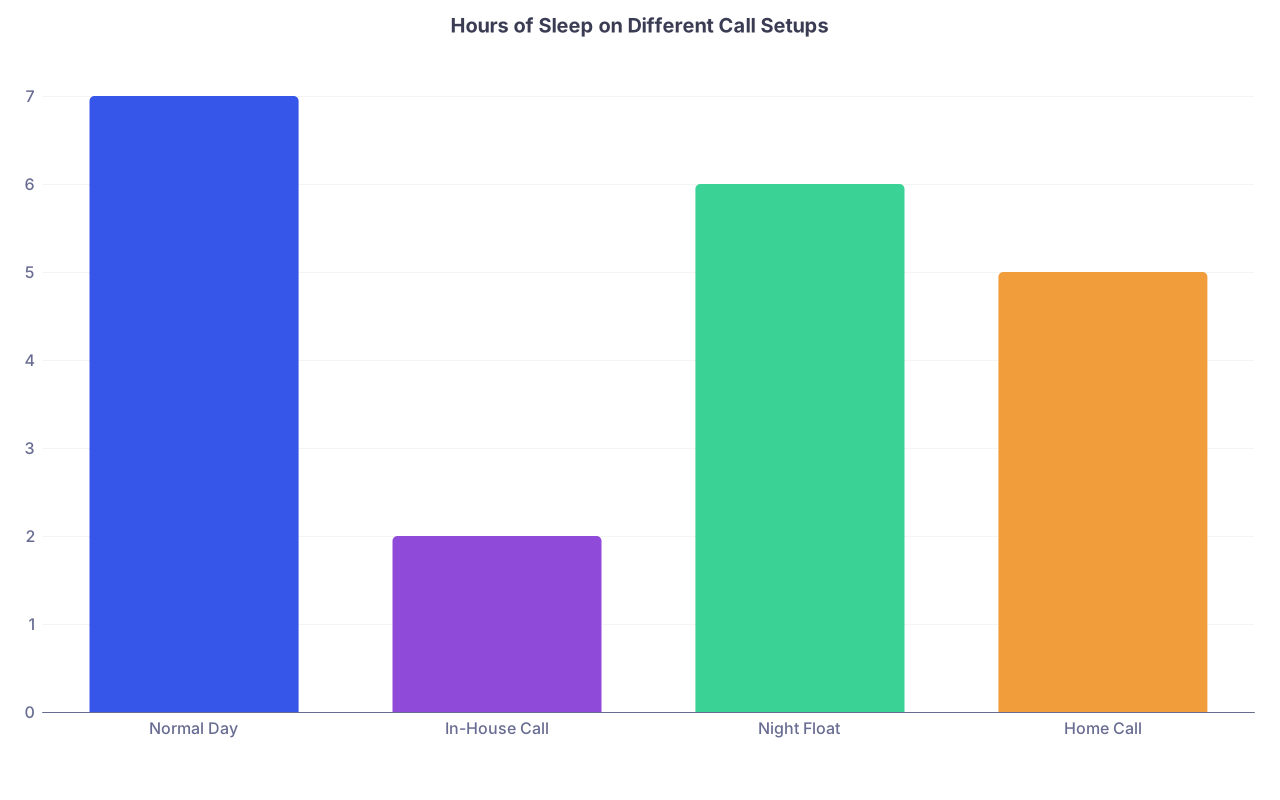
| Category | Value |
|---|---|
| Normal Day | 7 |
| In-House Call | 2 |
| Night Float | 6 |
| Home Call | 5 |
That’s roughly what people think happens. Reality is messier, but your fear is valid: sleep deprivation is not “character‑building,” it’s physiologically brutal.
How people actually survive it:
- They sleep in 20–60 minute chunks when they can.
- They learn to prioritize ruthlessly: sickest patients first, everything else later.
- They get good at “good enough,” not perfection, at 4 a.m.
- They rely heavily on nurses who will absolutely page you if something’s off.
The important question isn’t “Will I feel awful sometimes?” You will.
The better question is: “Are there specialties and programs that don’t destroy me on call?”
Yes. There are.
Specialties and Call: Some Are Worse Than Others
Your fear might not be “I can’t do any call,” but “I can’t handle soul‑crushing, every‑third‑night surgical call until I’m 35.”
Fair. Let’s be blunt.
| Specialty | Call Intensity | Typical Pattern |
|---|---|---|
| General Surgery | Very High | Q3–Q4 in-house, ICU work |
| Internal Medicine | High–Medium | Night float + call |
| Pediatrics | Medium | Mix of night float/call |
| Psychiatry | Low–Medium | Home call or light nights |
| Dermatology | Low | Rare call |
There are also:
- Shift‑based fields (EM, anesthesia in some settings, hospitalist work later on)
- Mostly 9–5 with rare call (outpatient specialties, many fellowships, derm, path, rad‑onc)
- “Heavy for a few years, better later” fields (surgery, OB/GYN, IM subspecialties)
So if your brain is screaming “I’ll never survive nights,” that might be data. Not that you should quit medicine. But that you should be intentional about where you aim.
What If You Already Struggle With Anxiety, Depression, or Sleep?
This is where the fear gets sharper: “Other people can push through. I… already feel like I’m at the edge.”
Here’s the part nobody says out loud loudly enough: you’re allowed to factor your mental health into your career decisions. That’s not weakness. That’s survival.
I’ve seen:
- A resident with longstanding panic disorder choose psychiatry at a program with night float and strong wellness infrastructure. She’s thriving.
- A med student with severe insomnia realize neurosurgery call would probably break him, and he pivoted to radiology. No shame.
- An IM resident go part‑time briefly to treat major depression, then come back and finish.
But I’ve also seen people try to “tough it out” in brutal call-heavy fields they knew were bad fits and end up leaving medicine entirely. That’s the scenario your anxiety is worried about, and honestly, it’s not totally irrational.
You can be proactive:
- Get your mental health as stable as possible before residency.
- Work with a therapist who understands medical training.
- Talk frankly with mentors about which specialties are comparatively less punishing overnight.
And yes, you can absolutely disclose disability/mental health to GME later and request accommodations. People do. Quietly, but they do.
“What If I Freeze During a Code or Emergency?”
This one haunts a lot of us: standing in a room full of alarms and people and just…blanking.
Let me say this clearly: that dramatic TV moment where the intern is running a wild unsupervised code is fiction.
What actually happens:
- Nurses often recognize deterioration before you and escalate urgently.
- Seniors and attendings come fast when a code is called.
- As a junior, you have very specific tasks: compressions, airway help, meds under direction, documentation.
- You’re rarely the “you lead the whole thing” person right away.
Will you feel like you’re moving through molasses the first few times? Probably. But you’re not doing it alone in some silent vacuum. There’s a whole choreography, and you’re one part of it.

| Step | Description |
|---|---|
| Step 1 | Patient unstable |
| Step 2 | Nurse assesses |
| Step 3 | Page intern |
| Step 4 | Intern evaluates, calls senior if needed |
| Step 5 | Code called overhead |
| Step 6 | Senior arrives |
| Step 7 | Attending arrives |
| Step 8 | Team manages together |
| Step 9 | Emergent? |
Your worst-case fear is “I’m the only line of defense.”
Reality: you’re one link in a chain, with stronger links above you.
How Much of This Is Training vs. “Personality”?
You might be thinking: “Some people are just built for nights. I’m not. I’ve always hated sleepovers, red‑eyes, anything past midnight.”
Here’s the uncomfortable but honest middle ground:
- Some people tolerate sleep deprivation better. That’s real.
- But a huge amount of overnight competence is simply training, repetition, and systems.
- Nobody walks in “call‑proof.” Everyone’s body hates it at first.
Things that actually help (and yes, you can learn them):
- Micro‑napping: lying down for even 10 minutes between pages even if you don’t fully sleep.
- Pre‑call rituals: specific food, caffeine timing, hydration, even the same podcasts.
- “Algorithm brain”: using structured approaches (e.g., ABCs, checklists) when your brain feels foggy.
- Saying the quiet part out loud: “Hey, I’m really tired and not thinking clearly, can we talk this plan through?” Good seniors want you to say this.

Your anxiety is predicting you’ll be the exception who never adapts. That’s rarely how it goes. Most people develop “call muscles” over time. They’re not superpowers. Just scars and experience.
What If You Truly Can’t Handle It?
This is the fear underneath all the others: “What if I get there and it breaks me?”
Let’s walk through the ugly scenarios your brain is quietly rehearsing.
You start residency, and call wrecks your mental health.
- You can ask for schedule changes. Lighter rotations. A leave of absence.
- You can get formal accommodations if you have documented conditions.
- You can switch programs or even specialties. Painful, but not impossible.
You realize a specific field is completely incompatible with your health.
- You can finish prelim/TY and pivot.
- You can lateral to a different residency.
- Worst‑case: you step away and re‑enter medicine later in a different way (admin, research, non‑clinical).
You never adjust to nights, ever.
- You aim for career setups with:
- No call (outpatient only, some specialties)
- Only day shifts (urgent care, some EM/hospitalist jobs)
- Telemedicine
- Part‑time arrangements
- You aim for career setups with:
People do all of these. Quietly. Without broadcasting it on Instagram, so you never hear about them.
Is it easy? No.
Is your life over if traditional in‑house call is genuinely not doable for you? Also no.
Call, Ethics, and That Guilt You Feel for Even Worrying
Since you mentioned “medical ethics” — let’s go there.
You might be thinking, “If I’m this worried about my own sleep and mental state, does that make me selfish? A bad future doctor? Shouldn’t I be willing to suffer for patients?”
This mindset is so deeply baked into medicine it feels like morality. It’s not. It’s culture. And a pretty toxic one.
Ethically:
- A chronically exhausted, burnt‑out physician is not safer or more virtuous.
- You actually owe it to patients to be functional, present, and capable of sound judgment.
- Protecting your own sleep and mental health isn’t selfish; it’s part of non‑maleficence (do no harm).
The system was built on the myth of the invincible trainee. That doesn’t mean you have to destroy yourself to prove you care.
You can simultaneously:
- Care deeply about patients
- Want reasonable hours and survivable call
- Choose a field and program that respects that
Those are not mutually exclusive.

Practical Things You Can Do Now If Call Terrifies You
Let me give you concrete steps instead of vague “you’ll adjust” nonsense.
Pay attention on rotations.
Notice:- How residents talk about nights (“bearable” vs “soul‑sucking”).
- Whether the culture punishes people for being human.
- Who actually goes home post‑call vs. “just finishes a few things.”
Ask brutally specific questions on the trail.
Not “How’s work‑life balance?” but:- “How many in‑house overnights per month as PGY‑1?”
- “Is there a true night float system?”
- “Do people actually leave post‑call on time?”
- “Has anyone ever gotten schedule accommodations for health reasons?”
Be honest with yourself about your red lines.
For example:- “I can do nights, but not q3 28‑hour calls for years.”
- “I need some control over my sleep cycle.”
- “My anxiety gets dangerous with chronic sleep loss; I need a field where nights are limited.”
Get your mental health team in place.
Before residency:- Therapy established
- Meds optimized (if you use them)
- Coping strategies that actually work for you, not generic “self‑care”
Remember you’re allowed to change your mind.
Your choice at 24 does not bind you to misery at 32. People pivot. Quietly, awkwardly, imperfectly—but they do.
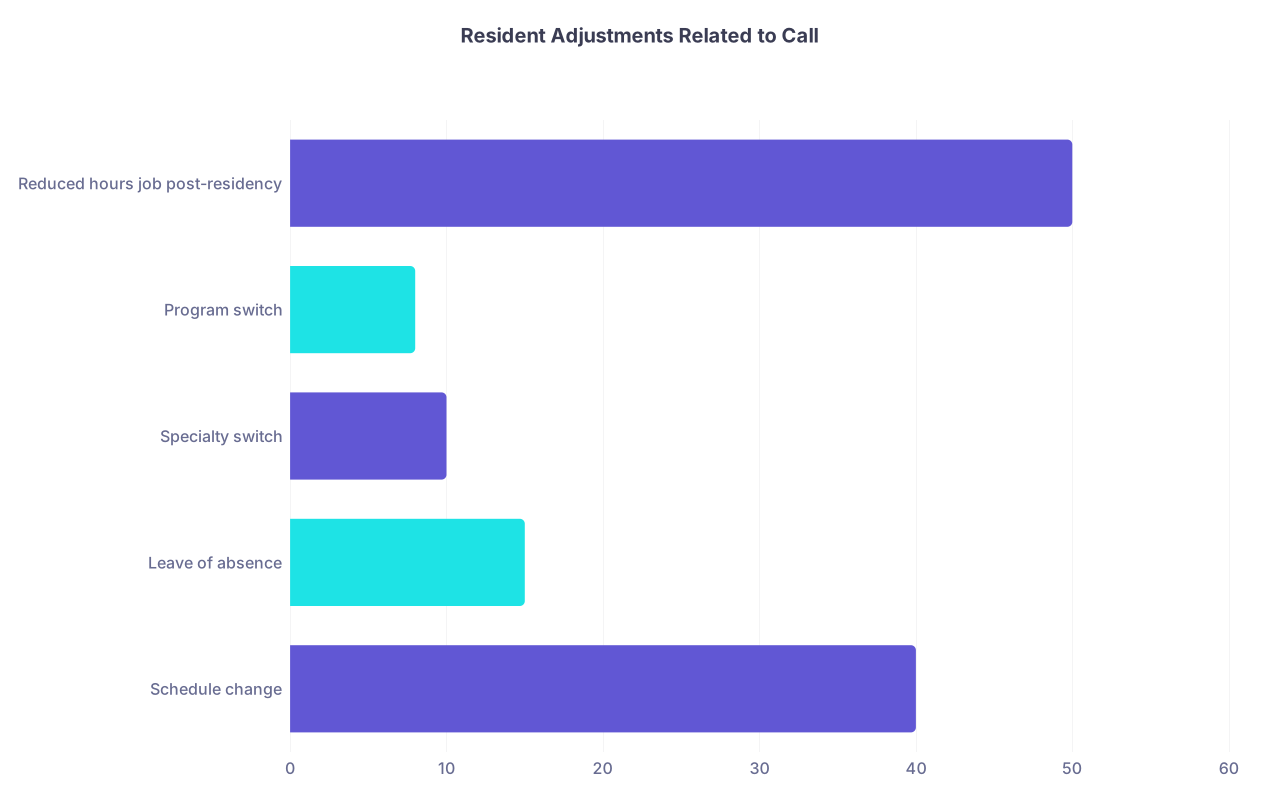
| Category | Value |
|---|---|
| Schedule change | 40 |
| Leave of absence | 15 |
| Specialty switch | 10 |
| Program switch | 8 |
| Reduced hours job post-residency | 50 |
(These numbers are illustrative, not official stats — but the point is, adjustment and change are way more common than anyone publicly admits.)
FAQ: Fears About Call, Answered
What if I fall asleep and miss a page during call?
It happens. To almost everyone at some point. Systems assume this: nurses repage, seniors get involved, overhead calls happen for true emergencies. If it becomes a pattern, that’s a sign you need help adjusting (or there’s a sleep/health issue to address), not that you’re a failed doctor. One missed page at 3 a.m. is not the end of your career.Is it “wrong” to choose a specialty partly because I can’t handle heavy call?
No. It’s smart. Choosing a field where you’re sustainable long term is ethically better than forcing yourself into a brutal call-heavy specialty just because it’s “impressive” and then burning out so hard you leave medicine. Your limitations are data, not moral failures.Can I really get accommodations in residency if call destroys my mental health?
Yes, but it’s messy and depends on the program. Residents have gotten: reduced nights, different rotations, temporary leaves, formal disability accommodations. It usually requires documentation, some bureaucracy, and supportive leadership—but it’s done. Quietly, and more often than people admit.What if I panic or cry during an overnight emergency?
Then you’re human. I’ve seen interns cry in stairwells at 2 a.m., wipe their faces, go back in, and still be good doctors. Nurses and seniors care more about you showing up, listening, and asking for help than whether you looked perfectly composed while your nervous system was on fire.How do I know if my fear of call means medicine isn’t right for me at all?
Fear alone doesn’t mean that. Almost everyone is scared of nights before they’ve done them. Red flags would be: you always decompensate with minor sleep loss, you already have severe untreated mental health issues, or every aspect of clinical uncertainty feels unbearable. In that case, it’s worth seriously talking with a therapist and trusted mentor. But “I’m terrified I’ll be tired and make mistakes” is… basically the default human response.
If you strip everything else away, here are the core truths:
- Call is hard, but it’s not the solo, catastrophic horror show your brain is scripting. You’re supervised, supported, and you adapt more than you think.
- You’re allowed—ethically, professionally, humanly—to choose paths that don’t destroy you overnight. That doesn’t make you weaker; it makes you more likely to still be practicing, and caring, 20 years from now.
- Fear about call isn’t a sign you don’t belong in medicine. It’s a sign you’re taking responsibility seriously. What you do with that fear—plan, choose wisely, get support—that’s what matters.