
What actually happens if you fail your specialty board exam as a senior resident — like, for real, not the sugar‑coated “it’ll all work out” version people give on rounds?
Because that’s the fear, right? You’ve done med school, survived intern year, almost finished residency… and one damn exam feels like it could erase all of it.
Let’s walk through this like someone who’s actually seen people fail boards. More than once. People who still have jobs, by the way.
First: Are You Actually “Ruined” If You Fail? Short Answer: No. Long Answer: It’s Complicated.
Here’s the part your anxiety doesn’t believe: failing your boards once is usually not the catastrophic, career-ending blow your brain is picturing at 2 a.m.
It is:
- Expensive
- Embarrassing
- Logistically annoying
- Emotionally brutal
But it’s not: “You’ll never work again.”
There are three separate things your brain is mashing together:
- Finishing residency
- Practicing as a physician
- Being board certified in your specialty
You can completely finish residency and still not be board certified yet. That’s a normal transition phase. Many people pass their boards after graduation. Some fail the first time. Some need more than one try.
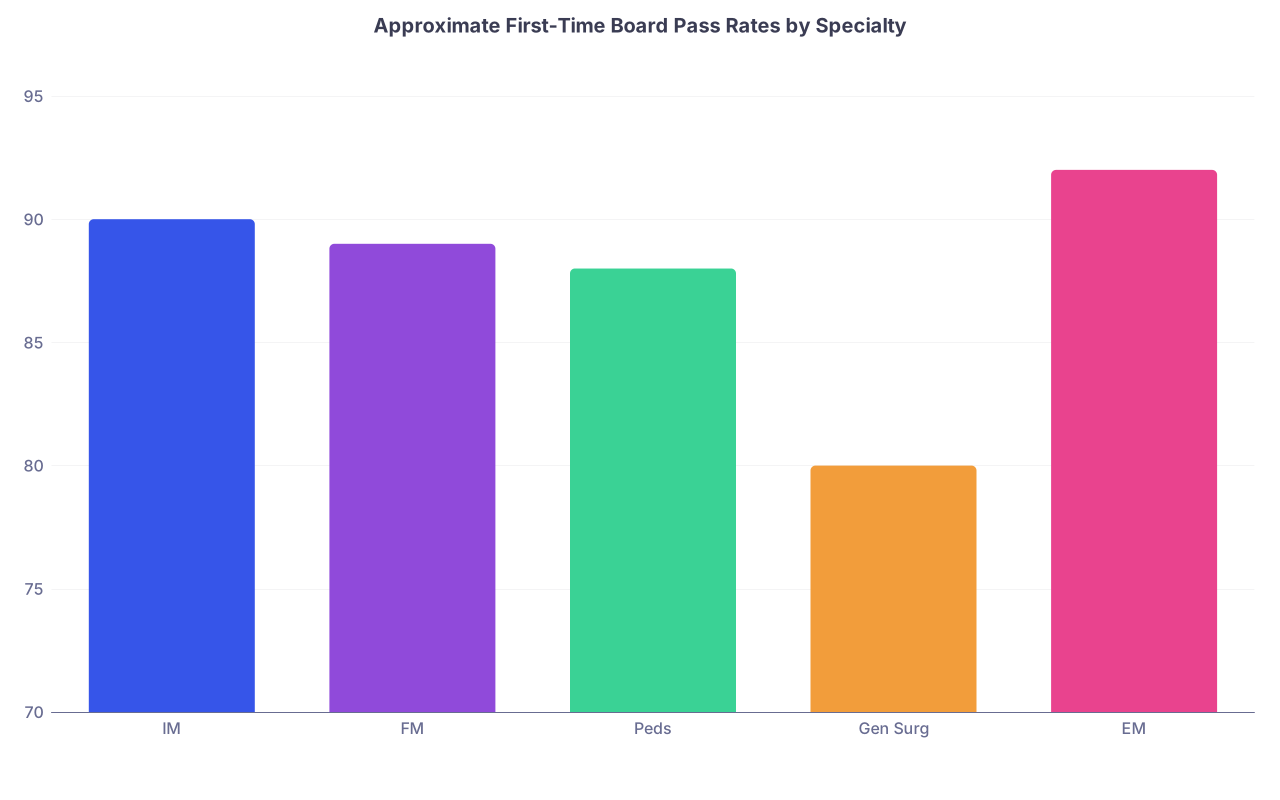
| Category | Value |
|---|---|
| IM | 90 |
| FM | 89 |
| Peds | 88 |
| Gen Surg | 80 |
| EM | 92 |
Even with high pass rates, thousands of people fail every year. Those people do not vanish. They sign contracts. They practice. They retake.
So no, you’re not done as a doctor. But yes, it has consequences, and you deserve the real version.
What Actually Happens Immediately After You Fail
Let’s say you’ve just checked your score. You see “fail” or “did not pass.” Your stomach drops. You close the tab. Reopen it. Like that’ll change it.
In the first 48–72 hours, this is the practical reality:
You will probably:
- Have to tell your program director
- Have to tell your future employer (if you’ve already signed)
- Start figuring out when you can re-take
You will not:
- Be fired on the spot
- Be kicked out of residency retroactively
- Lose your MD/DO license overnight
Residency completion is based on meeting program requirements and clinical competency, not your ABIM/ABFM/ABP/ABS exam result. Your boards are run by a separate certifying body, not the hospital GME office.
The main thing: your board-eligible vs board-certified status.
| Status | What It Means |
|---|---|
| In Training | Resident/fellow, no board exam yet |
| Board Eligible | Completed training, not yet certified |
| Board Certified | Passed certifying exam |
| Failed Attempt | Still eligible, must re-take |
If you fail as a senior resident (or just after graduating), you usually remain board-eligible for a certain number of years and attempts. That window and attempt limit vary by specialty board.
How This Affects Your Job Offers and Contracts
This is the part that freaks people out the most: “Will my job be rescinded?”
The answer: it depends what you signed. And yes, people do still start jobs after failing.
Most attending contracts have some version of:
- “Must become board certified within X years of hire”
- “Must maintain eligibility for board certification”
Some are stricter. Some literally condition the offer on passing before starting.
Here’s the usual range of outcomes I’ve actually seen:
You failed, but your contract only requires certification within 2–5 years.
They’re unhappy, but nothing changes immediately. You start as planned, board-eligible, with an expectation you’ll pass next time. This is pretty common in community hospitals and many outpatient groups.Your offer specified “must pass boards before start date.”
This is where things get messy. The hospital/ group can technically pull the offer or delay your start. In reality, I’ve seen:- Start date pushed back
- New contract addendum with a shorter timeline and maybe a probation‑type period
- Rarely, offer rescinded
Academic or highly competitive positions.
They care more. University systems may keep you on but lean hard on your re-take plan. Some will say, “We’ll keep you, but if you’re not certified by X date, we reconsider your appointment.”
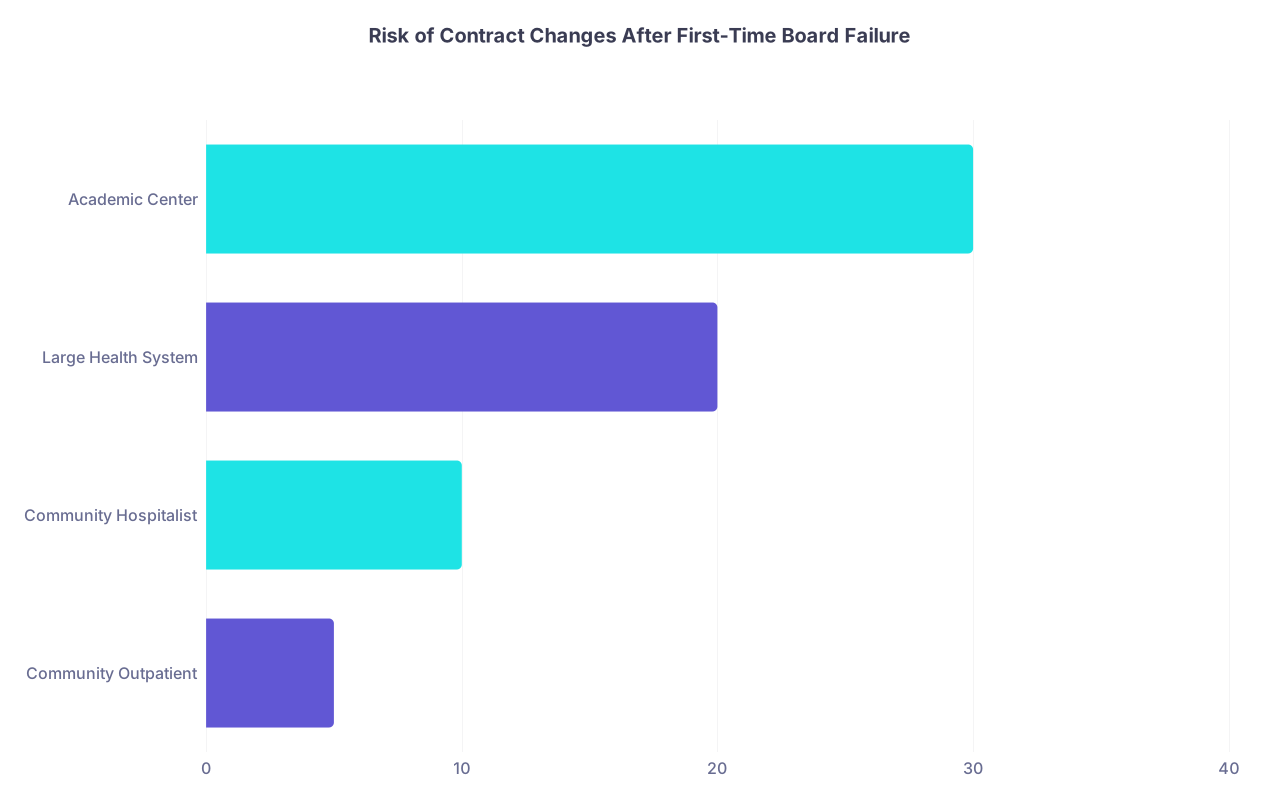
| Category | Value |
|---|---|
| Community Outpatient | 5 |
| Community Hospitalist | 10 |
| Large Health System | 20 |
| Academic Center | 30 |
Those % are not official data, just a realistic sense of relative risk from what I’ve seen play out. The more academic/brand‑sensitive the place, the jumpier they are.
Here’s the part nobody says clearly: most employers desperately need physicians. They’ve already invested in credentialing you, onboarding you, plugging you into their call schedule. Dropping you means re‑posting, re‑interviewing, and months of empty coverage.
So yes, they might be upset. They might add pressure. They might revise your contract conditions. But the nuclear option is less common than your nightmare brain suggests.
Telling Your Program Director and Employer (Without Imploding)
You can’t ghost your way out of this. Your PD will find out. Your employer might too via credentialing.
The key is to control the narrative as much as you can.
With your PD, you want something like:
“I just got my results and I didn’t pass. I’m really upset and I’m trying to wrap my head around it. I want to understand exactly what I need to do next to re-take and how this affects my graduation or job. I’m committed to passing and I’d appreciate any help or resources.”
They’ve seen this before. Even in programs that brag about 100% pass rates, there’s always someone who quietly didn’t make it. PDs may react in one of three ways:
- Calm and practical: “Okay, let’s figure out your re-take timeline.”
- Slightly disappointed but supportive: “We’ll help you, but you need a concrete plan.”
- Annoyed and transactional: “This impacts our stats. What went wrong?”
Don’t let that third one convince you your future is over. It just means they care more about their ACGME reports than your feelings. Common, not fatal.
With your employer, you want to be early, honest, and plan‑oriented:
“I wanted to let you know I didn’t pass my boards on the first attempt. I’m already registered to re-take at the earliest available date and have adjusted my study plan. I’m still board‑eligible and committed to achieving certification within the required timeframe. I’d like to discuss any implications for my start date or credentialing so we can plan appropriately.”
The subtext you’re sending: I’m responsible, not avoiding this, and I have a plan.
Logistically: What You Do Next, Step by Step
You’re not doing this part in a vacuum. You’re exhausted, maybe on nights, maybe finishing a QI project. So the re-take plan has to be realistic, not fantasy‑perfect.
1. Get your performance breakdown
Every board gives you some breakdown: percentiles or content area performance.
Look for patterns like:
- “Way below standard in one entire domain”
- “Barely below standard across everything”
- “Timing killed you” (you left stuff blank)
Each one points to a different fix. This isn’t just “study more.” It’s “study differently.”
2. Lock in a re-take date
Don’t leave it floating. As soon as eligible, pick the earliest date that you can reasonably prepare for given your schedule, not the schedule you wish you had.
If you’re starting as an attending, recognize this truth: first‑year attending stress + board prep is rough. People underestimate how draining it is to suddenly be The Final Signature on Everything. You need margin.
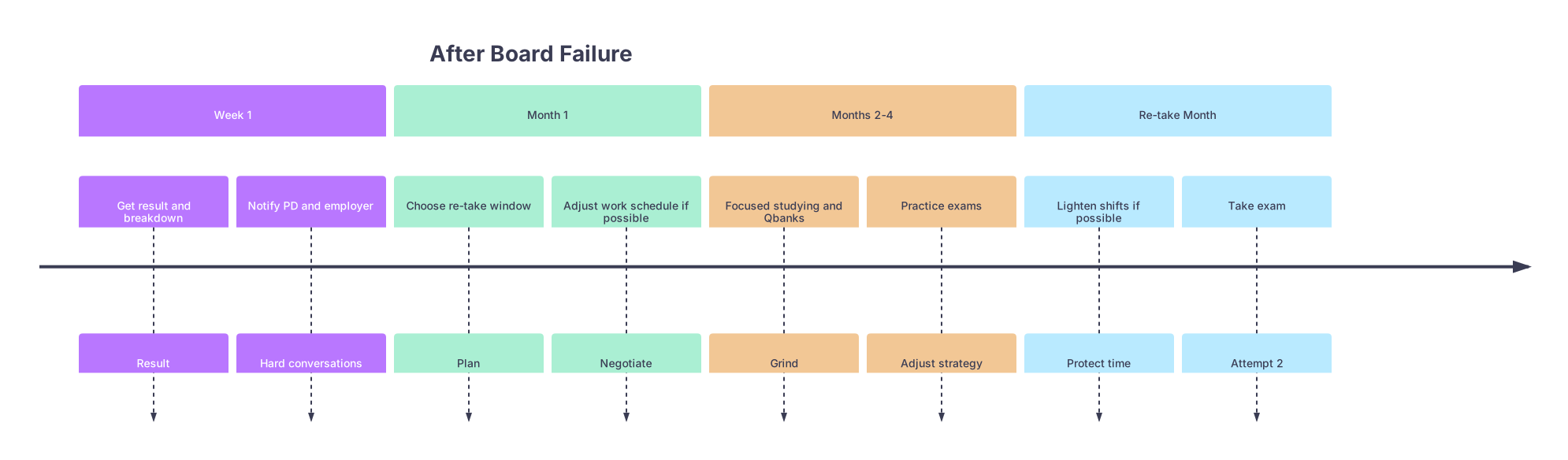
| Period | Event |
|---|---|
| Week 1 - Get result and breakdown | Result |
| Week 1 - Notify PD and employer | Hard conversations |
| Month 1 - Choose re-take window | Plan |
| Month 1 - Adjust work schedule if possible | Negotiate |
| Months 2-4 - Focused studying and Qbanks | Grind |
| Months 2-4 - Practice exams | Adjust strategy |
| Re-take Month - Lighten shifts if possible | Protect time |
| Re-take Month - Take exam | Attempt 2 |
3. Adjust your schedule if humanly possible
You’re going to hate this part. It means:
- Asking to shift clinic days
- Dropping extra moonlighting
- Saying no to extra projects
Your PD is much more likely to help adjust your schedule if you come in with a clear plan: “If I can have X half‑days lighter during these weeks, here’s how I’ll use them.”
Same for employers: some will tweak onboarding, give you some protected CME/study time, or back off on extra committee work until you’ve passed.
How Many Tries Before It Really Starts To Damage You?
Uncomfortable answer time.
One failed attempt? Big deal emotionally, but professionally very recoverable.
Two failed attempts? Now you’re in the “we need to seriously rethink your prep” zone. Some employers start to get nervous but usually still hang in there if they see progress.
Three or more? This is where:
- Some employers may not renew contracts
- Some credentialing committees start hesitating
- Your own confidence starts to crater
And yet — I’ve seen attendings who failed 2–3 times and are now solid, respected clinicians. Nobody introduces them as “Dr. Smith, who failed boards twice.”
Every specialty board has its own rules on:
- Total number of attempts allowed
- Time window after graduation to achieve certification
You must look those up for your board (ABIM, ABFM, ABP, ABS, ABEM, etc.). Not someday. Now. Because at some point, it stops being just another re-take and becomes “I’m running out of official chances.”
Will This Follow You Forever?
Your mind goes straight to the worst: “Fellowship will reject me. Credentialing will flag me. Every job application will ask if I failed anything ever.”
Reality check:
- Your board certificate doesn’t visibly show how many attempts it took.
- Most job applications care about current certification status, not your first‑time pass history.
- Malpractice insurers focus more on claims history and specialty, not one exam failure.
Where it might matter:
- Super competitive fellowships that ask for full test history
- Very elite academic jobs that fetishize perfect CVs
- Visa situations where delays in certification complicate things
But for a solid 80–90% of normal, real‑world jobs, if you show up board certified in the end, it’s a non‑issue.
Emotionally: Dealing With the Shame and Identity Hit
This is the part that messes people up more than the logistics.
You’ve built your whole identity on being the person who always passes the test. Always jumps the next hoop. Failing a big exam in your late 20s or early 30s hits differently than failing a quiz in undergrad.
Some things I’ve seen actually help, not just “self‑care” fluff:
- Tell 2–3 safe people early. Isolation makes the shame louder. Pick people who won’t respond with, “But you’re so smart!” because that’s useless.
- Stay away from Reddit/Student Doctor Network “failure” threads initially. They’re either horror stories or humble‑brags. When you’re raw, both feel awful.
- Separate clinical ability from exam performance. I’ve seen rock‑solid residents fail because they were working 80 hours a week and tried to cram. That doesn’t suddenly mean they’re unsafe clinicians.
- If you keep ruminating (like, can’t sleep, can’t focus on patients), talk to someone professional. Yes, actually therapy. Not just venting to your co‑resident who’s also burnt out.
And yeah, you’re going to compare yourself to everyone on your group chat posting “I PASSED!!!” screenshots. Mute the thread if you need to. You’re not obligated to perform happiness for anyone.

Worst-Case Scenarios… and How Often They Actually Happen
Your brain is probably cycling through the absolute worst outcomes, so let’s drag them into the light.
“My job offer will be pulled and I’ll be unemployed.”
Can it happen? Yes. Is it common after a single failure? No. Most systems are too desperate for staff to nuke you over one attempt. When offers are pulled, it’s usually in contracts explicitly contingent on pre‑start certification plus zero negotiation.
“I’ll never get fellowship now.”
Tougher, but not hopeless. Competitive fellowships might care, especially if your application was already borderline. But if your overall application is strong, and you pass on your second attempt with a clear explanation of what changed, it’s not an automatic death sentence.
“I’ll lose my visa.”
This is the most time‑sensitive scenario. If your visa status is tied to employment that requires certification by a certain date, multiple failures can absolutely cause real problems. You must involve your GME office and an immigration advisor early. Not at the last minute.
“My PD will hate me and tank my future references.”
If a PD destroys your future over one failed exam despite you taking ownership and fixing it, that says more about them than you. Most won’t. Some are petty, yes, but they also don’t want to look like the program that crushes residents when they’re down.
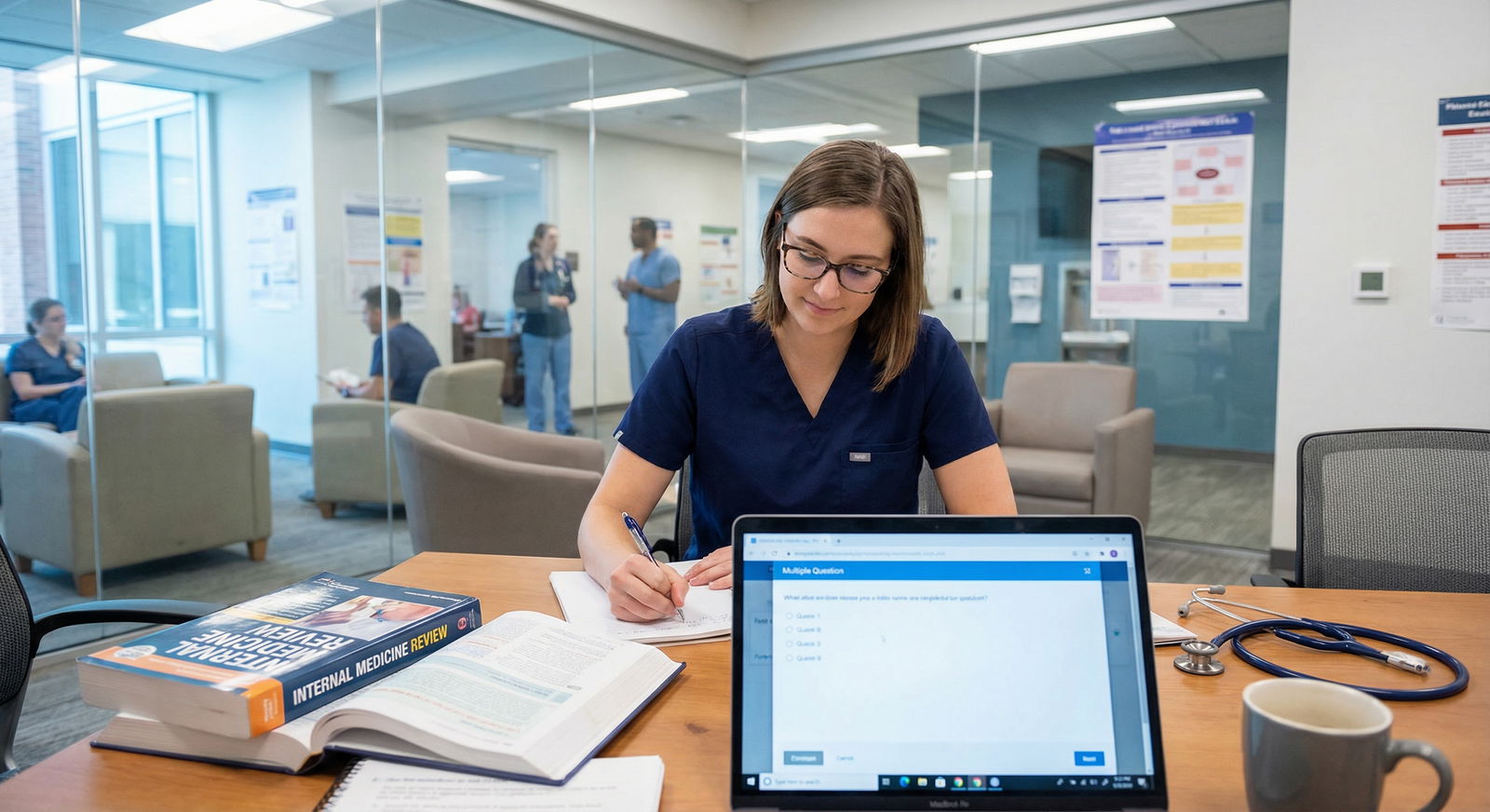
What You Should Do Right Now If You’re In This Situation
Not theoretical. Actual to‑do list.
- Confirm the result. Look at the breakdown, download any PDF or report, save it.
- Schedule a meeting with your PD within a few days, not weeks.
- Review your contract (or offer letter) for any language about board certification timing.
- Email or call your future employer’s HR/medical staff office to let them know and ask how it affects credentialing.
- Pick a re-take window that fits your real schedule, not your fantasy schedule.
- Redesign your study strategy based on your weaknesses. If you only did question banks passively, maybe you need a structured course this time. Or fewer books, more focused practice.
- Protect your mental health: sleep, food, movement. Sounds generic, but your brain will not magically absorb cardiology guidelines if you’re running on call-room coffee and 3 hours of sleep.

FAQ (Exactly 4 Questions)
1. Can I still graduate from residency if I fail my boards as a senior?
Yes. Graduation from residency is based on completing your program’s training requirements and being judged competent by your faculty, not on passing the certifying board exam. Many residents don’t even take the boards until after they graduate. Failing the exam might push your program to encourage more structured studying or remediation, but it doesn’t retroactively erase your training time.
2. Will hospitals still hire me if I’m not board certified yet?
Most community hospitals and groups routinely hire “board eligible” physicians with the expectation that you’ll become board certified within a set time frame (often 2–5 years). Highly competitive or academic positions may be stricter, but one failed attempt usually doesn’t automatically disqualify you. What employers care about is whether you’re eligible, actively addressing the failure, and likely to pass on a subsequent attempt.
3. Do I have to tell future employers I failed my boards?
If they directly ask about board exam history, you can’t lie. But many applications simply ask for your current status: board eligible vs board certified. Once you pass, most jobs don’t dig into how many attempts it took. The one place it can come up more explicitly is in some fellowships or elite academic environments that review complete exam histories. For typical attending jobs, they mainly want to see that you’re certified (or clearly on track to be).
4. How bad does it look if I fail more than once?
Multiple failures do make things harder. Some employers and credentialing committees will get nervous if you’ve failed two or more times, and your own confidence takes a hit. That’s when you need a very intentional, different study approach (not just “do more questions”) and possibly formal help like a board review course or learning specialist. Even then, people do eventually pass after multiple attempts and go on to have completely normal careers; it just takes more time, support, and careful planning around contracts and eligibility windows.
Key points: Failing your specialty boards as a senior resident feels catastrophic, but it’s usually a setback, not a career death sentence. Your degree, your residency completion, and your ability to practice don’t vanish overnight. What actually matters now is: be honest with your PD and employer, understand your board’s rules and your contract, and build a realistic re-take plan that fits your real life, not your fantasy version.