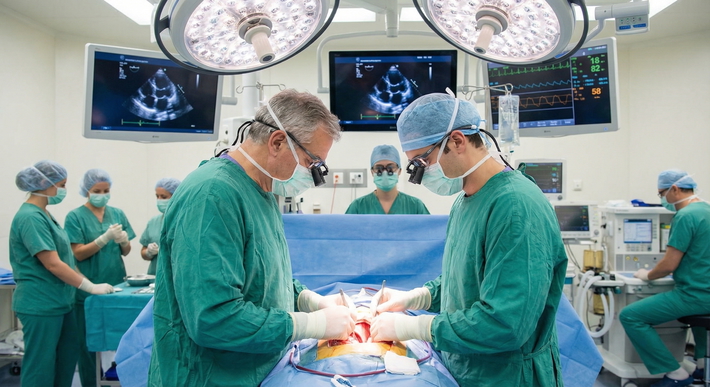
It’s August of your MS4 year. Schedules are mostly locked. Your ERAS account is open. You had a nice, safe plan for internal medicine or maybe anesthesia. Then you did an ENT elective. Or you scrubbed one sinus case with a charismatic PGY-3. Now your brain will not shut up about otology, neck dissections, and tiny spaces with big consequences.
Problem: ENT is competitive. You are late. Your CV screams “generalist” or “something else,” not “I’ve wanted ENT since M1.”
You’re not asking “Is ENT interesting?” anymore. You’re asking, “Is there any way to pull this off without blowing up my life?”
Here’s how to think about it, and what to do next, step by step.
1. Be Honest About Your Starting Point (Brutally)
Before you rearrange your life, you need a hard, unsentimental assessment. ENT programs will do this to you; beat them to it.
Here’s what matters most for a late ENT switch:
- Step 2 CK (since Step 1 is pass/fail): is it strong, average, or weak for ENT?
- Class rank / AOA / honors in core clerkships
- Letters – do you have any surgical letters at all, or just medicine/psych/peds?
- ENT exposure – one elective? None? A random week?
- Research – any ENT or surgery research? Or at least publications/posters in anything?
- School – home ENT program or none?
If you want a quick reality snapshot:
| Factor | Strong for ENT | Borderline | Weak for ENT |
|---|---|---|---|
| Step 2 CK | ≥ 250 | 240–249 | < 240 |
| Core Clerkships | Mostly Honors | Mix of H/HP | Few or no Honors |
| ENT Exposure | 2+ rotations, home dept | 1 rotation | None / 1-week elective |
| Research | ENT/surgical pubs/posters | Non-ENT research | No research |
| Home ENT Program | Yes + mentors | Yes, weak ties | No home ENT |
If you’re “weak” across the board, you can still aim for ENT, but you should be thinking very seriously about a research year or a backup application. If you’re mixed – some strong, some weak – there’s more to salvage in one cycle.
Do not lie to yourself here. I’ve watched people tell themselves a story about being “the exception” and then sit in SOAP crying when that story collapsed.
You need a plan that fits your reality, not your fantasy.
2. Lock in ENT Exposure Yesterday
Programs do not rank strangers. Right now, to ENT, you are a stranger.
You need three things fast:
- Time on ENT
- People in ENT who know you
- A paper trail that says “this person chose ENT and then went all in”
A. Move Your Rotations (Aggressively)
Call or email your dean’s office and scheduling coordinator and say the quiet part out loud:
“I decided to pursue otolaryngology late and I need ENT electives and/or surgical subspecialty time as soon as possible to have any realistic chance of matching.”
Do not be vague. Be specific:
- Swap out nonessential electives for:
- Home ENT rotation (if you have a department)
- Away rotations at ENT programs
- Surgical subspecialty rotations that touch ENT (surgical ICU, plastics, neurosurgery, thoracic – anything that shows you can function on a surgical team)
If it’s already late summer and all ENT aways look “full,” you still:
- Ask coordinators to put you on a waitlist
- Email politely and ask if any last-minute cancellations occur
- Consider off-cycle or late fall ENT rotations even if they’re after ERAS opens; they still help for:
- Late letters
- Signaling to programs you’re serious
- Future reapplication if this year doesn’t work

| Step | Description |
|---|---|
| Step 1 | Decide to switch to ENT |
| Step 2 | Add home ENT + 1 away |
| Step 3 | At least 1 ENT rotation |
| Step 4 | Email ENT PD and chair |
| Step 5 | Request mentors and letters |
| Step 6 | Apply ENT only or minimal backup |
| Step 7 | Apply ENT + realistic backup |
| Step 8 | Plan research year + limited apps |
| Step 9 | Time left before ERAS? |
| Step 10 | Application strength? |
B. Tell the ENT Department You Exist
If you have a home ENT program, stop lurking. You need to be on their radar now.
Email the program director (PD) and/or department education chief. Short, direct:
- One sentence: who you are (MS4 at X)
- One sentence: late decision to pursue ENT and why
- One sentence: what you’re already doing (or will do) to commit (ENT rotations, research, etc.)
- Ask: can I meet briefly to get advice and see how best I can contribute this year?
Then back it up by showing up:
- ENT grand rounds
- Tumor board if allowed
- Departmental conferences
- Any student ENT interest group events
It’s not about being a fanboy/girl. It’s about them recognizing your face when your application appears and being able to say, “Yes, I’ve seen this student. They’re serious.”
If you do not have a home ENT program:
- Look regionally. Find the closest ENT departments.
- Ask if you can:
- Attend their conferences virtually
- Join ongoing student-friendly projects
- Do a visiting elective as soon as possible
There’s no universe where you match ENT from the outside without real ENT people vouching for you.
3. Letters of Recommendation: Triage Mode
You do not have time for a perfectly curated letter strategy. You need “good enough and believable” letters from people who can say you function on a surgical team and care about ENT.
Targets:
- At least 2 letters from ENT surgeons
- 1 letter from another surgical field or strong clerkship leader who can comment on your work ethic and clinical ability
How to make this happen when you’re late:
On your ENT rotation, tell the attending(s) early: “I’m applying ENT this year. I know I’m late to the game, but I’m committed. I’d really appreciate any feedback on how I can perform at a level that would make you comfortable writing a strong letter.”
Then act like that student:
- Early.
- Prepared.
- Hungry to read CT scans and scopes, not Instagram in the corner.
- Lives in the OR but also knows the floor patients cold.
Ask for letters before the rotation ends, not weeks later via sad email.
If your ENT exposure is too thin for two letters this cycle, then you’re in realistic reapplicant territory and should start planning for a research year while still taking a shot this year.
4. Fixing Your Application Story When ENT Was an Afterthought
Programs are used to people who say, “I have always wanted ENT.” You are not that person. That’s fine. When you pretend otherwise, it reads fake.
Your story has to do two things:
- Explain the late switch without sounding flaky.
- Make it obvious you understand what ENT actually is.
A. Personal Statement: Don’t Over-Romanticize, Explain the Pivot
You need a clear pivot point.
Something like:
- You were drawn to X (medicine, anesthesia, etc.) because of Y (patient relationships, physiology, procedures).
- You had specific exposure to ENT where you saw those same interests magnified in a way you hadn’t appreciated.
- You recognized that ENT matched your skills and your preferred patient population better than your prior path.
- Once you realized that, you changed your trajectory quickly: added rotations, found mentors, started a project, etc.
What you do not say:
- “I have always wanted to be an ENT” when your CV screams otherwise.
- “I love work-life balance in ENT” as your main reason. That line has poisoned more applications than you’d believe.
- “I want to do everything”—vague, generic specialty love letters.
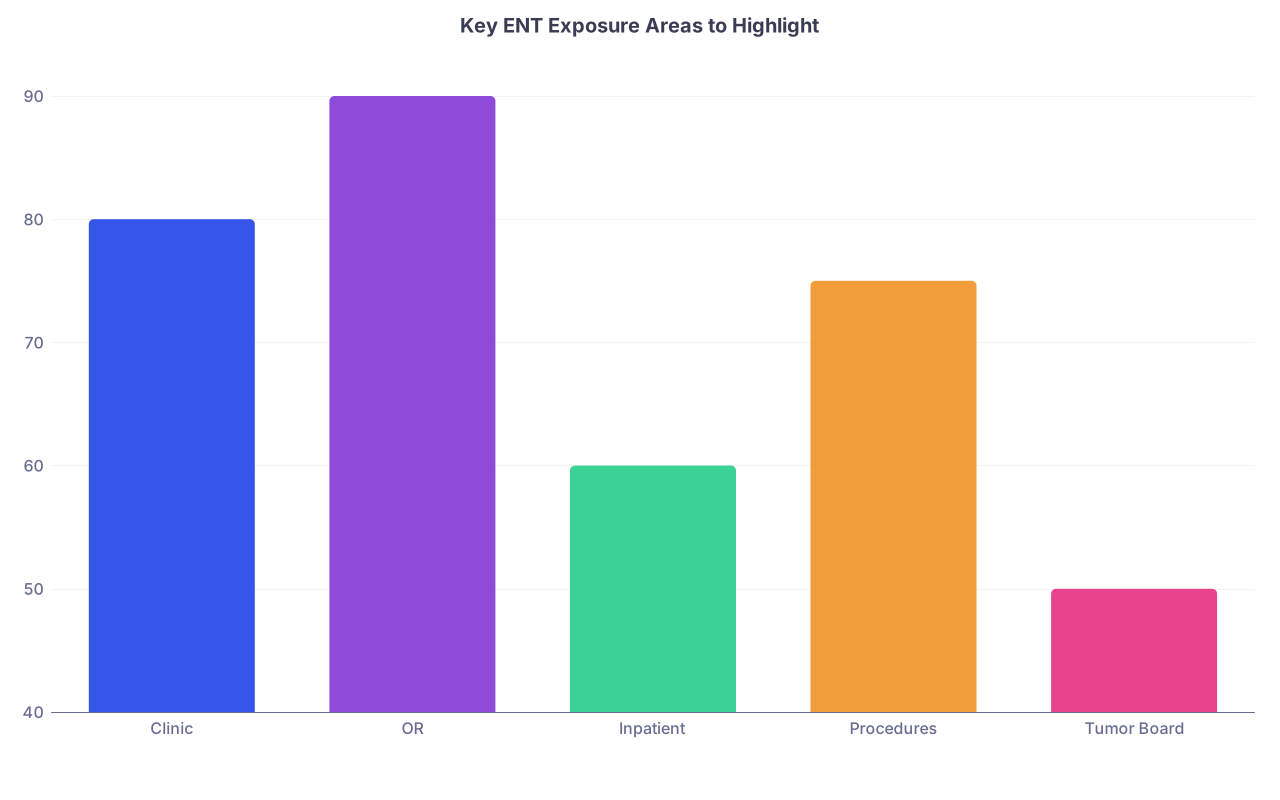
Show that you’ve seen:
- Head and neck cancer patients and the intensity of their course
- Sleep apnea clinic grind, chronic sinusitis, dizzy patients who need detailed counseling
- The OR stress and the clinic volume
You want them thinking: “Okay, they were late, but they’ve seen enough to not be naive.”
| Category | Value |
|---|---|
| Clinic | 80 |
| OR | 90 |
| Inpatient | 60 |
| Procedures | 75 |
| Tumor Board | 50 |
B. ERAS Experiences: Reframe, Don’t Invent
You probably have few (or zero) ENT-specific activities. So you reframe what’s there.
Clinical experiences:
- Emphasize cases requiring complex decision-making, procedural skills, or longitudinal follow-up.
- Highlight times you took ownership of patients, especially perioperative ones.
Research:
- If it’s not ENT: pivot the narrative around transferable skills.
- Data analysis
- Managing IRBs
- Writing and presenting
- Working in a team, taking feedback
Leadership / volunteering:
- Anything with communication-heavy roles, counseling, or working with complex, chronic patients translates well to ENT.
No one expects your M1 volunteer job to have “sinus” in the title. They do expect coherence: that the person you appear to be in those experiences could reasonably end up in ENT for grounded reasons.
5. Decide: All-In, Backup, or Research Year
This is where most late-switch students mess up. They half-commit to everything and commit to nothing.
You have three sketchily attractive paths. Only one will realistically fit you.
Path 1: All-In ENT This Cycle
Who this fits:
- Step 2 CK ≥ ~245–250
- Strong clinical evaluations, especially in surgery
- At least one solid ENT rotation before applications go out
- At least two ENT letters
- Home program that knows you, or strong away experience
Pros:
- If it works, you’re done.
- No extra year, no extra debt.
Cons:
- If it fails, you may end up SOAPing into something you never wanted.
- You have fewer cycles to fix anything.
When I’ve seen this work: students with late but intense ENT exposure, tons of drive, and decent numbers who then interviewed well and made people say, “We want this person.”
When I’ve seen it fail: students who were “fine” on paper but never rose above the noise. ENT has a lot of “fine” applicants.
Path 2: ENT + Realistic Backup
Common backup fields:
- General surgery
- Internal medicine
- Transitional year + plan to reapply
- Sometimes prelim surgery year
Who this fits:
- CK in the mid 230s–240s
- Decent but not standout clinical profile
- ENT exposure present but thin
- You’re not willing to gamble your entire career on a single all-or-nothing push
Reality: You cannot fully optimize for two competitive fields at once. But you can:
- Anchor your story in surgical identity and procedural interest.
- Emphasize overlapping parts:
- Team-based care
- Complex inpatients
- Longitudinal follow-up
You’ll need two flavors of personal statement and slightly different letter mixes if you go this route. Yes, that’s more work. Yes, it dilutes the ENT signal. That’s the cost of hedging.
Path 3: Commit to ENT, Plan a Research Year
Who this fits:
- Weaknesses you can’t fix in 2 months:
- Low CK
- No ENT letters
- No ENT rotations until winter
- No home ENT program
- You really, truly want ENT long term and are willing to delay graduation or do a post-grad research year.
The high-yield way to do this:
- Ask ENT faculty directly: “If I take a research year, what would make me someone you’d believe in next cycle?”
- Look for:
- Dedicated ENT research positions (especially at academic centers)
- Positions where you can be visible to the residents, PD, and chair
- Jobs that include clinic/OR shadowing and conference attendance
I’ve seen students go from totally unknown to strong ENT applicants in one year by living in the department, putting out a few abstracts, and letting everyone see how hard they worked.
It’s not fun. But it works.
6. Away Rotations: Still Worth It When You’re Late?
Short answer: yes, but you need to be strategic.
If you only have room for one away:
- Choose a place that:
- Actually interviews most visiting students
- Has a culture where students are integrated, not ignored
- Fits you geographically or personally enough that you’d attend there
What you’re trying to get from an away:
- A letter (if not already secured)
- A champion: an attending or PD who will say, “We should interview and rank this person.”
- A sense of where you realistically fall against peers.
I’ve watched late-switch students crush a single away and match there. I’ve also seen people coast through an away, leave no impression, and then wonder why no one called.
If you do an away, treat it like a 4-week interview:
- Know the common ENT problems cold. Before clinic, read about:
- Otitis media
- Hearing loss workup
- Chronic sinusitis
- Head and neck cancers
- Dysphagia and aspiration
- Be the first one looking up scans, checking scopes, calling consults.
- Be low-maintenance. Never be the student who complains about scut.

7. Interview Season: Own the Late Switch, Don’t Apologize for Existing
If you get ENT interviews as a late-switch MS4, you’ve already beaten long odds. Now your job is not to self-destruct.
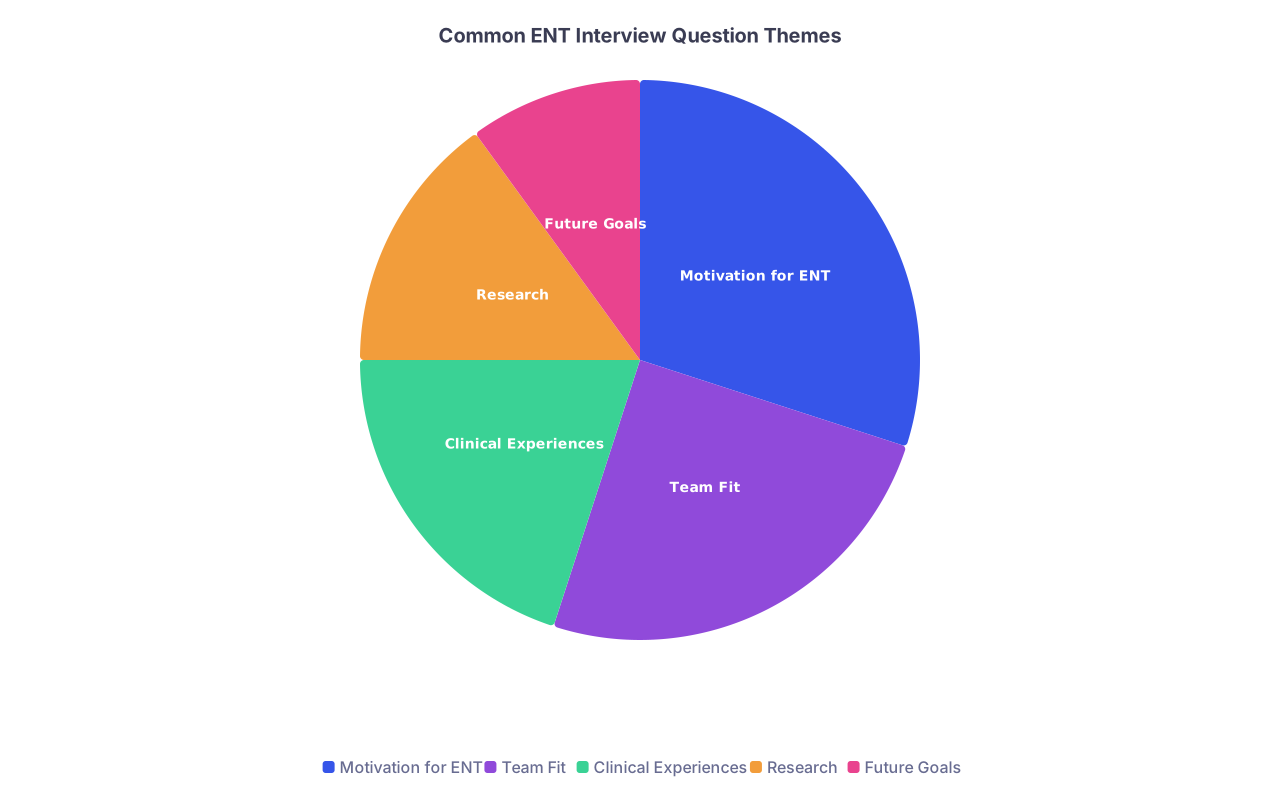
You will absolutely be asked:
“So you switched to ENT fairly late. Tell me about that.”
The worst answers:
- Over-defensiveness (“Well, I liked everything and ENT just made the most sense eventually…”)
- Blame (“My school doesn’t expose us to ENT until late, so it wasn’t my fault.”)
- Vague fluff (“It just felt right.”)
The better approach:
Clear inflection point.
- “On my anesthesia rotation, I kept getting drawn to airway cases and working with the ENT team. I realized the problems they were solving – cancer, airway, hearing, voice – matched what I cared about more than anything else I’d seen.”
Evidence of decisive action once you knew.
- “Once I realized that, I reworked my schedule to get onto ENT at my home program and applied for an away. I met with Dr. X and Dr. Y, joined their project on [specific topic], and started attending tumor board.”
Humility plus conviction.
- “I’m late compared to many of my peers, but the time I’ve spent in ENT has been intense and deliberate. I know what I’m signing up for and I’m committed to building my career in this field.”
You’re not asking them to rewrite your past. You’re asking them to judge your future trajectory.
| Category | Value |
|---|---|
| Motivation for ENT | 30 |
| Team Fit | 25 |
| Clinical Experiences | 20 |
| Research | 15 |
| Future Goals | 10 |
8. Mental Game: Handling the Uncertainty Without Imploding
Late specialty switches are emotionally brutal. You’re watching classmates cruise towards predictable matches while you’re throwing yourself at a narrow, competitive door.
A few rules that keep people from burning out:
Do not compare your ENT CV to people who’ve wanted this since M1. Of course your file is skinnier. That’s not the point. The question is: is there enough here for a reasonable program to see potential?
Get one harsh but invested mentor. Ideally ENT. Someone who’s willing to say, “Apply but plan a research year,” or “You have a real shot if you perform.”
Have an honest Plan B that you’d actually accept. Not some imaginary “I guess I’ll SOAP into anything” fantasy. Decide now what you will and will not take.
Don’t broadcast the drama. You don’t need to convince your whole class that ENT is now your destiny. You need to convince 10–15 ENT faculty that you’re worth betting on.

9. If This Cycle Fails: How to Salvage and Come Back Stronger
Harsh truth: many late-switch ENT applicants don’t match on the first try. That doesn’t mean the story is over.
If you do not match ENT:
- Get specific feedback from people who actually know your specialty:
- Your home PD
- Away rotation attendings who liked you
- Residents you worked with closely
Ask:
- “If I want to reapply to ENT, what are the 2–3 biggest changes you’d need to see?”
Choose your gap year wisely:
- Best: funded ENT research or clinical fellowship-like role in a reputable department where you’re visible.
- OK: general surgery prelim year with explicit support for ENT reapplication and ENT research on the side.
- Risky: random research nowhere near ENT, or a prelim spot with no ENT connections.
Build measurable progress:
- Abstracts, posters, ideally at AAO-HNS or related meetings.
- Manuscripts submitted or accepted.
- Strong updated letters noting growth and persistence.
When I see reapplicants succeed, it’s almost always because they treated the gap year as their full-time job to become “the ENT person” in that department. Not “I kind of did some research and hoped for the best.”

10. Bottom Line: What to Do This Week
If you’re sitting there in MS4, late to ENT, trying to figure out if you’re delusional or just behind, here’s your immediate checklist:
- Get a brutally honest read on your stats and performance from someone non-sugarcoated.
- Lock in as much ENT exposure as your schedule will allow – home rotation, 1 away if possible.
- Get in front of ENT faculty and make it obvious you’re serious, not dabbling.
- Secure at least one, ideally two, ENT letters by actually working hard in front of ENT people.
- Decide your risk tolerance: all-in this year vs. ENT + backup vs. clear plan for a research year.
You’re not too late to ever become an ENT. You might be too late to glide into it effortlessly this year. Those are different problems.
The key is to stop pretending you’re earlier in the process than you are, make fast, adult decisions, and then commit to them like someone the field would actually want as a colleague.
Key points:
- ENT will forgive a late decision, but it will not forgive a weak commitment. Show real ENT time, real mentors, real letters.
- Pick a path (all-in, backup, or research year) that matches your actual profile and risk tolerance, then execute hard.
- If this cycle fails, a focused ENT-heavy year can absolutely turn you from “late switch” into “serious reapplicant” – if you treat it like a full-time job, not a consolation prize.