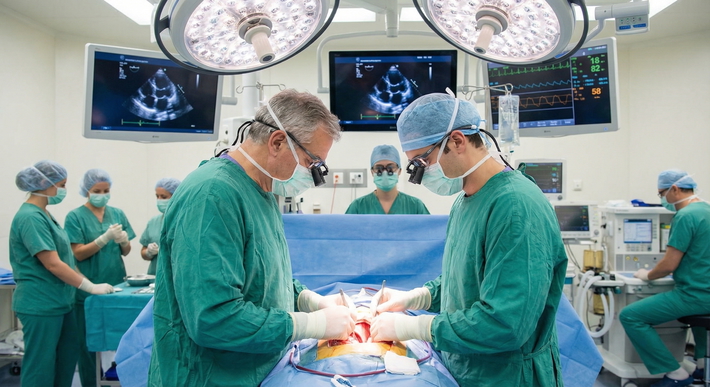
It is 6:30 pm. You are post-call on your Sub-I, and you just scrubbed out of your third cancer case of the day: a Whipple, a laparoscopic colectomy for sigmoid cancer, and a mastectomy with sentinel node biopsy. You are exhausted. But also very, very sure: you want your career to revolve around cancer.
Now the problem: every general surgery program website claims they “offer strong exposure to oncologic surgery.” Which is meaningless. You need to separate marketing fluff from real, reproducible cancer-heavy training.
Let me break this down specifically. There are very reliable signals that a residency is truly oncologic-surgery–oriented, and there are also traps that look “onc heavy” on paper but give residents surprisingly little hands-on cancer experience.
We will walk through:
- Hard structural features that make a program cancer-heavy
- How to read case logs, faculty lists, and rotation schedules properly
- Which fellowships and career paths graduates actually get
- The subtle red flags that tell you, “this is a transplant/trauma/bariatric shop pretending to be onc”
By the end, you should be able to look at a program and say, with a straight face: “This is a cancer residency,” or “Nope, this is a generalist shop with some oncology on the side.”
1. First Principles: What Actually Makes a Program “Oncologic”?
Cancer orientation is not a tagline. It is a combination of four things:
- Case mix
- Institutional mission and infrastructure
- Faculty composition and protected oncology time
- Resident role in cancer care (not just shadowing)
If those do not line up, the program will not produce confident oncologic surgeons, no matter how many “Centers of Excellence” banners are hanging in the lobby.
Core question to ask yourself
If I spent 5 years here and did not match a surg onc fellowship, would I still be comfortable independently managing:
- Complex colorectal cancer with nodal disease
- Gastric and pancreatic malignancies
- Advanced melanoma and soft tissue sarcoma
- Multimodality breast cancer care
- Metastatic disease to liver/lung requiring resection
If you honestly think the answer would be “not really,” that program is not truly oncologic-oriented. It might be “oncology aware.” That is not the same thing.
2. The Big Structural Litmus Test: Is There a Dedicated Cancer Center?
Programs with a real cancer identity almost always have a named, NCI-designated or de facto comprehensive cancer center. Think:
- MD Anderson
- MSK
- Dana-Farber/Brigham
- Moffitt
- Fox Chase
- Roswell Park
- City of Hope
- University-based centers (UW Carbone, UNC Lineberger, etc.)
You are not just looking for the name. You want to know how much gravity that cancer center has inside the institution.
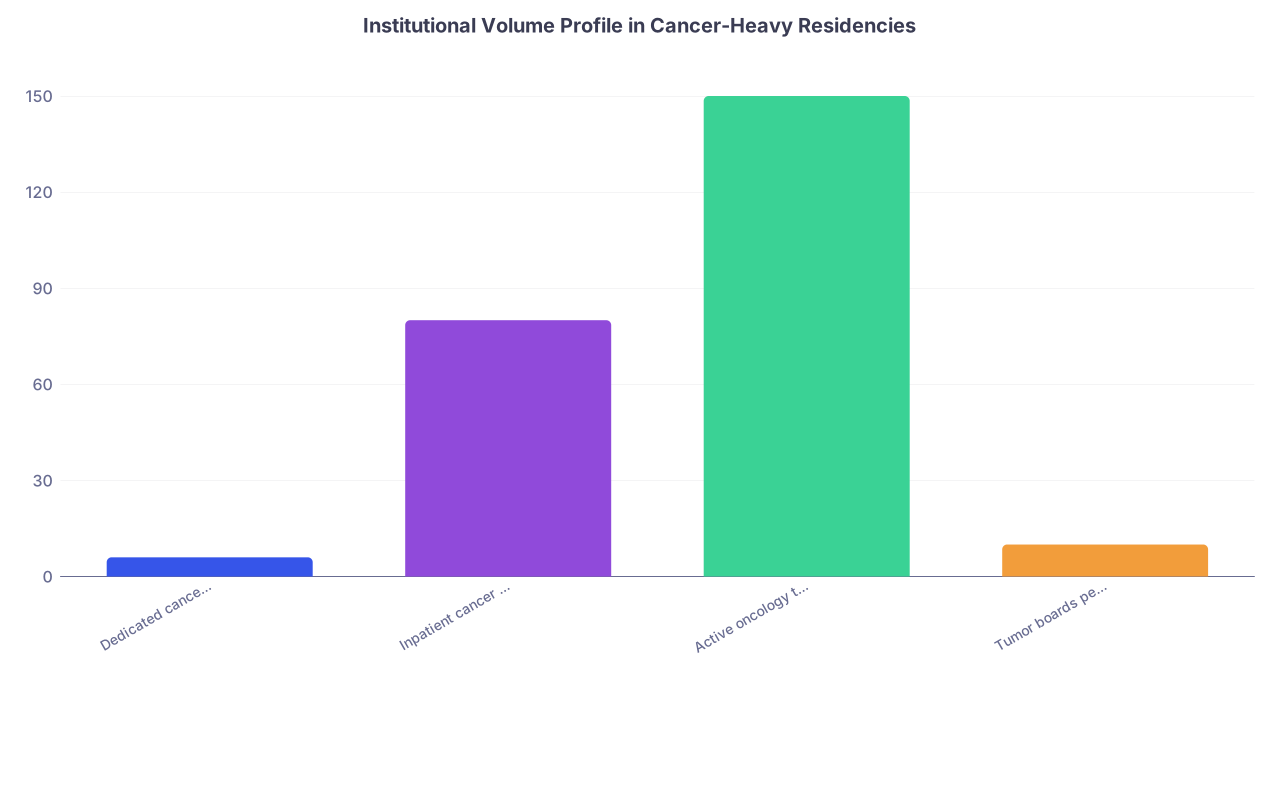
| Category | Value |
|---|---|
| Dedicated cancer ORs | 6 |
| Inpatient cancer beds | 80 |
| Active oncology trials | 150 |
| Tumor boards per week | 10 |
Concrete signs the cancer center actually matters
- Dedicated cancer ORs with block time for surgical oncology, colorectal, HPB, endocrine, breast.
- Inpatient oncology units where surgical oncology patients are cohorted, not scattered.
- Multiple weekly multidisciplinary tumor boards (GI, HPB, Breast, Melanoma/Sarcoma, Thoracic, Gyn Onc).
- The cancer center runs phase I–III trials and has its own research building/clinical trials office.
- Radiation oncology, medical oncology, pathology, and radiology heavily embedded in shared physical space.
If the website buries “cancer” under “Other services” or you cannot find a clear oncology structure, that is not your program.
3. Faculty Composition: Follow the Surgeons, Not the Slogans
Do not start with resident testimonials. Start with the faculty list.
You want to see critical mass of disease-focused surgeons, not just one “general surgeon with an interest in cancer.”
Look for:
- Surgical oncology (often labeled Complex General Surgical Oncology)
- HPB (hepato-pancreato-biliary) surgery
- Colorectal surgery
- Breast surgery
- Endocrine surgery
- Thoracic surgery with lung and esophageal emphasis
- Melanoma/sarcoma specialists (often under cutaneous oncology or musculoskeletal oncology)
| Feature | Weak Signal | Strong Signal |
|---|---|---|
| Surg Onc Faculty | 1 generalist doing onc | 3+ fellowship-trained CGSO |
| HPB | General surgeons doing Whipples | Dedicated HPB section with named chief |
| Breast | One “breast interested” surgeon | Full breast program with 2–4 surgeons |
| Tumor Boards | Monthly all-cancer board | Multiple disease-specific weekly boards |
Red flag patterns I have seen
- One CGSO-trained surgeon who also covers call as a generalist on half the weekends.
- “Breast and endocrine clinic” run by whoever has free time that day.
- HPB “service” where most pancreatic cases are actually done by transplant or upper GI generalists.
You want depth and segmentation of oncologic practice. Each major cancer site should have one or more surgeons whose entire identity is that disease group.
4. Case Volume and Mix: How to Read Between the Lines
Everybody advertises “high volume.” That can mean 1,200 lap choles per year and almost no gastric cancer.
You care about cancer-specific case mix. When you see ACGME case logs or program brochures, look for granular breakdowns:
- Colectomy for cancer vs benign diverticulitis/IBD
- Pancreatic resection (Whipple, distal pancreatectomy) counts
- Gastrectomy for cancer
- Hepatic resections for metastases or HCC
- Breast cancer operations (lumpectomy, mastectomy, SLNB, ALND, oncoplastic)
- Thyroid/parathyroid for malignancy
- Retroperitoneal sarcoma resections
- Metastasectomy (lung/liver) for colorectal or sarcoma
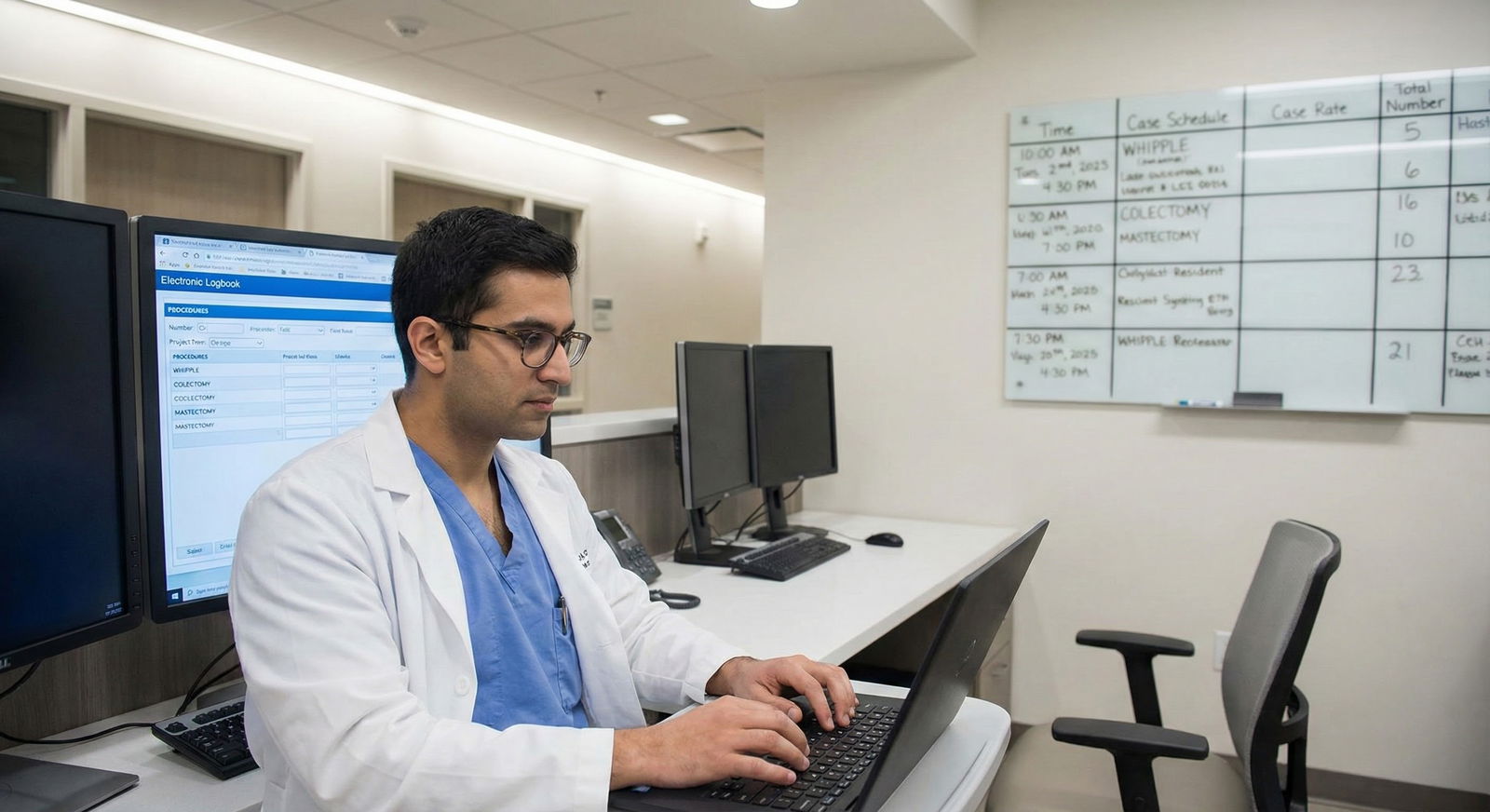
If a program does not publish meaningful case mix detail, you ask on interview day. Precisely. For example:
- “What is the average number of Whipples a chief finishes with?”
- “How many colectomies specifically for cancer do your residents typically log?”
- “Do residents perform independent breast cancer cases as chiefs or mainly assist?”
Cancer-heavy programs can answer these immediately and with pride. Generalist programs hand-wave.
5. Rotations: Resident Exposure Versus Shadowing
A program can have world-class oncologic surgeons and still train residents poorly in cancer if the rotations are structured badly.
You want to see:
- Dedicated Surgical Oncology service(s) where residents run the list, see consults, and are first call.
- HPB, Colorectal, Breast, Endocrine, and Thoracic rotations that are not swallowed by general surgery coverage.
- Oncology consults that go first to surgery, not automatically to medicine or hospitalists.
Watch for how early you touch oncology.
If the rotation schedule looks like:
- PGY1: ED, floors, night float, vascular, trauma
- PGY2: ICU, trauma, vascular, community general
- PGY3: Community general, endoscopy, trauma again
- PGY4: HPB/Colorectal (first major onc rotation)
- PGY5: Chief on “General” where half the cases are hernias and gallbladders
That is not an onc heavy residency. That is “onc exposure” bolted on top of a standard general surgery structure.

| Step | Description |
|---|---|
| Step 1 | PGY1 |
| Step 2 | PGY2 |
| Step 3 | PGY3 |
| Step 4 | PGY4 |
| Step 5 | PGY5 |
| Step 6 | Mostly ED/Floors |
| Step 7 | ICU/Trauma |
| Step 8 | Community Gen |
| Step 9 | HPB 1 block |
| Step 10 | Chief - Mixed |
| Step 11 | Onc Consults exposure |
| Step 12 | Dedicated Breast block |
| Step 13 | Surg Onc/HPB rotation |
| Step 14 | Advanced HPB/Colorectal |
| Step 15 | Chief - Disease focused |
In the truly cancer-oriented places, you will see:
- PGY2 or PGY3 residents leading a surgical oncology team.
- PGY3 residents doing meaningful parts of Whipples, complex colectomies, mastectomies, and retroperitoneal resections.
- “Oncology” services that are not combined with acute care/trauma on the same pager.
Ask specifically: “At what PGY level do residents first rotate on dedicated surgical oncology, and what is their role?” If you hear “observer,” “assistant,” or “clinic heavy” early on, be careful.
6. Tumor Boards and Multidisciplinary Culture
This is the part everybody underestimates. You are not just a technician removing tumors. You are part of multimodality care.
Programs that actually produce strong oncologic surgeons have residents deeply embedded in tumor boards and cancer conferences.
You want:
- Mandatory resident attendance at disease-specific tumor boards when on that service.
- Residents presenting cases themselves, not just sitting in the back on their phones.
- Pre-op plans routinely coming out of tumor board discussions.
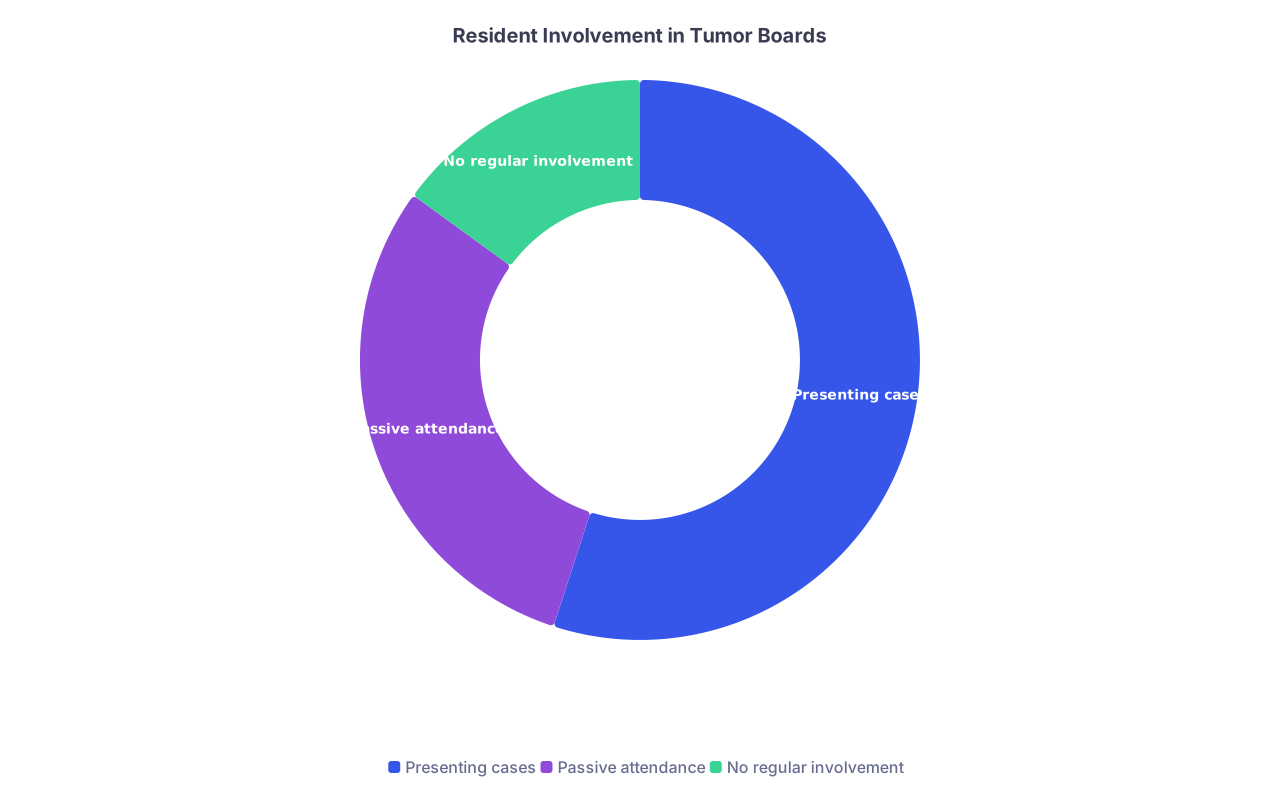
| Category | Value |
|---|---|
| Presenting cases | 55 |
| Passive attendance | 30 |
| No regular involvement | 15 |
If you ask, “Do residents present cases at GI tumor board?” and they look surprised, that is not an oncologic culture. That is a “send scans and hope for a note” culture.
Multidisciplinary norms you want to see in conversation with residents:
- “We never take rectal cancer to the OR without tumor board review.”
- “All sarcomas go through sarcoma board before we plan resection.”
- “Our breast attendings refuse to see new cancers that have not had appropriate imaging and pathology conference.”
That level of rigidity usually means the cancer center is mature and residents absorb proper oncologic thinking by osmosis.
7. Research and Fellowships: Does the Program Actually Produce Surgical Oncologists?
Do not just look for any research. Look for cancer-focused research integrated into resident training.
Strong signals:
- T32 or similar NIH-funded oncology research programs specifically for surgery residents.
- Dedicated research years heavily populated by residents doing cancer work (HPB, immunotherapy, outcomes, disparities, trial design).
- Residents presenting at SSO, ASCO, HPB-specific meetings, or disease-specific meetings (SSAT, ASCRS with cancer abstracts).
| Metric | Weak Program | Cancer-Heavy Program |
|---|---|---|
| CGSO / HPB fellows in last 5 years | 0–1 | 4–8 |
| Breast fellows | Occasional | Regularly, every 1–2 years |
| Resident oncology publications | Few case reports | Multiple first-author oncology papers |
| Conferences | Mostly ACS | ACS + SSO/ASCO/ASCRS etc. |
Ask residents straight:
- “How many graduates in the past 5 years went into CGSO, HPB, colorectal (cancer-focused), breast, or thoracic?”
- “How many residents did cancer research during their dedicated research time?”
- “Do you have formal mentorship for surgical oncology fellowship applications?”
If the answer is “we are a strong general training program; people can do anything from here,” that is nice. It is also code for: we are not a feeder for high-level oncologic fellowships.
8. Comparing Program Archetypes: Cancer-Heavy vs Everything-Else-Heavy
Let me spell out the caricatures. You will see these patterns repeatedly.
| Archetype | Typical Focus | Oncologic Strength |
|---|---|---|
| NCI Cancer Center–Anchored | CGSO, HPB, Breast, Colorectal | Very high |
| County / Trauma Powerhouse | Trauma, ACS, critical care | Variable to low |
| Transplant / HPB Anchor | Liver, pancreas, transplant | High for HPB only |
| Bariatric / MIS Heavy | Bariatric, reflux, hernia | Often low for complex cancer |
| Community General Shop | Bread-and-butter general | Low; scattered oncology |
1. NCI Cancer Center–anchored university program
- Pros: Massive cancer volume, multidisciplinary structure, resident exposure to all disease sites, strong fellowships.
- Cons: Competition with fellows for cases; can be research-heavy; some residents feel “hyper-specialized” and underexposed to basic bread-and-butter general surgery if they are not careful.
2. Trauma/ACS powerhouses with “oncology on the side”
You know the names. Strong trauma, big ER census, SICU culture dominates.
- Pros: You become very technically capable, fast, and comfortable with critically ill patients.
- Cons: Cancer cases often get squeezed around trauma: fewer complex HPB, more emergent surgeries for perforated cancers or obstruction than planned multidisciplinary cancer resections.
If every resident you meet is pumped about trauma call but shrugs when you ask about sarcoma or HPB, that is not a cancer residency.
3. Transplant-dominated HPB environments
Some academic centers have huge transplant volumes and “do onc” when it comes their way.
- Pros: You may get comfortable around complex liver and pancreas surgery.
- Cons: Cases often driven more by transplant indications than oncologic principles. Sarcoma, melanoma, gastric, rectal, and breast may be weak.
4. Bariatric/MIS-heavy environments stretching to claim “onc”
They will say: “We do a lot of foregut; that includes cancer.”
What that usually means:
- Tons of sleeve gastrectomies, gastric bypasses, hiatal hernias.
- Occasional gastric cancers, but often referred elsewhere.
- Little to no sarcoma, melanoma, complex colorectal cancer.
You will come out an excellent minimally invasive general surgeon. Not automatically an oncologist.
9. How to Interrogate Programs Strategically (Without Being Annoying)
On interview day and away rotations, you get a few chances to ask pointed questions. Use them wisely.
For program leadership (PD, Chair):
- “What are your program’s strengths in cancer surgery compared to regional peers?”
- “How do you see the balance of oncologic surgery versus trauma/ACS evolving here?”
- “Where have your recent graduates matched for surg onc, HPB, breast, and colorectal fellowships?”
For residents:
- “Who are the true onc mentors here? Do they know the residents well?”
- “On your surg onc rotation, who actually runs the list and sees consults first?”
- “Did you feel prepared for multidisciplinary care, presenting at tumor board, and planning neoadjuvant/adjuvant strategies?”
For fellows (if present):
- “Do you feel you take cases away from residents or enhance their experience?”
- “How many complex cases are there? Enough for you and for the chiefs to both get good numbers?”
Pay more attention to hesitation and inconsistencies than to the exact words. If three residents give totally different answers about who runs the onc service, that usually means chaos or lack of clarity.
10. Reading Between the Lines on Websites and Marketing
A few translation tips:
“Broad-based general surgery with exposure to all subspecialties”
→ You will get some oncology, but it is not the brand of the program.“Our graduates are prepared for community practice or fellowship training”
→ They do not send a large fraction into competitive onc fellowships regularly.“Strong relationship with our medical oncology colleagues”
→ Could mean anything from shared tumor board to literally sharing a hallway. Ask.“Our residents complete an average of 1,200 cases with strong laparoscopic experience”
→ With no breakdown, assume a lot of choles, appendectomies, and hernias.
If the website emphasizes trauma, transplant, MIS, and critical care on every page, and cancer is mentioned in a single bullet point under “Other clinical experiences,” that tells you what the institution actually values.
11. Practical Strategy: Matching Yourself to the Right Level of Cancer Intensity
Not everyone needs an MSK/MD Anderson-level firehose of oncology. You need to be honest about your own goals.
Ask yourself:
- Do I already know I want CGSO/HPB?
- If yes, prioritize NCI cancer center–anchored residencies with a strong track record of sending residents to those fellowships.
- Am I leaning toward breast, colorectal, or endocrine with strong oncology but not necessarily CGSO?
- You can consider programs with robust disease-focused sections, even if they are not pure “cancer factories.”
- Am I open to being a community general surgeon with a heavy cancer practice?
- You want a solid middle ground: enough exposure to major cancer cases, but also strong bread-and-butter and acute care.

Be realistic: the more niche and complex the cancer work (HPB, sarcoma, peritoneal surface malignancy), the more you benefit from a place where those cases are routine, not rare “big cases of the month.”
12. Quick Spot-Check Framework
When you only have 5 minutes to evaluate a program’s cancer orientation, run through this checklist fast:
- Is there a clearly named cancer center with its own identity?
- Can I easily find at least 3–5 fellowship-trained surgical onc/HPB/breast/colorectal faculty whose main clinic pages scream “cancer”?
- Are tumor boards and multidisciplinary conferences clearly described, or basically invisible?
- Do they publish case mix or real fellowship outcomes (especially CGSO, HPB, breast, colorectal, thoracic)?
- Does the rotation schedule include dedicated surg onc/HPB/breast blocks by PGY2–3?
If you cannot check at least three of those boxes, that program is not truly “oncologic-surgery–oriented.” It may still be an excellent general surgery residency. It just is not what you are looking for.
FAQs
1. Do I need to train at a major NCI-designated cancer center to become a surgical oncologist?
No. But it undeniably helps, especially for competitive CGSO fellowships. What matters more than the label is the actual volume, faculty depth, and research environment. Some non–NCI-designated academic centers have superb onc exposure and send multiple graduates to top fellowships. Your job is to verify that they really function like a cancer center (disease-specific services, tumor boards, research output), not just call themselves one.
2. How much should I worry about fellows “taking my cases” on onc-heavy services?
Less than most students do, as long as the volume is high. In strong cancer programs, there are simply more complex cases than either the fellow or chiefs can possibly do alone. The ideal setup: fellows focus on the most advanced cases and cancer-specific nuances, while residents gain progressive responsibility on both complex and intermediate operations with close supervision. If chiefs tell you they finish with robust logs in HPB, colorectal, and breast despite fellows, that is far more meaningful than a program without fellows but with anemic case volume.
3. I like cancer but also trauma and critical care. Am I forced to choose one type of program?
Not entirely, but you cannot maximize everything at once. The real-world pattern: programs that are elite in trauma/ACS/ICU culture tend to be less dominant in surgical oncology, and vice versa. If you want both, look for large university systems with multiple hospitals: a county or level I trauma center plus a freestanding cancer center. You can then stack electives and research toward oncology, while still getting high-end trauma from the county side. Just accept you will not be in the absolute top percentile of exposure in both domains simultaneously.
4. What if my home program is weak in oncology—can I “fix” that with away rotations?
You can partially compensate. Doing one or two strong oncologic away rotations (especially at programs with CGSO fellowships) helps clinically, builds letters, and gives you mentorship. But away rotations do not replace 5 years of sustained exposure. If your home program is very trauma/community-heavy and you are serious about a cancer-heavy career, you should strongly consider training at a residency where cancer is part of the institutional DNA, not something you bolt on with occasional electives.
Key points to walk away with:
- Ignore the buzzwords. Judge programs by cancer-specific case volume, faculty depth, and real fellowship outcomes.
- True oncologic-surgery–oriented residencies embed residents deeply in disease-focused services, tumor boards, and oncology research from early PGY years.
- If you want your career built around cancer, choose a program where cancer is not a side gig. It is the main event.