

The worst way to run dual away rotations as a couple is to “figure it out as we go.” That’s how people blow up their rank lists and their relationship at the same time.
You need a calendar-first strategy. Month-by-month, then week-by-week, then day-by-day. If you do that, you can survive dual aways without losing your mind—or each other.
This guide is for couples in the residency match phase, specifically those doing two aways at once (same city, nearby cities, or truly long-distance). I’ll walk you straight through the timeline.
4–6 Months Before Away Rotations: Big-Picture Calendar Decisions
At this point you should not be “researching vibes.” You should be on spreadsheets.
Step 1: Map the Hard Dates
Open a blank monthly calendar (Google Calendar + a physical wall calendar works best) and block:
- School-required rotation windows
- Exam dates (Step 2, shelf exams, OSCEs)
- Graduation/degree requirement deadlines
- NRMP deadlines and ERAS dates
Now add potential away blocks for each of you:
- Typical away blocks are 4 weeks, but some are 3 or 6
- Many programs are rigid about start/end dates
- Some schools only approve away time in certain months (ask your dean early)
You should end this step with:
- 3–4 possible months for each of you to be away
- A clear “do not touch” list of dates where neither of you can be off home campus
Step 2: Align Rotation Windows as a Couple
Now you’re thinking like a team.
Your goals:
- Maximize overlapping aways in the same city or same region
- Avoid putting both of you on away rotations in your top-choice city at different times (programs remember couples)
- Make sure at least one of you is relatively “free” during ERAS crunch weeks
Typical strong patterns:
- Both do away #1 in July/August (same city if possible)
- Both do away #2 in September (same city or close drive)
- Leave October more flexible for interviews or a home rotation
At this point you should:
- Choose exact months for:
- Partner A away #1 and #2
- Partner B away #1 and #2
- Label every month with who is where, in bold, on your calendar
If you cannot align months, decide what’s more important:
- Same city at different times
- Different cities at the same time
Pick one priority. Do not try to maximize everything; that’s how you end up in three time zones with no interview prep time.
Step 3: Program-Level Targeting Together
Now that months are fixed, you choose programs. Together.
Make a 2-column table for each away month.
| Month | Partner | Priority 1 | Priority 2 | Backup |
|---|---|---|---|---|
| July | A | Program X | Program Y | Program Z |
| July | B | Program X | Program W | Program V |
| Aug | A | Program M | Program N | Program O |
| Aug | B | Program M | Program P | Program Q |
Aim for:
- 1–2 overlapping away programs where both of you would seriously consider matching
- 1–2 solo away programs for each of you in case your lists differ
At this point you should:
- Have a ranked list of 5–8 away programs per person, per month
- Clearly mark potential “couples programs” where both of you might rotate and later rank highly
3–4 Months Before: Applications and Logistics
Now the calendar becomes tactical.
Step 4: Backward Plan from Start Dates
Let’s say one of you starts Away #1 on July 1.
Count backward:
- 8–10 weeks before start: VSLO/VSAS applications due
- 6 weeks before: housing + travel booked
- 3–4 weeks before: institutional paperwork finalized
- 1 week before: schedule sync and day-to-day rules agreed on
Do this for each away block.
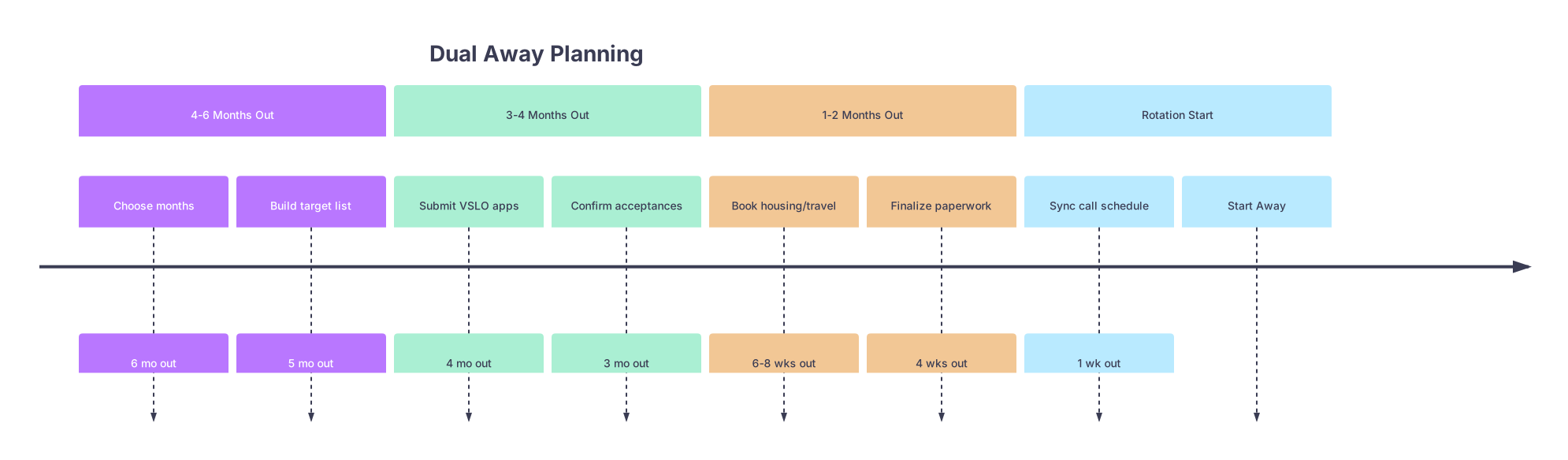
| Period | Event |
|---|---|
| 4-6 Months Out - Choose months | 6 mo out |
| 4-6 Months Out - Build target list | 5 mo out |
| 3-4 Months Out - Submit VSLO apps | 4 mo out |
| 3-4 Months Out - Confirm acceptances | 3 mo out |
| 1-2 Months Out - Book housing/travel | 6-8 wks out |
| 1-2 Months Out - Finalize paperwork | 4 wks out |
| Rotation Start - Sync call schedule | 1 wk out |
| Rotation Start - Start Away #1 | 0 |
You should now put these backward dates directly onto your shared calendar.
Step 5: Housing & Location Strategy as a Couple
If you’re in the same city:
- Prioritize:
- Walking distance for whoever has the earlier start time
- Public transit access if parking is a war zone
- Separate desks or work zones (you’ll both be reading, prepping, documenting)
If you’re in nearby cities (commutable on weekends):
- Book:
- Primary housing near each rotation
- A reliable transport pattern (train, car, bus) for weekend meetups
- Block on calendar:
- Which weekends you’ll see each other
- Which weekends are off-limits (call, 24-hr shifts, shelf exam)
If you’re truly long-distance:
- Forget spontaneous. You need structure.
- Plan:
- Exact visit weekends
- Who is traveling which weekend
- Which weekends you’re both staying put to sleep and reset
At this point you should:
- Have housing addresses decided or reserved
- Have at least the first two visit weekends penciled in, with travel times
4–6 Weeks Before: Week-by-Week Structure
Now you zoom in to weekly rhythm. This is where couples either stay connected or drift.
Step 6: Define Weekly Communication Rules
You’re both on someone else’s schedule. If you “talk when we can,” you won’t.
Decide now:
Non-negotiable touchpoints:
- 10–15 minute check-in every evening or at least 5 nights/week
- 1 longer call or video chat (30–60 minutes) on a day off
Signal system:
- “Red days” (on call, 28-hr shifts, pre-rounding at 4am): no expectations for long conversation
- “Yellow days” (post-call, heavy clinic): short check-ins only
- “Green days” (true day off): most flexible
Put these in the calendar with color codes.
Step 7: Protect ERAS & Interview Prep Time
The trap during aways: you impress attendings and forget you also have to build an application.
Look at the weeks that overlap with:
- ERAS opening
- Personal statement finalization
- LOR requests
- Program list building
Then assign:
- Partner A: “owns” the first 2 weeks of heavy ERAS work
- Partner B: “owns” the next 2 weeks
- Each of you gets at least:
- 2 focused blocks per week (2–3 hours each) that the other partner respects
At this point you should:
- Know which evenings are sacred for application work
- Have those times blocked as “No social, no calls, no extra notes” windows
During the Rotation: Day-by-Day Tactics
Now you’re in it. Two services, two teams, one relationship. This is where daily structure saves you.
Step 8: Establish a Daily Micro-Routine
Night before Day 1, map it out:
- Wake time
- Commute time
- Best 5–10 minute window for a quick “good morning” text or voice note
- Likely sign-out or end-of-day time
- Realistic call/text window at night
A simple structure:
- Morning:
- 30-second check-in (text or 1-voice-note each) before rounds
- Midday:
- “I’m alive” message during lunch if you get one
- Evening:
- 10–15 minute live check-in, scheduled like an appointment
- If one of you is on call/post-call, you downgrade it to text/voice only
Do not promise hour-long daily FaceTimes. That’s fantasy on a busy sub-I.
Step 9: Daily Expectations About Work & Performance
Both of you are trying to impress.
Daily priorities:
- Show up early, stay engaged, do the work
- Keep a running list of patient details and teaching points
- Spend 10–20 minutes at the end of each day:
- Jotting down patient stories for future interview answers
- Tracking names of attendings/fellows for letters
And as a couple:
- Don’t compete. If one of you gets more procedures, more praise, more independence—that’s not a referendum on the relationship.
- On hard days, the other person’s job is not to “fix it.” It’s to witness it. Listen, reflect, and then ask, “Do you want advice or just a rant outlet?”
At this point you should:
- Be in a daily rhythm that feels predictable, even if workloads are heavy
- Have a clear understanding of how each of you is being evaluated (ask your residents/attendings early in the block)
Managing Overlap vs Distance: Three Common Scenarios
Let’s break it down by situation, because the calendar challenges change.
Scenario 1: Same Program, Same Rotation Block
This one seems romantic. It can also get weird if you do it wrong.
Calendar strategy:
Decide before the month:
- Do you present on rounds one after the other or spaced out?
- Do you scrub the same cases or intentionally split?
- Do you debrief at night or keep work talk minimal?
Weekly:
- One “no shop talk” evening per week. Otherwise, the rotation becomes your entire identity as a couple.
- One intentional review session: quiz each other on topics, practice presentations.
Guardrails:
- Do not compare evals in real time. You’ll find out later.
- Do not both cling to the same star resident/attending—spread your network.
Scenario 2: Same City, Different Hospitals
This is the most common and honestly the healthiest scenario.
Calendar strategy:
Commute mapping:
- Who leaves earlier? That person maybe gets coffee duty; the other gets evening food duty.
- Pre-decide what nights you’re cooking vs ordering in vs fending for yourselves.
Weekly:
- Alternate “story nights”:
- Monday: Partner A tells the long-form rotation stories
- Tuesday: Partner B
- Other nights: quick highlights only
- Alternate “story nights”:
Weekend:
- Protect at least half a day as no-medicine time: museum, walk, Netflix + takeout—something mindless and not on the wards.
Scenario 3: Different Cities, Truly Long-Distance
Here the calendar is everything.
Visit schedule:
- Pre-book trains/flights for at least the first 2–3 weekends you’re both off
- Mark them as “non-negotiable unless you get a life-changing opportunity”
Time zones:
- If you’re more than 1–2 hours apart, define your overlap window:
- For example: 9–11 pm Eastern is your shared daily window
- Outside that, no live call expectations
- If you’re more than 1–2 hours apart, define your overlap window:
Emotional pacing:
- First 5–7 days apart feel the worst. Normalize it. Don’t read too much into those days.
- End of rotation weeks are also rough—everyone’s exhausted and stressed about evals. Plan lighter calls then.
At this point you should:
- Have a consistent pattern that doesn’t require daily renegotiation
- Know when you’ll physically see each other next, always
When Things Go Sideways: Contingency Calendars
Something will blow up. A call schedule, a housing issue, a sudden illness, a program switch. You need pre-decided rules.
Step 10: Build a Contingency Framework
Agree in advance:
- If one of us:
- Has to switch to nights unexpectedly
- Loses a weekend off due to call reshuffle
- Needs protected time for an emergency personal issue
Then the other will:
- Shift visit weekends where possible
- Take on more logistical burden (travel, planning, housing calls) for that period
- Lower expectations for communication temporarily
You don’t need a giant plan. You need a simple hierarchy:
- Health (physical + mental)
- Clinical performance
- Application/interview work
- Relationship logistics (visits, calls, extras)
The relationship isn’t last, but it supports the top three by being structured, not chaotic.
Bridging Aways into Couples Match Strategy
Aways aren’t just independent experiences; they’re data for your couples match plan.
Step 11: Capture Program Impressions Systematically
During each away, both of you should keep a simple note:
- “Would I come here?” (Y/N/M)
- “Would I come here if my partner matched in this city?” (Y/N/M)
- Notes on:
- Culture
- Schedule reality vs what’s advertised
- How couples were talked about (if at all)
- Proximity to the other partner’s preferred programs
Do not rely on memory. By rank list time, everything blurs.
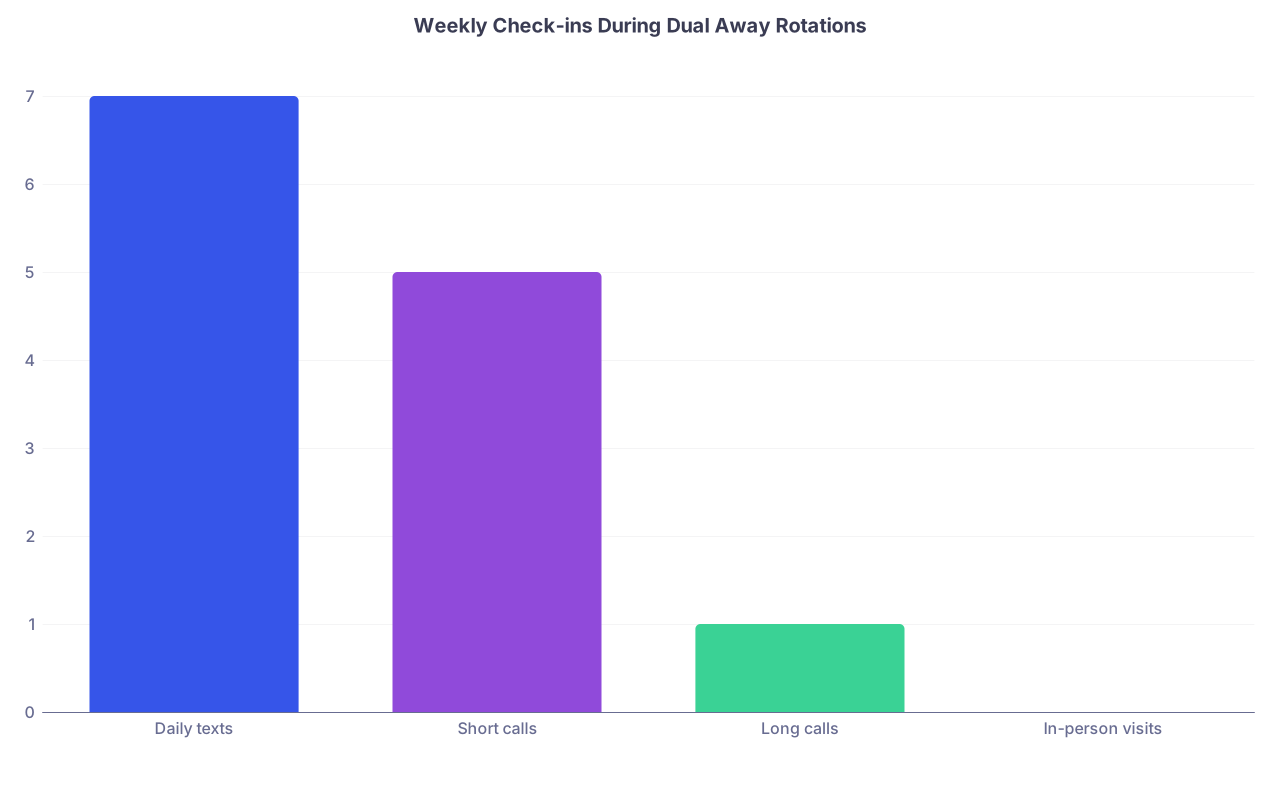
| Category | Value |
|---|---|
| Daily texts | 7 |
| Short calls | 5 |
| Long calls | 1 |
| In-person visits | 0 |
Step 12: Integrate Aways Into Your Rank List Calendar
As interviews start and you move toward ranking:
- Schedule 2–3 evenings over a month to:
- Review all away experiences together
- Compare:
- Training quality
- City livability
- Geography for a couples strategy map
Rough process:
- Make a map of all cities where either of you interviewed
- Highlight:
- Cities where at least one of you did an away
- Cities where both did an away (gold zones)
- Build cluster-based rank groups:
- “If A is in City 1, B is willing to be in City 1/2/3…”
- Repeat for each major cluster
At this point you should:
- Have a clear sense of which aways translate into high, middle, or low rank list positions
- See where your couples match clusters naturally form
A Sample Dual Away Calendar: Putting It All Together
Let me give you a concrete example of how this might look for a couple aiming at IM and EM.
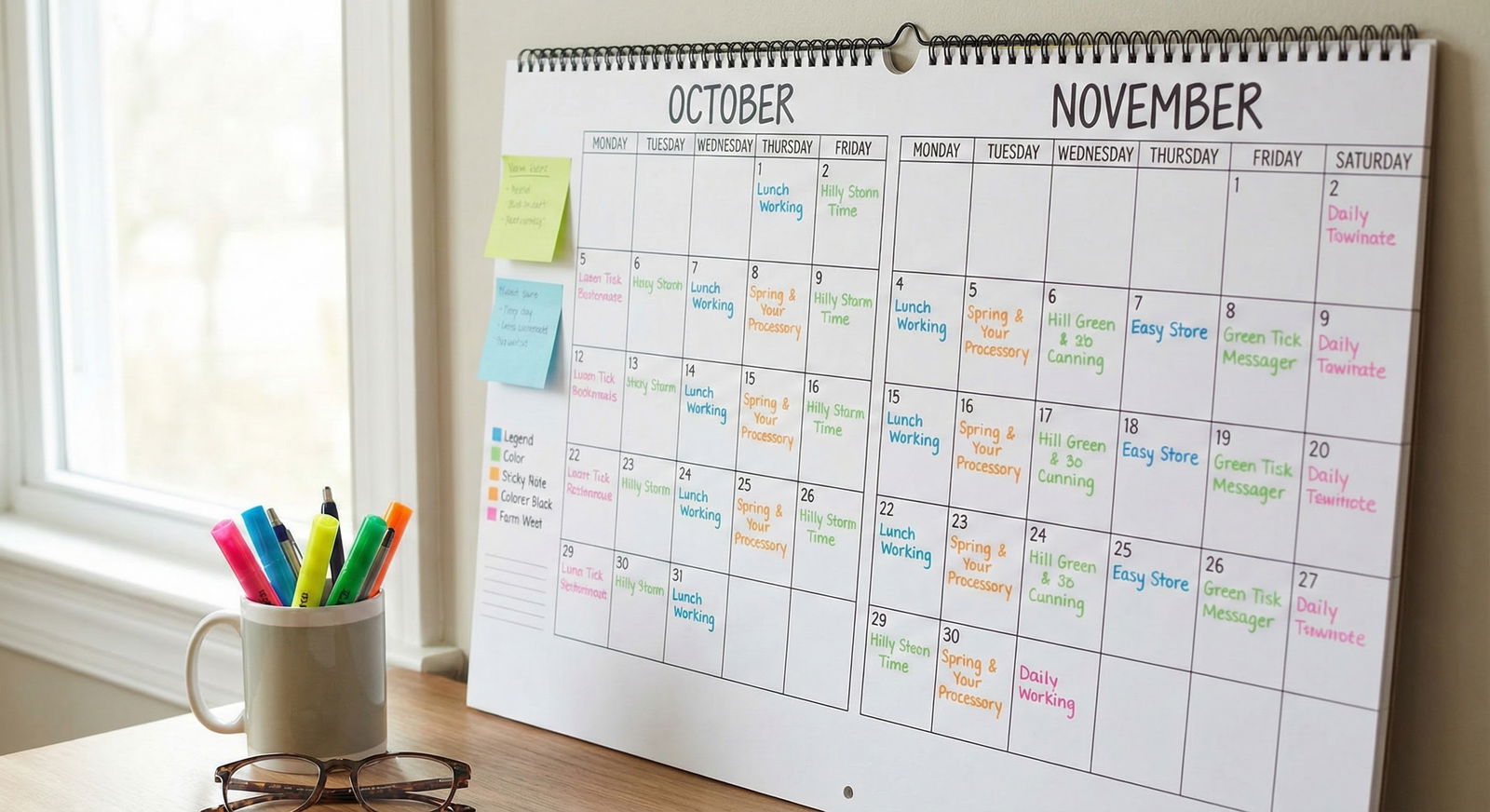
Month-by-Month Overview
July
- Partner A: IM away at City X
- Partner B: EM away at City X
- Same housing, synced daily check-in at 9:30 pm
August
- Partner A: Home sub-I
- Partner B: EM away at City Y
- Long-distance; scheduled calls Sun/Wed/Fri, one visit in mid-August
September
- Partner A: IM away at City Y
- Partner B: Home EM elective + ERAS submissions
- One weekend Partner B travels to City Y; heavy ERAS time for both
October
- Both: Home rotations, first wave of interviews start
- Weekly “rank talk” Sunday evenings
Weekly Skeleton (During July, joint away)
Monday–Friday:
- 5:30–6:00 am: Quick coffee and logistical check-in
- 7:00 am–5:30 pm: Rotations (no expectation of mid-day texts)
- 9:00–9:20 pm: Daily debrief and tomorrow’s plan
Saturday:
- Morning: Errands, laundry
- Afternoon: 2–3 hours ERAS/personal statement time
- Evening: No medicine talk date night
Sunday:
- Morning: Study/reading
- Afternoon: Program impression notes + light couples match strategy talk every other week
Daily, this looks boring. Which is exactly the point. Predictable beats dramatic when you’re both exhausted.
Final Thoughts
Keep three things in your head:
- Calendar first, feelings second. If you don’t structure the months, the weeks, and the days, the relationship ends up squeezed into whatever scraps are left.
- Decide rules before you’re tired. Communication patterns, visit schedules, ERAS blocks—lock them in while you still have a clear head.
- Use aways as data, not destiny. They inform your couples match map, but they don’t have to dictate it. What matters is how all the pieces fit together for both of you, across cities and programs, not just who loved which month the most.


