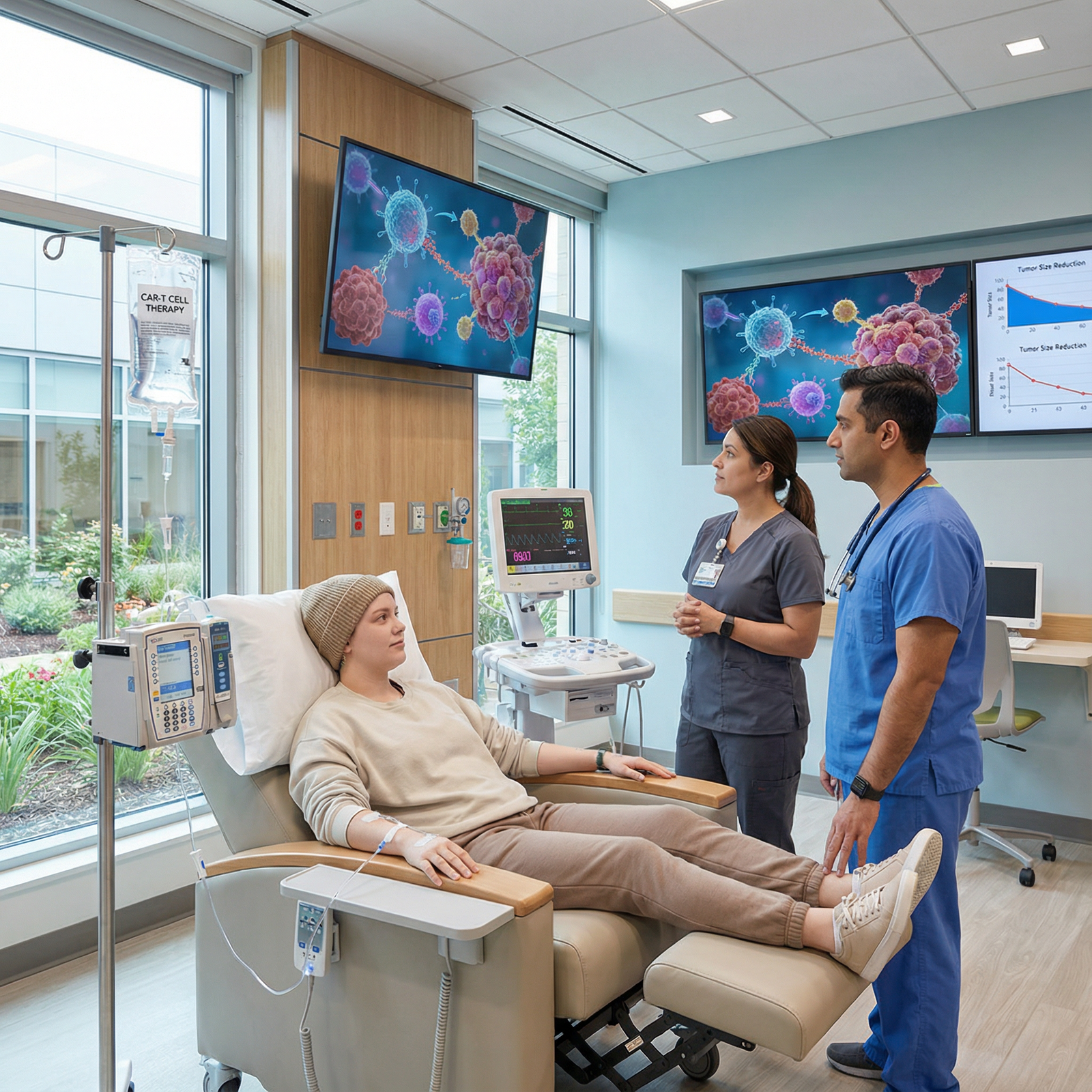
Most residents are using radiomics-driven tools already—without understanding what they are trusting. That is dangerous.
Let me break this down specifically. Radiomics is no longer a “research toy” sitting in some PhD’s MATLAB script. It is quietly moving into your PACS, your tumor boards, your reports, and your patients’ expectations. If you are a resident in radiology, oncology, radiation oncology, or even pathology, you either learn the basics now or you will be the person blindly signing off on black-box outputs you cannot defend.
This is not about becoming a data scientist. It is about knowing enough to ask the right questions, smell bad science, and protect patients from hype dressed up as heatmaps.
1. What Radiomics Actually Is (And What It Is Not)
Radiomics is not “AI reading scans.” That lazy definition gets thrown around on rounds all the time and it is wrong.
Radiomics = systematic extraction of large numbers of quantitative features from medical images, followed by modeling those features to predict something clinically relevant.
Think of four core pieces:
- Standardized image acquisition and preprocessing
- Tumor/region segmentation
- Feature extraction (hundreds to thousands of numbers per lesion)
- Modeling (statistical or machine learning) to link features with outcomes
The feature types you will keep seeing
You do not need to memorize every feature, but you must know the main families. Otherwise, when a paper says “texture features predicted PFS,” you have no idea what they are talking about.
First-order (intensity-based):
Histogram of voxel values inside the lesion.
Examples: mean, median, skewness, kurtosis, entropy, energy.Shape features:
Describe 3D geometry of the lesion.
Examples: volume, surface area, compactness, sphericity, elongation, irregularity.Texture features (second- and higher-order):
These look at spatial relationships of voxel intensities.
Common groups:- GLCM (Gray-Level Co-occurrence Matrix): contrast, correlation, homogeneity, entropy.
- GLRLM (Gray-Level Run Length Matrix): short-run emphasis, long-run emphasis.
- GLSZM (Gray-Level Size Zone Matrix).
- NGTDM (Neighborhood Gray-Tone Difference Matrix).
Filter- or transform-based features:
Apply filters then re-extract features.
Examples: wavelet-transformed textures, Laplacian of Gaussian–filtered textures, Gabor filters.
What radiomics is not:
- It is not one magic “radiomic score” that you can universalize across scanners, centers, and protocols.
- It is not inherently “AI.” Many robust radiomics models are simple logistic regression or Cox models.
- It is not immune to overfitting, bias, or confounding—if anything, it is more exposed to them.
If you remember one line: radiomics converts images into high-dimensional data; the danger lies in what people do with that data.
2. How Radiomics Is Built—Step by Step (Clinical Translation Version)
You do not need to code a pipeline, but you must understand the moving parts well enough to spot weak points in a study or a commercial tool.

| Step | Description |
|---|---|
| Step 1 | Image Acquisition |
| Step 2 | Preprocessing |
| Step 3 | Segmentation |
| Step 4 | Feature Extraction |
| Step 5 | Feature Selection |
| Step 6 | Model Training |
| Step 7 | Validation and Testing |
| Step 8 | Clinical Integration |
1. Image acquisition and preprocessing
Choice of modality and sequence/protocol matters:
- CT: contrast phase, slice thickness, reconstruction kernel, tube current.
- MRI: field strength, sequence, echo time, repetition time, coil, motion.
- PET: scanner, reconstruction algorithm, uptake time, SUV normalization.
Preprocessing steps often include:
- Resampling to uniform voxel size
- Intensity normalization (e.g., z-scoring, SUV normalization in PET)
- Discretization/binning of gray levels
Why you care: small changes in acquisition or preprocessing can flip radiomic features enough to break models. This is the core “non-reproducibility” problem.
2. Segmentation
Manual, semi-automatic, or automatic segmentation of the lesion/ROI.
This is where residents get pulled in: “Can you contour these 60 lung nodules for our radiomics project?”
Segmentation challenges:
- Inter-observer variability: two radiologists draw different borders → different features.
- 2D vs 3D: full 3D volumes generally more robust, but more work.
- Subregions: necrotic core vs enhancing rim vs peritumoral edema.
You should ask: Was segmentation reproducibility tested (e.g., multiple readers, Dice similarity, ICC for features)?
3. Feature extraction
Most serious groups now follow IBSI (Image Biomarker Standardisation Initiative) guidelines for definitions. If a paper tools up a custom feature-definition code blob “we wrote in-house,” skepticism is appropriate.
Good practice signs:
- Open-source tools (PyRadiomics, LIFEx, etc.) or IBSI-compliant frameworks.
- Description of discretization parameters, voxel size, and filters.
4. Feature selection and modeling
A typical dataset:
- 100–300 patients
- 200–1500 features per lesion
That is a machine for overfitting if handled poorly. Common strategies:
- Feature filtering: remove low-variance features; remove highly correlated features (e.g., correlation >0.9).
- Regularization: LASSO, elastic net, ridge.
- Machine learning: random forests, SVMs, gradient boosting, or deep models on feature sets.
Model outputs are usually:
- Binary classifications: responder vs non-responder, mutation-positive vs mutation-negative.
- Time-to-event: PFS, OS, local control (Cox proportional hazards, random survival forests).
You should care about:
- Was there a proper train/validation/test split?
- Was cross-validation used appropriately?
- Did they predefine the analysis or just fish until p < 0.05 showed up?
5. Validation and generalizability
Two levels you need in your vocabulary:
- Internal validation: cross-validation, bootstrapping, split-sample test set from the same institution.
- External validation: applied to data from a different center, scanner type, or population.
Radiomics models that never leave their home institution usually collapse in the wild.
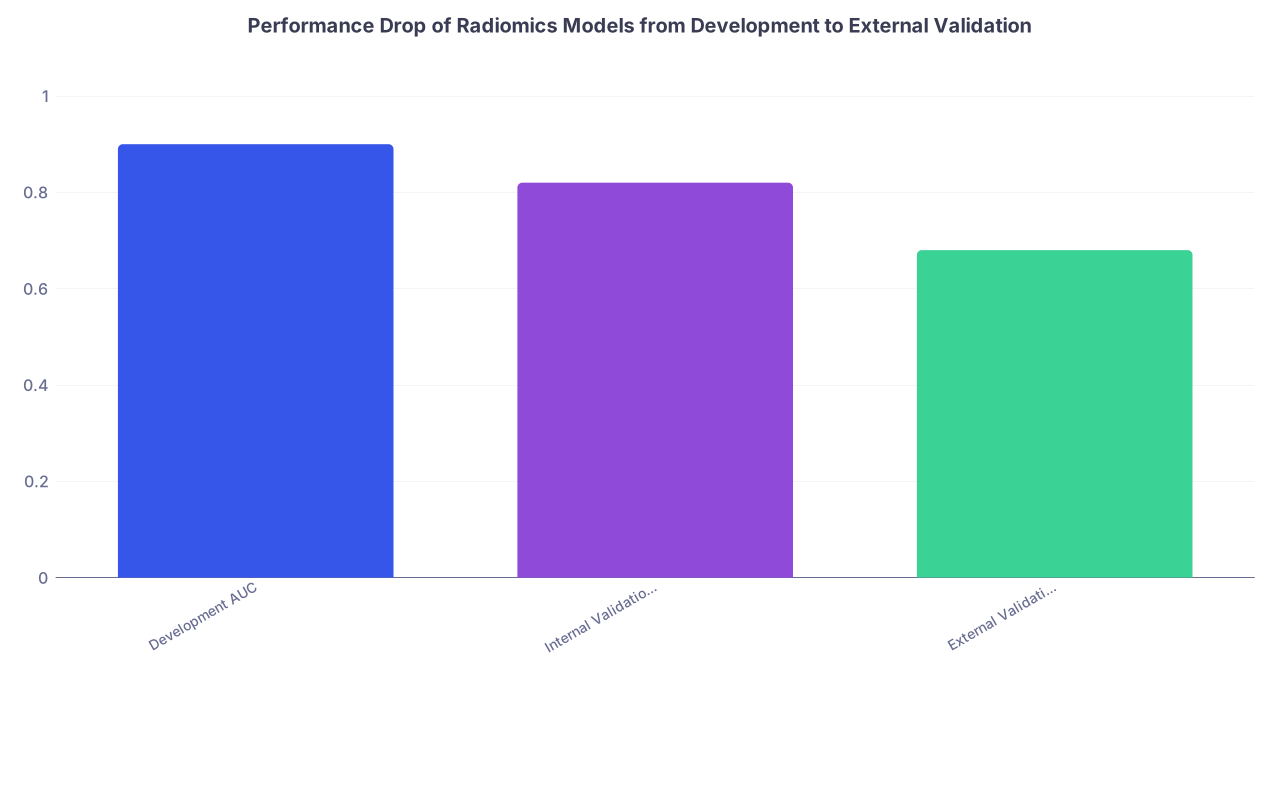
| Category | Value |
|---|---|
| Development AUC | 0.9 |
| Internal Validation AUC | 0.82 |
| External Validation AUC | 0.68 |
Numbers like this are common in the literature. That external drop is the whole story.
3. Where Radiomics Is Actually Being Used in Oncology
Let’s get concrete. These are typical problem categories, with examples you will see in tumor boards and journals.
3.1 Diagnosis and lesion characterization
Lung nodule characterization:
CT-based radiomics to distinguish benign vs malignant, or adenocarcinoma vs squamous.
Example: RI-RADS-style approaches being studied for subsolid nodules.Liver:
Radiomics on multiphase CT or MRI to classify HCC vs metastasis vs cholangiocarcinoma.Brain:
Glioma grading, IDH mutation prediction, MGMT promoter methylation—from preoperative MRI radiomics.
Your role as resident: when someone says “our model predicted IDH with AUC 0.88 from MRI,” you ask about segmentation method, sample size, and external validation. Blind enthusiasm is not enough.
3.2 Staging and risk stratification
TNM refinements:
Radiomics signatures that predict nodal or distant metastases beyond size criteria.
Example: radiomic “nodal risk score” in lung cancer from primary-tumor CT.Prognostic stratification:
Models that convert baseline imaging into low-, intermediate-, high-risk groups for PFS/OS.
| Area | Modality | Main Use Case |
|---|---|---|
| Lung cancer | CT | Nodule malignancy, staging, OS risk |
| Brain tumors | MRI | Grade, IDH/MGMT status, survival |
| Rectal cancer | MRI | Neoadjuvant response, local control |
| Head & neck | CT/PET | Local recurrence, toxicity risk |
| Liver tumors | CT/MRI | HCC vs metastasis, recurrence risk |
3.3 Treatment response prediction
This is where oncologists get very interested.
Neoadjuvant therapy in rectal cancer:
MRI radiomics before chemoradiation to predict pathologic complete response.
Question: can we spare some patients surgery or tailor radiation fields?Immunotherapy response:
CT radiomics predicting which patients will respond to checkpoint inhibitors vs develop hyperprogression. Evidence is early but aggressively marketed.Chemotherapy/radiotherapy response:
Baseline plus early on-treatment imaging features to identify non-responders fast.
3.4 Radiotherapy planning and dose painting
Radiomics sits at the border with “radiogenomics” and “dose painting” here.
- Segment subvolumes within a tumor with predicted radioresistance.
- Escalate dose to those subvolumes (biologic target volume) while sparing normal tissue.
This is mostly in the research realm, but you will hear about it in advanced radiation oncology groups.
3.5 Radiogenomics
Linking imaging features to genomic patterns.
- EGFR/ALK/PD-L1 in lung cancer from CT features.
- IDH1/1p19q status in gliomas from MRI.
- MSI status in colorectal cancer from CT.
This is seductive: “noninvasive biopsy.” Remember: prediction ≠ truth. Misclassification has real treatment consequences.
4. What Residents Must Understand Technically (Without Becoming Data Scientists)
You do not need to code in Python. But you do need a residents-level “filter” for radiomics claims.
Four technical pillars matter:
A. Reproducibility and robustness
Simple test: ask “Did they test feature robustness to acquisition changes or segmentation variation?”
Common methods:
- Test–retest: two scans in short interval; features compared (intraclass correlation coefficients).
- Inter-observer segmentation: multiple readers; check which features are stable.
- Phantom studies: scan phantoms across scanners with varied protocols.
If the paper or product does not mention robustness or reproducibility, the model is probably brittle.
B. Overfitting and sample size
Rough rule of thumb: if they have 300 features and 80 patients, assume overfitting unless they convincingly prove otherwise.
Warning signs:
- AUC >0.9 in small, single-center cohort with no external validation.
- Dozens of uncorrected p-values with no adjustment for multiple comparisons.
- 10+ “significant” features with no clear feature-selection strategy.
C. Performance metrics that actually matter
You should look for:
- AUC/ROC, sensitivity, specificity—but also calibration (how well predicted risk matches observed).
- Decision-curve analysis: does the model add net benefit over current practice?
- Comparison to simple clinical models: does radiomics beat TNM + basic clinical factors?
If a study never compares against a competent baseline (e.g., TNM stage + age + performance status), that is suspect.
D. Clinical integration and interpretability
Every time a radiomics model is suggested for practice, ask:
- Where in the workflow does it live? Pre-report, decision support, or background research?
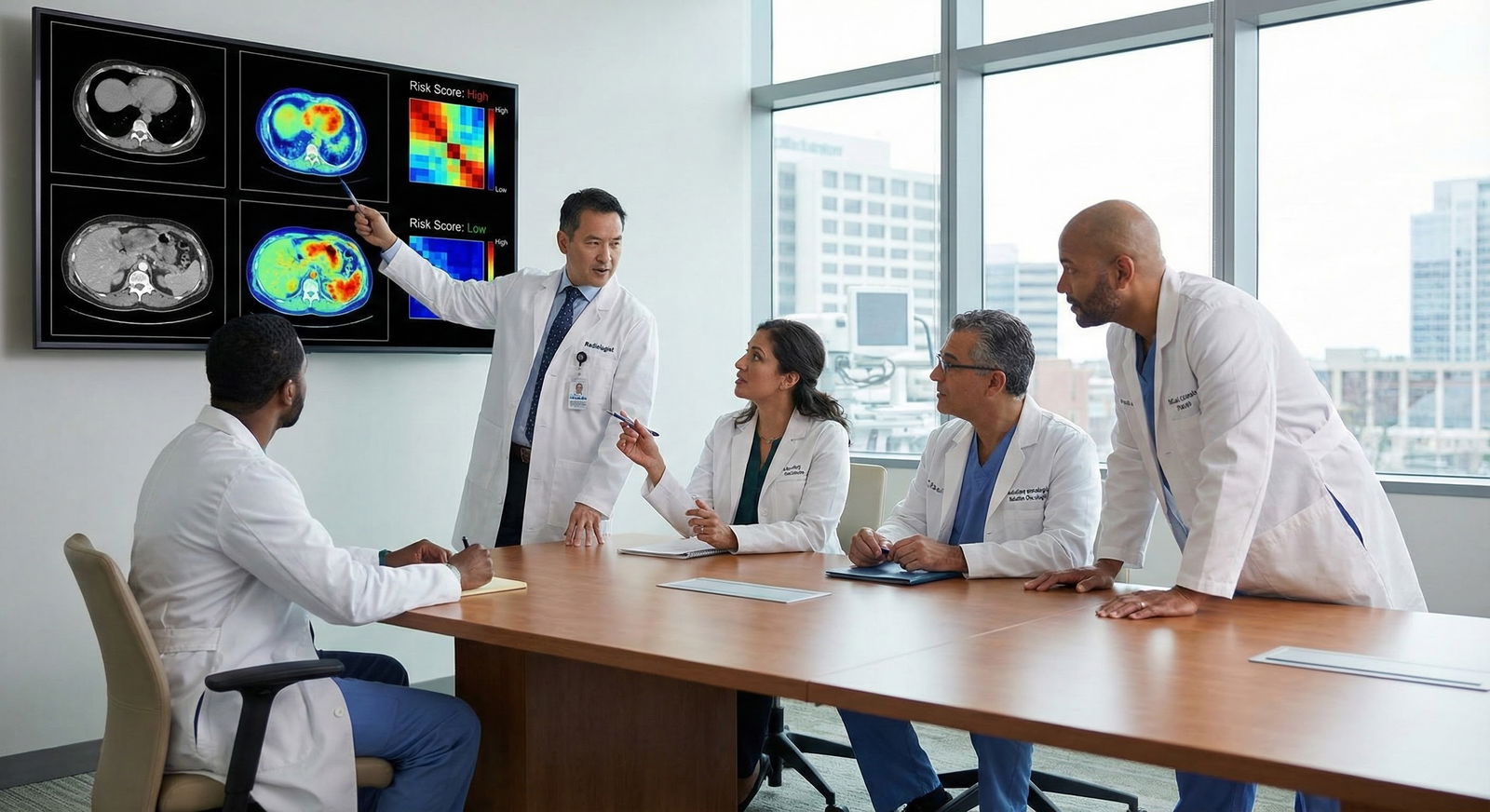
- Who owns the decision based on the output—the radiologist, oncologist, MDT?
- Can the model explain why this lesion is high risk (e.g., specific feature patterns), or is it pure black box?

| Step | Description |
|---|---|
| Step 1 | Patient Imaging |
| Step 2 | Radiomics Analysis |
| Step 3 | Radiology Report |
| Step 4 | Tumor Board Review |
| Step 5 | Treatment Decision |
The radiomics output must be contextualized, not worshipped.
5. Ethical Fault Lines: Where Radiomics Can Go Very Wrong
Now we come to the phase you requested explicitly: personal development and medical ethics. This is where residents either mature or become button-clickers.
Radiomics raises very specific ethical problems. Let us walk through the main ones.
5.1 Bias and inequity baked into models
Radiomics models inherit the biases of their training data. And imaging data is heavily skewed in practice.
Common biases:
- Single-center, high-resource academic cohorts; not generalizable to community settings.
- Underrepresentation of certain ethnic groups, ages, comorbidity profiles.
- Different scanner types and manufacturers concentrated in particular regions or socioeconomic groups.
Practical consequence: a “high-risk” radiomics score might overcall risk in one demographic and undercall in another.
Ethically, if your MDT is using a model trained entirely in East Asian lung cancer populations for your diverse North American cohort, you are on thin ice unless validation exists.
Your job as resident: ask “On what population was this trained? Validated where? Any subgroup analysis?” This is basic professional responsibility now.
5.2 Consent, secondary use of data, and patient autonomy
Most radiomics research uses retrospective imaging data. Often properly anonymized, often within IRB approvals that allow “secondary analysis.” Fine.
The line blurs when:
- Models trained on “research data” become commercial products.
- Patients were never clearly informed that their imaging could underpin proprietary tools.
- Data sharing across borders happens under vague anonymization claims.
Patients increasingly ask: “Is my scan being used to train AI?” You cannot hide behind technicalities forever.
My ethical stance: at minimum, institutions should be transparent that imaging data may be used for AI/radiomics development and offer some form of opt-out for non-essential uses. You should support that transparency rather than fear it.
5.3 Explainability and accountability
If a radiomics tool produces a risk score that pushes the MDT towards aggressive therapy—or away from it—who is accountable when it is wrong?
You are. Not the vendor’s sales rep. Not the algorithm.
Two bad patterns I have seen in tumor boards:
- “The model says high risk, so we need to escalate treatment,” with no real understanding of its limitations.
- “We will document we used AI so we are covered,” as if citation transfers liability.
Ethically solid practice looks like:
- Radiomics outputs framed as adjunct information, not ultimate truth.
- Clear documentation in the report or MDT notes: “Radiomics-based risk estimate (developed on X population, AUC Y, externally validated/not); interpreted in context of clinical and pathologic findings.”
- Willingness to override the model when it conflicts with strong clinical evidence.
5.4 Overmedicalization and premature use
Radiomics “risk scores” invite action. Sometimes too much action.
Example scenarios:
- A moderate-risk radiomics signature in an otherwise low-risk early-stage cancer leads to additional imaging, biopsies, or adjuvant therapy with marginal supporting evidence.
- Patients are labeled “poor responders” based on controversial models and steered away from standard-of-care curative regimens.
The ethical issue is simple: do not expose patients to harms (anxiety, over-treatment, cost, toxicity) based on unproven tools that have more hype than evidence.
As a resident, you must cultivate the reflex to ask: “What would we do without this score? Does the model meaningfully change management? Do we have outcome data supporting that change?”
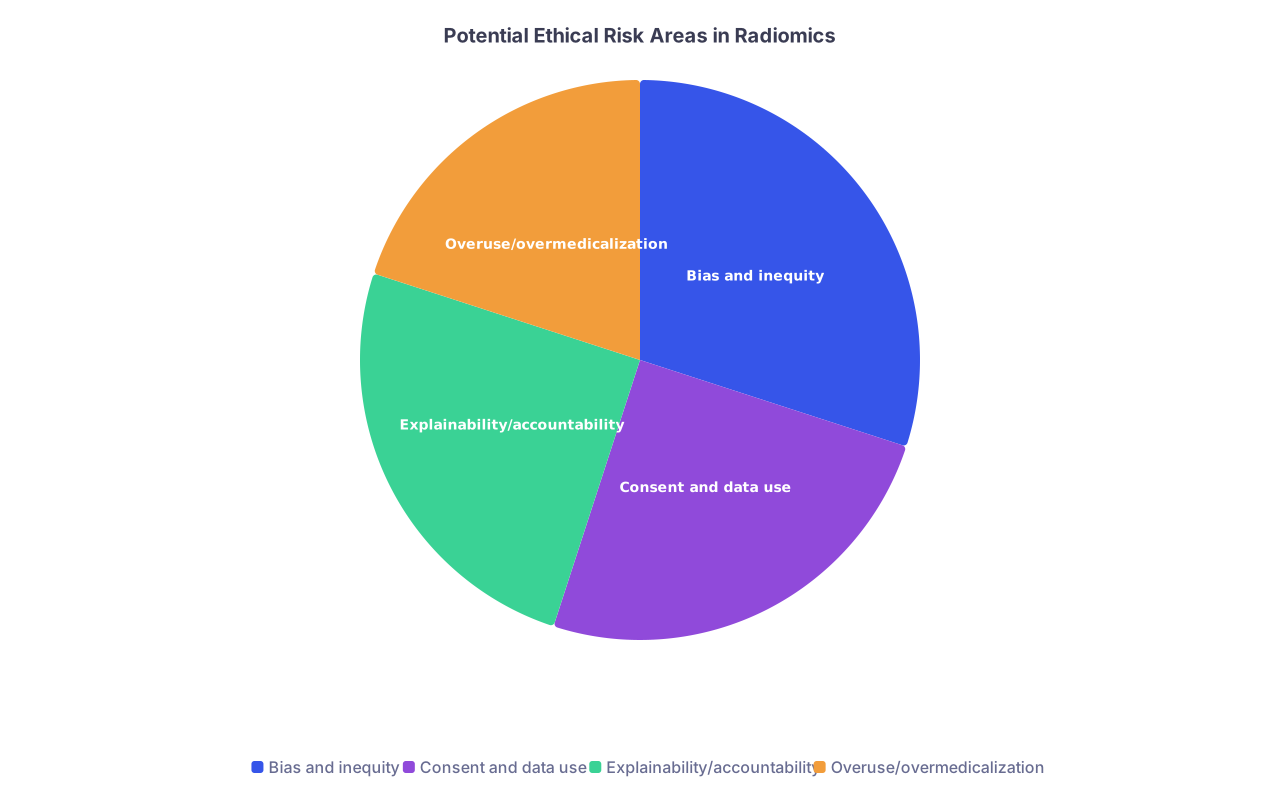
| Category | Value |
|---|---|
| Bias and inequity | 30 |
| Consent and data use | 25 |
| Explainability/accountability | 25 |
| Overuse/overmedicalization | 20 |
5.5 Professional identity: you are not a model operator
There is also a personal development piece here. Radiomics and AI tempt residents into a passive role: “The machine is smarter; I am just here to click.”
Reject that.
Your value is:
- Understanding clinical context.
- Recognizing pattern failure (when the model’s suggestion clashes with reality).
- Communicating uncertainties honestly to patients and teams.
- Pushing back on vendors and senior colleagues when the evidence is weak.
That is professional maturity. Not obedience to software.
6. How Residents Should Engage with Radiomics Now
Let me be practical. You are busy. You do not have 10 spare hours a week to learn Python. So here is what “reasonable engagement” looks like.
6.1 Build a minimal radiomics literacy
You should be able to:
- Explain in 2–3 sentences what radiomics is and the main feature types.
- Recognize common pitfalls: overfitting, lack of external validation, unreproducible features.
- Interpret an abstract or figure from a radiomics paper without hand-waving.
Spend one weekend reading 5–10 key review articles in your subspecialty. Mark up the methods sections. That is enough to make you dangerous—in a good way.
6.2 Learn to dissect a radiomics paper fast
My checklist when I skim a paper:
- Cohort size, inclusion criteria, prospective vs retrospective.
- Imaging protocol: single scanner vs multi-scanner, standardized or not.
- Segmentation: who did it, reproducibility assessed?
- Feature handling: number of features, selection strategy, IBSI-compliance?
- Modeling: type of model, how cross-validation done, any nested CV or just naive?
- Validation: internal only, or real external validation?
- Comparison: did it beat TNM/clinical model? Decision-curve analysis?
- Clinical impact: any prospective trial, impact on decisions, or just retrospective AUC worship?
You can go from “new fancy model” to “probably not ready for practice” in under 5 minutes with that.
6.3 Participate in ethical conversations at your institution
When your department starts talking about integrating a radiomics/AI tool:
- Ask what data it was trained on and whether it resembles your patients.
- Push for clear documentation in reports: what the tool does, known performance, and limitations.
- Advocate for patient transparency in consent forms and public-facing info.
You do not need to be combative. But you should be firm. “We should not deploy this off-label in populations where it has not been tested” is not radical; it is basic ethics.
6.4 Optional: get hands-on with one open-source tool
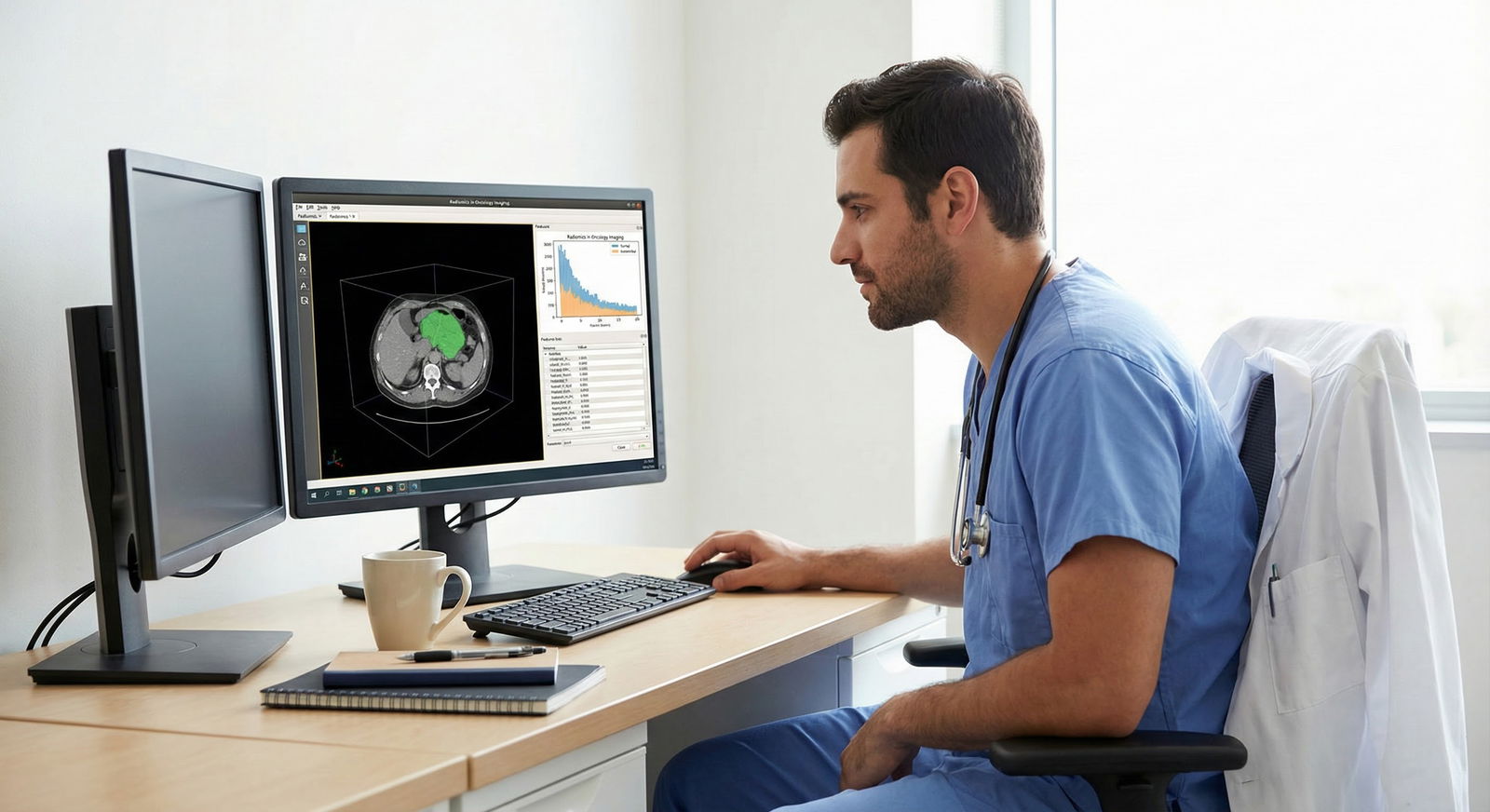
If you are inclined, running a tiny pilot project helps you see fragility first-hand.
- Use PyRadiomics or LIFEx on a small, IRB-approved dataset.
- Extract features, split into train/test, use simple models (logistic regression).
- Watch your beautiful 0.95 AUC in training drop to 0.65 in test.
That pain will make you a better critic of radiomics claims forever.
6.5 Anchor yourself in patient-centered practice
Every radiomics discussion should pass one test:
“If I explained to the patient that we are using a model trained like this, with this level of evidence, to guide this specific decision, would that feel honest and respectful of their autonomy?”
If the answer is no, your ethical compass is already giving you the correct signal.
7. How This Shapes You as a Future Attending
Radiomics and AI are stress tests for your professional identity. They force blunt questions:
- Are you willing to say “I do not trust this model here” in a room full of hyped colleagues?
- Will you take time to understand a tool before signing your name under its output?
- Can you translate probabilistic, opaque outputs into language patients can understand?
Those are not technical skills. They are character traits.
Residents who lean in—who learn just enough radiomics to be astute skeptics—will lead the next decade of imaging and oncology. Residents who outsource their judgment to algorithms will be replaceable.
Your goal is not to fight technology. It is to keep technology in its proper place: below your clinical judgment and your ethical obligations.
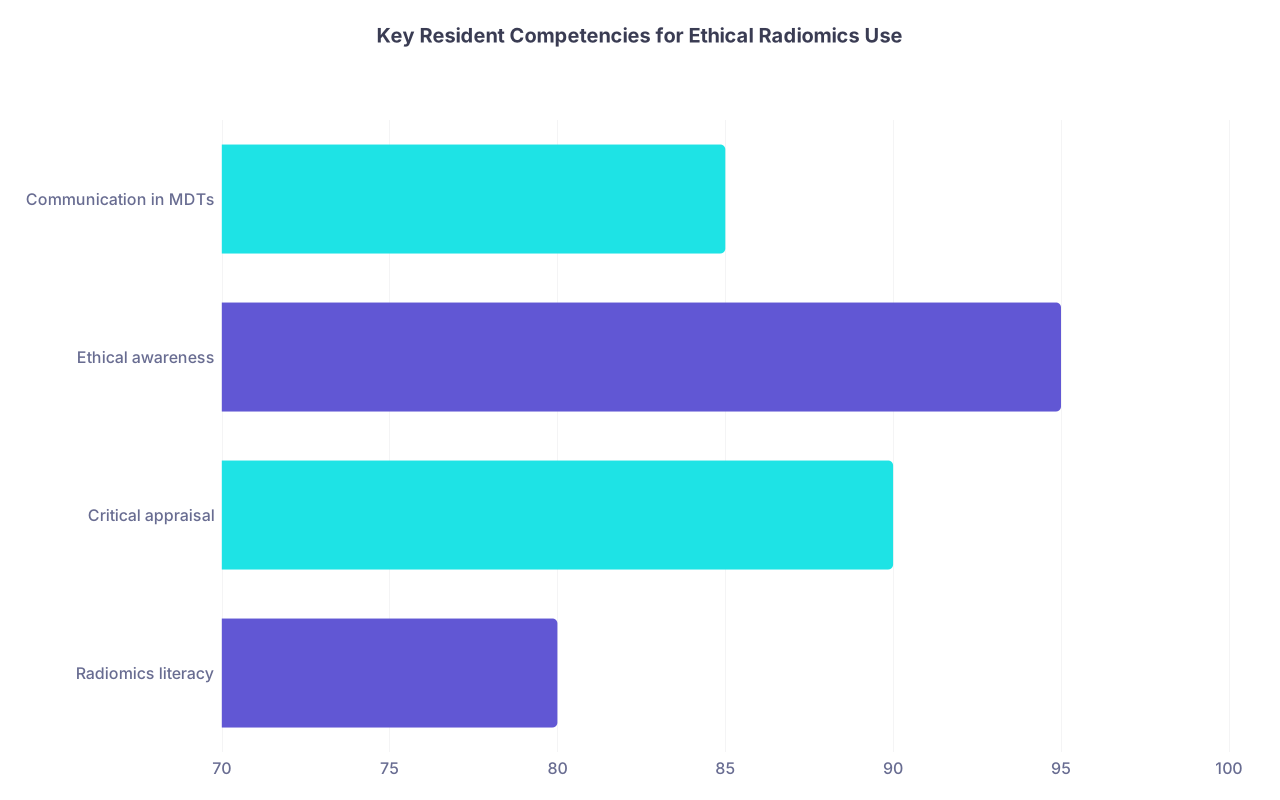
| Category | Value |
|---|---|
| Radiomics literacy | 80 |
| Critical appraisal | 90 |
| Ethical awareness | 95 |
| Communication in MDTs | 85 |
FAQ (4 Questions)
1. Do I need to learn coding or machine learning to be competent with radiomics as a resident?
No. You need conceptual understanding, not programming skills. Focus on knowing the pipeline (acquisition → segmentation → features → model → validation) and being able to critique study design and claims. If you later choose an academic path in imaging informatics or oncologic imaging, coding becomes helpful, but it is not a prerequisite for ethical, clinically sound practice.
2. Are any radiomics tools truly ready for routine clinical use right now?
A few very focused, well-validated tools are edging toward real-world use—often in lung nodule characterization, brain tumor grading, or specific radiotherapy planning aids—but most radiomics models remain in the research or “exploratory decision support” zone. The safe position: treat them as adjuncts that may add nuance, not as replacements for standard-of-care staging, pathology, and clinical assessment, unless supported by prospective outcome data and clear guidelines.
3. How should I document radiomics or AI-assisted conclusions in my reports?
Be explicit and modest. For example: “An AI/radiomics-based decision support tool, validated in [population if known], suggests a high-risk imaging phenotype; this assessment is considered adjunctive and is interpreted in the context of clinical and pathologic findings.” Avoid deterministic language like “the algorithm confirms malignancy.” You are responsible for framing its contribution and boundaries.
4. What is the single biggest ethical risk with radiomics in oncology right now?
The combination of uncritical trust and opaque development. Many models are built on biased, limited datasets, evaluated with weak methodology, then marketed or cited as if they were robust truth-generating machines. When clinicians lean on these tools to justify aggressive treatment, or to deny certain therapies, without understanding their limitations, patients bear the risk. Your job is to break that chain—with skepticism, questions about validation and bias, and a commitment to patient-centered decision making.
Key points to remember:
- Radiomics converts images into high-dimensional quantitative data, but that data is fragile—acquisition, segmentation, and modeling choices can make or break reliability.
- The ethical dangers are real: bias, opacity, overuse, and shifting responsibility from clinicians to algorithms; you are still accountable for every decision.
- As a resident, you do not need to be a data scientist, but you must become radiomics-literate enough to challenge hype, protect patients, and keep your professional judgment in charge.