
AI documentation tools will not save you if they put your license at risk.
They can make charting faster. They can also quietly bake malpractice into every note you sign. And when the board, the plaintiff’s attorney, or hospital counsel comes calling, “but the AI wrote it” will not help you.
You are still responsible. One hundred percent.
Let me walk through the ways physicians are misusing AI documentation tools right now—and how to avoid becoming someone else’s cautionary tale.
The Core Legal Reality Everyone Keeps Ignoring
Before we get into specific mistakes, you need one rule burned into your brain:
You own every word in the chart that goes out under your name.
It does not matter if:
- A scribe typed it
- A dictation system misheard you
- A template auto-populated it
- A generative AI model “drafted” it from the encounter
If your name is on the note, the board, the hospital, and the court will treat it as your statement. Not the vendor’s. Not IT’s. Not the AI’s.
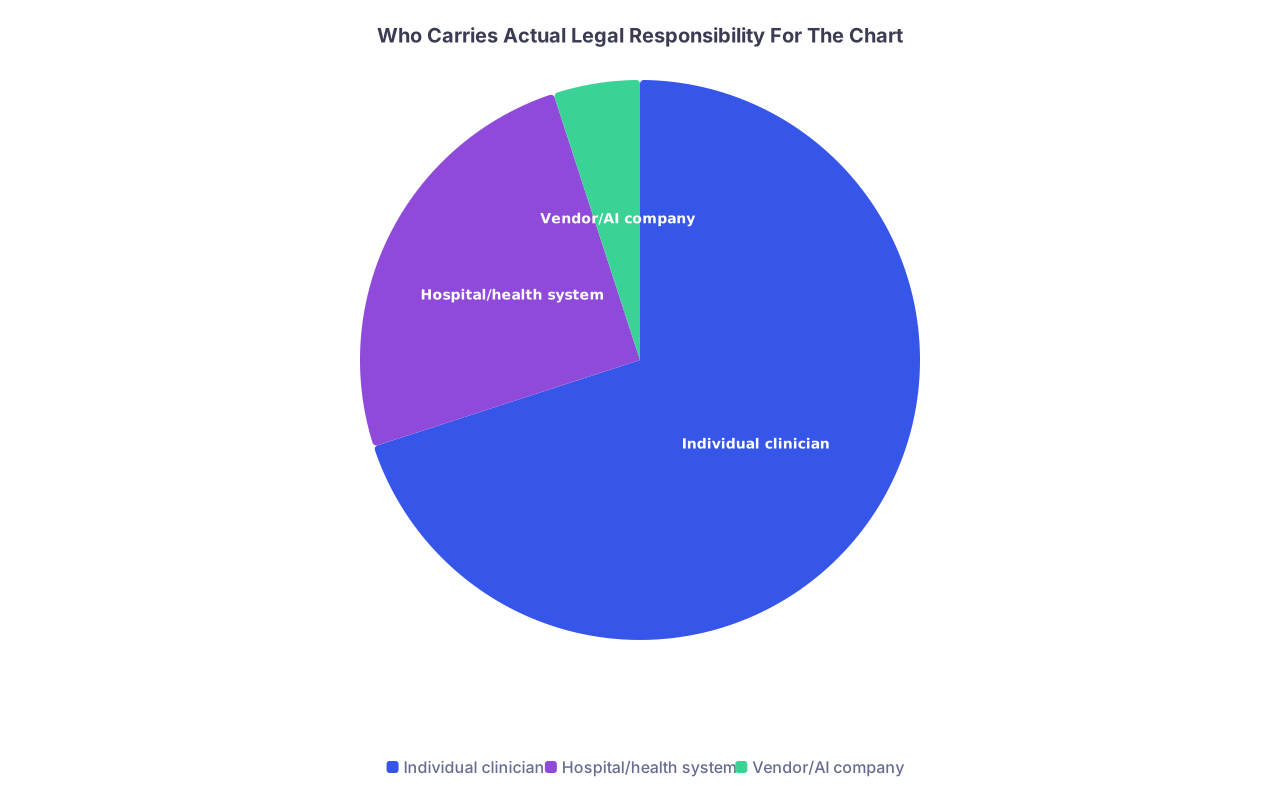
| Category | Value |
|---|---|
| Individual clinician | 70 |
| Hospital/health system | 25 |
| Vendor/AI company | 5 |
That is why the most dangerous AI documentation mistakes are not the tech errors. It is clinicians acting as if AI creates a shared responsibility model.
There is no shared responsibility. There is your license.
Mistake #1: Blindly Signing AI-Generated Notes
The worst misuse is also the most common: treating AI drafts like upgraded templates and signing them with only a cursory glance.
Typical scenario I see:
- Ambient AI listens to visit
- Draft note appears: HPI, ROS, exam, A/P all neatly structured
- Clinician scrolls quickly, tweaks a line or two, signs
- Repeat 30 times a day
On a slow day that might be fine. On a post-call, 26-patient clinic day, it is a landmine.
The specific dangers:
Hallucinated details that never happened
AI tools sometimes:- Add exam findings you never performed (“No meningismus” in a telehealth URI visit)
- Assert patient statements they never made (“Patient denies suicidal ideation” when you did not ask)
- Clean up messy conversations into legally problematic certainties (“Patient clearly understands risks and agrees with plan”)
In litigation or a board complaint, this is brutal. The note says you did something you did not. Or did not document something you should have.
Copy-forward of old, inaccurate data
Many AI systems “learn” from prior notes. That is code for: they may replicate prior inaccuracies, outdated problems, or resolved issues as current.Documentation that contradicts the rest of the chart
I have seen AI-generated physical exams that do not match nursing documentation. Or pain scores that clash with triage notes. Those inconsistencies are plaintiff attorneys’ favorite opening.
How to avoid this mistake:
You must adopt a hostile reviewer mindset with AI notes:
- Treat every AI-generated note as innocent until proven accurate
- Explicitly check:
- Chief complaint
- HPI “denies” and “reports” statements
- ROS (especially psych, neuro, GU, OB)
- Critical exam elements relevant to the visit
- Assessment/Plan wording—especially risk/benefit and follow-up
Quick mental rule:
If you would not sign a note a PGY-1 wrote without reading it carefully, do not sign the AI’s note that way either.
Mistake #2: Letting AI Document Work You Did Not Actually Do
This is where licenses get suspended.
AI tools are very good at “filling out” comprehensive exams and ROS based on minimal verbal input. Many clinicians let that stand because “everyone knows” the full 10-system ROS or 14-point exam is billing fluff.
That attitude might have been survivable with copy-paste templates. With AI doing dynamic narrative? Much harder to defend.
Common traps:
- Telehealth visit for medication refill with a fully normal multi-system physical exam documented
- Complex ROS “all other systems reviewed and negative” when you asked about 3 systems at best
- Detailed neuro/psych exam findings for a rushed urgent care visit
If you are billing based on that documentation, you are now in the territory of:
- Upcoding
- False claims
- Fraud (yes, the word everyone pretends is too strong)
Auditors and payers are not stupid. They are already suspicious of sudden jumps in chart detail that coincide with AI tool rollout.
| Pattern | Why It Is Dangerous |
|---|---|
| Full normal physical on telehealth | Impossible to have performed |
| 10+ ROS systems negative in 3-min visit | Suggests fabricated review |
| Complex neuro exam in primary care rapid visit | Prompts fraud/red-flag audits |
| Detailed counseling time every visit | Looks like automatic upcoding |
How to avoid this mistake:
- Use negative findings sparingly and only for systems you truly addressed
- Disable or limit auto-expansion of “all other systems reviewed” if your AI tool allows it
- When the tool adds an exam you did not do, you must:
- Delete it, or
- Modify it to reflect reality (“No physical exam performed; telehealth visit”)
If you are consistently tempted to leave in findings you did not perform “because everyone does it,” your future problem is not technology. It is your risk tolerance.
Mistake #3: Letting AI Soften, Rewrite, or Omit Risk Discussions
Some AI tools “optimize” language for readability, patient portal friendliness, or “empathetic tone.” That sounds lovely. Until it rewrites your risk documentation into something vague and useless.
Examples I have actually seen:
Your dictation: “Patient refused CT head despite discussion of risk of missed intracranial bleed, disability, and death.”
AI output: “We discussed the option of CT imaging and agreed to monitor symptoms at home.”Your dictation: “Strongly advised ED evaluation; patient explicitly declined.”
AI output: “Patient prefers outpatient management and will follow up as needed.”
The second versions will not help you with the board or in court. They sound collaborative and gentle. They do not document refusal, risk discussion, or your clear recommendation.

How to avoid this mistake:
Lock in your own risk language.
Create standard, clear phrases you use for:- Refusal of recommended care
- AMA discharges
- High-risk differential diagnoses you considered and discussed
Then verify that the AI is not “prettifying” those phrases into mush.
Turn off or limit “tone optimization” features for medical-legal content.
After AI drafting, manually scan for:
- “We decided together…” when it was actually patient refusal
- “Monitor at home” when you clearly recommended ED/urgent evaluation
- Overly vague phrases like “benefits and risks were discussed” with no specifics
Courts and boards like specific, concrete documentation of risk communication and patient choices. Do not let AI remove the sharp edges that protect you.
Mistake #4: Using Non-Compliant Tools Outside Your Institution’s Guardrails
Here is a quiet but serious danger: physicians using consumer-grade AI tools (or non-approved plugins) to speed up documentation.
I have caught all of these at one point:
- Copy-pasting de-identified (or “de-identified”) notes into a public chatbot for “summarization”
- Uploading visit audio to a non-HIPAA-compliant transcription tool
- Using personal browser extensions that scrape EHR content to send to outside servers
That “no PHI” checkbox or “we are secure” marketing page is not legal protection. If your hospital compliance or risk management has not signed a Business Associate Agreement (BAA) with that vendor, you are almost certainly in violation if PHI touches their system.
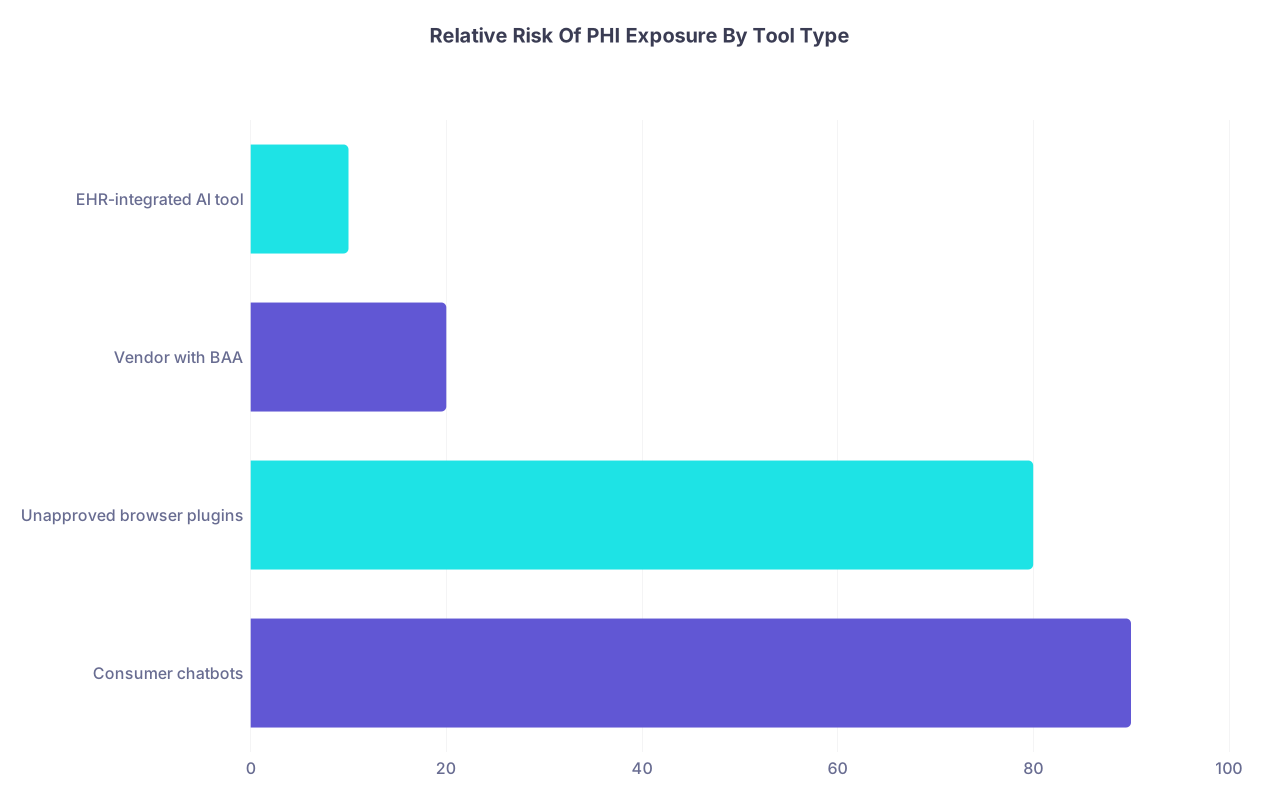
| Category | Value |
|---|---|
| Consumer chatbots | 90 |
| Unapproved browser plugins | 80 |
| Vendor with BAA | 20 |
| EHR-integrated AI tool | 10 |
How to avoid this mistake:
Use only institution-approved AI tools that have:
- A signed BAA
- Clear data handling policies
- Documented integration or clearance by IT/security
Assume:
- Browser plugins are risky by default
- Copy-pasting any portion of the note into a public AI system is unacceptable
If you want to experiment with documentation workflows, do it with sandboxes and synthetic data, not real patients.
Mistake #5: Ignoring Mismatches Between AI Notes and Reality
This one seems small until you sit in a deposition.
AI tools sometimes capture or infer things that did happen—but in a different tone, order, or emphasis than you recall. Many clinicians notice minor mismatches and ignore them because “the gist is right.”
In a lawsuit or board hearing, those mismatches come off as:
- Sloppiness
- Unreliability of your documentation
- Erosion of your credibility as a witness
Real-world examples:
- AI documents the patient as “angry and confrontational” when they were actually just anxious
- It rearranges conversation so counseling looks shorter than it was
- It turns your uncertain thinking into unjustified certainty in the assessment

How to avoid this mistake:
When reviewing AI drafts, explicitly check:
- Tone descriptors about the patient (“agitated,” “uncooperative,” “pleasant”)
- Your thought process in the assessment (did it overstate certainty?)
- Timeline descriptions (symptom onset, chronic vs acute)
If something reads “basically right” but not actually right, change it. Defense attorneys will thank you later.
Mistake #6: Letting AI Undermine Informed Consent and Shared Decision-Making
Documentation of consent and shared decision-making is already weak in many charts. AI can make it worse or weirdly generic.
What often happens:
- You have a nuanced conversation about options, uncertainty, cost, and risk
- AI summarizes it as:
- “We discussed options and patient agrees with plan”
- “Shared decision making was used”
That is legally thin. And sometimes simply untrue. You may not have done true shared decision-making at all.

| Step | Description |
|---|---|
| Step 1 | Complex discussion |
| Step 2 | AI summarized note |
| Step 3 | Generic consent language |
| Step 4 | Inadequate legal protection |
| Step 5 | Clinician review? |
How to avoid this mistake:
Stop letting AI invent “shared decision-making” when you mainly recommended and the patient agreed.
For higher-risk decisions, directly insert:
- Options presented
- Major risks highlighted
- Patient’s reasons or preferences
- What they chose and what they declined
Make sure the AI is not deleting or compressing these specifics into meaningless boilerplate.
If your consent documentation in the AI era looks less detailed than before, you are walking backwards into risk.
Mistake #7: Using AI to “Pad” Complexity for Billing
Some clinicians are quietly using AI’s drafting abilities to generate thick paragraphs that support higher billing levels—even when the actual encounter was simple.
Things I have seen:
- Straightforward follow-up visits documented with elaborate problem lists and complex “management of multiple conditions” language
- AI inserted “medication reconciliation performed and adjustments discussed” when nothing changed
- “Chronic condition management” language copy-pasted into acute visit notes
Auditors are using analytics and anomaly detection. Sudden spikes in complexity and 99214/99215 coding without matching lab orders, imaging, referrals, or meds? They look closer.
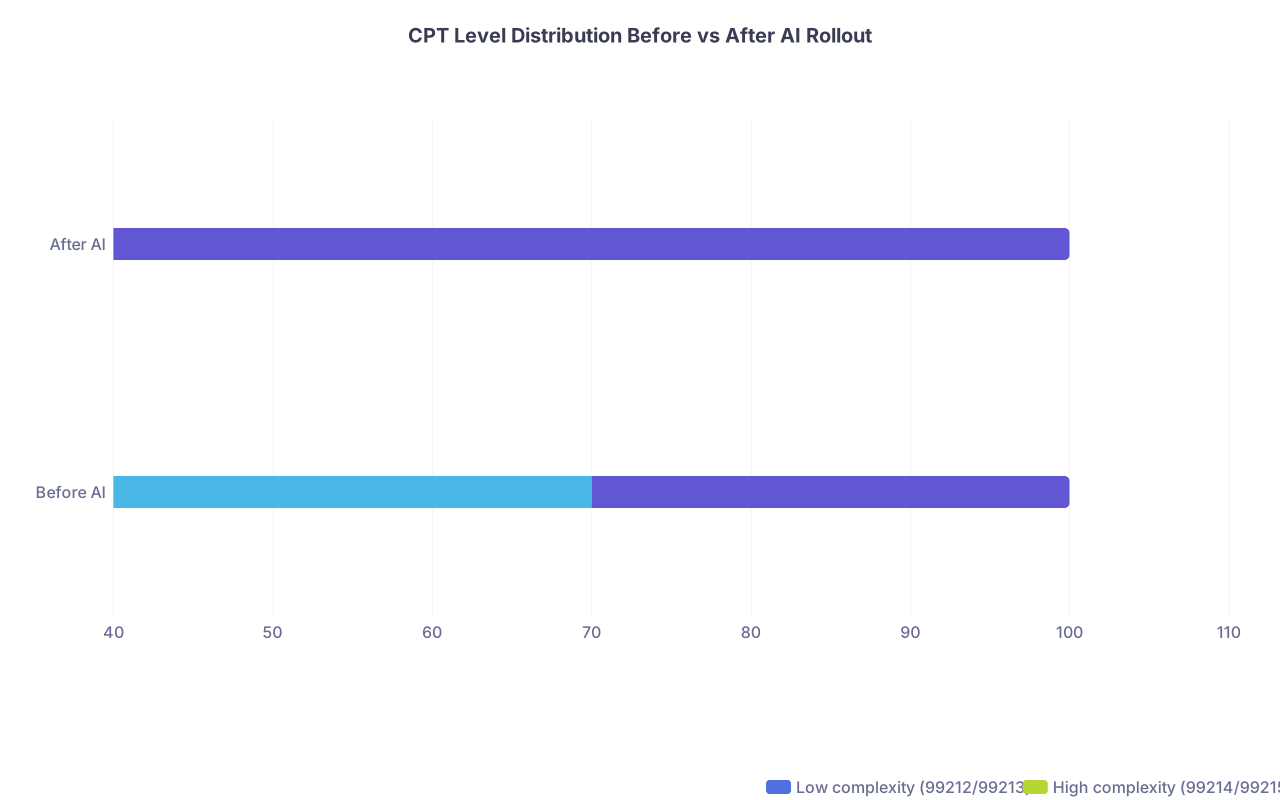
| Category | Low complexity (99212/99213) | High complexity (99214/99215) |
|---|---|---|
| Before AI | 70 | 30 |
| After AI | 40 | 60 |
How to avoid this mistake:
Let the encounter drive the note, not the other way around
Do not ask or allow the AI to “enhance” complexity language purely for billing gains
If auditors compared:
- Note content
- Orders placed
- Time stamps
- Follow-up patterns
Would the chosen CPT level still look honest? If not, fix it now, not after a clawback.
Your reputation with payers and your medical board is more important than squeezing an extra level out of AI-puffed notes.
Mistake #8: No Policy, No Training, No Paper Trail
Many post-residency clinicians are using AI documentation tools with zero formal guidance. That feels flexible. It is actually reckless.
Here is what goes wrong:
- Different clinicians in the same group use wildly different AI configurations
- No one knows which parts of the note are AI-drafted vs manually edited
- There is no documented process for reviewing AI content
- Leadership assumes “the tech is handled”
When an incident happens—harm, complaint, lawsuit—there is no defensible story about how AI is supposed to be used.
How to avoid this mistake:
If you are in private practice or have any leadership role, push for:
A written policy on AI documentation use:
- Approved tools
- Prohibited use cases
- Review expectations
Basic training for everyone who uses the tools
A mechanism for reporting AI errors and adjusting settings accordingly
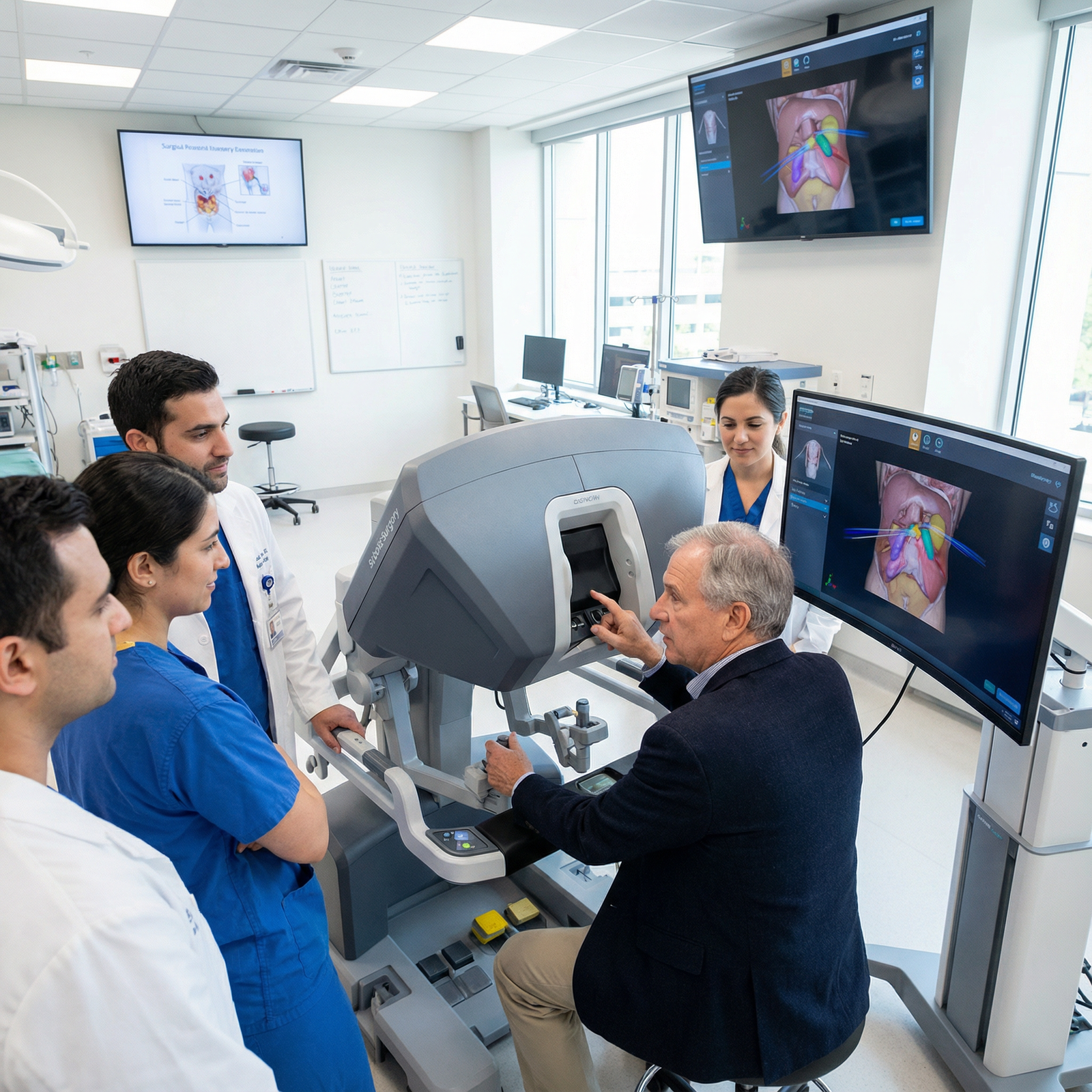
Regulators look more kindly on organizations that can show they took AI seriously, set guardrails, and trained clinicians.
Practical Safeguards: How To Use AI Without Gambling Your License
Let me be clear: I am not telling you to abandon AI documentation tools. Used correctly, they are lifesavers in a broken documentation system.
You just cannot use them passively.
Here is a practical, defensible way to work with them:
Define AI’s role clearly.
For example:- AI drafts HPI from conversation
- You personally edit ROS, exam, A/P
- You manually insert all risk, refusal, and consent documentation
Create a quick review checklist you actually use:
Before signing, scan for:- Any statement of what the patient “denies” or “admits”
- Any physical exam you did not perform
- Any language about risk, refusal, or shared decision-making
- Any tone descriptors about the patient’s behavior
Standardize your critical language.
Build a small library of phrases that you trust and do not let AI “improve”:- “Patient declined recommended ED evaluation after discussion of X/Y/Z risks including death; advised to return or call 911 if symptoms worsen.”
- “No physical exam performed; telehealth visit limited to visual assessment and history only.”
Push your vendor or IT when you see dangerous behavior.
- Hallucinated findings
- Aggressive extrapolation of ROS/exam
- Softening of refusal or high-risk documentation
If they shrug it off, document that you raised it. Protects you if things later explode.
Document your use and review of AI.
Do not litter the chart with “this note written by AI.” But it is reasonable to have internal documentation/policies stating clinicians review and are responsible for AI-generated notes.
FAQs
1. If the AI tool is built into my EHR, am I still personally liable for its errors?
Yes. Integration does not equal shared liability. The EHR vendor might face its own issues, but boards and courts will still hold you responsible for what you sign. “Epic wrote that” or “the ambient tool added it” is not a defense.
2. Can I mention in my notes that AI was used to generate the documentation?
You can, but do not rely on that as a legal shield. A brief statement like “Draft created with AI tool and reviewed by clinician” is acceptable if your organization approves it, but the key phrase is reviewed by clinician. That is where your responsibility sits.
3. Is it safe to let AI write my assessment and plan?
Safe only if you treat it as a dumb first draft and aggressively edit it. Your assessment and plan are the heart of clinical judgment and legal exposure. Never let AI create them from scratch and never sign an A/P you do not fully agree with and understand.
4. Are AI-generated “perfect” notes more likely to trigger audits?
Yes, they can be. Notes that are suddenly longer, more comprehensive, and more complex than your historical pattern—especially if billing levels also jump—are red flags for payers and auditors. Consistency with actual clinical work matters more than verbosity.
5. Can I use public AI tools if I remove the patient’s name and MRN?
Usually no. True de-identification is much harder than removing a few obvious identifiers. Dates, rare conditions, locations, and combinations of facts can re-identify a patient. Unless your institution explicitly approves the tool and has a BAA, do not put real patient data there—“lightly anonymized” or not.
Remember:
- You own every word in the note, even the ones AI wrote.
- The biggest risks are hallucinated findings, inflated exams/ROS, and softened risk documentation.
- Use AI as a carefully reviewed assistant, not an auto-pilot. Your license is worth more than the minutes you save by trusting it blindly.