

How Can I Evaluate a Residency’s Culture Around Mindfulness and Wellness?
What do you do when a program says “We value wellness”… but the residents standing in front of you all look exhausted and checked out?
Let me be blunt: every residency sells “wellness” now. Most of it is branding. Pizza nights, resilience slides, and a yoga class once a year. That’s not culture. That’s PR.
You’re asking the right question: how do you tell if a program actually supports mindfulness and wellness, or if it just knows the buzzwords?
Here’s the answer you’re looking for.
Step 1: Ignore the Slogans, Look at the Structure
Wellness culture shows up in how a program is built, not in what’s on the website.
Here are the structural things that actually matter.
1. Work hours and workflow (not just “we follow duty hours”)
Every program will tell you “we follow ACGME duty hours.” That’s the floor. You’re trying to figure out if they live at the floor or well above it.
Ask very specific questions:
- “How often do you log 80 hours in a week during busy months?”
- “When duty hours are violated, what happens next—does anything actually change on the schedule?”
- “How often are you coming in early or staying late off the clock to finish notes?”
If residents say things like:
- “We technically log 70s, but it’s really more like mid-80s,”
- “You just… make it work,”
- “Everyone knows not to log violations unless it’s really bad…”
That’s not a wellness culture. That’s a compliance culture.
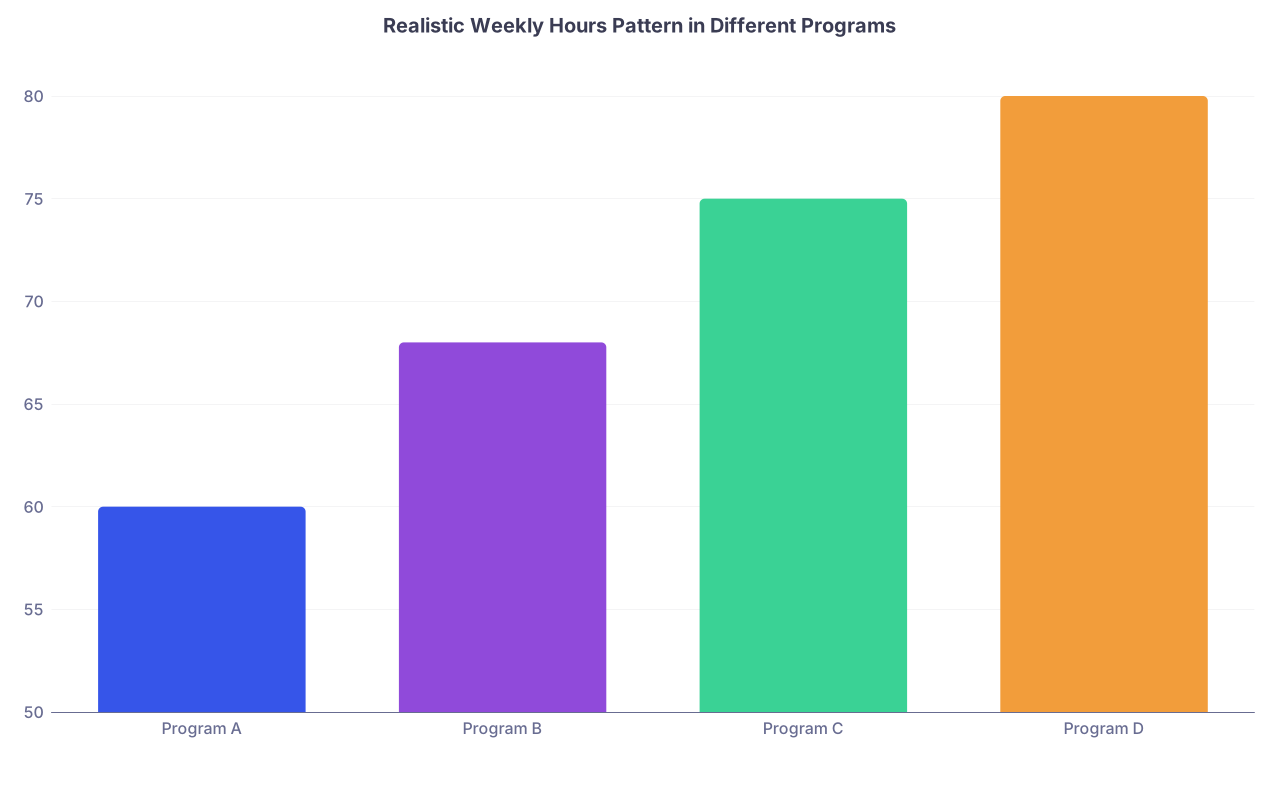
| Category | Value |
|---|---|
| Program A | 60 |
| Program B | 68 |
| Program C | 75 |
| Program D | 80 |
Programs where wellness is real tend to:
- Sit in the low-to-mid 60s most weeks, with a couple heavier rotations.
- Have backup coverage systems when people are sick.
- Proactively adjust rotations after recurrent hour violations.
2. Schedule design and protected time
Protected time is a great test of honesty. Because it costs the program something.
Ask:
- “Is your didactic time truly protected? What percent of the time are you pulled out for pages or admissions?”
- “Do you actually get your scheduled days off, or are they frequently lost to cross-cover, call, or clinic?”
- “How are jeopardy/back-up shifts used? For wellness or just to plug holes?”
Listen for patterns like:
- “Lectures are protected; we hand the pager to a ward buddy. It works most of the time.”
- “Our wellness half-days actually happen. We don’t get punished with extra clinic later.”
If they say, “Protected unless it’s really busy”… that means not protected.
Step 2: Zoom In on How They Handle Mindfulness Specifically
You’re not just looking for generic wellness. You asked about mindfulness and wellness culture. That’s narrower and more specific.
3. Is mindfulness integrated, or just a checkbox?
True mindfulness culture doesn’t live in a single annual workshop. It shows up in:
- Orientation: Mindfulness sessions, reflective exercises, explicit discussion about mental health.
- Longitudinal curriculum: Regular sessions on coping skills, emotional awareness, moral distress, difficult patient interactions.
- Integration into clinical life: Brief check-ins at sign-out, debriefs after codes, explicitly normalizing pausing and noticing your state before a family meeting.
Ask:
- “Do you have any recurring mindfulness or reflective practice built into the schedule?”
- “Can you give me an example of how the program supports residents after a bad outcome, code, or lawsuit?”
- “Have you ever done any guided mindfulness sessions as a group? Did they feel performative or actually useful?”
Real answer you want to hear: “Yeah, we have monthly sessions, and when something really rough happens, chiefs or attendings actually pull us aside to debrief. It’s not perfect, but it’s real.”

Step 3: Watch How People Talk, Not Just What They Say
This is where your radar matters. During interview day, you’re not just gathering information. You’re reading tone, body language, and what’s not being said.
4. Resident affect and honesty
Pay close attention to the resident-only sessions. This is your best data.
Red flags in how they talk:
- They joke constantly about “surviving” or “just getting through” the program.
- They can’t point to any recent time the program changed something for resident well-being.
- They talk about mindfulness or wellness events with eye rolls.
Green flags:
- Residents can name specific changes leadership made after feedback.
- They can give concrete examples of being supported when they were struggling.
- They’re tired (everyone is), but they’re not empty. There’s some spark left.
Good question to ask directly:
“Can you tell me about a time when a resident was really struggling—burnout, family crisis, mental health—and how the program responded?”
If they dodge, hesitate, or say, “We don’t really have that here,” don’t believe it. Every program has residents who struggle. The difference is how they respond.
Step 4: Test the Leadership’s Real Priorities
Culture follows power. What PDs and chairs actually reward and tolerate shapes wellness more than any yoga mat.
5. How do they talk about residents?
In your PD interview, pay attention to language.
Green flag phrases:
- “I expect residents to go to their doctor and therapy, and we’ll protect that time.”
- “We’ve reduced X rotation hours because our burn-out survey data was unacceptable.”
- “If a resident has a family emergency, we figure it out. The hospital won’t collapse.”
Red flag phrases:
- “Our residents are very resilient,” without any mention of system changes.
- “This is a rigorous program; we expect you to push through.”
- “We’ve offered wellness stuff, but honestly not many residents use it,” said with a shrug.
Ask directly:
- “What have you changed in the past 2–3 years based on resident well-being or burn-out feedback?”
- “If a resident needs to step back temporarily for mental health, what does that process look like?”
You’re not looking for perfection. You’re looking for evidence of movement in the right direction.
Step 5: Look for Real Resources, Not Just Buzzwords
Mindfulness and wellness culture should be backed by actual resources and policies.
6. Mental health access
You want to know three things:
- Is there confidential mental health care specifically for residents (not just generic employee assistance)?
- Is it easy to access without going through your PD or GME office first?
- Does the schedule actually allow you to go?
Ask:
- “Do residents have access to a dedicated therapist/psychiatrist for trainees?”
- “Are those visits during work hours, and how do people realistically make time for them?”
- “Do you know anyone who’s actually used these services?”
If nobody can name a single resident who’s used mental health resources, either people are hiding it (bad culture) or the resources are vaporware.
| Feature | Strong Program | Mediocre Program |
|---|---|---|
| Dedicated trainee mental health | Yes | Shared EAP only |
| Protected time for appointments | Yes, explicit | 'Case-by-case' |
| Longitudinal mindfulness content | Monthly | One-off lecture |
| Backup/jeopardy system | Functional | Patchy |
| Post-event debriefs | Common | Rare |
Step 6: Decode the “Wellness” Menu They Show You
Programs will parade their wellness offerings on interview day. You need to see through the theater.
7. Evaluate wellness activities like a skeptic
Ask yourself:
- Is this recurring or one-off?
- Is it built into the schedule or “come if you’re not on call”?
- Does it address systemic stress (workload, safety, culture) or just ask individuals to self-soothe harder?
Examples:
- Free Headspace subscription + stable schedules + excellent backup coverage = solid.
- One mandatory 7 a.m. “mindfulness lecture” before a 28-hour call = nonsense.
You can literally ask:
“What do wellness or mindfulness look like on a random Wednesday in January, not on interview day or wellness week?”
That question cuts through a lot of marketing.
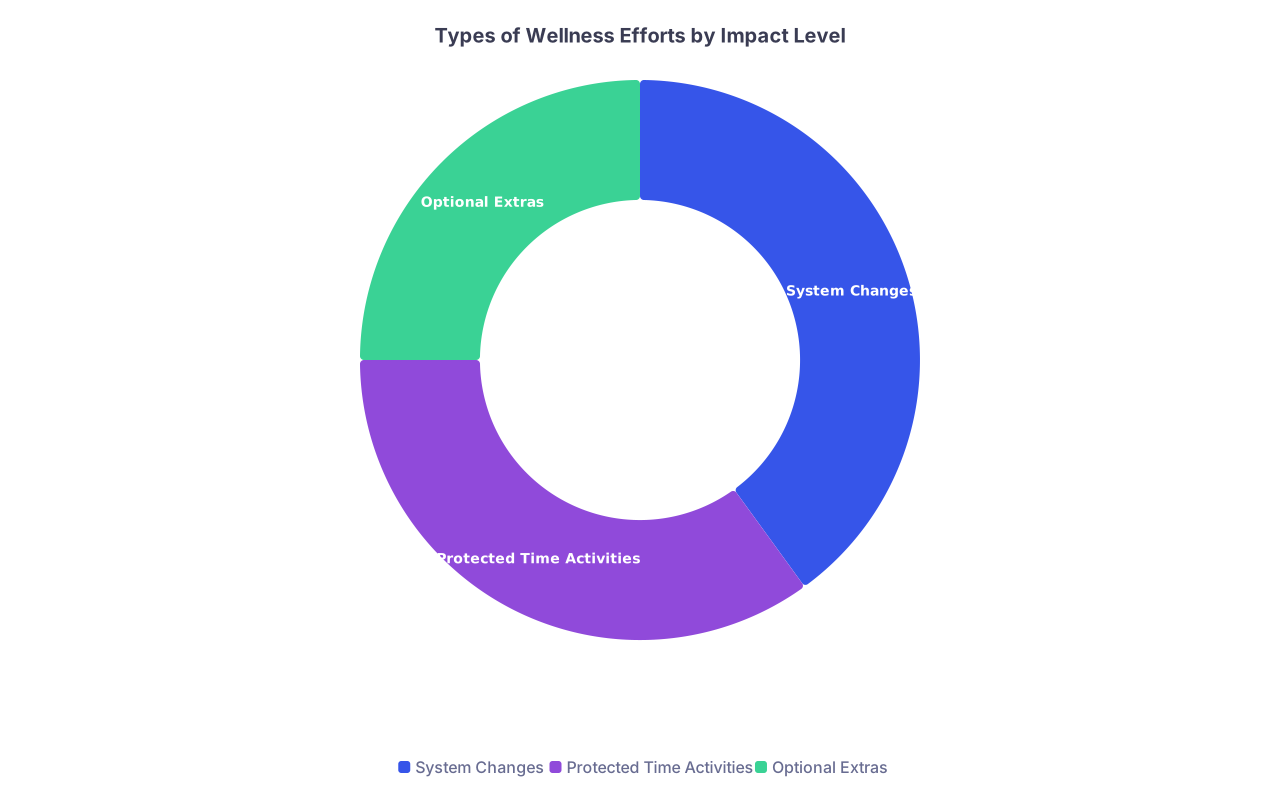
| Category | Value |
|---|---|
| System Changes | 40 |
| Protected Time Activities | 35 |
| Optional Extras | 25 |
Step 7: Gather Data Before You Ever Set Foot There
You can start evaluating culture months before your first interview.
8. Use alumni and off-the-record conversations
Reach out to:
- Recent grads from your med school who matched there.
- Folks from your specialty’s online communities (private groups, not public forums).
- Upperclassmen who rotated there.
Ask targeted questions:
- “Did you feel safe asking for help?”
- “Would you do this program again knowing what you know now?”
- “Did leadership actually care about resident well-being, or just about metrics and reputation?”
Bonus: Pay attention to how many residents transfer out, take leaves, or go part-time. You won’t always get hard numbers, but if you hear about multiple unplanned departures, that’s information.
9. Read between the lines of online chatter
Yes, anonymous review sites are noisy. But patterns matter.
Multiple comments over years saying things like:
- “Toxic culture,”
- “No support after patient deaths,”
- “Burn-out factory,”
…that’s not smoke without some kind of fire.
On the flip side, you sometimes see:
“Hard work but supportive chiefs and PD,”
“Genuinely kind attendings,”
“People look out for each other.”
Those are the comments I pay attention to.
Step 8: Assess Whether You Fit Their Version of Wellness
Important point: not every “good” program is good for you.
You need to align their culture with how you personally relate to mindfulness and wellness.
Ask yourself:
- Do I want formal, structured mindfulness training, or just time and space to do it on my own?
- Am I okay with a program that’s intense but humane, or do I truly need a lighter schedule to thrive?
- Do I want a program that actively encourages reflection, or one that leaves that to me?

| Step | Description |
|---|---|
| Step 1 | Understand your needs |
| Step 2 | Look for formal curriculum |
| Step 3 | Focus on schedule and support |
| Step 4 | Rank higher |
| Step 5 | Look at other programs |
| Step 6 | Need strong structure? |
| Step 7 | See good alignment? |
A high-intensity program with strong emotional support and realistic hours may be healthier than a “chill” program with absent leadership and no debriefs. Don’t only chase lifestyle; chase healthy structure.
Step 9: Specific Questions You Can Use on Interview Day
Here’s a quick list you can literally bring in your notes app. Use them selectively.
To residents:
- “What does this program do really well for resident wellness, and where are they still falling short?”
- “How comfortable do you feel calling in sick for physical illness? What about for mental health?”
- “Have you ever had a debrief after a difficult patient death or error? What was that like?”
- “When you’re really overwhelmed, what does support from chiefs or attendings actually look like?”
To leadership:
- “What wellness or mindfulness initiatives have you started in the last 2–3 years, and how do you know they’re working?”
- “How do you support residents experiencing burn-out or moral distress?”
- “How do you balance service demands with resident learning and well-being when the hospital is short-staffed?”
Watch how fast they answer and how concrete they get. Vague = warning.
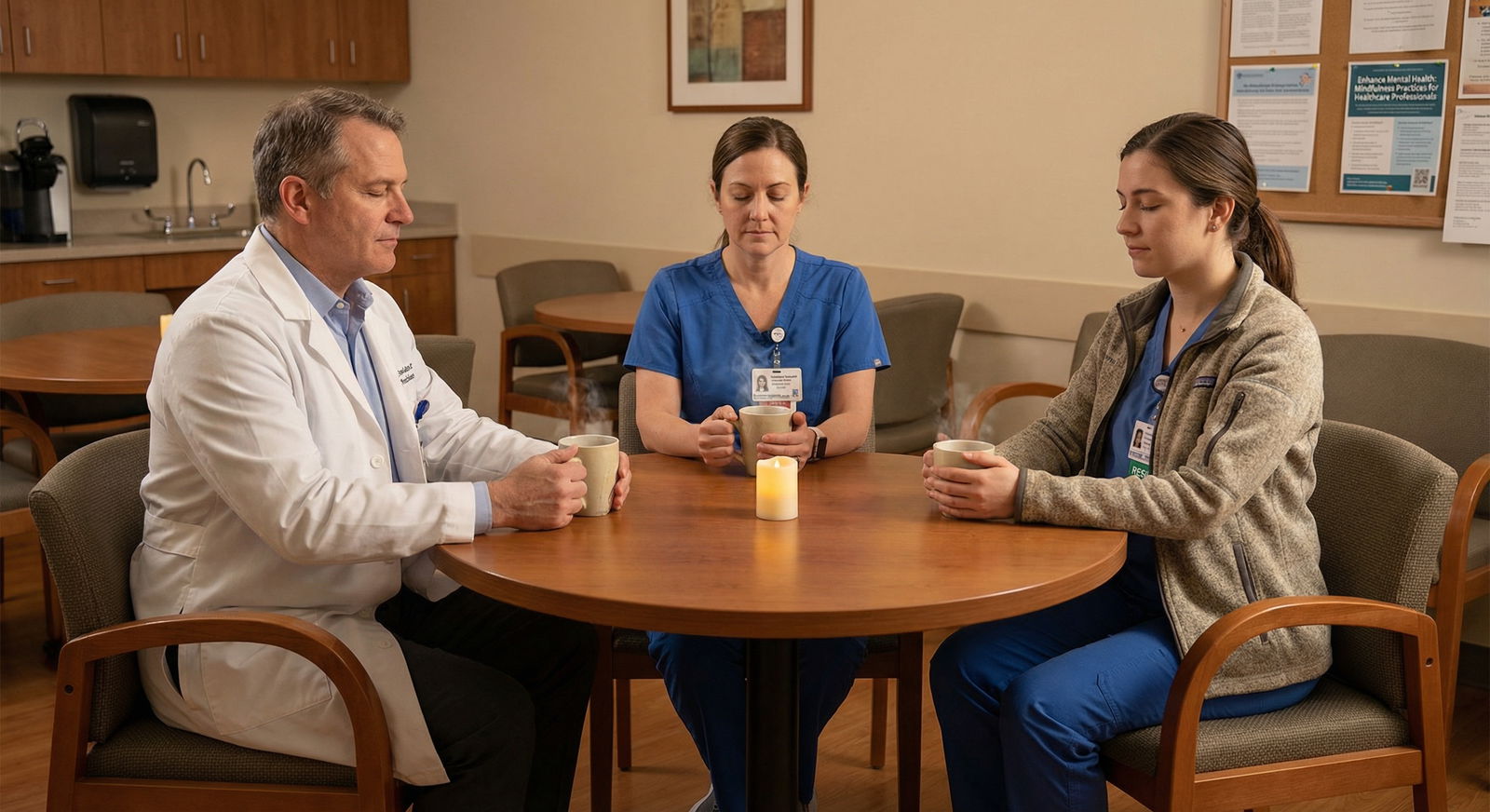
Step 10: The Gut Check You Shouldn’t Ignore
At the end of the day, after all the data and questions, you need to ask yourself:
- Do I see people here I’d want to become in 3 years?
- Do the seniors look like a future version of me that I’m okay with?
- Did I feel like a human when I was there, or a number?
Your gut is often picking up micro-signals your conscious brain can’t fully articulate: tone, tension, authenticity. Pay attention to that.
FAQ (Exactly 7 Questions)
1. Can a very busy, high-volume program still have a good wellness and mindfulness culture?
Yes. Volume alone doesn’t define toxicity. I’ve seen high-acuity programs where residents work hard but feel supported, heard, and safe. The key signs: reasonable average hours, actual backup systems, responsive leadership, real debriefs after hard cases, and a culture where you can say “I’m not okay” without fearing career suicide. Intensity with psychological safety can be healthy. Chaos with silence never is.
2. What’s one question that quickly exposes fake wellness culture?
Ask residents: “What changed about this program in the last couple of years because of resident feedback about burnout or wellness?” If they can’t think of anything, or only mention superficial events (“we added a wellness day with lunch”), the program probably isn’t serious about culture change. Real programs can name at least one major structural shift: schedule redesign, new backup system, added mental health access, decreased clinic load, etc.
3. Are “resident wellness committees” a good sign or just window dressing?
They can be either. A good sign if residents say: “Our committee actually gets things done—like changing call schedules or adding protected mental health time.” Bad sign if it sounds like: “We plan social events” or “We give feedback, but nothing really changes.” Ask what the committee has actually accomplished in the past year. No concrete outcomes = committee on paper only.
4. How do I evaluate mindfulness if I’m not personally big into meditation?
You don’t need to be a meditation person to care about this. Translate “mindfulness” into: reflection, emotional processing, and supportive response to distress. Look for: regular debriefs, open conversations about difficult cases, leadership that normalizes struggle, and options for those who do want structured mindfulness. You’re not required to attend every session. You are better off in a program where people are allowed to be human.
5. What if residents seem happy, but the program has almost no formal wellness or mindfulness resources?
Then you ask: why are they happy? Sometimes it’s because the schedule is humane, the attendings are kind, and the culture is collegial. In those places, formal wellness structures matter less. If residents consistently say, “We feel supported and we don’t need a lot of extras,” that’s believable—especially if their hours and autonomy look reasonable. I’d choose that over a flashy wellness curriculum in a toxic environment any day.
6. Is it okay to directly ask about mental health and burnout rates?
Yes, and you should—tactfully. You might say to leadership: “Across the country, burnout is high. How has your program approached this, and what trends have you seen here?” To residents: “Do people feel safe talking about burnout or mental health struggles?” You won’t get exact numbers, but you will hear either honest acknowledgment and concrete efforts—or a defensive, dismissive answer. The second one is your sign to be cautious.
7. What’s worse: a program that ignores mindfulness, or one that pushes it in a performative way?
Performative mindfulness is worse. A program that pushes “resilience” and “mindfulness” while ignoring overwork, unsafe staffing, and abusive behavior is basically blaming residents for suffering. Silence is bad; gaslighting is worse. If you have to choose, take the program that doesn’t talk much about mindfulness but treats residents decently and responds to feedback. Ideally, of course, you find the third option: a program that tackles both internal skills and external systems.
Open a spreadsheet or notes file right now and list your top 5 programs. For each one, add three columns: “Hours reality,” “Leadership response to struggle,” and “Real mindfulness/wellness examples.” Fill it in based on what you already know—and flag where you need better answers on interview day.


