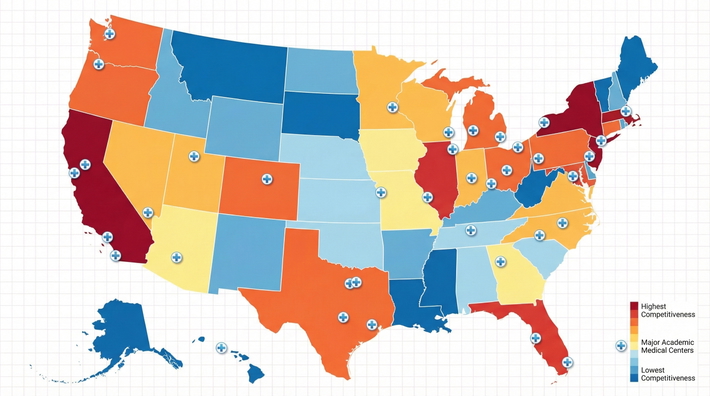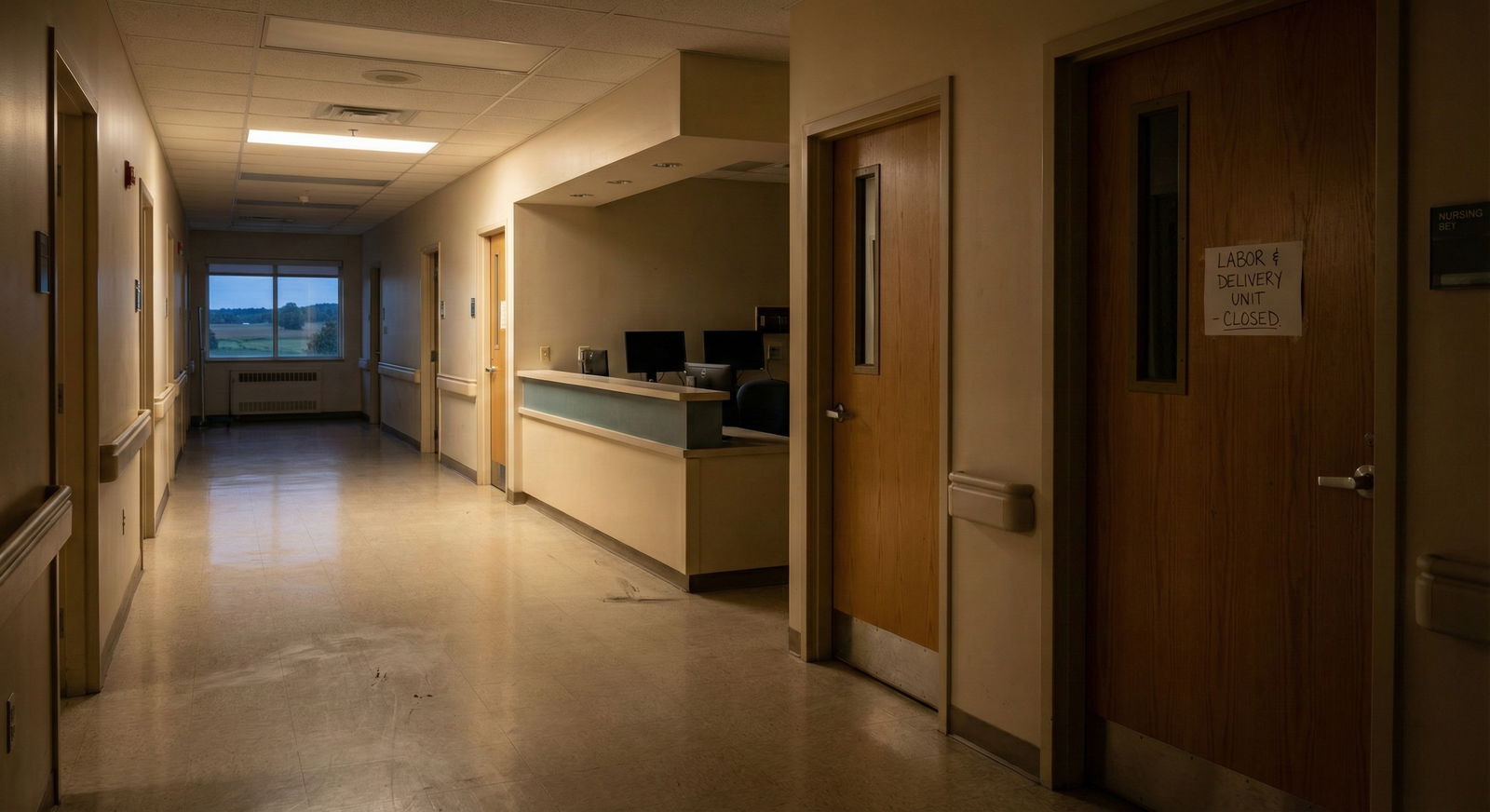
The biggest mistake coastal applicants make about rural heartland residencies is assuming it’s just “cheaper training with worse food.” That mindset will get you miserable fast.
If you’re from LA, NYC, Seattle, Boston, the Bay, Miami—then looking at Iowa, Nebraska, Kansas, the Dakotas, central Ohio, or rural Missouri—you’re not just changing zip codes. You’re changing the entire operating system underneath your life.
If that sounds dramatic, good. Because if you get this wrong, you either:
- Don’t rank great rural programs that would have been perfect for you, or
- You match there and feel blindsided for 3 years.
Let’s walk through how to actually think this through and what to do if you’re seriously considering a rural heartland program.
1. First Reality Check: What You’re Actually Signing Up For
You’re not just choosing a different skyline. You’re choosing:
- Different patient base
- Different idea of “busy”
- Different support systems
- Different politics and culture
- Different long‑term career network
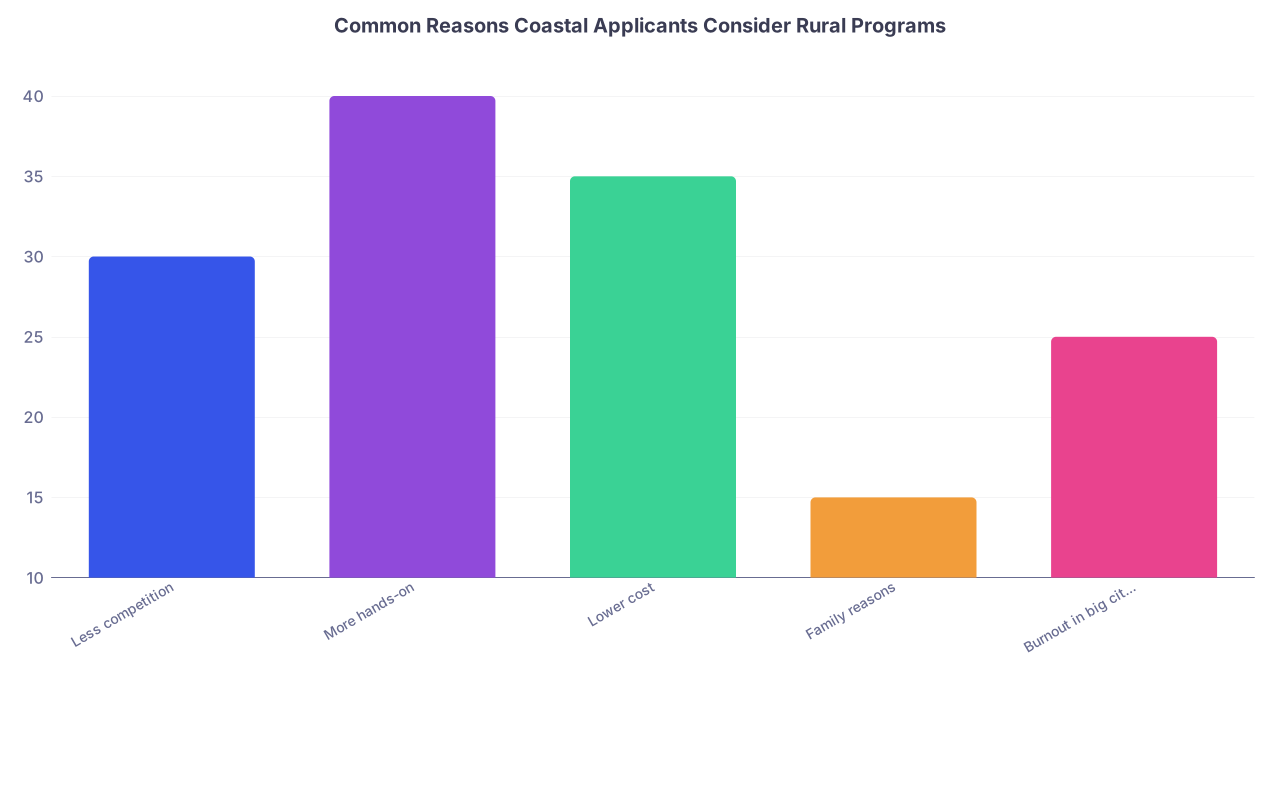
| Category | Value |
|---|---|
| Less competition | 30 |
| More hands-on | 40 |
| Lower cost | 35 |
| Family reasons | 15 |
| Burnout in big cities | 25 |
I’ve watched coastal students show up in the Midwest thinking:
- “I’ll save money and moonlight a ton.”
- “I’ll have less scut because it’s a small hospital.”
- “I’ll still be competitive for any fellowship anywhere.”
Some of that’s true. Some is fantasy.
Here’s the starting litmus test:
Ask yourself, bluntly:
If the training were excellent but the town was underwhelming, would I still be okay?
If the answer is no, stop here. Do not rank rural heartland programs highly. You will hate it.
If the answer is “maybe” or “yes, if…,” keep going. This can actually work really well for you.
2. Understand the Trade: Volume, Autonomy, and Breadth
Rural heartland programs are rarely brand-name flashy. But many of them do something coastal academic powerhouses don’t: they turn you into a very functional, very independent physician fast.
You’ll usually see:
- Earlier autonomy. Because there’s nobody else.
- Broader scope. You manage sicker patients with fewer subspecialists.
- Direct attending contact. Less of a hierarchy bottleneck.
But fewer things:
- Fewer subspecialty services in-house.
- Fewer research opportunities.
- Fewer co-residents (sometimes very few).
| Factor | Coastal Academic Center | Rural Heartland Program |
|---|---|---|
| Subspecialty access | Extensive | Limited/on-call |
| Autonomy early PGY-1 | Often constrained | Often high |
| Research infrastructure | Strong | Variable to weak |
| Cost of living | High | Low |
| Fellow presence | Many specialties | Few or none |
If you’re from a coastal city, you’re used to:
- Pager going off every 5 minutes but always with backup around
- Consultants for pretty much everything
- A big resident cohort you can vanish into when you’re tired
In a rural heartland program you might be:
- The only resident in-house at night
- Fielding calls from nursing, ED, and floor simultaneously
- Calling an off-site cardiologist who’s 40 minutes away, deciding what to do now
That is not “worse training.” It’s different training. If you want to feel clinical growth quickly and aren’t terrified by responsibility, that can be a huge plus.
3. Vetting Programs as a Coastal Applicant: What To Actually Ask
Do not rely on glossy websites or “Midwest nice” during interview day. You need hard info.
Here’s what you ask residents and faculty—out loud, not just in your head.
A. Patient Mix and Pathology
You ask:
- “What’s the catchment area? How far do patients travel to come here?”
- “What pathologies do you never see because they get shipped to the academic center?”
- “How often do you send patients out because you don’t have the service?”
If you want cards, heme/onc, transplant-level complexity, and interventional everything every day, some rural programs will bore you clinically. Others, especially regional hubs, are ridiculously busy and sick. You must distinguish the two.
B. Fellowship Outcomes (If You Care)
If you’re IM, peds, EM, or anesthesia and fellowship might be in your future, this matters.
Ask:
- “Where did your last 5 residents go for fellowship and in what fields?”
- “Who helps with letters and networking for fellowships?”
- “Do you have alumni at coastal or academic centers who still take our residents?”
If they hand-wave this, or they only have local community jobs as outcomes, that’s fine if that aligns with your goal. If you’re secretly thinking cards GI heme/onc in a major city, you need proof that door stays open.
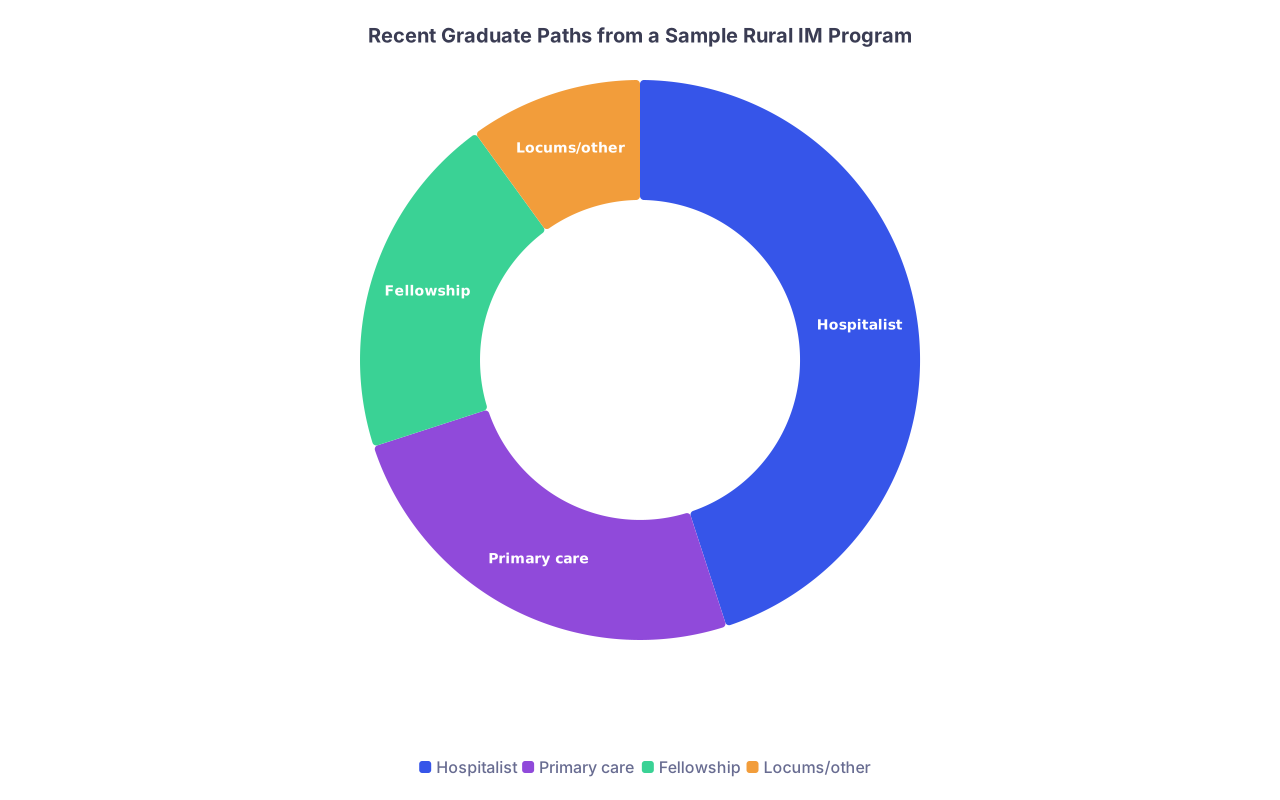
| Category | Value |
|---|---|
| Hospitalist | 45 |
| Primary care | 25 |
| Fellowship | 20 |
| Locums/other | 10 |
C. Lifestyle Reality, Not Marketing
Coastal folks usually underestimate just how different “there’s nothing to do” can feel in a town of 30k vs a city of 3 million.
Ask residents privately:
- “What do people actually do on a free Saturday?”
- “What do you wish you’d known about living here before matching?”
- “How many residents leave the area on weekends?”
If they say, “Most people go to Target and then hang out at home,” and that sounds like prison to you—be honest with yourself.
4. Culture Shock: Politics, Social Climate, and Identity
Let’s be direct. Rural heartland often means:
- More visible religion
- More conservative politics
- Less visible diversity
- Less anonymity
For some of you, that’s not an issue. For others—especially if you’re LGBTQ+, a visible minority, or strongly politically progressive—this can matter a lot to your daily mental health.
Do not ignore this and hope it’ll be fine. Ask residents like you.
If you’re:
- LGBTQ+: “Are there openly LGBTQ residents or attendings? Any queer-friendly spaces in town?”
- A racial/ethnic minority: “How many residents/attendings/patients look like me? Have you had issues with bias or overt racism?”
- Non-religious in a very religious area: “How much does religion come up socially or in the hospital?”
I’ve watched some residents thrive as “the one from New York” who becomes a kind of cultural translator and is well-loved. I’ve also seen others feel isolated and exhausted by microaggressions and small-town scrutiny.
Both outcomes are real. You’re not fragile for caring about this.
5. The Training Upside People from Big Cities Underestimate
There are real, serious advantages to rural heartland programs that coastal folks ignore because they’re distracted by the cornfields.
A few big ones:
Procedural exposure.
No fellow. Fewer subspecialty services. Guess who does more lines, scopes, reductions, deliveries, etc.? You.Ownership of patients.
In small communities, you see the same patients in clinic, in the ED, on the floor, sometimes at the grocery store. It changes how you practice.Staff relationships.
Nurses, techs, RTs know you by name by week 2. That can dramatically improve your working life if you’re not a jerk.Financial breathing room.
When rent is $800–1200 instead of $2500+, your base salary suddenly stretches. You can actually pay down loans or avoid credit card debt.
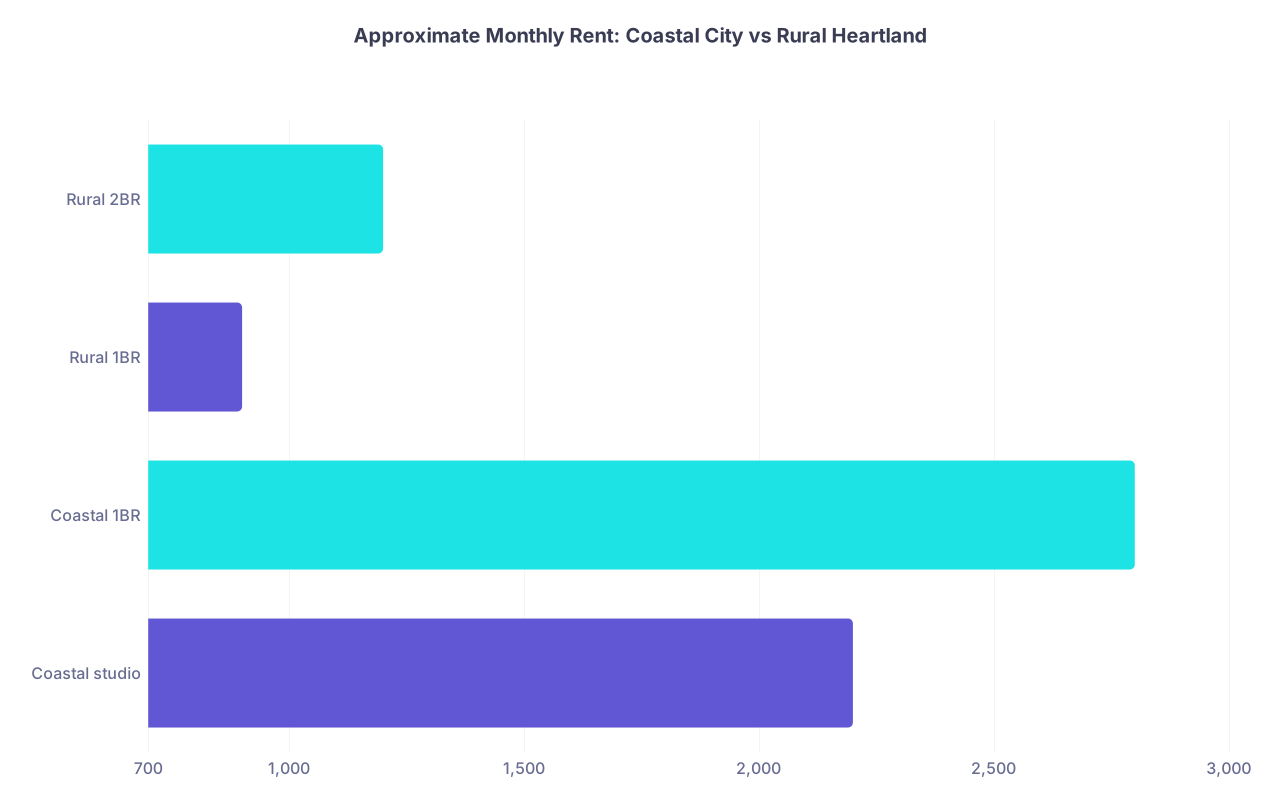
| Category | Value |
|---|---|
| Coastal studio | 2200 |
| Coastal 1BR | 2800 |
| Rural 1BR | 900 |
| Rural 2BR | 1200 |
- Faculty attention.
In some rural programs, the PD knows every resident’s spouse’s name. You want a letter? They’re writing it same day with real stories, not just copy-paste fluff.
If you want to be a strong, general clinician and you can tolerate the location, these programs can be rocket fuel for competence.
6. Red Flags Specific to Rural Heartland Programs
There are problems that show up more often in rural settings. Here’s what I tell people to look for:
Chronic understaffing sold as “autonomy.”
If every answer is “you’ll get great autonomy” but residents look dead behind the eyes, ask about:- Average weekly hours
- How often they violate duty hours in practice
- How many open positions they’ve had in the last 3 years
No exit options.
A rural program that says, “Most of our residents just stay here and work” is fine—if that’s what they choose, not what they’re stuck with. Look for at least some residents who went elsewhere.No diversity, no plan.
If you’re the first person “like you” (race, gender identity, orientation, religious minority) and they’ve made zero visible effort to support that, you might be doing unpaid DEI labor on top of residency.“We’re a family” as code for poor boundaries.
Sometimes this means we will support you no matter what. Sometimes it means:- No privacy
- Guilt-tripping if you push back on coverage
- Social expectation creep
Listen carefully how residents use that phrase.
7. How To Test-Drive the Life Before You Rank
If you can, do more than just a 6-hour interview day and a hospital tour.
Step 1: Do a realistic weekend drill
Use Google Maps. Pick an apartment near the hospital. Pretend you live there.
Ask:
- Where’s the nearest grocery store and what does it actually look like?
- Where would you get coffee? Decent food? A haircut?
- Is there a gym you’d actually use?
- How far is the nearest real airport with multiple daily flights?
Then imagine finishing a 6-day stretch of nights. It’s Saturday 10 am. What are you doing that day? If “drive 2 hours to the nearest city” is your only idea, that gets old.
Step 2: Talk to someone from your coast who matched there
Track down that one resident from California who matched in Nebraska, or the New Yorker in Iowa.
Ask them blunt questions:
- “What was the worst part of the move for you?”
- “When do you feel the most out of place?”
- “What surprised you in a good way?”
Their specifics will be worth more than 20 generic “we love it here” comments.
Step 3: Look at your own track record with smaller places
If you’ve:
- Studied in a small college town
- Done a rural rotation
- Spent time visiting relatives in small cities
Ask how you handled that. Did you go insane by day 3 or did you adjust? Your past self is usually a good predictor of your future tolerance.
8. Thinking Long-Term: After Residency
You need a conscious strategy if you train in the heartland but might want to work on the coasts later.
Here’s how to protect your options:
Network intentionally.
Go to national meetings. Introduce yourself to faculty from coastal centers. Let them know where you’re training and what you’re interested in. This compensates for lack of brand-name halo.Pick a niche.
Be the resident who knows sepsis cold. Or perioperative medicine. Or ultrasound. Or diabetes. Rural programs give you many reps—use them to build a story about your clinical strengths.Document your outcomes.
Keep a rough log of:- Procedures performed
- QI projects with measurable outcomes
- Any patient care innovations you led
That material becomes powerful in cover letters and fellowship applications from a non‑big‑name program.
- Be realistic about coastal job markets.
Major coastal cities are saturated. It’s absolutely possible to move back. It just might not be to the exact neighborhood or salary you fantasize about. That’s not a rural-training problem—that’s a coastal job market problem.
9. If You Do Match: How To Survive the Actual Transition
Let’s say you go for it. You rank the rural heartland program high. You match. Now what?
You’re at risk for two predictable problems: social isolation and quiet resentment.
Here’s how to blunt both.
Build a non-hospital life early
Month 1–2, force yourself to:
- Join one thing: a gym, climbing gym, running group, faith community, book club, something.
- Find one coffee shop or restaurant you like. Make it “yours.”
- Do one activity outdoors in the first month—even if it’s just walking a local trail or sitting by a river.
If you treat the town like a layover hotel you’re stuck in, it will feel like one.
Aggressively maintain ties to home
Create a concrete plan:
- Weekly FaceTime or group call with friends/family
- Book your first trip back to your coastal city before you start residency, even if it’s 8–10 months out
- Use your CME/education money strategically for conferences in cities you enjoy
Having scheduled “escape valves” makes the rural years much more tolerable.
Make the staff your allies
You’re the outsider. If you respect nurses, techs, and support staff, they’ll save you more often than you realize.
Be the resident who:
- Learns people’s names
- Owns mistakes
- Doesn’t trash the town in front of locals
Word travels fast in small hospitals. Use that to your advantage.
10. How to Decide: Rank It High or Not?
By the time you’re ranking, you need a simple, brutal filter. Something like this:

| Step | Description |
|---|---|
| Step 1 | Interested in rural program |
| Step 2 | Rank low or not at all |
| Step 3 | Rank in realistic range |
| Step 4 | Could I tolerate living here for 3 years? |
| Step 5 | Does training advance my long term goals? |
| Step 6 | Any serious red flags? |
Ask yourself:
- If the only thing this program gave me was strong clinical skills, but no glamorous name, would I still be glad I did it?
- Could I handle one legitimately lonely year while I build a new life, if years 2 and 3 are markedly better?
- Does this program keep open the doors I care about: fellowship, specific geographic region, type of practice?
If your honest answers are mostly “yes,” then the rural heartland program probably deserves a real spot on your list—maybe higher than you’d admit to your coastal classmates.
If your answers feel like rationalizations (“I mean, I guess cheap rent is cool”), do not stick it in your top 3. You’re trying to survive, not win a contest for most self-sacrifice.
FAQ (Exactly 5 Questions)
1. Will training in a rural heartland program hurt my chances at a competitive fellowship?
It can, but it does not have to. What hurts you is not the location—it’s lack of research, weak letters, and no connections. If the program has even a handful of recent fellows in your desired field and you’re willing to hustle on research and networking, you’ll be fine. If your dream is derm, plastics, or ENT and the program has literally never sent anyone there, that’s a bigger problem.
2. I’m LGBTQ+ and from a very liberal coastal city. Is a rural heartland program a bad idea automatically?
Not automatically. Some midwestern/rural programs are quietly very supportive with multiple queer residents and faculty. Others are not. The difference is huge. You need direct conversations with current LGBTQ residents or attendings there. If they don’t exist, or you get vague answers, proceed very carefully.
3. How do I explain to coastal friends/family that I chose a small-town program on purpose?
You don’t owe them a TED talk, but a simple frame works: “The training here is strong, I’ll get more hands-on experience, and the cost of living gives me breathing room. It’s three years, not forever.” Most of their reaction is about their own fear of leaving big cities, not about your actual decision.
4. If I know I want to work in a big coastal city long term, should I avoid rural programs entirely?
No. But you should be strategic. Make sure: 1) graduates have successfully taken coastal jobs before, 2) you’re okay with a possible intermediate step (e.g., working in a mid-sized city first), and 3) you actively network outside your hospital during residency. If you want to walk straight into a hyper-competitive private group in San Diego or Manhattan, training locally near them usually helps.
5. What’s the one non-negotiable I should confirm before ranking a rural heartland program highly?
That the current residents are genuinely content with their lives, not just “surviving.” If you see consistent signs of burnout, resentment about call, high attrition, or everybody talking about leaving medicine, do not assume you’re built differently and will magically be fine. Choose a place where at least a decent share of residents says, “It’s not perfect, but I’d choose it again.”
Key points:
- Rural heartland programs can build excellent, independent clinicians—but only work if you’re honest about your tolerance for the town, culture, and distance from home.
- Vet these programs hard on outcomes, resident happiness, and red flags; talk to people like you who trained there.
- If you match, treat the location as a deliberate choice, not a punishment—build a life outside the hospital early and use the training advantages ruthlessly to set up your future.