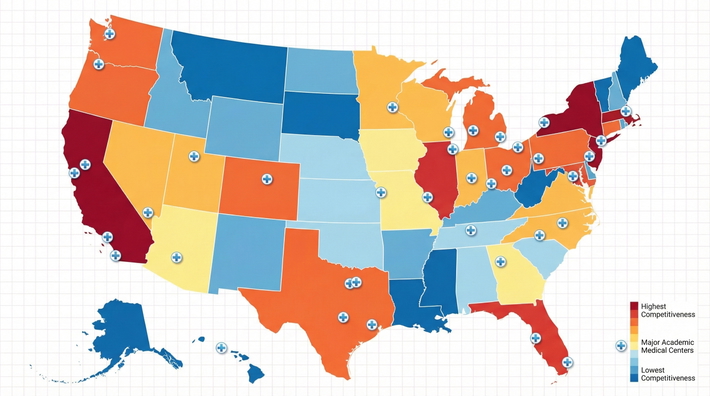
The brochures lie; the conversations after the meeting do not.
Small-town residency programs in the Midwest survive on what they don’t put in writing. The glossy PDFs talk about “tight-knit communities” and “unopposed training.” The real story comes out in the conference room after you log off Zoom. Or in the group text between faculty. Or on that late-night phone call from a graduating resident telling the PD, “You really can’t say that on ERAS.”
Let me walk you through what actually happens.
The Myth of “Unopposed” and What It Really Means
Every small Midwestern program loves the word unopposed. It sounds powerful. It sounds like you, scalpel in hand, alone in the OR like a hero.
Here’s the quieter translation that never appears in the brochure: “You are the only warm body, so everything defaults to you whether or not you’re ready.”
I’ve sat in those meetings where the PD says, “We’re very hands-on; our residents get to do tons of procedures.” Then after the applicant Q&A ends, the same PD turns to the chief and says, “We really need to get more backup for nights; that PGY-1 was alone with a ruptured AAA again.”
Unopposed often means:
- You’re covering ED, floor, ICU, and maybe L&D at night because there is literally no one else.
- You get procedures not because of a carefully structured curriculum, but because you’re the only credentialed person in the building under age 55 at 2 a.m.
- When the attending is “backing you up,” that might mean they’re at home, 30 minutes away, in bed.
Do you get more reps than a big tertiary center? Yes, sometimes dramatically more. But the distribution is wild. Tertiary centers throttle you with layers of fellows and senior residents. Small Midwest programs throttle you with reality: whatever the town generates, you handle.
Unopposed = opportunity and exposure. It also equals risk, chaos, and some nights where you walk to your car shaking, thinking, “That should’ve been managed at a Level I center… but there isn’t one within an hour.”
Who They Really Want to Match (But Won’t Say Out Loud)
Programs will never write this, but I’ve heard variations of it so many times it might as well be on the letterhead:
“We do best with residents who grew up like this.”
Meaning:
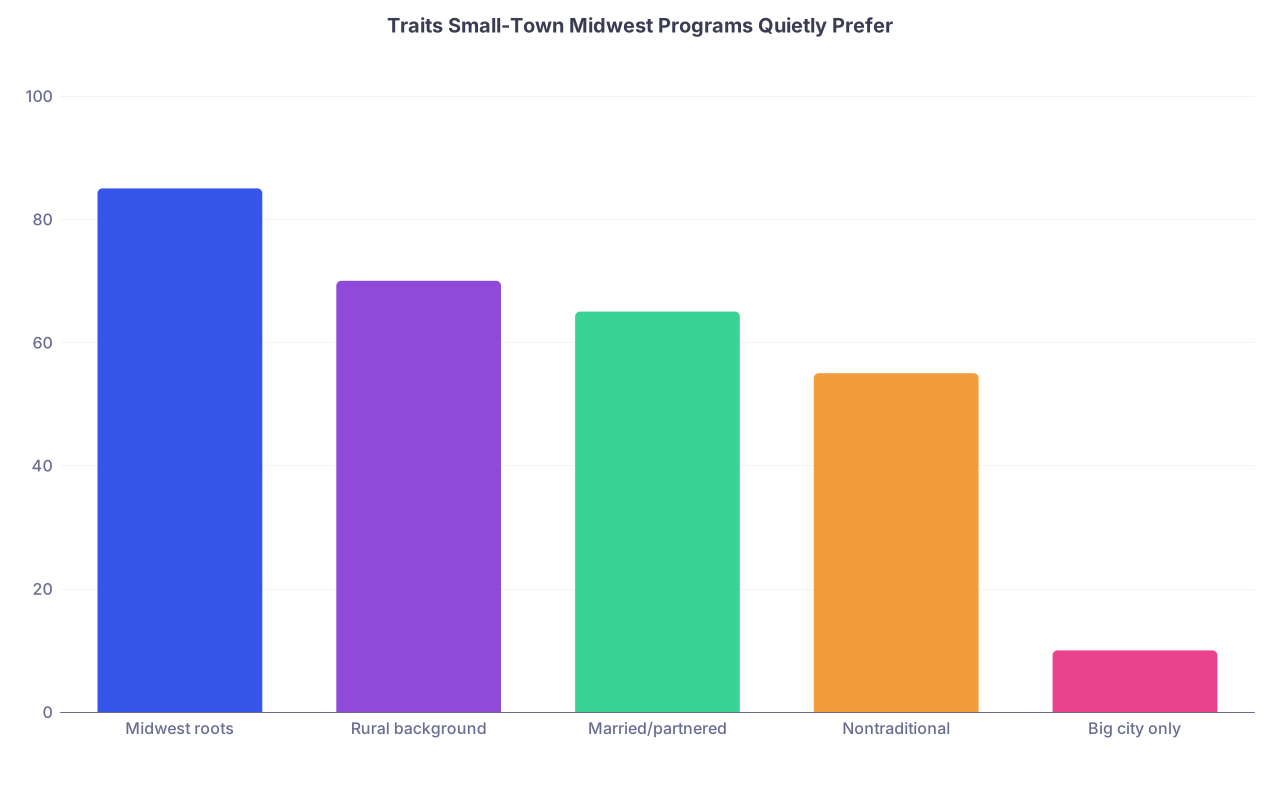
- Small town or rural background
- Midwest roots or strong regional ties
- Married or long-term partner, often already settled
- Previous “nontraditional” life: EMT, nurse, military, older student
They’ll tell you, “We welcome all applicants.” And technically that’s true. But when they rank, they quietly ask:
“Will this person be miserable here by January?”
Here’s the uncomfortable truth: small Midwestern programs feel burned by the coastal, big-city, Ivy-ish applicants who come for the “experience,” then spend two years complaining there’s no Trader Joe’s, no nightlife, and no fancy restaurants. I’ve watched rank meetings where faculty say:
- “They’re impressive, but they’re going to hate it here.”
- “You can see in their eyes—they want Chicago or Denver; they’ll resent us.”
So they start preferring the quieter applications. The one from the kid who grew up in rural Indiana. The DO from a regional school who says, “Honestly, this feels like home.” The second-career nurse who wants to stay close because their kids are in the local school system.
They won’t put this in writing because it smells like bias. But it shapes their list.
| Category | Value |
|---|---|
| Midwest roots | 85 |
| Rural background | 70 |
| Married/partnered | 65 |
| Nontraditional | 55 |
| Big city only | 10 |
You can still match if you’re a single, coastal, 26-year-old who loves big cities. But you’d better have a convincing story about why this town and this region make sense for you. If your whole vibe screams “using you as a backup plan,” they can feel it.
The Call Schedule They Don’t Really Explain
Programs love to phrase call like this: “Home call” or “Q4-5” or “Night float system to protect wellness.”
Let me translate some of the euphemisms I’ve seen in small Midwestern programs:
- “Home call” = you are functionally in-house. If it’s a county-wide program with one ED and you’re the only doctor on for OB or medicine, you will not be sleeping. Your couch just happens to be at home.
- “Night float” = one resident, sometimes a nurse practitioner, covering way more patients and departments than would ever fly in a city program. You’re often the ICU, the floor, rapid response, sometimes ED, and occasionally L&D consults.
- “Q4–5” = on paper. In practice, if someone is out, there isn’t a massive backup list of prelims and fellows to plug in. It’s you. Or your co-resident. Meaning some months feel like Q3.
Here’s a timeline I’ve seen repeated across multiple small programs: the first few months are tolerable, even light compared to horror stories you’ve heard. Then winter hits. Flu season, RSV, COVID spikes, snowstorms that block locums from getting in. Suddenly everyone’s favorite word is “coverage.”
Residents learn fast what the glossy schedules don’t show. Those are the numbers for a perfectly staffed, zero-sick-leave, zero-pregnancy, zero-quitting year. That year does not exist.
Volume vs. Complexity: The Real Trade-Off
One thing small-town Midwestern programs will never admit in official materials: some of you will be under-challenged on pure complexity.
You’ll see a lot of:
- COPD, CHF, DM disasters
- Nursing home back-to-ED-back-to-nursing-home loops
- Simple fractures, lacs, abscesses, abdominal pain that’s constipation
- Bread-and-butter OB if they still do deliveries
What you won’t see as much of, unless the town truly draws from a huge catchment:
- Multi-specialty oncology cases
- Cutting-edge interventions and rare diseases
- Transplant, LVADs, ECMO, complicated neurosurg
So if you’re the kind of person who wants to live inside UpToDate on odd zebras, you may feel starved. Programs know this. They work around it by:
- Sending you to 1–3 month “away tertiary” rotations
- Partnering with a big academic center for subspecialty exposure
- Shoving you into every interesting case whenever a helicopter lands
But here’s the core feature they don’t spell out. You’ll become brutally competent at undifferentiated, front-door medicine and basic procedures. You may be less fluent in managing ultra-specialized path unless you deliberately seek it out.

The attendings talk about this among themselves. I’ve heard it in faculty retreats:
“Our grads crush community jobs. But when they go straight into a quaternary care fellowship, the first month is rough until they catch up on the rare stuff.”
Again, not brochure material.
Politics, Power, and the “Family” Lie
“Welcome to our residency family.”
Watch residents’ faces when they hear that on interview day. The PGY-3 with dark circles who looks at the floor? That’s your truth-teller.
In small Midwestern programs, politics is amplified because the cast of characters is tiny and stable. You aren’t rotating through 200 attendings with layers of admins. You’re dealing with:
- The same 10–15 core faculty for 3–5 years
- A small group of nurses who’ve been there for decades
- Maybe one or two hospitalists per shift, total
If you fall out with one powerful attending, that’s not just an awkward block. That can define your entire residency.
Things I’ve personally heard at these programs, behind closed doors:
- “We’ll never put this in writing, but X is toxic. We’re trying to get them to retire.”
- “Y is brilliant clinically but should not be allowed to speak to residents.”
- “Do not schedule Z on the same service as that PGY-2; they already cried twice last month.”
In a big-city academic center, you can adapt by picking certain subspecialties, leaning into different mentorship circles, or vanishing into the fellowship track. In a 6–8 person Midwest residency class, those options don’t exist. Your “family” is your only family.
And yes, programs know exactly which residents they’re protecting and which they’re letting fend for themselves. They talk about you in faculty meetings. Not always fairly.
The Hidden Credential Game: DO vs MD, US vs IMG
Here’s another truth they won’t print on any website: small-town Midwest programs are often the last safe harbor for specific applicant groups.
- Osteopathic grads who want certain specialties.
- US-IMGs who got iced out of coasts and top-20 hospitals.
- Caribbean grads who are strong but not “sparkly” enough on paper.
- MDs with blemishes: Step failures, leaves of absence, career pivots.
In faculty whispers, they talk about this frankly:
“If we don’t train these docs, who will?” “We know they won’t be competitive at Big Name Academic Center, but they’ll do great here.”
Boards scores matter, of course, but the obsession is milder. The faculty are more likely to think in terms of, “Will I trust this person on call alone at 3 a.m.?” than “Will this person bump our fellowship placement in cardiology by 2%?”
| Factor | Quiet Priority Level |
|---|---|
| Regional ties | Very High |
| Step 2 score | Moderate |
| DO vs MD distinction | Lower than average |
| IMG status | Variable |
| Personality/fit | Extremely High |
If you’re a DO or IMG, understand this: these programs may actually value you more than some brand-name institutions because they know you’re more likely to stay, practice locally, and stabilize their pipeline.
They just can’t say that out loud without getting accused of being a “backup” program. So they lean on vague language: “We appreciate diverse educational backgrounds” and “We love training osteopathic physicians.”
Translation: “We know the academic centers aren’t banging down your door, and to be honest, we’re glad, because you fit what we need.”
The Lifestyle Trade Nobody Wants to Spell Out
Here’s the biggest unspoken calculation in small Midwestern programs:
“We will give you autonomy, earlier responsibility, maybe a slightly saner cost-of-living life… in exchange for you accepting less glamour, fewer fancy resources, and sometimes more emotional weight.”
The lifestyle picture looks very different once you strip away the Instagram filters.
Yes, your rent might be $900 for a decent apartment. Maybe you have a driveway. Maybe even a yard. Your commute is 7 minutes. Traffic is a rumor.
But:
- Isolation is real, especially if you’re single and your co-residents are all married with kids.
- Dating can be rough. Locals may assume you’re transient; professionals your age are scarce.
- Winter is brutal. Grey sky, lake effect snow, interstate closures. That alone can erode mental health if you’re prone to seasonal depression.
- Getting away on weekends is not as easy as “I’ll just hop on the train.” You’re driving an hour plus to an airport, minimum.

| Stage | Activity | Score |
|---|---|---|
| Arrival | Match excitement | 4 |
| Arrival | Move to small town | 2 |
| PGY-1 | Heavy call | 2 |
| PGY-1 | Strong procedures | 4 |
| PGY-2 | Increased autonomy | 5 |
| PGY-2 | Winter burnout | 2 |
| PGY-3 | Job offers locally | 5 |
| PGY-3 | Mixed feelings about staying | 3 |
Programs know this churn. They see the pattern:
- PGY-1: “This is busy but I love how much I’m doing.”
- PGY-2 winter: “I’m tired, my friends are in cities, I’m not sure I can do another year here.”
- PGY-3: “Wow, I can get a job right here with great pay, low cost of living, and these nurses already know me.”
They pitch “work-life balance” because on their ledger, they’re comparing to the most malignant academic services. But the real trade is not hours. It’s richness of life outside the hospital vs. intensity and richness of opportunity inside.
Some people thrive in that quieter environment. Others rot. Programs can sometimes tell which you are before you can.
What They Say About You After You Log Off Zoom
Let me give you something you never see: the conversation in the 5 minutes after your interview ends.
Applicant with 260+ Step 2, Ivy med school, wants cards:
“They’re not coming here.” “Yeah, but do we rank them anyway?” “Put them on the list, but they’ll go to a university. We’re not wasting emotional energy selling them.”
Applicant with mid-220s, DO from a regional Midwestern school, spent years as an EMT, says they want to do full-scope community practice:
“That’s our person.” “Yeah, they’ll stay. And they won’t freak out when the only restaurant open after 10 is the Walmart deli.” “They’ll be solid on call. You can just tell.”
Applicant who talks nonstop about getting out of the Midwest “eventually” and returning to the coast:
“We’ll be three years of punishment for them. They’ll hate it here.” “Pass, or push them way down. We’ve been burned before.”
No one records those lines. They never hit email. PDs know better than to put that bias in writing. But the pattern is obvious if you’ve sat in enough rank meetings.
The Hidden Upside They’re Afraid to Brag About
I’ve been harsh, so let me say this clearly: a strong small-town Midwestern program can turn you into a terrifyingly capable physician.
Things these programs under-sell:
- You’ll often get real attending-level responsibility earlier, because there is no army of fellows.
- You’ll learn systems-based practice quickly, because if you aren’t moving the whole ED along, people actually sit in the waiting room for 6+ hours.
- You’ll become comfortable with imperfect conditions: limited imaging, no on-site specialist at 2 a.m., waiting on transfer beds that never open.
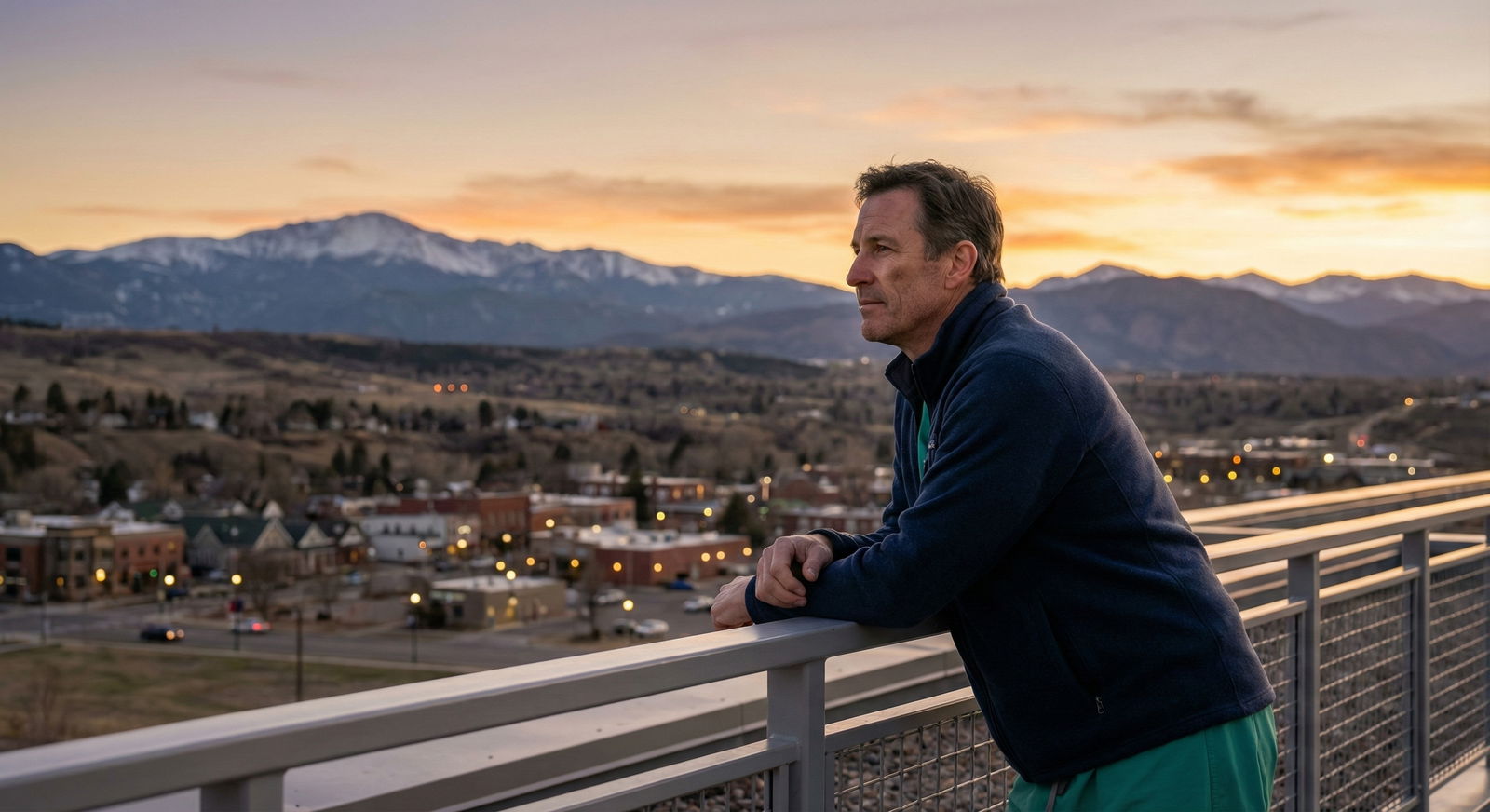
Academic “name” programs produce polished subspecialists. Small-town Midwest programs often produce clinicians who can walk into any community hospital in America, see whatever walks through the door, and handle it.
They don’t brag about that enough because they’re so busy trying not to look “less than” the big centers. But the hospitals hiring you after graduation know the difference.
If You’re Thinking About These Programs, Here’s How to Read Between the Lines
You asked for behind the scenes, not fluff, so here’s how to interrogate a small-town Midwest residency without them realizing you’re doing reconnaissance.
Ask PGY-2s, not just chiefs, about call. PGY-1s don’t know better yet; PGY-3s are too close to the finish line to care. PGY-2s are the canaries.
Ask about their last three grads. Where are they now? Did they stay local? Community vs academic? Did anyone crash out or transfer? Programs hate admitting transfers, but residents will talk.
Ask nurses privately. If you get an in-person visit, pay attention to whether nurses roll their eyes when you mention residency. In a small program, if nursing hates residents, your life will be miserable.
Ask about backup on nights. Literal, concrete questions:
- “Who’s physically in the building between midnight and 6 a.m.?”
- “Is the ICU attending on-site or at home?”
- “How far away do attendings live when they’re on home call?”
Ask what they wish they could change. How they answer tells you volumes. Evasive = red flag. Honest but specific (e.g., “We need a second intensivist, and administration is finally recruiting”) = better.

You won’t get everything in writing. You’re not supposed to. But residents will put more truth in a five-minute “any other questions?” chat than any brochure.
The Future: Why These Programs Are More Important Than You Think
Here’s the part almost nobody talks about when they glamorize big academic medicine: rural and small-town hospitals are where the system either survives—or collapses.
Many small Midwest programs exist because a hospital system finally realized, “If we don’t grow our own physicians, we won’t have any.”
You’re going to see:
- More small-town programs springing up, often loosely affiliated with regional universities.
- More pressure to keep grads local, with signing bonuses, loan repayment, and “be the town doc” pitches.
- More political fights between hospital boards and residency leadership over cost vs. training quality.
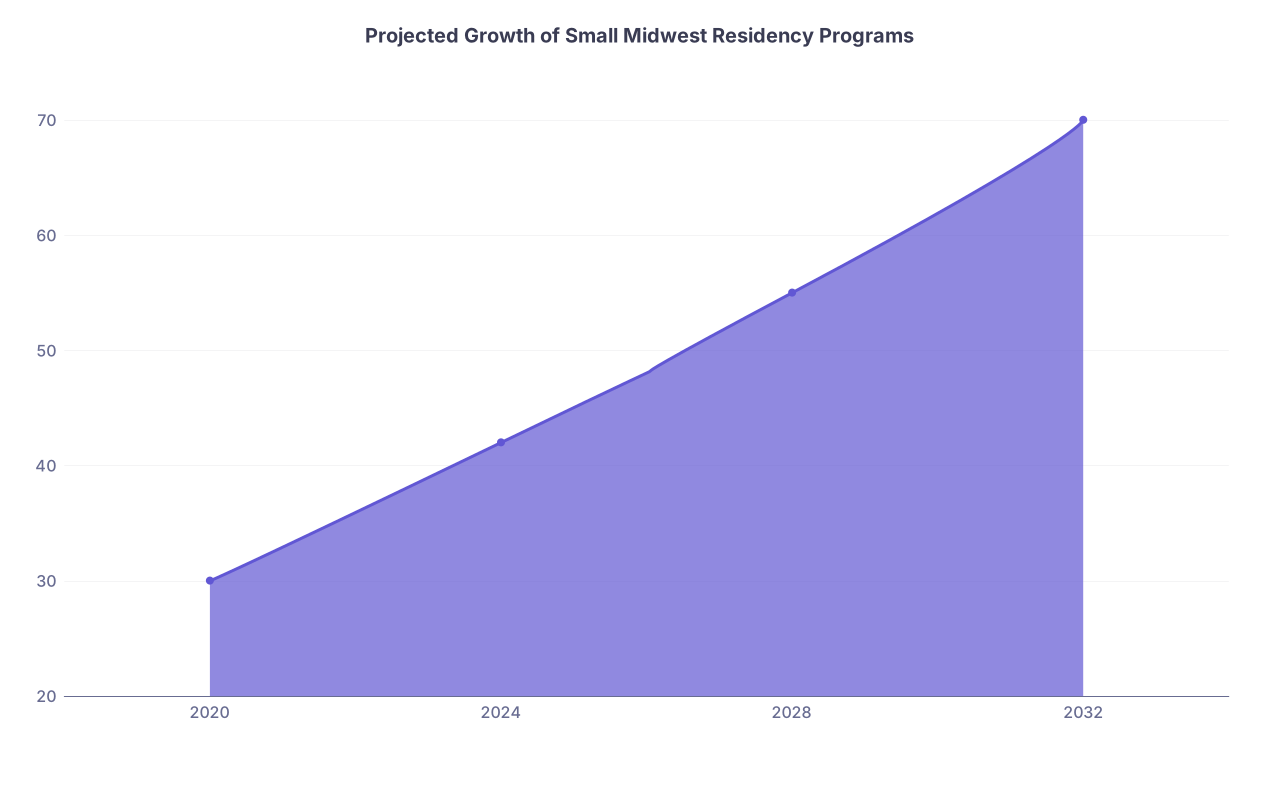
These programs are not going away. They’re multiplying. Because they have to.
| Category | Value |
|---|---|
| 2020 | 30 |
| 2024 | 42 |
| 2028 | 55 |
| 2032 | 70 |
If you train in one of them, you’re not choosing “less than.” You’re choosing a very specific type of career foundation. One where you learn to operate when no cavalry is coming. Where your mistake doesn’t just get papered over by a fellow or a specialty consult—people remember. And you grow from it fast.
Programs will never put that stark reality in their brochures. But it’s there, under the surface of every smiling class photo in front of the “Regional Medical Center” sign.
Years from now, you won’t remember which city programs ghosted you or which website had the prettiest virtual tour. You’ll remember how it felt walking alone down that quiet hospital corridor at 3 a.m., in some flat Midwestern town, knowing that for this patient in front of you, you were the doctor. And realizing you were actually ready.