

Last winter, a second-year resident showed up on rounds with that hollow-eyed look we all recognize. She was technically “fine”—notes done, labs checked, cases ready. But every attending on the team knew she was circling the drain. By the end of the week, she somehow had a lighter census, an oddly well-timed “research half-day,” and a magically approved vacation request that had been “stuck with GME” for weeks.
You know what she never saw? The back-channel emails, the closed-door conversations, the “I’ll take that hit with the PD” moves her faculty made to keep her from cracking. That’s what you’re going to learn here.
Let me tell you what actually happens behind the scenes when good faculty decide to protect residents from burnout—and how you can quietly work with them instead of against them.
The Quiet Red Flags Attendings Watch For
Residents think they’re hiding it. You are not.
Attendings, chiefs, and PDs read you the same way they read EKGs. Pattern recognition. You think they’re just asking “How’s it going?” to be polite. They’re not. They’re scanning for specific things.
Here are the big ones I’ve watched people track in real time:
- You start missing small things you never used to miss—pending consults, discharge summaries, unsigned notes.
- You get oddly irritable with nurses or consults, when that wasn’t your baseline.
- Your documentation shifts: shorter, sloppier, suddenly behind.
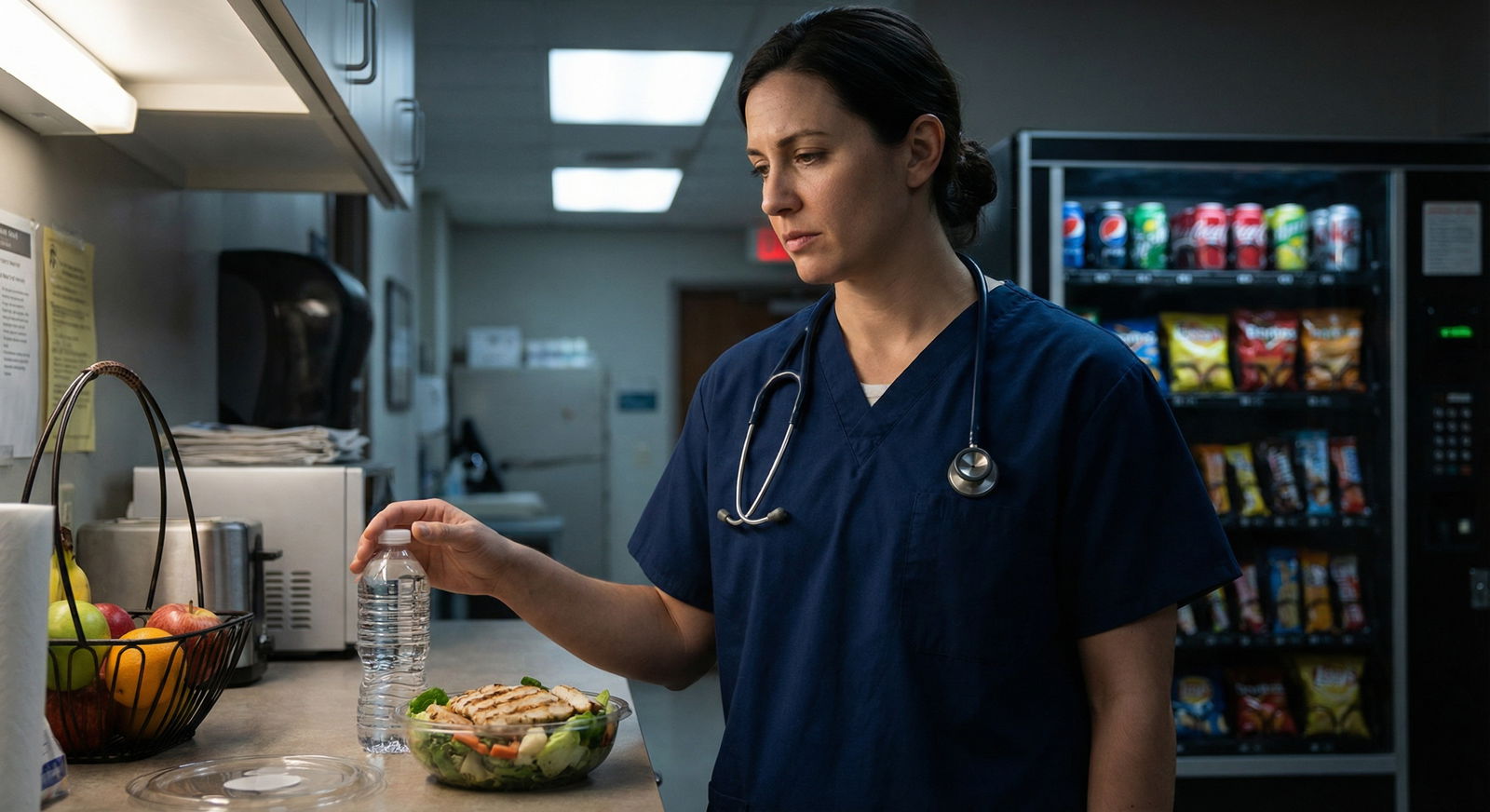
- You stop eating during the day “because I’m just too busy.”
- You start volunteering to take more—extra admissions, extra procedures—because you’re trying to prove you’re “still good.”
The residents who are truly in trouble often look “hyper-functional” right before they crash. Overcompensating. Saying yes to everything. That’s when seasoned attendings step in.
And the best ones do it in ways you don’t even recognize as protective—because they know you’ll resist help if it’s too obvious.
The Census Game: How They Quietly Lower Your Load
Here’s the dirty little secret: patient load is not as fixed as you think. It’s… flexible. If an attending wants to shield you, they start manipulating the system.
I’ve seen this play out a hundred times.
1. “We’ll Cap Early Today”
Official cap is, say, 10. Your team sits at 8. Technically, you can take more. A tired PGY-2 is already drowning but insists, “We’re okay.”
What happens behind the curtain:
- Attending tells the admitting officer or triage doc: “We’re functionally capped. Send the next ones to the other team.”
- The board magically gets rearranged.
- You think the night is just “unusually light.” No. Someone intervened.
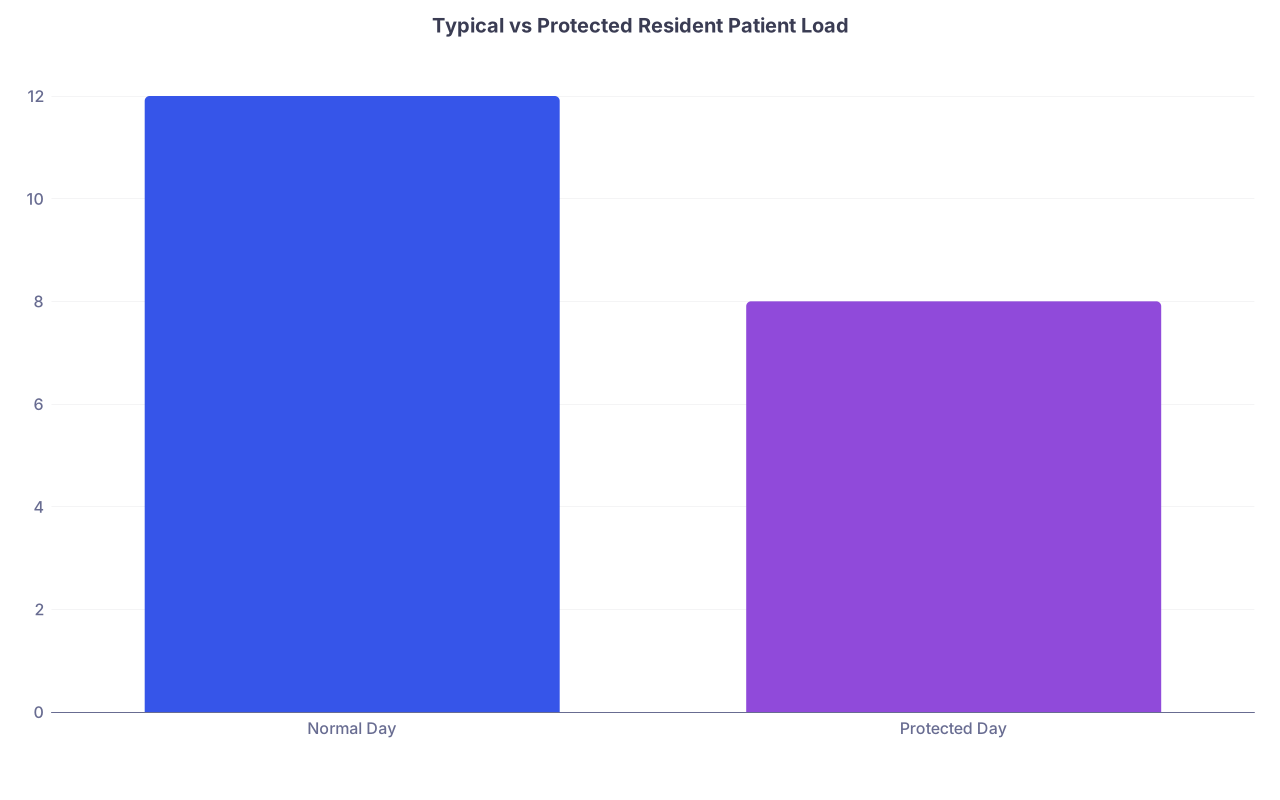
| Category | Value |
|---|---|
| Normal Day | 12 |
| Protected Day | 8 |
2. Reassigning “Just This One”
On teaching services, attendings sometimes shuffle patients between residents under the guise of “learning opportunities.”
Translation: they offload you without triggering your pride.
You’ll hear:
- “Hey, let’s give that new admission to the intern, it’s a good bread-and-butter IM case.”
- “I want you to really focus on these two complex patients—you’ll learn more diving deep than spreading thin.”
- “We’re going to move that stable post-op to the other team so you can own the sicker ones.”
What really happened: three attendings, a chief, and maybe the PD informally decided you’re running too hot and need your list trimmed.
3. Blocking Dumping From Other Services
Attendings know exactly which services love to push work onto residents. The habitual “can you just admit this to medicine?” at 6:55 pm. The Friday 4:45 pm “oh by the way…”
When you’re burning out, good attendings start saying no for you. Or slow-walking the process so you’re not buried at sign-out.
I’ve literally seen an attending pick up the phone and say to another service:
“Listen, my resident is at their limit. You can either admit that patient yourself and we’ll transfer tomorrow, or we’re not taking them tonight. Your call.”
Resident never hears about it. They just notice the pager is weirdly quiet for an hour.
Schedule Surgery: How They “Operate” On Your Call and Shift Patterns
You think your schedule is sacred because it’s in Amion or QGenda. It isn’t. There’s a whole shadow game attendings, chiefs, and PDs play to alter reality without broadcasting it.
Protected Switches
When a resident is on the brink, faculty will quietly initiate schedule swaps that look random but are very targeted. You’ll see:
- “Hey, can you and X swap calls next week? He’s got a personal thing.”
- “We’re moving you off this Saturday 24 to a Sunday short call instead.”
No one will say, “We’re worried you’re going to fall apart.” They frame it as coverage needs, fairness, “I owe this person a favor.”
What’s really happening: someone advocated for you in a room you weren’t in.
The Sudden “Educational” Half-Day
Another common tactic: inventing an “education priority” day.
You hear:
- “Take the afternoon to work on that QI project and meet with me at 3pm.”
- “You’re behind on your scholarly requirement—go to the library after noon conference.”
- “I want you to sit in on clinic to get more continuity experience today.”
In reality, that attending just carved four protected hours out of a day that was breaking you.

| Step | Description |
|---|---|
| Step 1 | Notice Resident Struggling |
| Step 2 | Informal Chat With Chief |
| Step 3 | Shift Call or Shifts |
| Step 4 | Create Education Half Day |
| Step 5 | Communicate as Coverage Need |
| Step 6 | Resident Gets Breathing Room |
| Step 7 | Is Schedule Flexible |
Covert Call Protection
There are attendings who will quietly tell night float or cross-cover:
“If that resident calls in sick tonight, I’m backing them. No questions. We’ll call it ‘acute illness’ and I’ll deal with GME.”
They’re not planning to be abused. They’re giving you a safety net. So that if you hit the wall at 3 pm, you can call them without fearing total chaos.
Here’s the part most residents misunderstand: that conversation has to exist before you crash. The ones who get protected are often the ones who had a frank 5-minute hallway talk two weeks earlier.
Documentation and Duty Hours: The Stuff That’s “Massaged”
There are two official realities in residency: what happened, and what’s documented.
You already know duty hours don’t always match lived experience. What you may not know is how faculty selectively under-report or over-document things to protect you when they think you’re near burnout.
Do some attendings abuse this? Absolutely. But the best ones use it surgically, to keep you safe, not to exploit you.
Duty Hours as a Pressure Valve
Here’s a common scenario I’ve seen:
- Resident has been honest all year. Logs 80–83 hours some weeks, triggers a few “violations.”
- GME starts sniffing around. Program gets annoyed. Pressure builds.
- Resident hits a brutal stretch: admits until 2 am for three nights, then a 28-hour call.
An understanding attending will quietly say:
“Log 75 this week. You and I both know you didn’t, but I’d rather take that minor documentation sin than have you formally in trouble when you’re already running on fumes.”
Is that technically wrong? Yes. Does it happen? All the time.
And the reverse is true too: some attendings will push you to log more accurately when they’re building a case to GME that your service is dangerously overworked and needs systemic change. Your fatigue becomes evidence.
“I’ll Take the Hit on That One”
When you’re behind on notes or orders, there are attendings who will step in quietly.
You’ll see:
- They do the discharge summaries themselves “because I need to rewrite anyway.”
- They enter late orders and sign them off as theirs, not yours.
- They walk into a meeting with, “Yes, that consult was delayed, I was the bottleneck.” Even if they weren’t.
They’re doing damage control so the system doesn’t chew you up over something that is clearly downstream of chronic overwork.
Vacations, “Personal Days,” and the Back-Channel Save
Residents think vacation approvals are just admin stuff. It’s not. It’s politics, leverage, and occasionally, protection.
There are two versions of PTO: the official one, and the off-the-record one.
The Emergency Break-Glass Vacation
Every program has a small stash of unofficial emergency levers they can pull when someone is about to implode.
Here’s roughly how it works behind closed doors:
- Attending (or chief) notices you’re in bad shape.
- They go to the PD and say, “If we don’t pull them off service for a week, they’re going on leave in a month. Choose.”
- PD groans, worries about coverage and ACGME, but starts calling: chiefs, other services, maybe the DIO if it’s serious.
- Suddenly, someone’s rotation becomes a lighter elective. Your call gets redistributed. Your upcoming week mysteriously opens up.
Official language: “Schedule adjustment,” “coverage modification,” “educational realignment.”
Real translation: “We pulled this resident back from the cliff and everyone ate some crap to do it.”

The “Personal Reason” Cover Story
Faculty will use vague, protective language in emails:
- “Resident X will be out next week for personal reasons.”
- “We’ve adjusted coverage; patient care will not be affected.”
- “Do not contact them about non-urgent matters during this time.”
You think that kind of shielding only happens for residents with formal leaves. It doesn’t. Good leaders sometimes use it preemptively, long before you hit HR-level crises.
The Emotional Triage: Who Gets Protected (and Who Doesn’t)
Here’s the part that’s unfair, but true: not every resident gets the same level of off-the-record protection.
Faculty are human. They’re more likely to go to war for residents they:
- Trust clinically
- See as honest and self-aware
- Believe will use the buffer to recover, not to coast
- Feel have been “team players” and not constantly adversarial
If you chronically blow off feedback, snap at staff, or act like a martyr who never needs help, people are simply less motivated to burn political capital on you. They might still do the basics, but the extra effort—the phone calls, the quiet reassignments, the fights with other services—that goes to the residents who have invested in relationships.
I’ve sat in these meetings. The language is blunt:
“She’s working too hard, but she listens and adjusts. Let’s get her some help.”
versus
“He’s burning out, but he’s been arrogant and rude for months. I’ll protect his duty hours, but I’m not rebuilding the entire schedule around him.”
That may sound harsh. It’s reality.
What Faculty Look For When Deciding to Step In
When an attending is debating “Do I intervene off-the-record or not?” they’re basically running through this checklist in their head—even if they’d never admit it.
| Factor | Makes Them Step In | Makes Them Hold Back |
|---|---|---|
| Insight | Admits struggling | Denies any issues |
| Reliability | Usually dependable | Frequently disorganized |
| Attitude | Teachable, respectful | Defensive, dismissive |
| Pattern | Acute change from norm | Chronic same behavior |
| Risk | Patient safety concern | Mild, more annoyance |
The more you fall in the left column, the more likely you are to benefit from those hidden protective moves nobody talks about.
How You Can Work With These Strategies Instead of Against Them
You cannot control every system dysfunction. But you absolutely can make it easier for good faculty to protect you.
And yes—there are specific moves that work.
1. Drop the “I’m Fine” Act With the Right People
You don’t need to emotionally undress in front of every attending. But having 1–2 faculty who get the unfiltered version of how you’re doing? That’s powerful.
The best conversations I’ve seen, the ones that triggered real behind-the-scenes help, sounded like this:
“I’m not unsafe, but I’m closer to the edge than I want to be. I’m making more small mistakes. I’m sleeping like garbage. I can keep pushing, but I’m worried about where this heads in a month.”
That signals insight, not weakness. It puts you on their internal radar as “someone I need to protect before they break.”

2. Give Them Cover to Act
Faculty will go much further if you don’t back them into a corner publicly.
What doesn’t work:
- Complaining loudly on rounds about duty hours in front of students and nurses.
- Calling out other services in emails CC’ing half the hospital.
- Fighting every minor issue as if it’s a federal case.
What works:
A short, precise, private discussion.
“I can handle today. But if this pace continues all week, I’m concerned I’m going to start missing important things. If there’s any flexibility in admissions or call, I’d really appreciate it.”
You’re giving them permission—and data—to quietly adjust vents and flow behind you.
3. Make Your Effort Visible, Not Just Your Exhaustion
Faculty are far more likely to stick their necks out if they can walk into a PD meeting and say:
“She’s killing herself for this program. She stays late to clean up charts. She owns her patients. She never dumps on night float. We need to protect her.”
If all anyone ever sees is you complaining or stumbling, there’s nothing to build that case on.
Working hard doesn’t mean glorifying suffering. It means being reliable enough that when you do ask for help, people know you’re not just trying to get out of work.
What You Don’t See: Closed-Door Conversations on Your Behalf
Let me sketch one out for you, because this is what “good” looks like.
Resident: PGY-2 in medicine. Solid, not a superstar, but dependable. Recently lost a family member. Running hot on a heavy ICU month.
Attending notices they’re quieter. Missing tiny things. Looks like they haven’t slept in a week.
That attending sends an email to the chief:
“Can we talk about X? I’m a little concerned.”
Next day, there’s a meeting: attending, chief, maybe PD.
Conversation sounds like:
Chief: “How bad?”
Attending: “Not unsafe, yet. But they’re right on the edge. List is brutal. Nights have been heavy. They had that bereavement a couple weeks ago. I’d like to get them a lighter stretch before they crash.”
PD: “We’re tight on coverage.”
Chief: “We can pull them to a softer elective for a week if we shift Y and Z, but that screws surgery’s schedule.”
PD: “I’ll call surgery. Tell X we’re adjusting for ‘educational needs’ and ‘service balance.’ Do not tell them it’s because we think they’re fragile. I don’t want them feeling labeled.”
Attending: “I’ll frame it as an opportunity to work on that QI project we discussed.”
You, the resident, get an email later that week:
“Due to service demands, we’re adjusting your upcoming rotation and call schedule. You’ll be on [elective] for a week, then back to ICU. Please use the time to advance your scholarly activities.”
You think, “Huh, lucky break.” It wasn’t luck.
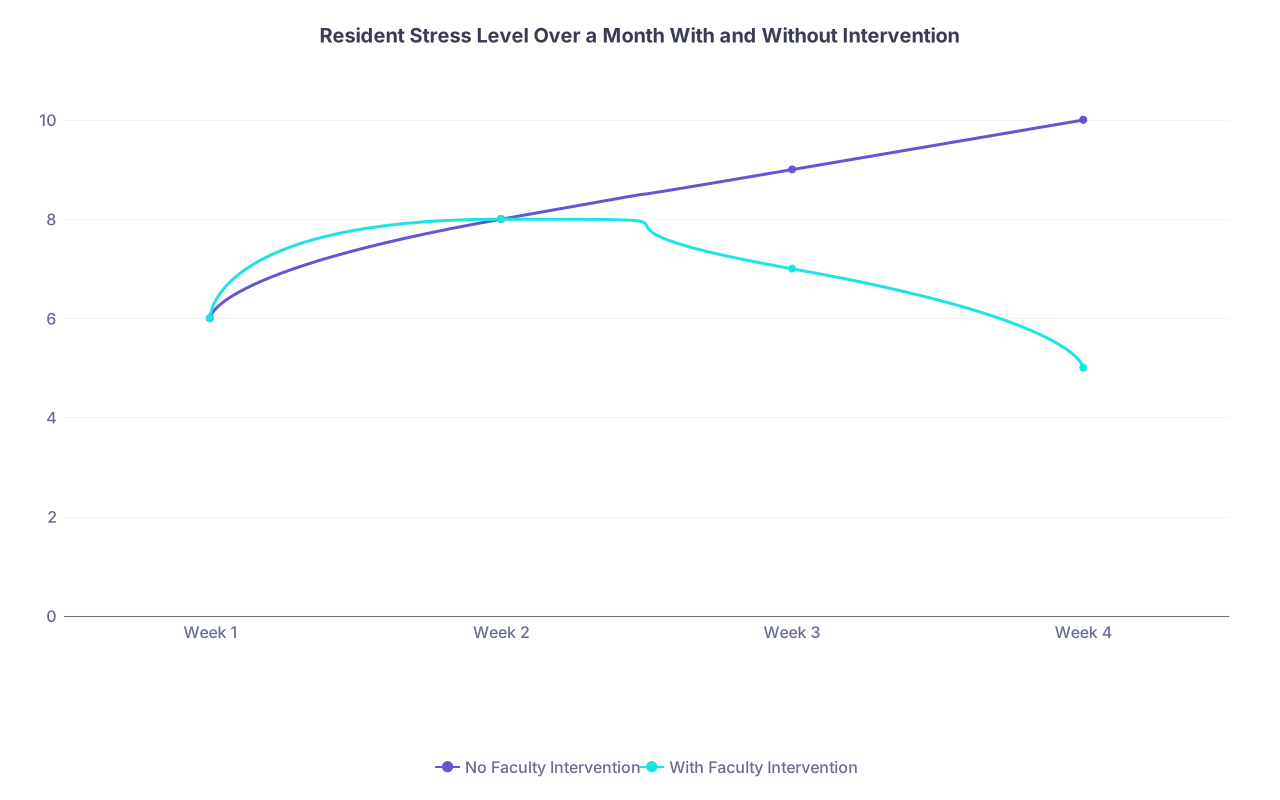
| Category | No Faculty Intervention | With Faculty Intervention |
|---|---|---|
| Week 1 | 6 | 6 |
| Week 2 | 8 | 8 |
| Week 3 | 9 | 7 |
| Week 4 | 10 | 5 |
The Dark Side: When Programs Get This Wrong
Not every place plays this game well.
There are programs where:
- Any sign of struggle is labeled as “not resilient.”
- Duty hour reporting is weaponized against residents, not used to protect them.
- Faculty are too burnt out themselves to defend anyone else.
- Everything is “by the book” until someone ends up on leave for major depression or worse.
If you’re in a program like that, you still may find one or two faculty who privately don’t buy into the toxic culture. Those are your lifelines. Find them. Talk to them. They often want to help but need a signal it’s welcome.
And if there is truly no one? Then your burnout strategy has to include a long-term exit plan. Different conversation, but a real one.
How to Tell If Faculty Are Actually Looking Out for You
You’ll never see all the back-channel moves. But there are telltale signs:
- When you’re struggling, they focus feedback on systems and support, not just “work harder.”
- They occasionally push back on consults or admin in front of you—subtly signaling, “You’re not alone.”
- They check in at weirdly specific times: post-call afternoons, late in a brutal rotation, right after a bad outcome.
- Their schedule “luck” seems to favor the residents who are clearly strained.
That’s not coincidence. That’s experience plus intention.
The Bottom Line: What You Should Take From All This
Let’s end this cleanly.
First: There’s a whole layer of quiet protection in residency you’re not supposed to see. Patient caps adjusted. Calls swapped. “Educational time” invented. Duty hours softened. It’s how good faculty keep you functional in a broken system.
Second: Who gets that protection is not random. Residents who show insight, reliability, and some level of humility get more people fighting for them behind closed doors.
Third: You have more power than you think to trigger these protective instincts. Honest, targeted conversations with the right faculty—before you snap—give them permission and justification to start pulling those off-the-record levers for you.
You will not beat burnout by willpower alone. But if you understand how attendings and PDs actually operate in the shadows, you can stop trying to white-knuckle everything and start letting the people who know the game help you survive it.


