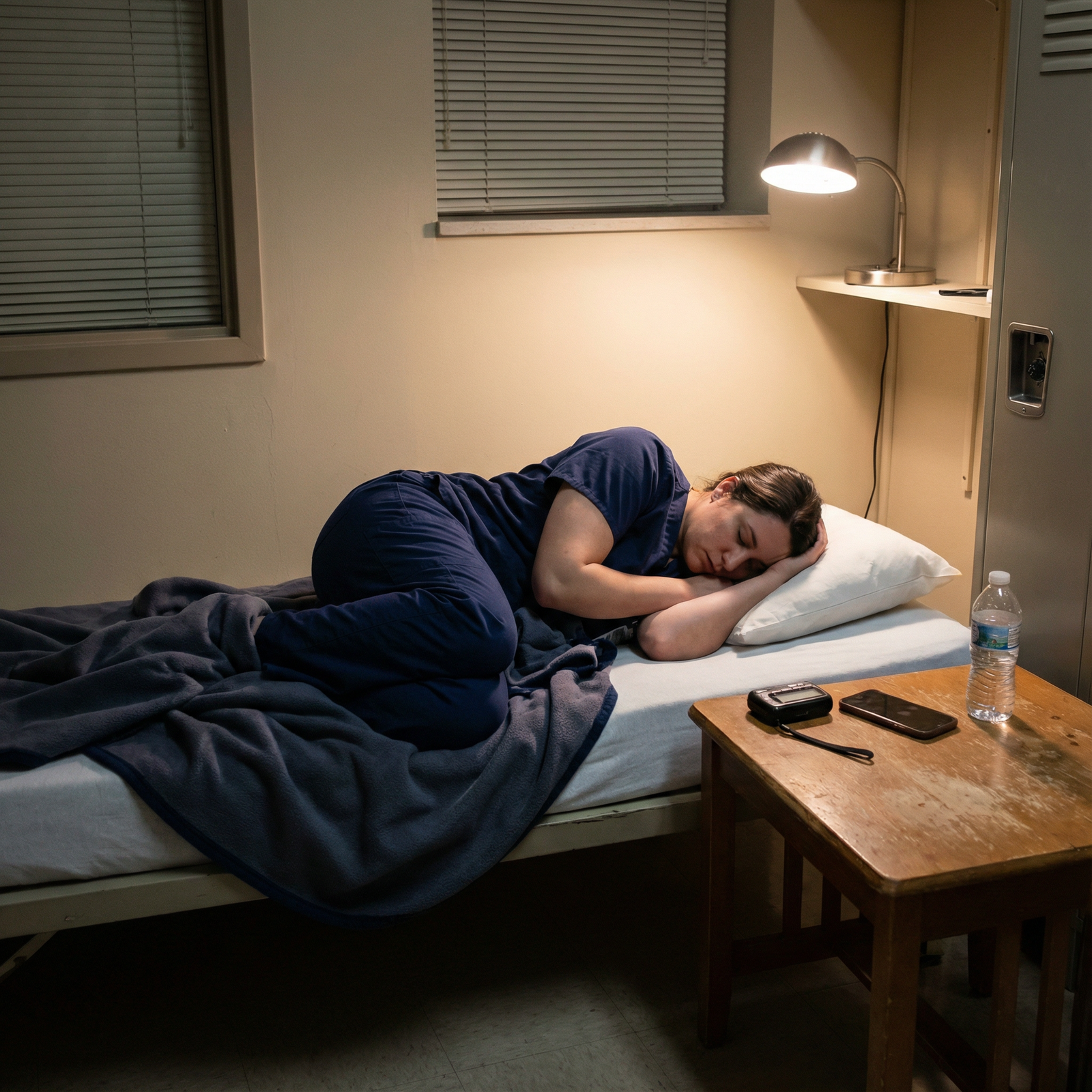
We talk about work hours and burnout, but we almost never talk honestly about this: chronic sleep loss turns your brain into a different microbiome-controlled organ. And your clinical judgment pays the price.
You are not just “tired on nights.” You are a sleep‑deprived host running a shifted microbial ecosystem, altered immune signaling, and a rewired prefrontal cortex. That combination changes how you interpret data, how you weigh risk, and how quickly you reach for cognitive shortcuts. I have watched sharp residents become error‑prone zombies by post‑call day 3 of a terrible week. Not because they stopped caring. Because their biology changed under them.
Let me break this down specifically.
The False Story: “I’m Used to Being Sleep-Deprived”
Most residents quietly believe a myth: “I function fine on 4–5 hours. I’m used to it.”
You are not. What you are is adapted to feeling impaired, not to actually functioning normally.
Studies on residents, ICU nurses, and EM attendings show the same pattern:
- Subjective performance: “I’m okay, maybe a little slower.”
- Objective performance: reaction time, diagnostic accuracy, and vigilance tank.
- Insight into impairment: terrible. People underestimate how badly they are functioning.
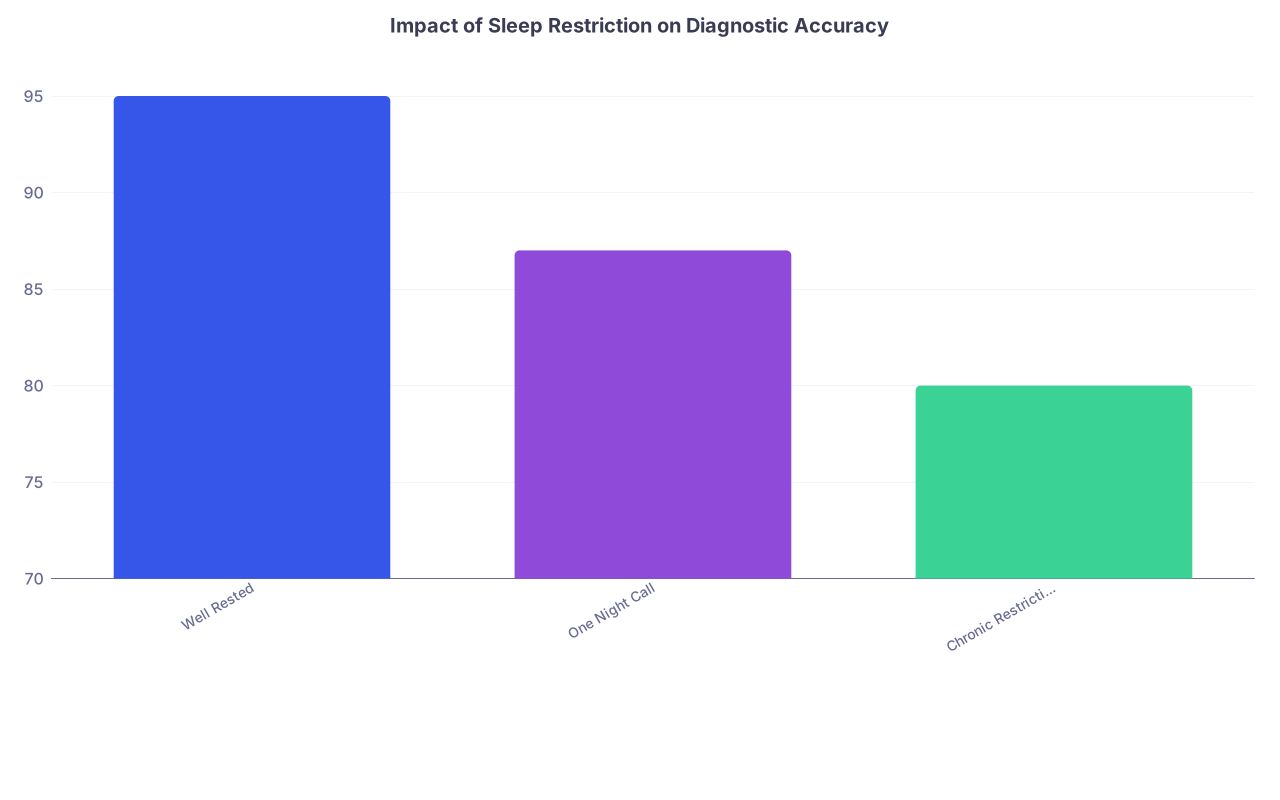
| Category | Value |
|---|---|
| Well Rested | 95 |
| One Night Call | 87 |
| Chronic Restriction (5h/night) | 80 |
So why call this “the microbiology of fatigue”? Because chronic partial sleep loss is not just about neurons. It is about:
- Shifts in gut microbiota composition.
- Microglial activation and neuroinflammation.
- Cytokine profiles that alter cognition and mood.
- Changes in barrier function (gut and blood–brain barrier).
- Metabolites that feed directly into brain function and decision‑making.
If you think this is hand‑wavy wellness talk, keep reading. This is mechanistic.
What Sleep Deprivation Actually Does to Your Brain
Forget the vague “brain fog.” On a practical level, chronic sleep restriction hits three domains that matter in residency:
- Executive function (prefrontal cortex).
- Attention and vigilance.
- Risk assessment and error monitoring.
Prefrontal Cortex Under Sleep Debt: Where Judgment Lives
The prefrontal cortex (PFC) is what you use when you decide:
- “Do I admit this borderline patient or try outpatient follow‑up?”
- “Is this chest pain story low‑risk, or am I missing something?”
- “Should I override the pharmacist’s concern?”
Functional MRI studies in sleep‑deprived subjects show:
- Reduced PFC activation in tasks involving working memory and decision‑making.
- Increased activity in amygdala and limbic circuits, which biases toward emotional and fast responses.
- Less connectivity between PFC and other cortical areas.
That translates at 3 a.m. into:
- Over‑reliance on first impressions.
- Anchoring harder on the initial diagnosis.
- Less willingness to re‑frame when new data appear.
- More emotional decision‑making (irritation, dismissal, impatience).
You have seen this in yourself or your co‑resident:
- The post‑call senior who refuses to change antibiotics despite new culture data because “this is fine, we’re not changing everything now.”
- The night float who snaps “it’s just anxiety” about chest pain without walking through the differential.
The biology is not subtle. After about 16–18 hours awake, your neurocognitive profile looks like someone legally intoxicated. And layered on top of that: microbiology and inflammation.
The Microbiology Angle: Gut, Brain, and Immune Crossfire
Sleep loss does not just make you yawn. It rewires host–microbe interactions in a way that feeds directly into cognition.
1. Gut Microbiome Shifts with Sleep Restriction
Short sleep—on the order of 4–5 hours per night across a week—has been shown to:
- Reduce overall microbial diversity.
- Increase certain pro‑inflammatory taxa (for example, some Proteobacteria).
- Decrease beneficial SCFA‑producing species (like some Firmicutes).
That is not academic trivia. These shifts:
- Increase production of inflammatory mediators (LPS, etc.).
- Reduce short‑chain fatty acids (SCFAs) like butyrate that support gut barrier integrity and modulate immune responses.
- Alter tryptophan metabolism, impacting serotonin and kynurenine pathways.
So when you are post‑call and grabbing graham crackers and coffee, your gut is already in a state that promotes low‑grade inflammation and neurochemical change.
2. Barrier Dysfunction and Endotoxemia
Chronic sleep restriction is associated with:
- Increased intestinal permeability (“leaky gut”).
- Higher circulating endotoxin levels in experimental settings.
- Activation of TLR4‑mediated inflammatory pathways.
Even mild, intermittent endotoxemia is enough to:
- Activate microglia.
- Increase CNS cytokine levels (IL‑1β, TNF‑α, IL‑6).
- Alter neurotransmission, especially in PFC and hippocampus.
You feel this as “brain fog,” irritability, and slower processing. Your EEG shows increased slow‑wave activity even when you are awake. That matters when you are reviewing subtle ECG changes or questionable CT findings.
3. Microglial Activation and Neuroinflammation
Sleep deprivation repeatedly triggers:
- Microglial activation.
- Astrocyte‑mediated synaptic pruning.
Over time, chronic under‑sleeping does not just temporarily impair function; it alters synaptic architecture. Residents doing years of 60–80 hour weeks with fragmented sleep are not just acutely tired. They are repeatedly driving neuroinflammatory cycles.
In animal models, this changes:
- Working memory performance.
- Cognitive flexibility.
- Stress reactivity.
In humans, you see it as the PGY‑3 who is far more cynical, impatient, and blunt in risk‑benefit discussions than they were as an intern. Some of that is experience. Some of it is biology shifted by years of sleep debt and inflammation.
How Microbiology-Driven Fatigue Shows Up at the Bedside
Let us bring this into specific clinical scenarios. Because this is where it matters.
Scenario 1: The 3 a.m. “Too Many Variables” Consult
You are on night float. Medicine consult. A 68‑year‑old with metastatic cancer, pneumonia, CKD, soft blood pressures, borderline urine output, and a family asking about “doing everything.”
Cognitively intact, well‑rested you:
- Integrates prognosis, reversible vs non‑reversible factors, goals of care.
- Holds multiple contingencies: trial of pressors with clear endpoints versus transition to comfort.
- Navigates nuance with the family without rushing to simplistic framing.
Sleep‑deprived, inflamed‑brain you:
- Seizes on one salient feature (“they’re DNR already,” or “we should always give a chance”).
- Shows less flexibility in adjusting the plan as labs roll in.
- Has less tolerance for family emotion and more tendency to shut down the conversation.
That is not personality. That is executive dysfunction plus amygdala bias, plus the background physiological drag of neuroinflammation.
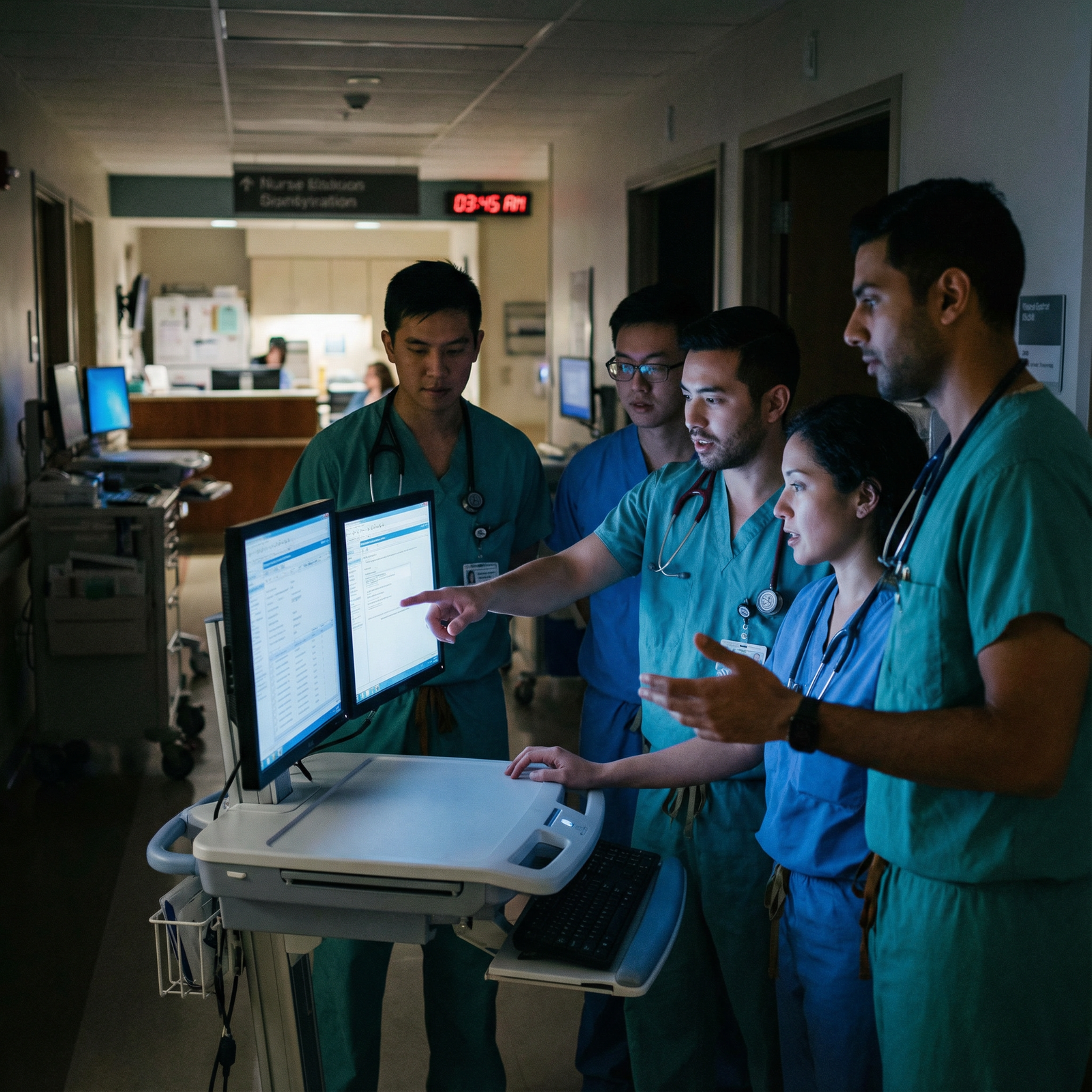
Scenario 2: Pattern Recognition without Error Monitoring
Think about rapid‑fire cross‑cover pages:
“Patient with COPD wheezing, needs something for breathing.” “Post‑op POD2, tachy 115, maybe pain?” “Fever to 38.5, likely atelectasis.”
When you are tired and inflamed, your brain leans heavily on pattern recognition (“this looks like the last 10 times…”) and cuts back on error monitoring. Your anterior cingulate and PFC are not as engaged in asking: “What if this is the one time it is different?”
That is where you miss:
- The new pulmonary embolism labeled as “COPD wheeze.”
- The anastomotic leak behind “POD2 tachycardia.”
- The line infection under “atelectasis fever.”
It only takes a 5–10% drop in vigilance and error checking to materially change patient outcomes in a high‑volume service.
Sleep Loss, Microbiology, and Risk Attitude
Here is a subtle but clinically important effect: sleep fragmentation and microbiome‑driven inflammation shift risk tolerance.
Some data from psych and behavioral economics work:
- Sleep‑deprived individuals are more biased toward short‑term rewards.
- They underestimate negative outcomes, especially when the risk is abstract.
- They have more variable risk preferences—swinging from over‑cautious on simple tasks to recklessly fast on complex ones, depending on context.
Layer microbiology on top:
- Certain microbiome configurations correlate with anxiety‑like or depression‑like behaviors in animal models.
- SCFA levels and tryptophan metabolites correlate with stress reactivity and decision‑making under uncertainty.
In residency terms, that means:
- One night you over‑admit every borderline patient “just in case,” gumming up the system.
- Another night, half‑awake and drowning, you discharge or downplay someone you should have kept, because you just want the problem off your list.
- The same person, different degree of sleep debt, different microbial/inflammatory state—different risk posture.
You are not as consistent as you think, and your physiology is driving part of that.
Residency Work Hours: Where Biology and Policy Collide
Let us look at how this biology interfaces with actual work hour structures.
| Pattern | Typical Schedule | Key Biologic Effects |
|---|---|---|
| 24+4 traditional call | 28–30h every 3–4 days | Acute severe impairment, microglial activation |
| Night float (5–7 nights) | 11–14h overnight blocks | Circadian disruption, microbiome shifts |
| Chronic 70–80h weeks | 6 days/week, long shifts | Chronic inflammation, neurocognitive drift |
| Compressed ICU rotations | 12h x 6 days, several weeks | Cumulative sleep debt, decision fatigue |
ACGME caps are built around total hours, not the deeper biology:
- Two residents can both work 70 hours.
- One with structured rest, predictable nights, and protected sleep gets partial recovery.
- One with chaotic admissions until 3 a.m., pager interruptions, and no nap opportunities runs a constant inflammatory/cognitive deficit.
On paper, both are “compliant.” In reality, one is practicing much closer to their potential, the other is impaired most of the time.
This is the part program leadership often does not want to hear: you can be 100% within regulations and still be systematically degrading your trainees’ microbiology, cognition, and judgment.
Practical Strategies: Protecting Judgment in a Biologically Hostile System
You are not going to fix ACGME or hospital staffing as a PGY‑2. But you can tilt biology back in your favor in a meaningful way. This is not fluffy wellness; this is preserving your prefrontal cortex and microbiome enough to not hurt people.
1. Treat Sleep Like a Non‑Negotiable Drug
When on nights or heavy rotations, you need minimum effective doses of real sleep:
- Aim hard for 7 hours on off days.
- On call or nights, fight for consolidated blocks: even 4–5 hours unbroken is better than 7 hours in 45‑minute fragments.
Stop telling yourself “I’m fine on 4 hours.” No, you are functioning at reduced capacity and normalizing it. You cannot willpower your way around synaptic downscaling and neuroinflammation.
If you can nap safely:
- 20–30 minutes before a night shift or during a lull.
- Longer naps (60–90 minutes) if your schedule allows and you can wake without a hangover.
Even short naps have measurable effects on vigilance and reaction time.
2. Protect Your Microbiome Under Fire
You do not need a probiotic subscription box. You need to stop wrecking your gut on call.
Concrete steps:
- Do not fast for 18 hours then inhale pizza and soda. That pattern amplifies dysbiosis and inflammation.
- Aim for something with fiber and protein during long shifts: nuts, hummus and veg, Greek yogurt, even halfway decent cafeteria salads. This is not about weight; it is about SCFAs and glycemic stability.
- Limit the “energy drink plus candy” combo. Acute sugar spikes worsen attention swings and feed the wrong microbes.
Hydration matters, too. Mild dehydration plus sleep loss plus endotoxemia is a cognitive mess.
You will not eat perfectly on nights. Nobody does. But small upgrades, repeatedly, blunt the biological hit in a measurable way.
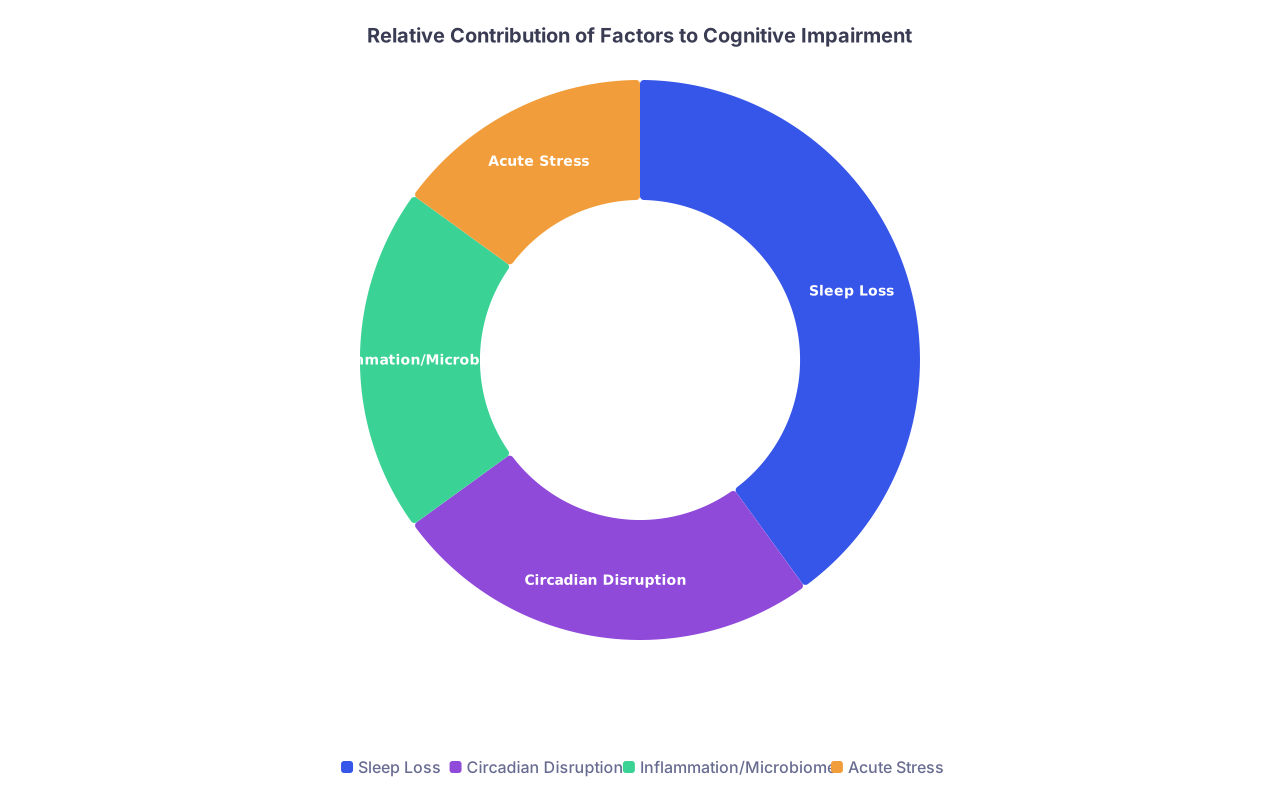
| Category | Value |
|---|---|
| Sleep Loss | 40 |
| Circadian Disruption | 25 |
| Inflammation/Microbiome | 20 |
| Acute Stress | 15 |
3. Build “Cognitive Guardrails” into Your Practice
Assume you will be impaired on some nights. Then build systems to catch you.
Practically:
- Use checklists for high‑risk tasks: ICU transfer orders, anticoagulation changes, sepsis bundles. You are not “too advanced” for checklists; you are smart enough to know your brain lies to you when tired.
- Force a 10–20 second pause before irrevocable decisions: intubation threshold in borderline cases, DNR discussions, stopping broad‑spectrum antibiotics on unstable patients. Even that short cognitive pause can re‑engage PFC.
- Use a colleague as a “prefrontal cortex extension.” Before a big decision at 4 a.m., run a 30‑second “sanity check” by the co‑resident or overnight attending: “This is what I’m seeing, this is what I’m thinking—am I missing something obvious?”
Fatigued brains underestimate the value of a second pair of eyes. Build the habit anyway.
4. Consciously Counteract Biases You Know You Have When Tired
Patterns I see:
- Dismissing vague complaints (especially from “frequent flyers”) more quickly.
- Downplaying abnormal vitals in patients who are “young and otherwise healthy.”
- Ignoring subtle lab drifts because “it’s probably just lab variation.”
When you are tired, write down a short list on your sign‑out sheet: “Things I am more likely to ignore when fatigued.” Make yourself run through that list for every rapid‑fire decision set.
It seems ridiculous. It works.
Program-Level Moves (If You Have Any Say at All)
If you end up as chief, QI lead, or part of a scheduling committee, push for changes that match the biology, not just the regulations.
Realistic examples:
- Avoid stacking 4+ nights in a row without a full recovery day with protected sleep.
- In ICUs, front‑load staffing on the admission‑heavy times (evening) so the night resident is not drowning from 7 p.m. to 2 a.m. and then expected to make subtle decisions at 5 a.m.
- Introduce structured “hard stops” where decisions require a second sign‑off after a certain hour (for example, complex code status changes or high‑risk medication initiations between midnight and 6 a.m. require attending confirmation unless emergent).
You will get pushback: “We all did it, you’ll be fine.” That is not an argument. That is a confession of normalized impairment.

| Step | Description |
|---|---|
| Step 1 | Extended Shift |
| Step 2 | Sleep Loss |
| Step 3 | Microbiome Shift |
| Step 4 | Neuroinflammation |
| Step 5 | Executive Dysfunction |
| Step 6 | Biased Clinical Judgment |
| Step 7 | Higher Error Risk |
The Uncomfortable Truth: This Is Not Purely Individual Responsibility
I am not going to pretend you can hack your way out of a fundamentally hostile schedule with kefir and sleep hygiene. You cannot biohack a 28‑hour call into being safe.
The system is structured around the assumption that:
- Residents are semi‑disposable labor.
- Learning requires “immersion” that often masks plain overwork.
- Fatigue is a character test rather than a neurobiologic hazard.
All your microbiology and sleep physiology says otherwise.
So your job is twofold:
- Within the constraints you have, protect your brain and microbiome enough to keep your error rate as low as possible.
- Over time, push—politely or not—for system changes that align with what we know about fatigue, inflammation, and judgment.
Because the end result is not just whether you feel burned out at the end of PGY‑3. It is whether your patients got the level of judgment they deserved.
Key Takeaways
- Chronic sleep loss in residency is not just “being tired.” It drives microbiome shifts, neuroinflammation, and prefrontal dysfunction that directly distort clinical judgment.
- You consistently underestimate your own impairment; subjective “I feel okay” is meaningless against the objective cognitive hit of nights, call, and 70‑hour weeks.
- You can blunt (not erase) the damage by aggressively protecting sleep, supporting your microbiome, and building cognitive guardrails and peer checks into your decision‑making—while pushing your program toward schedules that respect basic biology.