
58% of clinicians who technically qualify for NHSC loan repayment never apply because they pick the wrong locations or misunderstand how HPSAs really work.
Let me be blunt: if you want to use National Health Service Corps (NHSC) programs to crush your loans, geography is not a backdrop. It is the strategy. The zip code you choose will be worth more than 50 clever budgeting hacks combined.
You asked about “Geographic HPSA and NHSC Programs: Targeting Locations for Loan Relief.” Good. That is exactly the right level of specificity. Let’s break this down like someone who actually cares about their debt-to-income ratio, not “following your passion” into a $300k loan trap.
1. What HPSA Actually Means (And How It Drives Your Money)
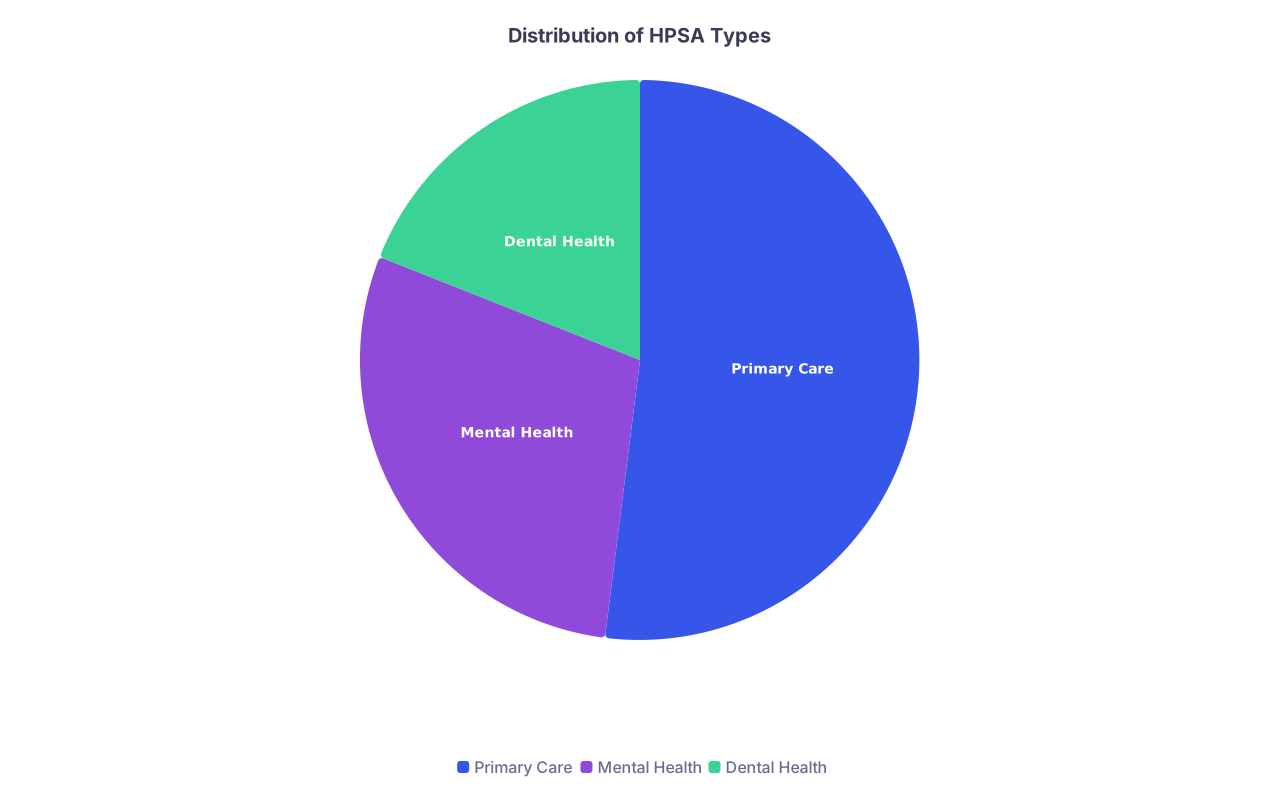
| Category | Value |
|---|---|
| Primary Care | 52 |
| Mental Health | 29 |
| Dental Health | 19 |
Most people toss around “HPSA” like it is a single thing. It is not. And if you do not understand the subtypes, you will absolutely pick the wrong site or get burned in the contract fine print.
HPSA = Health Professional Shortage Area. It is a federal designation used by HRSA (Health Resources and Services Administration) to track where clinicians are in short supply. That designation controls:
- Whether a site can host NHSC clinicians
- How large your NHSC award can be
- How competitive your application is
There are three primary HPSA types:
- Primary Care HPSA
- Mental Health HPSA
- Dental Health HPSA
Each has its own score, its own supply-demand calculation, and its own NHSC tracks.
Then there is a second key distinction people forget:
- Geographic HPSA – The entire area (e.g., a rural county, neighborhood, or service area) is underserved. Any qualifying site inside it can be an NHSC site if it jumps through the administrative hoops.
- Population-Group HPSA – Only a subset of people there are considered underserved (e.g., low-income, Medicaid, migrant farmworkers, homeless).
- Facility HPSA – Specific facilities (like FQHCs, FQHC look-alikes, certain Indian Health Service or tribal facilities, some rural health clinics, correctional facilities) are designated even if the broader area is not.
For NHSC purposes, your money follows the combination of:
- The HPSA type that matches your discipline (PCP, psych, dentist, etc.), and
- The HPSA score where your specific site is located, not just the county name someone wrote on the job posting.
You are not choosing “a state.” You are choosing a specific clinic with a specific HPSA ID and score.
2. How NHSC Uses HPSA Scores To Decide Your Award

HPSA scores run on a scale from 0 to 25 (higher = more severe shortage). They are calculated from population-to-provider ratios, poverty levels, travel times, and some other variables.
For NHSC Loan Repayment Program (LRP) and related tracks, that score is not just trivia. It drives both:
- Whether your site is eligible, and
- How much you can actually get.
The exact scoring thresholds change by cycle, but the pattern is consistent: higher HPSA score = more funding priority and often larger guaranteed minimums.
Typical pattern you will see (example ranges, not fixed forever):
| HPSA Score Range | Funding Priority | Practical Outcome |
|---|---|---|
| 18–25 | Highest | Best shot at full awards, faster timelines |
| 14–17 | High | Competitive but often funded |
| 10–13 | Moderate | Funded variably, more risk in waitlists |
| <10 | Lower | Sometimes eligible but less attractive for NHSC |
And then there are award levels. For the “classic” NHSC LRP, 2-year full-time primary care:
- You can see awards up to $50k (and more in some cycles) for high-need sites, with incremental extensions.
- Certain substance use disorder and rural tracks have boosted caps and priority handling.
The specific dollar numbers are updated regularly on the NHSC site, but the underlying truth does not change: if the HPSA score is low, you are volunteering to gamble with your application and your repayment amounts.
You do not just ask, “Is this an NHSC site?”
You ask, “What is the HPSA ID and score for this site, and under which discipline?”
If the recruiter cannot answer that without “checking with admin,” treat that as a yellow flag.
3. NHSC Program Menu: Which Track Fits Your Situation?
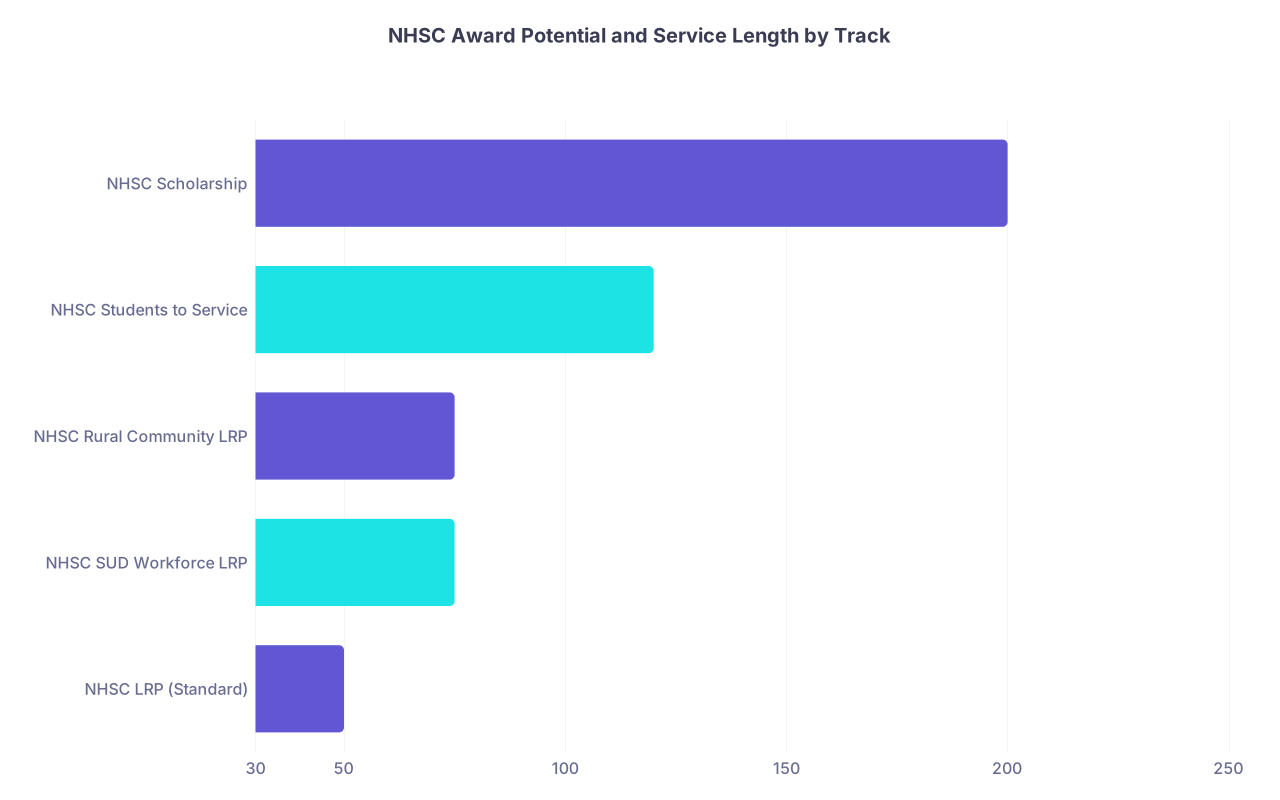
| Category | Value |
|---|---|
| NHSC LRP (Standard) | 50 |
| NHSC SUD Workforce LRP | 75 |
| NHSC Rural Community LRP | 75 |
| NHSC Students to Service | 120 |
| NHSC Scholarship | 200 |
You do not pick “NHSC” generically. You pick a specific program that fits where you are in the training pipeline and how deeply you want to tie your future to underserved care.
Here is the rational breakdown.
3.1 NHSC Loan Repayment Program (Standard LRP)
Target: Fully licensed clinicians already practicing or starting jobs.
Disciplines include:
- Physicians (MD/DO) in primary care specialties: FM, IM, peds, OB/GYN, geriatrics, etc.
- Psychiatrists
- NPs, PAs, CNMs
- General / pediatric dentists, some hygienists
- A few allied behavioral health disciplines
Key features:
- You must work at an NHSC-approved site in a qualifying HPSA.
- Full-time and half-time options exist.
- Standard contract is 2 years, with extensions available.
- Awards go directly to your loan servicers, not you.
This is the workhorse program. If you are already out, already working, this is what you are probably looking at first.
3.2 NHSC Substance Use Disorder Workforce LRP (SUD LRP)
If you work in addiction, MAT, community mental health doing SUD-heavy work, this can be much more lucrative than the standard LRP.
Characteristics:
- More generous caps (often significantly higher total repayment).
- Priority given to locations with SUD-specific need and high HPSA scores.
- Includes certain counselors, psychologists, and SUD-focused providers.
Common mistake: people in FQHC primary care clinics that see a ton of addiction but do not have the right service mix or designation assume they qualify under SUD LRP. They do not. The site must be approved under that track.
3.3 NHSC Rural Community LRP
If your mental image of your job includes a 2-lane highway and no Starbucks within 30 miles, this is your program.
- Focused on rural, high-need areas.
- Higher potential awards than the standard track.
- Requires both rural designation and high-need HPSA.
Again, the site has to be specifically approved under this program. Rural on Google Maps is not enough.
3.4 NHSC Students to Service (S2S)
Target: 4th-year med or dental students. Critical nuance: you apply before residency (for med) or before dental training completion.
What you trade:
- Future years in an HPSA for front-loaded loan repayment commitments that kick in after residency.
Typical structure:
- Up to a six-figure commitment (varies by year) in exchange for a 3-year full-time service obligation in an HPSA upon completion of training.
- You must match into and complete an approved primary care or psychiatry residency (for MD/DO).
This is powerful if you know you are going into primary care or psych and are already planning to work underserved. If you are still fantasizing about anesthesia, derm, or radiology, do not touch this. I have seen people sign it, then get bitter when they realize they locked themselves out of higher-paying subspecialties.
3.5 NHSC Scholarship Program
This one sounds the sexiest. It is also the most restrictive.
What you get:
- Tuition, fees, and a living stipend during school (med, dental, some APRN/PA).
What you owe:
- One year of service in an approved site per scholarship year, with a minimum total of 2 years.
- Strong restrictions on specialty choice. You are basically committing to primary care, psych, or dental in HPSAs well before you truly know your preferences.
I only recommend the scholarship when:
- You are 100% committed to primary care or psych. Not 70%. Not 85%.
- You are realistic about salary ceilings.
- Your school is extremely expensive and you would otherwise be taking on brutal private loans.
If you want maximum flexibility and delayed decision-making, scholarship is usually the wrong play. S2S or post-training LRP is safer.
4. Geographic Targeting 101: How To Actually Pick Locations That Pay
This is the part almost nobody teaches in residency. People just “look for FQHC jobs” and hope.
There is a more methodical approach.
Step 1: Get Comfortable With HRSA’s HPSA & NHSC Tools
You should be using:
- HRSA HPSA Find: filters by state, county, city, and HPSA type.
- NHSC “Find a Site” tool: specific NHSC-approved sites, updated lists.
Do not just glance at the map.
You want to explicitly confirm:
- The HPSA ID and score (for your discipline type).
- That the site is listed as an NHSC-approved site, not just in an HPSA.
- Whether it participates in the exact NHSC program type you are chasing (standard LRP vs SUD vs rural, etc.).
If the job posting says “HPSA eligible site” but you cannot find it in the NHSC site finder, ask why. Sometimes they are “eligible but not approved.” That does not help you.
Step 2: Filter By Realistic Geography & Lifestyle
Here is where honesty matters. You cannot have everything: top-5 metro, short commute, subspecialty-heavy practice, high salary, and max NHSC payout. Pick your compromises up front.
Common geographic patterns:
- Very high HPSA scores (18–25): deep rural clinics, tribal sites, remote mental health facilities, hard-to-staff community health centers, border regions, inner-city safety-net clinics.
- Moderate HPSA (10–17): smaller cities, first-ring suburbs serving high-poverty neighborhoods, rural towns within 60–90 minutes of midsize metros.
- Low HPSA (<10): exurbs with some poverty, small towns with borderline shortages, less intense need.
Practical advice:
- If your loans are massive (> $250k), stop pretending you need a major coastal city immediately. Target smaller metros with high-need neighborhoods or legitimately rural regions.
- If your debt is more manageable (< $150k), you can compromise on HPSA score somewhat and still make the math work.
Step 3: Check State-Level Sweeteners
A lot of states quietly layer state loan repayment programs (SLRPs) on top of NHSC. That can multiply your benefit.
Typical pattern:
- State offers $25k–$50k per year for 2–4 years, for clinicians in certain rural or underserved sites.
- These often use the same HPSA criteria but may have their own maps or rules.
You want combinations like:
- NHSC LRP + State LRP + employer sign-on bonus
- Or SUD LRP + state behavioral health loan repayment in high-opioid-burden counties
Do not assume they stack automatically. Some programs offset; some forbid double-dipping. Read the program documents or ask the program coordinator directly, not your recruiter.
5. Dissecting Individual Sites: Beyond the Score
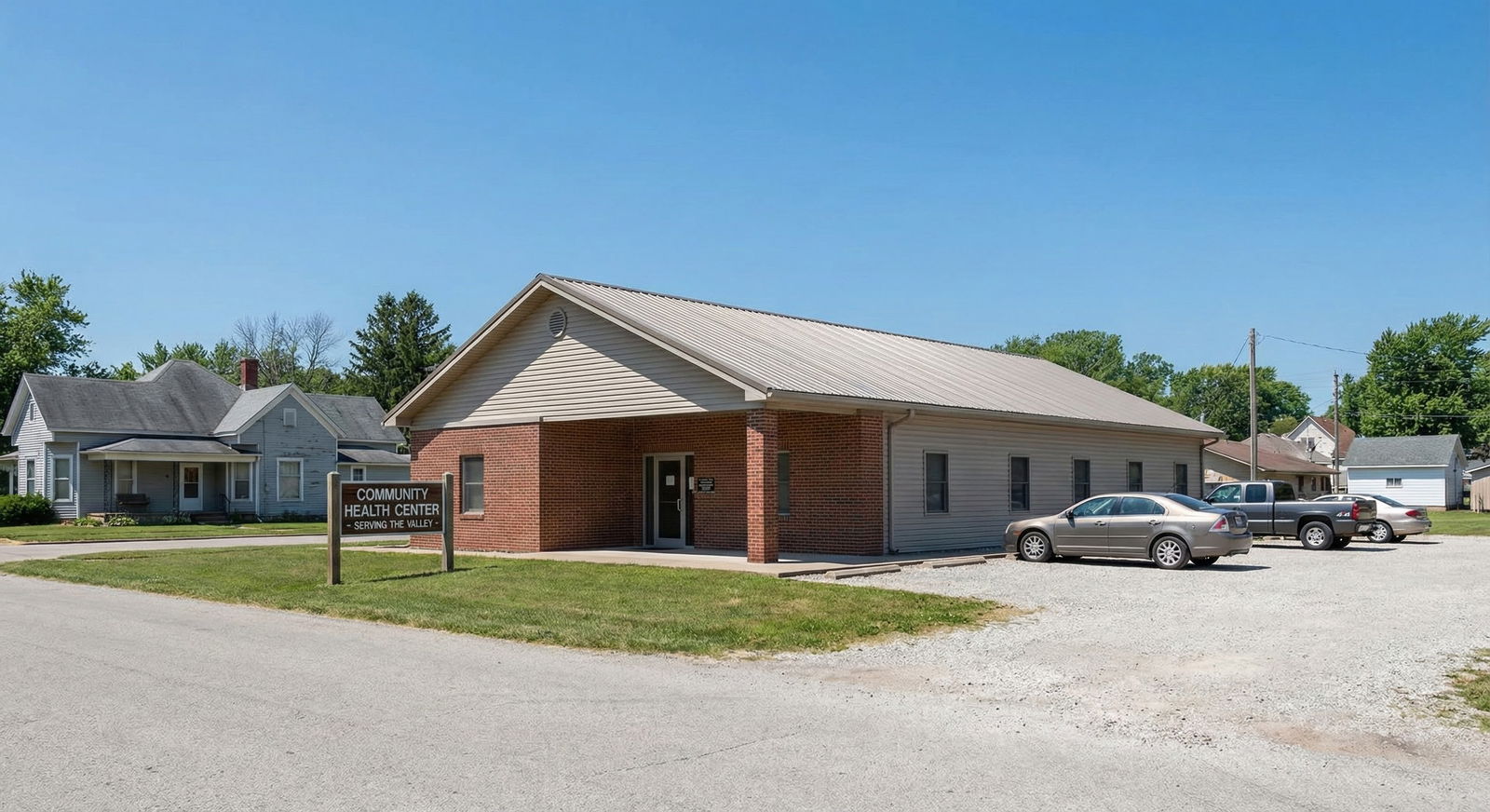
Two clinics can share the same HPSA score and produce wildly different experiences.
When you actually get down to job choices, vet heavily. You are not just selling labor; you are selling prime years of your life and your loan leverage.
Key questions I would ask any potential NHSC site:
- How many current or former NHSC clinicians work here, and in what roles?
- Is this site currently NHSC-approved, and for which disciplines and NHSC programs?
- What is the exact HPSA ID and score for my discipline?
- Have you had any NHSC participants default or leave early in the past 5 years? (If they look uncomfortable, good. That tells you something.)
- What is your no-show rate, panel size expectations, and call burden?
- How long do clinicians typically stay? Ask for real numbers.
Red flags:
- “We are working on getting approved” – translation: you may not be eligible anytime soon.
- “We are HPSA eligible” without being on the NHSC site list.
- No prior experience with NHSC clinicians. You do not want to be their administrative experiment.
- Vague answers about HPSA scores or “I think we are 15 or 16.” They should know.
You’re trading years for dollars. Treat this like signing a mortgage, not a gym membership.
6. Common Traps That Blow Up People’s NHSC Plans

| Step | Description |
|---|---|
| Step 1 | Graduate Training |
| Step 2 | Take Job Offer |
| Step 3 | No NHSC eligibility |
| Step 4 | Lower award, competitive risk |
| Step 5 | Strong LRP potential |
| Step 6 | Loan balance reduced |
| Step 7 | Default - financial penalties |
| Step 8 | Is site NHSC approved? |
| Step 9 | Check HPSA score |
| Step 10 | Complete 2 year contract |
I have watched smart people destroy their own loan strategies over basic mistakes. Avoid these.
Signing contracts before sites are NHSC-approved.
“We’re applying for NHSC status next year” is not the same as being an active NHSC site today. Approvals get delayed. Administrators change. Funding cycles shift. You end up stuck.Assuming all work in an HPSA is NHSC-eligible.
Hospital-only jobs, specialty-heavy clinics, or private practices located in an HPSA zone may still not qualify for NHSC. The site must go through the NHSC approval process.Not aligning specialty with NHSC-eligible categories.
If you are an internal medicine physician but your job is 80% cardiology consults, you are going to have problems with NHSC approval and renewal. They care about primary care or psych tasks, not your billing codes alone.Ignoring contract language about outside work and moonlighting.
Some NHSC contracts have requirements about your clinical hours and location. If you assume you can moonlight heavily in a non-HPSA hospital to boost income, read carefully. Violating conditions can push you into default with nasty financial penalties.Moving early or leaving sites mid-contract.
NHSC is not amused by people who break service commitments. They respond with accelerated repayment of the full award plus large penalties. I have seen people stuck with worse overall outcomes than if they never enrolled.Underestimating emotional burnout in high-need settings.
You are going into places with high social complexity: poverty, addiction, housing insecurity, trauma. Extremely meaningful work. Also draining. If you hate your life, the money will not fix it.
7. Strategy by Training Phase: How To Time NHSC With Your Life
Let’s get practical. Here is how I would think about NHSC and HPSAs depending on where you are.
| Stage | Best-Fit Programs | Geographic Focus |
|---|---|---|
| MS1–MS2 | Consider future, light research | Learn HPSA maps, avoid early binding scholarship unless sure |
| MS3–MS4 | S2S, Scholarship (carefully) | High HPSA score states, primary care friendly programs |
| Residency (Primary Care/Psych) | Plan for LRP or S2S commitments | Identify NHSC-approved sites in target regions early |
| Early Attending (Years 1–3) | NHSC LRP, SUD LRP, State LRP stack | Rural or high-need urban HPSAs with strong admin track record |
| Mid-career | LRP extensions, state-only programs | Balance lifestyle with residual loan burden |
Medical/Dental Students
- If you are not 100% sold on primary care/psych/dental public service careers, leave the scholarship alone.
- Use your clinical rotations and electives to experience FQHCs, rural rotations, IHS, etc.
- Start learning the HPSA map for states where you might realistically live.
Residents (Primary Care, Psych, General Dental)
- For med, S2S can be attractive if you are towards the end of residency, already committed to specialty, and comfortable with a defined service path.
- Start contacting NHSC-approved sites 6–12 months before graduation. The good ones hire early.
- Pay attention to the call schedule and inpatient/outpatient mix. NHSC only cares that you meet their FTE definitions. You care about not burning out.
Early Attendings
This is the prime moment for the standard NHSC LRP or SUD LRP.
- You know your practice style.
- You have a clear picture of your actual loan burden.
- You still have the energy (ideally) to do heavier underserved work.
I usually recommend:
- Doing a 2-year LRP contract at a high-HPSA-score site.
- Reassessing your debt-to-income ratio after those two years.
- Either renewing or pivoting to a more sustainable long-term setup once the worst of the debt is knocked down.
8. Putting It All Together: A Realistic Targeting Workflow
If I were advising you one-on-one and you wanted to maximize loan relief using geographic HPSAs and NHSC, here is the short, ruthless blueprint:
Quantify your problem.
- Total federal loans, interest rate, monthly payment under IDR, and your non-NHSC pay expectations.
Get honest about specialty and lifestyle.
- If you are not in or headed to an NHSC-eligible discipline, stop forcing the issue. Look at PSLF + IDR instead.
- If you must live in one specific overpriced city, accept partial rather than maximal NHSC help or look at hospital-based 501(c)(3) PSLF.
Pick 3–5 target states.
- Prefer states with aggressive SLRPs, rural infrastructure, and clear HPSA mapping (e.g., NM, AZ, WA, MN, KY, etc. change over time—check active programs).
Map HPSA + NHSC-approved sites.
- Use HRSA and NHSC tools to list 10–20 sites per state that:
- Match your discipline
- Have high HPSA scores
- Are already NHSC-approved
- Use HRSA and NHSC tools to list 10–20 sites per state that:
Contact sites directly.
- Ask to speak with medical director and at least one current clinician, preferably an NHSC alum.
- Ask them bluntly about volume, support staff, EMR, admin culture, and prior NHSC experience.
Cross-check with state LRP programs.
- See which of those sites also qualify for state loan repayment.
- Email or call the state LRP office to confirm stackability with NHSC.
Compare offers using after-loan math.
- Do not compare salary alone.
- Compare: salary – taxes + NHSC repayment + state repayment – realistic loan payment under IDR.
- A lower-salary job with huge loan repayment can produce higher net worth in 5 years.
Lock in only when site, program, and location align.
- You want: NHSC-approved site, high HPSA score, clear written confirmation of your role and eligibility, and a contract that does not conflict with NHSC terms.
That is how you treat geography like a financial instrument rather than just scenery.
FAQ (Exactly 6 Questions)
1. How do I check if a specific clinic is actually NHSC-approved, not just in an HPSA?
Use the official NHSC “Find a Site” tool on the HRSA website. Search by clinic name, city, or state. Then confirm the clinic’s exact HPSA ID, discipline type (primary care, mental health, dental), and whether it participates in the specific NHSC program you want. If it is not listed there, assume it is not NHSC-approved until proven otherwise.
2. Can I switch jobs during my NHSC service commitment if I stay in an HPSA?
Only with NHSC approval, and only to another NHSC-approved site that meets all program requirements. You cannot just change jobs on your own and assume the commitment transfers. You need an official site transfer approval from NHSC, or you risk default and serious financial penalties.
3. Do NHSC programs work with PSLF, or do they conflict?
They generally can complement each other. NHSC payments reduce your principal, while your employment at many NHSC sites (FQHCs, nonprofit hospitals, some tribal or government facilities) often counts as qualifying employment for PSLF if your loans are Direct and you are on a qualifying IDR plan. You must still make 120 qualifying monthly payments; NHSC does not replace them, it helps shrink the balance.
4. Are hospitalist or subspecialist roles ever eligible for NHSC loan repayment?
Usually no. NHSC focuses on outpatient primary care, psychiatry, general dentistry, and specific behavioral health roles. A pure hospitalist job or subspecialty clinic, even in a HPSA, will almost never qualify. Some blended roles with documented primary care duties may slip in, but that is the exception and depends heavily on the site’s approval profile.
5. How risky is it to take the NHSC Scholarship as an M1 or M2?
High, if you are not absolutely committed to primary care or psychiatry in underserved settings. You are locking in your specialty and practice environment years before you experience full clinical rotations. Breaking that contract leads to severe penalties. For many students, waiting for S2S or post-training LRP is a safer path that preserves flexibility.
6. What happens if I fail to complete my NHSC service obligation?
You enter default with NHSC. They can demand repayment of the full award amount, plus significant financial penalties and interest, often on an accelerated timeline. It is not a mild slap on the wrist. In many cases, the financial hit is worse than never participating in NHSC at all. That is why you do not commit unless the geographic, clinical, and personal factors are lined up.
Key points, short and honest:
- The HPSA score of your exact site, not just the city, determines how powerful NHSC can be for you.
- You do not chase “NHSC” in general; you align your specialty and geography with a specific NHSC program and a specific approved site.
- The right combination of high-HPSA location, NHSC program, and possible state incentives can erase a shocking amount of debt—if you plan deliberately instead of just hoping your job happens to qualify.