
The biggest lie you’ve been told about residency is that call schedules are “fairly distributed.” They’re not. They’re negotiated, constrained, and sometimes weaponized. And community vs academic programs build them in completely different ways.
If you want to understand what your life is actually going to feel like at 2:30 a.m. on a Wednesday in January, you need to understand how those schedules get made behind closed doors.
Let me walk you through how it really works.
Who Actually Builds the Call Schedule?
Here’s the first big difference: who holds the pen.
In academic programs, call is usually built by a combination of chief residents, rotation directors, and GME-level rules. In community programs, it’s often a single chief, a program coordinator, or even a hospital administrator with a spreadsheet and marching orders from finance.
And the priorities are not the same.
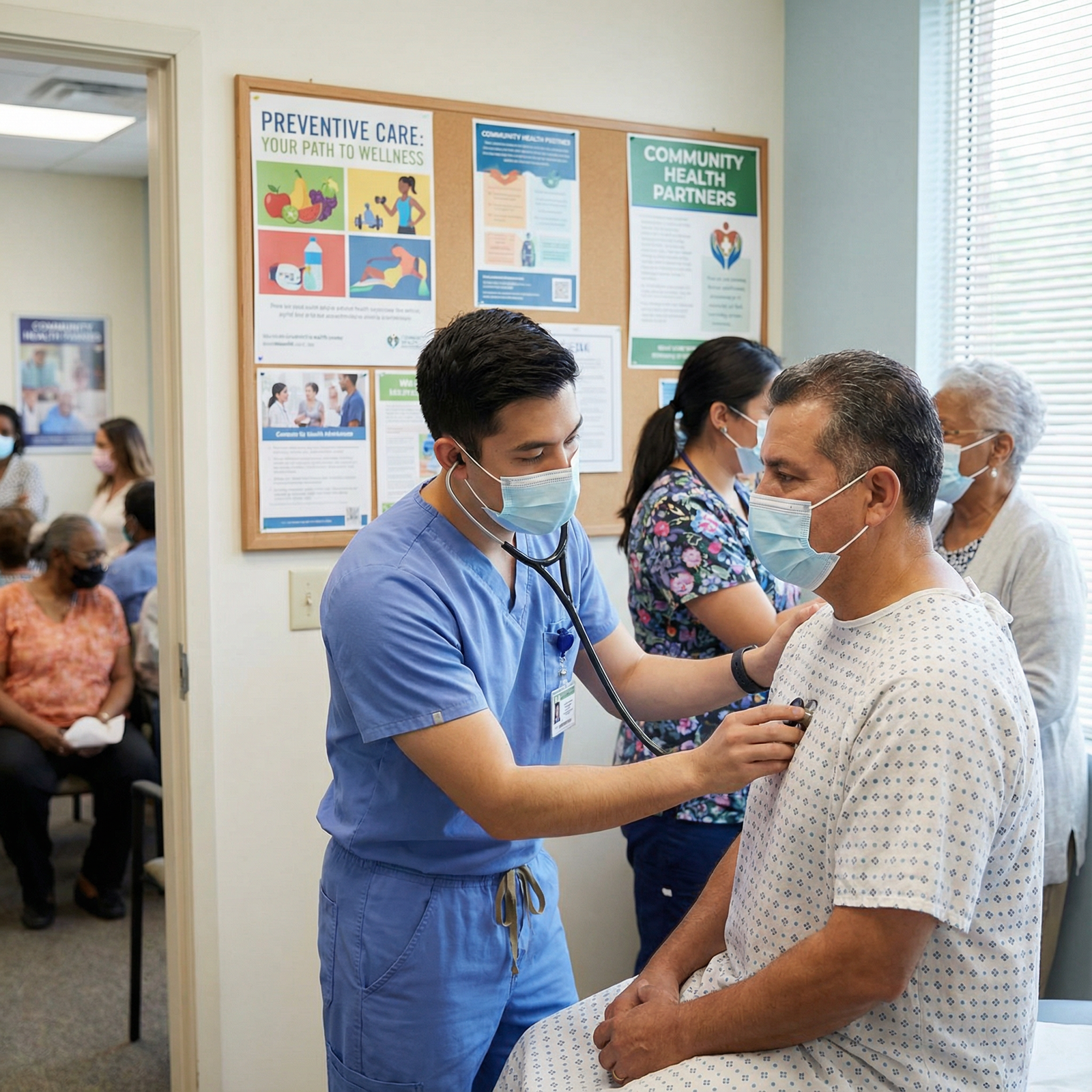
Academic Programs: Call by Committee (Whether They Admit It or Not)
In academic medicine, the call schedule is basically a political document.
Here’s how it actually comes together at most mid-to-large academic programs:
Constraints come first.
Duty hour rules, ACGME requirements, rotation structures, clinic times, ICU caps, protected didactics, night float rules. Before a single name is placed, there’s a list of “you may nots” that shapes everything.Service needs are defined.
This is where attendings and division chiefs weigh in:
“We need q4 call on cardiology,”
“The oncology unit cannot function with interns cross-covering two services,”
“Neurosurgery wants in-house senior coverage overnight.”
Program directors rarely say no to service chiefs here.Education is layered on top.
The rhetoric is “education-first,” but the reality is: the education has to fit around the service. You’ll see things like: “We can’t put a PGY-1 alone on this night float until after month X,” or “PGY-3 must do at least Y nights as senior on the admitting team.”Chiefs get the Excel file from hell.
The chiefs (or scheduling chief) get a template that is already half-rigid. They don’t start with a blank canvas. They start with “these months you must be here, these clinics you cannot miss, these nights must be covered.” Then they triage.Real favors are called in—quietly.
This is the part nobody ever puts in presentations to applicants: the chiefs will cut deals. The resident going through IVF treatment? They get lighter nights on demanding rotations. The program director’s favorite PGY-3 who’s applying cards? They might mysteriously avoid a brutal stretch of back-to-back night float and ICU.
Is it always malignant? No. Is it always transparent? Definitely not.Vacation and “protected” requests get layered last.
Academic programs usually have formal “vacation request windows.” You submit date requests months ahead. But if your vacation conflicts with a fragile staffing line—for example, nights on a subspecialty service—your call coverage gets adjusted and you lose leverage.
Community Programs: Service-First, Politics-Second
Community programs tend to be smaller, less layered, and much more service-driven. On paper, this sounds better. In real life, it can cut both ways.
In many community hospitals, here is how it goes:
The hospital’s coverage requirements rule everything.
“We need an in-house resident in the ICU every night.”
“We must have a resident for ED admits until 11 p.m.”
“OB requires coverage for all laboring patients plus triage.”
This is often written directly by hospital administration or service line leadership, not “education.”The chief or coordinator is the scheduler and enforcer.
Sometimes there’s no committee. One chief and one coordinator do everything.
That means if they’re fair, life is good. If they’re vindictive, you’re screwed.Fewer niches, more repetition.
Community programs may have fewer subspecialty services, fewer fellows, and more generalist teams. So instead of having ten different quirky subspecialty call structures, you get the same two or three patterns over and over—ICU nights, ward nights, cross-cover nights.Coverage gaps get filled with whoever is standing.
The hospital cannot function without overnight coverage. If someone is out or the census spikes, the community program doesn’t have a huge army of fellows and off-service rotators. Someone gets pulled. Often at the last minute.Deals happen here too—but more personal, less formal.
You want Christmas off because your spouse is military and home that week? At a tight-knit community program, if you’re a hard worker and people like you, they’ll move mountains to help. If you’re constantly late and complaining, your call month “mysteriously” becomes December.
So who builds the call schedule? Technically chiefs and administrators.
Practically? The hospital’s service demands, the ACGME rulebook, and the local power dynamics.
The Actual Patterns: Night Float, 24-Hour Call, Home Call
Here’s where applicants really get misled: they focus on how many hours per week the program advertises and ignore how those hours are packaged.
The packaging is very different between community and academic programs.
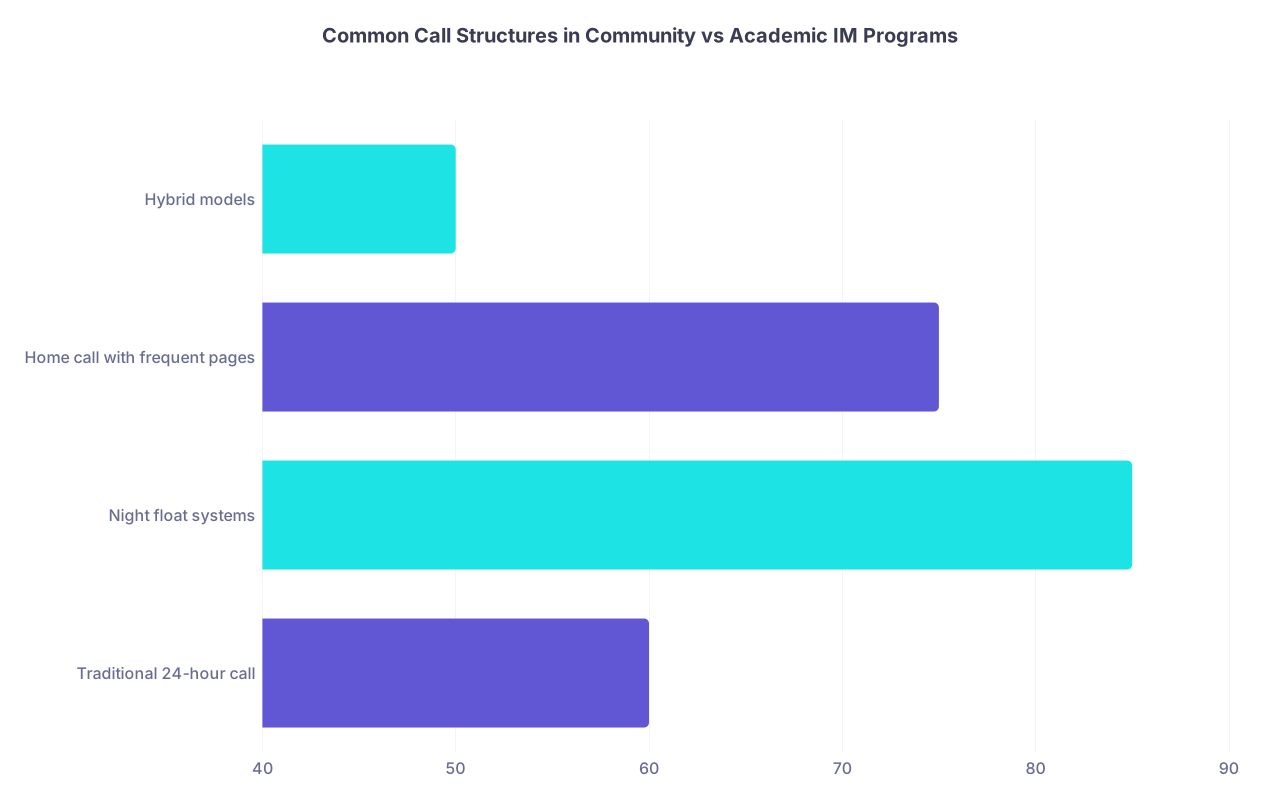
| Category | Value |
|---|---|
| Traditional 24-hour call | 60 |
| Night float systems | 85 |
| Home call with frequent pages | 75 |
| Hybrid models | 50 |
Academic: Complex, Rotational, Often Buffered by Fellows
Academic programs love systems. They build layered solutions.
You’ll most often see:
- True night float: A dedicated week(s) of nights, 5–6 nights in a row, typically with day-off patterns baked in.
- Short-call / long-call structures on ward services to protect continuity clinic and teaching conferences.
- Fellow buffering on subspecialty services. Night calls may be resident-first but fellow-backup, so not every page becomes your catastrophe to own.
A medicine example from a large academic center:
- PGY-1: 2–3 weeks night float per year + some long-call evenings on wards.
- PGY-2: Heavy night float and ICU nights.
- PGY-3: More senior nights, but fewer in absolute number.
Academic surgical programs often still have brutal weekends, but the presence of fellows means the true disasters are often shared (or at least guided).
Community: Simpler Patterns, Less Buffer, More Responsibility
At community sites, you’ll see:
- Fewer fellows, sometimes none. So that “fellow call” at the academic sister hospital? At the community site, it’s the senior resident carrying that responsibility.
- Home call that isn’t really “light.” You’re “home,” but if you’re doing community general surgery or OB, you might be physically in the hospital most of the night for emergent cases.
- More cross-coverage nights. One resident cross-covering multiple services because there just aren’t that many bodies.
A common community IM setup:
- 4 weeks of night float PGY-1, 4–6 weeks PGY-2, 2–4 weeks PGY-3.
- On call, you might admit from ED, cross-cover all floor patients, and answer rapid response calls because there’s no in-house fellow.
Responsibility density is higher in community programs. Fewer hands. Fewer tiers. If you’re on, you’re really on.
What Really Drives Fairness (or Lack of It)
Nobody tells applicants this straight: call fairness is rarely about written rules. It’s about culture, leadership, and how much the chiefs are empowered vs controlled.
Let me spell out the levers.
| Factor | Academic Programs | Community Programs |
|---|---|---|
| Fellows buffering nights | Common | Rare |
| Number of residents per class | Larger | Smaller |
| Flexibility to swap | Moderately high | Depends heavily on culture |
| Admin priority (service vs education) | Mixed | Heavily service-driven |
| Chief authority over final schedule | Moderate | High but constrained by service |
Academic: “This Is the System” (Until Someone Important Complains)
In many academic programs, fairness is defended by the complexity of the system.
You’ll hear things like:
“We use an algorithm to balance weekends and nights.”
“It all evens out over three years.”
Sometimes that’s even true.
But what I’ve seen:
- The algorithm is often a glorified Excel color-coding exercise. Interns are told it’s math. It’s not.
- Exceptions are made for “priorities.” Residents applying in ultra-competitive fellowships get lighter stretches during interview season. The resident whose parent is dying gets their nights moved. Those are humane decisions—but they do break the “fair model.”
- Squeaky wheels get grease. The chronic complainer who threatens to go to GME or the union may subtly get softer assignments, simply because the chiefs are exhausted by them.
The residents who suffer are often the quiet, reliable workhorses who “can handle it.”
Community: Personal Relationships Matter More Than Policies
In community programs, especially unopposed or smaller ones, fairness is much more personal.
I’ve literally heard a community chief say:
“I’m not giving him that request. He no-showed signout three times last month.”
You’d never hear that in a giant academic program meeting because lawyers and HR live in the background there. But in smaller programs, behavior and reputation absolutely affect your schedule.
Key truths:
- If you routinely help co-residents swap and pick up calls, you’ll be remembered when you need a favor.
- If you’re known as dishonest about “sick calls,” suddenly your name shows up more often on undesirable weekends because no one trusts you to show.
- Some PDs will quietly protect their perceived “top” residents they’re grooming for chief or for fellowship recommendations. The protection shows up in call patterns.
None of this shows up on the website.
How Applications Get Evaluated Through the Lens of Call
You think you’re just applying for “good training,” but programs are looking at you and asking a quieter question:
“Is this someone I can put on call at 3 a.m. when the hospital is on fire?”
The answer is very different in academic vs community contexts.
](https://cdn.residencyadvisor.com/images/articles_svg/chart-what-pds-subconsciously-prioritize-for-call-reliab-7504.svg "What PDs Subconsciously Prioritize for Call Reliability")
| Category | Value |
|---|---|
| Work ethic signals | 90 |
| Emotional stability | 80 |
| Team feedback | 85 |
| Board scores | 40 |
| [Research output](https://residencyadvisor.com/resources/community-vs-academic-residency/how-to-build-a-research-portfolio-in-a-community-residency-with-no-lab) | 30 |
Academic Programs: Can You Survive and Make Us Look Good?
Academic PDs think in layers:
- Will this person survive our call system without burning out or generating complaints?
- Will they uphold our “brand” on nights? (Consults, nursing feedback, notes quality.)
- Are they trainable enough that when they’re alone on nights PGY-2, they won’t implode?
They look at:
- Your sub-I performance on high-acuity rotations.
- Letters that explicitly mention clinical judgment and poise at night.
- Evidence you’ve done heavy lifting before (ICU experience, ED shifts, etc).
They’re less worried about raw autonomy early because they know there’s a safety net: fellows, multiple layers of supervision, larger teams.
Community Programs: Can I Trust You Alone?
Community PDs live in a different reality. They know there will be nights where you are the only physician physically in-house handling multiple sick patients until the attending arrives.
They care very much about:
- Grit and stability. If your application screams fragility or chaos, they’re nervous.
- Real-world experience. Prior RN, paramedic, scribe in busy ED, military medic. They love that.
- Communication under pressure. Their nurses and attendings will be relying heavily on you at 2 a.m.
If your application sells you as brilliant but fragile, big academic might still take that risk. Community? Much less likely.
Red Flags Hidden in How Programs Talk About Call
You won’t see “We abuse residents” on any website. But there are tells.
Here’s how to actually read between the lines on interview day and in the brochure copy.
Academic Red Flags
Watch for these phrases and what they really mean:
“We switched to night float to improve wellness, but we’re still optimizing it.”
Translation: The night float schedule is currently a mess and residents are probably doing stretches that violate the spirit (if not the letter) of duty hours.“Our call system is complex, but it all evens out.”
Translation: Some people are getting hammered. You won’t know which group you’re in until you’re already here.“Our fellows are very involved overnight.”
Translation: Potentially great teaching, or it means you are essentially the scut person for the fellow doing the real thinking.
Study the sample block schedule carefully. Do ICU and night float line up in obvious, brutal patterns (e.g., ICU → nights → wards with no break)? That’s not an accident. That’s service-first planning.
Community Red Flags
Different code words, same underlying issues:
“We’re a family here, we just pull together when things get busy.”
Translation: They have no real surge plan. When census spikes, everyone just suffers more.“Our residents get outstanding autonomy from day one.”
Translation: On your first night as an intern, you may be managing more than you should, with attendings at home.“Residents help cover gaps when someone is out.”
Translation: Expect last-minute call shifts, and your schedule is less stable than it looks on paper.
When you ask, “How often do you have to come in on a day off to cover unexpected call?” watch residents’ faces, not their words. The half-second pause before they say “Not that often” tells you more than the number.
How to Ask the Questions That Get Honest Answers
If you’re on the interview trail, you should stop asking, “Is your call schedule fair?” Every program will say yes. Instead, ask questions that force specifics.

| Step | Description |
|---|---|
| Step 1 | Ask about nights |
| Step 2 | Ask about fellows and back up |
| Step 3 | Ask about in house attendings |
| Step 4 | Ask about swapping and culture |
| Step 5 | Decide if you trust them at 3 am |
| Step 6 | Academic or Community site |
Better questions:
- “In the last year, what’s the longest stretch of nights an intern has done?”
- “How easy is it to swap call? Are there any unofficial rules about it?”
- “When a resident calls in sick for a night, how do you handle coverage?”
- “Who actually builds the schedule—chiefs, coordinator, or PD sign-off?”
- “Do any residents regularly get protected from the hardest rotations or call months (like residents in specific fellowships or leadership roles)?”
Ask the same question to at least 3 different residents at different PGY levels. Do the answers match? If the interns say one thing and the PGY-3s smirk and say another, you’ve learned something very important.
Strategic Takeaways for Your Rank List
Here’s the bottom line: community vs academic call is not “easier vs harder.” It’s different risk profiles.
Academic call: often more bodies, more layers of help, more complexity. You may feel like a cog in a machine, but you’re rarely truly alone. The hidden risk is being buried under a system that doesn’t notice you’re drowning until you’re burned out.
Community call: fewer layers, more autonomy, direct impact. You learn fast, you grow fast, and attendings may know you personally. The hidden risk is being thrown in too deep with too little backup.
Your job as an applicant isn’t to find the place with “no bad call.” That doesn’t exist. Your job is to decide:
Do I want a high-autonomy, high-responsibility environment (community) where my call nights will be intense but meaningful—and where culture matters more than policy?
Or do I want a structured, system-heavy environment (academic) where call is complex, buffered by fellows and layers, but subject to politics and opaque “fairness algorithms”?
You’re not just ranking brand names. You’re ranking the reality of your life at 3 a.m. for the next three to seven years.
With a clear eye on how call schedules are actually built, you’re finally seeing the part of residency most applicants stay blind to. The next step is using that clarity to interrogate programs on interview day and to rank them for what they’ll really demand of you on nights.
How you handle that—and how you choose the environment that fits you—sets up everything that comes after: your sanity, your learning curve, and the kind of physician you become. The interviews will give you the script; now you know how to read between the lines. The rest of your Match story starts there.