
The most dangerous career plan in medicine is “I’ll figure it out once I know my specialty.”
You cannot afford that anymore.
The system is moving too fast, technology is rewriting job descriptions, and reimbursement models are changing under your feet. If you wait until you “decide” on cardiology vs EM vs psych to build your future, you’ll already be behind.
Here’s the answer you actually need: there are a small number of future-proofing steps that matter regardless of specialty. Do these, and your future options explode. Skip them, and you’ll spend your 40s talking about burnout and “golden handcuffs.”
Let’s walk through them one by one.
1. Become Fluent In Data, Not Just “A Good Clinician”
Clinical judgment will always matter. But the people who can combine that judgment with data literacy will run the next generation of healthcare.
You do not need to become a full-time data scientist. You do need to stop being afraid of numbers and basic analytics.
What this actually looks like:
- You can interpret a run chart or control chart on your unit’s outcomes without faking it.
- You understand sensitivity, specificity, PPV, NPV, likelihood ratios, and you can explain them to a teammate who is confused.
- You can use Excel/Sheets (or R/Python at a basic level) to answer a basic question: “Did this change we made actually improve X?”
- You can evaluate AI tools and risk calculators without being dazzled by marketing.
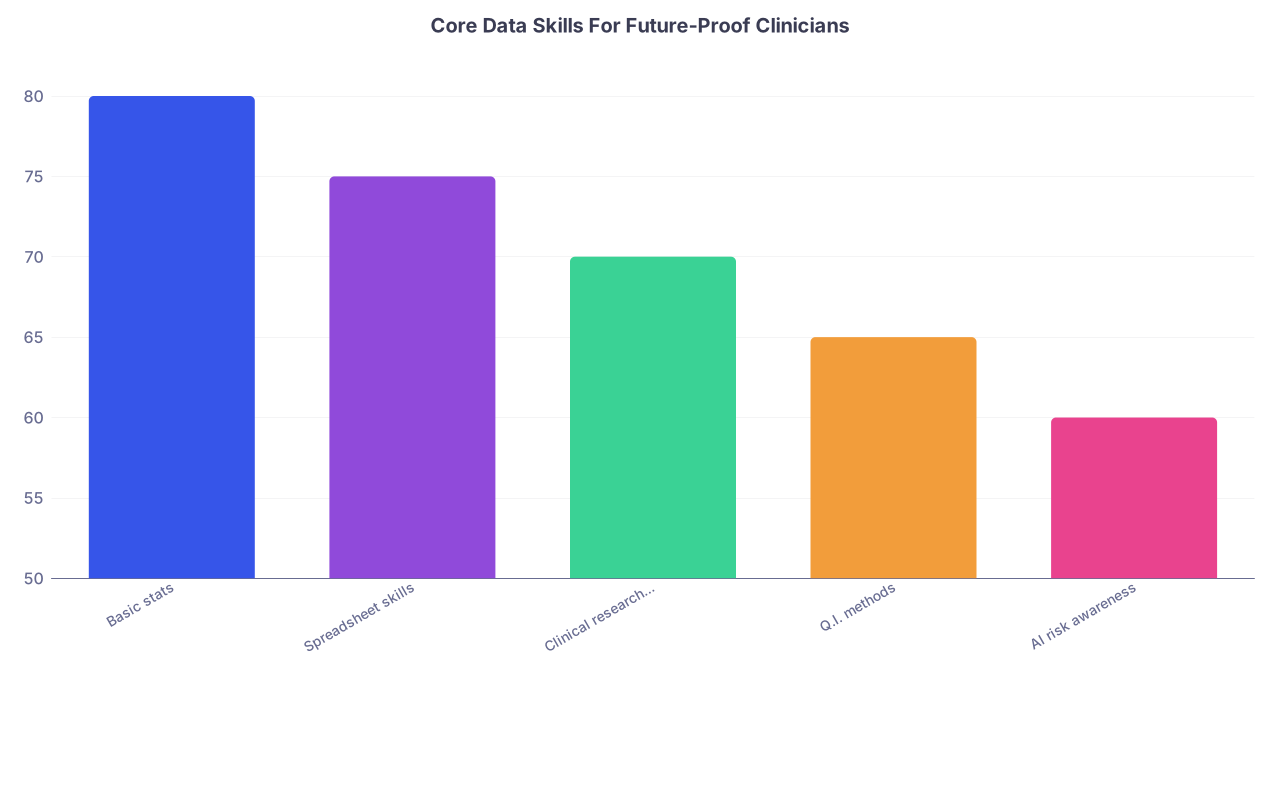
| Category | Value |
|---|---|
| Basic stats | 80 |
| Spreadsheet skills | 75 |
| Clinical research literacy | 70 |
| Q.I. methods | 65 |
| AI risk awareness | 60 |
If you’re in med school or residency, here’s how you build this now:
- Take one serious statistics/epidemiology course and apply it to a real dataset (even a small QI project).
- Learn enough Excel or Google Sheets to:
- Clean a small dataset
- Run basic descriptive stats
- Make clear charts that don’t look like a clown designed them
- Read actual methods sections of clinical research papers, not just abstracts and conclusions.
If you want to go a bit further, pick up beginner-level R or Python only if you’re actually going to use it in a project. Passive “learning to code” without a concrete problem is where good intentions go to die.
Future proof: the physician who can say, “We pulled 2 years of data on this, here are the patterns, and here’s why I do or do not trust this AI tool,” will always be in the room where decisions are made.
2. Build One Nonclinical Skill Stack To a Professional Level
You need one thing outside of pure clinical medicine that you can credibly put on a slide deck or CV and not feel like an impostor. Not ten things. One.
The specific stack matters less than the depth.
Good options that age well across specialties:
- Clinical research / outcomes research
- Quality improvement & patient safety
- Healthcare operations / clinical workflow design
- Medical education & curriculum design
- Health policy / advocacy
- Digital health / product design
- Healthcare communication & content (writing, video, patient education)

How to pick:
- If you like tinkering with systems and processes: QI, operations, digital health.
- If you love teaching: med ed and curriculum design.
- If you rage about policy on Twitter: health policy and advocacy (ideally with some actual training).
- If you enjoy writing or video: communication and patient education.
Minimum bar for “professional level” during training:
- At least one substantial project with measurable output (paper, curriculum, product prototype, published content pipeline, policy brief, etc.).
- At least one mentor in that domain who would say, “Yes, this person can actually do things.”
- Enough vocabulary and experience to sound like you belong when people in that space are talking.
This is what makes you more than “another [insert specialty] physician.” It’s what gives you leverage later for leadership roles, part-time nonclinical work, or pivots.
3. Learn How Healthcare Systems Actually Make (And Lose) Money
I’m not talking about memorizing CPT codes. I’m talking about understanding how the machine works at a basic level.
You should be able to answer questions like:
- Who actually pays your salary? (Hint: it’s not “the hospital” in some abstract way.)
- What’s the difference between fee-for-service, capitation, and value-based contracts?
- Why do administrators care so much about length of stay and readmission rates?
- How do RVUs work in your field, and what are the common games people play with them?
| Concept | Why It Matters |
|---|---|
| RVUs | Directly tied to many salaries |
| Payer mix | Drives hospital financial health |
| Value-based care | Rewrites incentives over time |
| Cost vs charge | Prevents magical thinking |
| Prior auth | Real-world limiter on care |
You do not need an MBA. A basic working vocabulary puts you ahead of most early-career physicians.
How to get this now:
- Sit down with a billing/coding specialist or practice manager and ask them to walk you through 3–4 common visit types or procedures.
- Read a short, practical book on healthcare finance or practice management; not a textbook, something oriented to clinicians.
- On rotations, whenever a discharge is delayed or a test isn’t approved, ask, “What’s the financial/administrative piece here?”
Future proof: the clinicians who understand the financial side without becoming purely “business people” are the only ones who can credibly push back and redesign broken incentives.
4. Get Comfortable Working With Technology, Not Competing Against It
The AI question is lazy: “Will AI replace doctors?”
The better question is: “Which doctors will be replaced by doctors who use AI better?”
You do not need to build AI models. You do need to become the kind of clinician who can:
- Use clinical decision support intelligently.
- Spot when an algorithm is drifting into nonsense.
- Explain to patients when a machine recommendation conflicts with your judgment and why.
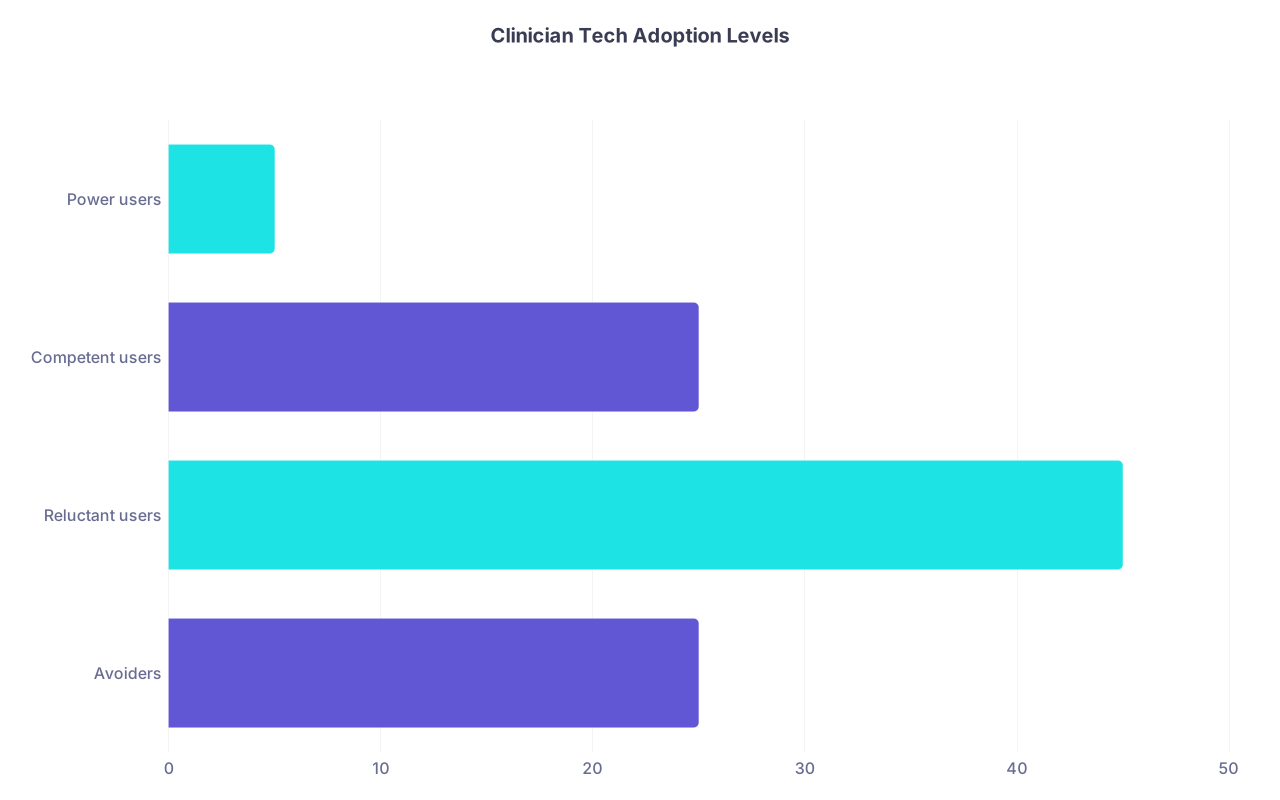
| Category | Value |
|---|---|
| Avoiders | 25 |
| Reluctant users | 45 |
| Competent users | 25 |
| Power users | 5 |
Practical steps now:
- Use at least one evidence-based app or decision support tool regularly (e.g., MDCalc, guideline apps, structured order sets).
- Read a few high-quality pieces on bias in algorithms and AI in diagnostics. Not hype pieces. Actual case examples.
- On your rotations, notice the places where technology helps (order sets, sepsis alerts done well) and where it makes things worse (alert fatigue, bad interfaces). Start cataloging what “good” looks like.
The goal is to become the person who can bridge clinicians and tech teams. Those people are already in short supply, and that shortage will get worse.
5. Invest In Communication Skills That Scale
The single most underrated future-proofing skill: you can explain complex medical ideas clearly to different audiences.
Not “I’m nice to patients.” That’s baseline. I mean:
- You can talk to a scared family in a way that lands.
- You can present concisely to your colleagues and not lose the room.
- You can write an email, note, or one-page summary that gets read and acted on.
- You can speak to non-clinical stakeholders (IT, administrators, payers) without jargon or condescension.
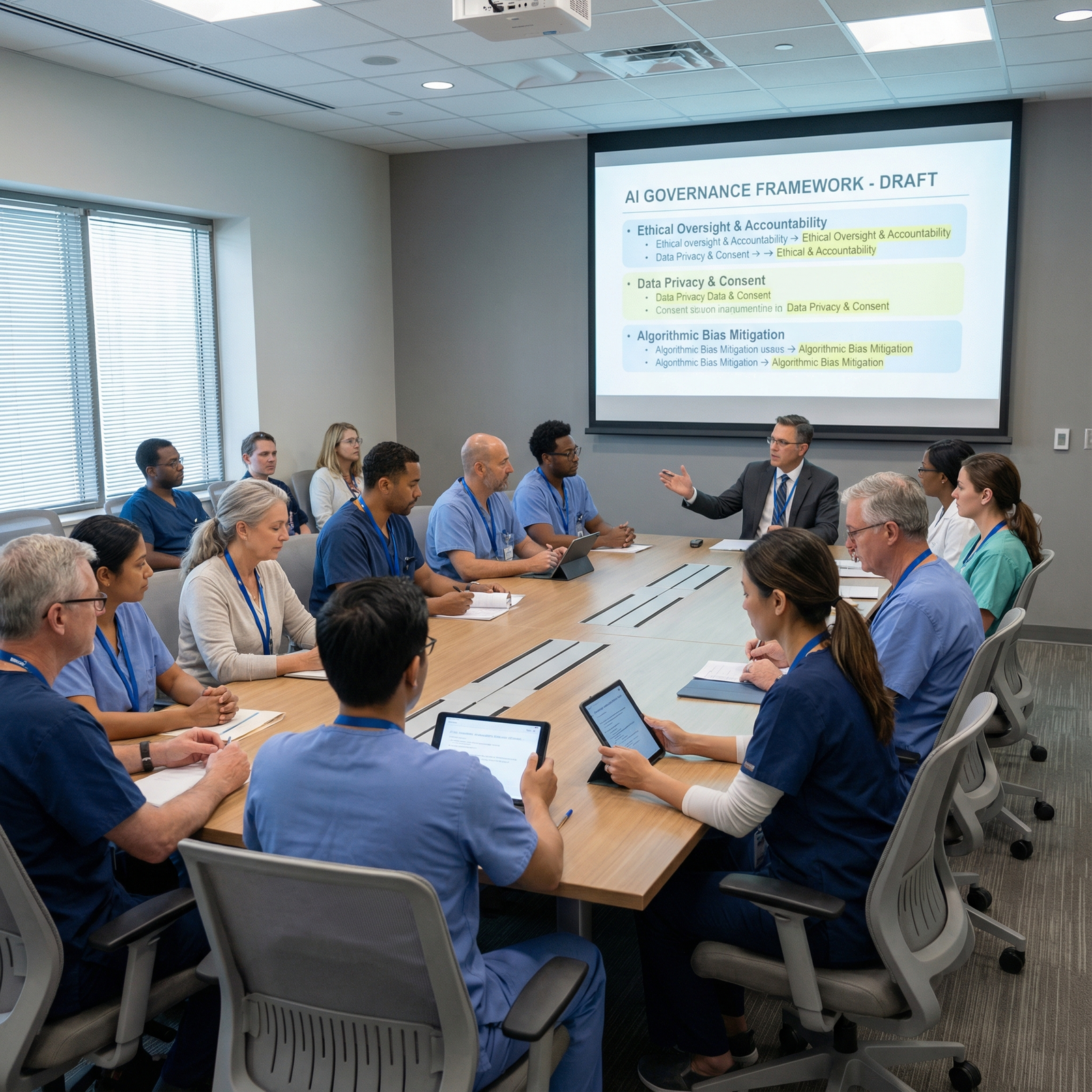
If you want future optionality—writing a book, starting a newsletter, leading a division, founding a startup—this is non-negotiable.
Ways to build this now:
- Ask attendings you respect how they structure their “bad news” conversations. Then consciously practice.
- Volunteer to present at noon conference, QI meetings, or journal clubs. Aim for clarity, not theatrics.
- Write short, structured summaries of complex topics—for co-residents or patients. See if they’re actually useful.
You don’t need to be a TED speaker. You do need to stop hiding behind “I’m just not good at talking” as if that’s fixed.
6. Design Your Career With Geographic, Financial, And Schedule Flexibility
Future-proofing is not just skills. It’s options. You want to avoid being totally boxed in by geography, finances, or a rigid schedule.
Three levers to start working on now:
Geographic flexibility
Do not over-specialize yourself into a niche that only exists at two centers in the country unless you are absolutely sure that is what you want. The more your skill set works at community hospitals, academic centers, and hybrid models, the better.Financial flexibility
You know this already, but I’ll say it bluntly: if your lifestyle inflates to match (or exceed) your income immediately, you lose almost all bargaining power.
That might mean:- Not buying the absurd house year 1.
- Avoiding lifestyle debt.
- Building a real emergency fund so you can change jobs, cut back, or walk away from toxic situations.
Schedule flexibility
Start thinking in terms of “portfolio of roles” rather than “one job forever.”
That can look like:- 0.8–0.9 FTE clinical + 0.1–0.2 FTE in education/QI/research.
- A primary job plus occasional expert consulting, content creation, or policy work.
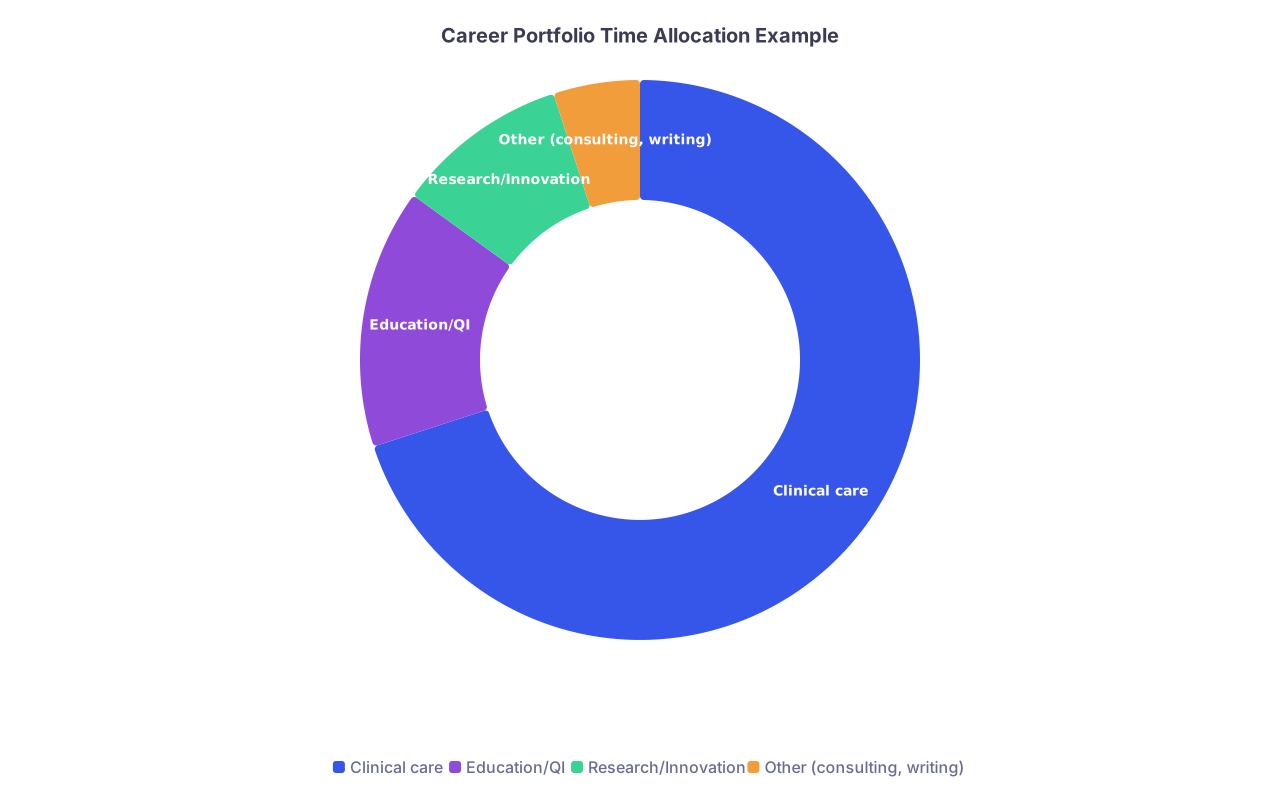
| Category | Value |
|---|---|
| Clinical care | 70 |
| Education/QI | 15 |
| Research/Innovation | 10 |
| Other (consulting, writing) | 5 |
The mistake I see: people wait till full burnout hits in their 40s, then start wishing they had options. You’re building those options now, often without realizing it.
7. Build Real Relationships, Not Just “Networking”
Every future opportunity in medicine comes down to some version of: “Someone in the room knows you, trusts you, and thinks you can deliver.”
That does not come from handing out business cards at conferences. It comes from repeated, reliable behavior and being easy to work with.
Concrete moves:
- Pick 2–3 attendings or faculty whose careers you respect. Ask them specific questions a few times a year. Share your progress succinctly. Do not just “pick your brain” them to death.
- When you do a project (QI, research, curriculum), deliver on time, communicate clearly, and make your supervisor’s life easier. People remember that far longer than they remember your Step score.
- Stay in light touch with peers who are builders—those starting projects, writing, learning new skills. Ten years from now, those are the people doing interesting things.
This is not about being fake. It is about taking seriously the fact that your career will be shaped by who is willing to vouch for you.
8. Protect Your Ability To Think Clearly And Sustainably
Last point, and I’m not going to sugarcoat it: none of this matters if you are chronically depleted, bitter, and running on fumes.
No, I am not about to give you generic “self-care” advice. I mean this:
- Protect at least one non-medical identity (parent, musician, runner, whatever) that does not depend on RVUs or H-indices.
- Ruthlessly cut time-wasters you secretly resent: committees you hate, projects going nowhere, social media spirals that leave you anxious.
- Learn to say no without giving a 7-sentence apology. “I’m at capacity for new projects this quarter; I don’t want to commit and then not deliver,” is enough.
Future-proofing is not maxing out your schedule. It’s preserving slack so that when an opportunity appears—new role, fellowship, startup, leadership position—you’re not already drowning.
Pulling It Together: What To Actually Do This Year
If you want this to be more than theory, here’s a clean short list to anchor on over the next 6–12 months, regardless of where you are in training:
- One concrete data/analytics step: small QI or research project where you actually touch and analyze data.
- One nonclinical skill stack: pick a lane (e.g., med ed, QI, policy) and commit to a substantial project plus a mentor.
- One finance/operations learning step: sit with billing, read a short finance book, or shadow an administrator with intention.
- One communication upgrade: take on 2–3 talks, write something for patients or colleagues, get feedback, refine.
- One technology reality check: audit how you currently use clinical tech, choose one tool to master, learn the basic pros/cons of AI in your domain.
- One relationship investment: identify 3–5 people (mentors and peers) and be deliberately reliable and useful in that small circle.
You do not need to do everything at once. But you do need to start.
The future of healthcare is not going to stabilize and “wait for you to catch up.” The people who thrive will be the ones who:
- Pair solid clinical skills with data, systems, and communication competence.
- Build one serious nonclinical skill stack and real relationships.
- Preserve enough flexibility—financial, geographic, and mental—to choose rather than just endure their career.