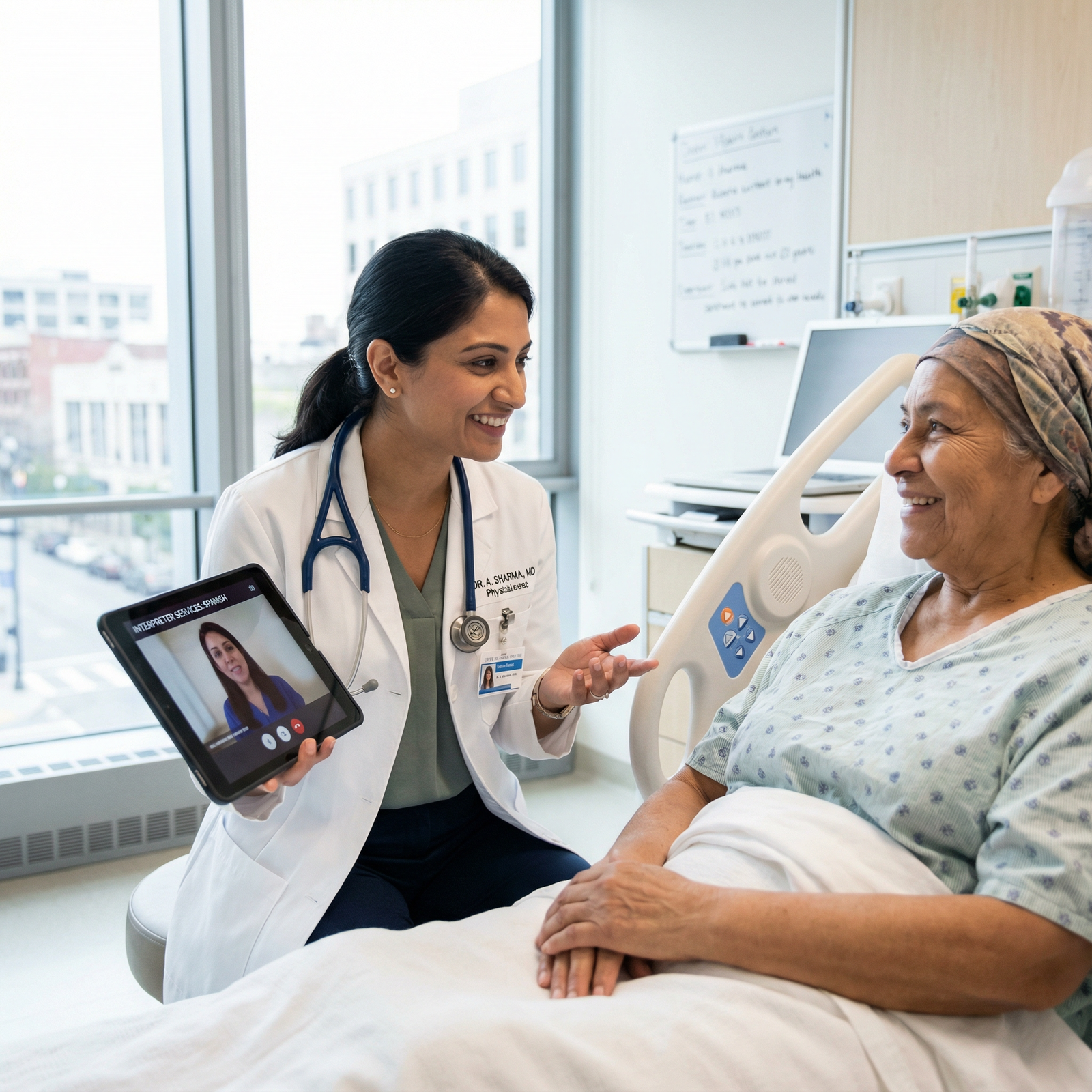
Most IMGs without research do not have a “research problem.” They have a strategy problem.
You are spending energy on the wrong things, at the wrong time, in the wrong order. And you are overestimating how much U.S. research fixes everything, while underestimating several other levers that move programs more.
Let me be blunt:
If you are an IMG with zero research, but strong, targeted alternatives, you can still match—especially in internal medicine, family medicine, pediatrics, psych, neurology, and some prelims. You will not compete with Harvard MD–PhD applicants for derm or neurosurgery. That is fantasy. But for most core specialties, you have more room than you think.
This guide is the practical playbook: what to do instead of chasing phantom research opportunities that will not materialize in time.
1. Understand When Research Actually Matters (and When It Does Not)
You cannot fix what you misdiagnose. So first, let us be precise.
When research is borderline mandatory
If you are IMG and you are dreaming of:
- Dermatology
- Plastic surgery
- Neurosurgery
- Radiation oncology
- ENT
- Some academic IM subspecialty tracks (physician-scientist programs)
Then yes—no research is almost a deal-breaker. These fields filter aggressively on:
- U.S. MD vs IMG
- Step scores (even if “holistic,” they still care)
- Home/away rotations at big-name institutions
- Research output and letters from physician-scientists
If this is you, I will not sugarcoat it: without research, you either change specialty or add years to do serious research first.
For everyone else, your leverage is elsewhere.
Where research is “nice but not required”
For most IMGs applying in:
- Internal medicine (categorical)
- Family medicine
- Pediatrics
- Psychiatry
- Neurology
- Pathology
- Some community EM programs
Programs may list “research experience preferred” in ERAS, but on ranking day, they trade:
- Strong U.S. clinical experience
- Great letters from U.S. attendings
- Evidence you function on a team
- Reliable Step scores
- Clear communication and professionalism
Over “one poster from an obscure virtual conference.”
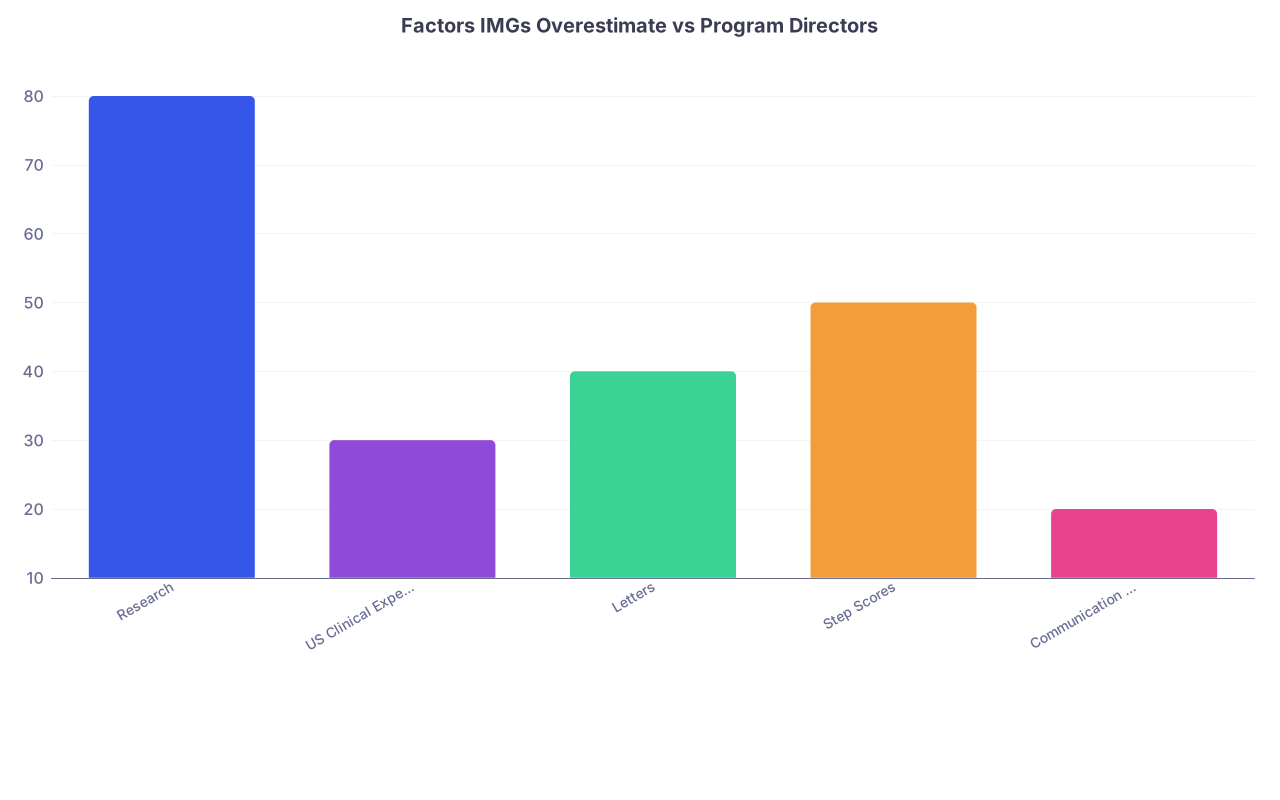
| Category | Value |
|---|---|
| Research | 80 |
| US Clinical Experience | 30 |
| Letters | 40 |
| Step Scores | 50 |
| Communication Skills | 20 |
Interpretation: IMGs often think research is 80% of the game. Program directors do not. They care more about whether you can work safely and effectively with patients tomorrow morning.
So your real question is not “How do I get research fast?” but “What can I build in the next 6–12 months that programs actually reward?”
Let’s walk through the alternatives that move the needle.
2. Replace “No Research” With Elite-Level U.S. Clinical Experience
If you have no research, your U.S. clinical experience (USCE) is non-negotiable. Observerships alone will not rescue a weak profile, but high-quality, hands-on USCE can absolutely offset lack of research.
Step 1: Prioritize hands-on roles
Best to worst, roughly:
- U.S. residency-preparatory externships with hands-on involvement
- Formal sub-internships / acting internships (if still a student)
- Hands-on electives with direct patient care
- Observer-only rotations with structured teaching and feedback
- Shadowing without documentation or letters (almost useless)
Your aim: 3–6 months total of documented USCE in your specialty or closely related.
Step 2: Target the right type of site
You gain much more from the right hospital than a famous name with no patient contact.
Better:
- Community teaching hospital with residents
- County hospitals
- Safety-net centers
- Large, busy clinics tied to residency programs
Weaker:
- Private solo practices with no teaching culture
- Outpatient-only cosmetic practices
- Offices where you “follow the doctor” but never write notes or present
How to fix this now:
- Email coordinators explicitly asking:
- “Will I be allowed to write notes in the EMR (even if not signed)?”
- “Will I be allowed to present patients on rounds?”
- “Do your attendings commonly write letters for externs?”
- If answers are vague, move on. You are buying outcomes (experience + letters), not just time in a building.
Step 3: Behave like a sub-intern, not an observer
You do not need research if attendings think:
“I would trust this person with my patients.”
Daily behaviors that give you that reputation:
- Arrive before pre-rounds; review labs, notes, imaging
- Prepare 1–2 succinct patient presentations daily
- Ask for specific feedback:
- “How can I make my assessment and plan more concise?”
- “Is there a specific way your residents like notes structured?”
- Volunteer for unglamorous jobs: call families, update med lists, reconcile meds on admission (within legal/clinic policy)
- Never disappear. If you leave, someone knows where you went.
You want your attending to write:
“Functioned at the level of an intern on our service.”
That single sentence in a letter is more powerful than three low-impact abstracts.
3. Turn Your USCE Into Killer Letters of Recommendation
If you have no research, your letters cannot be average. They must be weapons.
What a strong IMG letter looks like
You want letters that:
- Are from U.S. attendings in the same specialty you are applying to
- Mention direct observation of patient care
- Compare you to U.S. students or interns
- Address your communication, reliability, and clinical reasoning
Bad letter:
“Dr. X shadowed me for four weeks and was punctual and hardworking.”
Good letter:
“I directly supervised Dr. X on our internal medicine inpatient service. Dr. X independently gathered histories, performed focused exams, and presented on rounds at a level comparable to our fourth-year U.S. medical students. I would rank Dr. X in the top 10% of international graduates I have worked with over the last decade.”
Which one do you think neutralizes “no research” faster?
How to actually secure these letters
Do this in your last week of each rotation:
- Schedule a 10-minute meeting with the attending.
- Bring:
- One-page CV
- Brief “personal statement–lite” paragraph (who you are, what you are applying to, one or two future goals)
- Ask directly:
- “Do you feel you know my work well enough to write a strong letter of recommendation for internal medicine residency?”
If they hesitate or sound vague, thank them and do not use that letter. Mediocre letters hurt you.
Diversify letters strategically
Ideal combo for an IMG without research:
- 2 letters from U.S. attendings in your chosen specialty
- 1 letter from a U.S. attending (or strong home institution attending) in a related field
- 1 additional letter only if it is outstanding (e.g., PD, chair, or someone with serious clout)
Do not hoard eight weak letters. ERAS will not be impressed.
4. Replace Research with Documented Clinical Productivity and QI
You may not be doing benchwork or RCTs, but you can still show you improve care.
This is where most IMGs leave points on the table.
Mini QI projects you can do without a lab coat
You are not trying to publish in NEJM. You are trying to demonstrate:
- You see system problems
- You design a simple fix
- You measure something before and after
Examples during USCE:
Discharge summary checklist:
- Problem: Residents often forget follow-up plans or pending labs in discharge summaries.
- Action: Create a one-page checklist for your team, track completion for 3 weeks.
- Outcome: “Improved documentation of follow-up plans from 60% to 90% in 26 discharges.”
Patient education handout:
- Problem: Diabetic patients leave confused about insulin titration.
- Action: Draft a simple, bilingual (if appropriate) insulin titration handout.
- Outcome: Nurses report fewer repeat teaching calls; if you can, track one simple metric (e.g., number of calls).
Now list this in ERAS under “Quality Improvement” or “Projects.” It is not “research,” but it shows initiative and systems thinking.
How to not overstep as an extern or observer
Do not unilaterally change workflows. Instead:
- Spot a problem
- Propose a micro-project to a resident or attending:
- “Would it be helpful if I tracked XYZ for the next two weeks and tried a simple checklist?”
- Get their blessing, then execute
- Ask them to review your final one-page summary
- Request they mention this in your letter if appropriate
Suddenly you look more like someone who will improve their residency program, not just exist in it.
5. Supercharge Your Application with Non-Research Intellectual Work
You can compensate for lack of research by showing you can think, write, and teach.
No, I am not talking about five predatory “case reports” you pay to publish. I have seen those. Program directors roll their eyes.
I mean real, tangible, moderately rigorous work.
High-yield non-research academic activities
Case reports done properly
- Single interesting case + clear teaching point
- Submitted to a reasonable journal (even a small, peer-reviewed one)
- Or presented at a local/regional conference poster session
- Work with your attending: let them pick the case, you do the groundwork
Narrative reviews / clinical topic summaries
- Example: “Management of heart failure in CKD: concise review for primary care”
- Co-author with an attending if possible
- At minimum, present in a journal club or department conference
Educational materials
- Develop a set of slide decks, algorithms, or pocket cards for common clinic issues (e.g., HTN, DM, COPD)
- Present them to medical students or junior residents
Teaching roles
- Tutor for USMLE/Step 1/2
- Small group facilitator at your alma mater
- OSCE examiner for junior classes
These can all appear in ERAS under “Publications / Presentations / Teaching.” The goal is simple: convince programs you are not intellectually lazy.

6. Build a Profile That Sells “Clinical Maturity,” Not Numbers
Many IMGs obsess over a missing research line while ignoring the story their application is actually telling.
You need your whole profile to say: “I am ready to work here, with your patients, on day one.”
Key components that tell that story
Personal statement that sounds like an adult, not a Step 1 score report
- Focus on clinical experiences that changed how you think
- Explain your path as an IMG without sounding like an apology
- Show you understand the U.S. health system (at least basic realities: chronic disease, social determinants, resource constraints)
Consistent specialty choice
- USCE, letters, PS, and experiences all point to the same field
- Not: 2 psych letters, 1 surgery letter, 1 peds letter for an internal medicine application
Documented longitudinal commitment
- Long-term volunteer work (e.g., free clinic, telehealth triage, community health fairs)
- Consistent pattern of working with one population (e.g., underserved, immigrant, specific language group)
Lack of red flags
- No unaddressed score failures
- No unexplained multi-year gaps
- No unprofessional email addresses or social media disasters
Addressing “No Research” explicitly (or not)
In most cases, do not highlight your lack of research. Instead, emphasize what you do have:
- “During medical school and my subsequent clinical training, my focus has been direct patient care and developing strong clinical reasoning skills. This is reflected in my extensive hands-on U.S. clinical experience and my work on small quality improvement projects during rotations.”
You are reframing. Not apologizing.
7. Use Networking and Observerships Strategically (Not Desperately)
Many IMGs burn a year “networking” with no plan: dozens of unpaid observerships, no relationships, no outcomes. That is not strategy. That is tourism.
You need surgical networking.
Identify “friendly” programs and environments
Signs a program is more realistic for an IMG without research:
- Community-based or community–university hybrid
- History of matching IMGs from a range of schools
- Lower emphasis on publications in current residents’ bios
- Geographic areas less saturated with U.S. grads (Midwest, South, non-coastal)
| Program Type | IMG Research Expectation | Best For IMG Without Research? |
|---|---|---|
| Big-name university | High | Rarely |
| University-affiliated | Moderate | Sometimes |
| Community teaching | Low–Moderate | Often |
| Pure community | Low | Often |
How to convert observerships to interviews
During your month:
- Identify the PD and APDs
- Show up prepared and consistent; be the reliable extern
- Near the end, ask an attending who likes you:
- “Would you feel comfortable introducing me to Dr. [PD] or Dr. [APD] so I can briefly express my interest in this program?”
- In that short meeting or email:
- Express specific reasons you like their program
- Highlight your USCE on their service
- Ask if there are any additional steps you can take to strengthen your application for their program
This is not begging for an interview. It is professional interest. Programs respect that.
8. Smart Specialty and Program Selection for IMGs Without Research
If you have no research, mediocre USCE, and borderline scores, applying to 200 programs will not fix it. You will just burn money.
You need to stack the odds.
Step 1: Be honest about your numbers
For IM and FM as an IMG, rough guidelines (not gospel, but reality-based):
- Step 2 CK ≥ 240: competitive for many community and some university-affiliated programs
- 230–239: competitive for many community programs
- 220–229: must be realistic and focus on IMG-friendly programs
- <220 or failures: need strong compensating strengths (U.S. LORs, time since grad, visa-flexible programs) and often more cycles
If your scores are lower and you have no research, then your alternatives must be extremely strong: USCE, letters, QI, clear story.
Step 2: Target programs that care less about research
Look closely at:
- Program websites:
- Do they flaunt residents’ publications? Or highlight community service, patient volume, diversity?
- Resident bios:
- Do most residents have multiple publications? Or is research rare?
- Location and size:
- Larger community programs in less “sexy” cities are often more open.
Step 3: Balance your list
For IMGs without research, I generally recommend (for something like internal medicine):
- 10–20 “reach” programs (university-affiliated, slightly more academic)
- 25–40 “realistic” programs (strong community teaching)
- 10–20 “safety-ish” programs (very IMG-heavy, smaller cities, less competitive)
Adapt those numbers to your budget, scores, and years since graduation.
9. Visa, Gaps, and Other Landmines You Must Control
This is where many IMGs silently sink.
If you lack research, you cannot also have unexplained gaps, visa uncertainty, and cryptic failures.
Visa strategy
Be very clear, early, about:
- What visa(s) you are eligible for (J-1 vs H-1B)
- Which programs sponsor which visa types
- Whether your exam sequence and ECFMG certification will be complete before rank list deadlines
Do not waste half your applications on programs that never sponsor visas for IMGs.
Time since graduation
If you are >5 years since graduation and have no research, you absolutely must show:
- Recent, continuous clinical involvement (paid or unpaid, but real)
- Documented responsibilities: telemedicine, urgent care, hospitalist assistant roles, etc.
- Strong recent LORs from the past 1–2 years
Ten years out with a quiet CV is much worse than “no research.”

| Step | Description |
|---|---|
| Step 1 | IMG Without Research |
| Step 2 | Focus 6-12 months on Step improvement |
| Step 3 | Arrange 3-6 months hands-on USCE |
| Step 4 | Maximize performance to earn strong letters |
| Step 5 | Add small QI + education projects |
| Step 6 | Optimize personal statement + program list |
| Step 7 | Apply strategically to IMG-friendly programs |
| Step 8 | Step Scores OK? |
| Step 9 | Any recent USCE? |
| Step 10 | Strong US LORs? |
| Step 11 | Any QI/Projects/Teaching? |
10. Concrete 6–12 Month Action Plan (If You Are Starting With No Research)
Let me put this into a timeline so you are not just nodding and then doing nothing.
Months 0–2: Stabilize your foundation
- Confirm exam status
- If Step 2 CK is weak or pending, this is priority #1
- Start building a realistic program list framework
- Begin chasing specific USCE opportunities (not just browsing websites)
Daily/weekly tasks:
- 5–10 targeted emails to hospitals/clinics about externships
- 1–2 hours Step prep if needed
- Draft a rough CV and personal statement outline
Months 2–6: USCE + Letters + Micro-Projects
During 1–3 consecutive rotations:
- Behave like a sub-intern every day
- Identify 1–2 mini QI or education projects
- Ask at least 2 attendings for strong letters during the last week of each rotation
- Keep a log of cases, responsibilities, and feedback (useful for PS and interviews)
By month 6 you want:
- 3–6 months USCE
- 2–3 excellent U.S. letters
- 1–3 small QI/teaching projects in your ERAS
Months 6–9: Application build and networking
- Finalize:
- Personal statement (with help from someone familiar with U.S. style)
- CV + ERAS entries
- Shortlist 60–80 programs that:
- Sponsor your visa
- Have past IMGs
- Do not over-emphasize research
Start quiet networking:
- Email PDs/APDs from your USCE sites thanking them and updating them on your application
- Attend virtual open houses and ask intelligent, specific questions
Months 9–12: Interview prep and follow-through
Practice answering:
- “Tell me about yourself.”
- “Why this specialty?”
- “Why no research?” (if they ask; answer by emphasizing your clinical focus and QI)
During interviews:
- Hit your clinical maturity story
- Mention your QI and teaching projects as evidence of initiative
- Show you understand their patient population and setting
What You Should Do Today
Open a blank document and write three headings:
- USCE Plan (Next 6–12 Months)
- Letters I Can Realistically Earn
- Small QI/Teaching Projects I Could Do on Rotation
Under each heading, list three specific actions you can take in the next 7 days. Not dreams. Actions:
- Email X hospital about externship
- Ask Dr. Y for a brief meeting to discuss a QI idea
- Draft one-page CV for future letter writers
Then actually schedule those tasks on your calendar.
You do not fix “no research” by wishing you had a lab. You fix it by building a profile that makes programs forget to ask about research in the first place.