The last 30 days before ERAS submission will expose every crack in your application. If you are an IMG, you cannot afford those cracks.
I am going to walk you through this month like I am standing behind your chair, tapping the calendar. Day by day, week by week. At each point: what must be done, what can wait, and what you should ruthlessly cut.
Assume ERAS opens for submission mid-September. Adjust exact dates by a few days if NRMP changes them, but the sequence holds.
30–21 Days Before Submission: Structural Audit and Hard Deadlines
At this point you should stop “building” your application and start auditing it. No new major projects. No new research. You are in polish-and-prevent-disaster mode.
Day 30: Master Timeline + Reality Check
On Day 30, sit down and plot the whole month.
- Open:
- ERAS application
- Your CV
- USMLE transcript
- List of programs (even if rough)
- Create a 4–week calendar with hard tasks assigned to specific days.
Core goals for the final 30 days:
- Zero factual errors in ERAS
- No missing letters
- No vague or sloppy personal statement
- Programs list realistic for an IMG (not fantasy)
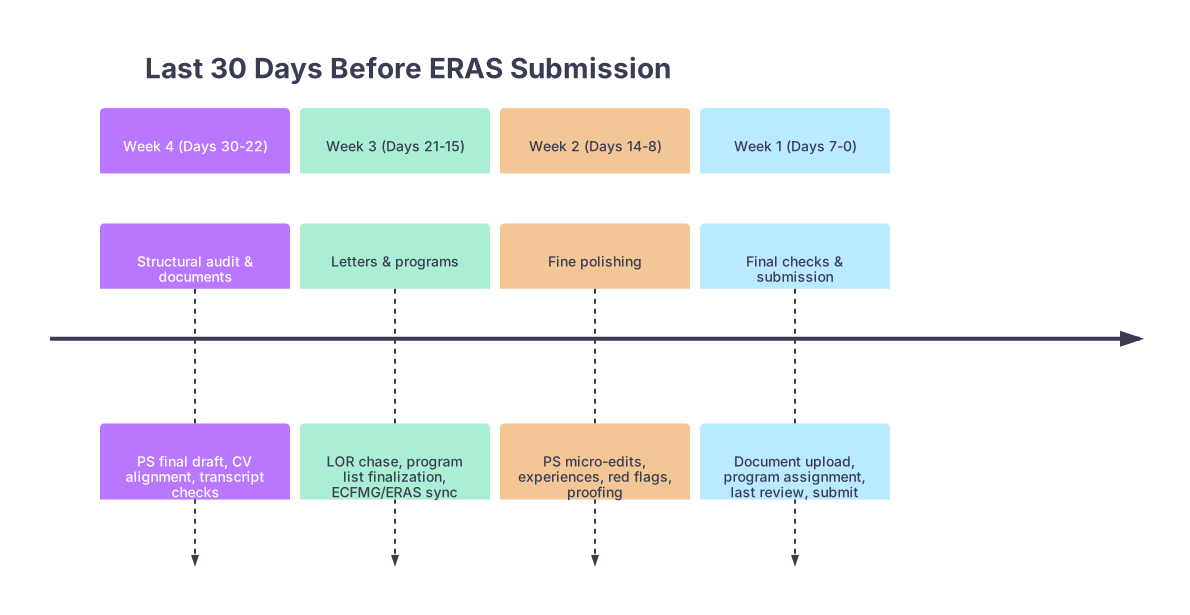
| Period | Event |
|---|---|
| Week 4 (Days 30-22) - Structural audit & documents | PS final draft, CV alignment, transcript checks |
| Week 3 (Days 21-15) - Letters & programs | LOR chase, program list finalization, ECFMG/ERAS sync |
| Week 2 (Days 14-8) - Fine polishing | PS micro-edits, experiences, red flags, proofing |
| Week 1 (Days 7-0) - Final checks & submission | Document upload, program assignment, last review, submit |
At this point you should:
- Decide your exact ERAS submission date (usually first or second submission day).
- Block out:
- 2 long work sessions per week (3–4 hours)
- 3 short sessions per week (60–90 minutes)
No vague intentions. Real time blocks.
Days 29–28: Personal Statement – Structural Fixes, Not Wordsmithing
Most IMGs waste time “making it sound nicer” when the structure is the real problem.
Over these 2 days:
- Lock one primary personal statement for your main specialty (e.g., Internal Medicine).
- Decide if you truly need:
- A separate PS for prelim / transitional year
- A separate PS for a second specialty (only if serious)
Focus your edits on:
- Clear narrative spine:
- Why this specialty
- What you have done that proves it
- What you bring (skills, perspective, background)
- What you want to become
- Remove:
- Generic lines: “I have always been passionate about medicine…”
- Long descriptions of your country’s healthcare system
- Overly emotional family tragedies unless absolutely central and handled briefly
At this point you should ask one or two U.S. physicians or senior residents (ideally in your specialty) to critique content, not commas.
Concrete checklist for your PS now:
- 1 page max (about 650–800 words)
- Single spaced, not walls of text (short paragraphs)
- No program names (ever)
- US-focused: clinical experiences, patient care, systems familiarity
Days 27–25: Experience Entries – Alignment and Clarity
Your CV and ERAS experiences must tell the same story. I have seen too many IMGs killed by:
- Date mismatches
- Inflated roles (“led” a project they barely joined)
- Overcrowded experiences with zero depth
Over these 3 days, you will:
Standardize dates
- Use consistent format for all entries
- Confirm:
- Graduation dates match diploma
- USCE dates match your LoRs and certificates
- Gaps are explained in entries or future plans
Prioritize experiences
- Choose 3 experiences to “highlight” (those you give more detail)
- Ideal: 1–2 US clinical experiences, 1 meaningful long-term role (research, leadership, teaching)
- Trim weak, short, or irrelevant entries:
- 3–4 day observerships with minimal participation can be combined or cut
- Random volunteering with 10 hours total is noise
- Choose 3 experiences to “highlight” (those you give more detail)
Rewrite descriptions for impact
- Use concrete actions, not vague claims
- Example:
- Bad: “Assisted in patient care and learned about internal medicine.”
- Better: “Pre-rounded on 6–8 patients daily, presented to attending, and documented assessment/plan drafts under supervision in a community hospital internal medicine service.”
Day 24: USMLE & Exams – Hard Data Accuracy Check
One whole session just for scores and exams. No distractions.
You must:
Confirm:
- Step 1: Pass status correct
- Step 2 CK: Score, date accurate
- OET: Passed and valid date
- ECFMG certification status (if already certified)
Decide:
- Will you apply before Step 2 score is released (if pending)?
- For IMGs, I strongly prefer you apply with Step 2 already in, unless you have a very strong Step 1 pass and other major strengths.
- If Step 3 is done, is it included and correct?
- Will you apply before Step 2 score is released (if pending)?
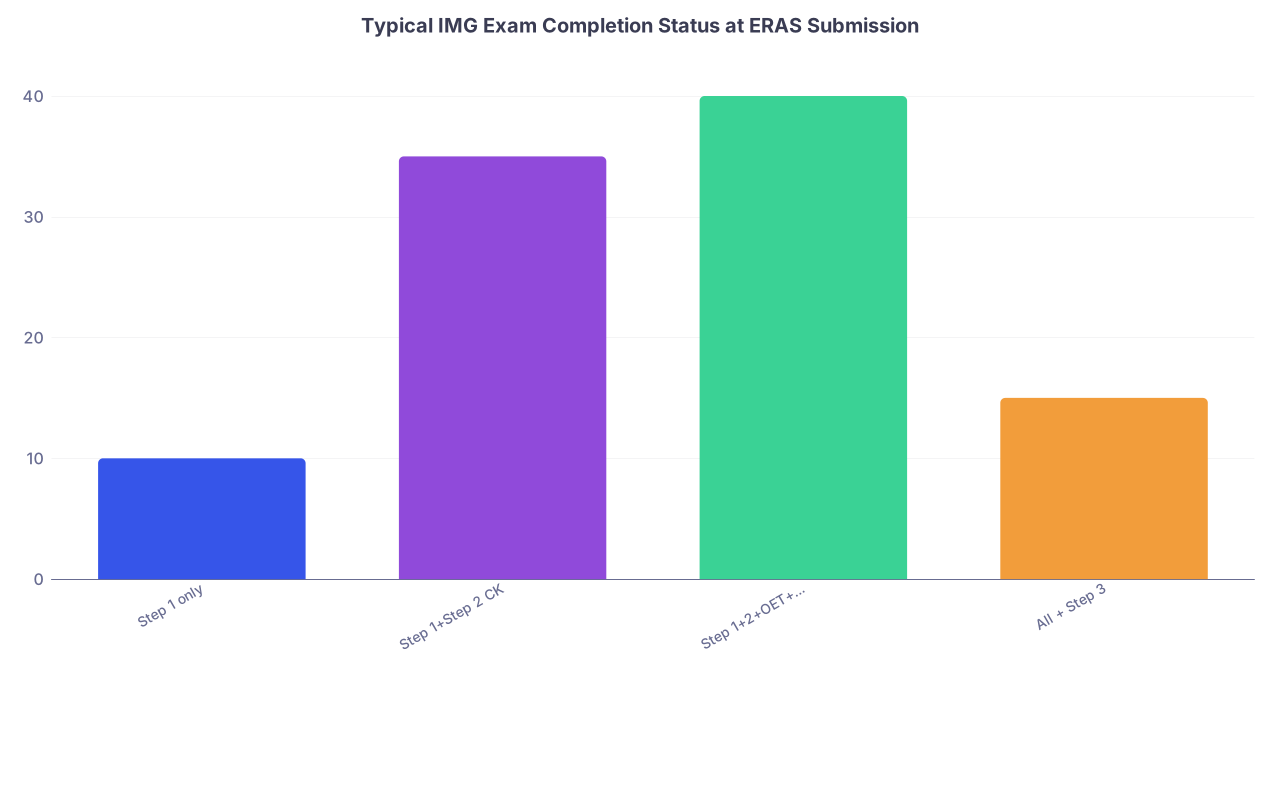
| Category | Value |
|---|---|
| Step 1 only | 10 |
| Step 1+Step 2 CK | 35 |
| Step 1+2+OET+ECFMG | 40 |
| All + Step 3 | 15 |
At this point you should also scan your application for any mention of future exams and make sure the dates are realistic.
21–15 Days Before Submission: Letters and Programs – No Loose Ends
This is where IMGs get burned. “My attending said the letter is almost done.” Two weeks pass. Nothing.
Days 21–19: Letters of Recommendation – Aggressive Follow-up
Your goal: 3–4 strong letters, with at least:
- 2 from U.S. clinical experiences in your chosen specialty
- 1 additional from US or strong home institution mentor
At this point you should:
- List your letter writers with status:
| Writer | Type | Status | Action Needed |
|---|---|---|---|
| Dr. Smith (IM, US) | USCE Attending | Requested | Email + call |
| Dr. Lee (IM, US) | USCE Attending | Uploaded | None |
| Dr. Patel (Research) | Research PI | Drafting | Reminder email |
| Dr. Ahmed (Home IM) | Home Attending | Confirmed | Verify upload date |
Send polite but firm reminders:
- Subject: “ERAS Letter of Recommendation – Deadline in 10 Days”
- Include:
- Your ERAS ID
- Exact due date you are aiming for
- Brief bullet list of your work with them (to jog memory)
- Thank you, of course, but not groveling
Prepare contingency:
- If a letter seems unlikely, you must know which writer is your backup.
- A solid home-country attending letter is better than an imaginary U.S. letter that never comes.
Days 18–17: Program List – Realistic Targeting for IMGs
Many IMGs waste applications on programs that have not interviewed a single IMG in 5 years. Fantasy shopping.
Use 1–2 days to:
Build your core program list:
- Aim: 80–120 applications for most IMGs in competitive-to-average situations (more if weaker profile, fewer if very strong with solid USCE and scores).
- Include:
- A high proportion of community and university-affiliated community programs
- Several home-state or regionally connected programs if you have U.S. ties
Check IMG-friendliness:
- Look at:
- Current residents’ medical school list
- Requirements on website (ECFMG by rank vs by start, Step 1/2 cutoffs, Step 3 preference)
- Visa sponsorship history (J-1 vs H-1B)
- Look at:
Categorize:
- “Core” programs: high IMG intake, realistic scores range
- “Reach” programs: some IMGs, but higher scores / stronger profiles
- “Longshot” programs: only a small handful, not 40
Days 16–15: Visas, ECFMG, and Logistics
At this point you should remove all doubt about basic eligibility.
- Confirm:
- ECFMG certification timeline:
- If not certified yet, can you be certified by rank order list deadline?
- Visa strategy:
- J-1 only
- J-1 and H-1B
- That your ERAS application and personal statement do not contradict your visa flexibility
- ECFMG certification timeline:
You must also:
- Verify your name is identical across:
- ERAS
- ECFMG
- Passports / IDs
- Double-check contact details:
- Email address
- Phone number with correct country code
- U.S. mailing address if you have one
14–8 Days Before Submission: Micro-Polishing and Red Flag Control
The big pieces should now be in place. This week is about details that separate “okay” from “sharp.”
Days 14–12: Personal Statement – Final Pass, Not Rewrite
You are not rewriting from scratch. You are cleaning.
At this point you should:
- Run a read-aloud test:
- Read your PS out loud. Wherever you stumble, rewrite the sentence.
- Remove:
- Overly complex sentences with multiple clauses
- Clichés like “lifelong dream,” “I want to give back to the community,” “I will be an asset to your program”
- Insert 2–3 specific moments:
- One concrete patient or case (de-identified)
- One concrete challenge or learning point
- One example of initiative or responsibility
Focus on clarity and authenticity, not sounding like a brochure.
Days 11–10: Experience Entries – Grammar and Consistency
By now, content should be correct. Time to make it clean.
Checklist for each experience:
- Tense:
- Current roles: present tense
- Past roles: past tense
- Point of view:
- First person implied, no “I”
- No repetition:
- Do not repeat the same phrasing in multiple entries (“Participated in patient care…”)
- No unexplained gaps:
- If you have a 6+ month gap, address it in an experience or short explanation (e.g., “USMLE preparation period,” “Family responsibilities – elder care”)
Day 9: Red Flags – Direct but Controlled Explanations
IMG red flags that must be addressed intentionally:
- Extended gaps after graduation
- Failed Step exam
- Multiple attempts at any step
- Changing specialty directions (e.g., prior surgery track, now IM)
At this point you should:
- Decide where to address the issue:
- Personal statement (if central to your story)
- Separate short explanation in ERAS (ideal for simple exam retake or short gap)
- Keep explanations:
- Brief
- Factual
- Taking responsibility without self-sabotage
Example for a failed Step attempt:
“I did not pass Step 1 on my first attempt. I reassessed my study methods, completed a structured review course, and passed on my second attempt with a significantly higher score. This experience taught me disciplined preparation and resilience that I have since applied successfully to Step 2 CK and my clinical work.”
7–0 Days Before Submission: Final Assembly and Hard Lock
Last week. No new content. Only assembly, verification, and controlled submission.
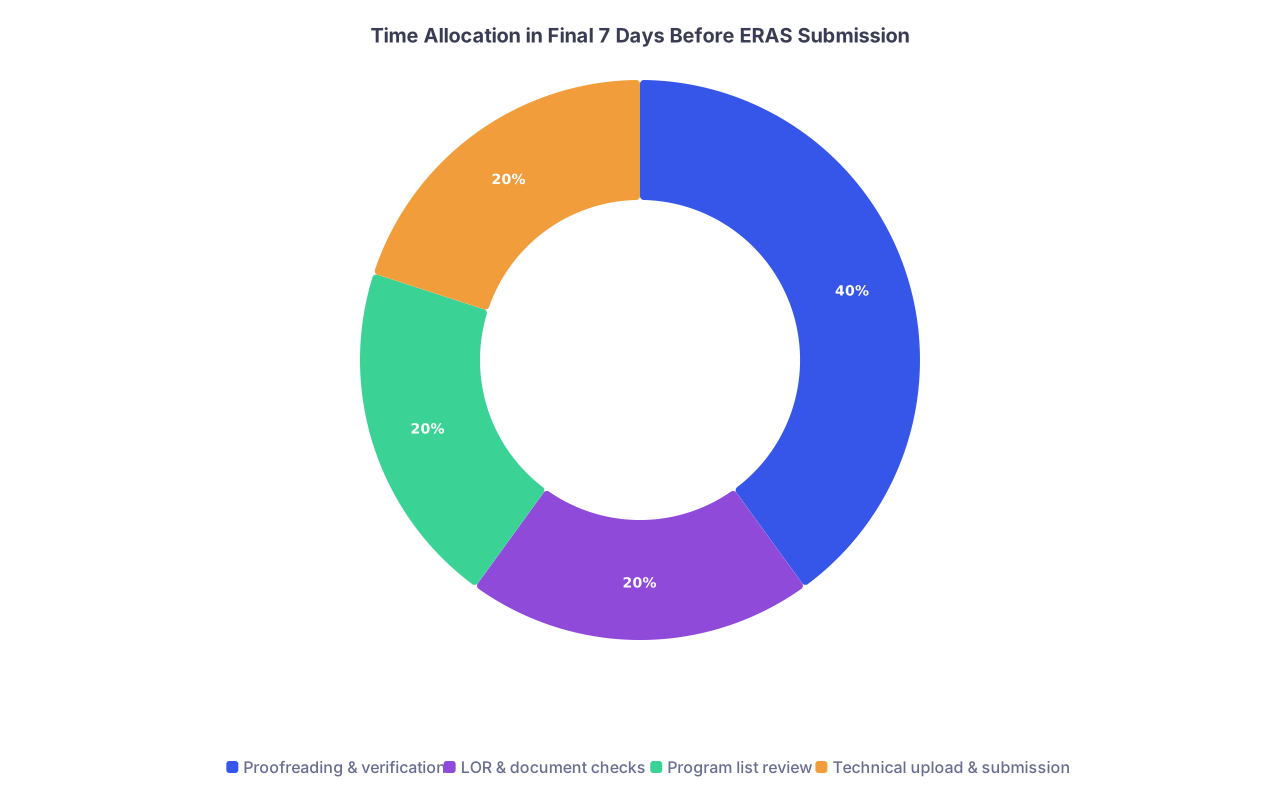
| Category | Value |
|---|---|
| Proofreading & verification | 40 |
| LOR & document checks | 20 |
| Program list review | 20 |
| Technical upload & submission | 20 |
Days 7–6: Application-Wide Proofread
At this point you should pretend you are a PD reading your file in 3 minutes.
Process:
- Print your entire ERAS application as PDF (or use print-to-PDF).
- Read straight through in this order:
- Demographics and contact info
- Education
- USMLE scores
- Experiences
- Publications / presentations
- Personal statement
Check for:
- Internal contradictions:
- Different dates for same activity
- Different titles for same role
- Awkward or unclear phrasing in highlighted experiences
- Typos, grammar problems, capitalization inconsistencies
Have one trusted person read it as well. Not a committee.
Days 5–4: Document Uploads and Assignments
Now you move from “content” to “technical execution.” This is where rushed IMGs mess up.
You must:
- Confirm in ERAS:
- Personal statement is uploaded and named clearly (e.g., “Internal Medicine PS” not “finalfinalPS3”)
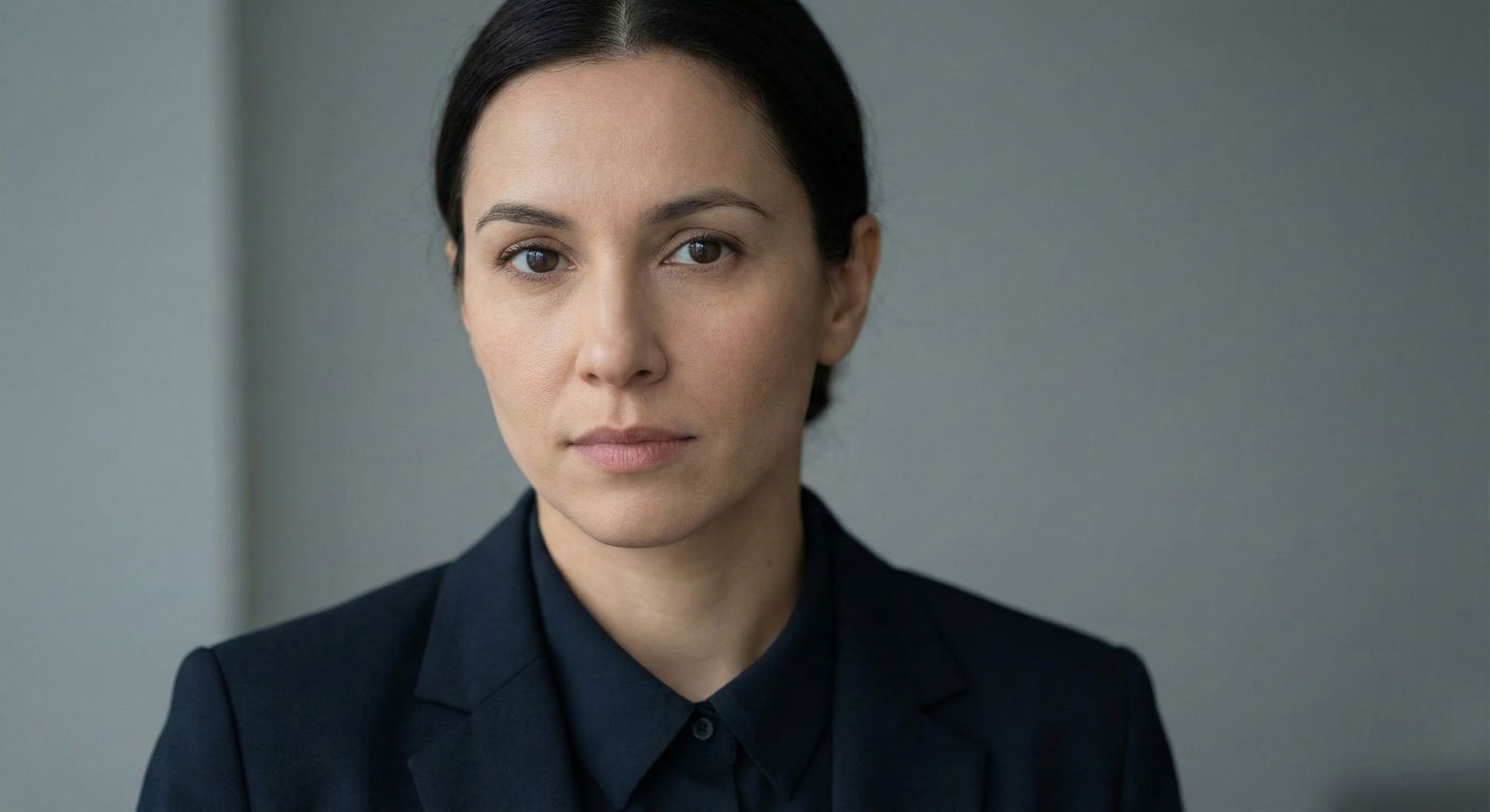
- Photo is professional: neutral background, business attire, high resolution, no distracting filters
- Assign:
- Correct PS to correct specialty
- Correct LORs to each program (and check if any program has specific instructions)
- Verify:
- USMLE transcript is requested
- ECFMG certification status is properly linked in ERAS
Do not rush this at midnight the day before.
Day 3: Program List – One Last Reality Pass
At this point you should do a ruthless 60-minute review of your program list:
- Remove:
- Programs that clearly state “No IMGs” or “Must be US grad”
- Places that do not sponsor your needed visa
- Add (if needed):
- A few more solid IMG-friendly programs to replace any you removed
You can also lightly “tier” your list:
- Tier 1: High-priority IMG-friendly, you especially want them
- Tier 2: Reasonable match targets
- Tier 3: Reaches or less desirable locations
This mental map helps later with interview scheduling, but you should finish it before submission.
Day 2: Final Cross-Check and Lock-In
Treat Day 2 as your mock submission day.
Checklist:
- Login from a stable computer and internet connection
- Open every major section and confirm:
- No “lorem ipsum” or temp text (I have actually seen this)
- No references to wrong specialty in PS
- No personal statement with a program’s name in it (some people copy/paste from emails… do not do this)
- Confirm payment method works (card not expiring, no weird limits)
Once this is done, mentally lock your content. No more last-minute rewrites based on random online advice threads.
Day 1–0: Submission Window
I strongly recommend IMGs submit on Day 1 of ERAS submission opening or within 24 hours. You cannot compete late.
On your actual submission day:
- Reboot your device, close all extra apps. Avoid glitch excuses.
- Log into ERAS calmly, not at 3 a.m. after no sleep.
- Final micro-check:
- Name and email
- Personal statement assignment
- LOR assignments
- Program count
Then submit. No “I’ll just review it for another week.” PDs start downloading applications early, and IMGs already start behind.
After Submission: 24–72 Hours Post-Check
You are not done the second you click submit.
Over the next 2–3 days:
- Verify:
- USMLE transcript actually released
- All LORs that were promised have uploaded and are assigned
- Send thank you emails to letter writers with:
- Your ERAS ID
- Confirmation that applications are submitted
- Genuine appreciation (this matters for future support)

| Step | Description |
|---|---|
| Step 1 | Submit ERAS |
| Step 2 | Verify USMLE transcript |
| Step 3 | Confirm LOR uploads |
| Step 4 | Check program list & assignment |
| Step 5 | Send thank you emails |
You can also prepare:
- A simple, professional email template to respond to program communications
- A basic spreadsheet to track interview invitations

Key Points to Leave With
- The last 30 days are not for adding new achievements. They are for eliminating errors, tightening your story, and ensuring every technical piece is in place.
- If you are an IMG, you cannot ignore letters, program selection, and exam accuracy. These three areas separate serious candidates from wasted applications.
- Do everything on purpose: each week has its job. By the time ERAS opens for submission, your application should already be ready—those final days exist only for verification and controlled execution, not chaos.