

The patient secretly recording you is not a hypothetical. It’s already happening to you.
Let me be blunt: most clinicians handle it badly—either by overreacting (threats, anger, calling security) or by pretending it did not happen and hoping it goes away. Both are mistakes.
You need a script, a plan, and a clear sense of your legal and ethical ground. Otherwise you’ll freeze, say something defensive, and hand the patient and your hospital a much bigger problem than a 3‑minute iPhone clip.
Here’s how to handle it like a professional who also understands risk.
1. First: What This Situation Actually Looks Like in Real Life
You are not going to see a patient dramatically holding their phone up like a 60 Minutes crew. It’s usually more subtle:
- Phone “charging” on the chair, screen down, camera hole toward you
- Apple Watch on “record” with their other hand casually under the blanket
- Tablet propped on the tray table with “notes” open, but the red recording light peeking
- Family member in the corner “texting” with their camera aimed right at you
You notice mid-encounter. Your stomach drops. You think:
“Is this legal? Am I allowed to tell them to stop? What if this ends up on TikTok?”
Here’s the mental rule: Do not ignore it. Do not escalate it. Intervene calmly, right away.
2. Immediate Response: The 30‑Second Script You Should Use
When you suspect or confirm you’re being recorded without your knowledge, you need four moves:
- Pause the encounter.
- Name what you’re seeing.
- Set a boundary.
- Offer a safe, reasonable alternative.
This is the backbone:
“Mrs. Lee, I notice your phone looks like it may be recording. For everyone’s privacy and safety, we do not allow secret recordings in the exam room. If you’d like to record, I’m happy to discuss that with you, but I need you to let me know first. Can we pause this and talk about what you’re hoping to capture?”
That’s it. Calm. Neutral. Firm.
If they deny it and you’re pretty sure they’re lying:
“I understand. It just looked that way from my perspective, and I need to be careful because we have to protect not only your privacy, but also the privacy of staff and any other patients’ information that could be overheard. Let’s put the phone face‑down / in your bag for now, and we can continue.”
If they admit it:
“I appreciate you letting me know. I do want to support your understanding of your care, but we have some policies about recording in the exam room. Let me step out for a moment and check our policy so we can do this the right way.”
Then you actually step out. Call your charge nurse, risk management, or your attending (if you’re a trainee). Do not wing it.
3. The Legal Reality: One‑Party vs Two‑Party States (And Why You Still Shouldn’t Freak Out)
Legally, secret recording is a mixed bag. You need to understand the basics, not become a lawyer.
There are two big categories in the U.S.:
| State Type | Rule | Example States* |
|---|---|---|
| One-party | Only one person must consent | NY, TX, IL |
| All-party (two+) | Everyone recorded must consent | CA, FL, MA |
| Federal (phone) | Similar to one-party in most cases | N/A |
*Always confirm current state law—this table is illustrative, not authoritative.
In a one‑party consent state, the patient can often legally record a conversation they’re part of without telling you. That means their recording might be legal even if your hospital policy says “no recordings without consent.”
In an all‑party consent state, secret recording is often illegal. But here’s the catch: you’re not the prosecutor. Your job in the moment is not “build a criminal case.” Your job is:
- Protect patient privacy (HIPAA still exists)
- Protect other patients and staff
- Protect your own professionalism and documentation
- Avoid escalating into a viral confrontation
Ethically, you are on very solid ground to say: “We do not allow secret recordings. If you want to record, we need to agree on it openly.”
Legally, you’re on shaky ground if you start demanding the patient delete the recording on the spot, grabbing their device, or threatening to withhold care. That’s how you end up in depositions.
4. Hospital Policy, HIPAA, and Why You Should Not Start Yelling “HIPAA Violation!”
Most clinicians misuse the word HIPAA when they’re angry. Don’t be that person.
HIPAA is mainly about covered entities (like your hospital) and how they handle protected health information. A patient recording their own visit, for their own use, is usually not a HIPAA violation. They’re allowed to have their own information.
Where HIPAA does come in:
- If the recording captures other patients’ information (hallway sounds, names, monitors, faces)
- If staff are discussing another patient within earshot
- If the hospital somehow acquires, stores, or shares that recording improperly
So instead of yelling “This is a HIPAA violation!”, say:
“I need to be very careful because audio from this room can pick up information about other patients or staff who have not agreed to be recorded. That’s why we have to be deliberate about any recording that happens.”
Then bring it back to policy, not personal preference:
“Our clinic policy is that any audio or video recording is discussed and agreed upon ahead of time, so we can protect everyone’s privacy. Let’s either stop the recording, or I can bring in my supervisor to help us decide how to proceed.”
You’ve grounded it in policy and privacy, not ego.
5. When the Patient Pushes Back or Gets Aggressive
You will get one of these responses sooner or later:
- “It’s my right. This is my body and my visit.”
- “I’ve had doctors lie to me before; I need proof.”
- “If you’re not doing anything wrong, why do you care?”
- “I’m recording for my lawyer. You’ll hear from them.”
Here’s how you respond without losing control.
First, validate the goal, not the method.
“I hear that you want an accurate record of what we discuss and to feel safe that you’re getting good care. That’s completely reasonable.”
Then redirect to boundaries.
“The way we do that here is by [explaining things clearly / giving you written instructions / including a family member on speakerphone / using the patient portal]. Secret recordings create a lot of risk for everyone involved. I’m willing to work with you, but I need us to agree on how we do it.”
If they keep insisting:
“I’m not refusing to care for you. I’m saying I cannot continue the visit while we’re being secretly recorded. If recording is essential for you, I’ll step out and get my supervisor / risk management so we can decide the safest way to move forward.”
You are calm. You are clear. You are now involving the system that gets paid to take that risk, instead of carrying it personally.
6. Documentation: Exactly What You Should Write in the Note
You’ll be tempted to “skip it” because it feels awkward. That’s a mistake. Your documentation is your lifeline if this recording later appears in a complaint, legal case, or viral video.
You don’t need an essay. You do need three things: what you noticed, what you said, and how the patient responded.
Example language you can adapt:
“During the encounter, I observed patient’s mobile phone placed with camera facing clinician in a manner suggestive of possible recording. I informed patient that our clinic does not permit undisclosed audio or video recording due to privacy and safety concerns, and asked patient to confirm whether recording was occurring. Patient [denied / confirmed] recording. I requested that any recording be stopped and offered to review clinic policy and alternative methods for patient to retain information (written instructions, MyChart, inclusion of family member by phone). Patient [agreed and placed phone in bag / declined and requested to continue recording]. Supervisor [Name] was [notified / present] and [plan].”
If they refused to stop and you terminated or shortened the visit:
“Due to unresolved disagreement regarding undisclosed recording during the visit, I informed patient that I could not safely continue the encounter under those conditions but remained available to provide urgent/emergent care. Charge nurse and risk management were notified.”
No drama. Just facts.
7. Why Patients Record in the First Place (And How to Use That)
Once you get past the anger—“They do not trust me!”—there are usually a few drivers:
- Fear of being dismissed or gaslit
- Past bad experiences with clinicians
- Complexity of the plan: they’re afraid they’ll forget everything
- Pressure from family members at home—“Make sure you record it so we know what they said”
- Rarely, yes, they’re hunting for “gotcha” material
You can flip this into something productive instead of adversarial.
After you’ve addressed the boundary:
“Can you tell me more about what you were hoping the recording would do for you?”
Common answers and good responses:
“I forget things.”
“Alright. Let’s write down the plan in simple language before you leave, and I’ll also send it in your portal. You can take a photo of the written instructions if you’d like.”
“My family wants to know exactly what you say.”
“Let’s call them on speaker for the last five minutes and I’ll explain the plan directly, with you listening, so everyone hears the same thing.”
8. Proactively Protecting Yourself: Consent, Team Awareness, and Good Habits
If you work in a setting where this is frequent—ED, OB/L&D, psych, oncology—you can get ahead of it.
Build a normalizing statement into your introduction:
“Some patients like to write things down or even record parts of the visit so they remember later. If you’d like to do that, let me know so we can agree on what’s okay. We just have to protect other patients’ privacy and the staff in the room.”
That does three things at once:
- Signals openness (you’re not hiding)
- Sets the expectation of asking
- Gives you cover later if you catch a secret recording
You can also train yourself and your team:
- Assume you’re being recorded in every encounter. That doesn’t mean paranoia; it means speak in a way you’d be fine reading back in a complaint letter.
- Avoid venting, sarcasm, or bedside jokes that sound awful out of context. Because they will be taken out of context.
- Make sure your support staff know the script too. Often it’s the MA who first notices: “That phone’s been pointed at us the whole time.”
9. Special Situations: Trainees, Telehealth, and Group Encounters
Trainees (Students, Residents)
You have less authority, so you must use the chain of command.
If you notice a likely recording:
“Mr. Jones, I’m a trainee and need to follow our hospital’s policies closely. It looks like your phone may be recording. I’m going to step out and grab my attending so we can talk about the best way to handle that together.”
Then tell your attending or senior exactly what you saw and said. Let them take the lead. Do not bargain with threats (“We’ll refuse care”) on your own.
Telehealth
Recording is even easier—and nearly impossible to stop. Assume most patients can and will record if they want to.
Do two things:
Start with a brief statement:
“Just so you know, this visit may contain private health information. Our policy is that if you choose to record it, you let us know and keep it secure. Are you recording today?”Document any disclosure:
“Patient stated they were recording the telehealth visit for personal use. Risks related to privacy and sharing were reviewed. Patient verbalized understanding.”
Do not spend 20 minutes arguing about whether they can screen record. You will lose that battle.
Group Encounters (Family Meetings, Multi‑disciplinary Rounds)
In a big family meeting (e.g., ICU goals‑of‑care), audio recording can actually be helpful if done openly.
You can structure it:
“I know this is a lot of information. If you’d like to audio record my explanation so you can play it for other family members, I’m okay with that as long as everyone in the room agrees. Is anyone uncomfortable with being recorded?”
If someone is uncomfortable (including a staff member), then you say:
“Because not everyone is comfortable with recording, we won’t do audio, but I’m going to summarize the plan in a letter we can upload to the portal and print for you.”
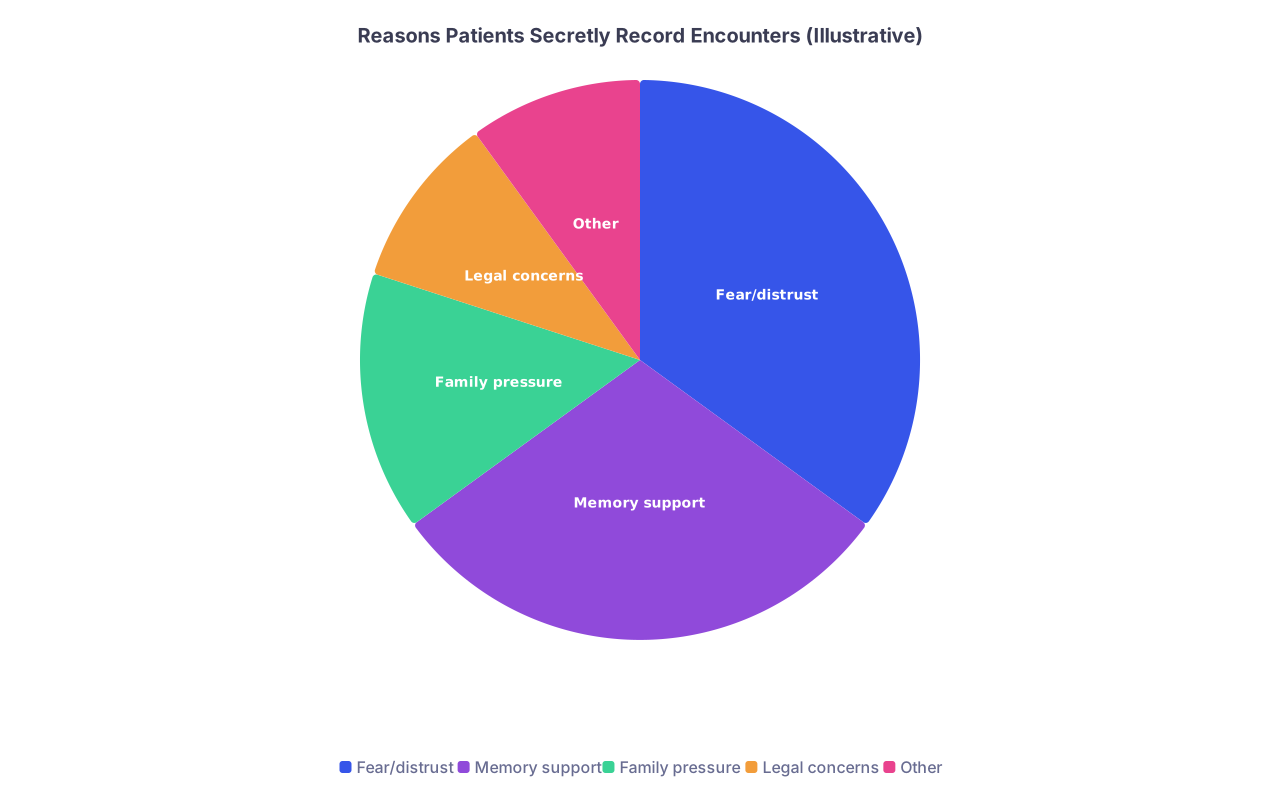
| Category | Value |
|---|---|
| Fear/distrust | 35 |
| Memory support | 30 |
| Family pressure | 15 |
| Legal concerns | 10 |
| Other | 10 |
10. When the Recording Surfaces Later (Complaint, Social Media, Lawyer Letter)
Sometimes you won’t know you were recorded until months later, when someone says, “The patient has an audio clip.”
Do not:
- Start rewriting your note to match the recording retroactively
- Email colleagues long narratives about what “really happened”
- Try to contact the patient directly to argue or negotiate
Do:
- Notify your risk management or legal department immediately
- Provide your original documentation and any addendum you made at the time
- Write a brief, factual memo if requested, not a multi‑page emotional essay
If a clip hits social media:
- Do not comment or engage
- Do not ask friends or staff to “defend” you online
- Let the institution’s communication/legal people handle the response
Everything you post becomes discoverable. And yes, that includes your burner Twitter account.

| Step | Description |
|---|---|
| Step 1 | Notice possible recording |
| Step 2 | Pause encounter |
| Step 3 | Name behavior calmly |
| Step 4 | Explain policy and privacy |
| Step 5 | Ask to set phone aside |
| Step 6 | Continue visit and document |
| Step 7 | Step out and call supervisor |
| Step 8 | Risk management or attending involved |
| Step 9 | Patient admits recording? |
| Step 10 | Patient agrees to stop or discuss? |
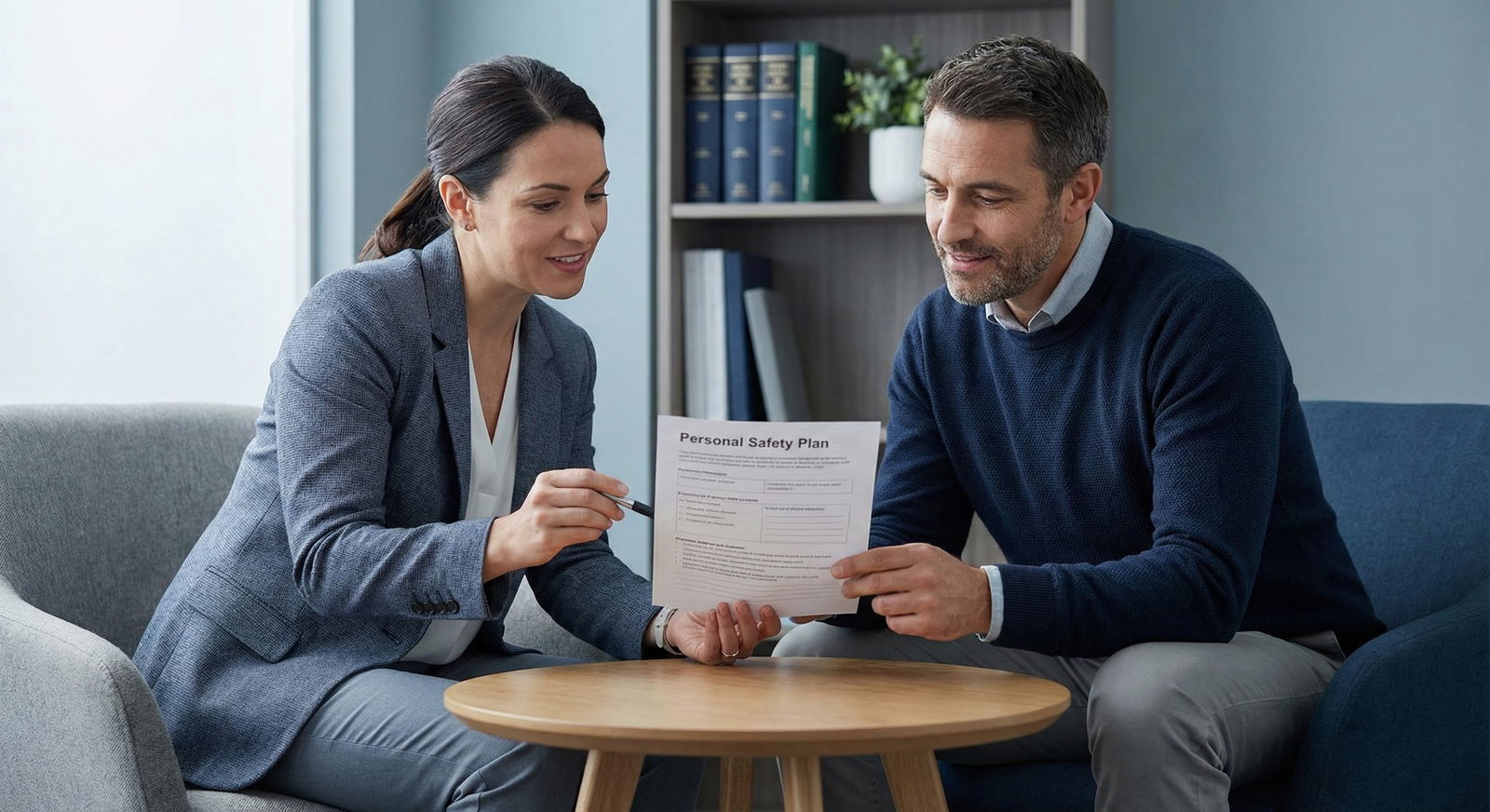
11. Concrete Phrases You Can Steal
You are going to blank in the moment. That’s normal. Here’s a small “phrase bank” you can memorize.
Discovery phase:
- “I notice your phone is positioned with the camera toward us. Are you recording right now?”
- “Before we go further, I want to check—are you audio or video recording this visit?”
Boundary setting:
- “We don’t allow secret recordings because of privacy and safety concerns.”
- “If you’d like to record, we need to agree openly and make sure everyone is comfortable.”
De‑escalation:
- “I’m not trying to hide anything; I’m trying to protect everyone’s privacy, including yours.”
- “Your desire to remember and share the information is valid. Let’s find a way to do that that respects our policies.”
Escalation (when needed):
- “I’m going to step out and involve my supervisor so we can figure out how to proceed safely.”
- “I want to continue caring for you, but I cannot do that while we’re being secretly recorded.”
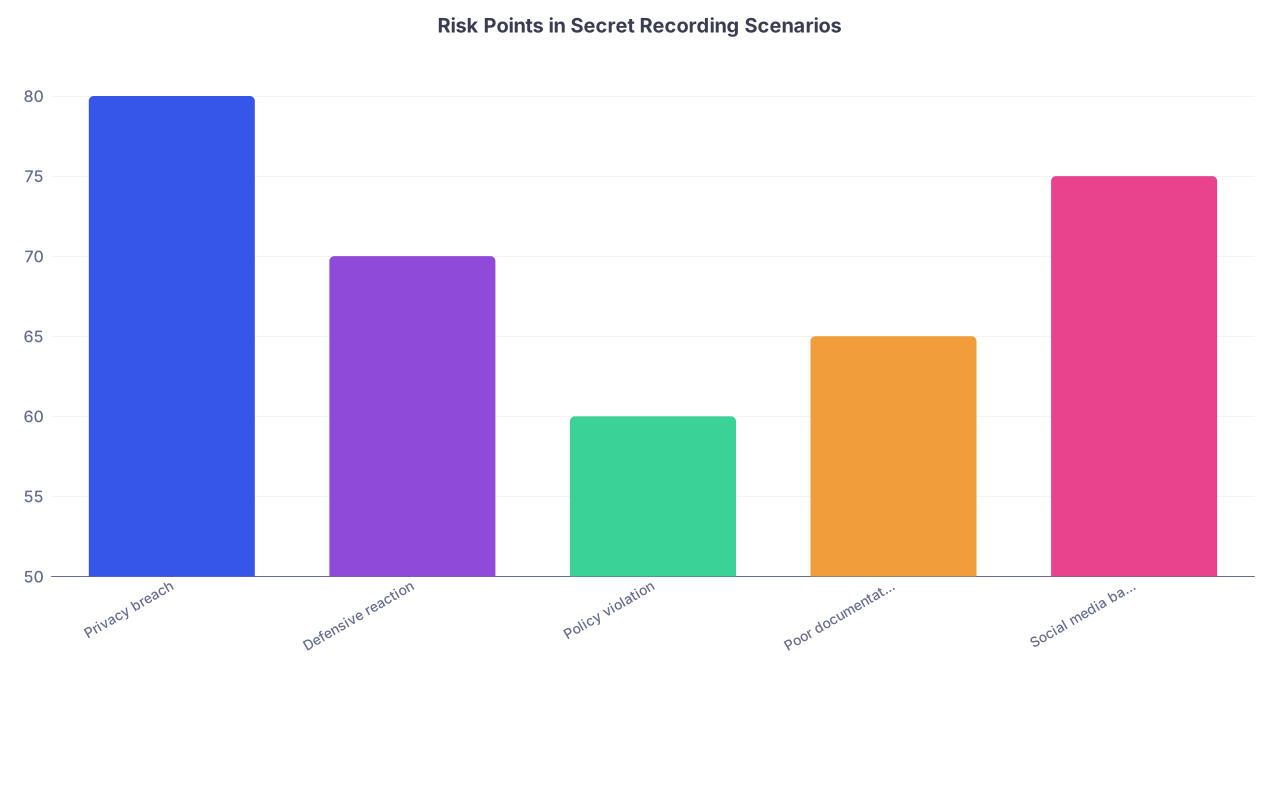
| Category | Value |
|---|---|
| Privacy breach | 80 |
| Defensive reaction | 70 |
| Policy violation | 60 |
| Poor documentation | 65 |
| Social media backlash | 75 |

FAQ (Exactly 5 Questions)
1. Can I legally force a patient to stop recording or delete a recording?
Usually no, not by force. You generally should not grab devices or demand deletion—that looks terrible and can escalate risk. You can say, “I will not continue this non‑emergent visit while being secretly recorded,” and you can refuse non-urgent care under your clinic’s policies. If there’s an immediate safety concern or clear violation of law, escalate to security and risk management; do not improvise your own enforcement.
2. Is a patient recording their own visit always a HIPAA violation?
No. A patient recording their own health information for personal use is generally not a HIPAA violation. HIPAA becomes relevant if other patients’ data, staff identifiers, or system information are recorded and mishandled by the institution. That is why you focus on privacy risks and institutional policy, not “HIPAA!” as a blunt weapon.
3. Should I change how I talk because I might be recorded?
You should assume any encounter could be recorded and speak in a way you’d be comfortable seeing transcribed. That does not mean robotic or scripted. It means no venting, no mocking, no comments you’d be ashamed to hear played back. Clear, respectful, direct language that would sound reasonable to a third party is your safest baseline.
4. Can I refuse to see a patient who insists on recording?
For non‑emergent care, yes—through proper channels. You can say, “Under our clinic policy, I’m not able to continue this visit while being recorded in this way. I’ll ask my supervisor to help determine next steps.” For emergent situations (ED, unstable vitals), you cannot delay necessary care over a recording dispute. Stabilize first; deal with the recording issue later with risk management.
5. How do I handle it if the patient tells me at the start they want to record?
That’s actually the best scenario. Thank them for asking: “I appreciate you letting me know.” Then check policy: some institutions allow audio of the explanation part, some ban video entirely, some require written consent. You can offer alternatives—written instructions, family on speakerphone, portal messages—if recording is not allowed. Whatever you decide, be explicit about what is and is not okay, and document that you discussed it.
Key points, stripped down:
- When you notice secret recording, pause, name it calmly, set a boundary, and offer alternatives.
- Anchor everything in privacy and policy, not ego or emotion; document the facts clearly.
- Assume you can be recorded anytime—practice medicine in a way you’d be comfortable hearing played back in a complaint room six months from now.


