The first 24‑hour call shift breaks most new residents because they treat it like a normal workday. It is not. It is a controlled survival exercise with a clock attached.
Here is a strict, time‑blocked schedule template you can graft onto almost any inpatient service. I am assuming:
- Call is 24 hours “in house” (e.g., 7:00–7:00 or similar).
- You have a cap of patients but are responsible for cross‑cover and admits.
- You are a new intern or junior, not yet fast, not yet efficient.
Adjust exact times to your program’s structure, but keep the sequence and logic.
The Night Before: T‑12 to T‑1 Hours
At this point you should be staging like you are packing for a short deployment. Because you are.
T‑12 to T‑8 (Evening Before)
Your only job: arrive already fueled and pre‑organized.
- 18:00–19:00 – Logistics and gear check
Pack a small, standardized “call kit”:
- Two pens that actually write
- Small notebook or folded sign‑out sheets clipboard
- Phone charger + portable battery
- Snacks: nuts, granola bar, something salty, something sweet
- Caffeine plan: 1–2 options (tea, coffee, energy drink you know your body tolerates)
- Lip balm, hand lotion, spare pair of socks
- Basic meds: ibuprofen, loperamide, antacids, one dose of melatonin for post‑call if you use it
If you think “I’ll buy snacks in the cafeteria,” you are already behind. It will close. Or you will be stuck on a rapid.
- 19:00–21:30 – Wind‑down, not cram time
At this point you should not be “studying for call.” That is fantasy productivity.
- Eat a normal, non‑greasy dinner.
- Hydrate—aim for 500–750 mL water over the evening.
- Look once at the next day’s patient list if you have it, then stop.
Aim for 7+ hours in bed. You probably will not get it, but trying matters.
- 21:30–23:00 – Sleep prep
- Screens off 30–45 minutes before bed.
- Set two alarms: phone and a physical alarm or second device.
- Choose your clothes the night before: layers, comfortable shoes, compression socks if you like them.
If your brain is buzzing, write down one tiny goal for call: “Never go more than 90 minutes without checking for new labs or pages.” Done. Then sleep.
Hour 0–2: Arrival, Handover, and Setup
Assume a 07:00 start. Shift as needed.
06:00–06:30 – Pre‑arrival
At this point you should be awake, fed, and simple.
- Light breakfast with protein + complex carbs (eggs and toast, yogurt and granola). Avoid a massive sugar spike.
- 250–350 mg caffeine max if you drink it. Do not front‑load huge caffeine you will wish you had at 02:00.
- Drink a glass of water. You are starting the hydration clock.
Aim to arrive 10–15 minutes early. Flustered is how you miss things in sign‑out.
06:45–07:30 – Sign‑in and information capture
Your first critical window. This decides if your night will be mostly controlled chaos or pure fire.
Mark clearly on your list which patients are:
- Unstable / “watch like a hawk”
- Pending results (CT, cultures, troponins, etc.)
- Expected issues (“this guy always pulls his IV,” “this kid desats when they turn”)
Ask straight questions, fast:
- “Who is the sickest patient on the floor right now?”
- “Who are we most worried will need the ICU?”
- “Any families expecting updates tonight?”
Write it all. Do not trust your memory halfway through a 24.
Hour 2–6: Rounds, Early Work, and Pre‑emptive Damage Control
07:30–08:30 – Pre‑rounds / first lab scan
At this point you should be doing a systems scan, not heroics.
- Pull fresh vitals and labs on your patients.
- For each, jot 2–3 bullets: Overnight events. Today’s goal. Major risk.
- Identify anyone drifting the wrong way:
- Worsening oxygen requirement
- Rising creatinine
- Soft blood pressures
- New fevers
Ping your senior attending early about any major derails. Early stabilization saves you from 03:00 emergencies.
08:30–11:30 – Rounds and orders
Rounds will differ, but your internal structure should not.
During rounds:
- Listen for new action items and write them in a simple format:
- Task
- Time‑sensitivity (now, before noon, afternoon)
- Who: you vs nurse vs consult
By 11:30 you should have:
- All urgent orders in: imaging, stat labs, key med changes.
- Called any critical consults that will delay care if pushed (cardiology, nephro, surgery).
- A mental list of “likely discharge today” and “likely to crash tonight.”
This is also when residents mess up hydration and food.
10:00–10:15 – Micro‑break 1
Even on a busy service, you can usually buy 5–10 minutes.
- 5 minutes: bathroom, water refill.
- Quick snack (nuts, bar) if breakfast was light.
- Check your pager logs for any missed numbers.
Set a recurring internal rule: no more than 4 hours without water or a bathroom break unless someone is literally coding.
Hour 6–10: Midday Plateau and Strategic Rest Setup
11:30–13:30 – Task execution and first admits
At this point you should be clearing the runway.
- 11:30–12:30 – Clean up the morning
- Finish orders and documentation from rounds.
- Call families you promised to update. That gesture at noon saves you a 22:30 angry phone call.
- Re‑scan labs/imaging results that were “pending.”
- 12:30–13:00 – Lunch (non‑negotiable)
Do not skip this because “I am too busy.” That is rookie thinking.
Ideal lunch:
- Real food: protein + complex carbs + something green if available.
- 250 mL water minimum.
- If you must caffeine again, small dose (half coffee, tea). Keep reserves for overnight.
Aim for 10–15 uninterrupted minutes. Ask your senior: “I need 10 minutes to eat. Any time in the next 30 that is better or worse?” Reasonable seniors will work with that.
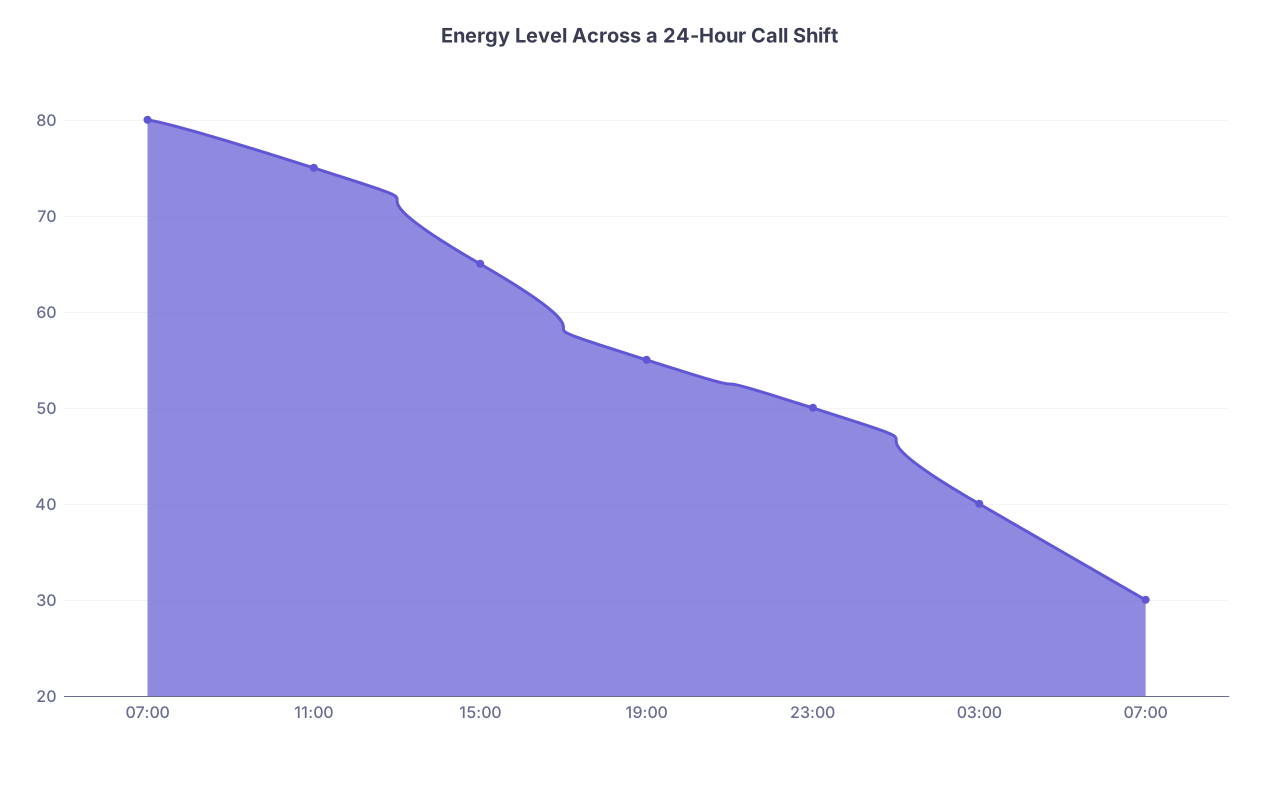
| Category | Value |
|---|---|
| 07:00 | 80 |
| 11:00 | 75 |
| 15:00 | 65 |
| 19:00 | 55 |
| 23:00 | 50 |
| 03:00 | 40 |
| 07:00 | 30 |
13:00–15:00 – Protecting your nap window
This is the part everyone ignores and pays for later.
Goal: create conditions for a 30–60 minute evening rest around 18:00–20:00.
Between 13:00 and 15:00:
- Finish discharge summaries if any.
- Pre‑write notes when possible (you know the plan for several stable patients).
- Anticipate night problems and front‑load solutions:
- “This guy usually gets agitated around midnight” → pre‑write PRN antipsychotic order with parameters.
- Borderline renal function → discuss evening fluid strategy with senior.
You are not being paranoid. You are reducing night chaos.
Hour 10–14: Late Afternoon, New Admits, and “Shift 2” Start
15:00–17:00 – Admits and evening work
At this point you should mentally reframe: “Day is done, Night is starting,” even though the clock says afternoon.
- Triage admits
When new patients arrive:
- Scan for immediate danger (airway, breathing, circulation, mental status).
- Put in safety orders first: vitals frequency, basic labs, fall precautions, DVT prophylaxis.
- Only then fill in the rest.
- Communicate capacity
If you are drowning in admits, say it early:
“I have two active admits and cross‑cover. I can take another, but we need to pace or redistribute after that.”
Residents who suffer most on call are the silent martyrs.
17:00–18:00 – Early evening check‑in and prep for “night mode”
By now, you are tired but not wrecked. Good.
Between 17:00 and 18:00:
- Re‑check vitals and labs on all your patients.
- Touch base with nurses: “Anything you are worried about for tonight?” They know. Listen.
- Update your running list:
- Sickest three patients
- New admits and what could kill them
- Time‑sensitive tasks coming due (antibiotics, labs, transfusions)
Hour 14–18: The Critical Nap and the 21:00 Danger Zone
18:00–20:00 – Planned rest window
At this point you should be aggressively defending at least 30 minutes horizontal.
How:
- Tell your senior: “If possible, I would like to lie down 19:00–19:30. I am available for codes. Page for anything urgent.”
- Finish any absolutely necessary tasks first: stat imaging forms, urgent calls, key orders.
- Hand your pager to a co‑resident for 30 minutes if your system allows a buddy coverage model. If not, keep it on loud but give yourself permission not to scroll labs during this time.
Nap rules:
- 20–40 minutes ideal.
- No caffeine within 2 hours before this nap.
- Eye mask and earplugs if your call room is near a loud unit.
If the night explodes and you cannot nap, fine. But if the floor is merely “busy,” skipping this is a self‑inflicted wound.
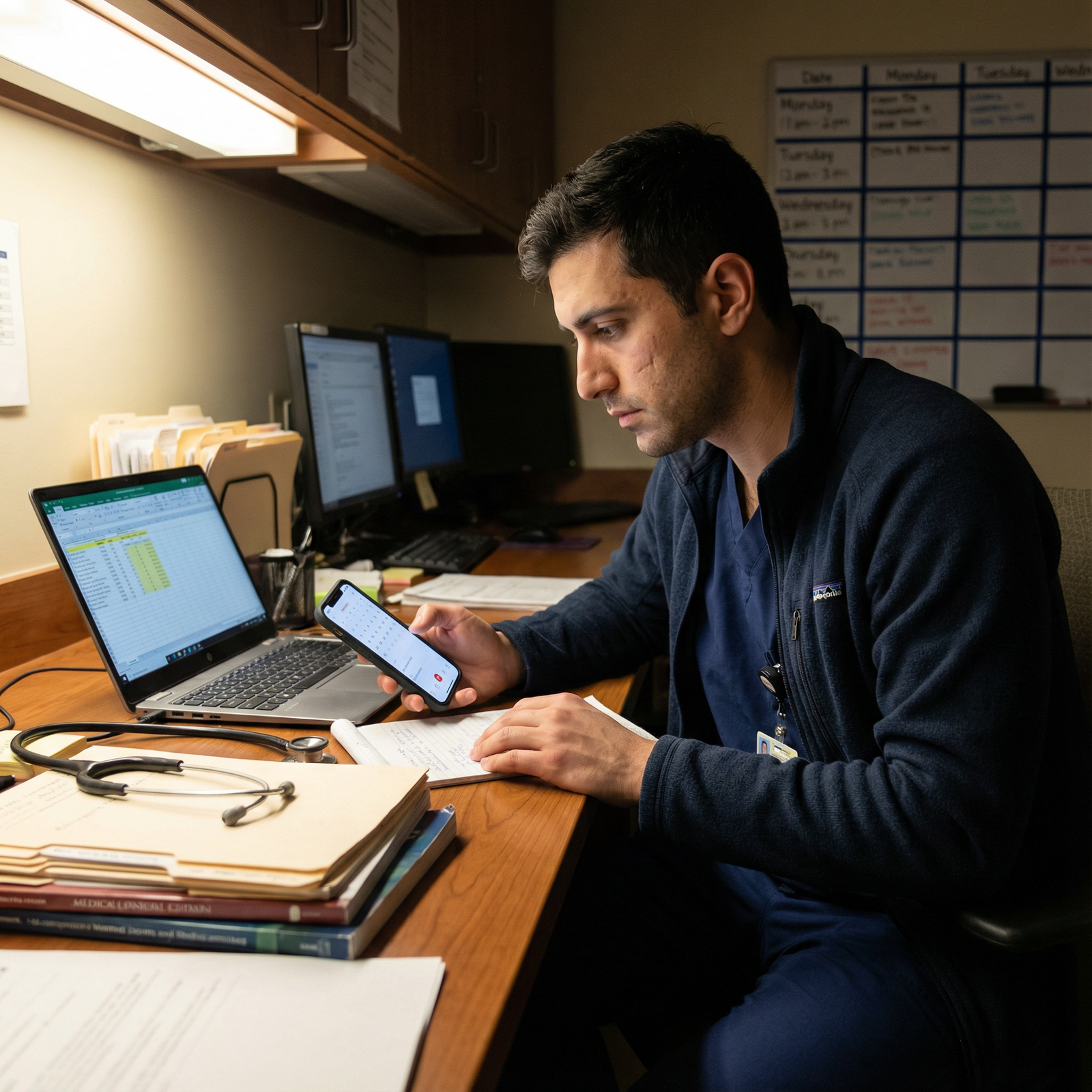
20:00–21:00 – Wake, hydrate, recalibrate
After your rest (or attempted rest):
- Drink water. At least 250 mL.
- Light snack with some protein.
- Quick head‑to‑toe on your sickest patient if possible. It anchors you back into the work.
This is when the “second wind” can carry you, or the crash can own you.
21:00–23:00 – The paging storm
This is one of the busiest and most cognitively dangerous windows.
Your priorities:
- Emergent (go now): chest pain, new confusion, significant hypotension, respiratory distress, big bleed.
- Urgent but not instant: uncontrolled pain, new fever, abnormal labs without instability.
- Routine: sleep meds, constipation, diet orders, mild nausea.
- Use a simple “page batching” rule for non‑emergencies:
- Collect minor pages for 10–15 minutes, then round on them in one loop geographically (all on 5th floor, then 6th, etc.).
- Tell nurses: “I will be up on 5th in 10 minutes—can I address meds/sleep issues then?” This prevents you from jogging the same hallway 12 times.
Do not let a pile of uncaptured events wait until 03:00. You will forget, and auditors will not care why.
Hour 18–22: The Deep Night and Cognitive Decay
23:00–01:00 – Quiet documentation and proactive checks
If the hospital settles, this is prime “administrative” time.
At this point you should:
- Finish any pending notes from earlier (admission H&Ps, progress notes).
- Re‑check results for anything that was “pending” during the day.
- Walk by your highest‑risk rooms. A 2‑minute look often catches the “something is off” face before the crash.
Small caffeine dose is acceptable here if you are flagging:
- Half cup coffee, or tea.
- Avoid loading a full energy drink. You are too close to the post‑call morning to risk the rebound.
01:00–03:00 – Micro‑rest and strict triage
This is where exhaustion hits.
Plan:
- 01:00–01:15 – Quick reset
- Bathroom, water, brief stretch.
- Scan pager log. Return anything reasonable.
- 01:15–02:30 – Try for a second micro‑nap
Same rules as earlier, but even 15–20 minutes with eyes closed helps.
Tell your senior where you are and how reachable. Do not vanish.
- 02:30–03:00 – Sickest‑first check
- Do a very brief check on the one or two patients you would least like to code at 04:00.
- Review early‑morning labs that have already populated.
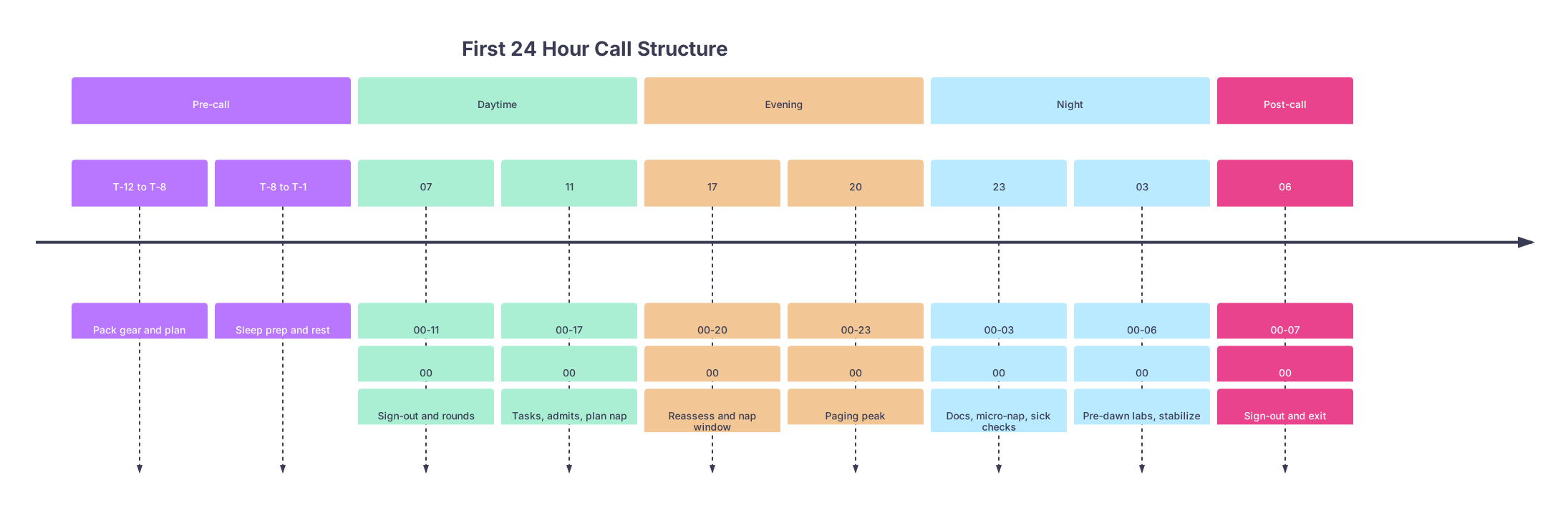
| Period | Event |
|---|---|
| Pre-call - T-12 to T-8 | Pack gear and plan |
| Pre-call - T-8 to T-1 | Sleep prep and rest |
| Daytime - 07 | 00-11 |
| Daytime - 11 | 00-17 |
| Evening - 17 | 00-20 |
| Evening - 20 | 00-23 |
| Night - 23 | 00-03 |
| Night - 03 | 00-06 |
| Post-call - 06 | 00-07 |
Hour 22–24: Pre‑Dawn Surge and Handover
03:00–05:00 – Labs, crashes, and survival habits
At this point you should be running on systems, not willpower.
- 03:00–04:00 – Lab and vitals sweep
- Pull all overnight labs that are back.
- Flag abnormal values by category:
- Life‑threatening (K 6.2, Na 118, severe acidosis) → call senior / address now.
- Needs to be on attending radar by morning (rising creatinine, new anemia, new positive cultures).
- Check for any unreviewed imaging.
- 04:00–05:00 – Stabilize dawn trouble
This is when overnight issues declare themselves:
- New fevers.
- Worsening respiratory status.
- Worsening delirium.
Your job:
- Make the patient safe.
- Create a clean, concise story to hand back to the day team: what happened, what you did, what still worries you.
Small snack and water again. You will feel nauseated. Eat anyway.
05:00–06:30 – Transition to day team
You are almost done. Do not mentally clock out yet.
- 05:00–05:45 – Final pass and tidy notes
- Brief check on any patient who had a major overnight event.
- Finish critical documentation (codes, rapid responses, complicated admits).
- Make a tiny bullet summary for each evented patient:
- “Admitted for CHF, needed 2 IV doses furosemide overnight, net –1.5L, still 2L O2, BPs stable.”
- 05:45–06:30 – Sign‑out prep
At this point you should have for each patient with an event:
- One‑line identity (age, key issue).
- Overnight changes.
- What you are worried about today.
- Anything unresolved (pending CT, cultures, consult recommendations).
You are not reciting a novel. You are giving the next team a usable mental model.
- 06:30–07:00 – Actual sign‑out
During handover:
- Lead with sickest patients first.
- Be direct about your concerns: “I am most worried about bed 12 decompensating today; consider ICU if X, Y, Z.”
- If you missed something, own it briefly and move on: “We did not get a chance to trend repeat lactate; please grab that early.”
Then log out. Hand over the pager. Stop working.
Post‑Call: The First 6 Hours After
Leaving the building is not the end if you ruin your recovery.
07:00–08:00 – Decompression and sleep entry
At this point you should be heading home, not hanging around “helping.” You are a liability when exhausted.
On the way:
- Light snack if you are starving but avoid a huge, greasy meal.
- No more caffeine. Full stop.
Once home:
- Quick shower.
- Blackout curtains or eye mask.
- Phone on Do Not Disturb with emergency bypass for 1–2 key contacts if needed.
Try for 3–5 hours of solid sleep. You will not perfectly “fix” your circadian rhythm in one day.
13:00–18:00 – Controlled wake and reset
- Wake by early afternoon.
- Hydrate, light meal, light activity (walk, stretch).
- Early bedtime that night (21:00–22:00) to normalize.
If you sleep straight to evening, you will destroy your next day and start a miserable cycle.
Quick Reference: 24‑Hour Call Template Overview
| Time Block | Primary Focus |
|---|---|
| 07:00–11:00 | Sign-out, rounds, urgent orders |
| 11:00–15:00 | Tasks, admits, set up nap window |
| 15:00–19:00 | Admits, reassessment, prep night |
| 19:00–20:00 | Planned nap / rest |
| 20:00–23:00 | Paging storm, triage, batching |
| 23:00–03:00 | Notes, micro-nap, sick checks |
| 03:00–06:30 | Labs, stabilization, sign-out prep |
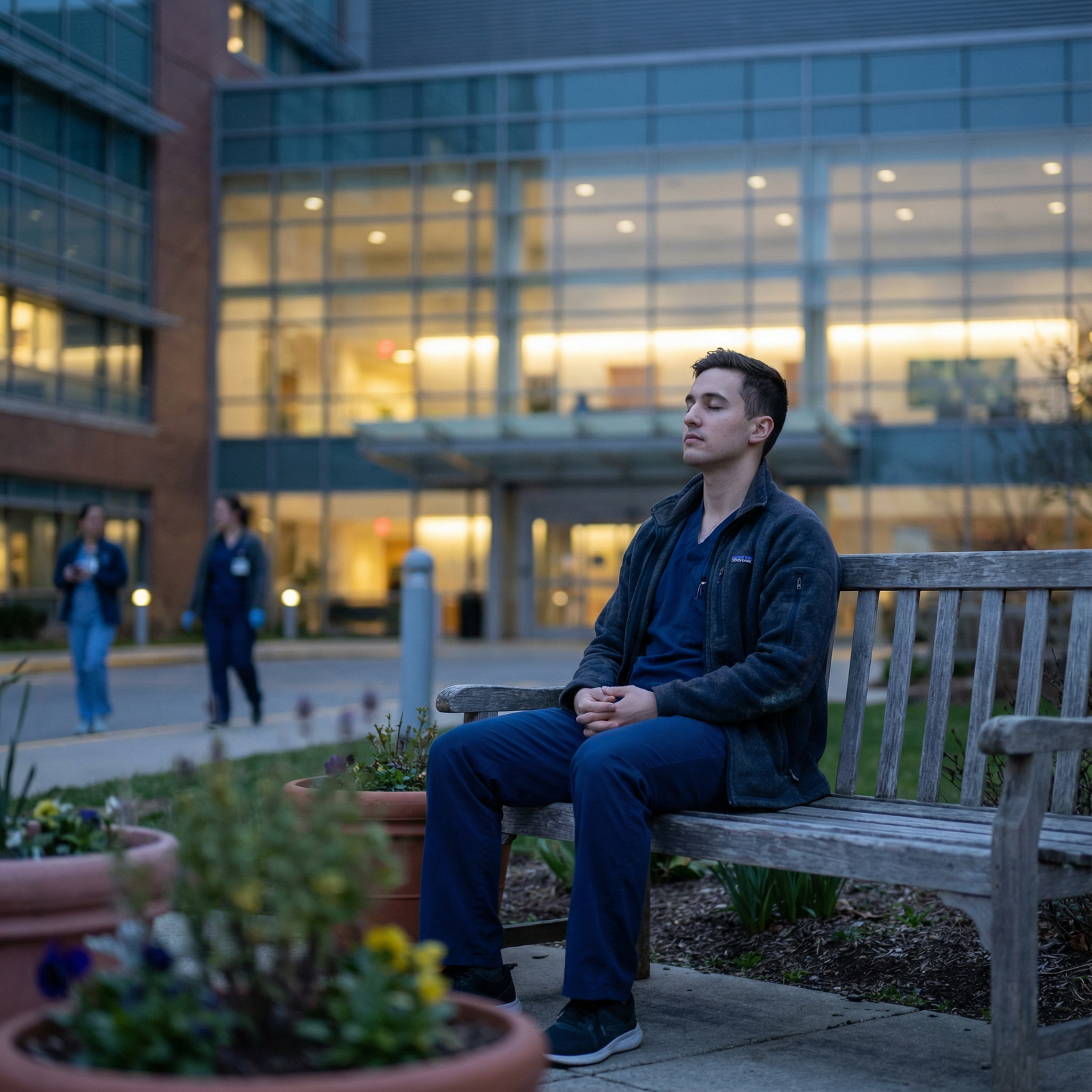
Three Things That Actually Matter
- Protect structured rest windows (18:00–20:00 and 01:00–03:00). Missing them turns survivable call into carnage.
- Front‑load thinking while you are still sharp. Anticipate night problems during the day shift; write the PRNs, talk to nurses, set up safety nets.
- Treat handovers as clinical interventions. Clear, prioritized sign‑out and overnight documentation are as important as any order you write at 03:00.
Use this template as a spine. Shift by an hour here or there as your hospital dictates. But keep the sequence: early control, mid‑shift setup, protected rest, disciplined triage, clean exit. That is how you survive your first 24‑hour call without burning yourself down.