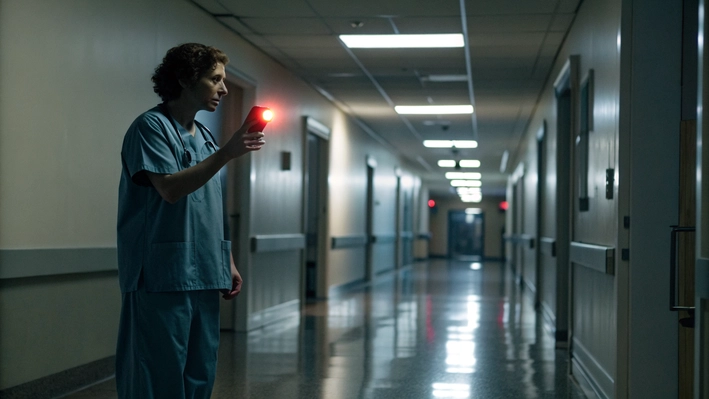
You’re on night float. It’s 2:37 a.m.
Rapid response is called on the overhead. Room 842. Your patient.
Your heart rate spikes before you even hit the hallway. The senior is already at the door when you arrive, stethoscope on, gloves halfway on, calm as if someone just asked him the time. You feel like you’re moving underwater.
What you do in the next 10 minutes is not just about that patient. It’s being silently scored. Right there. By your senior, the ICU fellow, the nurse charge, whoever’s watching. And those scores get repeated: in sign-out, in chiefs’ meetings, in program director check-ins.
Nobody told you the rubric.
I will.
Let me walk you through how senior residents actually rank you during emergencies—what they watch for, what quietly destroys your reputation, and what makes people fight to work with you again.
The Real Rubric: What They’re Actually Scoring
Here’s the uncomfortable truth: most seniors are not consciously walking around with a formal “evaluation rubric” in their head. But they absolutely are keeping an internal scorecard on you. It sounds like:
- “She’s clutch in a crisis.”
- “He falls apart as soon as someone says ‘code’.”
- “Solid. Not flashy, but I’d trust him on nights.”
- “Do not leave this person alone with sick patients at 3 a.m.”
They’re not grading you on medical trivia. They are grading something much more basic and much more important: whether they feel safe with you on call.
The internal score breaks into a few domains, even if they don’t use these words:

1. How You Enter the Room
The emergency does not start with your first order. It starts the second you cross the threshold.
Seniors notice:
- Do you walk in with purpose or shuffle in like you just woke up?
- Do you immediately go to the patient, or do you hover at the computer trying to “catch up on the chart” first?
- Do you introduce yourself (“Hi, I’m Dr. X, I’m the resident on call”) or silently start poking the patient?
I’ve watched seniors decide in 5 seconds whether you’re “useful in emergencies” based entirely on your entrance. Harsh, but real.
If you walk in and your eyes are already scanning: patient, monitor, nurse’s face, IV lines—that reads as competent, even if your brain is screaming. If you walk in, hands in pockets, stare at the monitor, and ask the nurse, “Uh, what’s going on?” while she’s already bagging the patient—that reads as liability.
2. Your First 90 Seconds: Do You Have a Script?
Seniors love interns who clearly have an internal script. They hate the flailing, random-question style.
They’re watching for:
- Do you look at airway, breathing, circulation without being told?
- Do you get a set of vitals fast?
- Do you put your hands on the patient or just stand back and comment?
When someone starts to crash, seniors are quietly ranking: “Is this person thinking ABCs or thinking ‘what’s the latest guideline article I skimmed last year’?”
The ones who look strong in emergencies don’t necessarily know more medicine. They have a simple reproducible pattern. Example:
- Hand on patient. “Can you tell me your name? Can you take a deep breath?”
- “Can we get a blood pressure and pulse ox now?” (If not already.)
- “Can someone grab a fingerstick?”
- While that’s happening, eyes on monitor, quick glance at IV access, O2 source.
It looks stupidly basic. Exactly. That’s why it works.
Leadership Without a Badge: How You Sound to the Room
A lot of juniors think leadership is about having the right answer. In emergencies, seniors know leadership is mainly about whether the room calms down when you open your mouth—or gets more chaotic.
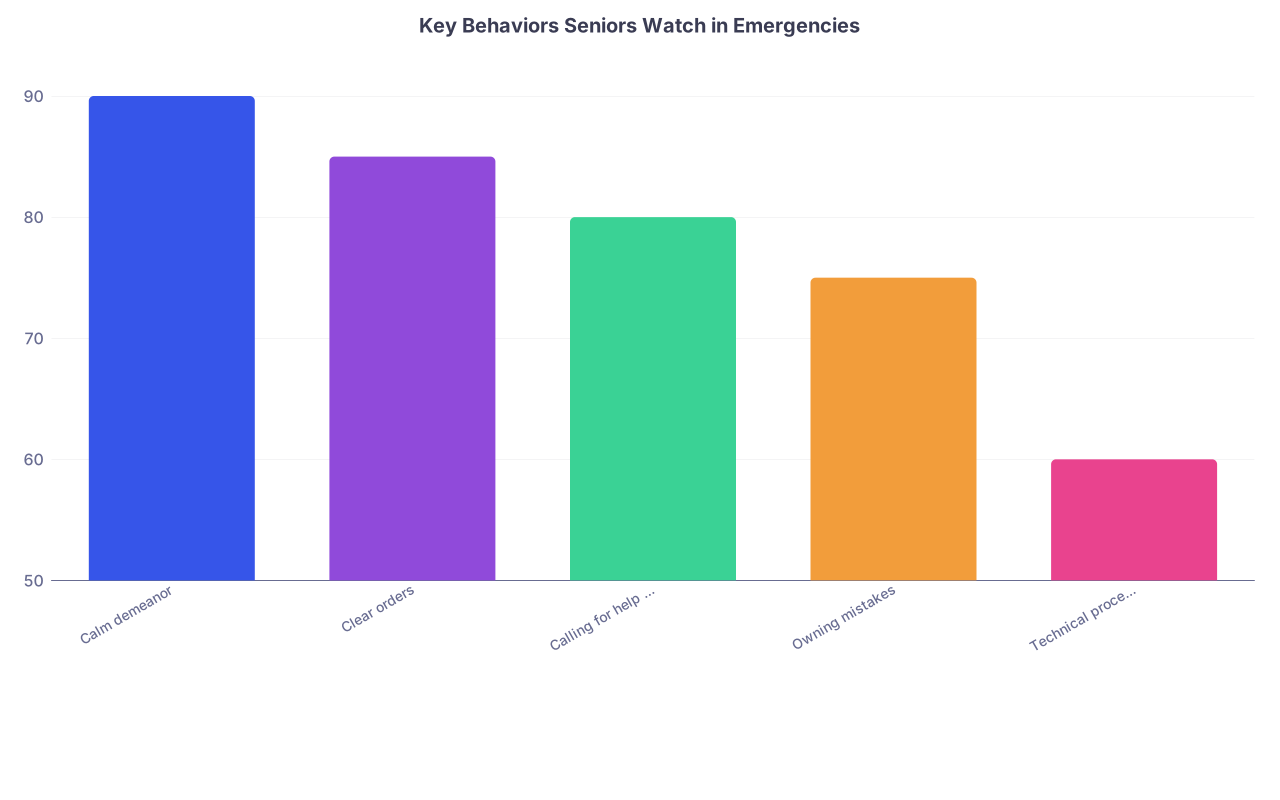
| Category | Value |
|---|---|
| Calm demeanor | 90 |
| Clear orders | 85 |
| Calling for help early | 80 |
| Owning mistakes | 75 |
| Technical procedures | 60 |
3. Your Voice and Commands
This is where your evaluation lives or dies.
Seniors are asking themselves:
- Can this person give one clear order at a time?
- Do they sound panicked, apologetic, or decisive?
- Do nurses look relieved when they arrive, or do they keep looking over their shoulder for “someone else”?
We’ve all seen the intern who walks in and says, rapid-fire:
“Can somebody get, um, I don’t know—maybe like, labs? And can we also like raise the head of bed? And does anyone know the last blood pressure? What was the last creatinine? Wait, can we get respiratory here?”
Everyone in the room tunes that person out in under 10 seconds.
Now contrast that with the intern who says, even if they’re unsure:
“Ok. Let’s start with basics.
You—can you put her on a non-rebreather at 15 liters?
You—please get a full set of vitals and a fingerstick now.
I’m going to examine her. Then we’ll call the ICU team.”
Same knowledge. Totally different perceived competence.
Seniors silently give massive points for clear, sequential commands. Not loud. Not rude. Just structured.
4. Owning the Room vs. Cluttering It
Another quiet score: do you add value, or do you add noise?
I’ve watched seniors tell chiefs, “I like working with her. She doesn’t talk just to talk.”
During a code or near-code, juniors who feel insecure tend to babble. They narrate everything they’re thinking: “Maybe it’s sepsis? It might be PE. Could it be an MI? Does she have a history of AFib? Could someone check allergies?”
You think you’re showing “thinking.” Everyone else hears static.
What seniors remember:
- Did you speak up when it mattered?
- Did you shut up when it was time to listen?
- Did you step aside physically when someone more skilled needed in at the head of the bed?
They’re not going to spell this out in feedback. But they absolutely rank you on it.
The Unsexy Stuff: Reliability Under Stress
Let me be blunt: the bar is not “amazing under pressure.” The bar is “does not disappear or melt down when things get hard.”
Seniors are grading your reliability way more than your brilliance.
5. Do You Call for Help Early Enough?
Here’s a behind-the-scenes truth from senior-to-senior gossip:
“It’s not the diagnosis they missed that bothers me. It’s that they sat on it alone for 45 minutes while the patient tanked.”
Call early = high score.
Hide and hope = low score.
Your senior will almost never be mad you escalated early. But they will absolutely remember—and mention—if you tried to “manage” a spiraling patient way beyond your skill set at 3 a.m. because you didn’t want to “bother” them.
Residents talk like this, verbatim:
- “I trust her. She calls when she’s worried, and she’s usually right.”
- “He only calls me when the patient is already in the ICU or dead.”
Which one do you think programs promote?
6. Do You Finish the Job After the Adrenaline?
Another thing juniors underestimate: your performance after the emergency matters just as much as during it.
Once the code team leaves, once the ICU accepts the transfer, the senior watches:
- Do you write the note promptly, with a clear story?
- Do you follow up on the stat labs and imaging you ordered, or do you forget they exist?
- Do you call the family, document the discussion, and update the nurse?
I’ve heard more than one attending say, “The code was fine. The follow-through was sloppy. That’s where bad outcomes happen.”
Seniors know this. They rank you higher if you’re the one who calmly circles back, finishes the charting, de-escalates the family, and ties up loose ends while everyone else drifts back to the workroom to complain.
Clinical Thinking Under Fire: What Seniors Actually Care About
Here’s what you don’t get graded on in an emergency:
- Quoting a guideline from memory
- Knowing obscure lab tests
- Impressing with “zebra” diagnoses
Here’s what you do get graded on:
7. Can You Generate a Coherent Short Differential?
When the dust settles, your senior (or attending) will often ask, “What do you think is going on?” That’s not a pimping question. That’s them measuring your internal framework.
They’re not expecting a novel. They’re expecting a short, ranked list with a plan.
Something like:
“Top three for me are sepsis from pneumonia, PE, and less likely cardiogenic given her exam. I’ve started broad-spectrum antibiotics, fluids, ordered a lactate, blood cultures, and a CTA chest. I think she needs ICU-level care given her pressor requirement.”
That kind of organized answer gets you tagged as “good under pressure.” Even if the final answer tomorrow ends up being something more nuanced.
What gets you dinged heavily is the meandering 3-minute ramble with no prioritization, no plan, and “could be anything” energy.
8. Are Your Orders Logical and Safe?
Seniors are not expecting you to be perfect. But if your first move in a hypotensive, tachycardic, diaphoretic patient is “order A1c and SPEP” instead of “fluids, pressors if needed, lactate, cultures, broad coverage,” they’re quietly thinking:
“I cannot leave this person alone overnight.”
They’re watching for:
- Did you give fluids before you started guessing at rare diagnoses?
- Did you at least consider airway? Oxygen? IV access?
- Did anything you ordered put the patient at obvious risk (wrong dose, contraindicated med, delayed time-sensitive imaging)?
The quiet ranking here is binary: “safe” or “scary.” Everything else is negotiable.
| Category | What They Say About You |
|---|---|
| Safe & Solid | "I can sleep when they are on nights." |
| High Potential | "Rough edges, but will be excellent." |
| Liability | "Needs constant supervision." |
| Unknown | "No data yet, keep close eye." |
Behavior That Destroys Your Emergency Reputation
Now the part people rarely tell you directly: the quiet red flags. The things that, once you do them enough, get you labeled in ways that are very hard to reverse.
9. Arguing Instead of Acting
I’ve seen interns lose seniors’ trust permanently because, in emergencies, they argued instead of moving.
Scenario: Patient satting 82% on 4L. Senior walks in and says, “Put them on a non-rebreather. Let’s get respiratory and probably call ICU.”
Intern responds, “Are you sure we need ICU? Maybe we should wait and see? I don’t want to overreact.”
You think you’re being “thoughtful.” Everyone else thinks you’re dangerous.
In the acute phase, your job is execution and safety. Debate and nuance? That’s for the debrief. Seniors mentally mark:
- “Listens and acts quickly” vs
- “Gets in the way”
Guess which one gets better evals.
10. Vanishing When Things Get Hard
You want to know the biggest character red flag seniors watch for on nights? Disappearing when things are messy.
You’d be shocked how common this is:
- Code going on in one room, another patient decompensating at the other end of the hall. Intern stays glued to the code, doing nothing useful, because they’re afraid to be alone in the other room.
- Senior asks intern to start the note, call lab, and check a second patient. Fifteen minutes later, none of it’s done. Intern is back in the workroom scrolling through UpToDate.
Seniors notice. They remember. They tell the chiefs, “When stuff hits the fan, I cannot rely on this person to hold anything.”
That label follows you.
How to Quietly Build a “Clutch in a Crisis” Reputation
Let’s get practical. You don’t fix this with reading more UWorld questions. You fix it by changing how you behave in real time.

| Step | Description |
|---|---|
| Step 1 | Emergency Called |
| Step 2 | Enter Room With Purpose |
| Step 3 | Quick ABC Check |
| Step 4 | Give Clear First Orders |
| Step 5 | Call Senior Early |
| Step 6 | Continue Stabilization |
| Step 7 | Brief Senior Clearly |
| Step 8 | Follow Through After Event |
| Step 9 | Need Help? |
11. Have a Default Emergency Pattern
You should walk into every acute situation with something like this hardwired:
- ABCs. Out loud if needed: “Airway looks intact, breathing labored, sats 85, blood pressure 80/40.”
- Stabilize what you can immediately (O2, IV, monitor, position).
- Ask for vital basics: “Full set of vitals, fingerstick now, can someone grab EKG?”
- Decide in 60–90 seconds: “Is this above my level?” If yes → CALL.
You don’t get extra credit for heroic solo management. You do get credit for recognizing when the situation is bigger than you.
12. Communicate Like Someone People Want in a Crisis
This is the skill almost nobody teaches.
Try this wording when your senior arrives:
“Hey, this is Mr. Smith, 68, came in for pneumonia, now hypotensive to 80/40, tachy 130, sat 86% on 6L. I’ve put him on a non-rebreather, given 1 liter of fluids, ordered labs and lactate, and I think he needs ICU. Top concern is septic shock from pneumonia.”
That 15-second summary makes you look competent, careful, and teachable.
Compare that to: “So… he’s been kind of weird and the nurse was worried, and now he doesn’t look good and pressure is low, I think? I ordered some stuff.”
One of those gets you described later as “on top of it.” The other? “Always behind.”
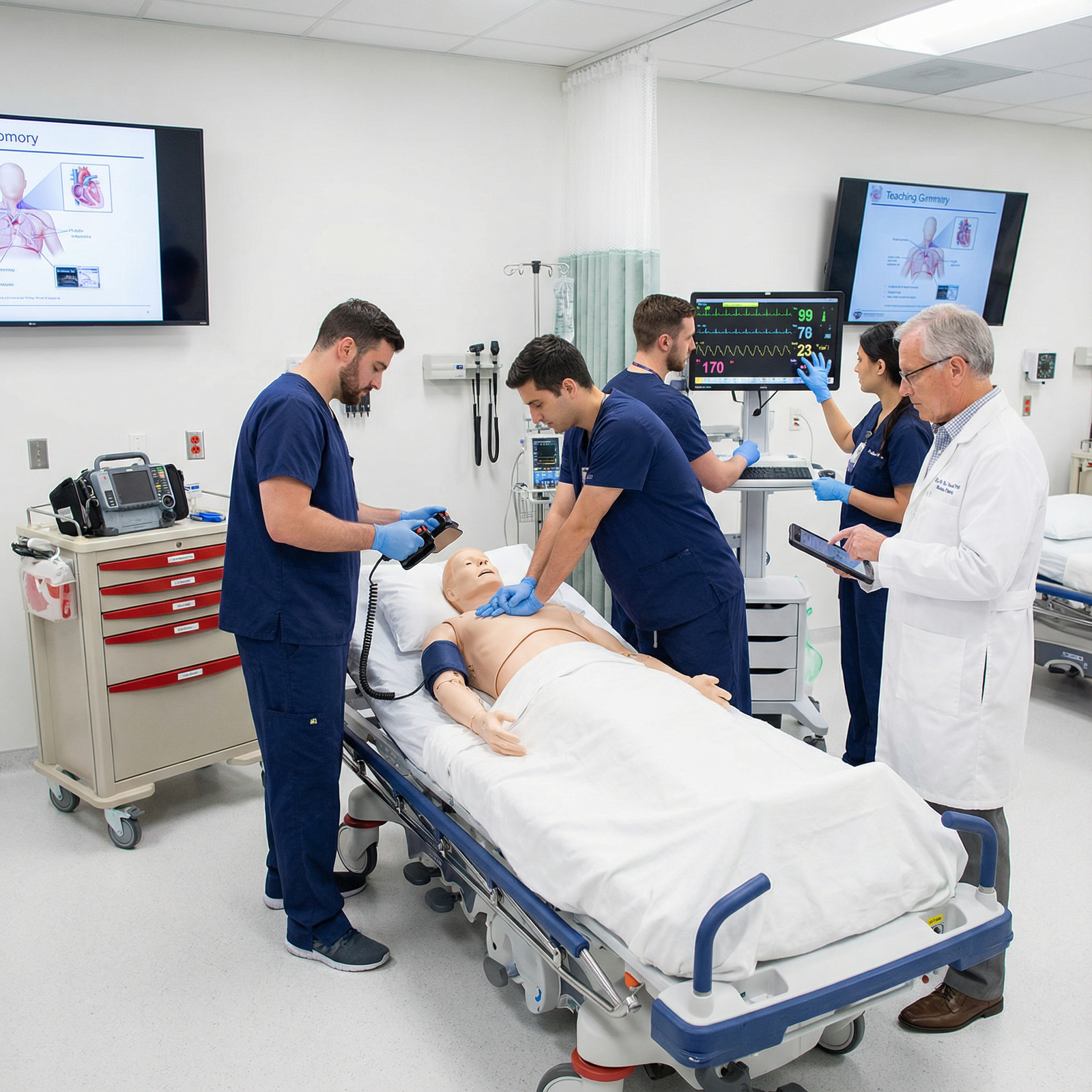
13. Own Your Mistakes in Real Time
Seniors actually like juniors who say, “I missed this earlier. That’s on me. Here’s what I’m doing now.”
You think that will destroy your evaluation. It usually improves it.
What destroys it is defensiveness, excuses, or lying. The fastest way to get blacklisted by a senior team is to get caught rewriting reality in your note or in your verbal story to cover a delay, a missed page, or a blown call.
The whispered resident-room summary of you becomes:
- “She’s honest and learns from misses.” or
- “You cannot trust his story under pressure.”
Guess which one the PD hears about.
What Happens to These Quiet Rankings?
Let me tell you how this actually propagates.
Seniors talk. Constantly. In the workroom at 3 a.m., in the ICU signout, in emails to chiefs. It sounds like:
- “Who’s on nights next month?”
- “Oh, you’ve got X? She’s good. You’ll be fine.”
- “You’re with Y? Watch them in emergencies. They freeze.”
These comments shape:
- Who gets the sickest patients on elective rotations
- Who gets pushed to leadership roles (chief, QI, committee work)
- Who attendings trust enough to staff complicated discharges, late consults, or borderline ICU transfers
And yes, when it comes time for semi-annual reviews, leadership often asks seniors directly: “Who do you trust at 2 a.m.?”
There is no checkbox for that in New Innovations. But that question carries more weight than half the formal eval forms combined.
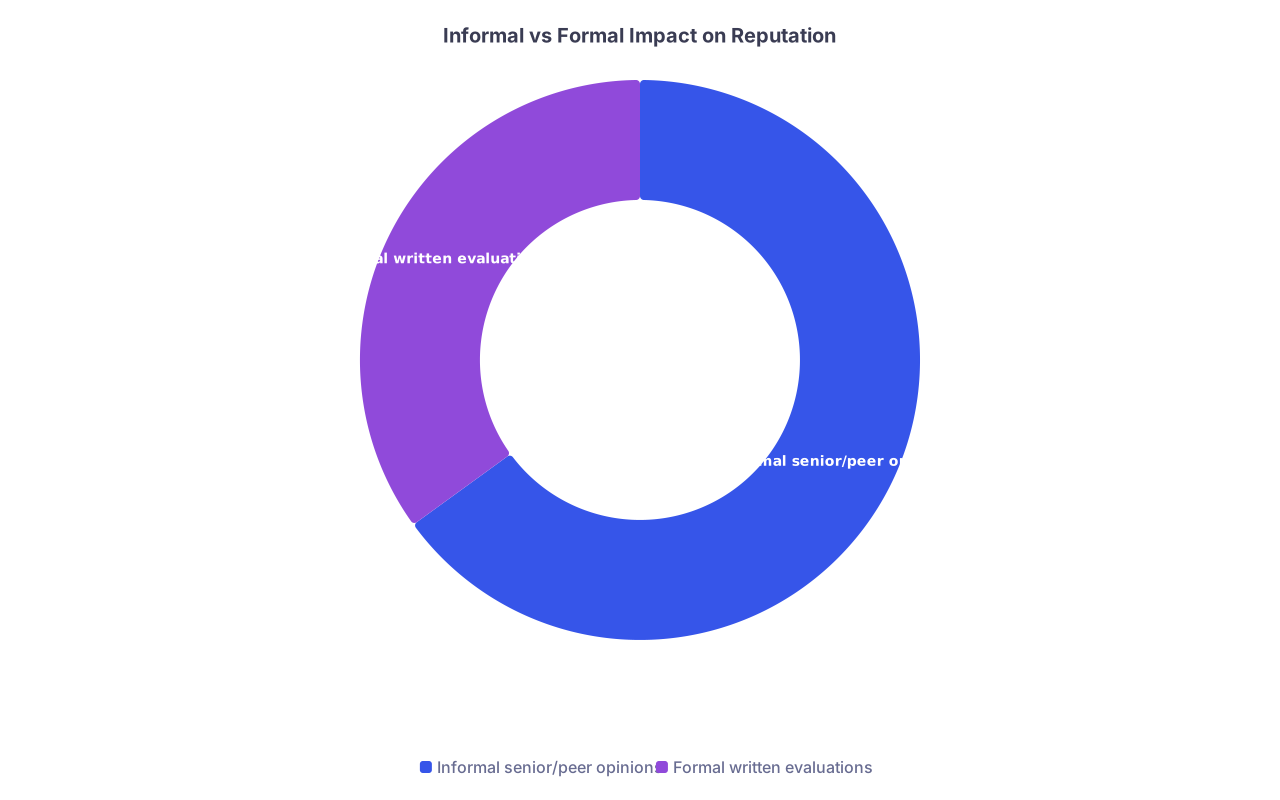
| Category | Value |
|---|---|
| Informal senior/peer opinions | 65 |
| Formal written evaluations | 35 |
If you think only attendings’ written comments matter, you’re wrong. Seniors’ quiet rankings drive a scary amount of your trajectory.
FAQs
1. I freeze during emergencies. Am I just doomed to be “bad in a crisis”?
No. Freezing is usually a symptom of not having a simple script. Build a minimal algorithm—ABCs, vitals, O2, access, call for help—and practice it mentally before shifts. Tell your senior, “I’m working on being more structured in emergencies. If you see me spinning, please redirect me.” They’ll respect that and usually help you.
2. What if my senior is terrible in emergencies—how does that affect me?
It happens. Some seniors are chaotic, overbearing, or wrong. Your job is still the same: do the basics safely, speak up if you see something dangerous, document clearly, and debrief with someone you trust later (chief, mentor). Other seniors and attendings can usually tell who the problem is over time. Do not join the chaos; be the calm one.
3. How do I get better without wishing for emergencies to practice on?
Watch. When another team has a rapid or code, if appropriate, observe. Pay attention to who actually runs the room well, not who talks the most. Ask them after, “What was your mental checklist?” Run scenarios in your head on call: “If this patient tanked right now, first 3 things I’d do are…” And use simulation if your program offers it—treat it like reps, not like a mandatory checkbox.
4. Can I recover if I already have a reputation for being weak in emergencies?
Yes, but you have to be deliberate. Tell a chief or trusted senior, “I know I haven’t been great in crises. I want to fix that. Can you give me direct feedback next time?” Then, over several months, show clear changes: call early, use a structured approach, communicate concisely, and follow through after events. Seniors notice improvement. And they talk about that too: “Honestly, they’ve come a long way. I’d trust them now.”
Key Takeaways
First, seniors are constantly, quietly ranking how you handle emergencies—less on brilliance, more on safety, clarity, and follow-through.
Second, your entrance, your first 90 seconds, and how you communicate under stress matter more than any rare diagnosis you name.
Third, call early, act decisively on basics, own your mistakes, and finish the job after the adrenaline. Do that consistently, and your name becomes one of the few seniors actually want on the board for nights.