Why are you still picturing telehealth as a rushed 12‑minute rash-and-UTI mill run by overworked family docs?
That mental image is about 10 years out of date. And it’s quietly costing a lot of specialists real money and real flexibility.
Let me be blunt: if you finished residency or fellowship in the last decade and you still think “telemedicine = primary care urgent care,” you’ve been sold a half-truth. The platforms that started as “online primary care” have already moved upstream into cardiology, GI, oncology, sleep, neuro, psych subspecialties, and more. Many health systems are building subspecialty teleprograms and cannot find enough fellowship-trained docs who are willing to take them seriously.
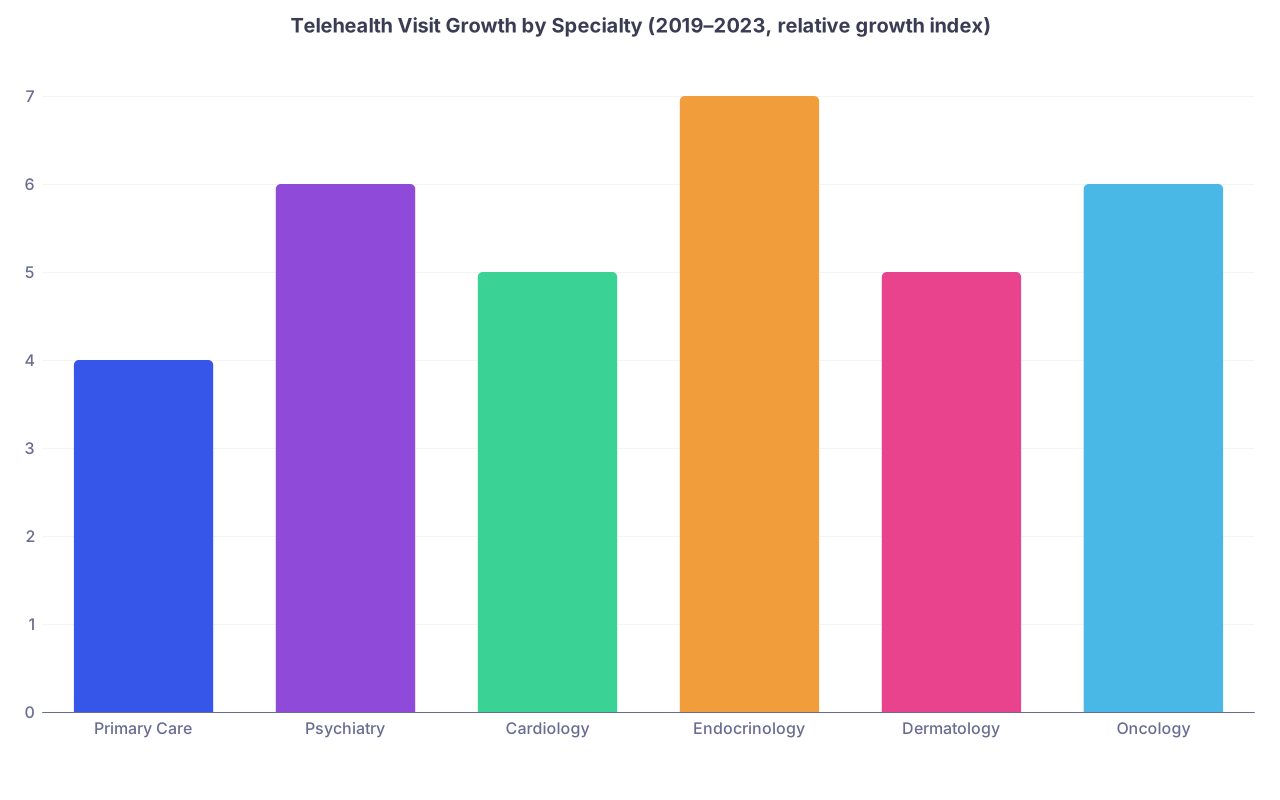
You want data, not vibes? Let’s start there.
| Category | Value |
|---|---|
| Primary Care | 4 |
| Psychiatry | 6 |
| Cardiology | 5 |
| Endocrinology | 7 |
| Dermatology | 5 |
| Oncology | 6 |
Those numbers are relative growth indices pulled from aggregated health system reports and payer trend data: primary care exploded first, psychiatry followed, but cardiology, endo, derm, and oncology aren’t trailing far behind anymore. The mix has changed. A lot.
Let’s kill the biggest myths one by one and talk actual subspecialty roles that exist right now, not in some hypothetical future.
Myth #1: “Telehealth is only good for minor complaints and low-acuity primary care.”
No, it is good for repeatable clinical decisions where the key data are not generated by your physical hands.
That includes a lot more subspecialty medicine than most people want to admit.
Cardiology: Beyond “You Need to Be Examined in Person”
Modern cardiology telehealth is not “listen to the chest over a laptop speaker.” It’s:
- Reviewing home BP logs, consumer wearables, and remote monitoring devices (Zio patches, implanted loop recorders, Bluetooth scales).
- Titrating GDMT for HF, optimizing antianginals, managing AFib on DOACs.
- Doing post-hospital follow-ups that prevent readmissions.
I’ve seen health system cardiology groups where 30–40% of outpatient follow-ups have moved to telehealth without any hit to quality metrics. Readmission penalties trained hospitals to care a lot about follow-up access; tele-cardiology is the cheapest, fastest solution they’ve found that works.
What works well in tele-cardiology:
- HF med titration with remote weight and BP.
- Post-PCI follow-up, med reconciliation, risk factor counseling.
- Rhythm evaluations with already uploaded tracings or patch results.
- Lipid clinics and prevention consults.
What does not belong there:
- Unexplained syncope with no workup.
- New angina without prior testing.
- Acute decompensation.
Nobody serious is arguing those should be virtual. The point is: a huge chunk of legitimate cardiology work can be done remotely, and it increasingly is.
Myth #2: “Subspecialists cannot build a career on telehealth; it’s just side‑gig stuff.”
This one’s half true, which is why it persists.
If by “career” you mean full-time W2 with pensions and tenure-track in a single tele-only job, then yes, that’s still rare outside of a few niches (psych, radiology, some telerheum/telendocrine programs in large systems).
But if by “career” you mean a deliberately designed mix of tele and in-person work that gives you control over geography and schedule, then telehealth is already a core lever for subspecialists.
Let’s get concrete.
| Subspecialty | Typical Telehealth Use | % Outpatient Volume Remote (mature programs) |
|---|---|---|
| Endocrinology | Diabetes, thyroid, lipid mgmt | 50–80% |
| Rheumatology | Inflammatory arthritis follow-up | 40–70% |
| Sleep Medicine | Study review, PAP titration | 70–90% |
| GI/Hepatology | Chronic liver, IBD follow-up | 30–60% |
| Oncology | Survivorship, toxicity checks | 30–50% |
You’ll notice a pattern: labs, imaging, pathology, and patient-reported symptoms carry most of the diagnostic load. Physical exam matters, but often for initial evaluation or specific flare-ups. Once you’ve established the patient and baseline, telehealth covers a lot of ongoing care.
So what does a realistic subspecialty career with telehealth actually look like?
- 0.5–0.7 FTE in-person at a regional center.
- 0.3–0.5 FTE remote follow-ups (often same employer, sometimes multi-state licensing via a telehealth group).
- Mix of clinic blocks: some fully remote days, some fully in-person days.
- Optional: niche consulting blocks (second-opinion teleconsults) for cash pay or employer contracts.
Is that “just a side gig”? No. That’s deliberately restructuring what counts as “clinic.”
Myth #3: “Only psych and radiology make sense for fully remote subspecialty work.”
They’re the early adopters, not the entire story.
Psych subspecialties
You already know about general telepsych. But the subspecialty action is where it gets interesting:
- Geriatric psychiatry supporting nursing homes and SNFs via tele.
- Child & adolescent psychiatry for rural school systems.
- Addiction psychiatry for MAT programs that are now heavily tele-based.
These are fully legitimate, full-time careers. Many psychiatrists now spend 4–5 days a week on tele, with occasional in-person visits dictated more by compliance and comfort than clinical necessity.
Sleep medicine
Sleep is essentially built for telehealth:
- Sleep study ordering and interpretation? Digital.
- PAP adherence tracking? Cloud dashboards.
- CO2 monitoring, overnight oximetry? Home devices.
Most large sleep practices now run almost everything except physical airway exams and procedures via tele. A lot of sleep docs live nowhere near the patients they manage.
Endocrinology and diabetes tech
Endo is moving this way fast:
- CGM data uploaded automatically.
- Insulin pumps, hybrids, and algorithms tuned over video.
- Thyroid CA follow-up based on labs and imaging.
I’ve watched endocrine groups turn Monday and Friday into tele-only days and never give that back. They’re not doing this as charity. It’s efficient, reimbursable, and patients actually show up.
Myth #4: “Telehealth pays poorly for specialists.”
Sometimes true—if you sign dumb contracts and ignore how reimbursement actually works.
Here’s the reality:
- Payers now treat a lot of telehealth visits like in-person E/M, especially established-patient visits. CMS and many commercial plans made pandemic-era “temporary” changes semi-permanent in practice.
- What kills your income isn’t tele vs in-person; it’s:
- Underbilling complexity because “it’s just tele.”
- Low RVU rates on certain tele-only companies that prey on docs who don’t read the fine print.
- Wasting time on low-value visits without protocol or triage.
Let me compare rough ballparks for subspecialty outpatient work. Yes, these are generalizations. Your market may differ, but the pattern is real.
| Model | Tele Component | Effective Hourly (pre-expenses) |
|---|---|---|
| Hospital-employed clinic | 10–30% tele | $120–220 |
| Academic subspecialist | 10–40% tele | $90–170 |
| Tele-only W2 (psych/sleep) | 80–100% tele | $120–250 |
| Tele “gig” 1099 (specialist) | 0–100% tele | $90–200 (huge spread) |
The myth that tele by definition pays less is lazy. The worse-paying tele gigs are just more visible because they’re splashy, national, and constantly recruiting. Good tele roles are often quieter: internal to systems, part of traditional contracts, or niche specialty platforms.
If you’re a subspecialist, the key questions are:
- Are visits reimbursed under regular E/M codes with parity?
- Is there RVU credit identical to in-person work?
- Are no-show rates lower because patients are remote (often yes)?
- Are you leveraging protocols so you’re not reinventing the wheel every time?
Tele can raise your effective hourly rate when used correctly, because you trim dead time: room turnover, hallway chatter, “patient got lost in the parking lot” delays.
Myth #5: “Subspecialty telehealth is clinically risky or substandard.”
The data does not support that blanket claim.
Are there areas where tele falls short? Of course. We’re not doing tele-appendectomies. But subspecialty outcomes for carefully selected visit types are generally:
- Non-inferior on key metrics (A1c, BP, readmissions).
- Equal or superior on adherence and follow-up rates.
- Better on patient satisfaction and time-to-access.
Look at diabetes. Multiple systems have shown A1c reductions with tele-endocrine plus digital monitoring that beat usual in-person care. Why? Because patients actually follow up. They show you the CGM data. You adjust meds in real time instead of punting to “see me in 6 months.”
Cardiology HF telemonitoring programs have achieved lower readmission rates when:
- Patients have scales and BP cuffs.
- There’s a structured nurse + MD team.
- Medication adjustments happen quickly over video/phone.
Is it perfect? No. But the alternative in many geographies is no cardiologist at all, not “gold-standard in-person every time.” The risk comparison isn’t tele vs fantasy; it’s tele vs reality.
Concrete Subspecialty Roles You’re Probably Overlooking
Here’s where it gets practical. These are real roles I’ve seen in the last couple of years, not theoretical “future of medicine” fluff.
1. Tele-IBD / Tele-Hepatology within GI
Large GI groups and academic centers are spinning up:
- Remote IBD management clinics: lots of lab review, imaging follow-up, biologic management, side-effect monitoring.
- Tele-hepatology for cirrhosis, NASH, transplant follow-up.
Structure:
- Initial in-person consult and key physical exam.
- Then 2–3 out of every 4 follow-ups are tele, sometimes with local lab/imaging done near the patient.
2. Remote oncology follow-up and toxicity management
No, initial cancer diagnoses and chemo infusions aren’t going remote. But what about:
- Oral oncolytic monitoring.
- Treatment toxicity check-ins.
- Survivorship care plans and late-effect monitoring.
These visits are heavily history- and lab-driven. They’re already shifting to tele in systems trying to preserve infusion chairs for patients who truly need to be there physically.
3. Tele-rheumatology into specialist deserts
Rheum access is abysmal in many regions. That’s why:
- State systems are paying for telerheum clinics to cover multiple rural hospitals.
- Federally qualified health centers are contracting remote rheumatologists to do block tele clinics.
They often pair:
- Quarterly in-person joint exams at a hub site.
- Interim tele visits for DMARD/biologic management, lab toxicity checks, and flare triage.
4. Employer-facing specialty programs
Big self-insured employers and payers are contracting with specialty groups for:
- Tele-cardiometabolic clinics (cardio + endo).
- MS or IBD centers-of-excellence with second-opinion teleconsults.
- Fertility and perinatal mental health teleprograms.
These can be W2 or 1099 roles and often pay better than commodity tele-urgent care, because the employer is trying to reduce very expensive downstream costs (admissions, biologics mismanagement, disability).
How to Position Yourself as a Subspecialist for Telehealth Roles
If you want in, you can’t just say “I’m willing to do tele visits.” That’s table stakes. You need to show that you understand remote care as a system, not a Zoom link.
Concrete steps:
Get fluent with digital tools in your niche.
Endo: CGM platforms, pump dashboards.
Cardiology: remote BP, weight, rhythm monitoring systems.
Rheum: standardized PROs you can use virtually.Design (or adopt) protocols.
The systems that scale subspecialty telehealth all run on protocols:- When to escalate to in-person.
- Lab cadence for specific drugs.
- Standard tele-assessments and checklists.
Collect your own micro-data.
Keep crude stats: no-show rates, A1c change, time to med adjustment, readmissions for patients you manage partly by tele. You do not need an RCT; you need enough numbers to say, “Here’s what happened in my panel.”Pitch tele as solving their problem, not yours.
Administrators care about:- Access and wait times.
- Readmissions.
- Network leakage. Frame tele-subspecialty as the answer to those, and you’ll get traction.
So Where Does This Leave You?
Telehealth isn’t replacing subspecialty medicine. It’s eating the middle of it: the predictable, follow-up heavy, data-rich visits that don’t actually require you to put a stethoscope on the chest every time.
Three things to remember:
- Telehealth is no longer just primary care. Cardiology, endo, rheum, GI, oncology, sleep, and multiple psych subspecialties already run major portions of their outpatient care virtually.
- Pay and quality are not inherently worse with tele. They’re determined by contract structure, visit selection, and whether you treat tele like real medicine instead of a casual side gig.
- The subspecialists who learn to design and own tele programs—rather than dismiss them—will control their schedules, work locations, and often their incomes far more than those who cling to “clinic must mean exam room.”
You can keep pretending telemedicine is just for urgent care UTIs. Or you can start carving out the subspecialty role that somebody else will occupy if you do not.
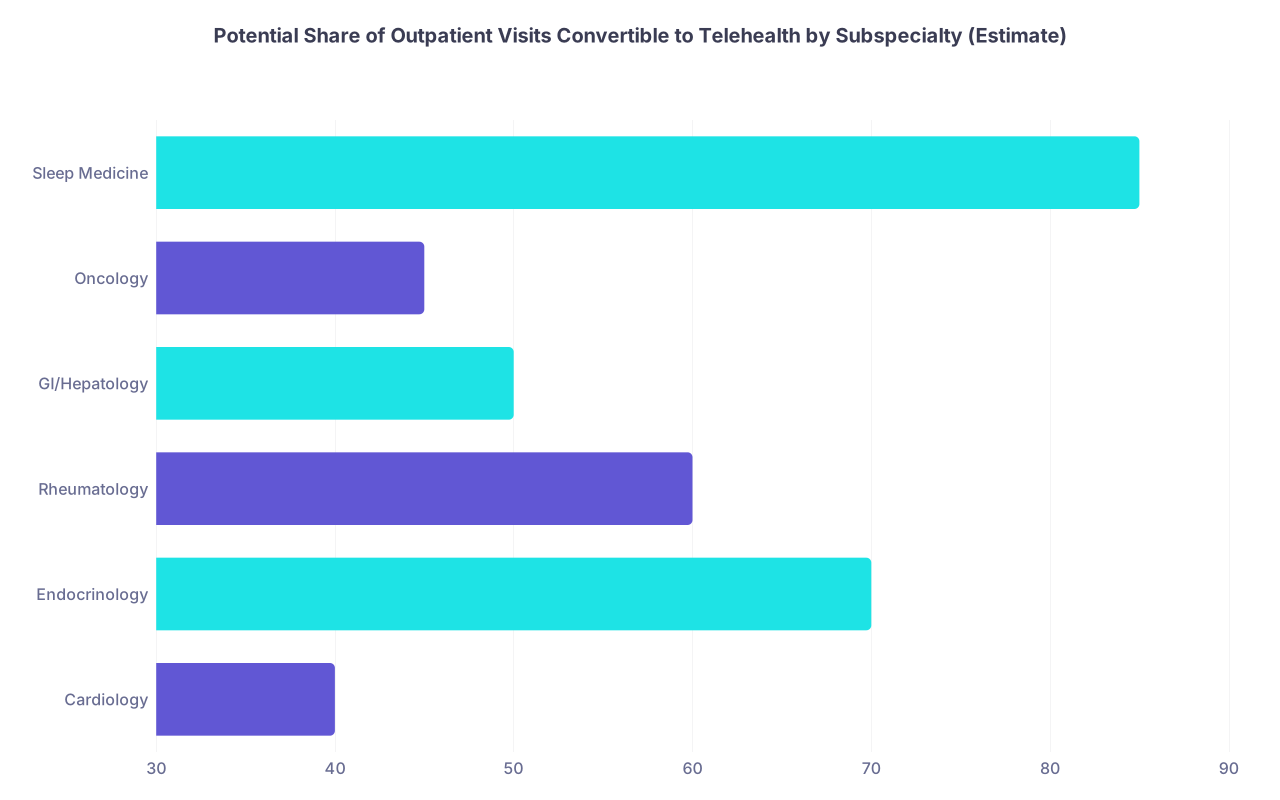
| Category | Value |
|---|---|
| Cardiology | 40 |
| Endocrinology | 70 |
| Rheumatology | 60 |
| GI/Hepatology | 50 |
| Oncology | 45 |
| Sleep Medicine | 85 |
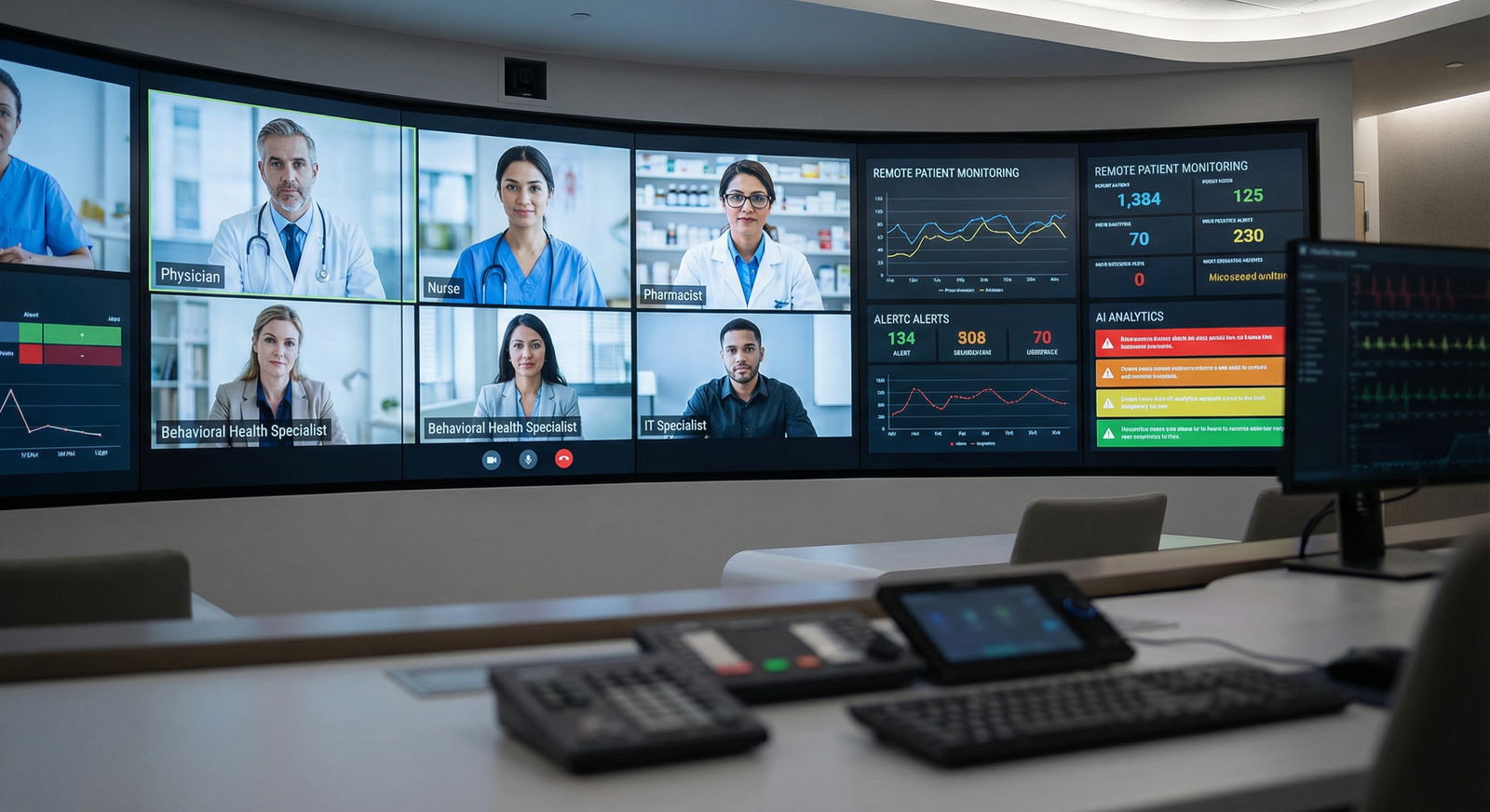

| Step | Description |
|---|---|
| Step 1 | Subspecialist Physician |
| Step 2 | In person clinic |
| Step 3 | Procedures |
| Step 4 | Tele follow up |
| Step 5 | Employer or payer programs |
| Step 6 | Multi site coverage |