
It’s 10:07 AM on a Saturday. You’re three people into a four‑person virtual interview panel for your top‑choice residency. Your heart’s hammering. Someone just asked you a question about your research, you finish answering, and then you realize:
You want to say “Thank you, Dr. ___,” and your brain is just… blank.
You know you saw their name on the Zoom screen. Or in the email. Or in the invite. But right now? Nothing. Just panic and the sound of your own internal screaming.
And of course your brain immediately goes:
“Great. I’ve blown it. They’ll think I don’t care. I’m disrespectful. I’ll never match here.”
Let’s walk through what actually happens, what programs really notice, and how to fix it in the moment without spiraling.
First: Is Forgetting an Interviewer’s Name a Big Deal?
Short answer: No. It feels like a big deal. It looks like a tiny hiccup.
Residency interview days are chaos — for you and for them. Faculty jump in and out of meetings. Someone gets called to the ED. Names on Zoom change from “SurgeryConfRoom” to “Dr. Lee” mid‑interview. People are on backup Wi‑Fi, in offices, at home, you name it.
I’ve watched:
- PDs mispronounce their own residents’ names on group calls.
- Faculty call an applicant by the wrong name three times in a row.
- Residents forget the PD’s official title and just call them by first name in front of everyone.
Nobody failed to match because of that.
Programs care about four core things in your virtual interview behavior:
- Are you respectful?
- Are you engaged and listening?
- Can you handle minor awkwardness without falling apart?
- Do you seem like a decent human they’d want in their program?
Forgetting a name checks exactly none of those problem boxes, unless you handle it by spiraling, making it weird, or over‑apologizing to the point that it dominates the interaction.
The issue isn’t the forgetting. It’s how you recover.
What To Do In the Moment When You Blank
Alright, you’re mid‑panel, you forgot someone’s name, and your anxiety is trying to convince you to hit “Leave Meeting” and change specialties.
Here’s what you can actually do.
1. Default to Role Instead of Name
Safest, quickest fix: use their role.
Say things like:
- “That’s a great question, Dr.— I really appreciated hearing how the program leadership supports that.”
- “From a program director perspective, I’m curious how you see that evolving.”
- “I really liked what you said about wellness from a faculty standpoint.”
Or skip the name entirely:
- “That’s a great question.”
- “I really appreciate you sharing that.”
- “I hadn’t thought about it that way before.”
We think we must say names to sound polished. In a panel, it’s actually normal to drop names and talk to “the group.”
No one is writing:
“Applicant did not use my name once: REJECT.”
2. Use the Panel Itself to Cover You
In a panel with 3–5 people, talking “to the room” is completely normal.
Things that sound fine and not weird at all:
- “I’d love to hear how all of you see that balance between education and service.”
- “For any of you on the call who work a lot with interns, what do you see strong interns doing differently?”
- “I’m curious what each of you thinks about that.”
You can bounce between people without individual names, and it’ll look intentional, not like a memory glitch.
3. Quick, Clean Recovery If You Want to Ask
If you absolutely feel the need to use their name (maybe later in a smaller group breakout where it feels obvious you should know it), you can fix it in one sentence.
Do not launch a whole apology monologue. Just do this:
Calm, simple:
- “I’m so sorry, I want to make sure I get your name right — could you remind me?”
- “I missed your name at the beginning of the call — would you mind repeating it for me?”
Then smile, listen, and move on. No explanation. No “I’m so terrible with names,” no nervous laughter essay. Just:
“Thank you, Dr. Patel.”
And next topic.
The thing that looks bad is not forgetting. It’s making it awkward for 40 seconds while you beat yourself up out loud.
How Bad Is It Really? What Interviewers Actually Remember
Here’s what interviewers will actually recall an hour later:
- Were you interested in the program?
- Did you seem normal and non‑toxic?
- Did you have a coherent reason for choosing their specialty?
- Were you respectful and not rude?
Here’s what they basically never remember:
- Whether you said “Dr. Chen” or “you” when you answered that one question.
- The tiny moment you paused and decided not to use a name.
- That you blanked on someone’s name for 0.5 seconds and rephrased.
I’ve sat in debrief calls where people are trying to remember applicants. The comments are:
“Great research, a little quiet.”
“Very enthusiastic, loved peds.”
“Seemed disorganized, couldn’t answer basic questions.”
No one says:
“She forgot my name in the second panel question, hard pass.”
Your anxiety is zooming in on frame 1028 of a movie. Programs are watching the whole 2‑hour film.
Pre‑Emptive Damage Control: How To Make Name Forgetting Less Likely
You’re not going to perfectly memorize everyone. That’s fine. But you can make it less likely to panic‑blank.
1. Build a Names Cheat Sheet
Before interview day, from the schedule/email:
- List each session and who’s supposed to be there.
- Add quick labels: “PD”, “APD”, “Chief resident”, “PGY3,” “Research director.”
- Jot 1–2 bullets about each person if provided (“interests: med ed, sepsis”).
Have that next to you, printed or on a second screen. Don’t script out full bios; you’ll drown in text. Just anchors.
2. Use the Platform’s Name Features
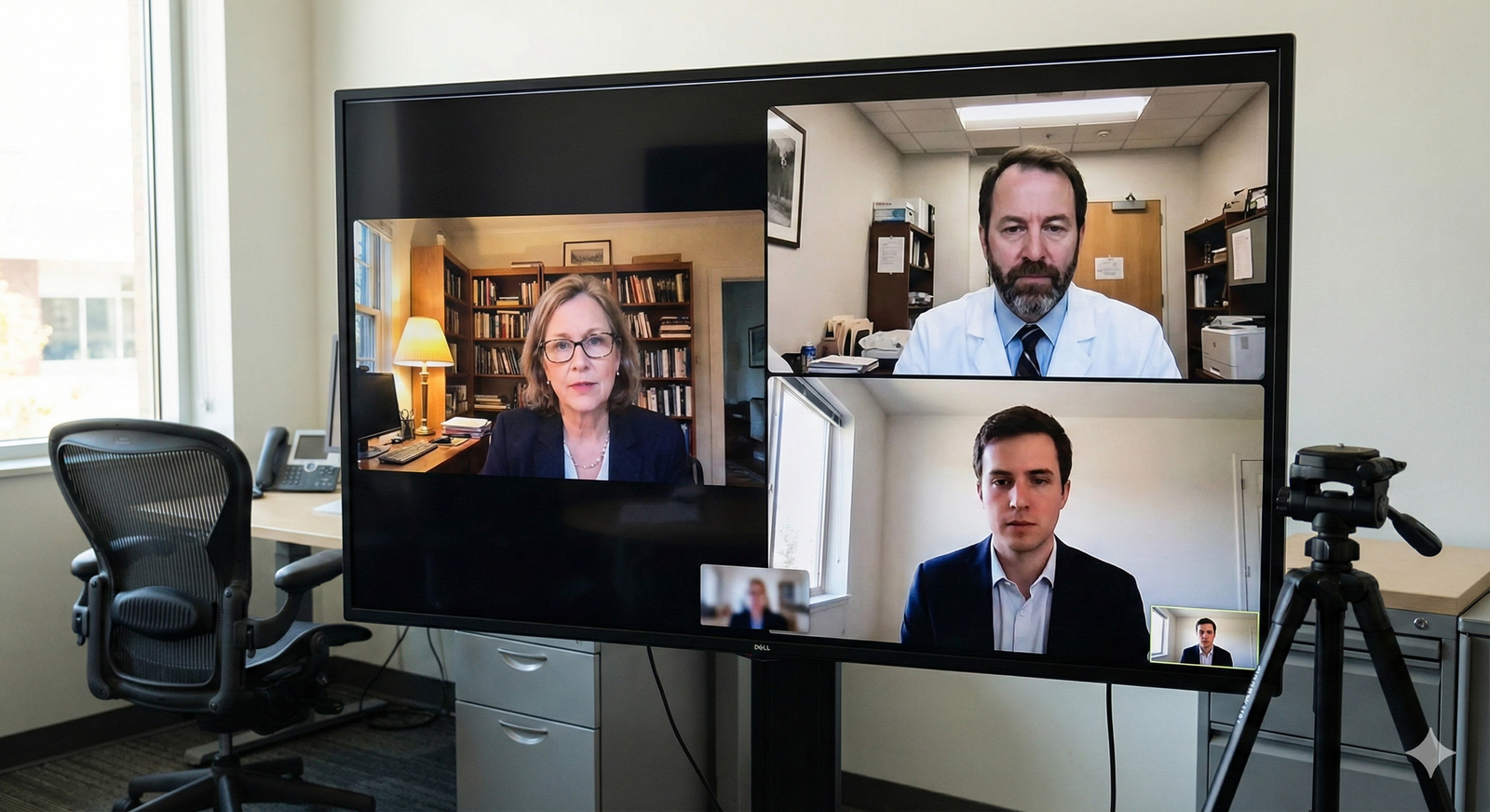
Zoom, Teams, Webex — most show names somewhere:
- Hover over their video square
- Check the participant list
- Sometimes they’re labeled like “Dr. Maria Lopez – PD”
If tech allows, keep the participant list open on the side. You can glance quickly when needed, which is 1000x better than raw memory.
3. Don’t Over‑Personalize Every Answer
Some people try to show “connection” with constant name‑dropping:
“Thank you, Dr. Smith, that reminds me of what Dr. Jones said, and Dr. Lee I really agree…”
That backfires. More chances to get it wrong. More cognitive load when you’re already stressed.
You don’t need to show off your memory. Programs aren’t hiring a wedding MC. They’re hiring someone who can handle sick patients without losing their mind.
Worst‑Case Scenarios Your Brain Is Inventing (And Reality)
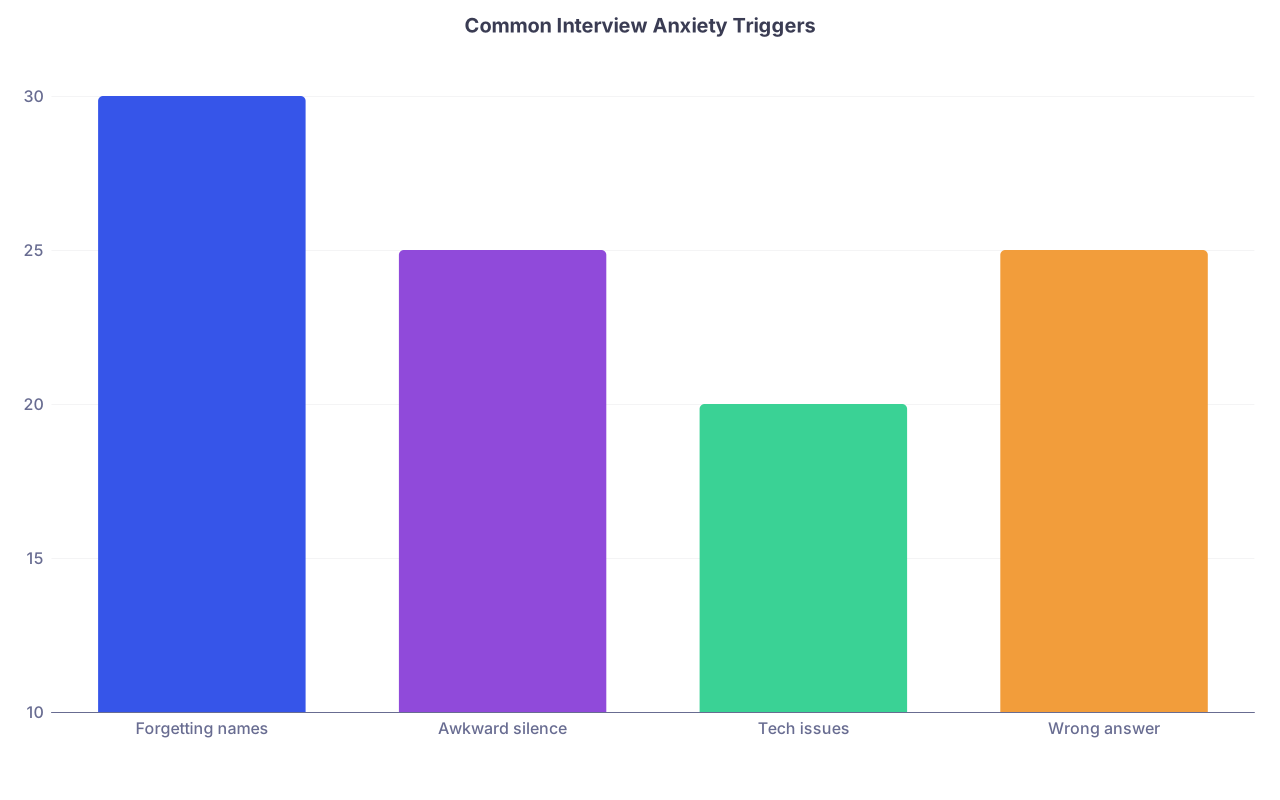
Let’s walk through the specific horror stories playing in your head.
| Category | Value |
|---|---|
| Forgetting names | 30 |
| Awkward silence | 25 |
| Tech issues | 20 |
| Wrong answer | 25 |
“What If I Use the Wrong Name?”
Happens constantly. Faculty do it to you.
If you use the wrong name:
- Tiny pause
- “Oh, I’m sorry — Dr. Lee.”
- Smile, continue sentence.
Don’t freeze. Don’t over‑explain. Correct and move on.
If they correct you themselves:
“Actually I’m Dr. Patel.”
You: “Thank you — Dr. Patel. As I was saying…”
That’s it. Reviewer thoughts: “NBD.” Or, honestly, nothing at all — because people do this on their own teams every week.
“What If I Obviously Don’t Remember And They Notice?”
Honestly? They might. And the reaction is almost always:
- “Eh, panel was confusing.”
- “Happens, long day.”
Remember: they’re also juggling multiple candidates, meetings, and clinical responsibilities. You are not the center of their universe, however much your anxiety says you are.
And that’s good. It means your small mistakes aren’t getting microscope treatment.
“What If I Only Realize After the Interview and It Haunts Me?”
So the interview ends and your stomach drops:
“I never once said the PD’s name. I’m doomed.”
Here’s what to do:
Send a short, normal thank‑you email to the program / coordinator / PD. You can reference the panel without obsessing about the name issue.
Something like:
Dear Dr. Lopez,
Thank you again for the opportunity to interview with your program today. I really enjoyed speaking with you and the faculty about the culture of mentorship and the strong ICU experience. My conversations with the residents reinforced that this is a place where I could see myself growing as both a clinician and a teammate.
Sincerely,
[Your Name]
You don’t need to mention names or the slip. Their memory of you will be “enthusiastic candidate who sent a thoughtful follow‑up,” not “the one who didn’t say Dr. Singh’s name at minute 17.”
Concrete Scripts You Can Steal
Since the worst part of anxiety is trying to improvise under pressure, here are some ready‑made lines.
When You Want to Answer Without Using a Name
- “That’s a really thoughtful question.”
- “I appreciate you bringing that up.”
- “That’s been on my mind as I’ve been going through this process as well.”
- “I’m glad you asked that, because it ties into why I’m drawn to your program.”
When You Decide To Ask for Their Name
Keep it boring and quick:
- “I want to make sure I address you correctly — could you remind me of your name?”
- “I missed your name at the beginning; would you mind repeating it?”
Then: “Thank you, Dr. ___.” → Move on.
When You Have the Wrong Name and Need to Fix It
- “I’m sorry, Dr. Patel — as you mentioned earlier about resident autonomy…”
- “Excuse me — Dr. Lee — I really appreciated your perspective on that.”
Tiny correction, no drama.
Turning This Into a Skill, Not a Panic Trigger
This is going to sound harsh, but it’s true: residency is full of moments where your brain blanks under pressure.
A crashing patient. A consultant pimping you on rounds. An attending asking a basic question you suddenly forget the answer to.
This name issue? It’s practice.
You’re training the skill of:
- Something goes wrong.
- Your brain screams “You’re a failure.”
- You hear the scream.
- You do the reasonable thing anyway.
Earlier in your career is the best time for low‑stakes mess‑ups like this. No one dies. No patient gets harmed. You just get a tiny rehearsal of, “Oh, I can screw up and not implode.”
Simple Prep Plan for Your Next Virtual Panel
If you want a structured, minimal‑effort way to feel a bit more in control, here:

| Step | Description |
|---|---|
| Step 1 | Get Interview Email |
| Step 2 | Create Names Cheat Sheet |
| Step 3 | Open Participant List in Meeting |
| Step 4 | Default to Roles/Group When Unsure |
| Step 5 | Quick Correction If Needed |
| Step 6 | Send Normal Thank You Email |
And one more thing: virtual days can be long and draining. Your cognitive load is already high from:
- Watching your own face on screen
- Monitoring your internet
- Keeping your background professional
- Managing your body language in a tiny square
So no, you’re not going to be 100% sharp on names. Nobody is.
Tiny Table of What Actually Matters vs What Your Brain Thinks Matters
| Thing | How Much Programs Care |
|---|---|
| Being respectful | A lot |
| Showing interest | A lot |
| Forgetting a name | Almost not at all |
| Using wrong title once | Very little |
| Recovering gracefully | Quite a bit |
This is the real hierarchy. You’re obsessing over the third row. They’re focused on rows one and two.
FAQ (Exactly 4 Questions)
1. Should I call everyone “Dr. [Last Name]” even if they introduce themselves by first name?
Use their preferred style if you catch it. If they say, “Hi, I’m Sarah,” you can say “Thank you, Sarah,” or just avoid names altogether if that feels awkward. If you’re unsure, “Dr. [Last Name]” is always safe. What you shouldn’t do is stress if you mix it once. Faculty are used to both.
2. What if the panel is mostly residents and I can’t remember who’s a resident vs faculty?
You can skip labels entirely: “I’d love to hear from those of you who work closely with interns,” or “For those of you on the call who did your training here…” Residents aren’t sitting there offended that you didn’t call them “Dr.” every sentence. They’re just trying to get through the day like you.
3. Do I need to memorize everyone from the program’s website before the interview?
No. That’s overkill and a great way to burn energy you need for actual interview questions. At most, skim leadership (PD, APDs, maybe chiefs) and any specific people you’re meeting with 1:1. For panels, rely on your cheat sheet + participant list instead of cramming 20 headshots into your head.
4. If I completely mess up names in one interview, should I still rank that program highly?
Yes, if you liked the program. Interviewers know these days are stressful. One clumsy interaction rarely tanks your chances, especially if the rest of the conversation went well. Don’t punish yourself by ranking a good fit lower just because your brain froze on “Dr. Hernandez” for 2 seconds.
Key takeaways:
- Forgetting or fumbling an interviewer’s name in a virtual panel feels huge to you and barely registers to them.
- The fix is simple: use roles or group language, and if you must, ask once, briefly, and move on.
- Programs care far more about your overall vibe, respectfulness, and interest than about perfect name usage.