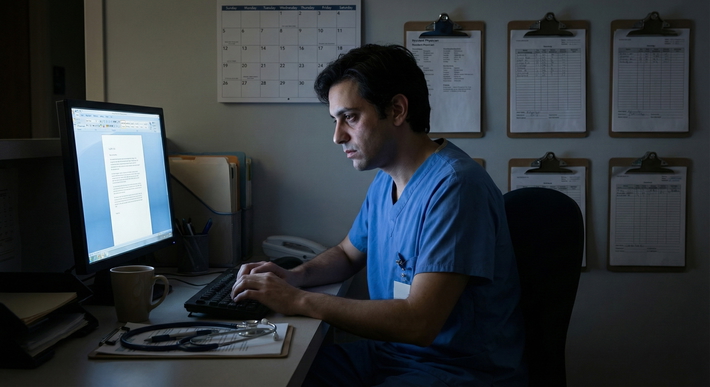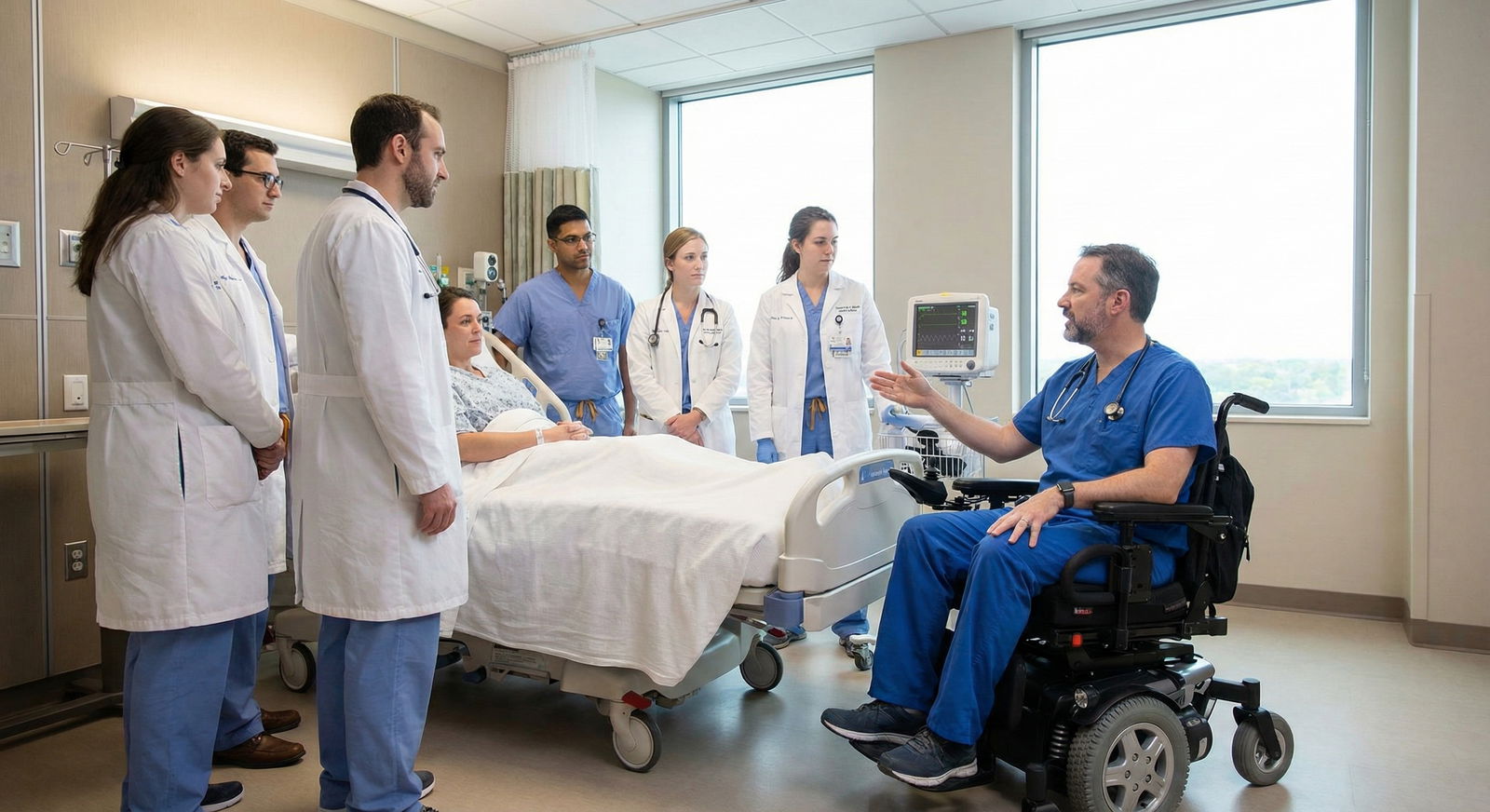
Most call schedules are designed as if everyone has the same brain and the same thresholds. They do not. And that is how you break trainees with migraine or seizure disorders.
Let me be very direct: “equal” call for everyone often means unsafe call for the subset of trainees whose neurologic conditions are exquisitely sensitive to sleep loss, light, noise, or chaotic circadian patterns. You either build structure around that reality, or you will keep watching them silently deteriorate, mis-labeled as “not resilient enough.”
I am going to walk you through how to structure call specifically for trainees with migraine or seizure triggers. Policy, scheduling templates, documentation, culture, and the ugly politics no one writes in the wellness newsletter.
1. The Core Problem: Call as a Neurological Stress Test
Most residency call is basically a deliberate provocation of the exact physiology that worsens migraine and lowers seizure threshold:
- Fragmented sleep or no sleep
- Chaotic circadian shifts (24h call, night float, flip-flopping days/nights)
- High-intensity light exposure at 2–4 a.m. with massive screens and overhead lighting
- Noise, alarms, codes, trauma activations
- Irregular meals, caffeine binges, dehydration
For a trainee with:
- Chronic migraine +/- aura
- Photosensitive epilepsy
- Generalized epilepsy with strong sleep deprivation triggers
- Focal epilepsy with poor seizure control
…this is not just “tough.” It is sometimes dangerous.
You cannot “teach resilience” around cortical hyperexcitability. You blunt the triggers. That means structuring call intelligently.
2. Principles Before Templates: What Actually Needs Controlling?
Before you touch the schedule, you need to know which variables are physiologically non‑negotiable for that trainee. This is where programs usually flail: they go straight to “no nights” or “no 24s” without dissecting the actual triggers.
Common categories:
Sleep continuity and circadian rhythm
- Trigger patterns:
- Any night float
- More than 1 overnight per week
- Back‑to‑back 24‑hour calls
- Rapid day–night flip (post‑call → clinic → night float that week)
- Trigger patterns:
Light and screen exposure
- Classic migraine/photosensitive epilepsy triggers:
- Bright, flickering OR lights
- High‑brightness monitors at night
- Rapidly changing visual fields (e.g., ED board constantly scrolling)
- Classic migraine/photosensitive epilepsy triggers:
-
- Constant alarms, codes, overhead pages
- Multiple people talking over each other in cramped call rooms
Metabolic stress
- Missed meals / hypoglycemia
- Dehydration
- Massive caffeine swings
You sit down (program + trainee + ideally occupational health / disability office) and you define:
- “Red line” triggers (must be structurally avoided)
- “Manageable with adjustments” triggers (can be mitigated with environmental controls and personal strategies)
Then you reverse-engineer the call structure around those, not around generic “fairness.”
3. Legal and Institutional Framework: Stop Hand‑Waving
You cannot build serious accommodations if you do not treat this as a disability accommodation problem, not a “soft wellness request.”
- In the United States, migraine and epilepsy can meet criteria under the ADA (Americans with Disabilities Act) if they substantially limit major life activities (working, sleeping, seeing, etc.).
- The residency is the employer. That means interactive process, documented, with a reasonable accommodations framework.
- GME, HR, and the institutional disability office must be in the loop. This is not just between the PD and the chief resident with a handshake.
Most programs mess up by:
- Relying exclusively on informal chief‑to‑chief arrangements
- Failing to document what was tried, what worked, and what remains problematic
- Ignoring the fact that call structure is a working condition, and altering it can absolutely be a reasonable accommodation if the essential functions of the job are preserved
You want a paper trail:
Medical documentation specifying:
- Diagnosis (broadly, not necessarily precise details)
- Typical triggers: “sleep deprivation, irregular circadian shifts, extended overnight continuous duty”
- Functional limitations: “cannot safely perform continuous 24‑hour in‑house call more than X times per month” or “requires consistent sleep window of at least Y hours, usually Z–Z+Y”
Internal memo (from disability office or GME) stating:
- Approved accommodations (e.g., “modified call schedule,” “no back‑to‑back 24‑h duty,” “no rotating night/day within same week,” “reduced exposure to high‑intensity flashing lights”)
Then you design around that.
4. Concrete Call Structures That Actually Work
Now let me be specific. This is where most people want templates. You do not get a one‑size‑fits‑all, but you can get good patterns.
A. For Trainees With Strong Sleep‑Deprivation Triggers (Seizure / Migraine)
Objective: Limit severe sleep fragmentation and high‑frequency overnight duty.
Common workable patterns:
Capped 24‑hour calls with protected post‑call
- Max 2–3 per month instead of 4–6
- Hard rule: out by 10–11 a.m. post‑call. No “just one more family meeting” nonsense.
- No 24‑hour call within 48–72 hours of the prior one.
Preferential assignment to structured night float instead of random 24s
- For some people, predictable nights with consistent sleep block (e.g., 1–2 a.m. to 4 a.m.) are better than sporadic crushing 24s
- But for true sleep‑sensitive epilepsy, you may need:
- No night float at all, just limited 24s + robust daytime coverage
- Or “short night coverage” (e.g., 8 p.m.–2 a.m.) with guaranteed sleep window at home
Elimination of the “post‑call clinic” stupidity
- Trainee with a seizure history post sleep‑deprivation should not be in clinic seeing 12 complex patients on 3 hours of call‑room pseudo‑sleep.
Protected “buffer days”
- No 24‑hour call directly before major high‑cognitive clinics or exams
- Space nights 3+ days apart if possible
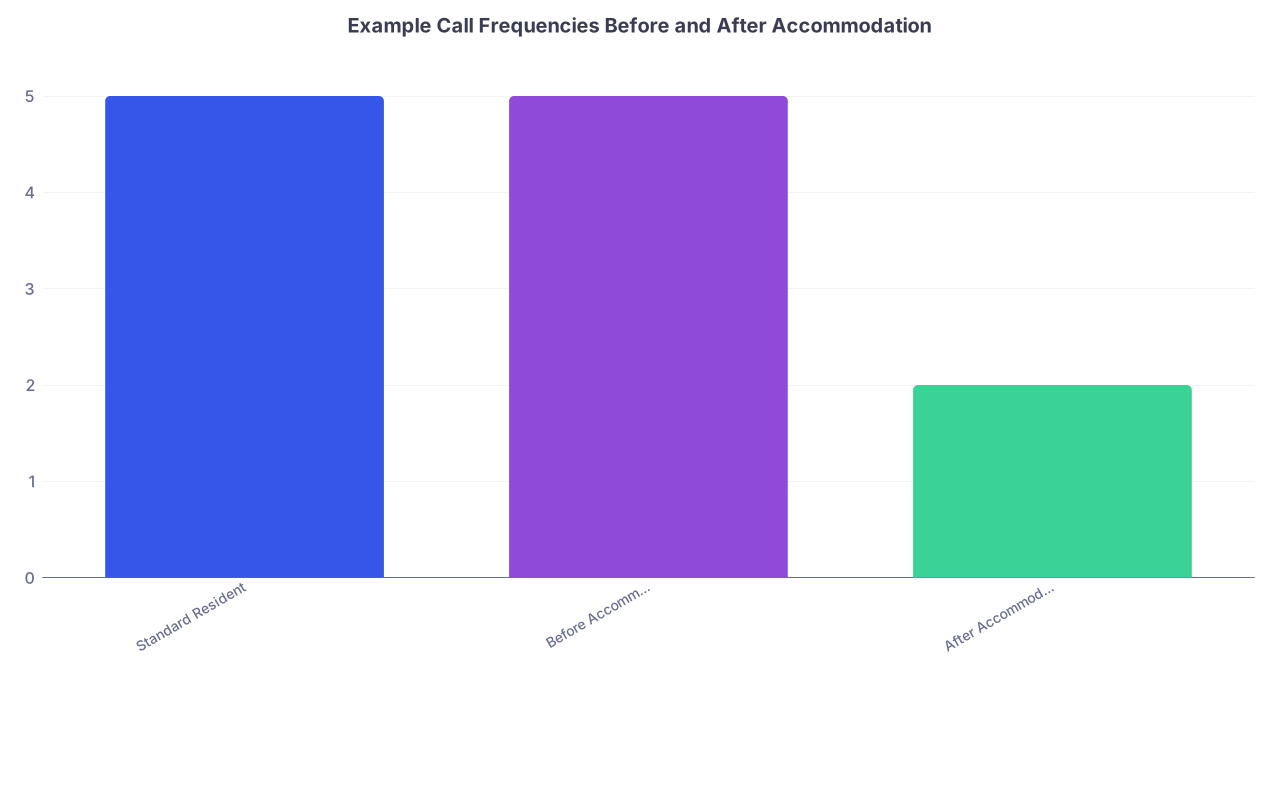
| Category | Value |
|---|---|
| Standard Resident | 5 |
| Before Accommodation | 5 |
| After Accommodation | 2 |
Interpretation: 5 overnight calls per month cut to 2 for the accommodated trainee, with workload rebalanced via daytime shifts.
B. For Trainees With Photosensitive Components (Migraine or Epilepsy)
The call structure itself may be acceptable, but the environment during call is lethal.
Build in:
- Automatic screen accommodations:
- Lower brightness profiles
- Blue‑light filters or software (f.lux, built‑in filters)
- Dark backgrounds where possible
- Call rooms and workrooms with:
- Dimmable lights
- Option for desk lamps instead of overheads
- No scrolling message boards in direct line of sight
You can codify simple rules:
- Night shift = low‑light mode by default for that workstation.
- ED / ICU computers used by that trainee have preset display profiles.
This seems small until you watch someone go from two severe migraines per week on nights to maybe one mild one per month with those tweaks.
C. For Trainees With Combined Migraine + Seizure Risk
These are the people everyone secretly worries about but then does nothing structured for.
Some real, used configurations I have seen:
Neuro resident with well‑controlled generalized epilepsy, strong sleep trigger:
- No traditional 24‑hour call
- Night float only, 5–6 shifts / 2 weeks, but:
- Off by 7 a.m. sharp
- No day clinic during NF rotation
- One golden weekend built into the block
- Extra daytime service weeks to equal total duty hours / learning exposure
IM resident with chronic migraine with aura, triggered by lights + sleep disruption:
- 2 × 24‑h calls/month instead of 4
- Preferential assignment to day ICU instead of night ICU
- Custom low‑light workroom setup with tinted monitors
- Out by 10 a.m. post‑call, zero clinic that day
You track function. You track adverse events. If the headaches and seizure auras fall off, you are doing it right.
5. Sample Call Accommodation Models by Specialty
You want something you can actually plug into your block schedule.
| Setting | Standard Call | Modified for Neuro Triggers |
|---|---|---|
| Inpatient IM | 4–5 q4 24h calls | 2–3 24h calls, min 72h apart |
| ICU | 7 nights / 2-week NF | 4–5 nights, no flip to days same week |
| Surgery | 24h q3 + home backup | 24h q5 + home only on some weekends |
| Neurology | 1 in 4 night float | 1 in 6, with daytime elective added |
| Pediatrics | Mixed 24h + late stays | Remove 24h, use evening shifts to 23:00 |
You are not “lowering standards.” You are redistributing when and how work happens, aligned with the trainee’s neurophysiology.
6. Operationalizing This: How You Actually Implement Without Chaos
Everyone loves “accommodation” in principle until it hits the call grid and the chiefs are staring at a blank row.
Here is the sane sequence:
Step 1: Formalize the constraints
Turn vague statements into hard constraints:
- “Max 2 overnight in‑house calls per month”
- “No night float rotations”
- “No more than one consecutive night shift”
- “At least 2 days between night shifts”
- “No duty past 23:00 more than X times per month”
Write them like math. Because your call schedule is a constraint puzzle.
Step 2: Re‑balance with daylight and non‑overnight work
You are not excusing the trainee from workload. You are shifting:
More:
- Weekday day coverage
- Early evening shifts (e.g., 17:00–23:00)
- Procedure blocks, consults, QI projects
Less:
- Middle‑of‑the‑night, high‑fragmentation duty
That is the only way co‑residents do not feel like they are just absorbing the strain.
Step 3: Freeze the structure early
Big error: trying to “adapt” month to month reactively. You end up resentful and disorganized.
Instead:
- Design a year‑long template for that trainee
- Lock in:
- Which blocks have call vs day‑only roles
- Where the NF / 24h limitations go
- Adjust at the margins if their condition changes
- Keep chiefs from renegotiating accommodations mid‑rotation because census went up

| Step | Description |
|---|---|
| Step 1 | Diagnosis known |
| Step 2 | Medical documentation |
| Step 3 | Define triggers and limits |
| Step 4 | Design annual call template |
| Step 5 | Review with GME and trainee |
| Step 6 | Implement and monitor |
| Step 7 | Maintain structure |
| Step 8 | Refine constraints |
| Step 9 | Adequate control |
7. Environmental Design: The “Hidden” Part of Call Structure
Some of the best accommodations cost almost nothing and do not touch the number of calls at all. They change how the hours feel neurologically.
A. Build sensory‑modulated call rooms and workstations
- Adjustable, warm‑tone lighting
- Blackout curtains / good blinds
- Actual beds that are not medieval slabs
- Minimal overhead paging volume in sleep areas
For migraine/seizure‑sensitive trainees:
- One assigned “low‑stim” call room
- Policy: no alarms, no overhead paging speakers inside that room
- Option to use:
- Eye masks
- Noise‑cancelling headphones or white noise machines
B. Screen and lighting standards during nights
You should be doing this for everyone, but especially for the subset with photosensitivity:
- Institutional “night mode” policy in ED/ICU work areas after 22:00
- Pre‑configured user profiles on computers:
- Reduced brightness
- Dark theme where possible
- Blue‑light reduction
- Avoid placing high‑flicker or older monitors where this person routinely works at night
Seems minor, but I have seen neurology residents go from status‑level migraines during NF to functionally intact with just environmental adjustments + mild schedule tweaks.
8. Communication and Culture: Preventing Backlash and Quiet Punishment
Let’s be honest. The moment you change call for one person, everyone else does the math on who picks up the slack.
You have to manage this explicitly.
A. What you tell co‑residents
You do not disclose diagnosis. But you can be clear about structure:
- “X is on an approved modified call schedule through GME. Their total clinical hours and responsibilities are equivalent over the year but allocated differently (more weekdays, fewer nights). This is not negotiable at the peer level.”
If chiefs are vague, rumors fill the space: “They just do not like nights.” That is how resentment grows.
B. What you watch out for
Patterns I have seen:
- “Punitive” evaluations:
- Comments about “lack of commitment” because the person is not on nights as often
- Subtle exclusion:
- “We will not rank them highly for fellowship; we need someone who can do full call”
- Gossip:
- “Must be getting special treatment because they complained”
Program leadership must:
- Educate faculty that approved accommodations are not a professionalism failure
- Make it clear that evaluation focuses on:
- Clinical reasoning
- Teamwork
- Patient care quality
- Not how many times you stayed beyond your safe physiological limit
9. Tracking Outcomes: Are These Accommodations Actually Working?
You are not done once you change the schedule. You assess.
Basic approach over 6–12 months:
Clinical outcomes:
- Number of migraine days per month
- Number of seizure auras / breakthrough seizures
- ED visits/hospitalizations related to the condition
Training outcomes:
- Rotation completion
- Milestone progression
- Exam performance (if relevant block overlaps with exam prep)
Program outcomes:
- Number of schedule swaps / crises needed
- Coverage complaints from co‑residents
- Any patient safety concerns (there usually are fewer, not more)
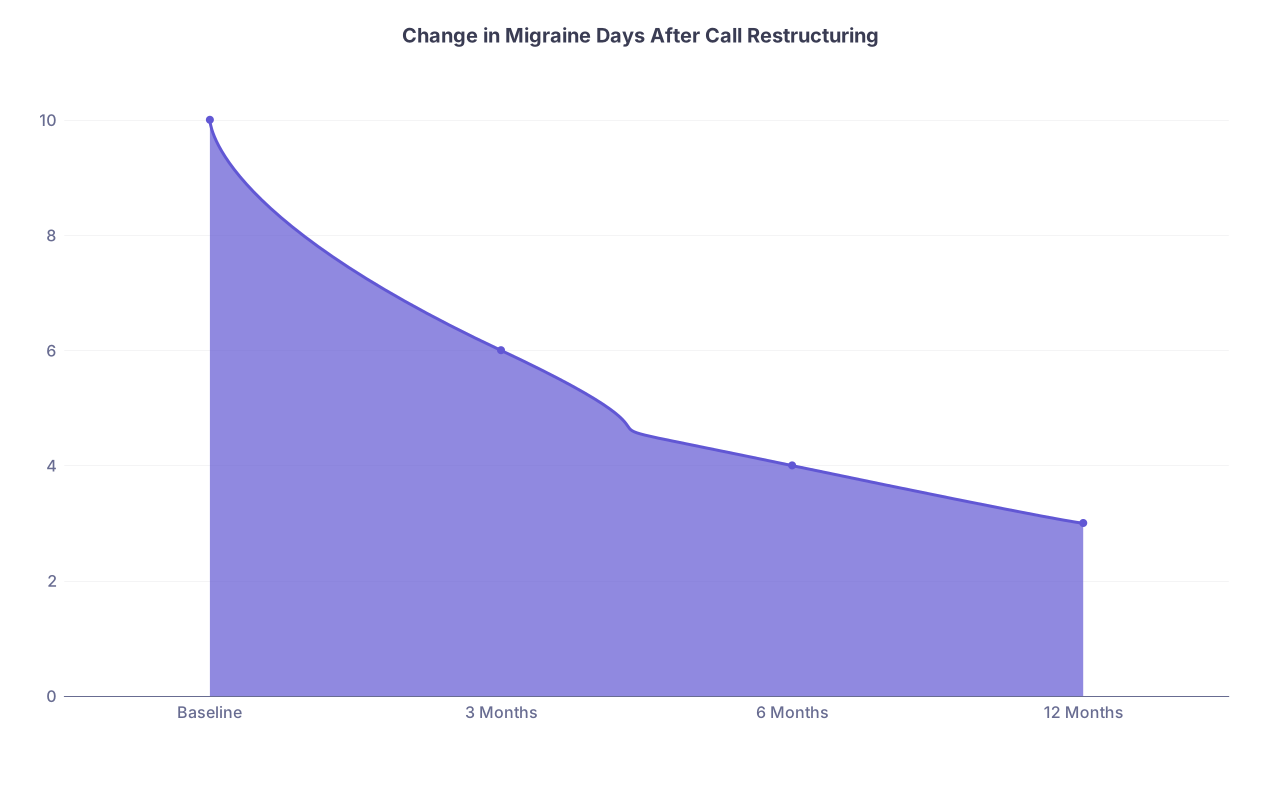
| Category | Value |
|---|---|
| Baseline | 10 |
| 3 Months | 6 |
| 6 Months | 4 |
| 12 Months | 3 |
If you see a graph like that for migraines or seizure events, and training outcomes are stable, then the accommodation is clearly justified and successful.
10. Future Directions: Where This Should Be Going
Right now, most programs run on a reactive, case‑by‑case improvisation model. That is not sustainable.
The smarter future looks like this:
Template libraries of pre‑approved call structures
- “Sleep‑sensitive call variant A/B/C”
- “No‑night‑float track for chronic neurologic conditions”
- “Photosensitive low‑light ICU/ED night template”
Automated schedule optimization
- Use proper constraint‑solving software where:
- A trainee’s accommodations = hard constraints
- Coverage, fairness, and ACGME rules are satisfied mathematically
- Stop the manual spreadsheet misery that makes chiefs resent any deviation
- Use proper constraint‑solving software where:
Integration with occupational health and neurology
- Formal pathway:
- Trainee with chronic migraine or epilepsy → occupational health → neurology input → structured accommodation proposal
- Formal pathway:
Culture shift: “Sustainable call is the default, not a favor”
- You should not need to be seizing on call to get someone to rethink whether q3 28‑hour shifts make sense in 2026.

11. Concrete “Do This Now” Checklist for Programs
If you are in a position of authority and you actually want to act, here is a minimal but real starter set.
Create a written policy:
- Neurologic conditions (migraine, epilepsy) qualify for formal accommodation requests.
Define stock limits you are willing to use (as examples):
- Max 2 overnight in‑house calls/month for sleep‑sensitive conditions
- Option for “evening‑heavy, night‑light” call structure
- No NF for documented severe sleep‑related triggers, with daytime redistribution
Build one “low‑stim” call room:
- Good bed
- Dimmable warm light
- No overhead speaker
Set screen/lighting standards for night work:
- Night mode profiles on key computers
- Staff education that low lighting at night is not laziness, it is safety for some
Train chiefs on what is non‑negotiable:
- Accommodations come from GME/HR, not from popularity contests
- They cannot “undo” or “trade away” the protected rules
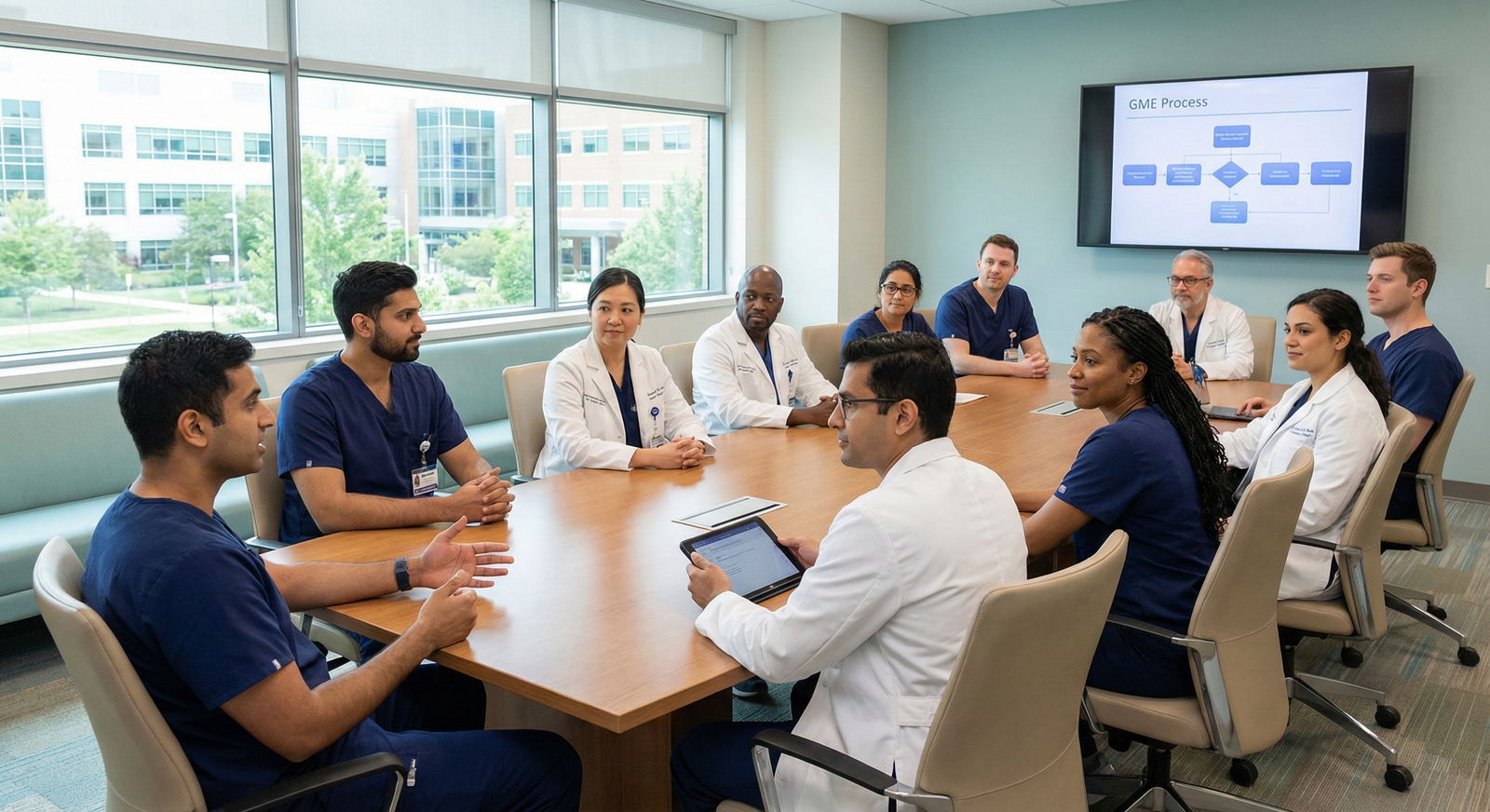
12. For Trainees: How To Ask Without Sabotaging Yourself
Let me switch to you, the trainee with migraine or a seizure disorder.
You are probably afraid that if you mention it, you will be seen as weak or unfit. You also know that if you say nothing, the system can break you.
Strategic approach:
Get clean documentation
- From your neurologist or headache specialist:
- Diagnosis
- Triggers
- Precisely described functional limits
- From your neurologist or headache specialist:
Request formal accommodation through the disability office, not via a throwaway email to your PD.
Be specific about what you need, not just what you cannot tolerate:
- “I can safely do 1–2 24‑hour calls per month with 72 hours between, but frequent night float causes breakthrough events.”
- “I can do evening shifts up to 23:00 reliably, but night float beyond that destabilizes seizure control.”
Offer work redistribution options:
- “I can cover more daytime admissions, weekends, and early evenings to offset reduced overnight call frequency.”
Track your own data:
- Headache days
- Aura episodes
- Seizure warnings
- Bring that to follow‑up meetings; it makes the argument factual, not emotional.
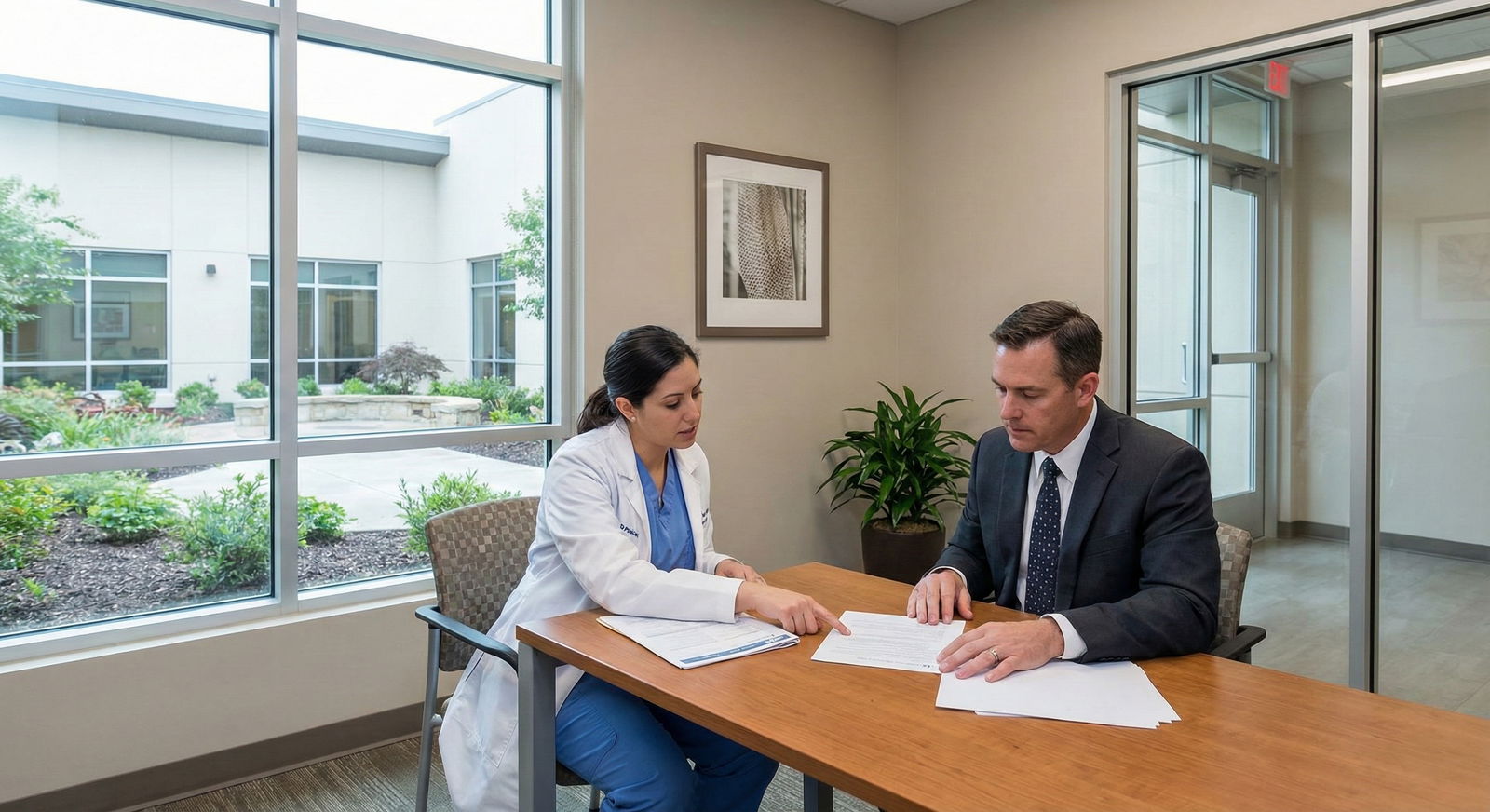
13. The Future of Call and Neurologic Safety
If medicine grows up a bit, the future will look like this:
- Call schedules are not a blunt “everyone does q4 or q5” instrument. They are adaptive frameworks.
- We will have enough data to know that certain call architectures carry higher neurologic risk and will phase them out for everyone.
- Neurologic accommodations will be boringly standard, like ergonomic chairs and voice‑dictation software.
Right now, we are somewhere in between barbaric and enlightened. Some places are experimenting with data‑driven, human‑compatible call. Others are still bragging about how many 30‑hour shifts they survived.
You can help pull your program in the right direction by being precise, documented, and unapologetically focused on safety first, bravado never.
FAQ (Exactly 6 Questions)
1. Does modifying call for migraine or seizure disorders mean the trainee cannot meet ACGME requirements?
Usually no. Most requirements are about total clinical exposure and competencies, not a fixed number of overnight calls. You meet the same educational goals by redistributing hours toward daytime, structured coverage and targeted experiences. The key is documenting that the resident meets case volume, procedural requirements, and milestone expectations despite the altered schedule.
2. How do you prevent resentment from other residents who feel they are “doing more call”?
You prevent it by being transparent about two things: the modification is a formal disability accommodation, and the total workload over the year is equitable even if the pattern is different. If the accommodated trainee takes more weekend day shifts, clinic coverage, or daytime admits, co‑residents see that the work is rebalanced, not simply offloaded. PDs must also clearly state that attacking or undermining an accommodation is unprofessional.
3. Can a resident with epilepsy safely do any overnight call at all?
Sometimes yes, sometimes no. It depends on seizure type, control, and specific triggers. A neurologist and occupational health should jointly assess this. Some residents can handle limited, well‑spaced overnight calls with solid post‑call protection. Others should avoid overnight in‑house duty entirely and instead have heavily front‑loaded daytime and evening work. The standard must be: if the call design predictably increases seizure risk, you change the structure.
4. What if the program “cannot” accommodate because of staffing?
“Cannot” is often code for “we have not tried creatively enough.” True impossibility is rare. You can adjust the mix of interns vs seniors on nights, use hospitalists or nocturnists for partial coverage, redesign rotations, or shift some services to a night‑float model. If a program genuinely cannot perform reasonable accommodations without collapsing essential functions, that is a program‑level structural problem, not the trainee’s fault.
5. Do trainees have to disclose exact diagnoses to get a call accommodation?
They must provide enough medical documentation for the disability office and employer to determine functional limitations and reasonable accommodations. That does not mean the diagnosis must be broadcast to faculty or peers. Typically, PDs are told what the trainee can and cannot safely do (e.g., “limit overnight calls,” “no rapid day‑night flips”), not the detailed medical chart.
6. How often should call accommodations be revisited or adjusted?
At least annually, and sooner if there is a significant change: worsening migraines, breakthrough seizures, medication changes, or a major new rotation type (e.g., starting ICU blocks). A simple pattern works: initial 3–6‑month trial, review symptom and performance data, tweak constraints if necessary, then formalize for the rest of the year. The goal is a living structure that tracks the trainee’s neurologic stability, not a fixed decree carved into stone.
Key points:
- Call is a neurologic stressor, not just a time‑management challenge; for migraine and seizure‑prone trainees, you must structurally reduce known triggers.
- Effective accommodations combine schedule limits (fewer or restructured nights) with environmental changes (lighting, screens, low‑stim call rooms) and formal institutional backing.
- When done correctly, these modifications preserve patient safety and educational standards while preventing avoidable neurologic harm.