Your short letter of intent is not “too short.” Your anxiety is.
I’m saying that as someone who has stared at a 260‑word draft at 1:47 a.m. convincing myself I’d just sabotaged my future because I didn’t hit 500 words. You know that feeling where you hit send (or almost hit send) and your brain goes: Wait… did I just under‑sell my entire existence in three short paragraphs?
Welcome to the 250–300 word panic zone.
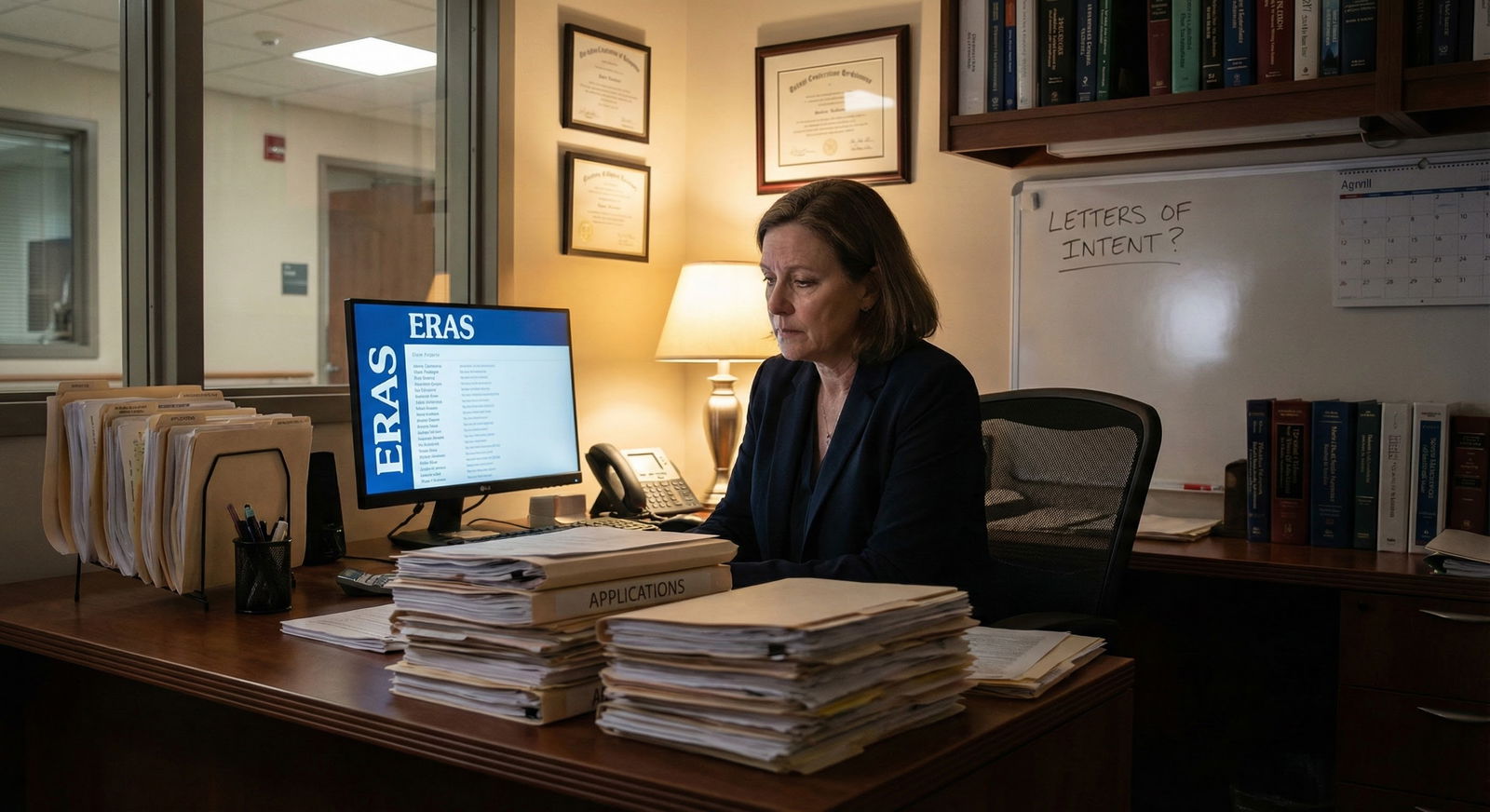
Let’s be blunt: the internet is obsessed with word counts. 500–800 words. One page single‑spaced. Half a page. Full page. Everyone’s throwing out numbers and none of them are sitting in that adcom office at 5:30 p.m. trying to get through 47 emails before going home.
So is 250–300 words enough for a letter of intent?
Yes. If you do it right.
Disaster‑level risky? Also yes—if you do it wrong.
Let’s unpack this like the anxious people we are.
What a Letter of Intent Actually Needs to Do (Not What Reddit Says)
Forget the noise for a second. A letter of intent is not:
- A second personal statement
- A full recap of your entire application
- A place to “prove” your worth from scratch
It’s a signal. A clear, concise, targeted signal that tells a program:
- “You are my number one choice.”
- “Here are the concrete reasons why—specific to you.”
- “Here’s what I add to your program that actually matters.”
That’s it. Three jobs. Not twelve.
So the real question isn’t “Is 250–300 words enough?”
It’s “Can you do those three jobs in 250–300 words without sounding generic or desperate?”
Yes. You 100% can.
The problem is: the shorter you go, the less room you have for fluff, clichés, and vague compliments. Which is terrifying when you’re already second‑guessing every sentence.
Why 250–300 Words Feels Scary (But Isn’t Automatically a Red Flag)
Let me guess what’s running through your head:
- “What if they think I didn’t care enough to write more?”
- “What if other applicants send 800‑word letters and look more committed?”
- “What if my short letter seems lazy or rushed or ungrateful?”
- “What if I accidentally leave something important out and that’s why I don’t match?”
I’ve seen this spiral. I’ve done this spiral.
Here’s the reality that doesn’t get enough attention:
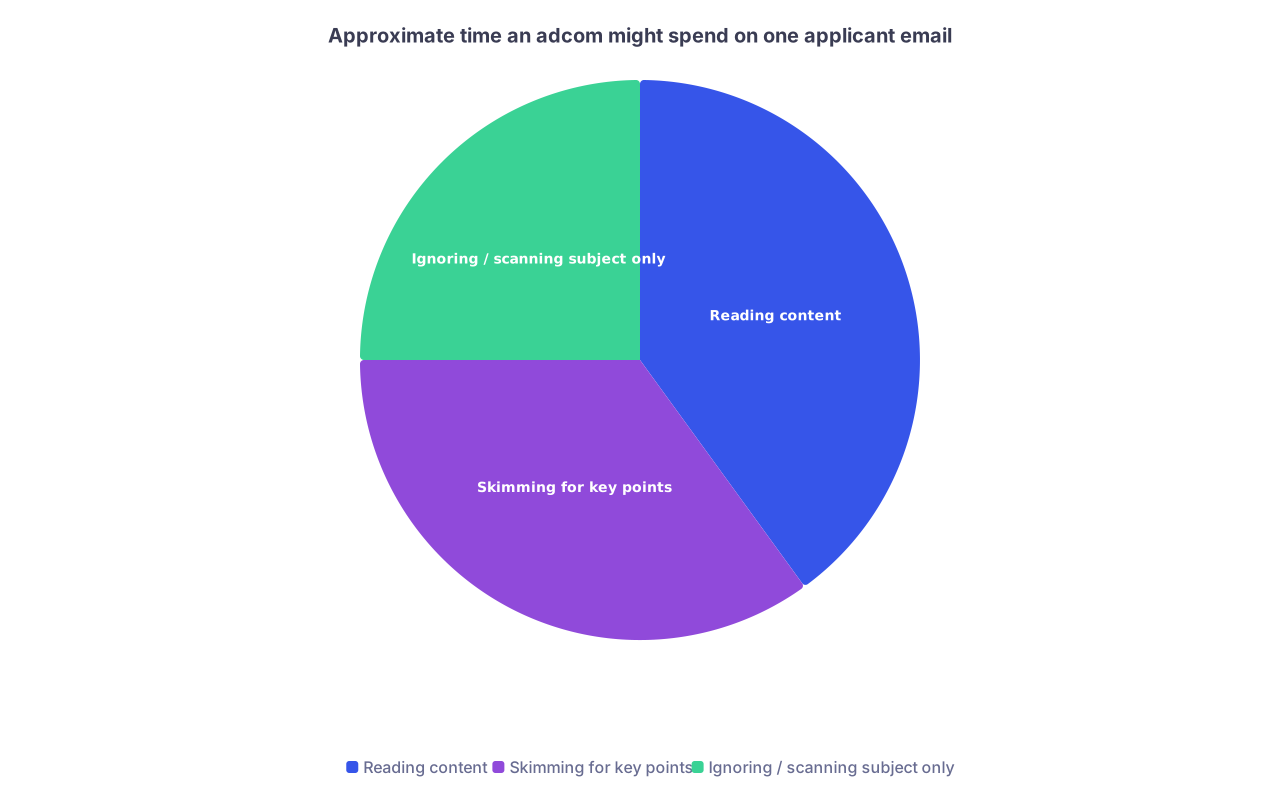
Programs are drowning in communication.
| Category | Value |
|---|---|
| Reading content | 40 |
| Skimming for key points | 35 |
| Ignoring / scanning subject only | 25 |
They are not sitting there thinking, “Wow, I really wish this applicant had written 300 more words about how much they value teamwork.”
They’re thinking, “Please, for once, let this email be short, specific, and not full of copy‑paste fluff.”
What a short letter signals—if written well:
- Respect for their time
- Confidence (you don’t need 900 words to say “you’re my top choice”)
- Clarity (your reasons and fit are obvious and concrete)
What a short letter can signal—if written badly:
- Generic enthusiasm with no specifics
- Vague praise anyone could send to any program
- Zero sense of who you are or what you bring
So 250–300 words isn’t the problem. The content is.
The Core Structure of a Strong Short Letter (250–300 Words)
Here’s the harsh truth: at 250–300 words, you don’t have room to ramble. You need a skeleton.
Something like this:
- Opening: 1–2 sentences
- Explicit: “You are my top choice / I will rank you #1.”
- Why them (specifics): 3–5 sentences
- 2–3 concrete program features
- 1–2 connections to what you saw/experienced (interview day, rotation, conversation)
- Why you (fit): 3–5 sentences
- 2–3 pieces of who you are / what you bring that matches their priorities
- Closing: 1–2 sentences
- Professional, grateful, reaffirming interest
Total: ~10–14 sentences. That’s easily inside 250–300 words if you don’t bloat.
Let me show you what that looks like in reality.
A 260‑Word Example (That’s Actually Enough)
Here’s a hypothetical short letter of intent to an internal medicine program. This clocks in around 260 words:
Dear Dr. Smith and the Selection Committee,
I’m writing to state clearly that I will be ranking the ABC Internal Medicine Residency Program as my first choice. My interview day confirmed that ABC is the environment where I see myself growing as a resident and future academic internist.
I was especially drawn to your firm system and the emphasis on bedside teaching. Watching the residents present on rounds and then walk into patient rooms with their attendings showed me a culture where teaching is woven into real patient care, not treated as an afterthought. The dedicated primary care track, with protected clinic time in the community sites we discussed, aligns exactly with my goal of caring for medically complex patients in underserved settings.
I also felt a genuine connection to the residents I met, who described ABC as “supportive but demanding in the best way.” That balance is what I’m looking for. My experiences working at the free clinic and leading our quality improvement project on diabetes follow‑up have taught me how to function on busy teams, take ownership of patient care, and stay calm when plans change quickly. I know I would grow under your program’s expectations and contribute meaningfully to your inpatient and outpatient teams.
Thank you again for the opportunity to interview. I hope to join the ABC Internal Medicine community this July.
Sincerely,
[Name], [AAMC ID]
Is it perfect? No. But does it clearly:
- State they’re #1?
- Show specific program knowledge?
- Connect your background to their vibe?
Yes. And it does all of that without a single wasted paragraph about “lifelong learning” and “compassionate care” and “my passion for internal medicine,” which they’ve already seen 300 times.
Where Short Letters Go Terribly Wrong
Here’s the nightmare scenario with 250–300 words: you cut length but you don’t cut fluff.
So you end up with something like:
“Your program’s commitment to clinical excellence, research, and community service deeply resonates with my passion for medicine and my desire to serve diverse patient populations.”
You know what that sentence tells them? Nothing. You could send it to literally any program in the country.
The major traps in short letters:
- Being generic
- “Excellent training,” “diverse pathology,” “strong research environment” with no proof or detail.
- Repeating your personal statement
- Re‑telling your origin story. They don’t need that again.
- Over‑apologizing for weaknesses
- This is not a remediation essay. It’s a commitment signal.
- Sounding like you’re begging
- “I would be eternally grateful for any consideration,” “this would mean everything to me.” Desperation doesn’t read well.
At 250–300 words, you can’t hide behind buzzwords. If your letter feels like it could be sent to five other programs just by changing the name, it’s not the length that’s the problem. It’s the substance.
How Programs Actually Read These (So You Stop Imagining the Worst)
You’re picturing them projecting your letter on a screen in a dark conference room and dissecting every comma.
Reality looks more like this:

| Step | Description |
|---|---|
| Step 1 | Email received |
| Step 2 | Open quickly |
| Step 3 | Skim for key points |
| Step 4 | Note in file or spreadsheet |
| Step 5 | Close email |
| Step 6 | Use as minor tie breaker later |
| Step 7 | Recognize name? |
| Step 8 | Top choice stated? |
They’re not tallying word counts. They’re scanning for:
- Are we definitely their #1?
- Do they sound like they actually know our program?
- Any big red flags? (unprofessional tone, weird demands, oversharing, trashing other programs)
If you hit those basics cleanly, your 270‑word email is doing its job.
When 250–300 Words Is Exactly the Right Move
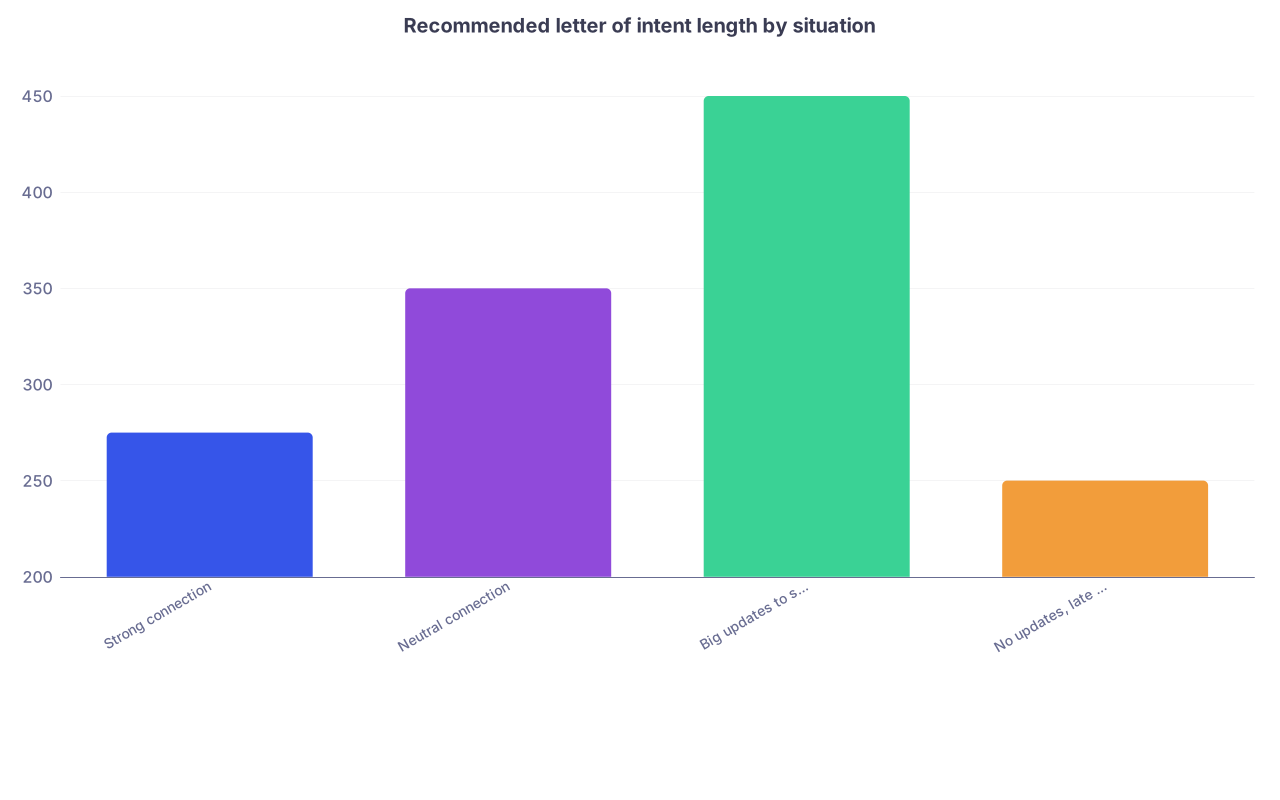
There are times when a short, tight letter is actually better than a long one:
- You don’t have big updates
- No new publications, no major awards—just genuine interest. Perfect for short and clear.
- You already had a strong connection
- Great interview, good vibes, maybe even a home or sub‑I program. They already know you. You’re just confirming commitment.
- Late in the season
- Committees are exhausted. A well‑written 270‑word letter will get fully read. Your 850‑word manifesto? Maybe not.
| Category | Value |
|---|---|
| Strong connection | 275 |
| Neutral connection | 350 |
| Big updates to share | 450 |
| No updates, late season | 250 |
Notice something? Only one of those really calls for pushing beyond 400+ words: when you truly have substantial updates or complicated context to explain.
Not “I shadowed two extra days” updates. Real updates.
When a Short Letter Might Be Too Short
Let me be fair and not sugarcoat it: there are situations where 250–300 words might be cutting it too fine.
Red flags for going ultra‑short:
- You need to explain a major change (rank list switch from another specialty, personal circumstances, etc.)
- You have important new information since interview (new publication, award, leadership role) that actually matters to that program
- You barely got to express yourself at interview (technical issues, very short interview time, etc.)
In those cases, you might genuinely need 350–450 words to do this without sounding rushed or incomplete. Not 900. But more than 250.
So if your anxiety is screaming “I’m leaving crucial things out,” ask yourself honestly:
“Is this crucial for their decision, or is this my perfectionism wanting to tell my entire story again because being concise feels unsafe?”
You probably know the answer.
A Simple Self‑Check: Is My 250–300 Word Letter Enough?
Use this quick test. No sugarcoating. Just answer yes or no.
| Question | Yes/No |
|---|---|
| Do I clearly state they are my top or #1 choice in the first paragraph? | |
| Do I mention at least 2 specific program features, not generic praise? | |
| Do I connect *my* experiences or goals directly to those features? | |
| Could this letter **not** be copy-pasted to 3 other programs as-is? | |
| Is the tone professional, confident, and not desperate or apologetic? |
If you can honestly check “Yes” down that whole column? Your 250–300 words are enough. Really.
If you’re saying “no” to more than one of those, the fix probably isn’t “add 300 more words.” It’s “replace generic filler with specific content.”
Calming the “Everyone Else Is Doing More” Fear
The competitive paranoia is brutal:
- “What if other applicants send full‑page letters?”
- “What if programs assume more words = more interest?”
- “What if I’m the only one sending something this short?”
You’re not. I promise.
I’ve watched plenty of applicants send short, sharp letters and match at their top choice. I’ve also watched people send massive, overwritten letters and still not match at that program. The long letters didn’t “save” them.
At best, letters of intent are tie‑breakers and subtle nudges. They don’t magically override:
- Step scores / COMLEX
- Dean’s letters / MSPE
- Interview performance
- Fit the committee picked up on months ago
What your letter does is nudge them from “We like this person” to “Ok, they really want to be here—if we’re on the fence between them and someone else, that might matter.”
That nudge does not require 800 words.
Quick Rewrite Exercise You Can Do Today
Here’s something concrete so you don’t just keep doom‑scrolling.
Take your current draft—whether it’s 150 words or 700—and do this:
Highlight every sentence that:
- Could apply to another program
- Repeats something from your personal statement or ERAS that isn’t critical
- Uses phrases like “lifelong learner,” “commitment to service,” “broad clinical exposure,” “diverse patient population” with no details
Keep a maximum of ONE such sentence if you absolutely love it. Delete the rest.
Add in 2–3 hyper‑specific details from that particular program:
- Name a clinic, track, curriculum element, patient population, resident quote, or impression from your interview day.
- Connect each of those to a concrete part of your background or goals.
You’ll be shocked how often you land right around 250–300 words after that—and feel more solid, not less.

FAQ (The Stuff Your Brain Keeps Replaying at 2 a.m.)
1. Will a 250–300 word letter of intent hurt my chances compared to longer ones?
No, not if it’s well‑written. Committees care about clarity and sincerity, not how many paragraphs you can stack. A short letter that:
- Clearly states they’re your top choice
- Shows specific knowledge of their program
- Connects your background to their priorities
…will absolutely do its job. A long, generic letter is worse than a short, pointed one. The only time short might be a disadvantage is if you genuinely have complex updates or context that can’t be explained briefly—and most of us think that’s us when it’s not.
2. Should I literally say “You are my #1 choice” or just imply it?
Say it. Explicitly. Committees read a lot of vague “I am very interested in your program” lines that mean nothing. If you’re going to send a letter of intent, commit to the signal:
- “I will be ranking [Program] as my first choice.”
- “Your program is my top choice for residency.”
If you’re not ready to say that, you’re not writing a letter of intent. You’re writing an interest letter. Different thing.
3. Do I need to include new updates to justify sending a letter?
No. That’s update‑letter thinking. A letter of intent doesn’t require new publications or extra experiences. Its job is to communicate priority and fit, not to pad your CV. If you do have meaningful updates that directly strengthen your fit, include them briefly. But “I volunteered an extra weekend” is not what this letter is for.
4. Is it worse to send nothing than to send a short letter I’m unsure about?
If the program is truly your #1, sending nothing at all when others are sending clear signals is usually a missed opportunity. But don’t send a rushed, unprofessional note just to “check the box.” Take one focused session to polish a concise, specific, 250–300 word letter. Once it hits those 5 self‑check questions from earlier, send it and walk away. Endlessly tweaking for days rarely changes the outcome—just your stress level.
Open your draft right now and do the 5‑question self‑check table above. If you can fix what’s missing in under 15 minutes and stay around 250–300 words, send the letter and move on to the rest of your life.