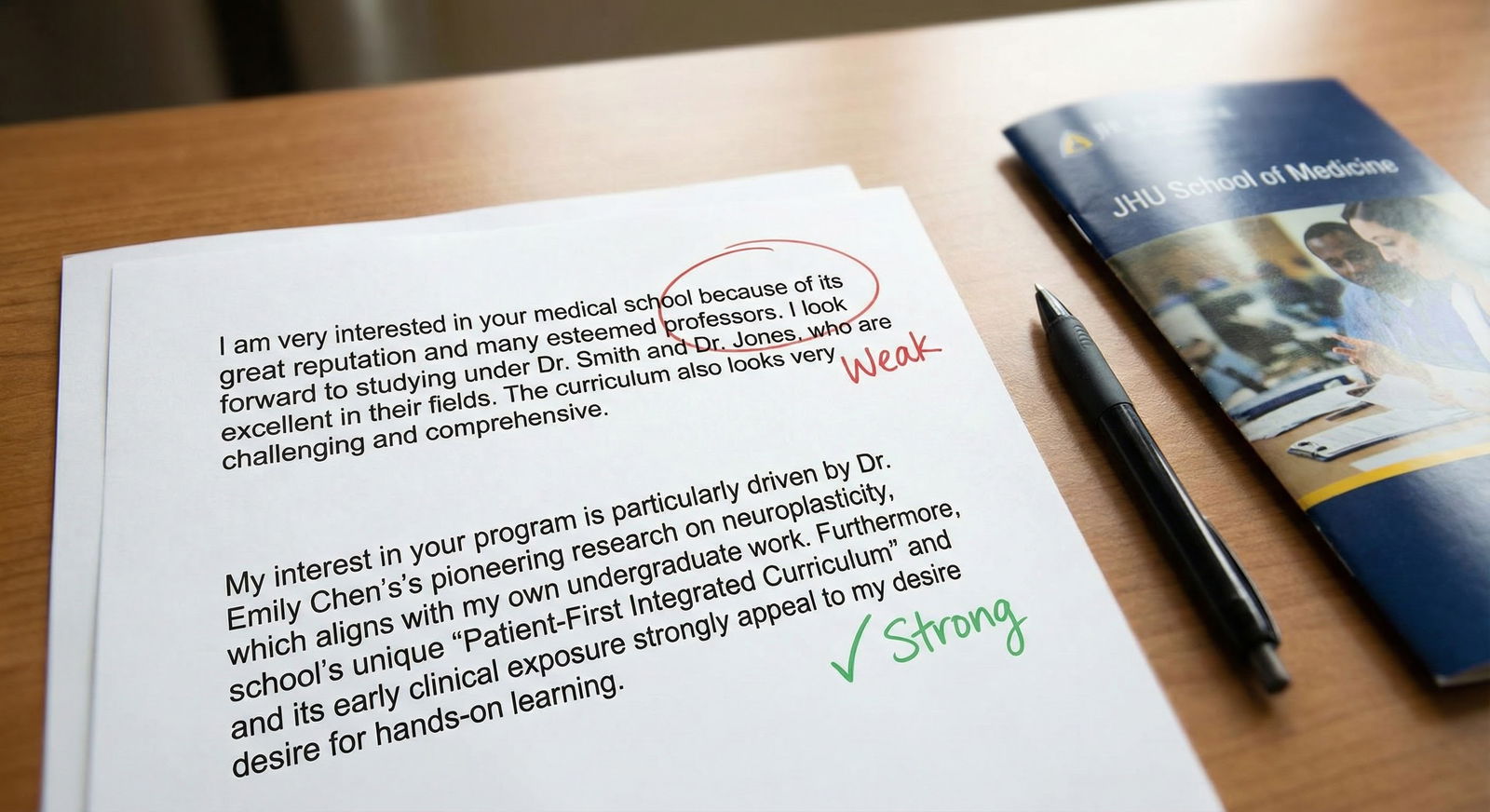
The thing everyone pretends doesn’t happen? It happens all the time: people tell more than one program they’re their “top choice.”
And you did it. Twice. Now your brain is spinning out scenarios where NRMP agents show up at your door, your name goes on some secret blacklist, and every PD in the country gets a notification that you’re a liar.
Let’s pull this apart before you catastrophize yourself into oblivion.
First: Are You Actually in “Serious Trouble”?
Let me be blunt: no, you’re almost certainly not.
Is it ideal? No.
Is it common? Yes.
Is it fatal to your match chances? Almost never, unless you go completely overboard.
Programs don’t have a centralized “this applicant promised three of us we’re their #1” dashboard. There’s no NRMP “integrity alarm” that goes off when you hit send on a second “top choice” email. The NRMP rules do prohibit coercive behavior by programs and “improper communication” about ranking, but applicants sending overeager letters of intent? They’re not running sting operations on that.
Where you could get into trouble is if:
- You wrote something that crosses over into fraud (“I have already ranked you #1” when you haven’t even certified your list yet).
- You make conflicting claims that get shared between programs (e.g., you tell two PDs at the same institution different things and they compare notes).
- You somehow manage to brag or complain about this publicly under your real name and it gets back to them. Yes, people actually do this on Reddit / Twitter.
But 99% of the time? This is a guilt-and-anxiety problem, not a “you just broke your future” problem.
What Actually Happens Behind the Curtain
Here’s the part your catastrophizing brain doesn’t believe: many PDs don’t take “you’re my #1” letters at face value anymore. Because they know people do exactly what you just did.
I’ve watched faculty roll their eyes reading these:
“Oh look, another ‘top choice’ email. Must be Tuesday.”
They know:
- Students get desperate near rank deadline.
- Advisors sometimes tell them to send these letters.
- People talk big when they’re scared.
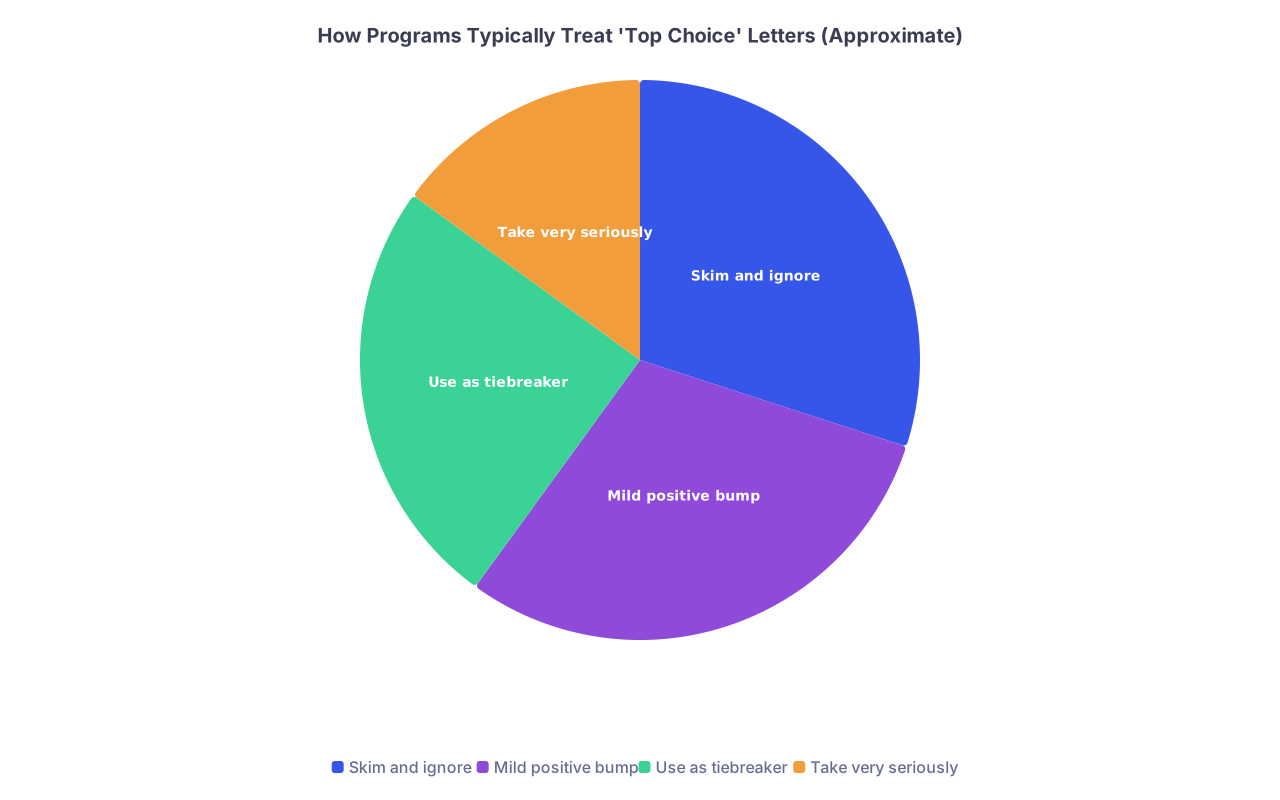
So what do they do with these letters?
Some programs:
- Barely look at them. They might file it away mentally as, “Interested applicant. Nice.”
- Use them as a soft tiebreaker between two similar candidates.
- Skim them and move on, especially at big-name, high-volume places.
Other programs, especially smaller or less-known ones, may care more. If they think you’re genuinely committed, they might feel slightly more optimistic about ranking you high. But “slightly” is the keyword. The match algorithm favors your list, not theirs. A love letter doesn’t override that.
| Category | Value |
|---|---|
| Skim and ignore | 30 |
| Mild positive bump | 30 |
| Use as tiebreaker | 25 |
| Take very seriously | 15 |
So in reality?
You’re sitting there spiraling because you said “top choice” twice.
They’re sitting there skimming fifty of those a week.
The Real Ethical Line: What You Actually Did
Let’s be precise with language because that matters here.
There’s a difference between:
- “You are my top choice and I will rank you #1.”
vs - “I’m extremely interested in your program and you’re at the top of my list.”
vs - “I loved my interview day and would be thrilled to match with you.”
Your situation depends on which of these you actually used.
Scenario A: You Explicitly Said “You Are My #1 / I Will Rank You First” to Two Programs
Ok. This is the one clawing at your stomach.
Ethically? Yeah, that’s misleading. You can’t have two #1s.
But does that mean you’ve committed some career-ending offense? No.
There is no enforcement mechanism for this unless:
- You get wildly sloppy and they somehow compare emails.
- You do this on a scale that becomes obvious (like telling 8 programs they’re your #1 and someone hears about it).
In practice, you’ve created:
- An internal ethical mess you now have to sit with.
- A small risk of reputational damage if it ever surfaces.
- More anxiety for yourself than actual external danger.
Scenario B: You Used Vague “Top of My List” Language with Two Programs
You might be beating yourself up for this but honestly? This is what half the applicant pool does.
“Top of my list” is intentionally mushy. Programs know that. It’s designed to sound committed while giving you wiggle room.
It’s not beautiful moral philosophy, but it’s also not some catastrophic betrayal.
Scenario C: You Only Feel Like You Misled Them Because You’ve Changed Your Mind
Also common: you told Program A they were your #1 a month ago. Since then, you talked to residents at Program B, saw red flags at A, re-thought geography, whatever. Now B is actually your #1.
That’s not “lying.” That’s updating your preference with more information. Humans do that. Your guilt is mostly about wanting to be perfectly consistent in a process that’s inherently messy.
So… What Do I Do Now?
Here’s the part your brain is begging for: a clean “fix.”
There isn’t a perfect one. But there is a path where you stop digging deeper and do the least-damaging thing next.
Step 1: Stop Sending Any More “You’re My Top Choice” Letters
Hard stop. No third, no fourth. You’re not going to fix this by “balancing it out” and telling even more programs the same thing.
Going forward, use strong interest language without promising #1:
- “I will be ranking your program very highly.”
- “Your program is at the top of the list for me.”
- “I believe your program is an excellent fit and I’d be thrilled to train there.”
Those all send “I care about you” vibes without painting yourself into a corner.
Step 2: Decide Who Is Actually Your #1
Not “theoretically”. Not “if my partner gets a job there.”
Right now, if you had to click “Certify List” this second, who’s first?
Pick them. That’s your actual #1. They’re the only ones who actually get their name at the top of your rank list. That’s what matters in the match algorithm. Not your emails.
If one of the two programs you already wrote to is your true #1? Slight relief: the reality will match one of your claims.

| Step | Description |
|---|---|
| Step 1 | Sent 2 top choice letters |
| Step 2 | Pick real #1 now |
| Step 3 | Rank true #1 first |
| Step 4 | No more top choice promises |
| Step 5 | Use strong interest language only |
| Step 6 | Are they same rank position? |
Step 3: Do You Need to “Correct” Anything?
This is where people overreact.
Do you need to email one program and say, “Actually, you’re not my top choice anymore”? Absolutely not. That’s social suicide and buys you nothing.
In almost all cases, the best move is:
- Change nothing in writing.
- Let your certified rank list be the only actual “truth” that matters.
- Resist the urge to “fix” it with another panicked message.
The only time I’d consider any clarification (and even then, very carefully) is if:
- You told Program A “You are my clear #1 and I’ve already ranked you first” in unambiguous language.
- You then know with 100% certainty they’re not your #1 and will be noticeably lower.
- And you also have some ongoing, super-close relationship with them (home program, long-term mentor, etc.) where they might actually see your final rank position and feel directly misled.
Even then, the “clarification” is something like:
“After a lot of thought and some late-breaking personal considerations, my final rank list ended up a bit different than I anticipated when I wrote earlier. Regardless, I continue to hold your program in very high regard and would be honored to train there.”
Notice what that does: acknowledges change, doesn’t spell out rank position, and doesn’t grovel.
But honestly? Most people shouldn’t send even that. It tends to create more confusion than it resolves.
The Worst-Case Scenarios You’re Imagining (And Why They’re Overblown)
You: “What if both PDs talk to each other at some conference and pull up my emails?”
Reality: Some PDs are friends, but they’re busy. They’re not cross-referencing who said what in January. And they’re not forwarding your emails around like gossip unless something really extreme happened.
You: “What if they refuse to rank me or rank me low because they ‘find out’?”
If a program decides to tank an otherwise strong applicant because of some behind-the-scenes rumor about “they told someone else they were their top choice,” that says more about the program than you. And again, the odds of that rumor even being generated? Very low.
You: “What if the NRMP punishes me?”
The NRMP isn’t policing your intent emails. They care about match violations: coercion, illegal agreements (like “we promise to rank you #1 if you rank us #1”), and post-match funny business. Over-enthusiastic letters don’t hit that bar.
You: “What if I don’t match because of this?”
If you don’t match, it’ll almost certainly be because of your overall application strength, specialty competitiveness, number of ranks, or bad luck. Not because you sent two overeager “top choice” notes. The human brain loves a single, dramatic cause. The match rarely works that way.
| Actual Risk Factor | Impact Level |
|---|---|
| Too few programs ranked | Very High |
| Weak application for specialty | High |
| Geographic inflexibility | Moderate |
| One awkward interview | Low |
| Two 'top choice' letters | Very Low |
How to Talk to Yourself About This Without Spiraling
You did something that doesn’t match your ideal version of yourself. That stings. You want to be perfectly honest, perfectly consistent, perfectly “ethical” in a process that isn’t exactly built on purity.
Here’s what’s also true:
- You’re scared. Everyone is.
- You’re operating in a system where mixed messages and vague language are normal.
- You’re trying to secure a future you’ve worked years for.
So instead of, “I’m a liar and I’ve ruined everything,” try:
- “I made a choice out of fear that I wouldn’t make again.”
- “This was ethically messy, but not catastrophic.”
- “The real truth will be my certified rank list.”
You can also make yourself a quiet internal rule going forward: one true #1 letter per application cycle. Never again more than that. You get to use this screwup as data, not as a life sentence.
What You Should Do Today
Don’t send any panicked “clarification” emails. Don’t write a third “top choice” letter as penance.
Do this instead:
- Open your rank list.
- Force yourself to put your real #1 at the top, regardless of whom you emailed.
- Then commit: no more promises, no more “you’re my #1” language to anyone.
Let the match algorithm do its brutally impersonal job.
FAQ (Exactly 6 Questions)
1. Can programs actually see if I told multiple places they’re my “top choice”?
Not centrally, no. There’s no shared database. The only way they’d know is if you reused the exact same email and they literally showed each other, or if you told multiple people at the same institution different things. That’s rare, and honestly, they’re usually too busy to even care enough to go looking.
2. Could this be considered an NRMP match violation?
Not by itself. The NRMP is focused on coercion and actual agreements about rank positions (“if you rank us #1, we’ll rank you #1”). You sending two overcommitted letters is ethically questionable, but it’s not the kind of thing that triggers formal disciplinary action.
3. Should I send a follow-up email telling one program I changed my mind?
In almost all cases: no. That’s like ripping off a bandage and then poking the wound. You’ll call more attention to the issue, not less. Let your final certified rank list quietly correct your initial statement, and don’t keep re-opening the topic.
4. Will a “top choice” letter actually change how a program ranks me?
Sometimes a tiny bit, especially for smaller or mid-tier programs where they really care who’s likely to come. But even there, it’s usually a tiebreaker at most. Strong application + solid interview beats love letters every time. And once you’ve sent it, you can’t game how they’ll use it anyway.
5. What if I told more than two programs they’re my top choice?
Then you’re definitely not alone, and you definitely need to stop now. The damage isn’t linear—telling 2 vs 4 vs 6 doesn’t create six times the danger, it just increases the odds that you’ll get caught if someone shares emails. But the same advice stands: pick a real #1, rank them first, and no more absolute language going forward.
6. Does my letter of intent even matter if the match algorithm favors my list?
Your letter can influence how they rank you, and that does still matter. The algorithm works off both lists. But it can’t outrun your actual rank order. If you rank a place low, you can’t “fix” that with a gushy email. And if you rank them #1, that matters far more than what you wrote. Your rank list is the only promise that actually counts.
Open your sent folder right now. Find the “top choice” emails. Acknowledge them, cringe a little if you need to, then close the tab and open your rank list instead. Fix the one thing that genuinely matters: who’s actually sitting at #1.