
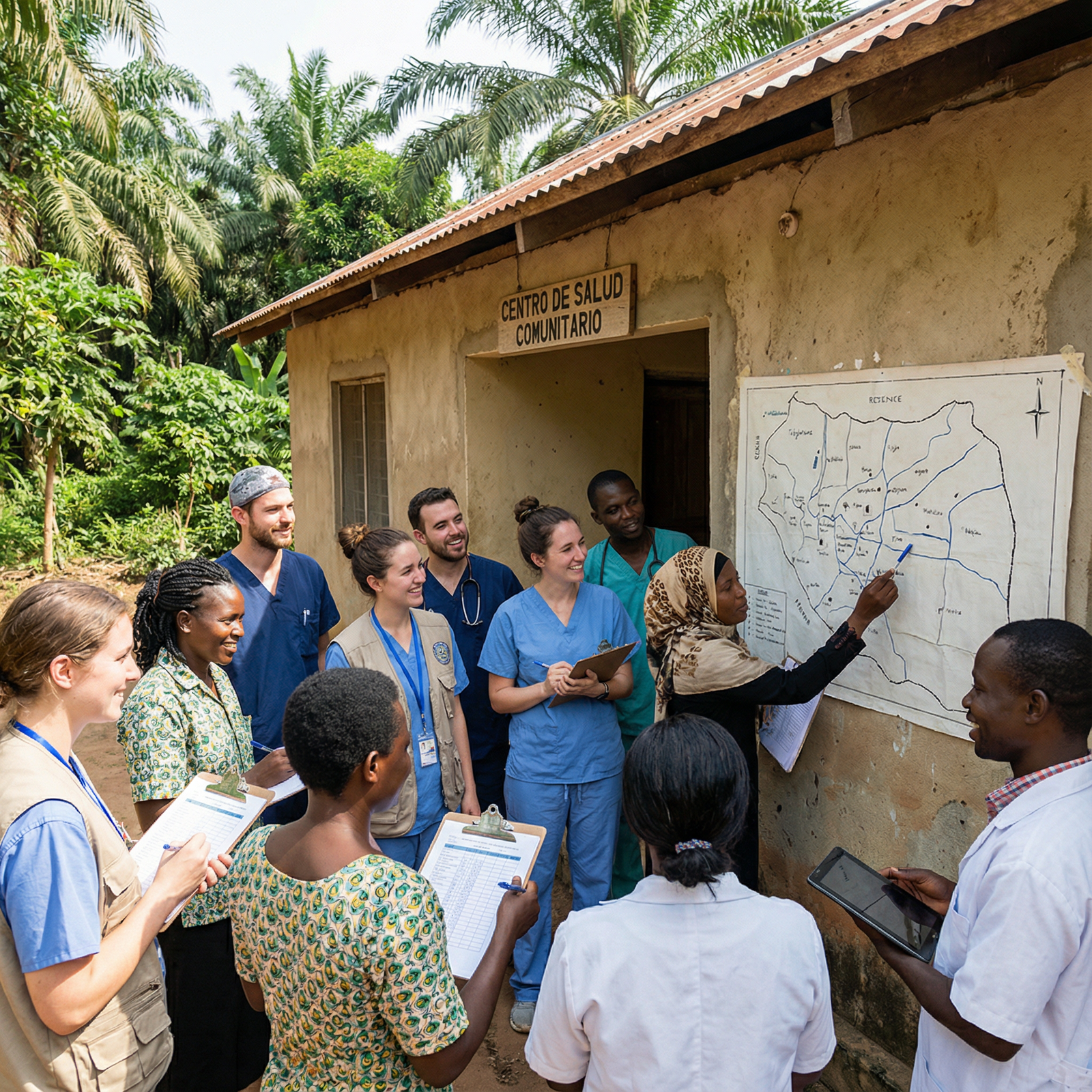
The biggest risk on a medical mission during application season isn’t your GPA. It’s your body.
You and I both know it. Everyone loves to romanticize “global health” and “service,” but nobody talks honestly about the nightmare scenario spinning in the back of your head:
What if I get sick or injured on a mission… right when applications/interviews are happening?
Do schools care? Do programs care? Or do I just quietly disappear from the applicant pool like I never existed?
Let’s talk about the ugly what-ifs you’re actually afraid of.
The Worst-Case Scenarios You’re Low‑Key Obsessed With
Here’s what I’ve heard (and thought myself) a hundred times:
- “What if I get dengue and my Step 2/MCAT score tanks?”
- “What if I break my wrist and can’t type secondaries?”
- “What if I’m hospitalized overseas when interviews start?”
- “What if programs think I’m unreliable or ‘weak’ for getting sick?”
- “What if I die and my last act on Earth is missing a secondary deadline?” (Dark. But yes, people actually think like this.)
You’re not crazy for worrying. Missions do add risk:
- You’re in unfamiliar environments, sometimes with minimal safety infrastructure
- Infectious diseases you don’t have immunity for
- Long travel, sleep deprivation, dehydration, heavy lifting
- Often no easy access to high-level medical care
Now stack that onto application season—MCAT dates, secondary deadlines, ERAS, interview invites—and it feels like a terrible idea logically, even if ethically and emotionally it feels right.
Here’s the blunt truth:
An illness or injury can mess with your timeline, but it almost never destroys your entire career. The real danger isn’t the event itself. It’s responding badly to it.
So we’ll break this into three pieces:
- Practical: what actually happens to your apps if you’re sick/injured
- Strategic: how to protect your timeline and your story
- Ethical: how to do missions without turning someone else’s suffering into your “hardship essay”
What Actually Happens If You Get Sick or Injured
Let me walk through the concrete “oh no” situations and what they usually mean.
Scenario 1: You Get Really Sick During MCAT / Step / Exam Window
Think: severe GI illness, malaria, dengue, pneumonia, COVID, etc.
Realistic consequences:
- You might have to cancel or reschedule an exam
- Your prep gets completely derailed
- Your brain is mush for weeks afterward
What schools/programs actually see:
- A later test date than you planned, maybe a gap or delay in your file
- Possibly a lower score than you could’ve gotten healthy
- Maybe a short explanation from you in an addendum or personal statement (if you choose)
What they don’t see:
- “This applicant is unreliable because they got malaria.”
- “This person clearly doesn’t care enough to power through their GI bleed.”
They do understand medical issues because… they’re doctors. Medical illness is one of the few things admissions actually take seriously if you explain it like a sane human and not like a pity novel.
If you’re too sick to perform near your best, you reschedule if at all possible. If you can’t reschedule, you take the hit, and later—briefly—you give context:
“During my initial exam window, I developed severe dengue while on a medical mission. I completed the exam but not at my usual capacity. My subsequent academic performance and clinical evaluations are more reflective of my abilities.”
Short. Clinical. No drama. They get it.
Scenario 2: You Get Injured and Can’t Work on Applications
Broken wrist, ankle fracture, serious back injury, surgery, etc. You can’t type, sit, or think for long.
This one hits especially hard because it feels like, “I’m literally watching the deadline clock run out while I stare at this stupid cast.”
Again, what matters is function, not guilt.
- If you physically can’t type → use dictation software (yes, it’s clunky, but it’s something).
- If you’re on pain meds and foggy → this is where you do not try to write your most important essays. You’ll regret it later.
- If you truly can’t submit on time → you may have to shift your timeline by a cycle for some programs. That sucks. But it is not a character flaw.
You can also email admissions offices with something like:
“I recently sustained a significant injury while participating in a medical mission abroad, which has temporarily impaired my ability to complete written application materials. I’m committed to applying to your program but may need additional time or will be applying in a later cycle. I wanted to inform you rather than simply submit a rushed or incomplete application.”
Some will say, “Sorry, deadlines are fixed.”
Some might suggest options.
Either way, you come across as professional, not flaky.
Scenario 3: You Miss Interviews Because You’re Hospitalized or Recovering
This one terrifies people the most. You finally get that II (interview invite), then boom—you’re in a hospital bed with an IV.
Here’s the reality: programs are way more flexible than your anxiety thinks.
Most places will:
- Let you reschedule if they have open dates
- Sometimes add extra dates or virtual options for special circumstances
- At baseline, appreciate clear, early communication
You email something like:
“Thank you very much for the interview invitation. I’m currently hospitalized following a complication from an injury sustained during a medical mission trip. My physicians expect a full recovery, but I’m not medically cleared to travel on the originally scheduled date. If alternative dates or a virtual format are possible, I would be very grateful. If not, I completely understand and hope to reapply in the future.”
Programs are run by physicians. They absolutely understand that life and illness are not always optional.
Could you lose some interviews? Yes.
Does that automatically mean you never match or never get accepted? No.
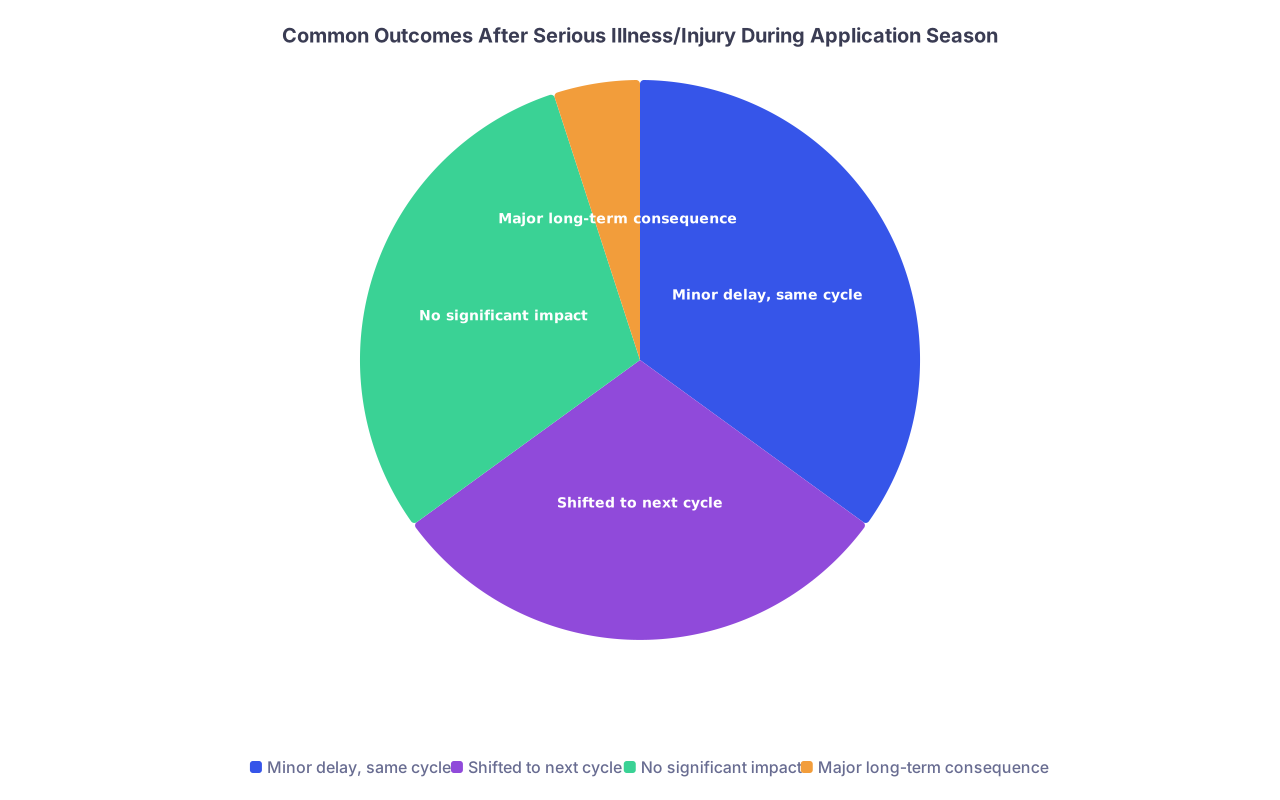
| Category | Value |
|---|---|
| Minor delay, same cycle | 35 |
| Shifted to next cycle | 30 |
| No significant impact | 30 |
| Major long-term consequence | 5 |
Are these exact percentages from a big meta-analysis? No. But in real applicant life I’ve seen, that “my career is over” category is tiny. The “I had to adjust and adapt” group is massive.
How to Protect Yourself Before Something Goes Wrong
You can’t make missions risk-free. But you can stop being reckless.
1. Time Missions Intelligently (Not Just Emotionally)
Most people plan missions based on when they “feel free.” Application season doesn’t care about your feelings.
Practical safer windows:
- For med school applicants:
– Short trips: after MCAT and most secondaries (late summer)
– Longer trips: gap year, or early spring before MCAT grind - For residency applicants:
– After ERAS is submitted and Step 2 CK is done, but before peak interviews
– Or better: post-Match, pre-residency (tons of residents do this)
If you go during crucial windows, at least know what you’re trading.
2. Build Redundancy Into Your Life
You know what actually wrecks people?
Not the illness. The fact that everything depends on exactly one fragile version of them grinding nonstop.
Do this instead:
- Have your main essays drafted and polished before you leave
- Create a simple shared doc with key deadlines and logins somewhere safe
- Keep PDF scans of your passport, ID, insurance, immunizations accessible
- Leave copies of your CV and personal statement with someone you trust
That way, if you’re stuck in a bed with an IV, you’re not also starting from a blank page.
3. Don’t Treat Your Health Like a Side Quest
I’ve seen this. Students who “don’t want to be a burden” refuse to take time off from clinic on a mission even when they’re clearly dehydrated, febrile, or about to pass out.
Guess what happens?
They crash harder, later, when stakes are even higher.
You are not ethically obligated to martyr yourself. You’re allowed to rest. You’re allowed to say, “I can’t safely do this task today.” That’s actually what mature physicians do.
The Ethical Piece: How to Talk About It Without Being Gross
You already know this tension:
You go on a mission. You get sick or injured. Suddenly you have this “hardship” story.
And there’s this slimy voice whispering: “At least this will look powerful in a personal statement…”
You’re not a bad person for thinking that. You’re a human being trapped in a system that judges narratives.
But there’s a line. You can write about your experience without turning other people’s suffering—or your own medical complication—into a performance piece.
A decent way to frame it:
- Focus on what you learned about limits, safety, and humility, not “look how hardcore I am for working through my fever.”
- Show respect for local partners and systems, not a savior story.
- Make your illness/injury one part of a journey, not the whole brand of your application.
Example framing:
“Midway through a month-long mission in rural Guatemala, I developed severe gastroenteritis that required IV fluids and rest for several days. Stepping back from the clinic was frustrating, but it forced me to confront my assumptions about resilience and indispensability. The local team carried on seamlessly without me, and I realized that sustainable global health work means building capacity, not centering myself.”
That’s honest. Not self-exploitative. Not melodramatic.
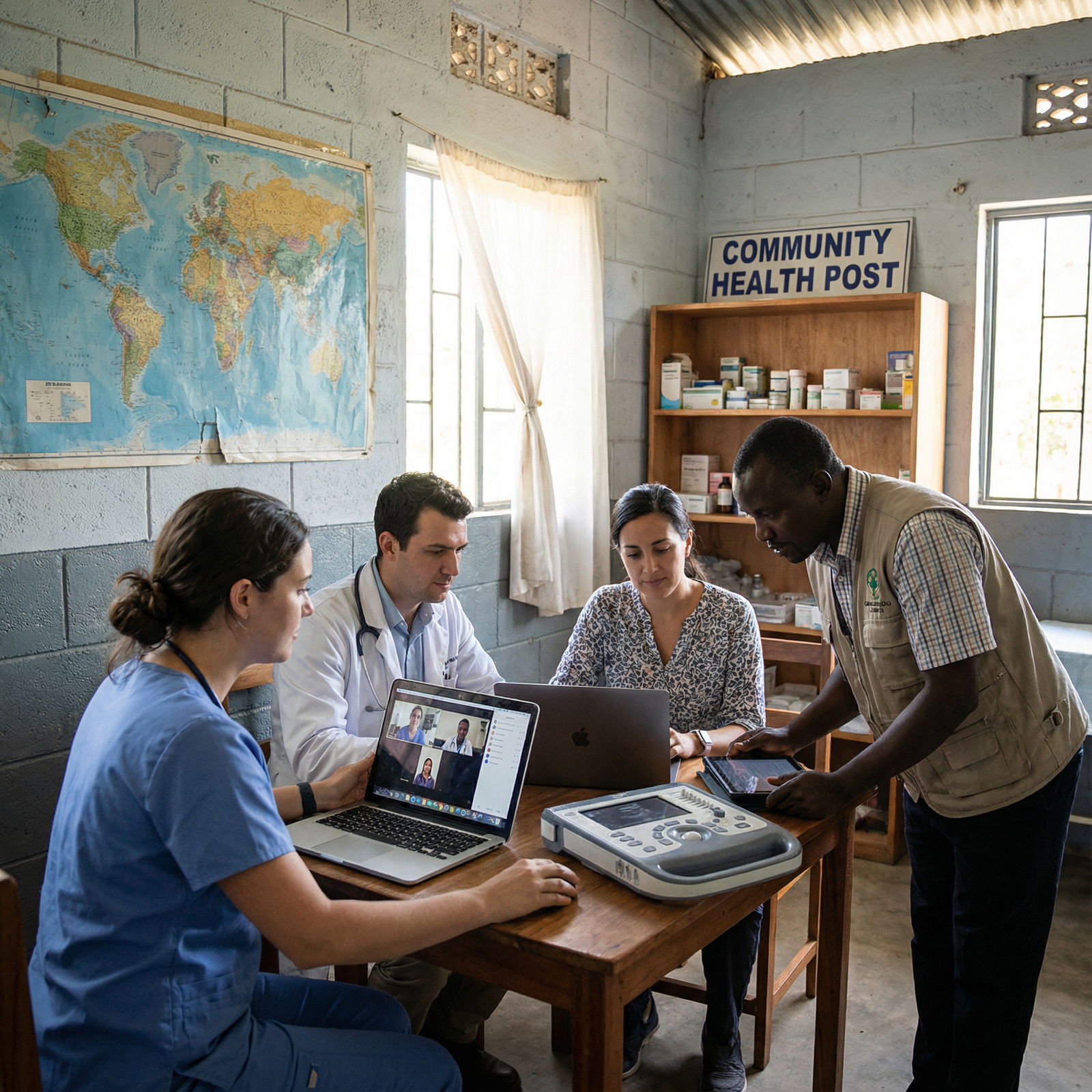
How Admissions Committees Actually Read These Situations
Let me translate the paranoid voice in your head into how adcoms actually think.
Paranoid you:
“They’ll think I’m unreliable because I got hurt.”
Adcom brain:
“Did this person handle an uncontrollable problem like a functional adult?”
Paranoid you:
“They’ll assume I’m weak if I reschedule exams.”
Adcom brain:
“Smart choice. They prioritized safety and long-term performance. Good judgment.”
Paranoid you:
“If I mention I got sick on a mission, they’ll think I went just to pad my app.”
Adcom brain:
“Is this framed as reflective growth and ethical awareness? Or is it ‘I suffered, therefore accept me’?”
| Applicant Behavior | Typical Adcom Reaction |
|---|---|
| Clear, early communication | Mature, professional |
| Silent disappearance from process | Red flag, unreliable |
| Brief, factual explanation in essays | Reasonable, understandable |
| Overly dramatic victim narrative | Concern about resilience |
| Honest timeline delay, solid later work | Neutral or even positive |
If you show:
- Responsibility
- Situational awareness
- Respect for your limits and for others
Then an illness or injury can actually reinforce the story that you’ll be a safe, thoughtful physician.
Coping With the Mental Spiral Right Now
Let’s be honest: a big piece of this isn’t even logistics. It’s the fear of losing control.
Applications already feel like one long anxiety test. Missions add a layer of physical risk you can’t fully control. Together, it feels like you’re walking blindfolded on a tightrope.
A few things that help:
Decide now what your line is.
For example: “If I develop a high fever, significant injury, or anything that affects my cognition or function, I will not push through high-stakes tasks (exams, major essays, interviews). I will step back and regroup.”
Having that decision pre-made stops the agonizing on-the-spot debate.Accept that a delay is not a failure.
One cycle feels like your entire life when you’re in it. It’s not. A 30–40 year career dwarfs a 1-year delay. Programs honestly don’t care if you’re an intern at 28 instead of 27.Remember: your worth isn’t conditional on a perfect, uninterrupted timeline.
Illness or injury doesn’t make you less “worthy” of medicine. It makes you more human. And medicine, at its core, is about humans with bodies that break sometimes.

| Step | Description |
|---|---|
| Step 1 | Get Sick or Injured |
| Step 2 | Seek medical care immediately |
| Step 3 | Reduce duties and rest |
| Step 4 | Contact testing/admissions early |
| Step 5 | Email to reschedule or request virtual |
| Step 6 | Adjust timeline if needed |
| Step 7 | Document briefly for future explanation |
| Step 8 | Can I safely function? |
| Step 9 | Upcoming high stakes tasks? |
Having this kind of simple “if X, then Y” plan in your head makes everything less paralyzing.
FAQs
1. Should I cancel a mission trip if it overlaps with a crucial exam or interview window?
If you’re asking this, your gut already knows the answer: probably yes, or at least drastically shorten the trip. Missions are not one-time, never-again opportunities despite how people market them. There will be other chances to do global health. There are not unlimited chances to sit for a critical exam with your brain intact and your timeline on track. You don’t have to cancel forever, but you should be brutally honest about risk vs payoff.
2. If I get sick and my exam score is mediocre, should I mention it in my application or stay quiet?
If your score is still roughly aligned with your academic record, I’d usually stay quiet; everyone has off days. If the score is obviously out of character and the illness was significant (hospitalization, serious diagnosis, high-grade fever etc.), a short, factual note in an additional information section can help adcoms interpret your file. Don’t write a two-page saga. One or two sentences of context are enough. Then make sure the rest of your file (grades, clinical performance, letters) backs up that the low score was an outlier, not your baseline.
3. Will programs see me as “high risk” if I talk about a serious injury or chronic illness that started on a mission?
Some might worry quietly about long-term disability, yes. People are human. But a lot depends on how you frame it. If you present as someone who understands your condition, has appropriate care, uses accommodations if needed, and still functions well, many programs will respect that. If you’re erratic, evasive, or your story doesn’t match your performance, that’s when the “high risk” flag goes up. You don’t owe every gruesome detail, but you do want coherence: diagnosis → management → stable function.
4. Is it unethical to still go on a mission if I know I’m in the middle of applications and can’t really afford to get sick?
No, it’s not inherently unethical. But it is naive to pretend it’s risk-free. Ethically, you owe it to yourself and the people you’re serving to show up as a reasonably stable, prepared human. That means getting appropriate vaccines, travel insurance, realistic expectations, and a backup plan. If you’re so fragile—physically, mentally, or timeline-wise—that even a minor setback would blow up your life, it might be more ethical to delay the mission until you’re in a safer phase. The community you’re going to help doesn’t need another burned-out, half-functioning foreigner more than you need a viable future in medicine.
Key takeaways, so you don’t leave in a panic:
- Getting sick or injured on a mission can absolutely disrupt your application season, but it almost never ends your career unless you give up or disappear.
- Programs and schools care far more about how you handle the situation—communication, judgment, maturity—than about the event itself.
- You can time missions smarter, build redundancy, and decide your boundaries before something goes wrong, so your life doesn’t collapse the second your body does.


