
You just got a patient friend request on Facebook. A nurse from your unit followed you on Instagram. A co-resident wants to connect on TikTok where you occasionally vent about call. Your thumb is hovering over “Accept” and you’re thinking: Am I about to create a medicolegal mess for myself?
Here’s the blunt answer:
For patients – almost always no.
For staff and colleagues – sometimes yes, but only with clear boundaries and the right platforms.
Let’s walk through this in a way that actually helps you make decisions, not just quote policy buzzwords.
The Core Rule: Separate Your Worlds
If you remember nothing else, remember this:
Professional identity and personal social media should be separated like sterile and dirty fields in the OR.
You can absolutely use social media:
- to build a professional brand
- to network with colleagues and staff
- to educate patients and the public
But that’s very different from letting people into your personal life feed: vacations, political rants, late-night meme reposts, burnout posts after a brutal shift.
The fastest way to get in trouble is to blur those lines.
Patients on Social Media: Almost Always a Bad Idea
Let me be direct: adding patients on your personal social media profiles is a professional and medicolegal landmine. I’ve seen residents dragged into formal investigations over one thoughtless DM.
Why you shouldn’t friend/follow patients personally
- Boundary collapse
Once you connect:
- They see your personal life, beliefs, relationships.
- You see theirs, in detail, outside the clinical context.
That changes the therapeutic relationship. It makes it harder to stay neutral, and it invites expectations you do not want (24/7 access, “quick medical questions” by DM, pressure to respond).
- Confidentiality risk
You might think, “I never mention names or details; I’m safe.” You’re not.
A “crazy case from today” story plus a timestamp plus your location is often enough for people to connect dots. A family member recognizes the scenario. Someone screenshots it. Now you’re explaining yourself to compliance.
- Documentation and liability trap
Any health-related info the patient sends you on social media arguably becomes part of the “medical record” you should have documented and acted on. You miss a message about chest pain at 11 p.m. → next morning they have an MI → someone points to the unread DM. That’s a nightmare.
- Power dynamic and exploitation concerns
Ethics committees hate anything that looks like the physician using the relationship for personal benefit: likes, follows, clout, “growing your brand” off actual patients. Even if your intent is innocent, it can look predatory.
What about “professional” pages patients can follow?
That’s different – and usually fine if done correctly.
You can have:
- a professional Instagram/Twitter/LinkedIn where you post educational content
- a clinic or department page patients can follow
- a YouTube or TikTok channel where you talk about conditions in general terms
The rules:
- You don’t accept individual friend requests to your private account.
- You don’t answer individual medical questions specific to their case.
- You encourage patients to use proper channels (portal, clinic phone) for care.
So:
- Patient friend request to personal Instagram/Facebook → decline.
- Patient follows your professional Twitter where you post cardiology pearls → OK.
- Patient DMs you symptoms on professional account → respond with a standard redirect: “I cannot provide personal medical advice here. Please contact the clinic / ED / your doctor.”

| Step | Description |
|---|---|
| Step 1 | Patient sends request |
| Step 2 | Do not accept |
| Step 3 | Redirect to clinic or portal |
| Step 4 | Allow follow but keep interactions general |
| Step 5 | Is this your personal account |
| Step 6 | Are they asking for personal advice |
If you want to be completely safe? Have a blanket policy: “I do not connect with current or former patients on personal social media.”
Staff on Social Media: More Nuanced, But Still Risky
Now let’s talk nurses, MAs, front desk staff, techs. These are people you work with every day. Declining can feel rude.
Here’s the practical framework I use:
1. Choose the platform wisely
Some platforms are better for colleagues and staff than others.
| Platform | Best Use With Staff/Colleagues | Risk Level Personal vs Professional |
|---|---|---|
| Professional connections | Low | |
| Twitter/X | Professional branding, edu | Moderate |
| Personal vs Pro mixed | High if personal | |
| Highly personal | Very high | |
| TikTok | Brand, education, entertainment | High if mixed content |
- LinkedIn – safest for staff connections. It’s inherently professional.
- Facebook – usually worst. Deeply personal, family, politics.
- Instagram/TikTok – depends how you use them. If you’re posting professional content only, fine. If it’s you partying on weekends, I’d think twice.
2. Consider hierarchy and power dynamics
Be careful adding:
- Direct reports (if you’re an attending or chief).
- People you evaluate (students, interns you grade).
- People who evaluate you (PD, APD, senior faculty).
Awkward example I’ve seen:
Resident posts about “toxic work culture” or “attendings who have no clue.” They thought it was private. A nurse who is Facebook friends with them screenshots it. Eventually it reaches leadership. You can imagine the rest.
3. Set internal rules and stick to them
You need a personal rule you can say out loud without sounding like you’re singling someone out.
Examples:
- “I only use Facebook/Instagram for family and close friends, so I usually don’t add colleagues there. I’m happy to connect on LinkedIn though.”
- “I keep my Instagram private and personal; I do all my work networking on LinkedIn/Twitter.”
Decide this now, not on a case-by-case emotional basis.
Colleagues (Peers, Faculty, Trainees): When and How to Add Them
Here’s where it gets interesting. Colleagues can actually be a major career asset on social media—if you set it up right.
Good reasons to connect with colleagues online
- You’re building a professional brand (research, advocacy, specialty niche).
- You want to stay in touch with co-residents/fellows across institutions.
- You’re using Twitter/X or LinkedIn for academic networking, sharing publications, conference posts.
I’ve seen people get speaking invitations, research collaborations, and even jobs from a well-managed Twitter or LinkedIn presence. That’s real.
When to keep colleagues off your personal profiles
Ask yourself three questions before accepting:
- Would I be comfortable if this person saw my last 20 posts?
- If they screenshot something in bad faith, could it hurt me?
- Would our professional relationship feel different if they saw my off-work life?
If the answer to any of those is “uhh… maybe not,” don’t add them on personal platforms.
Use the “two lane” model
Set up your online life like this:
Lane 1 – Professional accounts
- Public or semi-public.
- Patients, colleagues, staff can follow.
- Content: education, research, advocacy, neutral personal tidbits (dog photos are fine, drunk stories are not).
Lane 2 – Personal accounts
- Private.
- Only close friends/family.
- Colleagues/staff/patients not allowed, with very rare exceptions.
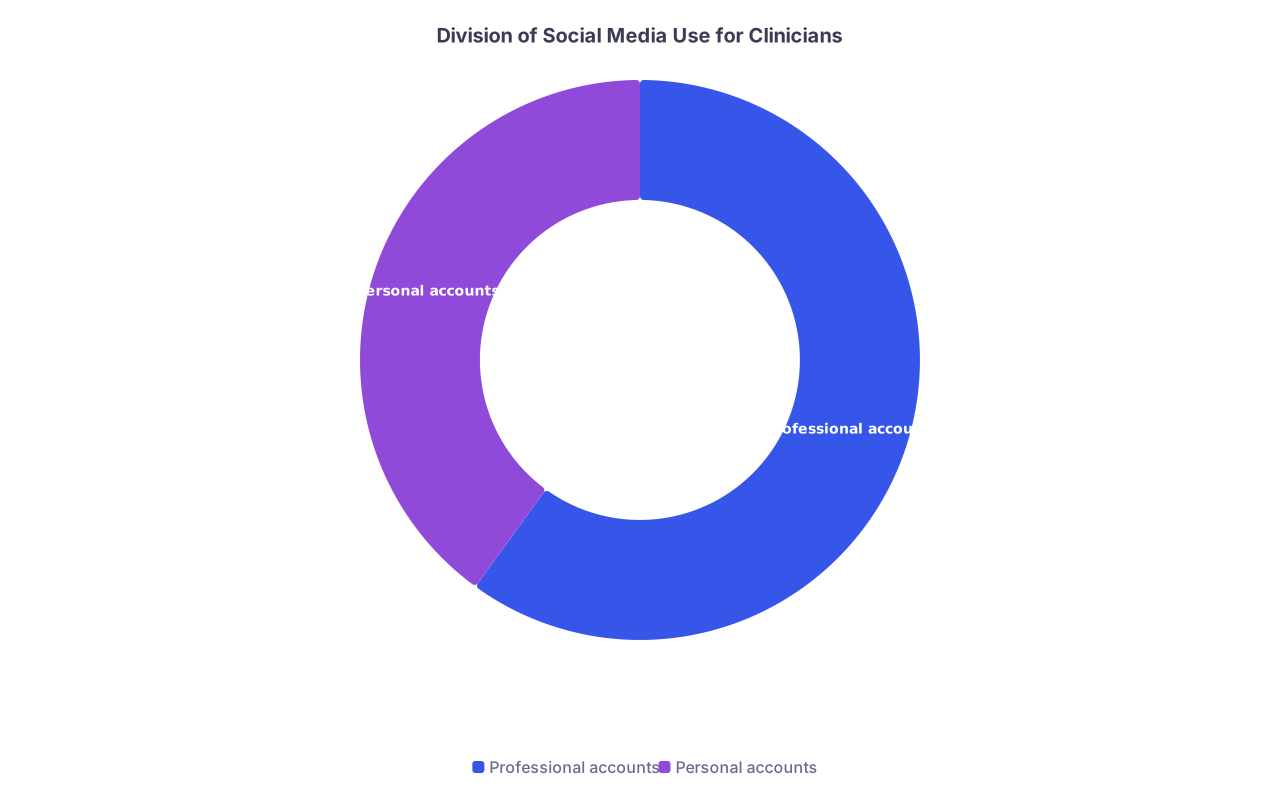
| Category | Value |
|---|---|
| Professional accounts | 60 |
| Personal accounts | 40 |
You don’t have to announce these lanes, you just have to enforce them consistently.
Concrete Do/Don’t Guidelines
To simplify this, here’s the bottom line in plain language.
Patients
Do:
- Create a professional profile they can follow (no case-specific discussion).
- Use social media for general health education and outreach.
- Politely decline or ignore patient friend requests on personal accounts.
Don’t:
- Add current or former patients to your personal profiles.
- Respond to DMs with individual medical advice.
- Post stories that a patient or family could realistically recognize themselves in.
Staff
Do:
- Connect on LinkedIn or explicitly professional accounts.
- Assume anything they see could end up in your PD or CMO’s inbox.
- Have a consistent, explainable boundary (“I only use X for family”).
Don’t:
- Rant about specific shifts, nurses, or workflow issues by name or easily identified description.
- Share drunk/party/sex/drugs/politics-heavy content publicly if you’re friends with staff.
Colleagues
Do:
- Use Twitter/LinkedIn to build genuine academic/professional connections.
- Be intentional: post content that strengthens, not weakens, your professional reputation.
- Unfollow or mute if your feeds are clogging with content that doesn’t serve you.
Don’t:
- Assume “private” equals safe. Screenshots kill “privacy” instantly.
- Post anything you would be embarrassed to see on a big screen at grand rounds.
How to Say “No” Without Being Weird
A lot of people get stuck not on the principle, but on the social awkwardness. Here are ready-made scripts.
For a patient friend request:
“Hi [Name], I saw your request. I keep my personal social media separate from my work and do not connect with patients there. For any medical questions or follow up, please call the clinic or send a message through the patient portal.”
For staff/colleague on Facebook/Instagram you don’t want to add:
“Hey, just saw your request. I actually only use this for family and close friends, so I try not to mix work here. But I’d be happy to connect on LinkedIn / follow each other on my professional account.”
For DMs asking medical advice:
“I am not able to provide individual medical advice over social media. Please contact your doctor, clinic, or emergency services if you have urgent concerns.”
Memorize these. You will use them.
Protecting Your Future Self
Think five years ahead.
You might want to:
- apply for competitive fellowships
- go into academic medicine
- run for leadership positions in your hospital
- build a visible public persona in your specialty
All of those can be torpedoed by a reckless online presence now.
I’ve watched:
- A fellowship applicant’s tweets resurface during rank meetings.
- A resident’s venting Instagram story trigger an HR investigation.
- A young attending lose a speaking invite after someone flagged their old posts.
None of them thought they were doing something extreme at the time.
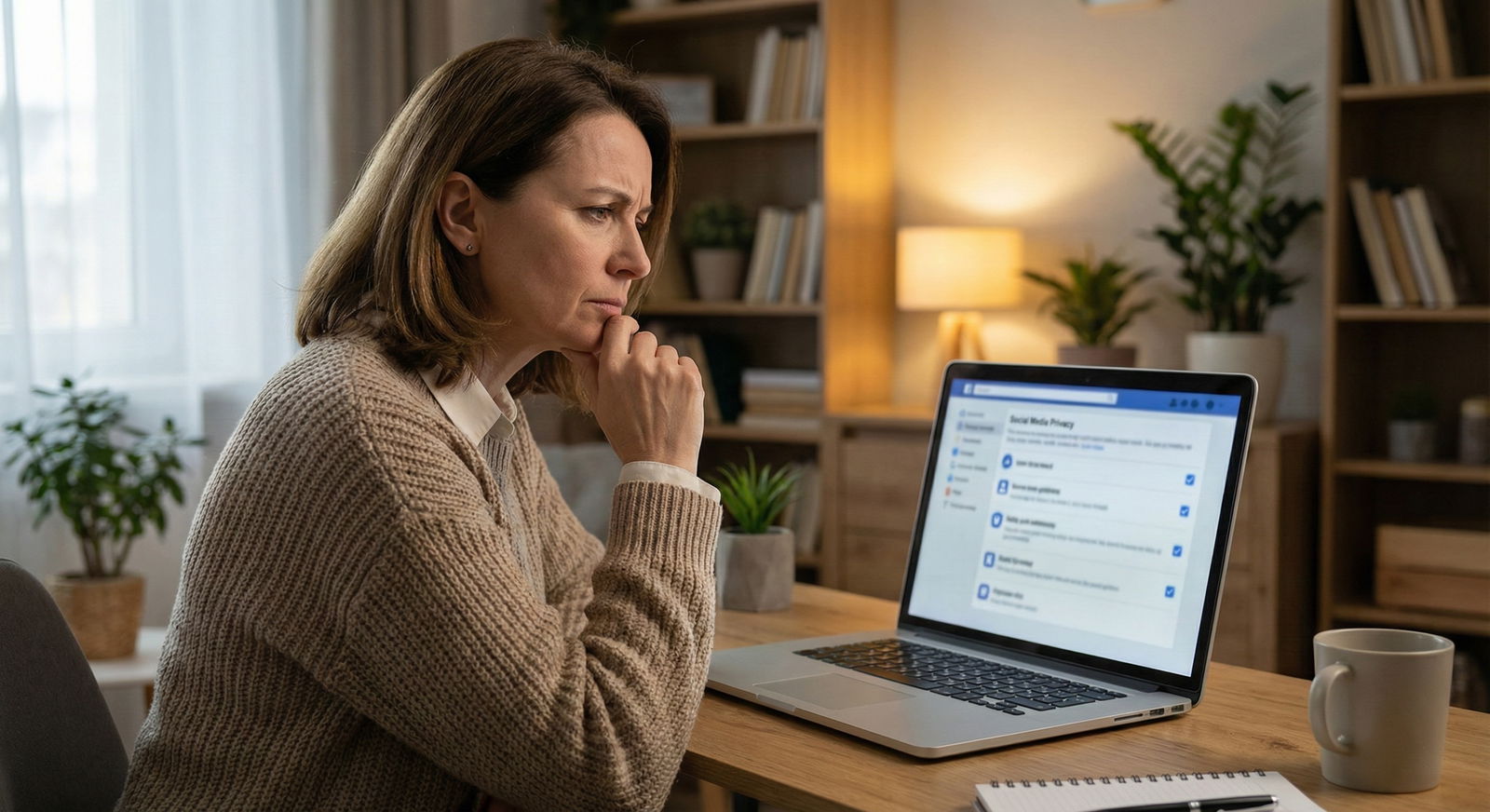
So, build now like someone will look later. Because they will.
Quick Checklist: Before You Add Anyone from Work
Run through this mental checklist:
- Is this my personal or professional account?
- Would I be okay if this person saw everything I’ve posted in the last 6 months?
- Could this connection weaken professional boundaries or blur roles?
- Do I have a clear, consistent rule about connections that I can explain out loud?
- If this relationship goes south (conflict, complaint, breakup of friendship), would I regret this connection?
If any answer makes you hesitate, do not accept. You’re not obligated to explain more than: “I keep this account personal; I’m happy to connect on [professional platform].”
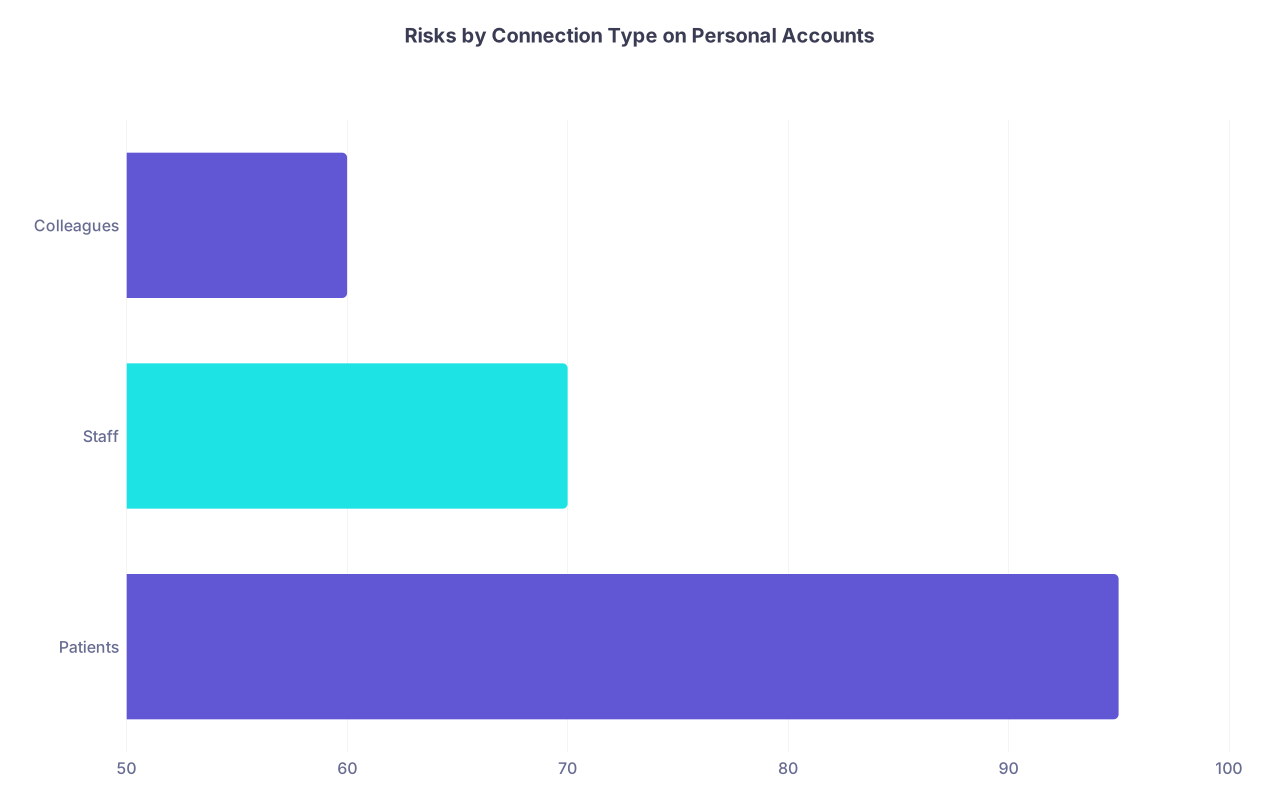
| Category | Value |
|---|---|
| Patients | 95 |
| Staff | 70 |
| Colleagues | 60 |
(Those percentages are my rough “risk level” judgments, not hard data. But they’re pretty close to reality.)
FAQs
1. What if my hospital or program has no explicit social media policy?
Assume the most conservative reasonable standard. Lack of a written policy won’t protect you if something you post damages patient privacy, the institution’s reputation, or workplace relationships. Use national guidelines (AMA, GMC, specialty societies) as your reference, not the silence of your HR department.
2. Is it ever okay to interact with patients on social media?
Yes, but only in a general, public, non-clinical way. Example: a patient comments “Thank you for all you do, Dr. X!” on your professional Instagram. You can like the comment or reply “Thank you!” You should not discuss their case, their diagnosis, or give specific advice. And you should still not friend/follow them on your personal accounts.
3. What about private Facebook groups for patients that I run or moderate?
If you run a patient support or education group, treat it like a public forum: no specific medical advice, no promises of care, no discussion of identifiable cases, and clear disclaimers that it’s not a substitute for individual medical treatment. Also, keep your personal profile walled off—use a professional account for admin/moderator roles whenever possible.
4. Can I get in trouble for things I posted before medical school or residency?
Yes. People have. Old posts don’t magically become exempt because “I was young then.” If they’re racist, sexist, patient-related, or otherwise unprofessional, they can absolutely be used against you. Go back now, audit your accounts, and delete or lock down anything you wouldn’t want a PD or CMO to see on a projector.
5. What if colleagues already follow my personal accounts and I now want to tighten boundaries?
You have two options:
- Lock your existing account, prune the follower list over time, and gradually shift colleagues to a new professional account.
- Hard reset: create a new private account for friends/family, then slowly stop posting anything non-neutral on the old one and convert it to a professional identity. You don’t owe anyone access to your personal life; you are allowed to change your boundaries.
6. Is it paranoid to assume screenshots of my posts could reach leadership?
No. It’s realistic. I’ve seen it multiple times. Sometimes it’s malicious, sometimes it’s a “hey, look what X posted” that spirals. If a post would severely damage your standing if displayed in a meeting—don’t post it. Assume every post lives forever, context optional, ready to be weaponized by your worst future critic.
Here’s your next step:
Open your main social media app right now. Go to your profile, hit “View As” (or log out and look at it like a stranger). Ask yourself, “Would I be comfortable if a current patient, my PD, and my hospital CEO saw every part of this?” If the answer is no, start cleaning—and stop adding patients and staff to that account.