
What if the way you’re using caffeine on nights is the reason you feel worse every block, not better?
Let me be blunt: most residents absolutely butcher their caffeine use on nights. They treat coffee like a fire hose—full blast, whenever, as much as possible—and then wonder why by week two their brain feels like wet cardboard and their post‑call day is useless.
Caffeine is a drug. A very useful one. Also one that will wreck your sleep architecture, circadian rhythm, and performance if you use it like an overcaffeinated med student pre‑Step 1.
Let’s walk through the worst ways I see caffeine used on night shifts—backed by sleep science—and how to stop doing this to yourself.
Mistake #1: Slamming a Huge Coffee Right Before the Shift
You finish dinner at 6:30 pm. You’re tired. So you hit the cafeteria Starbucks and order a venti something with extra espresso. You feel wired at sign‑out, a hero at 9 pm… and then you crash at 1–2 am. Then you chase it with more caffeine. This is the classic rookie pattern.
Why this backfires (scientifically, not just “vibes”)
Caffeine doesn’t give you energy. It blocks adenosine, the sleep‑pressure chemical that builds up while you’re awake. It has:
- Onset: ~20–45 minutes
- Peak: around 60 minutes
- Half‑life: ~5–6 hours (longer in some people, up to 8+)
That big 7 pm coffee?
- Still active at 1–2 am
- Half of it still around at 12–1 am
- A quarter of it still in your system at 5–6 am when you’re trying to nap post‑call or sleep at home
So you’ve:
- Wiped out your natural “sleep pressure” early in the night
- Guaranteed lighter, fractured post‑shift sleep
- Set yourself up to need more caffeine earlier the next night
- Started the vicious cycle
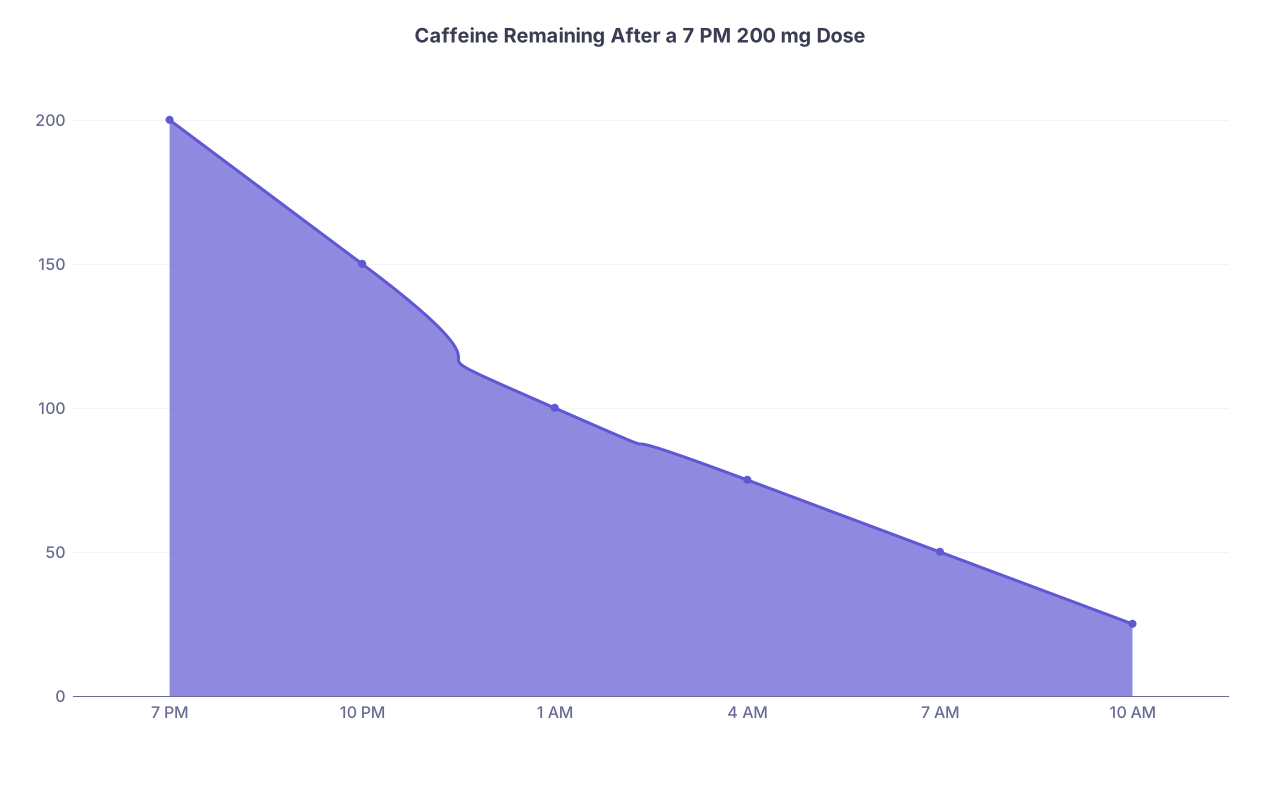
| Category | Value |
|---|---|
| 7 PM | 200 |
| 10 PM | 150 |
| 1 AM | 100 |
| 4 AM | 75 |
| 7 AM | 50 |
| 10 AM | 25 |
What to do instead
Do not front‑load a massive dose. Instead:
- If you’re going to use caffeine at the start of the night, keep it modest (think ~50–100 mg, not 300+ mg).
- Time your first real dose closer to your expected low point (for most people, somewhere between 1–4 am), not when you already feel fine.
If you feel exhausted at 6 pm before the first night, that’s not a caffeine problem. That’s a sleep debt and circadian misalignment problem you didn’t plan for.
Mistake #2: Caffeinating Your Way Through Circadian Dead‑Zone Hours
The human circadian rhythm has a brutal low between roughly 2–6 am. That’s when your core body temperature bottoms out, melatonin is high, reaction times slow, and your body expects you to be in bed. Night shifts force you to work against this.
What many residents do? They fight that physiologic wall with bigger and bigger caffeine doses. At 3 am. 4 am. 5 am.
Why this is one of the most expensive errors
Yes, you’ll feel more awake short‑term. But what you actually do is:
- Mask your true impairment → You feel safer than you are
- Destroy the only legitimate post‑call sleep window you have
- Prevent your circadian rhythm from adapting even slightly to nights
Caffeine at 3–5 am:
- Still very active when you sign out at 7–8 am
- Blocks your ability to get into deep slow‑wave sleep during your first sleep cycle at home
- Leads to that trash‑quality “day sleep” that never feels restorative
There’s decent data showing that nocturnal caffeine can reduce total sleep time, deep sleep percentage, and sleep efficiency, even when you think you’ve “waited long enough.”
Smarter timing: use the dip, don’t obliterate it
You want enough alertness to be safe, not maximum wakefulness at all costs.
A reasonable pattern for an 8 pm–8 am shift:
| Time | Bad Pattern | Better Pattern |
|---|---|---|
| 7 PM | 16 oz coffee (200 mg) | Water/decaf or 50 mg |
| 10 PM | Energy drink (160 mg) | 100 mg coffee/tea |
| 1 AM | Double espresso (150) | 50–100 mg if needed |
| 4 AM | Big refill (200 mg) | Avoid or tiny 25–50mg |
| 6 AM | Another coffee (150) | No more caffeine |
If you absolutely must dose in the 2–4 am window for safety, keep it small and understand you’ll pay for it with your post‑shift sleep.
Mistake #3: Treating “More Caffeine” as the Fix for Chronic Exhaustion
By week two of nights, some residents are at 600–800 mg/day without realizing it. Coffee at home, coffee at sign‑out, energy drink at 1 am, Diet Coke with “breakfast” at 5 am. You normalize insane amounts because “everyone does it.”
Here’s what large, chronic doses actually do:
- Increase baseline anxiety and jitteriness
- Fragment what little sleep you manage to get
- Blunt deep sleep, which is where a lot of physical restoration and learning consolidation happens
- Push you toward tolerance: same dose, less effect, so you increase dose further
I’ve watched residents go from “coffee helps me focus” to “coffee just keeps me from collapsing” in two blocks because they crept their dose up with every rough call night.
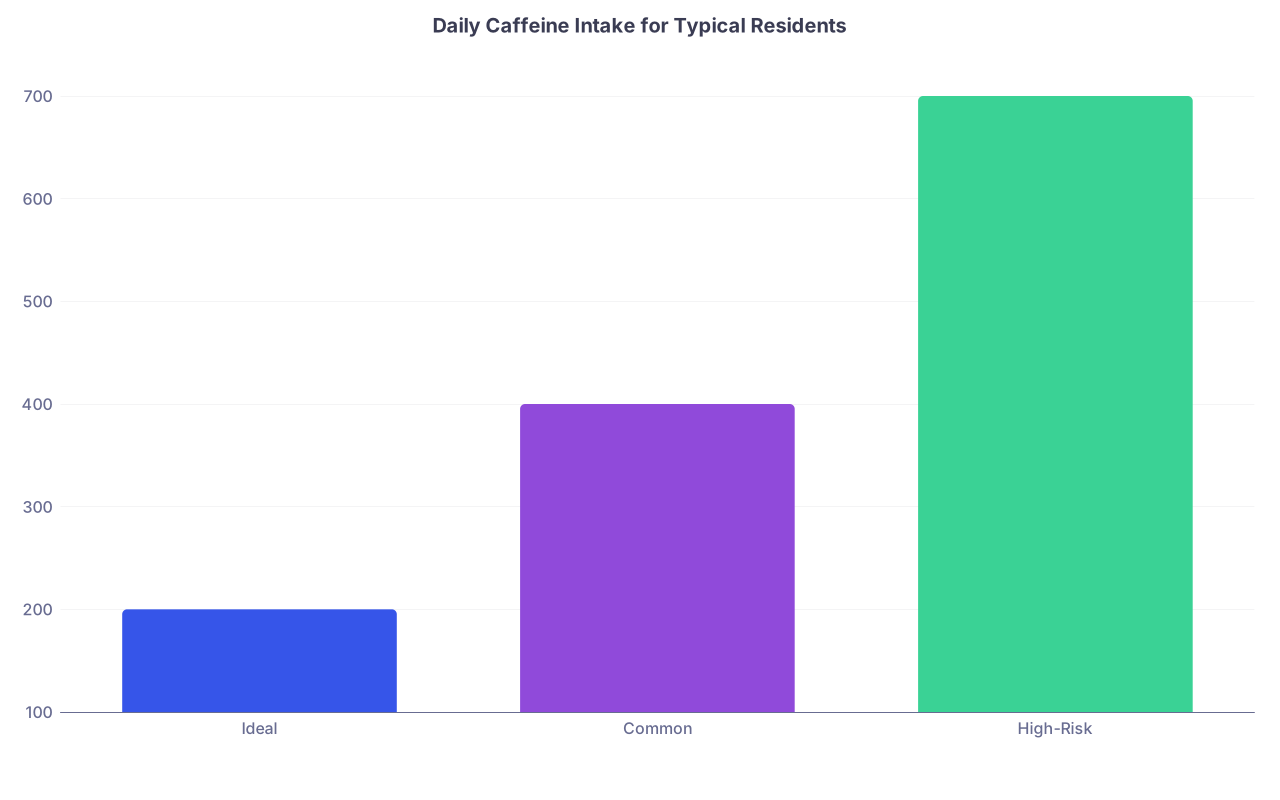
| Category | Value |
|---|---|
| Ideal | 200 |
| Common | 400 |
| High-Risk | 700 |
Most sleep and cardiology guidelines suggest staying under ~400 mg/day for average adults. Residency is not a free pass to ignore that. Your brain and heart do not care that you’re “in training.”
Signs you’ve crossed into the danger zone
If this sounds like you, you’re misusing caffeine:
- You can’t nap at all, even when desperately tired
- You wake up from short sleeps with racing heart, sweat, or restlessness
- You get chronic gastric irritation, reflux, or palpitations on nights
- You notice your baseline anxiety and irritability spike on night blocks
This isn’t “I’m just not a good sleeper.” This is your caffeine use actively sabotaging your recovery.
Mistake #4: Combining Caffeine With Energy Drinks and Pre‑Workout Junk
Pure coffee or tea is one thing. Energy drinks and pre‑workout powders are a different monster: high caffeine plus sugar, plus other stimulants, plus junk that hasn’t been studied in the context of chronic sleep deprivation and circadian disruption.
Common cocktail on nights:
– Two coffees
– One “zero sugar” monster
– A pre‑workout scoop before a 5 pm or post‑post‑call “lift”
You end up with:
- Huge spikes in blood caffeine levels
- Synergistic effects from added stimulants (guarana, yerba mate, synephrine, etc.)
- Massive sugar loads followed by insulin overshoot and rebound fatigue
And yes, I’ve seen residents get sent for cardiology workups because of palpitations and chest discomfort that were 90% caffeine + sleep debt.
Mistake #5: Using Caffeine Instead of Naps
This one drives me nuts.
Your brain’s best defense against circadian lows is a short, strategic nap. Yet plenty of residents will skip a 20‑minute rest in a quiet call room to stand under harsh fluorescent lights sipping more coffee.
From sleep science:
- A 20–30 minute nap can significantly improve alertness and performance without much sleep inertia
- Even a 10–15 minute “power nap” helps reaction time and vigilance
- Combine a small dose of caffeine, then immediately nap (the “caffeine nap”), and you get a stronger effect once the caffeine kicks in around the time you wake up

| Step | Description |
|---|---|
| Step 1 | Feel sleepy on nights |
| Step 2 | Take 20-30 min nap |
| Step 3 | Take 10-15 min power nap |
| Step 4 | Use small caffeine dose 50-100 mg |
| Step 5 | Wake, hydrate, light exposure |
| Step 6 | More than 30 min free? |
| Step 7 | At least 10 min free? |
But what do people do instead?
- Skip naps out of guilt (“I should be available”) even when things are quiet
- Use caffeine to push through the 3–5 am wall
- End up more impaired and less safe than if they’d closed their eyes for 15–20 minutes
If your program culture shames naps on nights, that’s not “high performance.” That’s ignorance of basic fatigue science.
Mistake #6: Caffeine Right Before “Post‑Call Sleep”
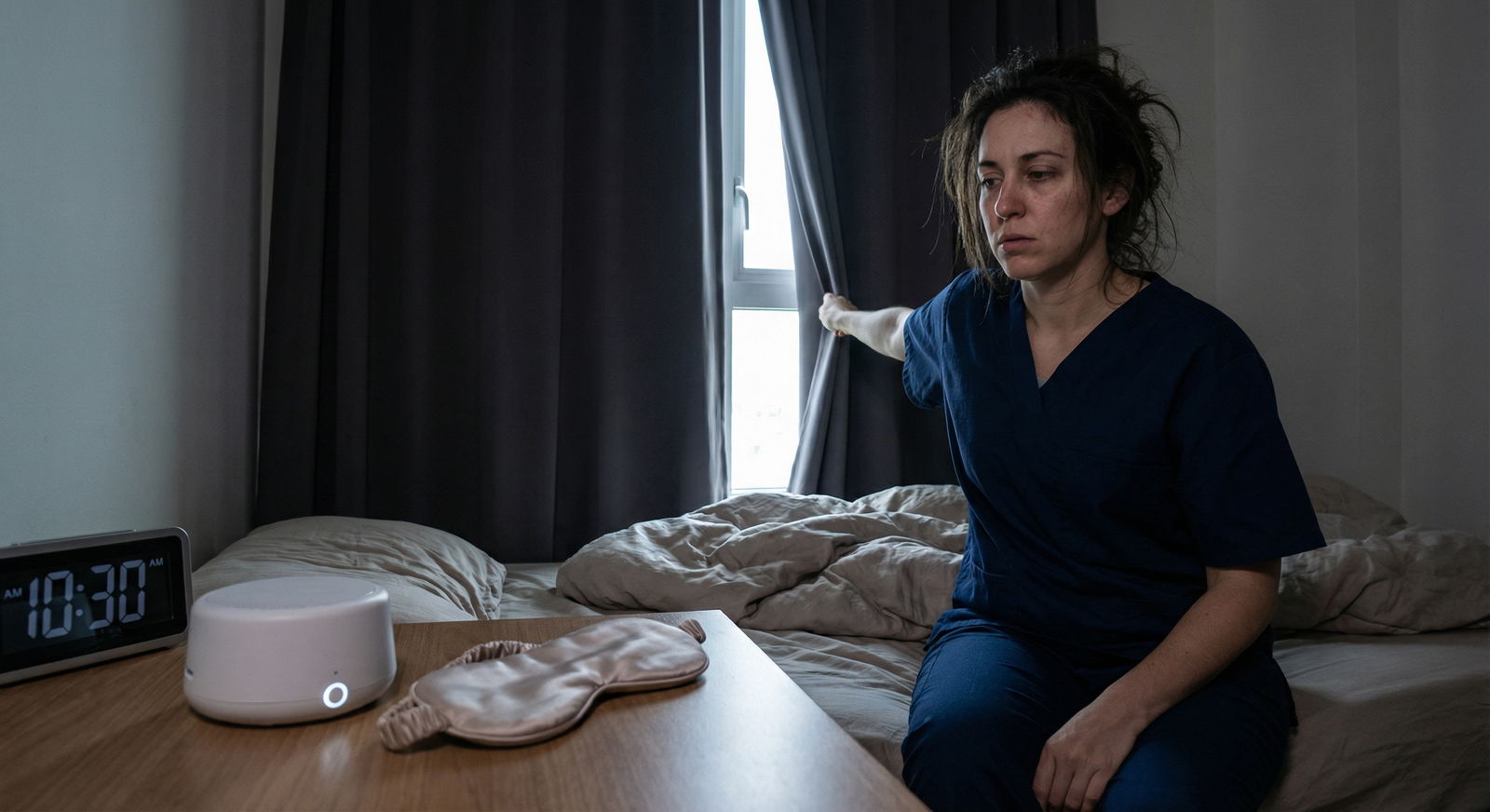
You sign out at 8 am. You’re wrecked. You grab coffee “to make the drive home safe.” Sounds reasonable, right?
Here’s the trap: that caffeine doesn’t disappear once you safely park your car.
It:
- Stays high in your system while you try to fall asleep
- Shifts your sleep into lighter stages
- Shortens total sleep duration
- Leads to that “I slept 5 hours but feel like I barely closed my eyes” misery
If you’re so exhausted you’re worrying about falling asleep driving, the answer is a brief nap at the hospital before driving—not more caffeine right before bed.
Safer pattern
- If you must use caffeine for the drive, take it at least 1–2 hours before you plan to sleep, and only if you’re truly unsafe.
- Better: 15–20 minute nap in a call room or parked car before you even start the drive, without adding more caffeine at 8 am.
Mistake #7: Ignoring Your Personal Metabolism and Sensitivity
Not everyone metabolizes caffeine at the same speed.
Some of you are “fast metabolizers” (CYP1A2 variants) who can drink an espresso at 9 pm and fall asleep at 11. Others are “slow metabolizers” who will feel that same espresso until the next morning.
Common resident mistake: copying your co‑intern’s caffeine habits when your genetics and sleep history are completely different.
If you consistently:
- Have trouble falling asleep even after “reasonable” cutoffs
- Wake multiple times with racing mind or heart
- Feel more anxious and wired than focused
…you’re likely on the slower, more sensitive end. You cannot run the same caffeine strategy as your colleague who “sleeps fine” after a 10 pm Red Bull.
Mistake #8: Using Caffeine to Cover Up Dehydration and Malnutrition
Those 3 am headaches and fogginess? Sometimes that’s not fatigue. It’s dehydration, hypoglycemia, or just not having eaten actual food in 8 hours.
Common bad pattern:
- Skip water because you “don’t have time”
- Live on coffee and diet soda
- Crash at 2–3 am, assume it’s “fatigue,” drink more caffeine
- Get more jittery, more nauseated, more miserable
Use caffeine to fight sleep pressure, not to cover basic physiologic needs you’re neglecting.

A surprising number of people feel dramatically better on nights when they:
- Keep a large water bottle at the workstation and actually finish it
- Eat small, protein‑forward snacks instead of one massive carb bomb “dinner”
- Separate food decisions from caffeine decisions
Mistake #9: “Saving” All Your Caffeine for Nights During a Block
Big strategic mistake: going relatively caffeine‑light during day life, then blasting your system with huge doses when nights start. You’re basically asking your nervous system to ride a roller coaster.
Far better:
- Establish a reasonable daily ceiling (example: 250–350 mg/day)
- Stay under that on both days and nights
- Shift timing for nights, not just volume
If your “night shift plan” requires you to jump from 100 mg/day baseline to 600 mg on nights, that’s not a plan. That’s panic.
Mistake #10: Assuming You’re “Fine” Because You Don’t Feel Wired
One more subtle one.
Caffeine tolerance means you may stop feeling particularly wired or jittery even at high doses. That does not mean it isn’t wrecking your:
- Sleep depth
- Heart rate and blood pressure
- Underlying anxiety
- Next‑day performance
You might say, “Coffee doesn’t affect my sleep.” Reality: you haven’t felt normal sleep in years, so you don’t remember the difference.
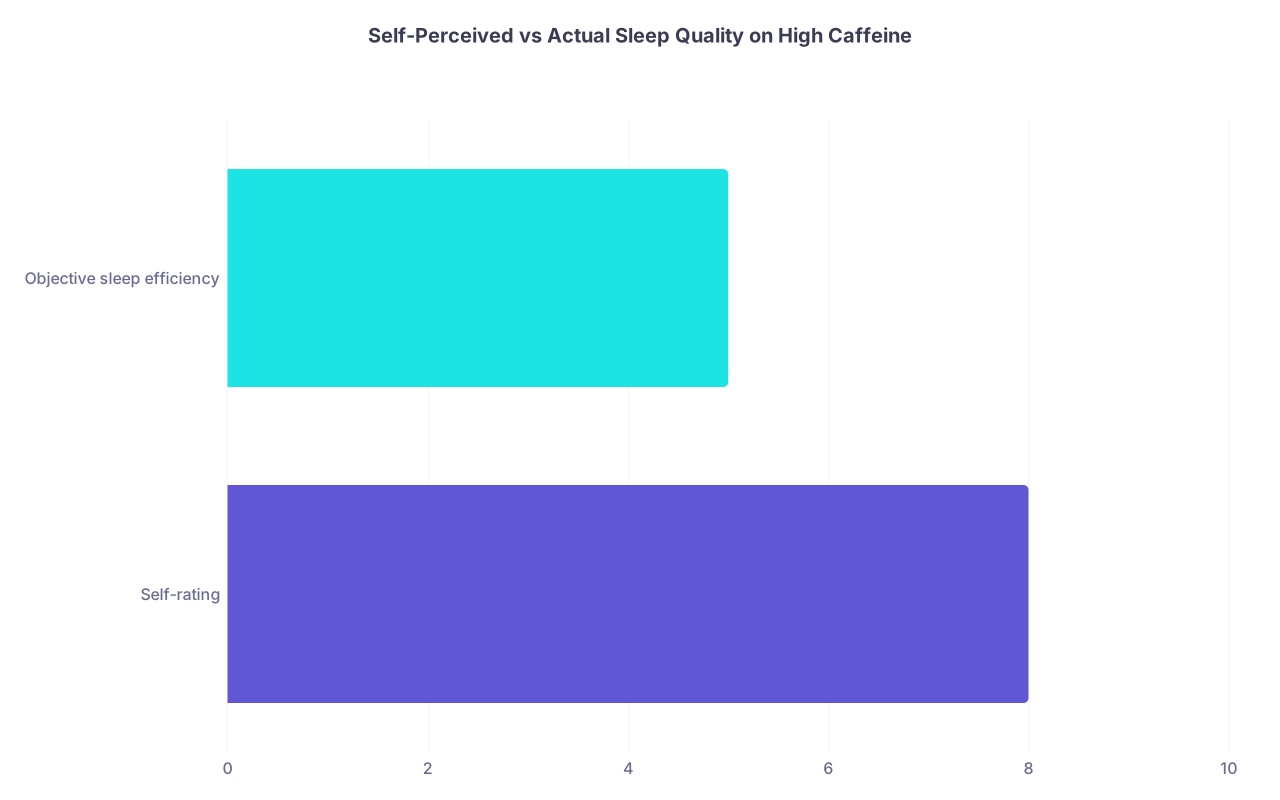
| Category | Value |
|---|---|
| Self-rating | 8 |
| Objective sleep efficiency | 5 |
Subjective “I’m used to it” is not the same as objective healthy sleep.
How to Use Caffeine on Nights Without Destroying Yourself
Let me give you a saner template, then you can tweak it around your own physiology.
Assume an 8 pm–8 am shift, moderate caffeine sensitivity.
Before first night:
- Limit caffeine after ~2–3 pm the day before starting nights
- Try to nap 1–2 hours late afternoon/early evening if possible
- Hydrate, eat an actual meal with protein/fat, not just carbs
During shift:
- 8–9 pm: Optional small dose (50–100 mg) if you’re struggling
- 11 pm–1 am: Main dose (100–150 mg) when alertness starts to dip
- 2–3 am: Only small top‑up (50 mg) if you’re dangerously sleepy and cannot nap
- After 4 am: Avoid caffeine unless it is a true safety issue
During slow periods:
- Use 10–20 minute naps instead of more coffee whenever possible
- Keep drinking water
- Eat light, not heavy, greasy, or sugar bombs
Post‑shift:
- No caffeine after ~5–6 am if at all possible
- If dangerously drowsy driving home, nap before driving, not drink more
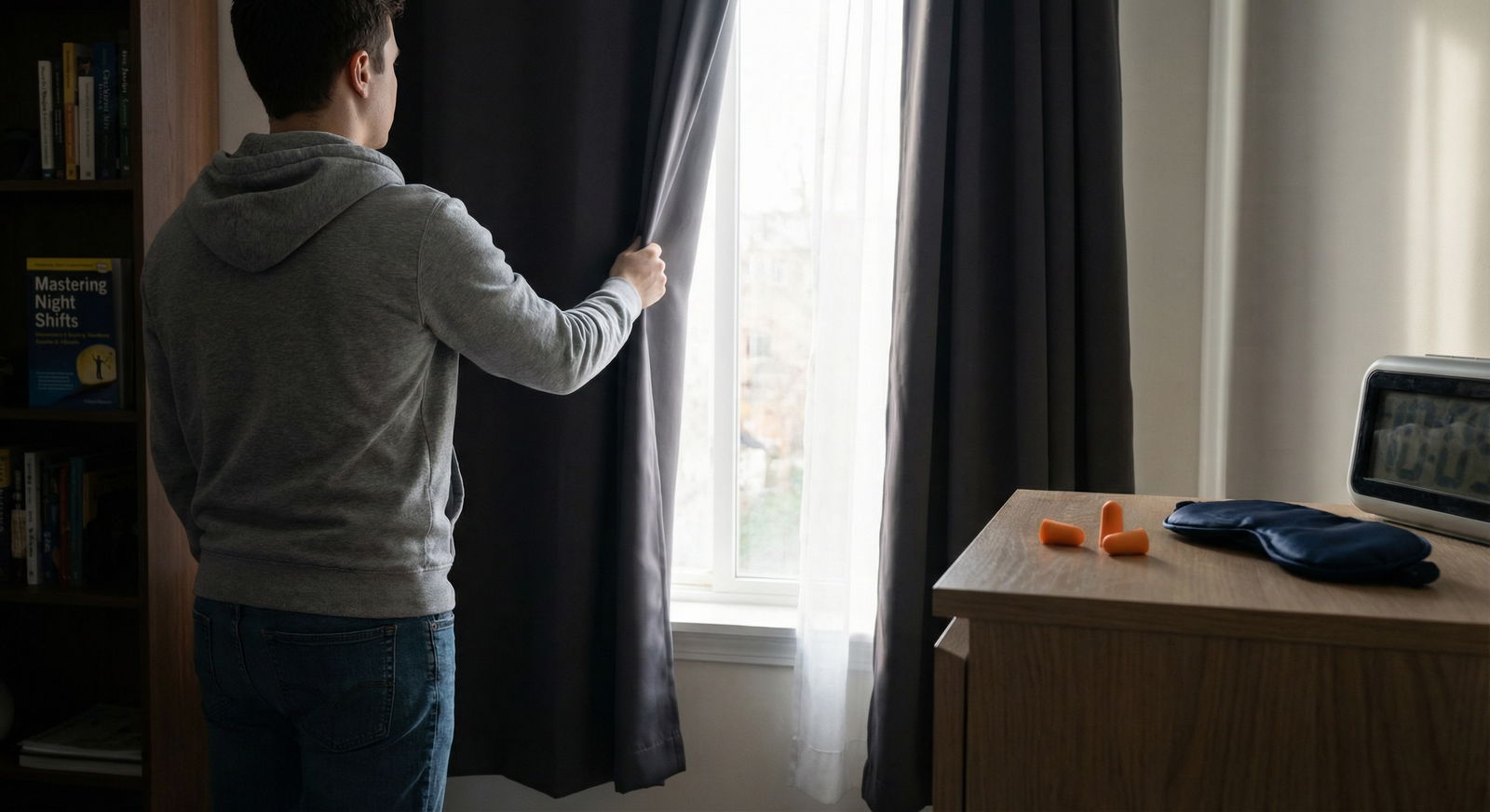
- Dark, cool, quiet sleep environment at home; aim for a long first sleep block
Frequently Asked Questions
1. Is it ever okay to drink an energy drink on nights, or should I avoid them completely?
They’re not pure poison, but they’re easy to misuse. The problem is dose and timing. A single 80–120 mg caffeine energy drink early in the shift is roughly equivalent to a strong coffee. But stacking multiple cans, plus coffee, plus pre‑workout is where people get into 500–800 mg territory without realizing it. If you’re going to use them, treat them like a single, counted caffeine dose and avoid them after ~2–3 am. And if you have any cardiac history or palpitations, I’d skip them entirely and stick to simpler sources like coffee or tea.
2. What about “caffeine naps” – are they actually useful on nights?
Yes—if you do them correctly and don’t abuse the idea. A caffeine nap means: drink a small dose of caffeine (about 50–100 mg), then immediately lie down for a 15–20 minute nap. You won’t fall into deep sleep in that time, so you avoid heavy sleep inertia, and the caffeine kicks in right around when you wake up. This works best earlier in the night (e.g., midnight–2 am), not at 5–6 am when you should be protecting your post‑shift sleep opportunity.
3. How long before “post‑call sleep” should I stop all caffeine?
If you really care about your recovery, I’d aim for at least 6 hours, ideally closer to 8. For an 8 am sign‑out with sleep at 9–10 am, that means no caffeine after about 2–3 am. That sounds unrealistic to a lot of people until they actually clean up their dose and use naps properly; once you’re not drowning yourself in caffeine all night, it becomes much more doable.
4. I feel useless without 400–500 mg on nights. How do I back down without crashing?
You taper. Do not go from 500 mg to 100 mg in one night block and expect to function. Over 1–2 weeks, reduce your peak daily dose by 50–100 mg every few days, and shift more of your alertness strategy toward naps, hydration, and light exposure. You will feel some withdrawal (headaches, fatigue) for a few days at each step—that’s normal. But by the end, you’ll discover your true baseline and can build a more rational night‑shift pattern that doesn’t require pharmacist‑level dosing.
Open your call‑room or work‑room now and look at what’s actually there: the coffee urn, the fridge, your bag. Write down how many milligrams of caffeine you probably consumed on your last night shift. Then decide on a specific maximum for your next one—and schedule when you’ll use it, instead of waiting until you’re desperate.