
The mythology around MD–PhD training is wildly distorted—and your pre‑med advisor is often part of the problem.
They are not lying to you. They just do not know how this actually works behind the closed doors of MSTP committees, grad program councils, and hospital C‑suites. I’ve sat in those rooms. I’ve watched us rank applicants, debate funding, and quietly decide which “future physician‑scientists” will be full‑time clinicians in ten years.
Let’s go through the myths you’re being fed and what really happens on the inside.
Myth #1: “If you want to do research, you should do an MD–PhD”
Your advisor loves this line. It sounds thoughtful. It’s also wrong.
Here’s the truth: for most people who “like research,” an MD alone—or a PhD alone—is a far better fit than the dual degree.
MD–PhD programs are not built for people who “want research to be part of my career.” They’re built for people who want research to drive their career, to the point that clinic often becomes secondary.
On admissions committees, here’s the actual internal filter we use:
- Will this person plausibly end up spending most of their career on grant‑funded, hypothesis‑driven research?
- If not, are we about to waste >$500,000 of NIH or institutional money?
If the answer to #2 is “yes,” you are not competitive at serious programs, and you’ll be quietly pushed toward MD‑only.
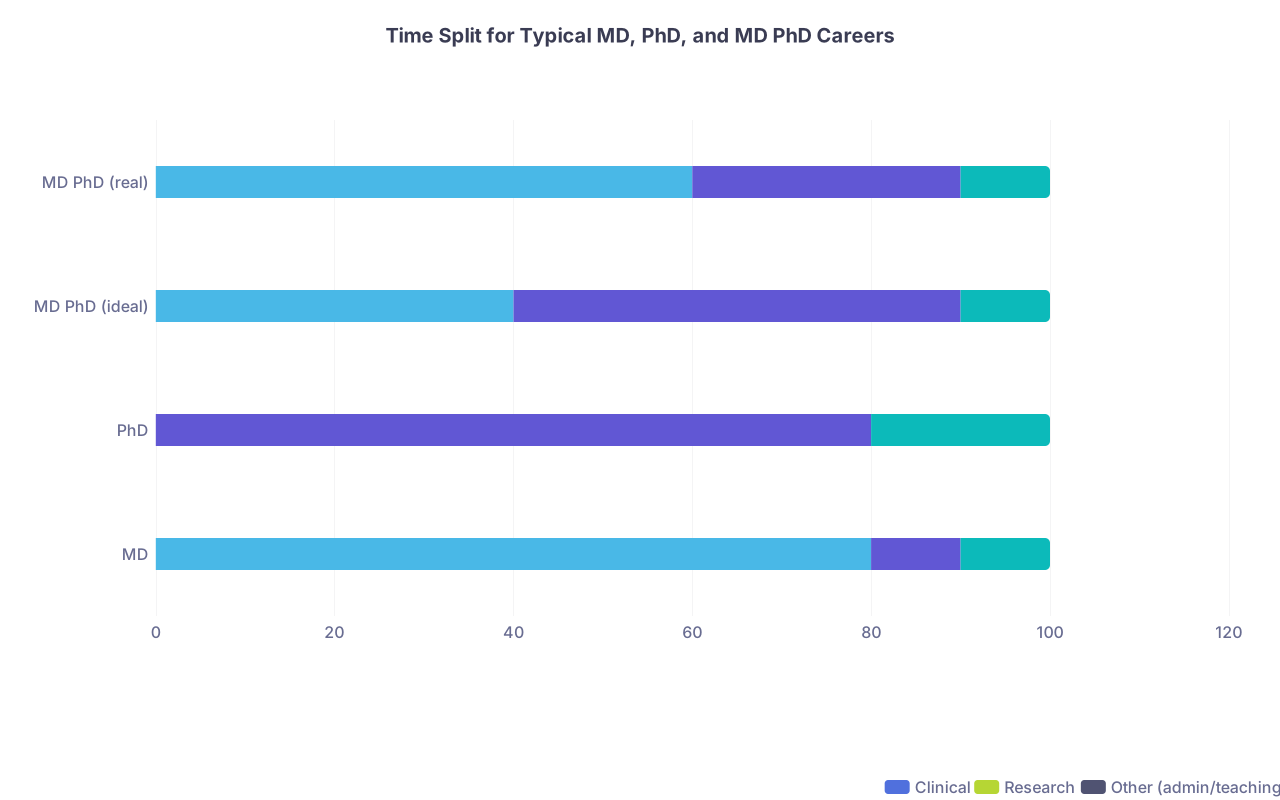
| Category | Clinical | Research | Other (admin/teaching) |
|---|---|---|---|
| MD | 80 | 10 | 10 |
| PhD | 0 | 80 | 20 |
| MD PhD (ideal) | 40 | 50 | 10 |
| MD PhD (real) | 60 | 30 | 10 |
The dirty secret: a lot of MD–PhDs end up looking like “MD with a strong research interest” by the time they’re attendings. Heavy clinic, occasional grants, maybe one major study every few years. That’s not a failure, but it’s not what MSTP directors think they’re paying for.
If you see yourself as:
- A clinician who participates in research
- Someone who loves science but also loves the OR/clinic more
- A future private practice doc with “some academic ties”
Then no one on the MD–PhD side is building a pipeline for you. That’s MD‑only + research time, a research fellowship, a master’s, or a PhD later if you really need it.
Advisors oversell MD–PhD because they want to be “supportive of your research passions.” Program directors, meanwhile, are asking a very different question: Is this person obsessed enough with science to justify 7–9 years of subsidized training?
If the honest answer is “I’m not sure,” you’re not ready.
Myth #2: “MD–PhD guarantees you a research career”
No, it guarantees you a long training path and a complicated set of expectations.
I’ve watched MD–PhD graduates get hired into “physician‑scientist” tracks and then slowly drift into 80–90% clinical work because of:
- RVU pressures
- Grant rejections
- Departmental short‑sightedness
- Burnout
Here’s what your advisor probably never told you: in many departments, you’re more valuable as a busy clinician than as a junior researcher. Clinicians fill beds and generate billing. Early‑stage researchers cost money.
I’ve heard this exact thing in a faculty meeting:
“She’s a great doctor, fantastic with patients. Why don’t we just move her to a full clinical FTE and drop the research time? We can hire a PhD if we need more lab work.”
That MD–PhD label does not protect your research time. What protects it is:
- Your grant funding (K awards, R01s)
- A chair who actually understands what a physician‑scientist is supposed to do
- A track record that makes the institution look good
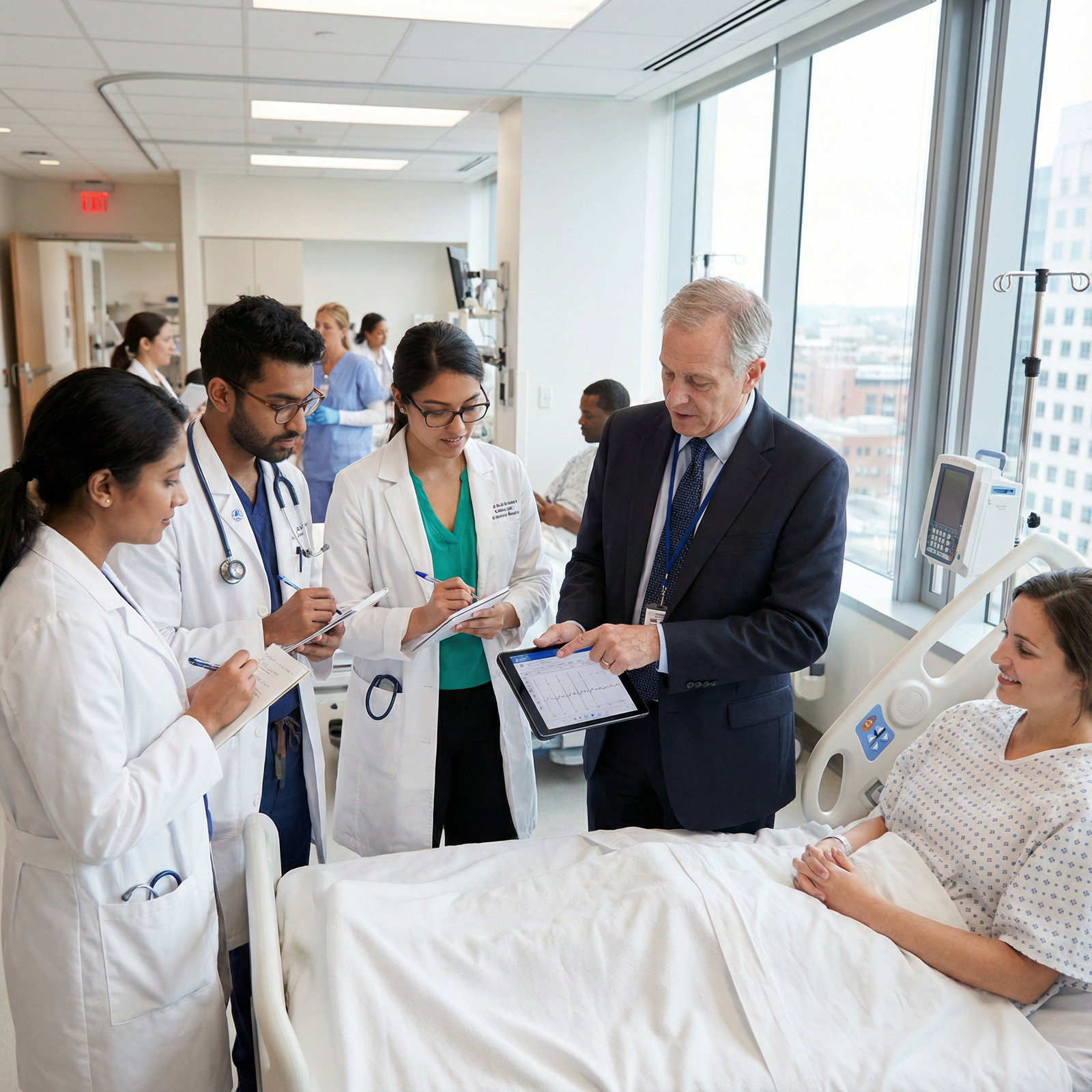
MD–PhD training gives you tools and credibility. It does not guarantee an environment that lets you use them. Many med schools are full of people who know how to talk about “translational research” in brochures while quietly rewarding whoever generates the most billable encounters.
Your path after MD–PhD can absolutely be research‑heavy. But it requires brutal, sustained effort after graduation:
- Choosing the right residency (not just prestige; actual research support and protected time)
- Finding a mentor who can get you on grants and papers quickly
- Negotiating a first job that codifies research FTE, start‑up, and promotion criteria in writing
If your pre‑med advisor made it sound like “get the MD–PhD and you’re set for life as a researcher,” they skipped the hardest part: post‑training reality.
Myth #3: “MD–PhD is the only way to be a physician‑scientist”
This is flat‑out false, but it’s convenient for MD–PhD marketing and naive advising offices.
Inside departments, we don’t care what your letters say (MD vs MD–PhD vs DO vs MD + MS) nearly as much as we care about:
- Can you get funded?
- Can you publish?
- Can you generate ideas that bring in prestige and money?
I’ve worked with:
- Pure MDs who became major R01‑funded investigators
- PhDs who became de facto leaders of translational programs
- MD–PhDs who never wrote a grant after fellowship
On paper, we may pretend MD–PhD is the “gold standard.” In practice, the output is what matters.
Let me give you a concrete comparison.
| Path | Typical Training Length | Debt Profile | Research Credibility at Hire |
|---|---|---|---|
| MD–PhD (MSTP) | 7–9 years | Low to none | Very strong |
| MD + research gap year(s) | 5–6 years (MD plus) | Moderate to high | Moderate to strong |
| MD then PhD later | 11–14 years total | High (unless funded) | Strong but delayed |
| PhD only (biomedical) | 5–6 years | Low to moderate | Strong (no clinical) |
Behind closed doors, when we debate hiring physician‑scientists, the degree route matters less than:
- Age and “ runway” left for grants
- Whether you’ve already shown you can survive the grant cycle
- Your actual data, not your training branding
MD–PhD is an efficient way to get deep scientific training without huge med school debt. It is not the only entry ticket to serious research. The people telling you otherwise either don’t understand faculty hiring or are too invested in selling one pathway.
Myth #4: “MD–PhD is ‘free med school’—you’d be dumb not to take it”
This one irritates every serious MD–PhD director I know.
Yes, most MSTP‑funded programs cover tuition and give you a stipend throughout. No, this is not a scholarship in the normal sense.
It’s payment for a very specific future: you’re committing to spend your thirties and forties inside the grant machine. If that sounds dramatic, go read what K08/K23 and R01 success rates look like and talk to any junior faculty living off soft money.
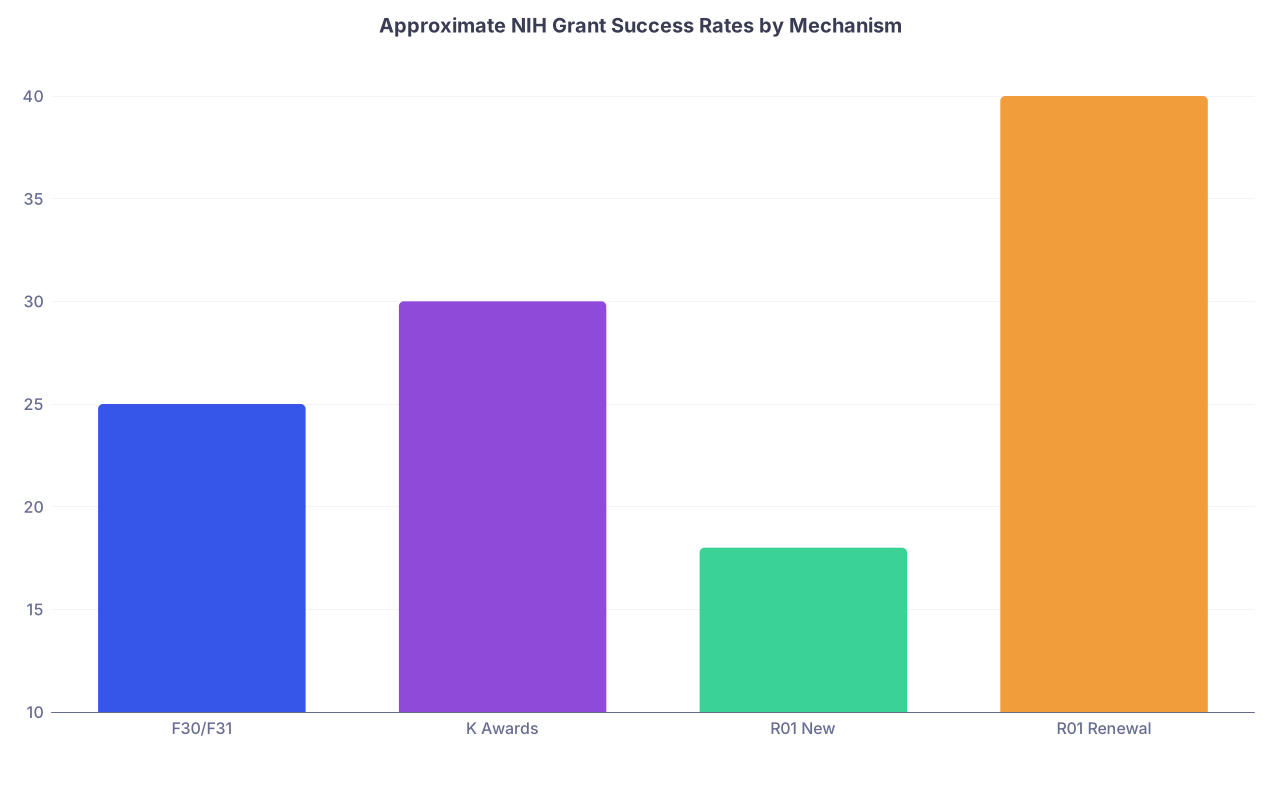
| Category | Value |
|---|---|
| F30/F31 | 25 |
| K Awards | 30 |
| R01 New | 18 |
| R01 Renewal | 40 |
People love to say, “But you’re getting paid to go to school!” I’ve watched students internalize that and ignore the actual cost:
- You start earning an attending salary 4–5 years later than your MD peers.
- Those MD peers may have had debt, but they also had 4 extra years of six‑figure income, promotions, and retirement contributions.
- You’re on a narrower track. Switching to private practice cardiology at 38 because you’re sick of grants? Doable, but very expensive in opportunity cost.
I’ve heard this more than once from MD‑only attendings behind closed doors:
“I almost did an MD–PhD for the free tuition. Would’ve been the dumbest decision of my life for what I ended up wanting.”
The financial calculus is subtle:
- If you genuinely enjoy research, and you would have done long research training anyway → MD–PhD is a smart, efficient deal.
- If you’re mostly using it to avoid loans → you’re taking on a different, less visible kind of debt: time, flexibility, and career path.
Your pre‑med office rarely walks you through that trade‑off because they’re not thinking 15–20 years out. Program directors are.
Myth #5: “You need insane stats; only superhumans get in”
This one’s half‑true and half misunderstood.
Yes, competitive MD–PhD programs skew toward high stats. But the stats threshold is not what your advisor probably thinks.
On actual MD–PhD admissions committees, the conversation about numbers is short and blunt:
- MCAT/GPA too low → they won’t survive med school or Step exams; reject or MD‑only suggestion.
- MCAT/GPA good enough → move on, because research record and letters matter far more than squeezing extra points.
Once numbers clear the basic bar, what we obsess over:
- Depth of research experience
Not “I did a summer project.” We want multi‑year, hypothesis‑driven work, preferably with a poster or paper. - Letters from scientists who actually know what a good trainee looks like
The famous name letter that says nothing concrete? Useless. The R01‑level PI who writes, “This is the top 5% undergrad I’ve mentored in 20 years”? Gold. - Coherence of your story
Does your application, statement, and experience clearly scream “I understand what physician‑scientists do and I’ve gotten a real taste of it”?
I’ve seen 520+ MCAT applicants rejected at multiple top MSTPs because their research was shallow and performative. I’ve also seen people with “only” 511–513 MCATs get into strong programs because they had serious research chops and letters that were basically hiring recommendations.
What pre‑med advisors often miss: there’s a different bar for MD–PhD. It’s not simply “MD but higher.” It’s “Can this person function like a baby scientist already?”
If you’re asking “Are my stats good enough?” but you’re light on research, you’re focused on the wrong variable.
Myth #6: “You’ll be equally strong at medicine and science”
This is the comforting narrative they sell you on interview day. Balanced training. Bridging bench and bedside. “Fluent in both worlds.”
Here’s the reality insiders don’t say into the microphone: most MD–PhDs will spend years feeling behind in both worlds.
You will:
- Start med school, finally find your clinical rhythm..
- Then disappear for 3–5 years into the lab while your classmates become residents.
- Then jump back into clerkships rusty on clinical knowledge, while also worrying about unfinished manuscripts and grant ideas.
I’ve watched MD–PhD students in their late 20s get quietly humiliated by 24‑year‑old MD‑only classmates who are sharper on the wards—because the MD–PhDs were in mouse rooms instead of on rotations for three years.
And on the PhD side, you’re often seen as:
- The “translational” person
- Good at seeing clinical relevance
- But not necessarily the deepest in theory, methods, or math compared to full‑time PhD cohorts
You’re constantly context‑switching. That’s the value of the degree, but it’s also its psychological tax.
The people who do well accept early that they will not be the best pure clinician in their class and not the most technical scientist in their lab cohort. They’re playing a different game: combining 80% competency in two domains into something unique.
Your pre‑med advisor, who’s never watched a G2 MD–PhD drag themselves from a failed experiment into Step 1 study mode, doesn’t see this.
We do.
Myth #7: “All MD–PhD programs are basically the same”
No. Not even close.
On paper, everyone talks about “integrated training,” “protected research time,” and “strong mentorship.” In reality, MD–PhD programs vary wildly in:
- How much they actually protect you from being swallowed by clinical demands later
- How seriously the med school and the grad school share ownership of you
- Whether their grads actually end up in research‑heavy roles or just in academic clinical positions

| Step | Description |
|---|---|
| Step 1 | Start Pre Med |
| Step 2 | MD Only |
| Step 3 | Apply MD PhD |
| Step 4 | Good research outcomes |
| Step 5 | Mostly clinical careers |
| Step 6 | Research Focus? |
| Step 7 | Program Type |
Inside conversations sound like this:
- “We’re technically MD–PhD, but the department doesn’t give true 75% research FTE to junior faculty.”
- “Our grads match well, but a lot drift fully clinical within 5 years.”
- “We recruit great students, but they get lost in the big‑name residency with no real support.”
Your advisor may point you toward “top 20” lists or USNWR rankings. That’s not useless, but it’s noisy. The questions you should be asking programs (and their current students, not just directors):
- How many of your graduates in the last 10–15 years are in R01‑funded roles now?
- What actual protected time do junior faculty physician‑scientists get here?
- In residency, how many MD–PhDs kept serious research time vs becoming mostly clinical?
- Are there structured pathways (PSTP programs) at your linked residencies?
The uncomfortable truth: some MD–PhD programs are essentially a branding exercise for the school with no real downstream ecosystem. Others are ruthless about protecting trainees and shepherding them into viable research careers.
From the outside, both hand you a white coat and a tuition waiver. From the inside, they’re different universes.
Myth #8: “If you’re unsure, you should ‘just go for it’—you can always switch out”
You’ll hear this from well‑meaning people: “Apply MD–PhD; if you change your mind, you can drop the PhD and just finish the MD. No harm done.”
That’s not how program directors think about it.
Whenever someone quits the PhD portion, here’s the conversation that happens in MD–PhD leadership meetings:
- “We lost another one. That’s hundreds of thousands of dollars gone.”
- “Did we mis‑screen? Were we too lenient on the research background?”
- “Is this student legitimately changing direction or just burnt out?”
Are you allowed to switch out? Yes. Are you blacklisted forever? No. But it’s not some casual, neutral decision.
More importantly: if you enter expecting that you might bail, you’re approaching a 7–9 year commitment with tourist energy. That shows in your interviews and your essays. We can usually tell.
A much healthier frame:
- If you are truly torn → strongly consider MD‑only at a research‑heavy school, do substantial research, then reassess.
- If you cannot imagine a career without serious, long‑term scientific work → MD–PhD is on the table.
- If your main pull to MD–PhD is prestige, “free” tuition, or indecision → stop. You’re not ready.
FAQ: MD–PhD Training Myths, Clarified
1. How much research do I actually need before applying MD–PhD?
More than your advisor probably told you. A single summer or one year of light lab work is usually not enough for competitive programs. What we want to see is sustained, hypothesis‑driven research with real ownership: you understood the project, you troubleshot experiments, you analyzed data. Ideally you’ve got at least one poster or manuscript (submitted is fine) where your contribution was substantial. Two to three years of serious effort, even part‑time during the year, often looks more convincing than a compressed “gap year” checking boxes.
2. Does it hurt me to apply MD–PhD and MD‑only at the same time?
Internally, MD–PhD and MD‑only committees talk, but they don’t always move in lockstep. At some schools, being rejected MD–PhD can bump you into MD‑only consideration automatically; at others, it’s a completely separate process. What can hurt you is a confused narrative: saying one thing in your MD–PhD essays (“I’m committed to an 80% research career”) and something very different in your MD‑only materials (“I mainly want to be in the OR full‑time”). Programs notice that. If you apply to both tracks, your story has to make sense in both contexts without sounding like you’re just fishing for any acceptance.
3. Will doing an MD–PhD make residency applications easier?
For some specialties and some programs, yes. For others, not really. Physician‑scientist tracks in internal medicine, pediatrics, neurology, etc., often love strong MD–PhDs with serious publications. They see you as future grant‑winners. But for procedure‑heavy fields (derm, ortho, some surgical subspecialties), the MD–PhD doesn’t automatically give you an edge unless your research is directly relevant and high‑impact. And remember: you’re older, you’ve been out of clinical rotation for years. You have to work harder than some MD‑only applicants to prove you’re clinically sharp, not just “the lab person.”
4. If I’m already in med school, is it too late to become a physician‑scientist without switching to MD–PhD?
Absolutely not. From the hiring side, what matters is your research track record and funding potential, not the specific letters after your name. You can join a serious lab as an MD student, take a research year or two, aim for strong publications, then target residencies with research pathways (PSTPs). Later, you can pursue a research‑heavy fellowship, get mentored into K‑level grants, and build toward an R01. You might even do a PhD or master’s later, but many successful MD investigators never did a formal PhD. The MD–PhD route is front‑loaded structure and funding, not the only doorway into this life.