
The blunt truth: your pre‑med research matters a lot less than you think — but it is absolutely not irrelevant.
If you are applying to residency and still wondering whether that undergrad lab work, poster, or pipetting marathon counts for anything, here’s the clear answer: it can help you, it will not save you, and how you frame it matters more than what you did.
Let’s unpack this properly.
1. The Short Answer: Does Pre‑Med Research Still Matter?
Yes, pre‑med research can matter on a residency application — but only in specific ways:
- It supports a consistent scholarly trajectory, especially for academic or research‑heavy specialties.
- It can fill gaps if your med school research is light.
- It helps you tell a coherent story about your interests and career goals.
- It has almost zero impact if:
- you cannot explain it clearly,
- it is totally disconnected from who you are now,
- or you are applying to programs that do not value research.
If you are aiming at dermatology, radiation oncology, plastics, neurosurgery, or physician‑scientist tracks? Your pre‑med research is part of your “evidence of commitment.”
If you are aiming at family medicine with no real interest in academics? It is a nice‑to‑have line on your CV, not a core asset.
2. How Program Directors Actually Look at Your Research
Stop thinking of this as “pre‑med vs med school research.” Programs do not sit there with a calculator weighting things like:
- 40% med school research
- 20% pre‑med research
- etc.
They scan your application and ask:
- Has this person engaged deeply in anything scholarly?
- Does their scholarly activity make sense with their specialty choice?
- Is there evidence they can finish what they start (posters, publications, projects that actually led somewhere)?
- Are they likely to contribute to our department’s research output?
Pre‑med research becomes one of several data points in that story.
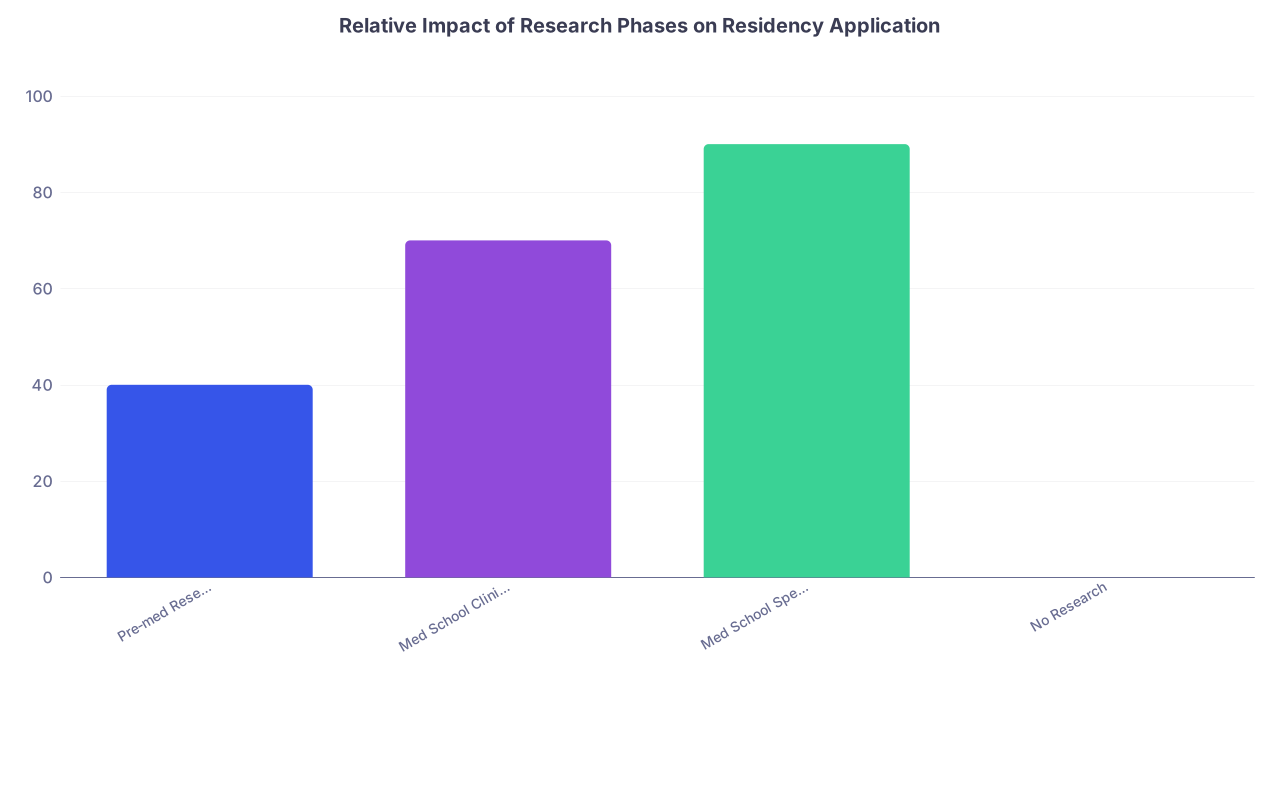
| Category | Value |
|---|---|
| Pre‑med Research | 40 |
| Med School Clinical Research | 70 |
| Med School Specialty‑Aligned Research | 90 |
| No Research | 0 |
Interpretation (not an actual scoring system, but realistic weighting):
- Pre‑med research: helpful but secondary.
- Med school clinical research: stronger.
- Med school research directly tied to your chosen specialty: strongest.
- No research at all: neutral in some fields, harmful in others.
3. When Pre‑Med Research Helps You A Lot
Pre‑med research shines in a few scenarios. If any of these are you, lean into it.
A. You Have a Clear, Longstanding Interest
Example: You did undergrad bench research in melanoma biology, then in med school you joined a derm outcomes project, and you are now applying dermatology.
That continuity screams: “This is not a phase. This is who I am.”
Programs like that. It makes you look intentional, not opportunistic.
B. Your Med School Opportunities Were Limited
Maybe your school is light on research, you are at a community‑heavy institution, or you lost time to personal challenges or USMLE prep. You have:
- A couple of med‑school abstracts or QI projects
- But a solid undergrad research foundation
In this case, pre‑med research can rescue the narrative:
“I started research early, had fewer formal opportunities in medical school, but maintained interest and skills through X, Y, Z.”
That is a much better story than “did nothing until M4.”
C. You Are Applying to Physician‑Scientist / Research Tracks
For PSTP, R38, research‑track internal medicine or neurology programs, every bit of research history counts — including undergrad.
What they want to see:
- Duration: multiple years > one summer
- Output: posters, presentations, publications, thesis
- Role: were you a glorified dishwasher or actually owning a project?
I have seen PSTP interviewers ask detailed questions about an undergrad honors thesis, not because the content was revolutionary, but because it showed persistence, hypothesis‑driven thinking, and comfort in academic settings.
4. When Pre‑Med Research Barely Moves the Needle
Let me be direct: some pre‑med research is almost background noise.
Cases where it matters very little:
Short, unfocused stuff:
- One summer general lab assistant.
- No clear project, no output, no defined role.
- You barely remember the PI’s last name.
Totally disconnected from your story:
- Undergrad mechanical engineering lab.
- Applying pediatrics with zero later research, no link to kids, devices, innovation.
- You never reference it in your personal statement or interviews.
You cannot explain it:
- You list 1–2 years of work, but in the interview:
- “We studied… something with proteins.”
- You cannot state the question, your role, or what you learned.
- You list 1–2 years of work, but in the interview:
At that point, your pre‑med research is just text on a page. Programs see thousands of those entries. It will not hurt you, but it will not help you.
5. How To Present Pre‑Med Research on ERAS So It Actually Helps
The mistake I see constantly: people describe undergrad research in dense, jargon‑heavy, meaningless paragraphs.
You want the opposite: concise, outcome‑oriented, and role‑focused.
For your ERAS “Scholarly Activities” entries, do this:
Be explicit about what type of work it was:
- “Bench research in cancer cell signaling”
- “Clinical outcomes research in stroke rehabilitation”
- “Health services research on access to primary care”
Spell out your role:
- “Designed data collection tools and managed 300‑patient database.”
- “Performed Western blots and microscopy; analyzed dose–response curves.”
- “Co‑authored abstract; presented poster at regional conference.”
Connect it to later interest if there’s a bridge:
- For example, applying neurology:
- “Early exposure to neural regeneration research led to continued focus on stroke recovery projects in medical school.”
- For example, applying neurology:
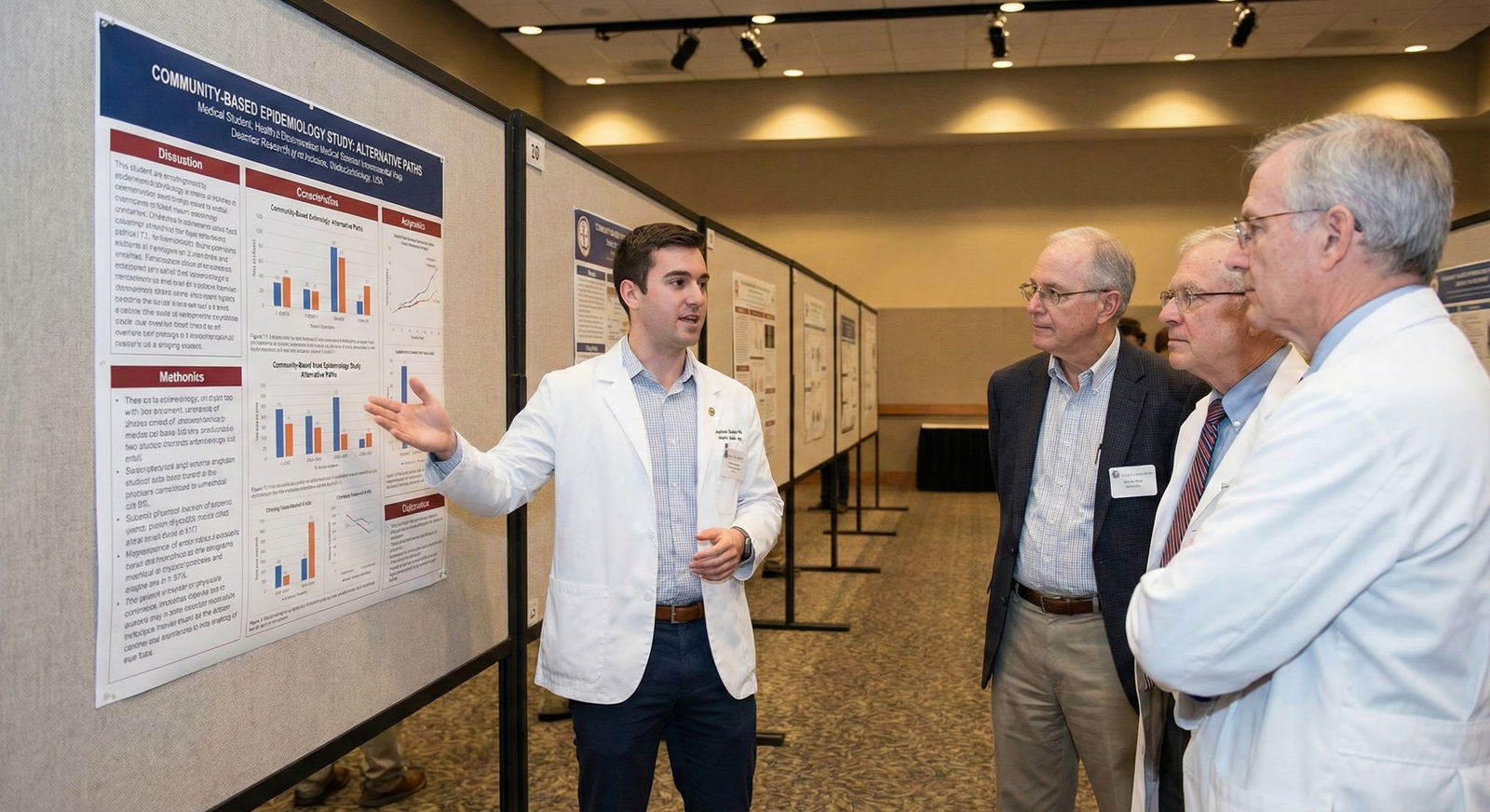
Keep each description focused. Three or four concrete lines beat a cluttered wall of buzzwords.
6. Specialty‑Specific Reality Check
Research is not valued equally across all fields. Here is a quick, honest breakdown.
| Specialty | Research Importance | Pre‑Med Research Impact |
|---|---|---|
| Dermatology | Very High | Meaningful |
| Neurosurgery | Very High | Meaningful |
| Plastic Surgery | Very High | Meaningful |
| Radiation Oncology | Very High | Meaningful |
| Orthopedic Surgery | High | Helpful |
| Internal Medicine | Moderate–High | Helpful (esp. academic) |
Now the rest:
Emergency Medicine, Pediatrics, OB/GYN, Psychiatry, Anesthesiology:
Research helps, but strong letters, clinical performance, and fit often matter more. Pre‑med research here is a small plus, not a requirement.Family Medicine, Community‑focused programs:
Some care, many do not. They are more interested in your service, communication skills, and clinical strength. Pre‑med basic science bench research will rarely impress them unless you spin it into a story about curiosity, perseverance, or patient impact.
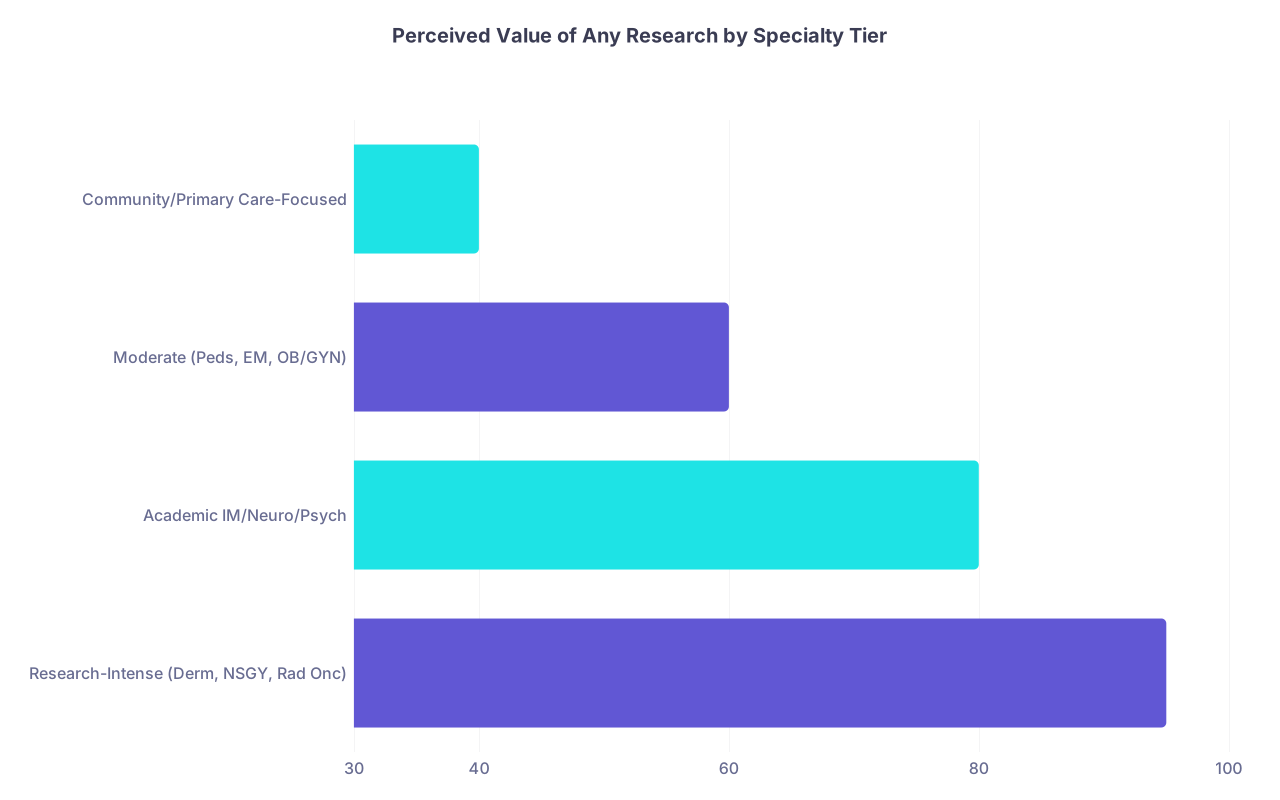
| Category | Value |
|---|---|
| Research-Intense (Derm, NSGY, Rad Onc) | 95 |
| Academic IM/Neuro/Psych | 80 |
| Moderate (Peds, EM, OB/GYN) | 60 |
| Community/Primary Care-Focused | 40 |
Read this correctly: in research‑intense fields, any research (including pre‑med) feeds your profile. In community-heavy fields, it is a distant secondary factor.
7. How To Talk About Pre‑Med Research in Interviews
You will not get many direct questions like, “Tell me about your undergrad lab.” But you will get broad ones:
- “Tell me about a research project you worked on.”
- “What role will research play in your career?”
- “I see you started research early; how has that shaped your path?”
Here’s how to handle that without sounding like a robot.
Use a simple three‑part structure:
The question / goal.
“In undergrad, I worked in a lab studying how X signaling pathway affected Y process in Z disease…”Your specific role.
“I was responsible for designing [X], running [Y], and analyzing [Z]…”What changed because of it (for you or for patients).
“That was my first exposure to structured inquiry, and it’s why I later sought out clinical projects in stroke outcomes / dermatologic therapeutics / etc.”

| Step | Description |
|---|---|
| Step 1 | Interview Research Question |
| Step 2 | State Project Question Clearly |
| Step 3 | Explain Your Specific Role |
| Step 4 | Describe Outcome or Output |
| Step 5 | Connect to Current Specialty or Career Goals |
If your only meaningful research is pre‑med, do not apologize. Own it. Then pivot quickly to how it set you up for:
- Clinical thinking
- Comfort with data
- Interest in QI, outcomes, or patient‑centered work
8. What If You Have Only Pre‑Med Research and Nothing in Med School?
This is where people start to panic. Here is the honest breakdown.
If you are applying to:
Dermatology, neurosurgery, plastics, rad onc, competitive academic IM:
Only pre‑med research and nothing substantial in med school is a liability. Programs will ask:
“If you were serious about academics, why didn’t you do anything for 4 years of medical school?”EM, peds, FM, psych, OB/GYN, anesthesia, many community programs:
It is not fatal. But you must:- Show strong clinical performance.
- Use your pre‑med research to show an early pattern of curiosity and discipline.
- Emphasize other “value‑adds” (leadership, teaching, language skills, service).
If you are still early (M3 or early M4):
You can still add a small but real med school project:
- A case report with a resident
- A small QI project during clerkships
- A retrospective chart review with manageable scope
Even one modest, medically relevant project can shift the narrative from “only did undergrad research” to “has continued to engage.”
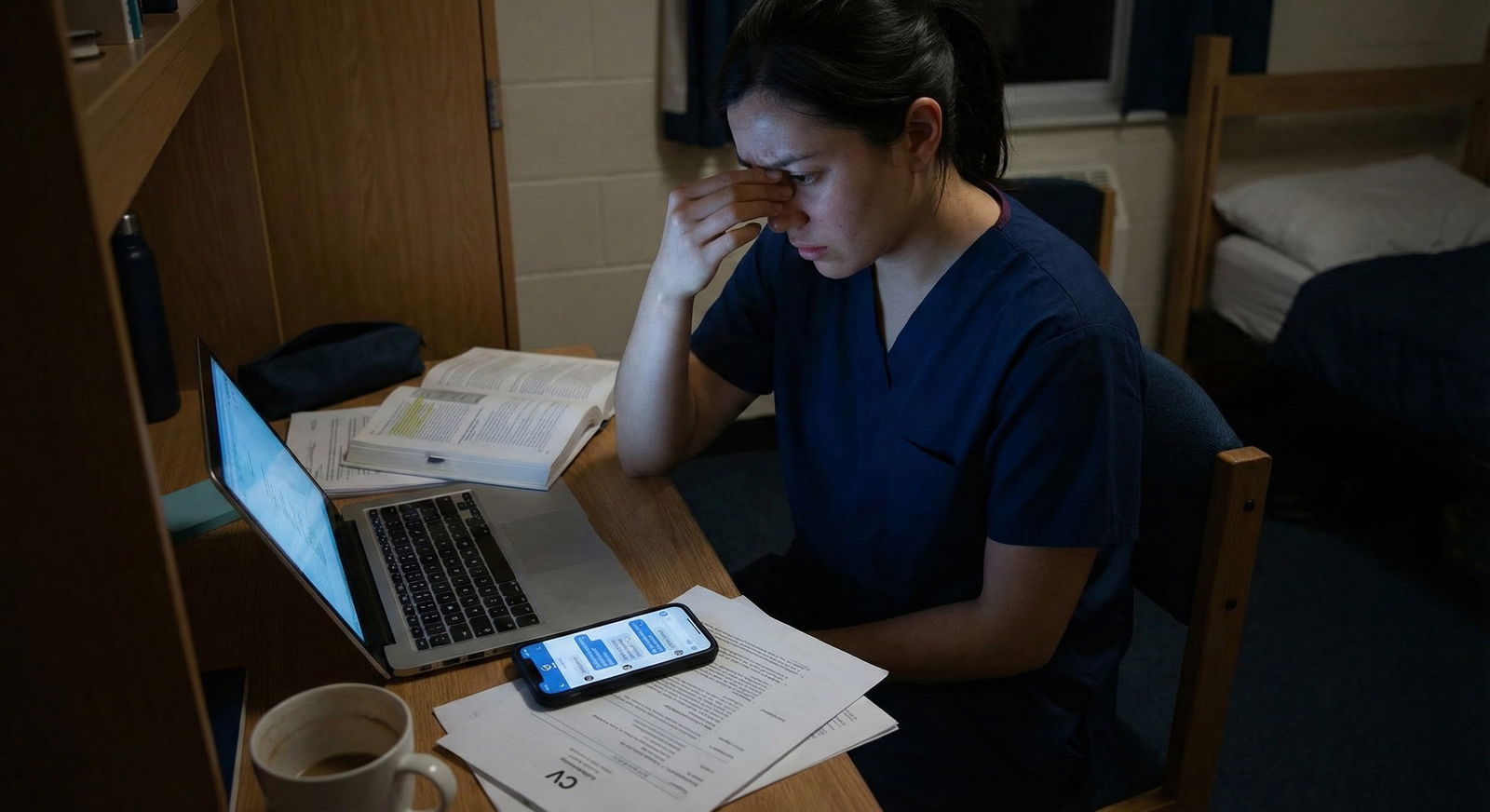
If you are already in the application cycle:
Focus on framing. You cannot change the past now, but you can absolutely change how coherent it looks.
9. Concrete To‑Do List: How To Make Your Pre‑Med Research Work For You
Here is what I would tell you to actually do this week.
Clean up your ERAS entries.
- Trim jargon.
- Add 1–2 lines specifically about your role.
- Add 1 line about output (poster, abstract, paper, thesis, nothing).
Link it to your specialty where possible.
- Even if indirect: “Introduced me to chronic disease management, which later drew me to internal medicine.”
Prepare one 60–90 second story about your most meaningful pre‑med project:
- Question → Role → Outcome → What you learned.
Stop overvaluing it.
- Do not anchor your personal statement on undergrad research unless it truly shaped your entire path.
- Focus the narrative on med school growth, patient care, and who you are now.
If you still have time in med school:
- Ask a resident or attending tomorrow:
“Do you have any small project I could help with — a case report, chart review, or QI project?” - One concrete med‑school project + strong pre‑med research beats pre‑med research alone every time.
- Ask a resident or attending tomorrow:

FAQ: Pre‑Med Research on Residency Applications
1. Should I include all my pre‑med research on ERAS, even short projects?
Include pre‑med research that meets at least one of these: it was ≥3–4 months, you had a defined role, or there was a tangible output (poster, paper, thesis). A 4‑week shadow‑lab experience where you washed glassware and remember nothing? You can safely drop it. Quality and clarity beat quantity.
2. Do program directors judge me for having only basic science bench work and no clinical research?
Not inherently. Many people start in basic science. What matters is whether you learned how to think, own a project, and follow through. In clinical fields, they may be more excited by later clinically relevant work, but well‑explained bench research is still better than nothing and can show strong analytical skills.
3. Can pre‑med publications “make up” for weak USMLE scores?
No. Publications, even first‑author ones, do not cancel out low Step 2 CK scores at most programs, especially in competitive fields. They can get you a second look at some academic programs, but exams and clinical performance are still the gatekeepers. Think of research as a tie‑breaker or enhancer, not a score override.
4. Should I talk about pre‑med research in my personal statement?
Only if it genuinely shaped your trajectory and connects coherently to who you are now. One or two sentences as background is fine. A full paragraph about undergrad pipetting while barely mentioning your clinical growth in medical school? That looks unbalanced and out of touch.
5. What if my pre‑med PI is my strongest letter writer? Is that acceptable?
For residency, clinical letters from attendings who directly supervised you as a medical student are far more valuable. A strong pre‑med PI letter can be an extra or fourth letter, especially for research‑track programs, but it should not replace core clinical letters. Programs want to know what you are like now as a near‑independent clinician, not just who you were as an undergrad.
Open your ERAS draft or CV right now and find every pre‑med research entry. Tighten the descriptions, clarify your role, and add one line connecting it to the physician you are becoming — not the student you used to be.