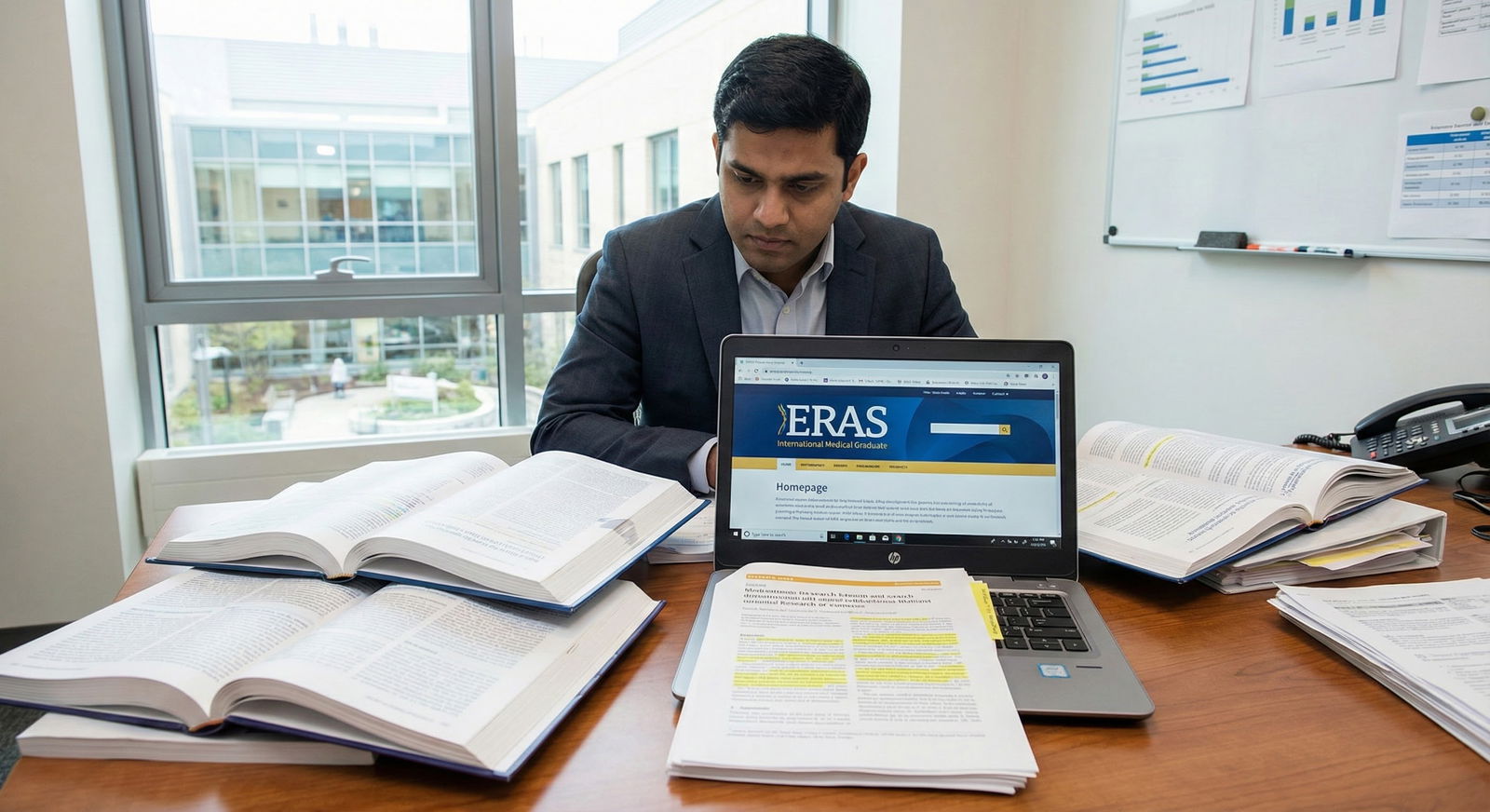
The belief that “a dedicated research year always improves your match chances” is wrong. Sometimes it helps. Sometimes it does nothing. Sometimes it actually makes your odds worse.
Let me walk you through what the data – and real match outcomes – actually show, stripped of the usual advisor folklore and hallway gossip.
The Myth: “If You’re Worried About Matching, Take a Research Year”
This is the script I hear over and over:
- “You want derm/ortho/plastics? You basically need a research year.”
- “Your Step score is average? Just do a research year, that’ll fix it.”
- “The more pubs the better. Programs love productivity.”
Sounds clean. Linear. Comforting even. But it’s lazy advice.
The reality is more nuanced:
- A research year tends to help in some highly competitive specialties, especially at the top programs.
- It can be neutral or pointless for moderately competitive specialties.
- And it can be a net negative if you do the wrong type of research, at the wrong time, with the wrong expectations.
Let’s anchor this in actual numbers instead of vibes.
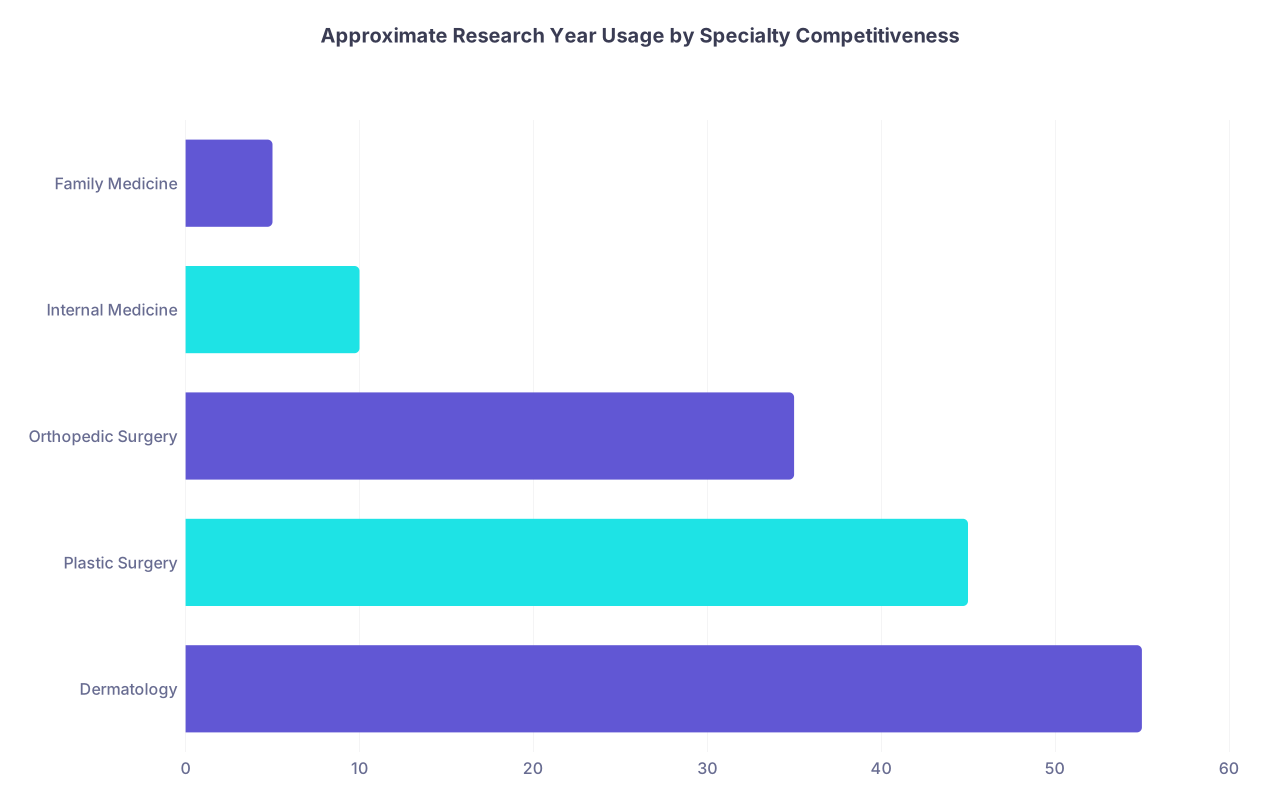
| Category | Value |
|---|---|
| Dermatology | 55 |
| Plastic Surgery | 45 |
| Orthopedic Surgery | 35 |
| Internal Medicine | 10 |
| Family Medicine | 5 |
That chart roughly reflects what program directors and applicant surveys consistently show: research years are common in the ultra-competitive specialties, rare everywhere else. That’s correlation, not proof that “research year = match ticket.”
You don’t see people doing dedicated research years to match family medicine.
So the real question isn’t “Does a research year help?”
It’s: “For a student like you, in your target specialty tier, does a research year change the odds enough to justify the cost?”
What the Data Actually Says About Research and Matching
The NRMP Program Director Survey and Charting Outcomes in the Match are the closest thing we’ve got to hard data. Here’s the distilled, no-spin version.
Across specialties, PDs typically list research as:
- Important for academic programs and top-tier specialties
- Secondary to: Step 2 score, clerkship grades, letters of recommendation, and interview performance
- Less critical than students think, especially outside a small group of competitive fields
In ultra-competitive specialties (derm, plastics, ortho, neurosurgery, ENT, some radiology and rad onc):
- Many matched applicants have multiple publications, abstracts, or presentations.
- A significant minority take a dedicated research year.
- But many still match without a research year, especially if:
- They’re from strong home institutions with that specialty.
- They have strong Step scores and honors in key rotations.
- They have solid letters from known faculty.
Here’s roughly what you’re up against in different scenarios:
| Applicant Profile | Target Specialty Level | Likely Value of Research Year |
|---|---|---|
| Top 20% Step 2, honors, strong letters, no pubs | Mid-tier IM / Peds / FM | Low |
| Average stats, no home program in competitive field | Mid/high-tier Ortho/ENT/Neurosurg | Moderate–High |
| Below-average Step, marginal clinical evals | Any competitive specialty | Low–Moderate (often misused) |
| Strong student aiming only for top-10 academic program | Derm/Plastics/Rad Onc | High |
Notice what’s not on that table: “Guarantees match” anywhere. Because it doesn’t.
What matters is fit between your weakness and what a research year can realistically fix.
When a Research Year Actually Makes Sense
Let’s talk about the situations where I’ve seen a research year legitimately move the needle.
1. You’re Targeting Top-Tier Academic Programs in a Hyper-Competitive Field
Example: MS3 wants dermatology at big-name places (MGH, UCSF, Penn). Step 2 is solid (250s+), clinical performance strong, but they lack:
- Publications in derm
- Strong derm-specific letters
- A clear “academic” profile
A well-structured derm research year at a strong program can:
- Give you 3–8 abstracts/posters, maybe 1–3 actual publications
- Put you in front of derm faculty who write the kind of letters PDs notice
- Let you present at AAD or major conferences, where networking is not optional, it’s the game
This doesn’t guarantee a top-10 match. But it does take you from “good generic applicant” to “good derm applicant with academic focus.” For that specific niche, it’s often worth it.
2. You Don’t Have a Home Program in Your Specialty
If your school doesn’t have ortho, ENT, neurosurgery, radiation oncology, etc., you’re at a structural disadvantage:
- Fewer faculty in your field to write letters
- Less specialty exposure and mentorship
- No home-away rotation advantage
A research year at a strong outside institution in that specialty can:
- Function as a long audition rotation
- Give you a home base for that specialty
- Generate letters from recognizable names in the field
Again — if it’s structured and mentored correctly. A year of pushing data into a spreadsheet for a random hospitalist is not going to get you into neurosurgery.
3. You Need to Pivot Your Application Narrative
Sometimes it’s not about numbers, it’s about story.
- You started medical school set on primary care, then discovered neurosurgery late MS3.
- Your file says “generic student with random experiences,” and now you want to look like “future clinician-scientist.”
A targeted research year can create a coherent story:
- “I realized I was drawn to X subspecialty, so I took a year to work on Y type of research, under Z faculty, focusing on A/B/C problem.”
If your application tells a clear narrative and your research connects logically to what you say you want to do, PDs remember you.
When a Research Year Is Useless or Actively Hurts You
Now the part no one likes to say out loud: a lot of research years are a waste of time.
1. Using Research to Avoid the Real Problem: Weak Clinical Performance
Step 2 is 225, multiple shelf exams below average, mixed clinical comments like “needs frequent redirection,” and you’re eyeing ortho.
Your advisor says: “Do a research year.”
Research doesn’t fix:
- Poor clinical evaluations
- Weak interpersonal skills observed on rotations
- Step scores that fall below many programs’ filters
It can blunt the damage a little if you crush the research year with glowing letters and strong productivity. But many PDs will still ask: “Why did this person struggle clinically?”
If your main problem is how you function on the wards, you’d be better off:
- Doing sub-internships with high expectations and better evaluations
- Getting coaching on workflow, communication, and efficiency
- Improving Step 2 or taking more ownership in clinical roles
The research year becomes a Band-Aid on a deeper wound — and PDs can tell.
2. Doing Generic, Low-Yield Research with No Specialty or Mentor Strategy
I see this all the time:
- Student wants ENT.
- School has no ENT research, so they do a year of generic QI or “hospital readmission rates” work with a hospitalist.
- They get a couple of posters and maybe one low-tier pub.
- Their letters are from people no one in ENT knows.
On paper, that’s “research productivity.” In reality, PDs see it as random noise.
If the research year:
- Isn’t in your target specialty (or at least closely adjacent),
- Doesn’t give you access to specialty mentors,
- Doesn’t clearly upgrade your letters or perceived fit for the field,
…then you just delayed graduation for something that barely moves your rank-list position.
3. When You Could Have Fixed Things Another Way
This is where people get played by bad advising.
Common scenario:
- You’re aiming for internal medicine, mid-tier academic programs.
- Step 2 in the low 230s, decent but not stellar clerkship grades.
- Someone suggests a research year to “make your app stronger.”
For internal medicine, especially mid-tier and community programs, a research year often adds marginal value compared with:
- Improving Step 2 / Step 3 performance
- Doing a strong sub-I and getting killer letters
- Showing reliability and work ethic on the wards
You’re basically using a hammer on a screw. Wrong tool.
The Hidden Costs: Time, Money, Momentum, and Risk
People talk about “just adding a year” like it’s no big deal. It’s a big deal.
1. Money and Opportunity Cost
You’re likely losing:
- A year of attending salary down the line (or at least a year of resident salary).
- A year of retirement contributions, career progression, etc.
You’re often gaining:
- Maybe a small research stipend
- Maybe extra loans
- Another year of delayed real income
For competitive surgical fields with high lifetime earning potential, one year can still be a reasonable trade. For others — particularly if you’re not dead-set on a tiny handful of specialties — it might not be.
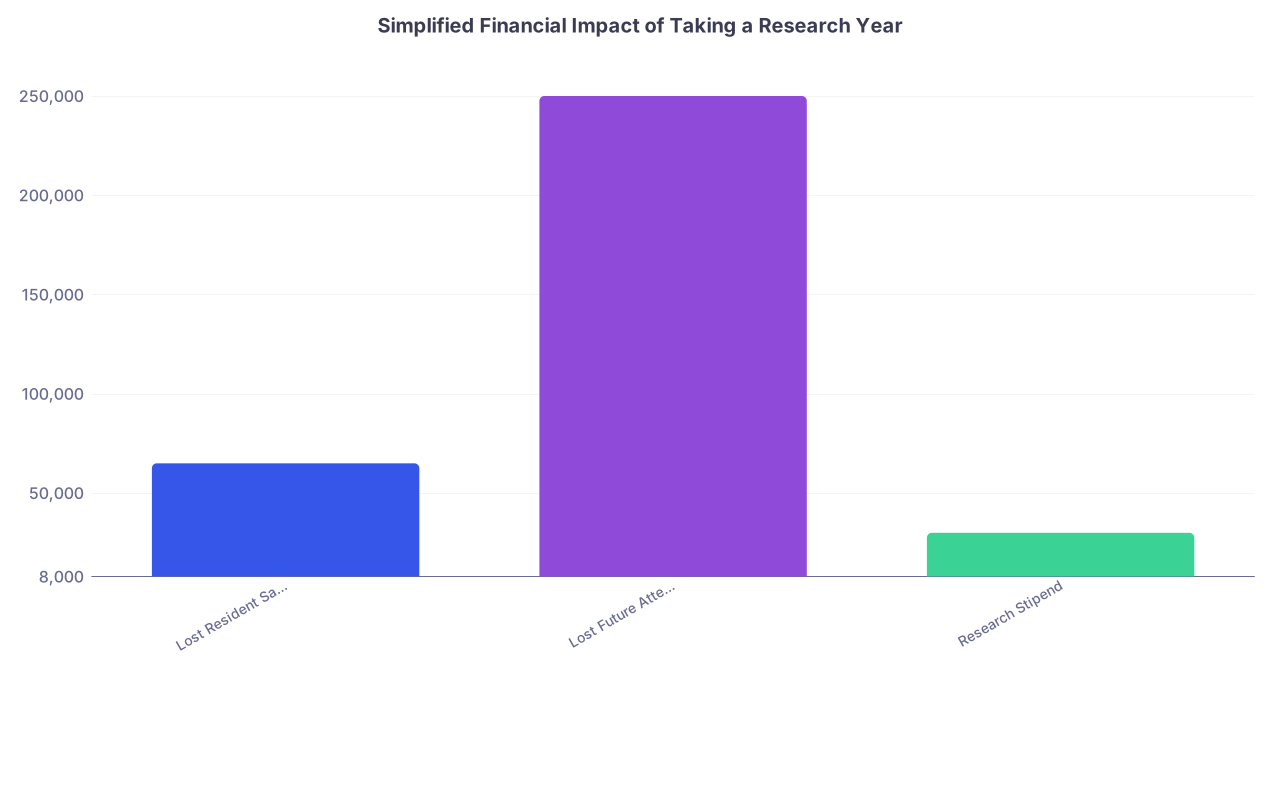
| Category | Value |
|---|---|
| Lost Resident Salary | 65000 |
| Lost Future Attending Year | 250000 |
| Research Stipend | 30000 |
Numbers vary wildly, but the general principle stands: you’re trading money and time for probability. Make sure the probability actually shifts.
2. Loss of Clinical Momentum
Some students come back from a research year rusty:
- Slower on the wards
- Less confident presenting
- Behind their peers clinically
In interviews, PDs sometimes quietly question: “Are they still sharp clinically, or are they just a research machine?”
If you’re already borderline in clinical skills, a year away from patient care can make that gap bigger, not smaller.
3. Emotional and Burnout Risk
I’ve watched students spend a year:
- On endless data entry
- On projects that never get submitted, or die in committee
- With mentors who barely know their name
They end up resentful, behind their classmates, and with little to show for it. That’s not rare. That’s common when you rush into a research year just because “everyone does it for [specialty].”
How to Decide: A Simple, Brutally Honest Framework
You need a clearer decision tree than “research is always good.”

| Step | Description |
|---|---|
| Step 1 | Considering Research Year |
| Step 2 | Research Year May Help |
| Step 3 | Fix Other Weaknesses First |
| Step 4 | Usually Not Worth It |
| Step 5 | Targeting Hyper-Competitive Specialty? |
| Step 6 | Main Weakness = Lack of Specialty Research/Letters? |
| Step 7 | Academic Career Strong Priority? |
Use three hard questions:
What exactly is my current liability?
Be specific. “I’m average” is too vague. Is it your Step 2? Lack of specialty letters? Zero research? No home program? Sloppy evals?Can a research year realistically fix that specific thing?
- Step 2 score? No, not directly.
- Weak clinical comments? No.
- No specialty exposure or letters? Possibly yes.
- No research in a field where everyone has 10+ pubs? Possibly yes.
Do I have a concrete, high-yield plan — or just vibes?
You should know before committing:- Which institution?
- Which mentor?
- What kind of projects (retrospective? clinical trials? translational?)
- How many likely abstracts/papers in one year?
- How this will translate into letters and talking points on interviews?
If you don’t have real answers, you’re not ready to say yes to a research year. You’re just stepping off a cliff because your classmates are.
What Actually Impresses Program Directors More Than “I Did a Research Year”
Here’s the part myth-sellers gloss over.
Program directors, when they’re honest, consistently say they care most about:
- Strong clinical performance: Sub-I’s, core clerkships, narrative comments
- Step 2 (and sometimes Step 3) scores: Especially now that Step 1 is pass/fail
- Strong, specific letters: “This student is in the top 5% I’ve worked with in 10 years” > “They did research with me.”
- Professionalism and reliability: The kind of person you want on call at 3 a.m.
Research is:
- A tie-breaker in competitive academic spaces.
- A signal of academic interest for future fellowship or academic careers.
- Optional or low-yield for a huge chunk of specialties and program types.
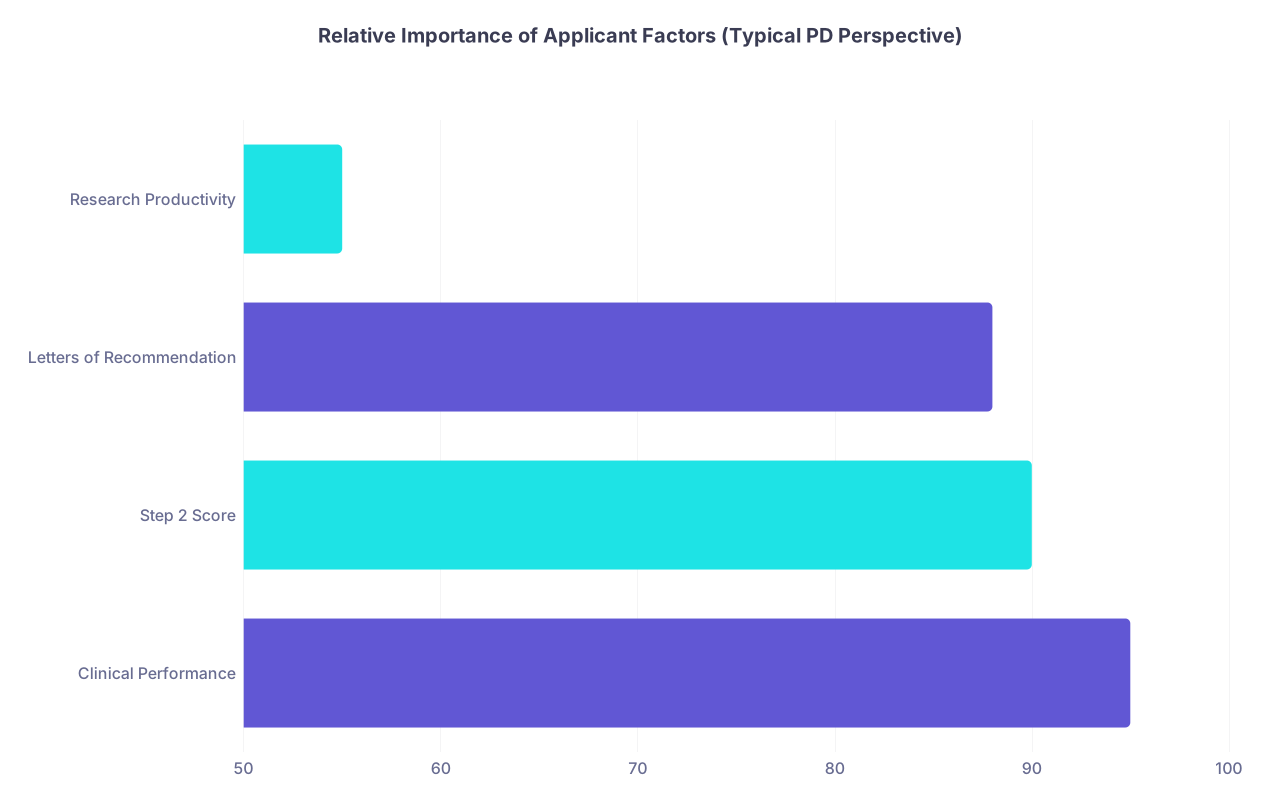
| Category | Value |
|---|---|
| Clinical Performance | 95 |
| Step 2 Score | 90 |
| Letters of Recommendation | 88 |
| Research Productivity | 55 |
Those are approximate, but they match what PD surveys have been saying for years: research matters, but it’s not the main course. It’s garnish.
The Short Version: When “Not Always” Becomes “Probably Not”
A dedicated research year can improve match chances when:
- You’re aiming for top-tier, research-heavy programs in very competitive specialties.
- Your main gap is specialty-specific research exposure and letters, not basic competence.
- You have a clear, targeted plan with a high-yield mentor and realistic projects.
It’s often not worth it when:
- You’re applying to less competitive or community-heavy specialties.
- Your weaknesses are clinical skills, Step scores, or professionalism, which research doesn’t fix.
- You’re doing generic or poorly mentored research just to “check a box.”
So no, a dedicated research year does not always improve match chances.
Key points:
- A research year is a tool, not a cure-all. It helps only if it matches your specific deficit and specialty reality.
- Clinical performance, Step 2, and letters almost always outrank “I took a research year” in PD decision-making.
- If you can’t clearly explain how a research year will change your odds — with specifics, not buzzwords — you probably should not take one.