
The program that denies your second-look request is telling you something—about them, about the match, and about how you should move next. Ignore that signal and you can waste time, emotional energy, and sometimes even hurt yourself in the rank list.
Let’s deal with this head-on.
1. First: What a Denied Second Look Actually Means
Most applicants misinterpret this. They hear “no second looks” and translate it to “we’re not interested in you.”
That’s usually wrong.
Here are the four most common real reasons programs deny or discourage second looks:
Policy and fairness.
Many academic programs now have a blanket “no second-look” policy. Why? Equity and optics. They do not want wealthier or local applicants gaining an edge by visiting again. If they told you this is their policy, believe them. It’s not code for “we hate you.”They do not want to bias their rank list.
Committee has already decided: rank list will be based on the interview day + file review. Extra contact afterward is “noise.” They are protecting themselves from favors, pressure, and the inevitable, “But I came to a second look!”They’re overwhelmed or at capacity.
Some programs are short-staffed. Coresidents are covering nights, attendings are out, they’re onboarding new hires, etc. A second look means an attending, chief, or coordinator has to rearrange schedules, tours, parking, passes. They just cannot do it for every person who asks.Rare but real: you are not a priority candidate.
Sometimes a “we are not offering second looks at this time” email comes because you’re functionally already in the “unlikely to rank high” bucket. They’re not going to invest more time. It happens. But you usually can’t distinguish this from #1–3.
If you got a generic policy-based denial (“We do not offer second looks but we appreciate your interest”), do not catastrophize it. I’ve seen plenty of residents match at their top program with zero second look and a politely denied request in their inbox.
So your job now is not to argue with the no. Your job is to respond to it strategically.
2. How to Respond Immediately (Without Making It Worse)
Here’s where people screw up: they get the “no” and then try to negotiate, or prove how serious they are, or send a long emotional essay.
Stop. Do this instead.
A. Send one short, gracious reply
If the denial came from a human (coordinator, PD, APD), you can respond once. If it’s clearly a mass email, you can skip replying. If you respond, do it like this:
Dr. [Last Name] / [Program Coordinator Name],
Thank you for letting me know and for the clarification about your policy. I really enjoyed my interview day at [Program Name] and continue to feel very enthusiastic about the opportunity to train there.
Best regards,
[Your Name], [AAMC ID or ERAS ID if you want to be tidy]
That’s it. No begging, no “even a quick 5–10 minute Zoom?” follow-up, no guilt-tripping about travel.
You’ve just:
- Shown professionalism.
- Reinforced interest.
- Avoided being the applicant they remember for the wrong reason.
B. Do not try to escalate
Bad ideas that applicants try every year:
- Emailing a different faculty member asking for an unofficial second look.
- DMing residents on social media for “private tours.”
- Calling the office “just to clarify what no second looks means.”
All of that makes you look like you can’t respect boundaries. Programs notice.
Reasonable move: if you already have a strong, pre-existing relationship with a faculty member there (research mentor, home rotation preceptor who moved there, etc.), you can send a short update email about your interest in the program, not asking them to bypass policy. More on that in a bit.
3. What To Do Instead of a Second Look (That Actually Helps Your Rank Position)
No second look does not mean no options. It just means you have to use other channels.
Here are the levers that still matter.
A. Clarify your own rank priorities without more in-person time
The real reason you wanted a second look was probably one of these:
- “I need to understand how malignant or chill the culture truly is.”
- “I want to see the city/neighborhood again.”
- “I’m deciding between two similar programs and want to feel the vibes.”
You can still get 80–90% of this without physically being there.
Schedule 1:1 chats with current residents.
Reach out with something like:- “I interviewed at [Program] on [date] and really enjoyed meeting everyone. I know the program is not offering official second looks. Would you be open to a brief 15–20 minute call or Zoom so I can ask a few follow-up questions about your experience there?” Respect if they say no or don’t respond. Aim for 1–3 conversations max, not 12 residents.
Ask better questions than you did on interview day.
You’re post-interview now. Get specific:- “What’s one thing you wish you’d known before ranking this program?”
- “How often do you leave on time on your rotation with the worst hours?”
- “Which residents are struggling and why? Is it workload, support, personality fit?”
- “How often are you actually pushed to stay post-call?” These get you much more than another hallway tour ever would.
Do a targeted virtual “second look” for yourself.
Not a formal event; your own due diligence:- Hop on Google Street View and explore where residents actually live.
- Check commute times in rush hour from likely neighborhoods to the hospital.
- Look up local cost of living, daycare, or partner job markets if relevant.
You’re trying to answer: “Can I live here and be reasonably okay, or will this place grind me down?”
4. Using Communication Without Being Annoying
You still have two tools: thank-you/follow-up notes and update letters / preference signals. Use them intelligently.
A. If you haven’t sent a thank-you or follow-up
Second looks are dead or restricted at a lot of places. But a well-written, concise follow-up note can still remind them you exist—in a good way.
Basic structure post-denial (if you haven’t already emailed):
- 1–2 sentences: appreciation for the interview experience.
- 1–2 sentences: specific things you liked (NOT generic “great learning environment” fluff).
- 1 sentence: reassurance of strong interest.
Example:
Dear Dr. [PD Last Name],
Thank you again for the opportunity to interview at [Program Name]. I especially appreciated hearing about your emphasis on graduated autonomy in the MICU and the support for residents pursuing [research/teaching/whatever you actually discussed]. The culture I observed among the residents and faculty resonated a lot with what I’m looking for in a training environment.
I remain very interested in the possibility of training at [Program Name].
Sincerely,
[Your Name]
Send this once. Not monthly.
B. Preference signals: “I’m ranking you highly” vs. “You’re my #1”
There’s a difference between:
- “You are one of my top choices.”
- “I will be ranking [Program Name] as my first choice.”
Use those phrases carefully.
If this program truly is your #1:
- You may send one clear “I will rank you first” communication later in the season (late Feb for NRMP timelines).
- Don’t say that to multiple programs. PDs talk. WRITING IT TO TWO PROGRAMS IS HOW PEOPLE GET REMEMBERED… BADLY.
If it’s just among your top tier:
- “I will be ranking [Program] very highly” is fine.
- That’s not a commitment, and programs know it.
Do not tie that statement to the second-look denial. Don’t write, “Even though you denied my second-look request, I still plan to rank you highly.” That sounds spiteful and weird. Just state your interest neutrally.
5. How This Actually Affects Your Match Chances (Reality Check)
Let’s clear the fog about whether second looks “help” in 2026 and beyond.
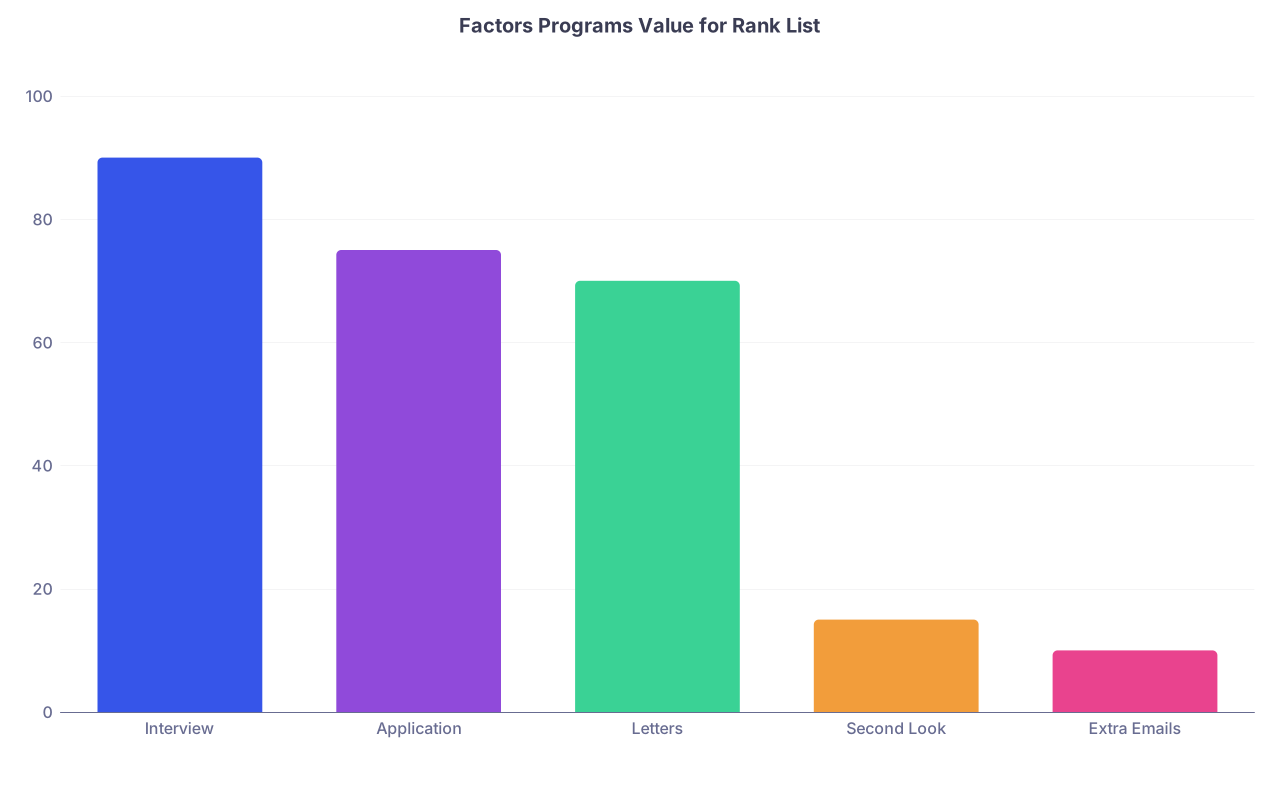
| Category | Value |
|---|---|
| Interview | 90 |
| Application | 75 |
| Letters | 70 |
| Second Look | 15 |
| Extra Emails | 10 |
Most PDs will tell you some version of:
- Interview performance + application + letters = core.
- Second looks = occasionally helpful for clarifying mutual fit, almost never the deciding factor.
Where second looks historically have made a difference:
- When a borderline applicant shows up, interacts beautifully with residents again, and multiple people then say, “Honestly, I underrated this person on interview day.”
- When there are red flags about professionalism and the second look confirms or dispels them.
But notice something: both of those situations require the program to actually be open to changing their mind from additional contact. Programs that deny second looks are signaling they will not.
So if they say no:
- Your match odds are not tanked by the denial.
- They’re mostly frozen in place at whatever impression they already had.
The question becomes: did you do a decent job on interview day? If yes, let it go. If not, a second look wasn’t going to save you.
6. Strategic Ranking When You Couldn’t Do a Second Look
You’re now at the phase where you have to build a rank list without the extra in-person data you wanted from that program. Fine. Here’s how to handle it without spiraling.
A. Put programs in hard tiers
You don’t need a perfect 1–15 ladder in your head at first. Think in tiers.
| Tier | Description | Example Position |
|---|---|---|
| Tier 1 | Would be honestly excited to match | Ranks 1–3 |
| Tier 2 | Solid fit, acceptable trade-offs | Ranks 4–8 |
| Tier 3 | Only okay; would go but not thrilled | Ranks 9–12 |
| Safety/Location Only | Fit is mediocre, but location/other factor matters | Bottom of list |
Your denied-second-look program goes into one of these based on:
- Interview day vibe.
- Resident conversations (post-interview).
- City/life logistics.
B. Use residents as your second-look proxy
If everyone you talk to says:
- “We’re tired but we support each other, PD really has our back,”
then that can justify moving them up even without a return visit.
If you hear:
- “Honestly, the day you saw was their best behavior. It’s much rougher in real life,” you bump them down. And you didn’t need to step on their campus a second time to learn that.
7. Future Trend: Second Looks Are Shrinking. You Need a New Default Strategy.
You’re not just dealing with one-off weirdness. You’re seeing part of a bigger shift.
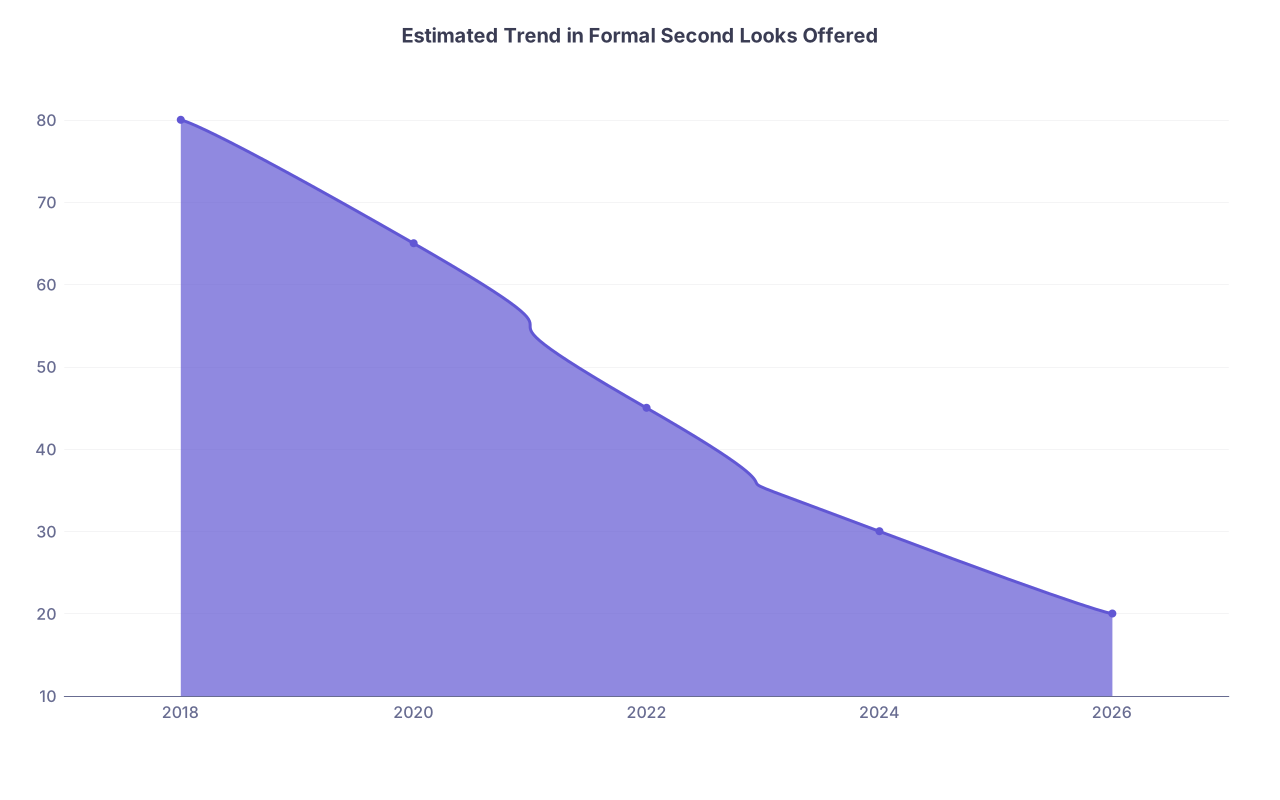
| Category | Value |
|---|---|
| 2018 | 80 |
| 2020 | 65 |
| 2022 | 45 |
| 2024 | 30 |
| 2026 | 20 |
Between virtual interviews, equity concerns, and burnout, programs are steadily moving toward:
- No second looks, or
- Only very structured, group-style second look days, or
- “You can visit the city and walk around, but we won’t host anything formal.”
So you should assume:
- The default is no second look.
- The exception is a well-organized, advertised second-look event.
Your standing plan should be:
- Crush the interview day like you will not get another shot.
- Collect resident contacts and ask if it’s okay to follow up with questions later.
- Keep a running notes doc for each program with concrete pros/cons instead of “I’ll figure it out on second look.”
Because second looks are becoming optional garnish, not the main dish.
8. Scripts for Common Second-Look Denial Situations
You’re in a specific situation. So here’s what to say and what to stop doing, case by case.
Scenario 1: You already bought a plane ticket
You emailed asking, “Can I come back on [date] for a second look?” and they replied with a no, but you’d already planned to be in town.
What you do:
- Don’t try to guilt them about the ticket.
- Go anyway if it makes sense for you (check out housing, city, commute).
- Do not show up at the hospital or program offices “just to say hi.”
You can tell a resident:
I’ll actually be in town briefly on [date] seeing the area. No need to meet up, but if you happen to be free and want to grab coffee nearby, I’d appreciate the chance to ask a few questions.
If they say no or ignore it, that’s your answer. Respect it.
Scenario 2: You’re between two programs; the one you like slightly more denied your second look
This is the high-anxiety one.
Here’s the move:
- Collect as much information as you can remotely from that program (resident chats, email questions).
- Compare call schedules, fellowship outcomes, city, partner factors, etc.

If you still cannot decide:
- Rank purely by where you’d rather wake up for the next 3–7 years, not by who said yes/no to a second look.
- Do not punish the program for denying a second look if they’ve been otherwise respectful.
Scenario 3: You panicked and wrote a pushy email after the denial
You can sometimes recover from this, but do not double down.
If you sent something like:
I don’t understand why I’m not allowed to visit when other programs have let me…
Stop. Do not follow up with more argument. If you want to attempt repair:
Dear [Name],
I realize my last email may have come across more strongly than I intended. I apologize for that. I appreciate the constraints programs are working under and respect your policies. Thank you again for the opportunity to interview at [Program]; I remain grateful for your consideration.
Best,
[Your Name]
Then walk away. No more emails unless it’s a single, late-cycle preference signal.
9. Questions to Ask Residents When You Can’t Second Look
If you want something actionable to do tonight, this is it. Use these questions when you hop on Zoom or the phone.
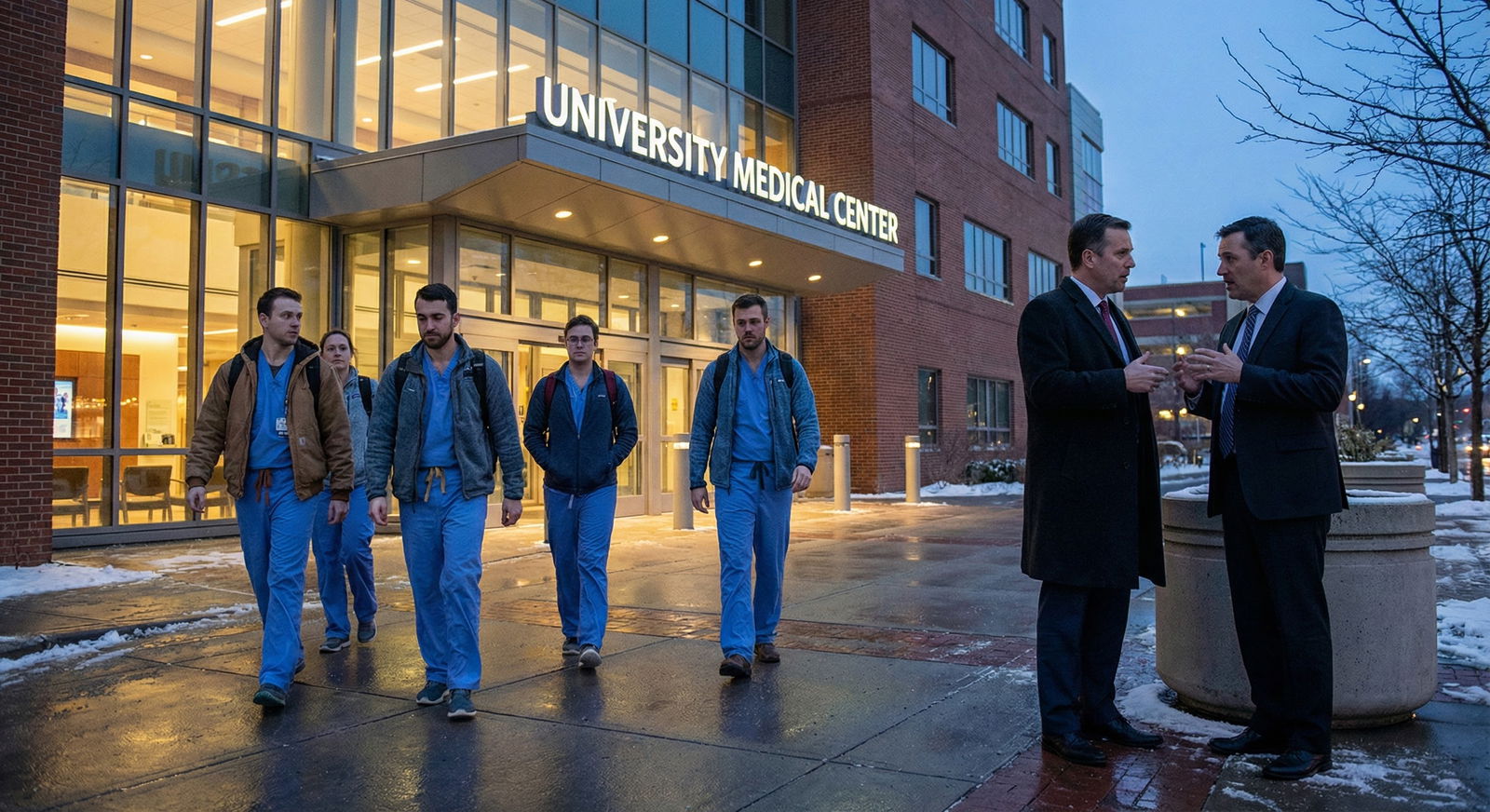
Pick 5–7 max. Don’t interrogate them.
- “What surprised you most in your first six months there?”
- “What do graduates say one year out—are they happy with how they were trained?”
- “If you magically had the choice again, would you still rank [Program] #1? Why or why not?”
- “How responsive is leadership when residents raise concerns?”
- “How predictable is your schedule? Any rotations where you consistently feel unsafe or overwhelmed?”
- “How is feedback given—do you actually get it, or is it mostly lip service?”
- “What’s something the program does poorly that I wouldn’t see on interview day?”
You’re replacing the second look’s “gut feel” with targeted data.
10. The Bottom Line If You’re Sitting With a Denial Email Right Now
You got the “no.” It feels personal. It isn’t. Here’s what you do next:

- Reply once (if appropriate), be gracious, and stop asking for exceptions.
- Use resident conversations, your interview day notes, and real-life logistics to decide how high to rank them.
- Remember the big truth: your match chances depend on the interview and your file, not on whether you walked their hallways a second time.
That’s it. No drama needed.
Key points to walk away with:
- A denied second look is usually about policy, not your candidacy. Don’t punish the program or yourself over it.
- You can replace 90% of what you wanted from a second look with smart resident conversations and real-life research.
- One professional, concise follow-up beats a dozen anxious emails—and what you did on interview day still matters far more than whether you got invited back.