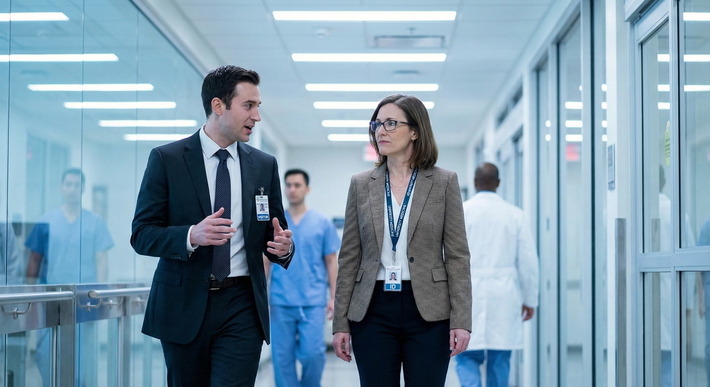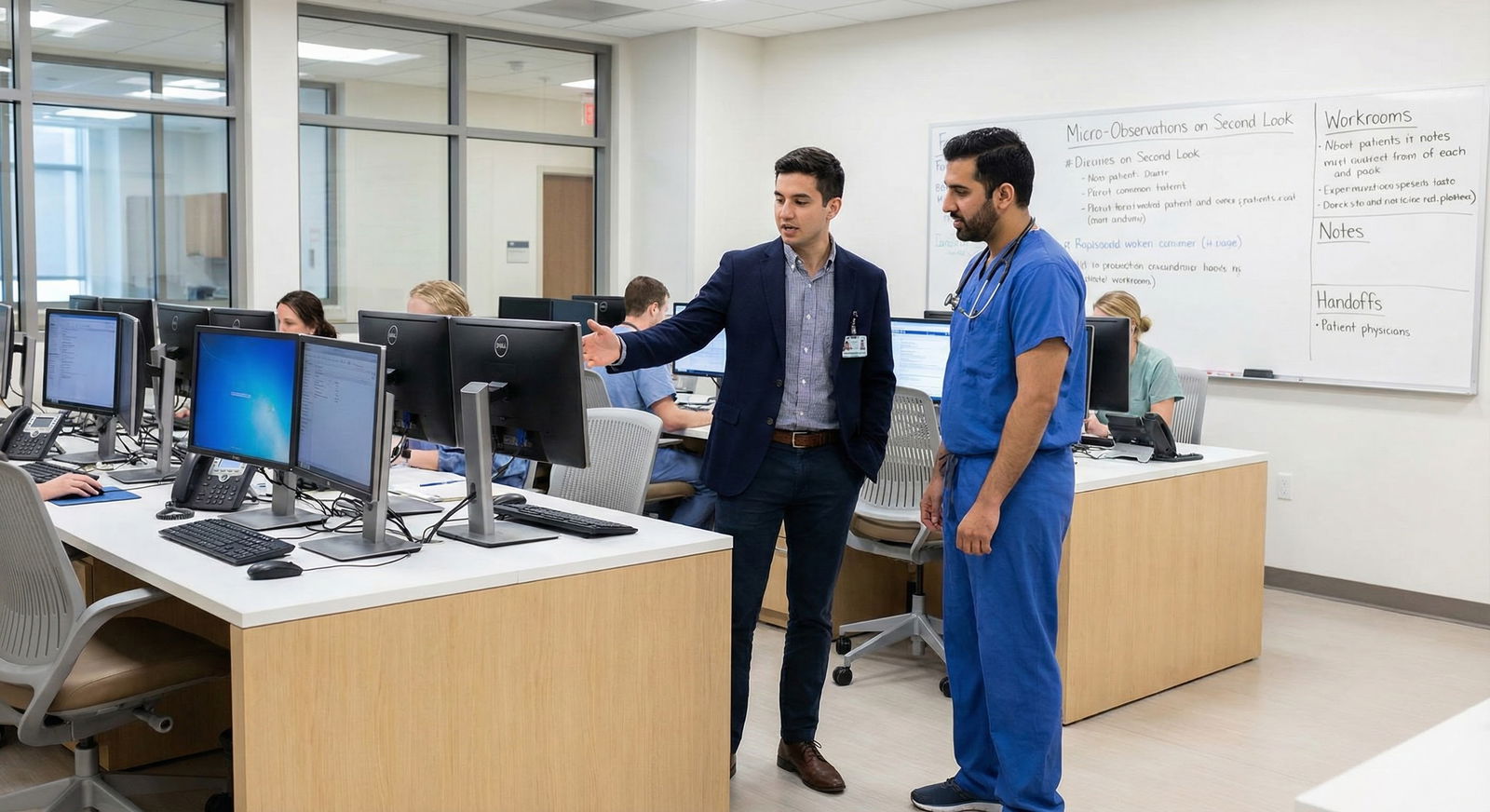
The biggest mistake people make at second look is dressing for the wrong day, not the wrong program.
You’re not choosing between “formal vs casual.” You’re choosing between “clinic day vs conference day.” Different rules. Different risks.
Let me break it down so you do not spend the whole visit wondering if you are underdressed or overdressed.
The Core Rule: Match The Function, Not The Vibe
Forget the Instagram photos. Ask one question: What will I actually be doing that day?
You typically see two basic second look formats:
- Clinic / Rounds / Shadowing Day
- Conference / Didactics / Lunch & Social Day
Dress for the function, not for what other applicants might randomly decide to wear.
Here’s the short version:
- Clinic / Rounds = Clinical business casual
- Think “what residents wear on a normal clinic day,” not “they wore this on interview day.”
- Conference / Didactics = Business casual leaning professional
- Think “presenting at grand rounds,” not “formal interview suit.”
We’ll go deeper and get more specific, because “business casual” means totally different things in dermatology vs orthopedics vs psychiatry.
Clinic Days: What to Wear When You’re in Patient Areas
If your second look includes:
- Shadowing in clinic
- Following on inpatient rounds
- Observing procedures
- Going into patient rooms or ED bays
…you are in clinic day territory. That means two priorities: professional and practical.
The Baseline Clinic Outfit (All Genders)
You want a “clinical business casual” base you can put a white coat over if needed.
For everyone, aim for:
Top
- Solid or subtle-pattern blouse, button-down, or knit top
- Avoid low-cut, cropped, or sheer
- Avoid loud graphics or text
Bottoms
- Chinos, ankle pants, or dress slacks
- Knee-length (or longer) skirts if you prefer skirts
- No jeans, leggings-as-pants, or shorts unless you’ve been very clearly told it’s okay (and even then, I’d be cautious)
Shoes
- Closed-toe, closed-heel flats, loafers, low heels, or clean leather sneakers if your specialty and region are clearly casual
- Prioritize comfort: you might be on your feet for hours or speed-walking between wards
- Avoid sandals, heels you can’t walk in, or anything loud and clacky
Outer layer
- If you have a white coat for that institution (e.g., doing a second look where you did a Sub-I), bring it
- If not, bring:
- A simple blazer or
- A light cardigan / professional-looking layer
- Many places will offer loaner white coats if they expect you to be in patient areas
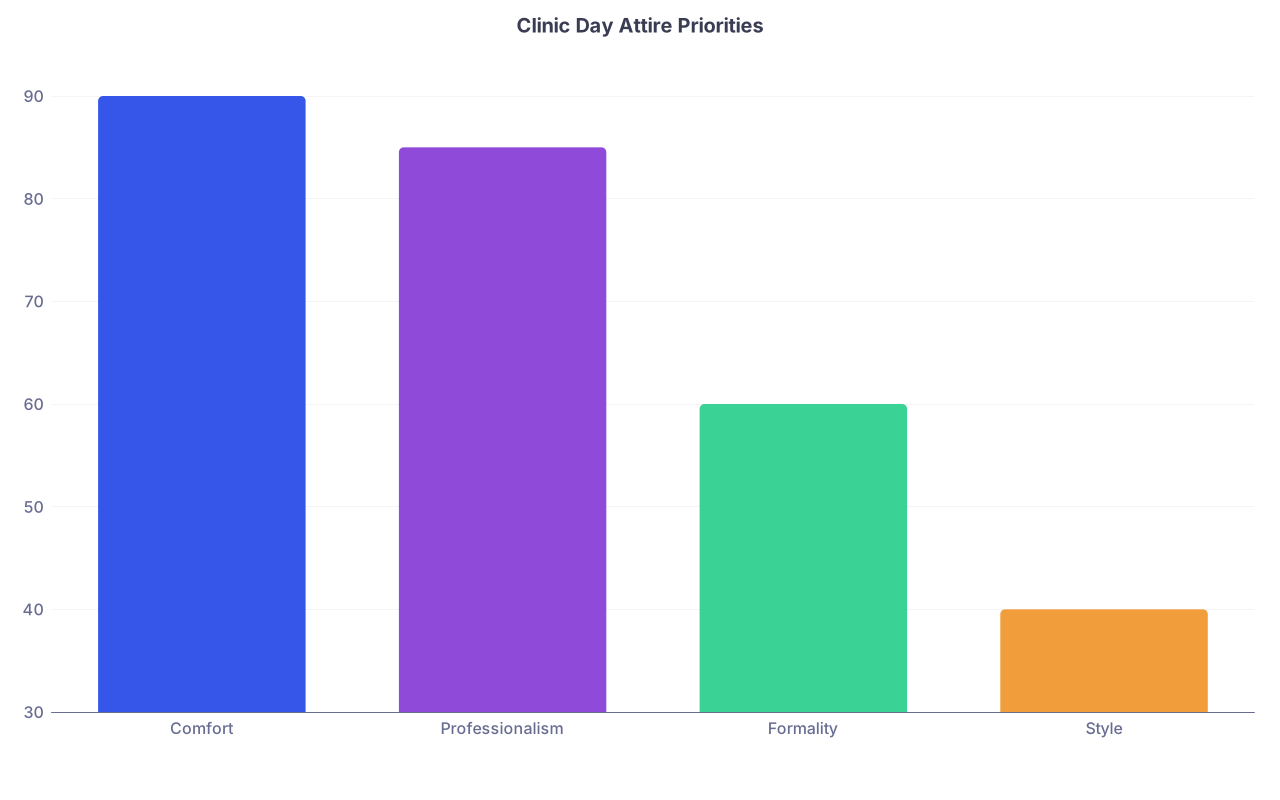
| Category | Value |
|---|---|
| Comfort | 90 |
| Professionalism | 85 |
| Formality | 60 |
| Style | 40 |
Gender-Specific Examples
These are concrete combos that work almost everywhere.
For women / femme-presenting applicants:
- Outfit 1: Ankle-length tailored pants + shell blouse + loafers + optional blazer
- Outfit 2: Knee-length, non-clingy dress + cardigan + flats
- Outfit 3: Dark chinos + simple sweater or structured knit top + comfortable boots (no big chunky platforms)
Avoid: bodycon dresses, deep V-necks, crop tops, very bright bodycon skirts, noisy jewelry that clanks while you walk.
For men / masc-presenting applicants:
- Outfit 1: Chinos + button‑down shirt + brown or black dress shoes (no tie needed)
- Outfit 2: Dark dress pants + solid or mild-pattern collared shirt + optional blazer
- Outfit 3: Tech-fabric chinos + polo (only if the program is explicitly casual and you’ve seen residents dress this way)
Avoid: polos with logos all over, short-sleeve “party” button-downs, joggers, loud sneakers.
Specialty Adjustments for Clinic Days
Some specialties have their own micro-cultures. Quick reality check:
| Specialty | Default Level | Safe Choice |
|---|---|---|
| Internal Med | Moderate | Slacks + button-down/blouse |
| Surgery | Slightly up | Slacks + button-down + blazer |
| Pediatrics | Moderate | Slacks + fun-but-subtle top |
| Psych | Moderate | Slacks + knit top or button-down |
| Derm | Higher | Slacks + blazer, polished shoes |
If you’re unsure, aim one click more formal than residents’ usual clinic wear. Not suit level, but clearly polished.
Common Clinic Day Mistakes
I’ve seen these go badly:
Scrubs as your main outfit
Unless explicitly invited (“wear scrubs”), do not show up in scrubs. You look like you misunderstood the day.Backpacks that scream “undergrad”
A simple backpack is fine, but avoid giant hiking packs. A slim backpack or tote is better.No layers
Hospitals are freezing or overheated, never in between. Have a removable layer.No-show socks in winter
You think nobody notices your ankles turning blue by noon? They do. Wear real socks.
Conference / Didactics Days: When You’re Mostly in Meeting Rooms
If your second look is:
- A morning conference or grand rounds
- Program overview and Q&A
- Resident panel
- Lunch with faculty and residents
- Optional afternoon social or tour
…that’s conference day. You’re not primarily in patient rooms. You’re in rooms where people are evaluating how you fit the culture.
Overall Target: Business Casual, Polished
You do not need a full interview suit unless the program explicitly says “dress in interview attire.” But you should look like you belong at the front of the room giving a talk.
Think “I’m presenting at journal club,” not “it’s casual Friday.”
Safe template for everyone:
- One level down from full suit
- Structured pieces (blazer, dress, tailored pants)
- Comfortable but polished shoes
Concrete Outfit Examples
For women / femme-presenting:
- Outfit 1: Tailored ankle pants + blouse + blazer + flats/loafers
- Outfit 2: Simple sheath or A-line dress (knee or midi) + blazer or cardigan + low heels or flats
- Outfit 3: Skirt (not tight, not mini) + tucked-in blouse + loafers
Colors can be a bit more relaxed than interview day:
- Navy, gray, black, camel, olive for base
- Add one accent color (burgundy, soft blue, forest green) in blouse or accessories
For men / masc-presenting:
- Outfit 1: Dress pants + button-down + blazer, no tie, dress shoes
- Outfit 2: Chinos + button-down + sport coat if the program is known to be more casual
- Outfit 3: Full suit with open collar if you really are not sure and want no risk
You can skip the tie for most conference-style second looks unless:
- It’s a very traditional program
- You’re in a very conservative region
- They said “business formal” or “interview dress”
What About Mixed Days? (Clinic + Conference)
Many second looks combine:
- AM: conference, didactics, tour
- PM: optional clinic time or shadowing
In that case, wear something you can flex:
- Base: clinic-appropriate outfit
- Add: blazer to level it up for conference
- Shoes: clinic-appropriate but polished (this is the real constraint)
Example strategy:
Dark chinos + dress shirt + blazer + leather loafers
Take blazer off for clinic, keep it on for conference.Ankle pants + blouse + flats + blazer
Blazer on for talk/lunch; off for walking around wards.
Regional and Cultural Reality Check
Programs act like they’re unique, but dress norms track with region and academic culture.
Northeast / Midwest academic powerhouses
Slightly more formal. Blazers are common. Neutral colors dominate.West Coast / some Southern and Mountain programs
Slightly more casual. You’ll see clean sneakers with chinos, fewer ties.Very community-based or county-heavy programs
Function > fashion. People prioritize comfort and practicality. Still not jeans-and-hoodie, though.
If you’re unsure, email the coordinator a simple line:
“For the second look day on [date], would you recommend business casual or clinic attire? I want to be appropriately dressed for any patient-facing activities.”
Nobody will think that’s weird. They’ll think you’re thoughtful.
Grooming, Accessories, and All the “Small” Stuff
This is where people quietly tank their look even when the clothing is right.
Grooming
- Hair: Neat, out of your face. You can absolutely wear natural curls, braids, twists, etc. Just controlled enough that you’re not pushing it back every 20 seconds.
- Facial hair: Trimmed or clean-shaven. “I forgot about it for 2 weeks” is not the vibe.
- Nails: Clean and not disgustingly long. Color is fine if it’s not neon or chipped to death.
Bags and Extras
- Bag: Slim backpack, tote, or simple messenger is perfect.
- Jewelry: Minimal, non-distracting. If it jingles when you walk, leave it home.
- Fragrance: Light or none. Big no to heavy perfume/cologne in clinical spaces.
Weather and Practicality
You might be:
- Walking between buildings
- Touring parking lots and call rooms
- Standing in crowded conference rooms
Plan for:
- Layers: blazer/cardigan you can remove
- Weather: umbrella or coat that doesn’t look like a ski trip
- Shoes that can tolerate at least 6–8k steps
Quick Decision Guide: What to Wear
Here’s a straight decision flow that covers most scenarios.

| Step | Description |
|---|---|
| Step 1 | Second Look Schedule |
| Step 2 | Clinic Day Style |
| Step 3 | Conference Day Style |
| Step 4 | Clinic outfit + Blazer |
| Step 5 | Clinical business casual |
| Step 6 | Full suit |
| Step 7 | Business casual with blazer |
| Step 8 | Patient-facing time? |
| Step 9 | AM conference too? |
| Step 10 | Program says interview attire? |
If you’re still stuck, default to this:
- Top: Ironed button-down or blouse
- Bottom: Dark chinos or dress pants
- Shoes: Closed-toe flats/loafers/dress shoes you can walk in
- Layer: Simple blazer or cardigan
You’ll never look wildly out of place in that.
What Not to Wear: Hard No List
These will raise eyebrows at almost any second look:
- Hoodies, graphic tees, or obvious athleisure
- Leggings as pants (even with a long top)
- Ripped jeans, shorts, mini skirts
- Crocs, flip-flops, or slides (clinic clogs only if residents clearly wear them AND it’s a clinic/OR day)
- Giant logo gear from another med school or hospital system in big letters
Your clothes shouldn’t be the most memorable thing about you.
FAQ: Second Look Attire (Exactly 7 Questions)
1. Can I wear my full interview suit to a second look?
Yes, you can, and you will not hurt yourself by being slightly overdressed. That said, for most conference-style second looks, a full interview suit with tie/buttoned-up formality can look a little stiff compared to residents. If you do wear a suit, consider skipping the tie or choosing a softer color shirt to ease the formality.
2. Are clean sneakers ever okay for a second look?
Sometimes. In more casual programs (especially on the West Coast or in EM, FM, peds-heavy environments), clean, low-profile sneakers with chinos can be acceptable—especially on clinic or tour-heavy days. They should be neutral, clean, and not the focal point of your outfit. If in doubt or if the program is more traditional, go with loafers or simple dress shoes instead.
3. What should I wear if the schedule includes a social event at a bar or restaurant after the day?
Wear the same outfit you wore for the day, unless the program explicitly tells you to change. Second look socials are usually directly after the formal schedule. A business-casual outfit (blouse/button-down + slacks + flats/loafers) looks perfectly normal in almost any restaurant or bar. If you know in advance and want to be more relaxed, you can slightly soften your look (ditch the blazer, wear more relaxed but still polished shoes).
4. Do I need to bring my white coat?
Usually, no. For second looks, programs don’t expect you to show up in your own white coat unless you’re already rotating there and it’s your normal attire. If they want you in white coats for clinic, they’ll often provide a loaner. You can pack yours if it makes you feel more comfortable, but do not stress if you do not bring it.
5. Is it okay to show tattoos or piercings?
Plenty of residents and attendings have tattoos and piercings. The safest approach for a second look—especially if you have not seen the local culture—is to keep things modest: cover large or potentially controversial tattoos and stick to simple piercings (earlobes, small studs). Once you match, you can recalibrate to the program’s real norms.
6. What if everyone else shows up way more casual than I am?
Then you’re the slightly better-dressed person in the room. That’s not a problem. Second look is not a fashion contest. Residents will not ding you for looking a bit more formal; they’re more likely to remember that you took the day seriously. Being underdressed is much more memorable—and not in a good way.
7. I’m flying in with limited luggage. What’s the one outfit that can work for both clinic and conference days?
Pack a single versatile setup: dark chinos or dress pants, a neutral button-down or blouse, a lightweight blazer, and comfortable closed-toe flats/loafers/dress shoes. That combo can be clinic-appropriate with the blazer off and fully conference-ready with the blazer on. It also survives most weather with simple layering.
Open your second look schedule right now and label each block “clinic” or “conference.” Once you do that, pick one clinic-appropriate base outfit and decide whether you’re adding a blazer or not. That’s 90% of your wardrobe stress solved.