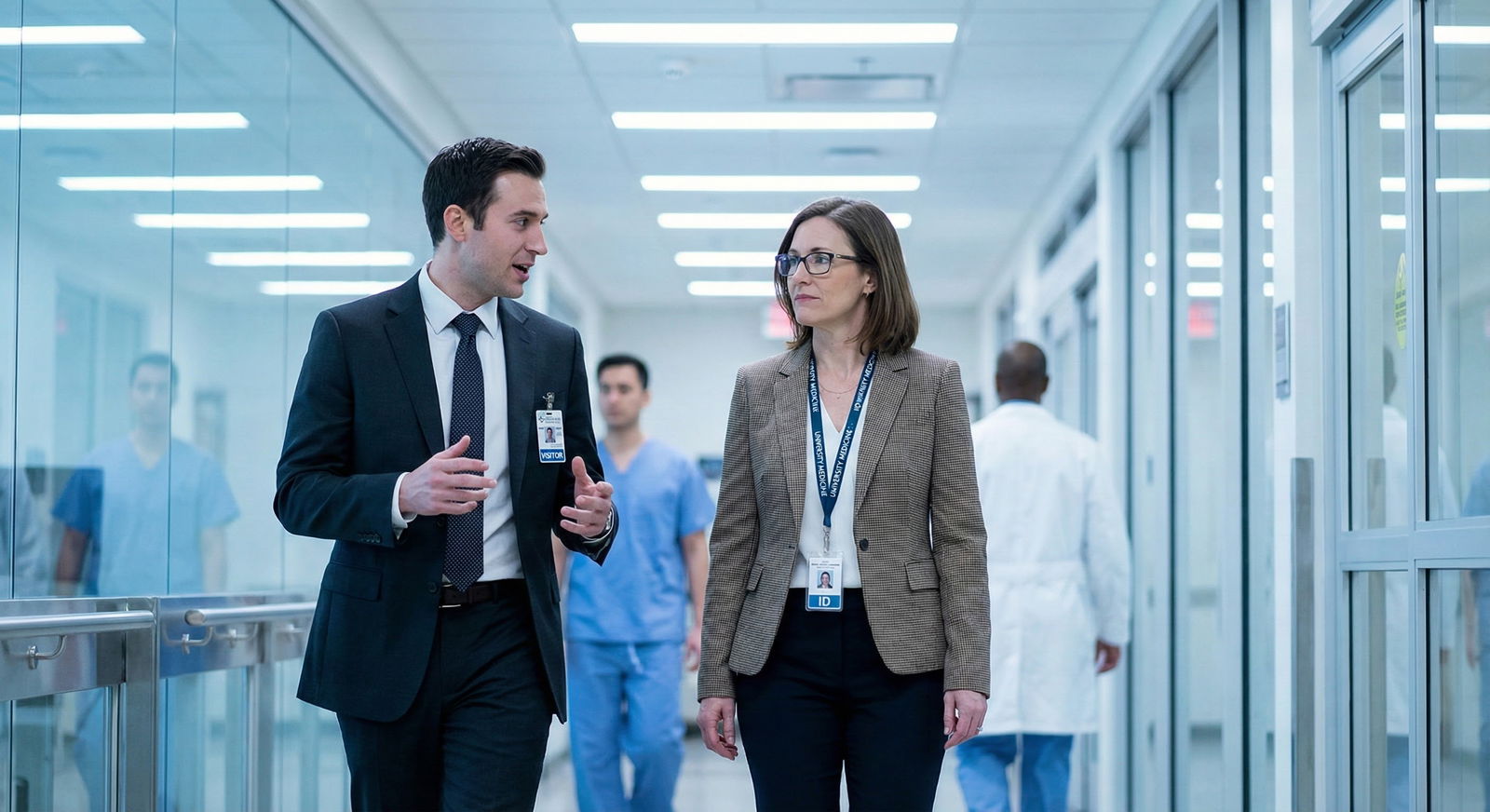
Second-look visits help programs decide who to move up their list—and who to quietly slide down. Most applicants pretend that’s not true. That’s mistake number one.
If you treat a second look like a casual “vibe check,” you’re playing checkers while the program is playing chess. PDs, chiefs, and even interns are watching, comparing what you do on that day to the 40 other people they also liked during interviews.
Here’s how people quietly tank their rank position—and how you’re going to avoid every one of those traps.
Mistake #1: Treating the Second Look Like a “Formality”
Residents can smell this one a mile away.
You show up saying some version of:
“Yeah, I’m pretty much set on here, just wanted to see the hospital again.”
Or worse:
“I already love the program, this is just a confirmation.”
You think you’re flattering them. You’re not. You’re telling them:
“I’m not here to learn. I’m here to be reassured.”
Programs don’t want reassurance-seekers. They want people who are still curious, still gathering real data, still thinking like a professional.
How it quietly sinks you:
- You ask generic questions that suggest you haven’t done your homework.
- You don’t really engage; you just follow like a tourist.
- You look like you came to “be sold,” not to evaluate or contribute.
Here’s the reality: every second look is a live audition for fit, maturity, and work ethic—especially in competitive specialties.
What to do instead:
Arrive with a short, targeted list of things you’re actually trying to assess:
- How do seniors teach on busy days vs quiet days?
- How does the program handle a resident who’s struggling?
- What does backup coverage look like when someone is sick?
- How realistic is the research support, not the brochure version?
Then say something like:
“I’m really interested, but I wanted to see what a regular day feels like and get more detail about X and Y before finalizing my list.”
That sounds like an adult making a careful decision. Programs respect that.
Mistake #2: Acting Like a Shadow, Not a Future Colleague
Second look ≠ silent observation exam. You’re not being graded on how invisible you can be.
The quiet, overly-polite, stay-out-of-the-way applicant feels “safe” to you. To programs, they feel like this:
- Possibly disengaged
- Possibly passive
- Possibly a future problem when it comes to advocacy and communication
I’ve heard attendings say after a second look:
“She was pleasant but I have no idea who she is. Didn’t ask much, didn’t say much.”
Guess where she ended up on the rank list? Middle or lower. Every time.
Red flags that you’re disappearing:
- You walk with the team but never ask a question.
- You barely introduce yourself to residents beyond “Hi, I’m [Name].”
- During downtime, you scroll your phone instead of talking to people.
- You let them lead everything and never say what you want to see.
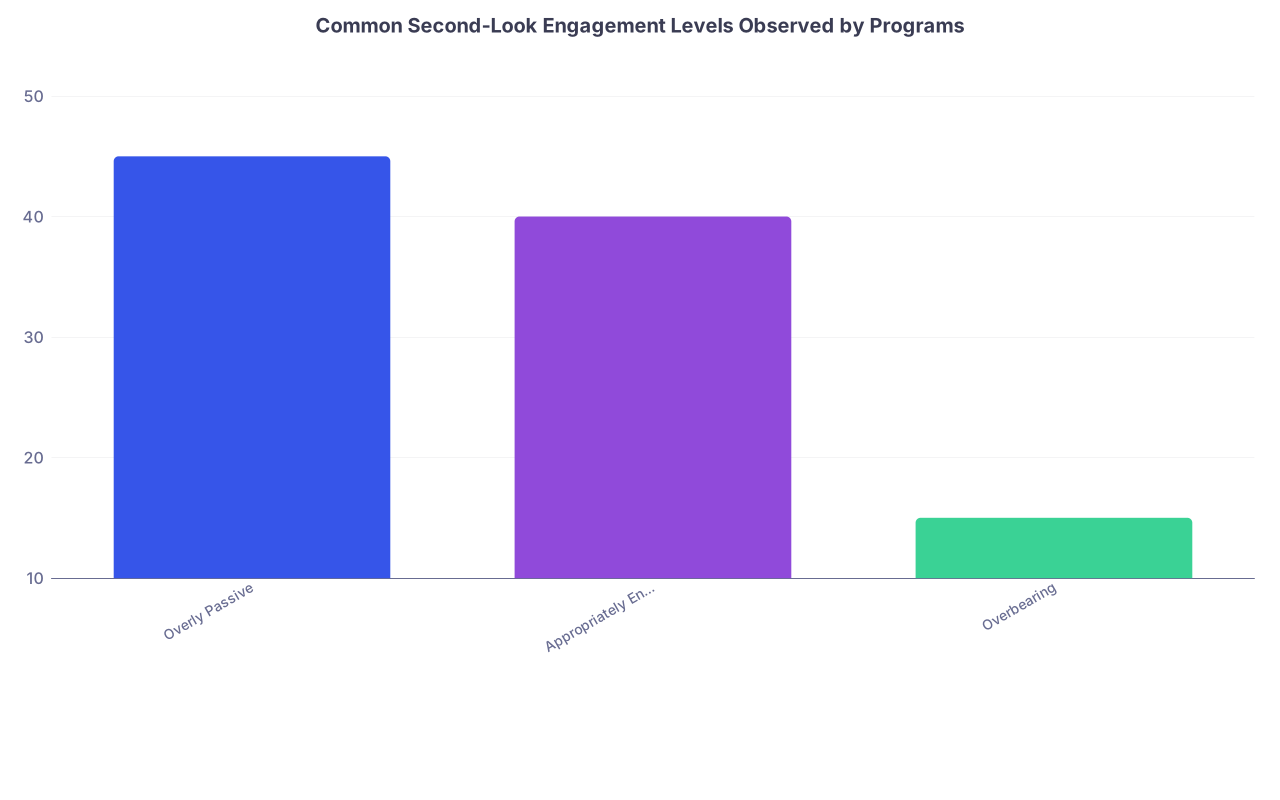
| Category | Value |
|---|---|
| Overly Passive | 45 |
| Appropriately Engaged | 40 |
| Overbearing | 15 |
How to be visible without being annoying:
At the start of the day:
“Thanks for letting me tag along. I was hoping to see how the team works on rounds and maybe chat about how interns get supported early on.”On rounds, ask short, focused questions at natural breaks.
“I noticed you use X order set for sepsis here—does everyone get standardized EMR training before starting?”Between cases or patients, talk like a human being.
“What made you choose this program over others?”
“What’s something this place does better than your friends’ programs—and what does it do worse?”
Do not overdo it. But disappearing completely? That’s worse. Programs can’t rank who they can’t remember.
Mistake #3: Turning the Day Into a Complaint Session (or Oversharing)
Second looks are not therapy. They’re data collection and subtle audition.
I’ve seen applicants sabotage themselves by:
- Venting about other programs (“X felt malignant,” “Y was a disaster”).
- Oversharing anxiety (“I’m so nervous about matching,” “I really need somewhere close to my partner”).
- Talking trash about their med school or classmates.
Residents may laugh politely in the moment. Then after you leave, somebody says:
“If they talk like that about their med school, what are they going to say about us?”
How this kills your rank quietly:
- Programs start doubting your professionalism.
- They worry you’ll stir drama or badmouth them later.
- You look like emotional labor waiting to happen.
You absolutely can ask about workload, culture, or burnout. But keep it curious and grounded, not needy or bitter.
Better:
“How has the program responded when residents feel burned out?”
“What’s the unfiltered version of work-life balance here?”
Not:
“So is this place super malignant?”
“Are people here happy or just surviving?”
Professional curiosity? Good. Emotional dumping? Rank-list poison.
Mistake #4: Sending the Wrong Signal With Your Logistics and Timing
Programs read into your choices much more than you think. Timing, communication, and structure of the visit all send a signal.
Here’s the stuff that quietly dings you:
- Requesting a second look late in the season in a chaotic, last-minute way.
- Asking for a day that clearly conflicts with known busy times (e.g., they told you interview day or didactics day is sacred, you ignore it).
- Cancelling or rescheduling with weak, vague reasons.
- Showing up late—even 5–10 minutes—without a rock-solid explanation.

| Step | Description |
|---|---|
| Step 1 | Decide to Request Second Look |
| Step 2 | Clarify purpose first |
| Step 3 | Email Coordinator |
| Step 4 | Good Impression |
| Step 5 | Risk Looking Disorganized |
| Step 6 | Clear reason and goals? |
| Step 7 | Timing reasonable? |
Programs pay attention to who looks organized vs chaotic. Why? Because that’s exactly how you’ll handle cross-coverage, sign-out, and 3 a.m. pages.
Avoid these specific logistical mistakes:
Vagueness: “Can I come back sometime before rank lists?”
Better: “Would it be possible to visit one weekday in late January to see a typical inpatient day and meet a few more residents?”Over-ask: “Can I scrub in with Dr. X, meet PD again, see clinic, sit in on didactics, and tour research labs?”
You’re a guest, not a VIP.Ego scheduling: expecting them to rearrange a whole schedule around you, then acting annoyed when they can’t.
Give them clean, professional communication:
- Propose a general window, not one exact magical day.
- State what you’re hoping to see.
- Be flexible and appreciative.
And if you’re asking for second looks at multiple places, don’t be sloppy and send the wrong program name in the email. That happens. It’s remembered.
Mistake #5: Faking Enthusiasm You Can’t Sustain
Residents are tired. PDs are busy. They’ve met dozens of candidates. They’ve seen the “I LOVE IT HERE SO MUCH” performance more times than you can imagine.
The mistake? Forcing a level of enthusiasm that doesn’t match your actual vibe or personality. It comes out as:
- Laughing too hard at weak jokes.
- Overpraising everything: “This is amazing,” “This is perfect,” “I just love this.”
- Agreeing with every single thing they say, even when it conflicts with what you told other programs or wrote in your application.
People remember authenticity. They also remember obvious faking.
How this backfires:
- You look insecure and desperate.
- They can’t trust your feedback or your future evaluations.
- They worry you’ll say yes to everything, then quietly resent it and burn out.
Instead, show measured, grounded interest:
“I really like the balance of independence and support I’m seeing here. I’m still comparing with a couple other strong options, but this is very appealing.”
That’s honest. Programs prefer that over fake certainty.
If this is your clear #1, you can say something like:
“This visit really confirms that you’ll be very high on my rank list.”
You do not need to say “number one” unless you mean it and are comfortable committing.
Don’t lie. PDs talk. Applicants who tell three places “You’re my #1” are… not hard to spot.
Mistake #6: Misreading the Social Dynamics
Second looks are when you see the unvarnished culture. But here’s where people blow it: they misread what they see and then react badly.
Examples I’ve actually heard programs discuss after:
- Applicant asking an intern, “So, who are the lazy people here?” thinking it’s funny.
- Applicant trying too hard to be “one of the gang” and jumping into resident sarcasm about attendings or administration.
- Applicant getting visibly uncomfortable around dark humor, then clamming up instead of just letting it pass.
You’re seeing a slice of their daily life, not a curated performance. They know it might be rough around the edges. Your job isn’t to fix it or fully mirror it. Your job is to show you can function maturely in it.
How to avoid missteps:
- Don’t join in on bashing anyone—attendings, staff, administration, other programs.
- Don’t try to out-snark the residents. You’re not on the team yet.
- Don’t ask for gossip disguised as “honest questions.”
If someone complains about hours or leadership, you can respond with:
“Sounds like it’s been a tough year. How has the program tried to respond or address that?”
Curious. Respectful. Not piling on. That’s the lane you stay in.
Mistake #7: Botching Post–Second Look Communication
This one hurts because it feels small. It isn’t.
Programs absolutely notice how you follow up—or don’t.
Common quiet-killer mistakes:
- Sending no thank-you at all, especially after a heavily coordinated day.
- Sending a generic “Thank you for the opportunity” email that could’ve gone to any program.
- Over-disclosing (“You’re my #1!” to three different programs, which somehow all hear about it).
- Writing an essay-length email that screams anxiety.
| Behavior | How Programs Often Interpret It |
|---|---|
| No email | Mild disinterest or poor etiquette |
| Short, specific thank-you | Professional, mature |
| Overly effusive, vague praise | Possibly desperate or inauthentic |
| Conflicting “You’re my #1” notes | Dishonest, untrustworthy |
| Very late follow-up (>2 weeks) | Disorganized or low priority for you |
Your move is simple:
- Within 24–72 hours, send a short, specific thank-you.
- Reference one or two concrete things from the day.
- If appropriate, mention that the visit positively influenced your view—but don’t overpromise.
Example:
“Thank you again for arranging my visit on Monday. Seeing how the senior residents ran work rounds and protected intern teaching time gave me a clearer sense of the culture here. It reinforced my impression that your program balances autonomy with strong support, and I’ll be thinking about that carefully as I finalize my rank list.”
That’s it. You don’t need more.
What you absolutely do not do:
“I will definitely be ranking you highly.” Then saying that exact line to 8 programs. That’s meaningless. Everyone knows it.
Mistake #8: Forgetting That Staff Opinions Count
If you think only PDs and residents matter, you’re already in trouble.
Second looks put you around:
- Program coordinators
- Nurses
- Unit clerks
- OR staff
- Front desk or security
I’ve watched rank meetings where someone says, “The coordinator got weird vibes from that one,” and suddenly the room is a lot cooler on that applicant.
Common staff-related mistakes:
- Being super polite to PDs and residents, but flat or dismissive with coordinators.
- Ignoring nurses’ presence, not introducing yourself, or stepping into their workspace without asking.
- Acting impatient when logistics aren’t perfect (late badge, slow access, room changes).
The message that sends: “Respect is selective.” Programs hate that.
Your rule: you’re respectful and grounded with everyone, all day.
If the coordinator had to scramble to put your day together? Thank them. By name. In your follow-up email.
A simple line like:
“I especially appreciate [Coordinator Name] coordinating my schedule on short notice.”
…goes a long way.
Mistake #9: Confusing “Future of Medicine” Curiosity With Off-Topic Flexing
You’re in the phase where everyone wants to talk about AI, telehealth, value-based care, global health, etc. Good. That’s part of the future of medicine.
The mistake is using your second look as a stage to show how “visionary” you are, instead of showing you can be a reliable intern first.
Red flags:
- Hijacking conversations to talk about your big idea for an AI-driven triage system in the ED when they’re trying to show you how the call schedule works.
- Asking, “How much autonomy will I have to redesign your QI infrastructure?” before you’ve even matched.
- Pushing your niche interest (blockchain, VR, whatever) in every conversation, even when people aren’t biting.
Residents will roll with it. PDs will nod. But what they’re thinking is:
“Cool… but can this person write a good note, call consults, and not panic on nights?”
Your interest in future-of-medicine stuff is valuable. Just don’t let it overshadow the basics.
Ground it in reality:
“I’m very interested in how AI and decision support tools are affecting real clinical workflows. Do interns get any exposure to that here, or is that more of a senior/resident researcher thing?”
Now you sound curious, not delusional.
Mistake #10: Using the Second Look to Try to “Game” the Match
Here’s a harsh one: some applicants treat second looks as a ranking manipulation tool instead of a professional visit.
Tells that you’re playing games:
- Fishing for hints: “So… where do I stand on your list?”
- Trying to corner PD or APD to “reassure” them you’re ranking them #1 and expecting a reciprocal hint.
- Suggesting you’ll rank them higher if they imply they’ll rank you high.
Programs hate this. Many have explicit policies about not discussing ranking. Push them, and you look naive at best, manipulative at worst.
Your second look is not for negotiating your position. It’s for one thing: helping both sides confirm whether you’d function well there for several years.
Ask yourself: if there were no rank list impact at all, would this day still be useful? If not, you’re doing it wrong.
Two Inline Visuals You Should Keep in Mind
Here’s the mental model: your second look signals three main buckets to a program—engagement, professionalism, and fit.
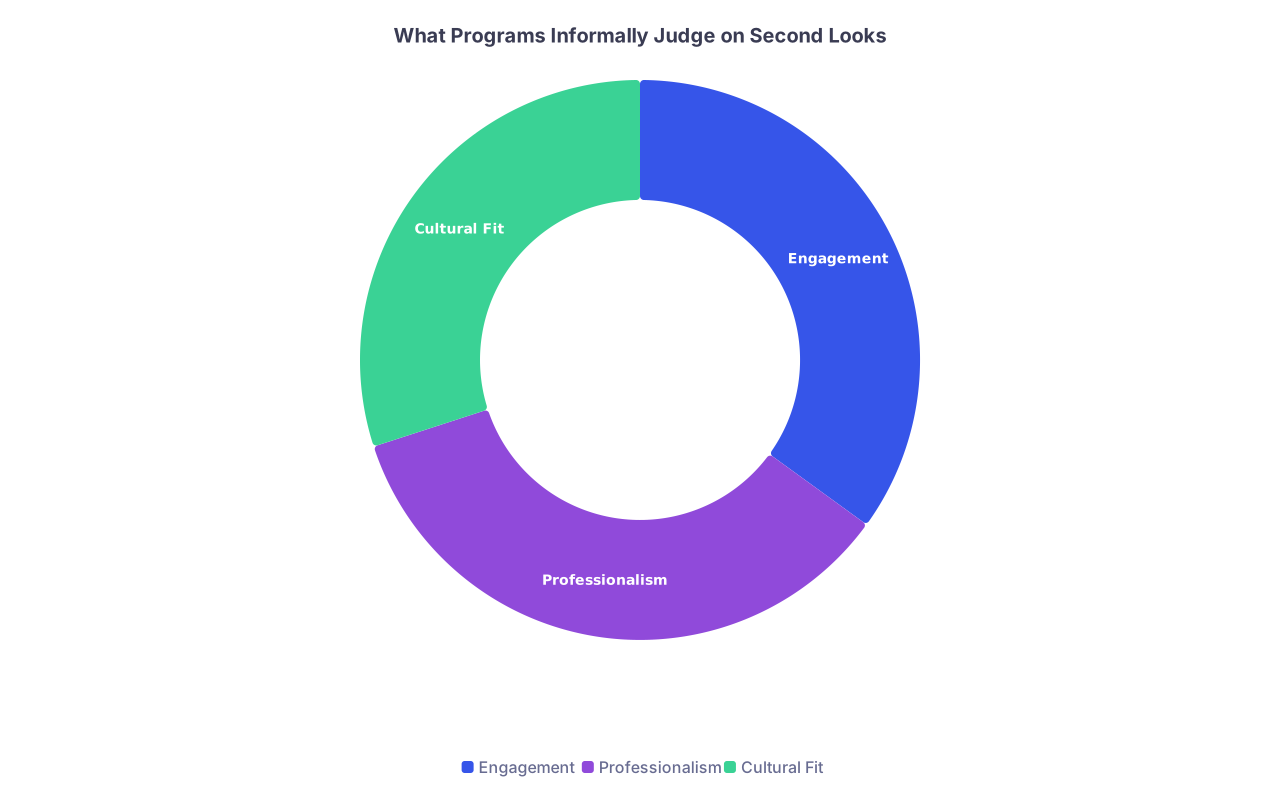
| Category | Value |
|---|---|
| Engagement | 35 |
| Professionalism | 35 |
| Cultural Fit | 30 |
All the mistakes above erode one or more of those buckets. None of them “fail” you outright, but each one quietly nudges you down the list relative to someone else who didn’t step on those landmines.
The Bottom Line: How Not to Quietly Sink Yourself
You don’t need to be perfect on a second look. You do need to avoid being memorably problematic or forgettably passive.
Strip it down to this:
- Treat the second look like a real audition and real data-gathering, not a victory lap.
- Show up as an engaged, respectful future colleague, not a tourist or a negotiator.
- Communicate cleanly before and after, and never forget: everyone you interact with is part of the evaluation, whether it’s written down or not.