
The biggest mistake new residents make post‑Match is assuming community and academic programs require the same logistical prep. They do not. The clock starts now, and the details are different.
You matched. Congratulations. Now you have 12–14 weeks to get your life, paperwork, and brain organized so Day 1 does not feel like a fire alarm. I am going to walk you through exactly what to do, and when, with specific forks in the road for community vs academic programs.
Big Picture: Month‑by‑Month From Match to Start
Think in three phases:
- Phase 1: Weeks 0–2 after Match – Confirm, clarify, commit
- Phase 2: Weeks 3–8 – Licensure, HR, housing, logistics
- Phase 3: Weeks 9–Start (usually July 1) – Clinical prep, schedule, transitions
Community and academic programs share the skeleton. The organs differ.
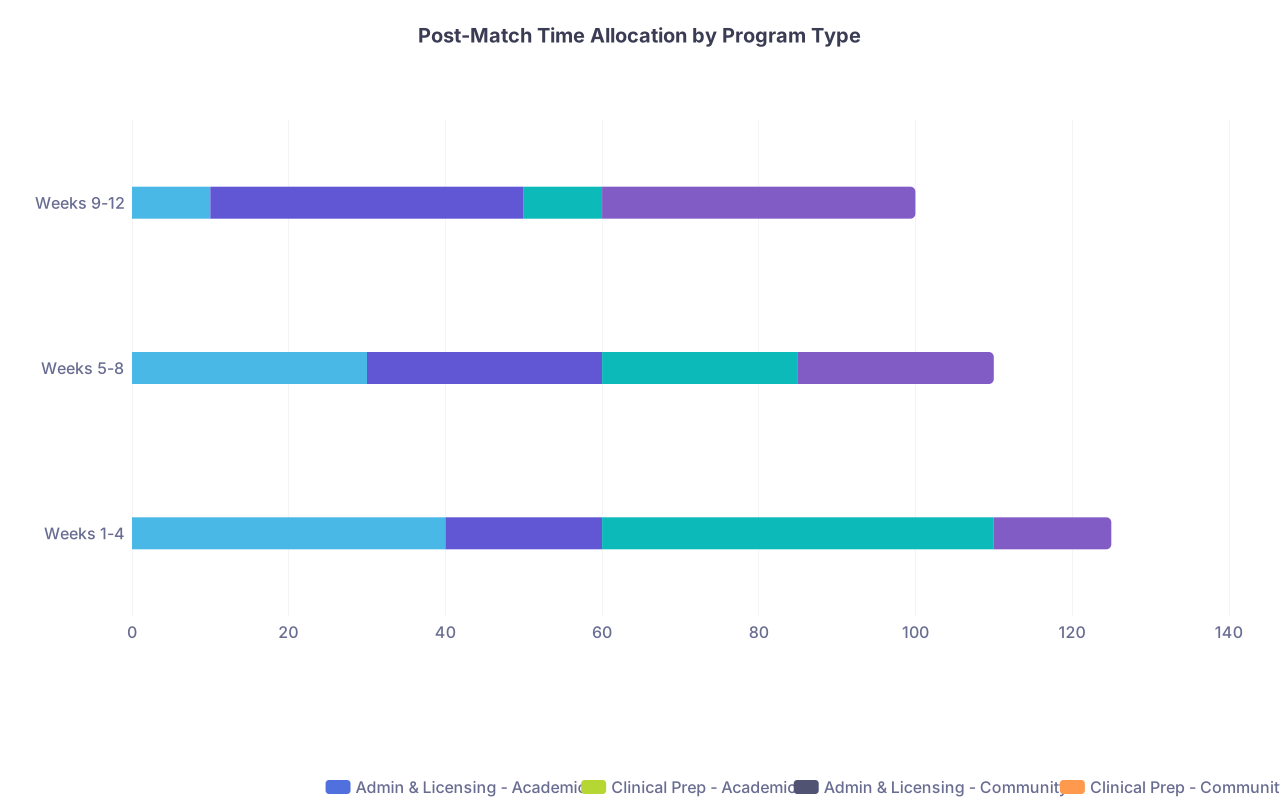
| Category | Admin & Licensing - Academic | Clinical Prep - Academic | Admin & Licensing - Community | Clinical Prep - Community |
|---|---|---|---|---|
| Weeks 1-4 | 40 | 20 | 50 | 15 |
| Weeks 5-8 | 30 | 30 | 25 | 25 |
| Weeks 9-12 | 10 | 40 | 10 | 40 |
You will see a pattern:
- Academic centers = more institutional hoops, more formal education structures
- Community programs = more direct clinical work early, more autonomy sooner, often less hand‑holding
Let us go week by week.
Phase 1: Match Week to +2 Weeks – Lock In the Foundation
At this point you should not be “basking.” You should be collecting information.
Days 0–3 After Match
1. Read your Match email and program communication. Carefully.
You should immediately:
- Confirm:
- Official start date (often July 1, but not always)
- Orientation dates (many start mid‑June)
- Any pre‑orientation online modules or paperwork deadlines
Community vs Academic differences:
- Academic programs often send:
- Links to institutional onboarding portals (e.g., “MedHub onboarding,” “New GME Trainee portal”)
- Multi‑page PDFs with exact deadlines for immunizations, background checks, NPI, etc.
- Community programs may:
- Send a shorter email from the program coordinator with a more informal checklist
- Use the hospital HR system more centrally, rather than a GME super‑structure
At this point you should make a single master checklist. Do not rely on five different emails.
| Task Category | Academic Program Emphasis | Community Program Emphasis |
|---|---|---|
| Orientation dates | GME-wide, multiple days | Program/hospital specific |
| Onboarding portal | Almost always present | Sometimes simple HR link |
| Contact person | GME office + coordinator | Primarily coordinator/HR |
| Early modules | Many required modules | Fewer but still required |
2. Reach out to your program coordinator (PC).
One email. Concise, adult. Ask:
- Confirmation of:
- Orientation dates
- Payroll start date
- Housing/relocation resources (if any)
- Whether there is:
- A new resident group chat / WhatsApp / Slack
- Recommended neighborhoods
The PC is your lifeline. Get on their good side early by doing what they ask, on time.
3. Contact your future chief residents (if info available).
Academic programs often have chiefs very visible on the website. Community programs sometimes less so.
Ask 3 targeted things:
- “What do you wish you had done between Match and July 1?”
- “What textbooks or resources does our program actually use?”
- “How early will we be taking overnight call / cross‑cover?”
- Community: often earlier and heavier
- Academic: sometimes delayed, with more shadowing and simulation first
Week 1: Paperwork Recon and Timeline Building
At this point you should create a week‑by‑week calendar from now to start date. Not negotiable.
Block off time for:
- Licensing
- NPI and DEA (if applicable / PGY‑2+ or certain states)
- Background check + drug screen
- Immunizations and titers
- Housing search
- Moving logistics
- Clinical review
For Academic Programs
Expect:
- Multiple logins: hospital HR, GME, learning management system
- Earlier deadlines for:
- Online modules (HIPAA, OSHA, EMR training previews)
- Medical records access forms
- ID badge photo submissions
You should front‑load admin tasks. Academic centers will cut off your access if you miss a deadline. I have seen interns show up Day 1 without EMR access because they ignored a training email.
For Community Programs
Expect:
- More direct communication via HR and the program coordinator
- Possibly:
- Less rigid online module structure
- More “show up on this day for bulk onboarding” style sessions
You should schedule your occupational health visit early. Community hospitals may have fewer appointment slots, and if you miss it, there is not a massive GME machine to rescue you.
Phase 2: Weeks 3–8 – Licensure, Housing, and Systems
This is where people either calmly prepare or scramble like it is Step 1 prep all over again. Your choice.
Week 3: Licensing and IDs
At this point you should start every process that requires state or federal bureaucracy. They move slowly.
1. State Training License / Limited Permit
Some states and hospitals handle licensure for you. Some do not.
- Academic programs often:
- Have GME staff who bulk‑submit training license applications
- Provide clear instructions and a single point of contact
- Community programs may:
- Expect you to start the application yourself
- Provide a document with “Here’s the link, deadline, and what to upload”
You should:
- Confirm:
- Who submits what (you vs GME)
- Application fee coverage (reimbursed vs out‑of‑pocket)
- Start:
- Gathering documents: diploma, transcripts, Step scores, passport or ID
2. NPI Number
If you do not already have one from med school:
- Apply online (takes ~10–15 min, but do it now).
- Both academic and community sites need this for billing, credentialing.
3. DEA (if PGY‑2+, some fellowships, or certain programs)
Most PGY‑1s do not need it immediately. Academic centers often delay this and centralize it. Community programs sometimes push for earlier DEA for moonlighting or specific privileges.
Ask your program directly: “Do I need DEA prior to start, or will we apply later?”
Week 4: Housing and Relocation Lockdown
This is where the differences between community and academic start to matter in your actual life.
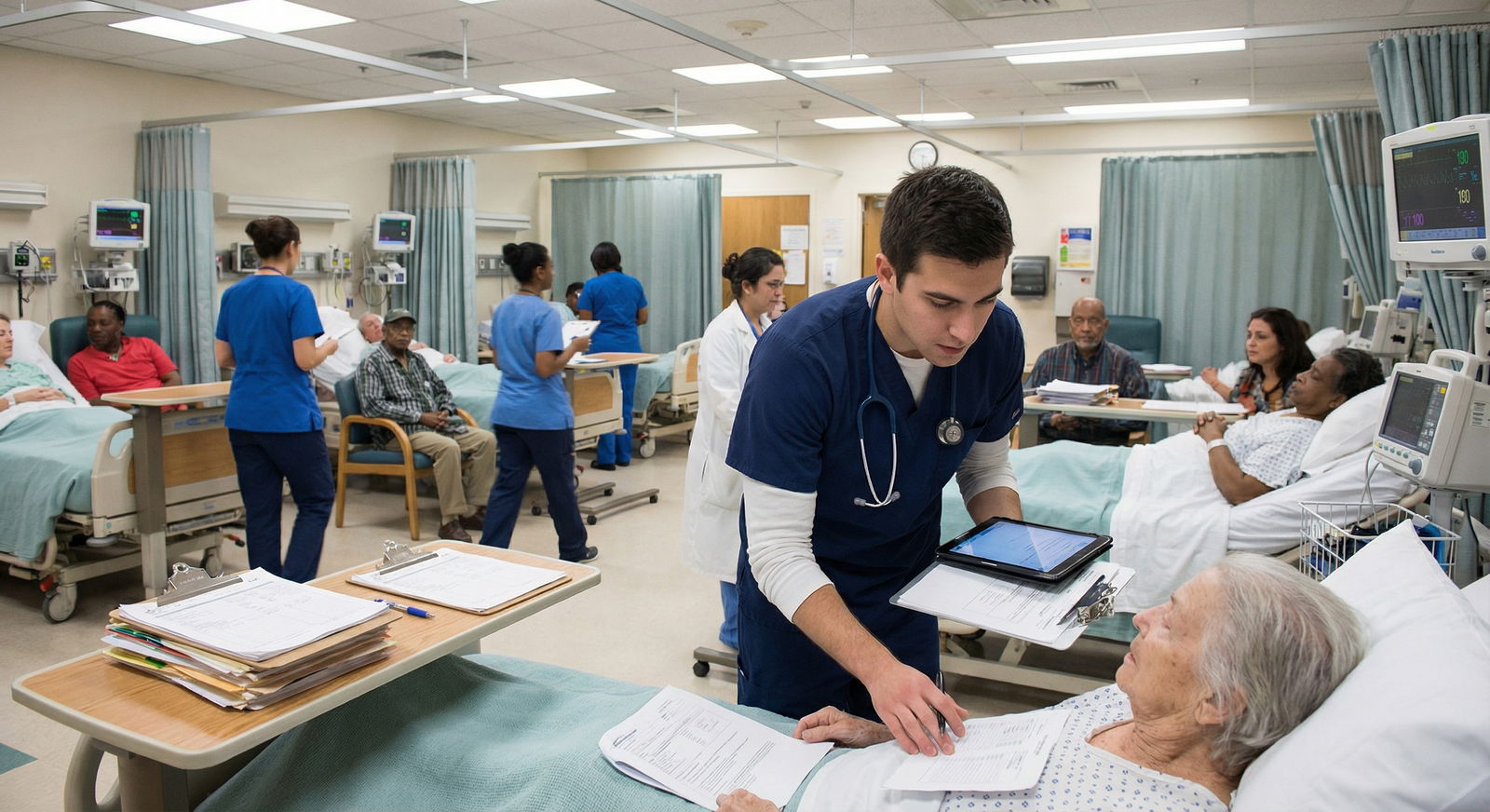
Academic Programs – Urban / Tertiary Centers
Patterns I see repeatedly:
- Housing is more competitive, more expensive
- Public transit is often realistic (parking is not)
- Co‑resident clusters in a few known neighborhoods
At this point you should:
- Ask chiefs or seniors:
- “Top 3 areas interns actually live in?”
- “Is parking a nightmare?”
- Decide:
- Car vs no car
- Commute length tolerance (a 45‑minute subway ride is very different from a 45‑minute highway commute)
Community Programs – Suburban / Smaller City
Different set of problems:
- Less dense housing market but more car‑dependency
- Cheaper rent, but:
- You may be covering multiple satellite clinics or hospitals
You should:
- Confirm:
- How many sites you will rotate through in PGY‑1
- Where call rooms actually are (main site vs satellite)
- Prioritize:
- Living close to your main hospital or along a simple driving route
- Parking options and overnight safety
Week 5: Occupational Health, Background Checks, and HR
At this point you should have dates on the calendar for:
- Drug screening
- Background check forms
- Immunization and titer review
- Mask fit testing (N95)
Academic GME offices usually schedule mass “New Resident Days.” Community hospitals may tell you “Call occupational health and set this up.”
Do not wait.
If you trained abroad, track down:
- Hep B titers
- TB testing
- Varicella and MMR proof
If you delay these, I have seen GME bar residents from seeing patients the first week. You do not want that label.
Week 6–7: EMR, Call Structure, and Curriculum
This is where academic and community truly diverge in your day‑to‑day.

| Step | Description |
|---|---|
| Step 1 | Week 6-7 |
| Step 2 | Review EMR training schedule |
| Step 3 | Ask about EMR shortcuts from seniors |
| Step 4 | Plan for simulation and didactics |
| Step 5 | Plan for early call and cross cover |
| Step 6 | Organize study resources |
| Step 7 | Program Type |
Academic Programs
You should now be receiving info about:
- Formal intern “boot camp”
- Simulation sessions (codes, procedures)
- EMR training days
Your job:
- Put those on the calendar. Do not book travel or moves that clash.
- Ask seniors:
- “Which EMR order sets should I bookmark?”
- “Any pre‑built templates you can share?”
Academic residents usually have more protected noon conference, journal clubs, M&M, etc. That means:
- More expectations about reading and scholarship
- Maybe a research track or QI project starting early PGY‑1
You should:
- Decide now:
- Are you aiming for a research/academic career?
- If yes, which faculty could be mentors? Start browsing faculty pages.
Community Programs
Here is the trade‑off: less formal structure, more hands‑on from Day 1.
Expect:
- Earlier independent cross‑coverage at night
- Less simulation, more real‑time learning on the wards
- Fewer mandatory research expectations, more emphasis on throughput and pragmatic care
You should:
- Ask about:
- Typical intern census on wards
- How quickly you will be writing your own notes and orders solo
- Prepare:
- Practical pocket references (e.g., quick antibiotic guides, dosing cheatsheets)
- A system for cross‑cover calls (notes template, sign‑out checklist)
I have seen interns at community sites covering 40+ floor patients on night float in month 2. If that is you, clinical comfort matters more than journal club prep.
Phase 3: Weeks 8–Start – Clinical Prep, Schedules, and Life Setup
This is the “now or never” phase. The paperwork should be essentially done. Focus shifts to how you will function as a doctor.
Week 8–9: Finalize Schedule and Personal Logistics
At this point you should have your PGY‑1 schedule or at least the first 3–4 months.
You should:
- Identify:
- Heavy rotations (ICU, nights, ED)
- Lighter blocks (outpatient, elective)
- Align:
- Moving week with a lighter block if possible
- Trips or family events with vacation weeks (if already assigned)
Academic Programs
Schedules may include:
- More subspecialty rotations early (e.g., cardiology, heme/onc, transplant)
- Protected academic half‑days or continuity clinic at the academic center
Plan for:
- Commuting between main hospital and clinics
- Mixing in reading time for complex specialty services
Community Programs
Schedules may lean toward:
- General medicine, ED, and ICU
- Off‑site community clinic time
You should:
- Confirm:
- Whether you need to commute to different clinic locations
- Where to park, what time to arrive the first day on each site
Week 9–10: Clinical Knowledge and Skill Polish
This is where people either waste time “reviewing everything” or target what actually matters.
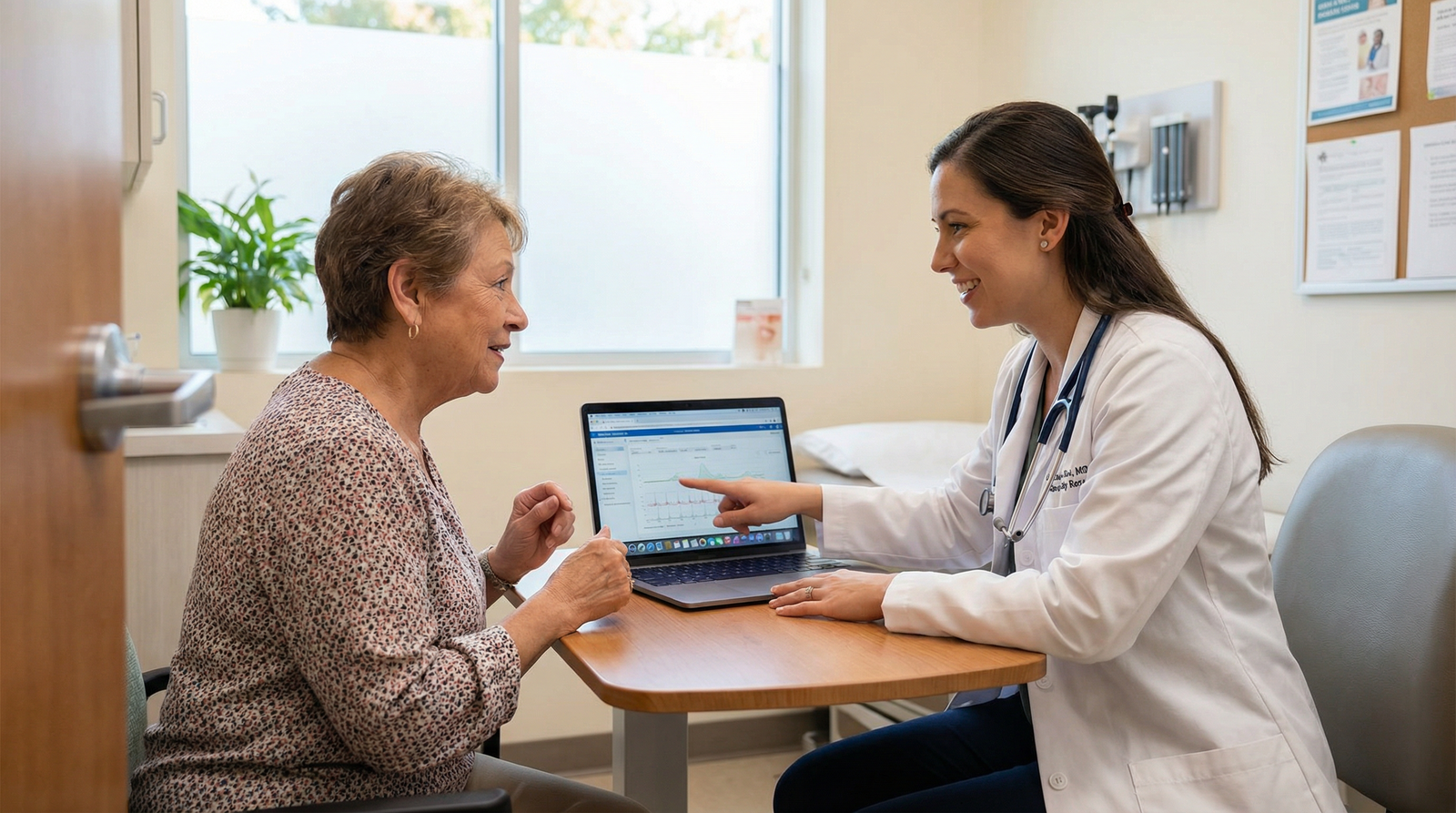
Academic – Heavier Emphasis on Protocols and Evidence
You should:
- Focus on:
- Core inpatient topics: sepsis, chest pain, stroke, DKA, COPD/asthma, GI bleed
- Hospital protocols: VTE prophylaxis, transfusion thresholds, code blue algorithms
- Learn:
- Basic interpretation of EKGs, ABGs, and chest X‑rays
- For specialties (e.g., neurology, surgery, pediatrics):
- Ask seniors if there is a “intern survival guide” PDF or shared drive
Academic programs may judge you more on:
- Participation in rounds
- Ability to synthesize data and propose plans
- Comfort discussing evidence with attendings
Community – Emphasis on Efficiency and Practical Management
You should:
- Focus on:
- Admission H/P efficiency
- Discharge summaries and medication reconciliation
- Common floor calls: pain, fever, hypertension, low urine output
Learn:
- Standard order sets for your EMR (ask seniors what they actually use)
- Typical workflows for:
- Calling consults
- Ordering imaging after hours
- Getting patients admitted from ED
Community attendings may care more about:
- How quickly and safely you move patients
- How minimal your paging footprint is for simple issues
- Reliability on nights and weekends
Week 11–12: Simulation (Formal or Self‑Made) and Mental Setup
Now you are closing in on start date. At this point you should switch from reading to scenario‑based practice.
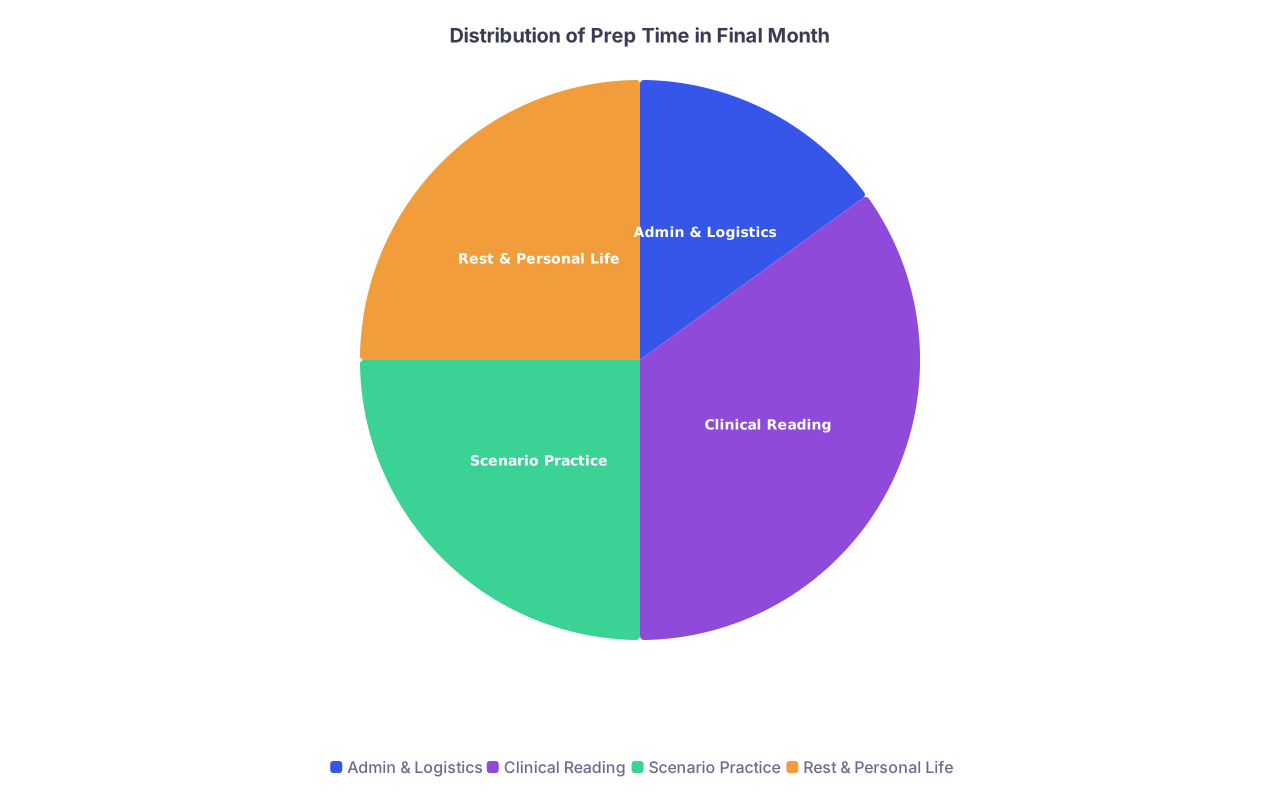
| Category | Value |
|---|---|
| Admin & Logistics | 15 |
| Clinical Reading | 35 |
| Scenario Practice | 25 |
| Rest & Personal Life | 25 |
If You Are Entering an Academic Program
You may have formal simulations scheduled. Use them intentionally:
- Treat them like real codes or rapid responses
- Practice:
- Speaking up on rounds
- Presenting new admissions concisely
At this point you should:
- Set up:
- A system for task management: notebook, app, or both
- A way to capture “learning points” each day during residency
Also, clarify:
- Research expectations
- Who to email if you want to get involved early (but do not over‑commit in month 1)
If You Are Entering a Community Program
You may have minimal formal simulation. Create your own.
Run through:
- “Night on call” scripts:
- Nurse calls: “Patient is hypotensive” – what questions do you ask, what orders do you place?
- “New chest pain” – what is your stepwise approach?
- “Sign‑out” scenarios:
- What information do you give at end of shift?
- How do you structure your written sign‑out?
At this point you should have your own cross‑cover cheat sheet ready. I have seen community interns survive ugly nights simply because they had a laminated list of “if X, consider Y” from an older resident.
Final 7–10 Days Before Start: Concrete Checklist
Whether community or academic, the last stretch is the same flavor: finish loose ends and get your mind calm.
You should verify:
- HR cleared (ID badge, parking, direct deposit)
- Occupational health cleared (immunizations, mask fit, TB)
- EMR access active (test login once)
- First‑day report time and location
- Dress code (white coat vs scrubs, specific color codes)
Community vs academic specifics:
- Academic
- Know your first rotation site (main campus vs affiliate)
- Confirm pager / secure messaging system and how to log in
- Community
- Know exactly which entrance to use after hours
- Understand call room access and food options overnight
Summary Timeline Snapshot
This is what your calendar should roughly look like, side by side:
| Timeframe | Academic Focus | Community Focus |
|---|---|---|
| Week 0–2 | GME portal, orientation, mass onboarding | Coordinator contact, HR basics, orientation date |
| Week 3–4 | Training license via GME, housing near academic center | Training license self-start, housing near main site |
| Week 5–6 | Occupational health, multiple EMR modules | Occ health appointment, EMR basics, parking |
| Week 7–8 | Boot camp, simulation, research expectations | Early call structure, cross-cover prep |
| Week 9–12 | Protocol review, specialty reading, academic culture | Practical management, throughput, cross-cover scenarios |
You do not need to be “fully ready” clinically on Day 1. Nobody is. But you do need to be logistically clean so you can actually focus on patients instead of hunting for your EMR password or standing in line at occupational health.
Today, take one concrete step: open your Match email, pull every attachment and link into a single document, and build a week‑by‑week checklist from now until your start date. If that document does not look different for a community vs academic program, you are missing something.