
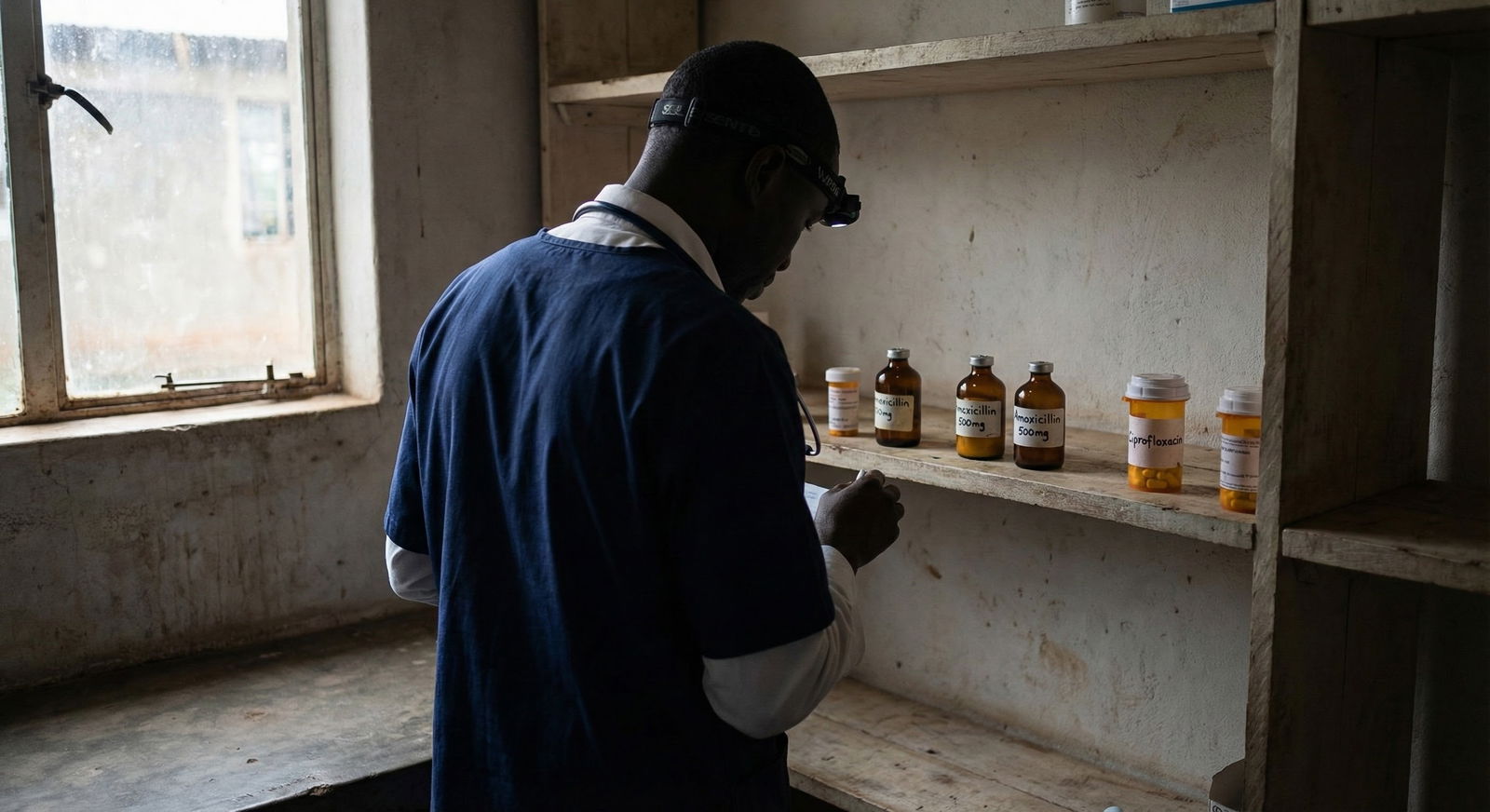
The worst thing you can do with a gap year “mission trip” is turn real patients into your practice playground.
If you’re a pre-med or MS4 planning a mission year, you’re walking into an ethical minefield. Done right, it can change your life and actually help people. Done wrong, it’s colonial cosplay with a stethoscope.
Here’s the month‑by‑month plan that keeps you on the right side of ethics, competence, and reality.
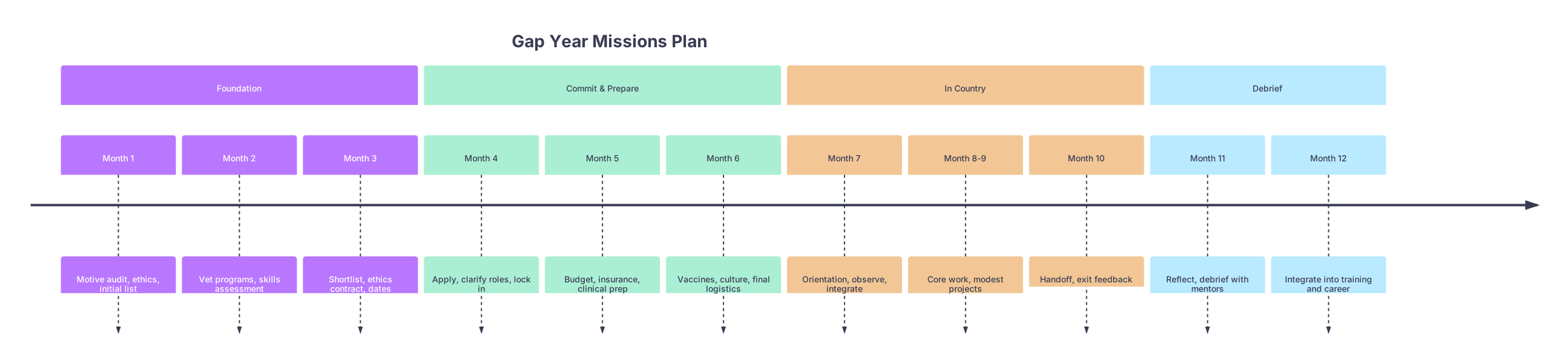
Big Picture: 12-Month Structure
At this point, you need a realistic framework. Not vibes. Not inspirational YouTube montages. A structure.
Think of your gap year missions plan in four phases:
Months 1–3 – Foundation & Filtering
Clarify motives, study ethics, filter out bad programs, build basic skills.Months 4–6 – Commit & Prepare
Lock in a program, raise funds, get shots, get insured, and train.Months 7–10 – In-Country Work
Show up, stay in your lane clinically, learn more than you “give,” and avoid ethical disasters.Months 11–12 – Debrief & Integrate
Re-entry, reflection, and integrating this into applications, residency, and your long-term practice.
Let’s walk it month by month.
Months 1–3: Foundation and Filtering
At this point you should not be booking flights. You’re not ready. You’re building the ethical and logistical foundation first.
Month 1: Motives, Reality Check, and Ethics 101
You start with yourself, not with a plane ticket.
Week 1: Brutal motive audit
Sit down with a notebook and answer, in writing:
- Why missions and not just a job or research year?
- What are you hoping to get out of this—for you?
- Would you still go if:
- No one posted photos of you
- No one gave you a “global health” line on your CV
- You weren’t allowed to touch a stethoscope
If the honest answer is “no,” you’re not ready yet. Stay with the discomfort. It’s fixable, but only if you see it.
Week 2: Learn the dark side of medical missions
At this point you should be reading and listening, not planning.
- Read first-person critiques of short-term missions and voluntourism.
- Look for:
- Stories of untrained students doing procedures
- Clinics flooded by outsiders for a week then abandoned
- Local clinicians sidelined so visitors can “get experience”
You’ll see the same issues pop up: lack of continuity, undermining local systems, ego trips disguised as service.
Week 3: Ethics and scope-of-practice basics
You need clear rules for yourself now, before you’re flattered into overstepping later.
Write down 3 non-negotiables:
- You will not perform anything abroad you’re not allowed to do at home at your current training level.
- You will defer to local clinicians, even when they do things differently than your textbooks.
- You will prioritize local systems and continuity over your own “experience.”
If you can’t live with these, don’t do medical missions. Do language study, public health research, or community development instead.
Week 4: Initial program mapping
Now you can start a long list, not a short list.
Start a spreadsheet with columns like:
- Program/organization
- Country/region
- Length (weeks/months)
- Main focus (clinical, public health, teaching, research)
- Cost to you
- Language required
- Level of supervision (specific, not “strong”)
- Role of local partners
| Option Type | Length | Cost to You | Supervision Level | Main Role |
|---|---|---|---|---|
| Classic short-term trip | 1–4 weeks | High | Weak to variable | Shadowing/clinics |
| Structured gap program | 3–12 months | Medium | Moderate to strong | Clinic support/NGO |
| Research/global health | 6–12 months | Low/paid | Strong academic mentor | Data/quality projects |
| Faith-based long-term | 6–12 months | Medium | Variable, can be strong | Community/clinic mix |
If something can’t tell you clearly how you’ll be supervised, flag it as risky.
Month 2: Program Vetting and Skills Baseline
At this point you should be gathering hard data, not just reading shiny websites.
Week 1–2: Interrogate program quality
Email or call 5–10 programs. Ask specific questions:
- “What exactly can a pre-med/MS4 do clinically on day one?”
- “Who is my direct supervisor on site? Physician? Nurse? NGO director?”
- “Do you require proof of training for any procedures or clinical tasks?”
- “How long has your partnership with the local clinic/hospital existed?”
- “What is the role of local staff in decision-making?”
Red flags:
- “We’ll find a way for you to get hands-on experience.”
- “Local staff are very grateful for any help.”
- “You’ll be our first volunteer at this site.”
Week 3: Baseline skill self-assessment
You need a cold, honest inventory of what you can and cannot do safely.
For pre-meds:
- Can you:
- Take a basic history in English without freezing?
- Take a manual blood pressure correctly?
- Use a glucometer? Measure basic vitals?
- Communicate findings clearly to someone else?
For MS4s:
- What procedures are you actually comfortable with?
- How many times have you:
- Done venipuncture?
- Placed peripheral IVs?
- Sutured simple lacs?
- Assisted, not “watched,” on deliveries?
Do not inflate. No one abroad needs your ego.
Week 4: Start language and cultural groundwork
Pick a region or probable country focus based on your early vetting. Then:
- Start basic language study (apps, YouTube, or a tutor).
- Read recent news about the country (politics, conflicts, health crises).
- Look up their health system structure:
- Public vs private split
- Primary care access
- Major endemic diseases
At this point you should begin shifting from “this would be cool” to “this is a real healthcare system with real constraints.”
Month 3: Shortlist, References, and Ethical Contract With Yourself
By now your list should be shrinking, not expanding.
Week 1: Build a serious shortlist
Narrow to 3–5 strong options based on:
- Length: 3+ months is much more ethical than 2 weeks.
- Integration: They work with local clinics, not parallel to them.
- Supervision: Named clinical supervisors, not generic “staff.”
- Role clarity: You’re not the doctor. Ever.
Week 2: Talk to past participants and locals if possible
For each serious program:
- Ask for 1–2 recent alumni to contact.
- Ask them:
- “What did you actually do day-to-day?”
- “Did you ever feel pushed beyond your competence?”
- “How were local clinicians involved?”
- “If you could redesign your role, what would you change?”
If you can, also:
- Find any online writing or blogs by local clinicians about that program or similar ones in the region.
Week 3: Draft your personal ethics agreement
You sit down and write a 1–2 page “agreement” with yourself, covering:
- Your allowed clinical roles (based on training).
- What you will decline, even if pressed.
- How you’ll handle:
- A supervisor asking you to do something unsafe.
- A local patient begging you for care or meds beyond your scope.
- Requests to “just try” a procedure for experience.
Print it. Show it to a mentor. Show it to at least one honest friend who will call you out.
Week 4: Decide your timeline
At this point you should have:
- A target start month
- Target length (e.g., 6 or 9 months, not “I’ll see how it goes”)
- 2–3 programs that fit your window
Now you can move into commitment and logistics.
Months 4–6: Commit, Fund, Prepare
This is where the plan becomes real. Deadlines, money, vaccines, insurance. Adult stuff.
Month 4: Applications and Commitments
Week 1–2: Submit applications
You should now:
- Apply to your top 2–3 choices.
- Be honest about:
- Your training level
- Your language skills
- Your limitations
If an application form basically begs you to exaggerate experience (“list all procedures you can do independently”), re-read your ethics agreement before you answer.
Week 3: Clarify expectations in writing
When you get an acceptance (or strong interest):
- Get a written role description:
- Setting (clinic, hospital, community)
- Days per week
- Specific tasks (intake, vitals, data entry, teaching, etc.)
- Ask how they handle:
- Malpractice coverage
- Medical evacuation
- After-hours emergencies
If they’re vague or dismissive about risk, downgrade them.
Week 4: Pick one and lock the dates
At this point you should choose:
- One primary commitment
- Optional: A short second placement only if:
- It’s in the same country/region
- There’s a clear handoff and continuity
Avoid the “5 countries in 12 months” tour. That’s tourism, not service.
Month 5: Funding, Insurance, and Clinical Prep
This month is detail-heavy. Do it now, not last minute.
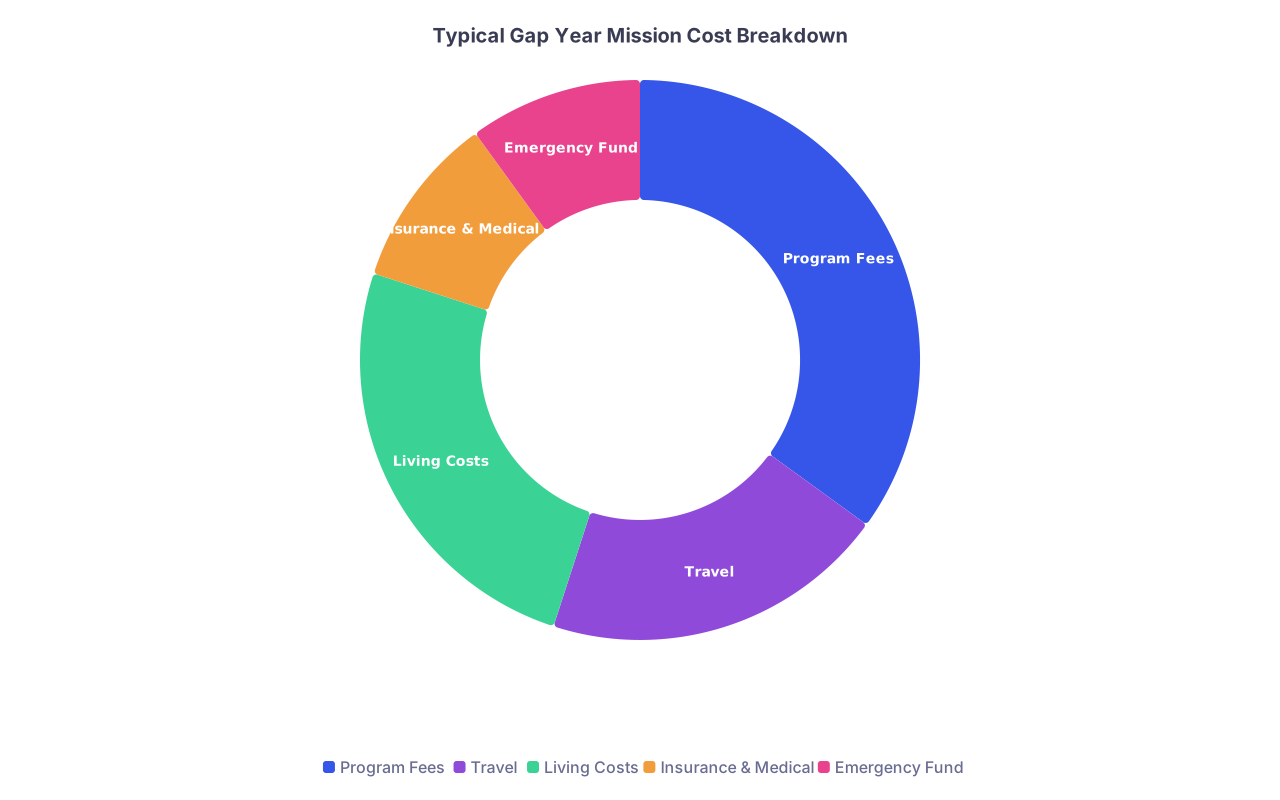
Week 1: Budget and funding reality check
Create a working budget:
- Program fees
- Flights
- Housing/food
- Local transport
- Travel insurance & evacuation
- Visa costs
- Vaccines and prophylaxis
- Emergency cushion (3 months living expenses minimum)
| Category | Value |
|---|---|
| Program Fees | 35 |
| Travel | 20 |
| Living Costs | 25 |
| Insurance & Medical | 10 |
| Emergency Fund | 10 |
Decide how you’ll cover this:
- Savings
- Work for a few months before departure
- Grants/scholarships (many med schools have global health funds for MS4s)
- Limited, honest fundraising (no “sponsor me to save the world” messaging)
Week 2–3: Insurance, legal, and documentation
You need:
- Travel health insurance with:
- Medical evacuation
- Coverage for the full stay
- Clarification on malpractice:
- Many student policies do not cover work abroad.
- Ask your school/hospital risk management explicitly.
- Updated passport (6+ months beyond trip end)
- Visa requirements:
- Tourist vs volunteer vs work visa (don’t lie on your application)
Week 4: Clinical and safety prep
Pre-meds:
- Take a basic vitals / medical assistant or EMT course if you can.
- Practice:
- History-taking with friends/family in a structured way.
- Communicating abnormal findings succinctly.
MS4s:
- Choose 1–2 rotations before departure that actually sharpen skills you’ll use (e.g., family med, EM, OB, not just another subspecialty elective).
- Ask attendings:
- “Where do you see students overstepping ethically in global health?”
- “What would you want me to avoid at all costs?”
Everyone:
- Do a basic personal security course or at least read solid resources on:
- Street safety
- Bribery/extortion scenarios
- Political unrest protocols
Month 6: Vaccines, Culture, and Final Prep
This is your last month at home if you’re leaving in Month 7. No cramming.
Week 1: Medical prep
See a travel clinic:
- Get region-specific vaccines (yellow fever, typhoid, hep A/B, rabies if needed).
- Get malaria prophylaxis if indicated.
- Assemble:
- Personal meds (chronic meds + basic first aid)
- Prescription backup (extra in case of loss)
Do not bring your own mini-pharmacy to hand out meds without local guidance.
Week 2: Deep dive on health system and culture
At this point you should understand:
- The referral system: where do patients go next if they need higher-level care?
- Common local diseases and conditions
- Seasonal patterns (e.g., rainy season, malaria spikes)
Learn cultural basics:
- Forms of address (titles, respect norms)
- Gender norms around touch and privacy
- Religious/holiday rhythms that affect clinic flow
Week 3: Communication kit
Put together:
- A short intro script in the local language:
- “Hello, my name is __. I am a medical student/pre-med from ___. I am here to assist the local staff.”
- A one-page summary of your role and limits you can show local staff if needed.
- A list of key medical phrases in the local language (symptoms, body parts, consent phrases).
Week 4: Close loops at home
- Tell your support system where you’ll be (and how reliably you’ll have contact).
- Share emergency contacts, insurance details, and local program contacts with a trusted person at home.
- For MS4s:
- Coordinate with your med school about credits, evaluations, and transcript documentation.
Months 7–10: In-Country Work – Weekly and Daily
Now you’re there. This is where all the pre-work either pays off or you ignore it and become the story people cite as “what not to do.”
Month 7: Orientation and First Month On Site
Week 1: Watch more than you act
At this point you should primarily be:
- Shadowing
- Learning workflows
- Understanding who actually runs the place
Daily checklist (yes, write it down):
- Who made clinical decisions today?
- Did any visiting staff override locals?
- Did I see anything that looked like scope-of-practice creep?
Week 2–3: Take on appropriate responsibilities
Pre-meds:
- Patient flow (check-in, vitals under supervision).
- Health education under guidance (posters, talks with staff oversight).
- Data entry or audit tasks.
MS4s:
- History and physicals with clear supervision.
- Helping with routine tasks you do at home (not new procedures).
- Assisting, not leading.
If someone says, “You’re basically a doctor here,” you say, “No, I’m not,” and act accordingly.
Week 4: First ethics review with yourself
End of month 7, ask:
- Did I do anything here that I wouldn’t be allowed to do at home?
- Did anyone ask me to, and how did I respond?
- How did my presence affect local staff—did I add work or truly relieve some?
Journal it. Adjust behavior.
Months 8–9: Deeper Integration Without Overreach
At this point you should be useful and trusted—but still a learner.
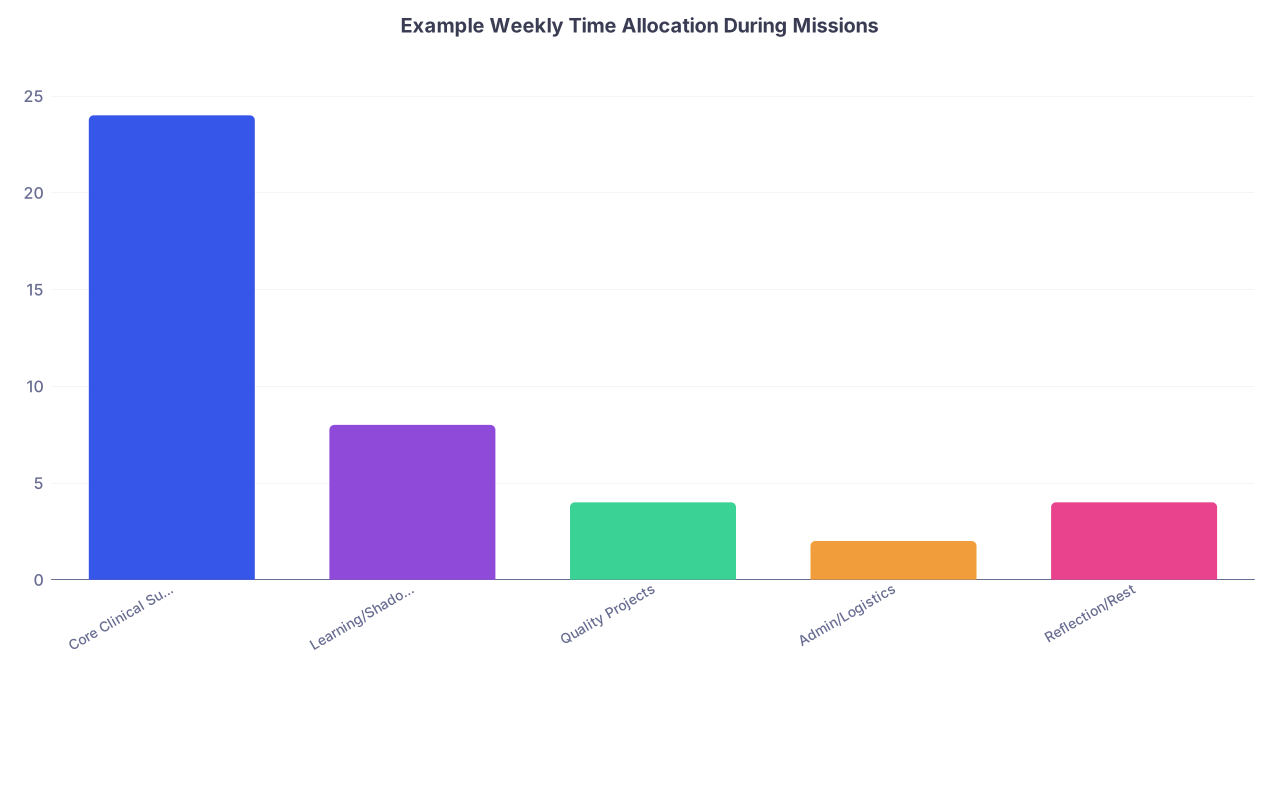
Weekly pattern:
- One day a week explicitly devoted to learning:
- Shadow different departments
- Ask questions about system-level challenges
- Four days doing your core role.
- One half-day each week for personal reflection and supervision check-ins.
Potential projects (ethically safer):
- For pre-meds:
- Improve patient education materials with local approval.
- Help streamline registration or follow-up reminders.
- For MS4s:
- Quality improvement projects (e.g., triage flow, handwashing compliance).
- Simple data projects with clear local ownership of results.
| Category | Value |
|---|---|
| Core Clinical Support | 24 |
| Learning/Shadowing | 8 |
| Quality Projects | 4 |
| Admin/Logistics | 2 |
| Reflection/Rest | 4 |
Red-flag temptation in this phase: boredom. That’s where students start pushing for procedures.
If you feel underutilized:
- Talk to your supervisor about systems work, teaching, or logistics.
- Do not go hunting for more clinical action just to feel important.
Month 10: Handoff and Sustainability
You’re leaving soon. Act like it.
Week 1–2: Identify what actually lasts
Make a list:
- What have you done that clearly continues after you leave?
- What only exists because you’re physically there?
Shift energy toward the former.
Week 3: Handoff planning
If you’ve started anything—clinic flow changes, a teaching series, an outreach effort—do this:
- Document it in simple, clear language.
- Review it with your local supervisors.
- Identify who (local) owns it going forward.
- If another volunteer is coming, introduce them and step back.
Week 4: Exit interviews
Ask in-country leadership:
- “What worked well about having me here?”
- “What did not work or added burden?”
- “If you hosted another student, what would you change?”
Do not argue with their answers. This is gold for your growth.
Months 11–12: Debrief, Integration, and Next Steps
Now you’re home again. This is where people either mature—or turn their year into a highlight reel and learn nothing.
Month 11: Decompression and Honest Debrief
First 2 weeks:
- Sleep. Reconnect. Don’t immediately turn it into content.
- Watch for culture shock and reverse culture shock.
Then:
- Write a full narrative of your year:
- 3 moments you’re proud of.
- 3 moments you regret or would handle differently.
- 3 times you saw clear ethical tension.
Talk this through with:
- A mentor who understands global health.
- A peer who will call out your blind spots.
If you plan to include this in applications (med school, residency), start drafting those narratives now, while details are sharp.
Month 12: Translate Experience Into Future Practice
By now you should be asking: “How does this change how I practice medicine?”
Concrete actions:
- Update your CV:
- Describe roles accurately (“assisted with”, “supported data collection for”, “participated in” — not “ran clinic”).
- For pre-meds:
- Integrate this into your personal statement as:
- Increased humility
- Better understanding of systems and inequity
- Not as “I saved people”
- Integrate this into your personal statement as:
- For MS4s:
- Frame it for residency:
- How it shaped your interest in primary care, EM, surgery, etc.
- How you think about resource-limited settings at home now (rural clinics, safety-net hospitals).
- Frame it for residency:
Also:
- Stay engaged with the community ethically:
- Support local organizations financially if you can.
- Don’t speak over local voices in public discussions.
- Keep contact with the clinic/hospital if they welcome it, but don’t insert yourself into their planning.
| Period | Event |
|---|---|
| Foundation - Month 1 | Motive audit, ethics, initial list |
| Foundation - Month 2 | Vet programs, skills assessment |
| Foundation - Month 3 | Shortlist, ethics contract, dates |
| Commit & Prepare - Month 4 | Apply, clarify roles, lock in |
| Commit & Prepare - Month 5 | Budget, insurance, clinical prep |
| Commit & Prepare - Month 6 | Vaccines, culture, final logistics |
| In Country - Month 7 | Orientation, observe, integrate |
| In Country - Month 8-9 | Core work, modest projects |
| In Country - Month 10 | Handoff, exit feedback |
| Debrief - Month 11 | Reflect, debrief with mentors |
| Debrief - Month 12 | Integrate into training and career |
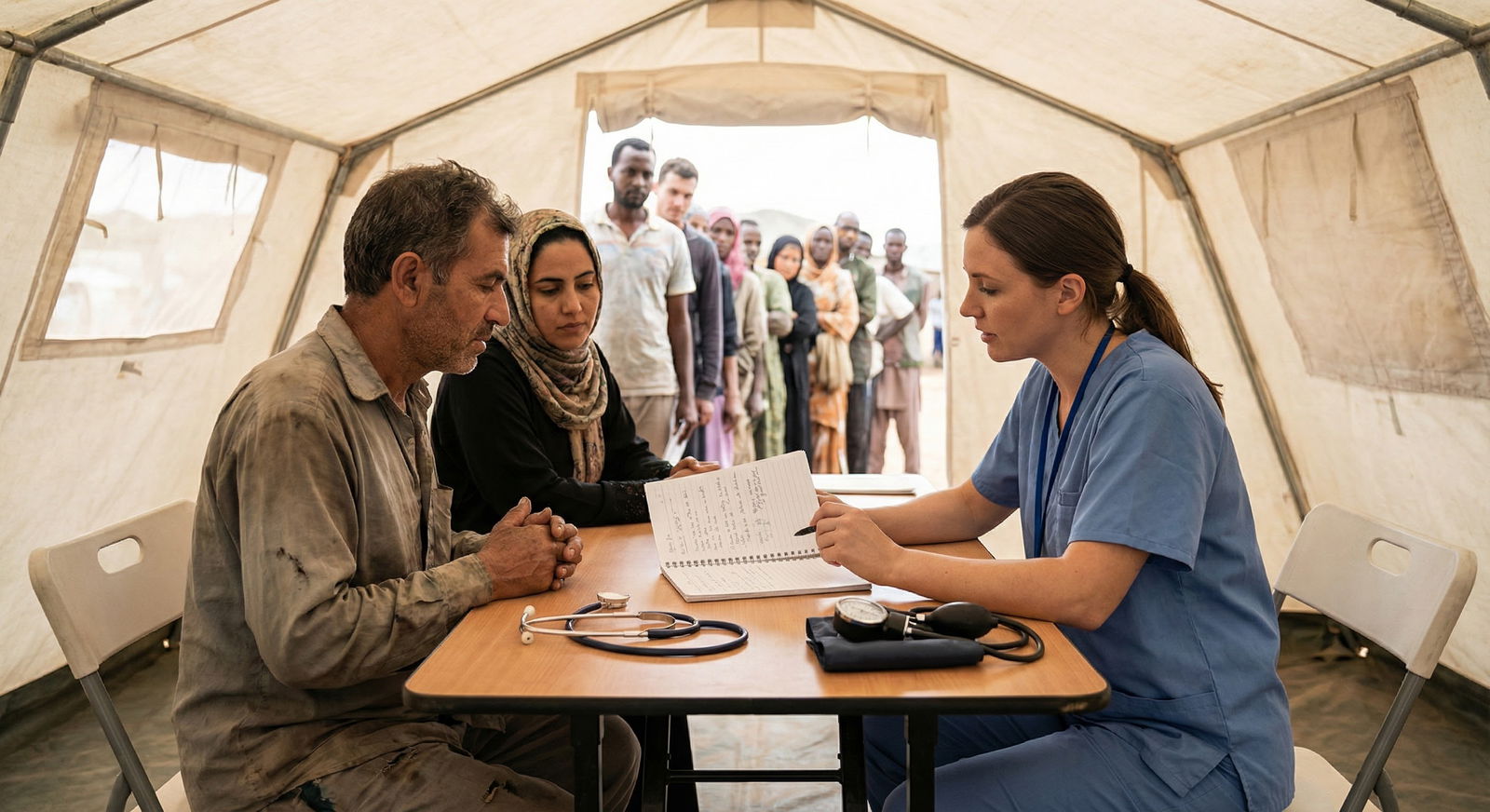
A Quick Word on Red Flags and Green Flags
You don’t need a whole section, just this:
Big red flags:
- “You’ll get to practice procedures you can’t at home.”
- “You’ll be the only clinician in the village.”
- No named local partners or supervisors.
- No clear plan for what happens when you leave.
Green-ish flags:
- They limit what you can do.
- They emphasize learning and support more than “impact.”
- They talk more about their local partners than about you.

Final 3 Things To Remember
- If you wouldn’t be allowed to do it at your home institution, you shouldn’t be doing it on a mission trip. Full stop.
- The month-by-month work—vetting, training, boundaries—is what separates ethical service from ego tourism.
- Your gap year should leave local systems stronger and you more humble, not the other way around.


