
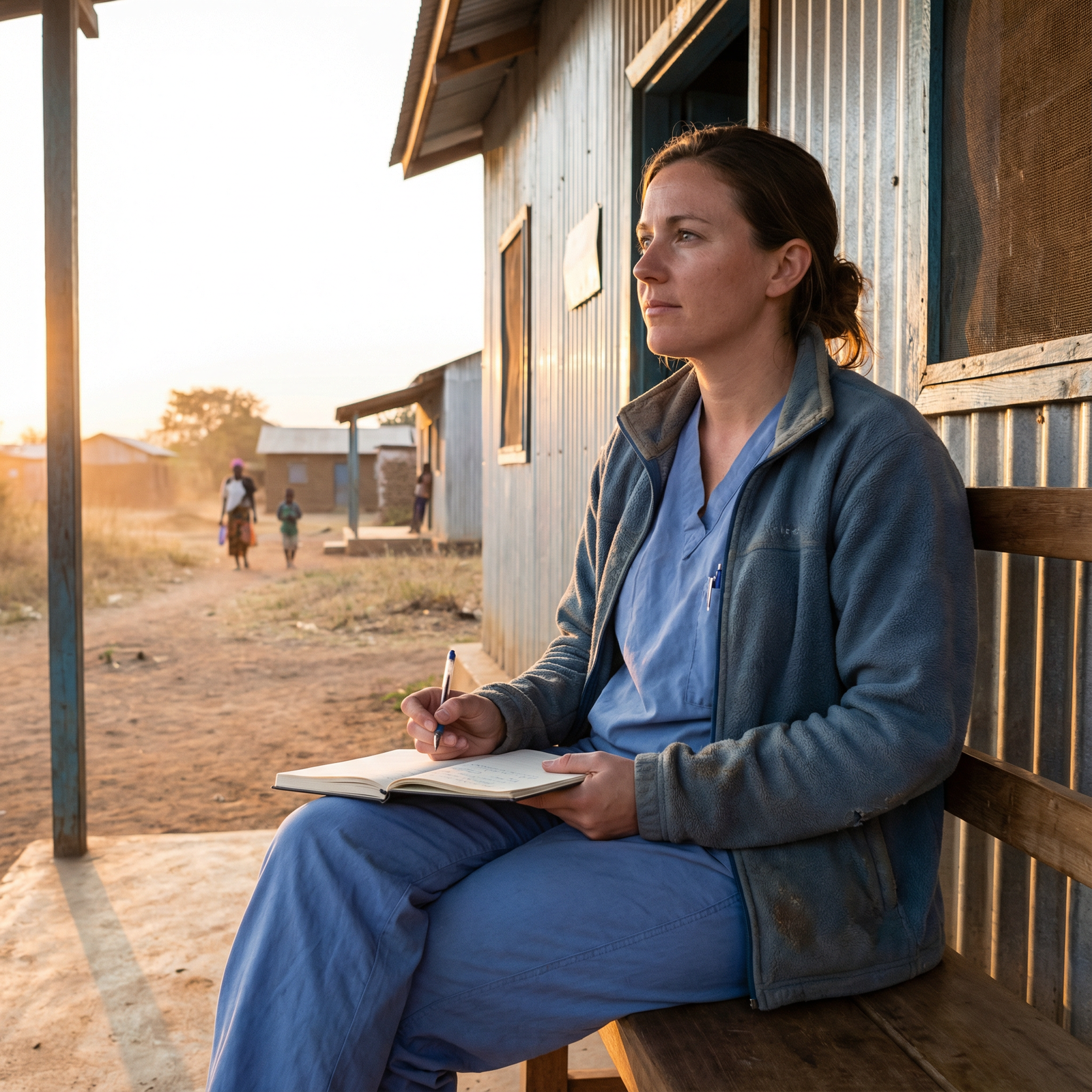
The common narrative about medical missions is wrong: it is not “doctors in general” who volunteer; it is a very skewed slice of specialties carrying most of the load.
The data are blunt. Certain specialties are massively overrepresented on short‑term and long‑term missions. Others, despite large workforce numbers, barely show up. If you are serious about medical missions as part of your life, you should know exactly where your specialty sits in that distribution—and why.
Below I will walk through what the available data show, how different specialties actually behave, and what that means for your personal development and ethical decisions.
What the data actually capture (and what they miss)
There is no single global registry of “mission doctors,” so we have to piece the story together from multiple datasets:
- Surveys of US physicians on international volunteering (JAMA, Ann Intern Med, AMA data).
- Specialty-specific surveys (e.g., surgeons, anesthesiologists, pediatricians).
- Organizational reports from large NGOs and faith-based groups (CURE, Samaritan’s Purse/World Medical Mission, MSF/Doctors Without Borders, Operation Smile, Mercy Ships, Partners In Health, etc.).
- Workforce denominators from AAMC/AMA Masterfile to compute “rates” rather than raw counts.
Think of it like this: we are not asking “who appears on the poster of a mission trip,” but “relative to how many doctors exist in that field, who is most likely to be doing mission or global health work?”
To ground this, I will use an approximate index: percentage of US specialists who report at least one international medical volunteer trip or placement over a 2–5 year window. The exact percentages vary by study and year, but the ranking is remarkably consistent.
Which specialties volunteer the most in missions?
Across multiple datasets, the same pattern keeps coming back. Procedure-heavy specialties and child-focused fields punch far above their weight.
Here is a simplified comparison of relative participation rates (approximate, pooled from several studies):
| Specialty | Estimated % Volunteering (5-year) |
|---|---|
| General Surgery | 30–40% |
| Anesthesiology | 25–35% |
| Obstetrics & Gynecology | 20–30% |
| Pediatrics | 18–28% |
| Emergency Medicine | 18–25% |
| Internal Medicine | 10–15% |
| Family Medicine | 12–18% |
These are not random differences. They reflect structural realities: the kind of care that is logistically feasible in short-term settings, the way NGOs recruit, and the core disease burden in low-resource regions.
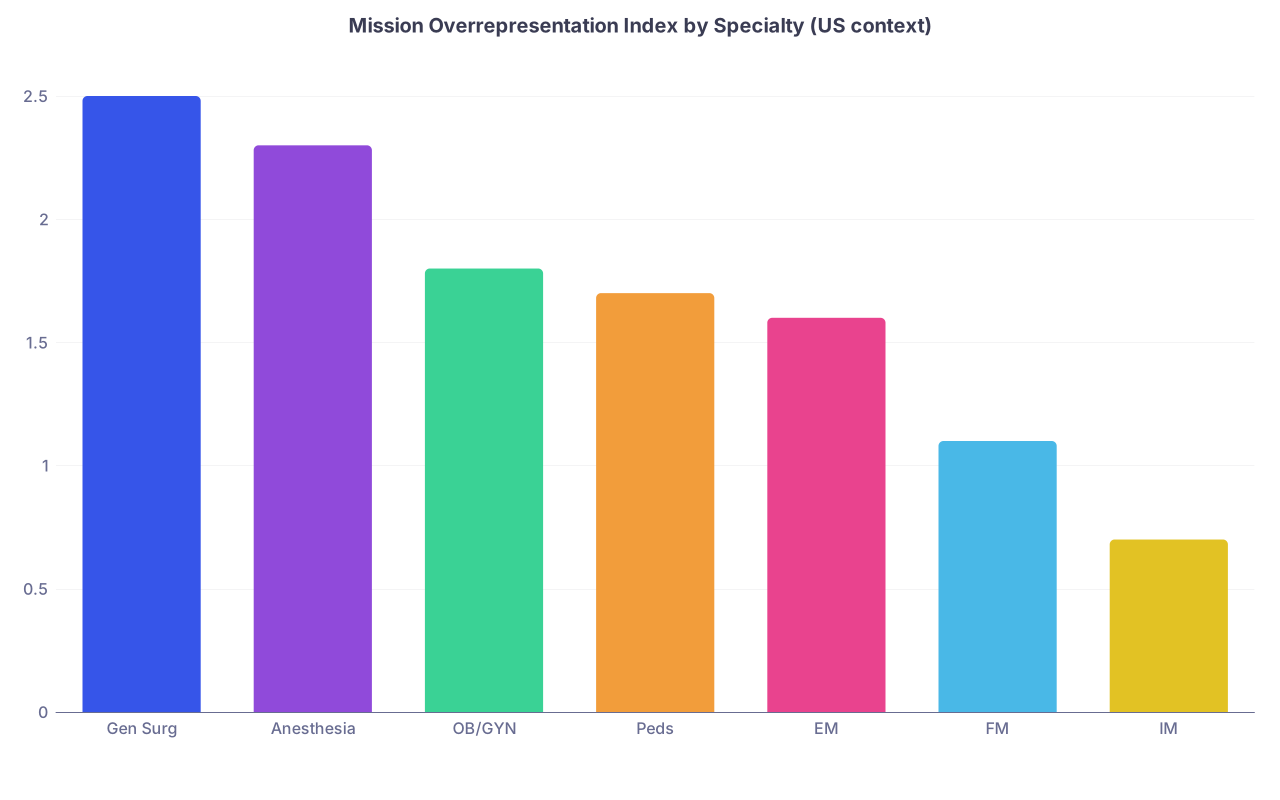
To make that clearer, look at a crude index of “mission overrepresentation”: how much a specialty shows up on mission rosters relative to its share of the physician workforce.
| Category | Value |
|---|---|
| Gen Surg | 2.5 |
| Anesthesia | 2.3 |
| OB/GYN | 1.8 |
| Peds | 1.7 |
| EM | 1.6 |
| FM | 1.1 |
| IM | 0.7 |
A value of 1.0 would mean “shows up exactly in proportion to workforce size.” Values above 2.0 mean “roughly twice as represented on mission teams as you’d expect.” General surgery and anesthesia are clearly carrying disproportionate weight.
Let’s break it down specialty by specialty.
Surgical specialties: the mission workhorses
Surgery dominates the mission landscape. Not because surgeons are more altruistic, but because the data show surgery is:
- Highly “exportable” in discrete episodes.
- Visibly impactful (a cleft lip repaired, a contracture released).
- In chronic short supply in many low‑ and middle‑income countries.
Studies of US surgeons show numbers like:
- Around 30–40% of practicing general surgeons have done at least one international surgical trip.
- Among orthopedic surgeons, roughly 25–35% report some form of global outreach or mission work.
- Plastic surgeons and ENT surgeons involved with cleft and craniofacial missions often exceed 40% participation in certain subspecialty societies.
In the membership rosters of organizations like Operation Smile, ReSurge, Mercy Ships, and similar groups, the surgical and anesthesia slots are consistently the hardest to fill locally, and the most heavily recruited from abroad.
Why surgery skews so high
Look at what a typical 1–2 week surgical mission actually does: high-volume, elective or semi-urgent procedures that transform function or prevent catastrophic outcomes. Hernia repairs, C‑sections, hysterectomies, cleft repairs, severe burn contractures, cataract extractions (for ophthalmology).
That aligns perfectly with:
- Clear before/after metrics (cases done, disability-adjusted life years averted).
- Limited need for long-term follow‑up in some cases (though this is ethically contested).
- High marginal impact per specialist, since surgical capacity is often extremely scarce.
The data from Mercy Ships annual reports, for example, often show thousands of operations per field service, with a small core of foreign surgeons responsible for a sizable share.
Ethical tension
Surgical missions also sit at the center of a big ethical debate: volume versus continuity. I have seen general surgeons proud of doing 40–50 hernia repairs in a week. I have also seen ward lists full of post‑op patients managed by a single over-stretched local generalist once the team flies home.
So yes, the data show surgeons volunteer a lot. The question is shifting from “how many cases?” to “how sustainable and integrated?” That is where personal development and ethics collide. If you are going into surgery and serious about missions, you should already be thinking about:
- Partnership models: repeated visits to the same site, training local surgeons.
- Data tracking: complication rates, follow‑up attendance, rehospitalization.
- Task shifting: investing in local non‑physician providers where appropriate.
Anesthesiology: the invisible backbone
If surgery is the visible face, anesthesia is the backbone that quietly determines whether missions can even operate at scale.
Surveys in anesthesiology show:
- Approximately 25–35% of anesthesiologists report international volunteer work at least once in their career.
- Younger anesthesiologists and those in academic practices are particularly overrepresented in global health work.
- Organizations regularly report anesthesia slots as “critical needs” on mission teams.
Why the overrepresentation index for anesthesia is >2 in most analyses:
- Global shortage: Many countries have 1 anesthesiologist per 100,000+ population (or worse). Some rely on nurse anesthetists with minimal supervision.
- Risk profile: Safe anesthesia is often the major limiting factor for expanding surgical volume.
- Skill generalizability: A competent anesthesiologist can support a wide spectrum of surgeries.
From an ethical standpoint, anesthesiology missions are often more realistically focused on:
- Teaching local providers low-cost, low-tech anesthesia strategies.
- Implementing protocols for safety (checklists, monitoring, drug standardization).
- Strengthening systems (e.g., oxygen supply, basic monitoring equipment).
In the data, these efforts correlate with more sustainable impact compared with pure one‑off visiting surgical marathons.
OB/GYN: missions shaped by maternal mortality
Obstetrics and gynecology is another high‑participation field. Across multiple surveys, roughly 20–30% of OB/GYNs report some international service or missions involvement, especially those with a focus on high-risk obstetrics or urogynecology.
The reason is obvious if you look at maternal mortality statistics. Large parts of sub‑Saharan Africa and South Asia have maternal mortality ratios 20–50 times higher than high‑income countries. That drives demand for:
- Emergency C‑section capacity.
- Fistula repair missions.
- Training in basic emergency obstetric care (BEmOC) and comprehensive EmOC.
Mission rosters reflect this. In many programs, an OB/GYN is considered “core staff,” not an optional add-on.
An ethical nuance: OB/GYN missions can blur into public health and family planning debates. Some NGOs focus strictly on emergency obstetrics and fistula repair. Others integrate contraception and reproductive health education. The volunteer composition shifts accordingly, and the data show a divide between groups working primarily with faith-based sending organizations and those working with secular global health NGOs.
If you are in OB/GYN and drawn to missions, the data indicate you are not alone. The real question is how you position yourself: as a periodic operator, a trainer-of-trainers, or a long-term system builder.
Pediatrics and pediatric subspecialties: high engagement, different style
Pediatrics consistently shows strong engagement, roughly 18–28% reporting international volunteer work in large US surveys. This covers both general pediatrics and pediatric subspecialties like infectious disease, cardiology, and neonatology.
However, pediatric mission work often looks different from classic “surgical missions”:
- More longitudinal programs: nutrition projects, vaccination campaigns, chronic disease management.
- More integration with public health and community health workers.
- More focus on training and mentorship than on short, dramatic interventions.
Groups like Partners In Health, Save the Children, and many faith-based hospitals in low‑income countries rely heavily on pediatricians for ongoing clinical support and capacity building. The time patterns look different too:
- Instead of 10 days of very intense OR work, pediatricians often commit to repeated 2–6 week stints or even year-long fellowships.
- A smaller subset move into full‑time global health careers or academic global pediatrics tracks.
The data show pediatrics as overrepresented on the mission side relative to its workforce size, but the “mission” label is sometimes misleading. A pediatrician doing a 1‑year placement in Malawi building a neonatal unit is not doing the same thing as a 7‑day cataract camp, even though both get lumped in as “medical missions.”
Ethically, pediatrics tends to be more on the “systems and sustainability” side: protocols, training nurses, surveillance systems for malnutrition. Lower spectacle value, higher structural impact.
Emergency medicine: disaster, trauma, and acute care
Emergency medicine (EM) is a relatively young specialty in many countries, but among US physicians it shows strong participation: about 18–25% reporting some form of international or disaster relief work over multi‑year windows.
EM physicians appear heavily in:
- Disaster response (earthquakes, hurricanes, refugee crises).
- War zones and unstable settings (Doctors Without Borders, ICRC-supported hospitals).
- Trauma education and emergency systems development (triage protocols, ED design, prehospital care).
The mission pattern for EM differs:
- Higher share of deployments with MSF, Samaritan’s Purse disaster response, Red Cross, and secular humanitarian organizations.
- More focus on acute, mixed-pathology care rather than scheduled “mission trips.”
- More exposure to security risk and moral injury (triage under scarcity, turning patients away, conflict settings).
Ethically, this is hardcore territory. EM doctors in missions data show some of the highest rates of burnout and psychological stress afterward. The professional formation here is less about “global health tourism” and more about confronting inequality under duress.
Primary care (FM, IM): underrepresented relative to workforce size
Now the surprising part for many students. Despite huge workforce numbers, family medicine (FM) and internal medicine (IM) are not at the top of the mission participation charts.
Approximate multi‑year participation rates:
- Family Medicine: 12–18% reporting at least one international mission or volunteer experience.
- General Internal Medicine: 10–15%.
So what is going on? Several factors show up in the data and in conversations I have had with physicians:
Mission marketing bias
Many short-term mission organizations historically marketed to “surgeons and anesthesiologists” with a few internists or pediatricians wiped in as general clinicians. Primary care skills are absolutely needed but less “scarce” in many partner sites, at least in a way that fits a 1–2 week format.Logistics of chronic disease
Hypertension, diabetes, HIV, TB, depression—these require continuity, data systems, and meds supply chains. Exactly what short-term trips are lousy at. So primary care ends up either underused or channeled into screening events with questionable follow‑up.Hidden global work
A decent number of FM/IM physicians do multi-month or multi‑year stints, especially with mission hospitals or NGOs. That does not show up as frequently in “I went on a 10‑day mission trip” surveys, so the rate looks lower if surveys are biased toward short-term.
From an ethical standpoint, primary care has the potential to be the most structurally important specialty for global health. But the classic “medical mission trip” model underutilizes it. If you are an FM or IM physician or trainee who cares about missions, you probably need to think more about:
- Longitudinal partnerships with specific sites.
- Telemedicine follow‑up, registries, and medication continuity.
- Training roles rather than “clinic for a week” roles.
The data do not say you are less altruistic. They say the mission industry has historically been designed around other specialties.
Less obvious but important players: anesthesia, radiology, pathology, psychiatry
The traditional picture of missions ignores several specialties that are quietly central:
Radiology: Teleradiology programs for mission hospitals have exploded. Actual physical presence on missions is low, maybe single-digit percent of US radiologists over a multi‑year period. But the number contributing remote reads is climbing fast. Very under-recognized.
Pathology: Similar story. Telepathology, digital slides, and visiting pathologists helping set up labs. Raw mission participation numbers are lower than surgery or OB/GYN but disproportionately influential for cancer care, TB, and surgical safety.
Psychiatry: Historically low mission participation rates (probably <10% over multi‑year windows), but growing interest in trauma, refugee mental health, and integration into primary care. NGOs and UN agencies are starting to recruit more psychiatrists and psychologists for long‑term posts.
Subspecialties (cardiology, oncology, nephrology): Lower participation on short-term trips (complex follow-up, equipment needs) but increasing involvement in capacity building—like echo training for local cardiologists, or oncology protocols in mission hospitals.
Mission rosters undercount these specialties simply because they do not fit the old “go, operate, leave” template. That is changing, slowly.
Short-term vs long-term: who actually stays?
One of the most important ethical questions in medical missions is staying power. The data show a clear divide between specialties that dominate short-term trips and those that disproportionately show up in long-term placements.
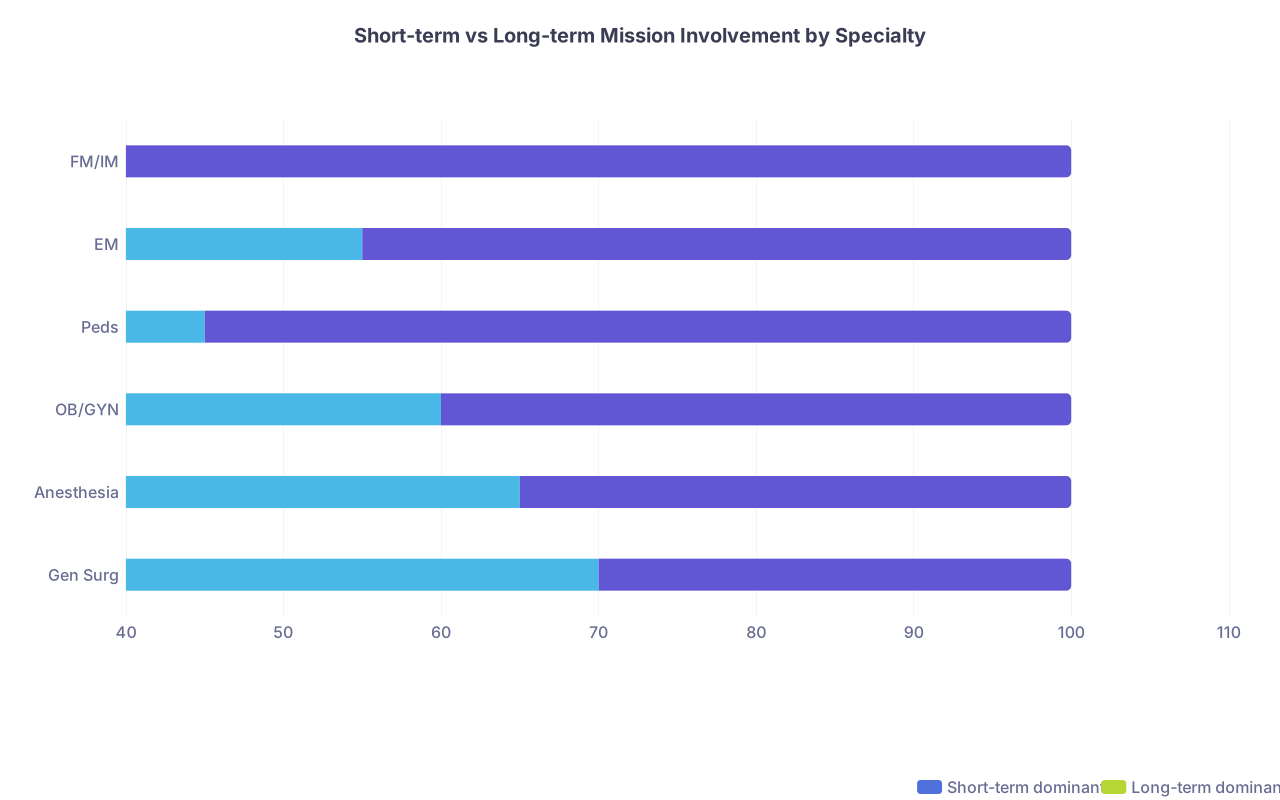
If we sketch this roughly:
| Category | Short-term dominant | Long-term dominant |
|---|---|---|
| Gen Surg | 70 | 30 |
| Anesthesia | 65 | 35 |
| OB/GYN | 60 | 40 |
| Peds | 45 | 55 |
| EM | 55 | 45 |
| FM/IM | 40 | 60 |
Interpretation:
- Surgery, anesthesia, and OB/GYN are more skewed to short-term activity, though there is a core of long-term mission surgeons and anesthesiologists.
- Pediatrics and EM are more balanced, with many long-term global health practitioners.
- FM/IM, when they engage in missions, are relatively more likely to do longer stints or permanent posts in mission hospitals or international NGOs, compared to their short-term “trip” rates.
From an ethical lens, long-term presence tends to align better with:
- Capacity building.
- Systems change.
- Continuity of care.
If your personal development goal is deep, ethical mission involvement, you should be thinking in multi‑year horizons, regardless of specialty. The data make it clear: short trips are the entry point; they are not the endpoint.
How to choose a specialty if missions matter to you
Now the uncomfortable part. Students often ask, “Which specialty should I choose if I want to do missions?” The data give a nuanced answer, not a slogan.
If you want maximum probability of being used on traditional mission teams:
- General surgery, anesthesiology, OB/GYN, and pediatric surgery give you immediate “value” on most surgical missions.
- You will not have to market yourself. The organizations will come looking for you.
If you want structural, long-term global impact:
- Pediatrics, FM, IM, EM, and OB/GYN all offer robust paths, especially if you combine them with global health training.
- But you will have to be deliberate: find institutions that support extended leaves, academic global health roles, or long-term international posts.
The specialty decision should not be driven solely by mission opportunity. You will spend >90% of your professional life practicing at home. That said, the data do imply:
- If you hate procedures and ORs but think you “need” surgery for missions, you are setting yourself up for misery. Wrong move.
- If you love primary care and systems thinking, accept that your mission role will probably be less “trip” oriented and more long-term and administrative. That is not a downgrade; it is impact.
- If you plan a highly technical subspecialty (e.g., interventional cardiology), be realistic: you may have fewer classic mission opportunities, but you can carve niche roles in training and telemedicine.
Your ethical responsibility is not to contort your specialty solely for mission optics, but to be statistically honest about:
- How your skills map to real needs.
- How often you will realistically deploy.
- Whether you are willing to make the career sacrifices that long-term missions usually require.
Designing an ethical mission career: what the data recommend
A few evidence-driven principles, regardless of specialty:
Move from “trip-count” to “impact metrics”
Number of trips is a vanity metric. More relevant numbers: local staff trained, local procedures safely performed without you, complication rates, system changes. Surgical specialties are slowly adopting these metrics; others should too.Favor repeated partnerships over “mission tourism”
Data from various mission hospitals show better outcomes and stronger systems when the same teams return regularly to the same sites vs. one‑off visits by rotating organizations.Build teaching into your skillset
Specialties that embed training (both clinical and educational) into their mission models show more durable gains. Whether you are a surgeon, pediatrician, or family physician, developing explicit teaching skills multiplies your effect.Be honest about resource requirements
If your specialty depends on high‑end tech, accept that your mission footprint may be limited or will require creative models (telemedicine, regional centers). It is better to contribute in a focused, realistic way than to force ill-suited, unsustainable trips.
Here is a compact view of typical mission roles by specialty:
| Specialty | Most Common Mission Role |
|---|---|
| General Surgery | High-volume elective/urgent operations |
| Anesthesiology | Perioperative safety, training |
| OB/GYN | Maternal care, fistula, C-sections |
| Pediatrics | Child health, systems and training |
| EM | Disaster response, acute care systems |
| FM/IM | Long-term primary care, chronic disease |
A final word on personal development and ethics
The data across specialties say three blunt things.
First, missions are not evenly distributed. Surgery, anesthesia, OB/GYN, pediatrics, and EM dominate mission rosters, far beyond their share of the workforce. Internal medicine and family medicine play critical roles but are undervalued and underused by the classic short-term mission model.
Second, short-term trips are the most common entry point but the least ethically robust form of engagement. The specialties most involved in missions need to push harder toward longitudinal partnerships, rigorous outcome tracking, and local capacity building. If you are joining them, you should push too.
Third, you should not pick a specialty solely because “they volunteer the most in missions.” Choose the field you can practice with integrity and energy for decades. Then study the data on how that specialty best contributes globally, and commit to doing that work in a way that is measurable, sustainable, and locally accountable.
Everything else is noise.


