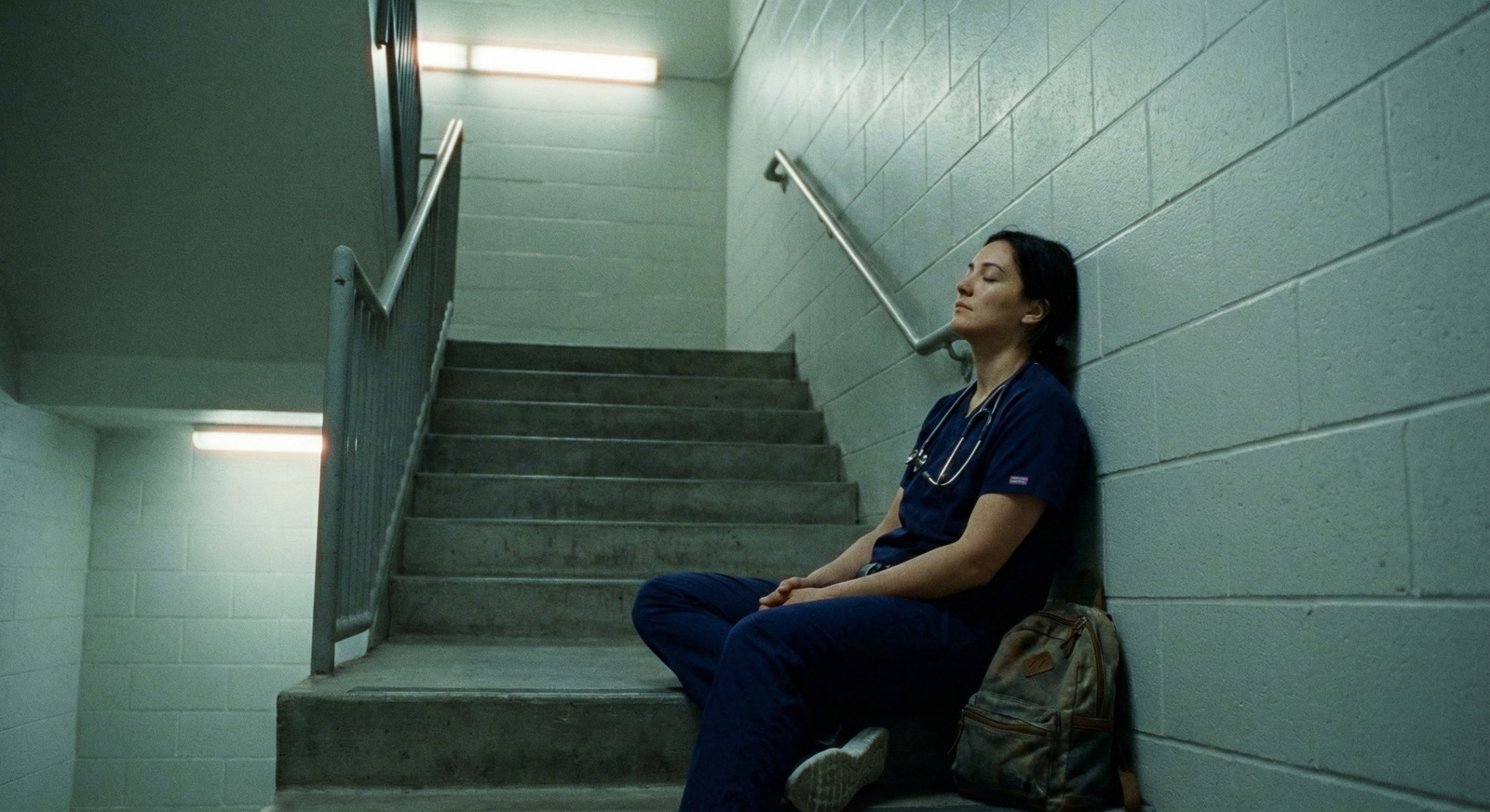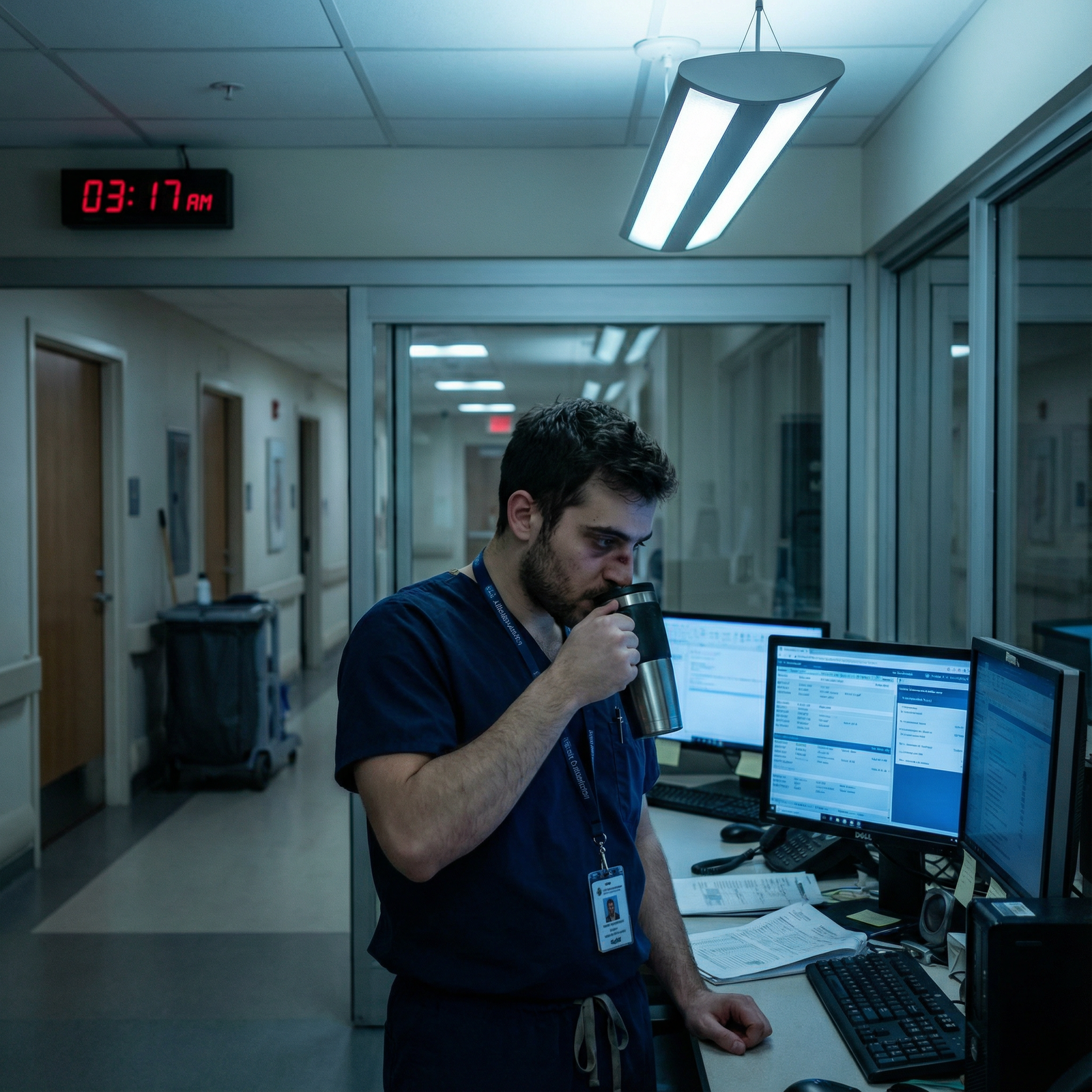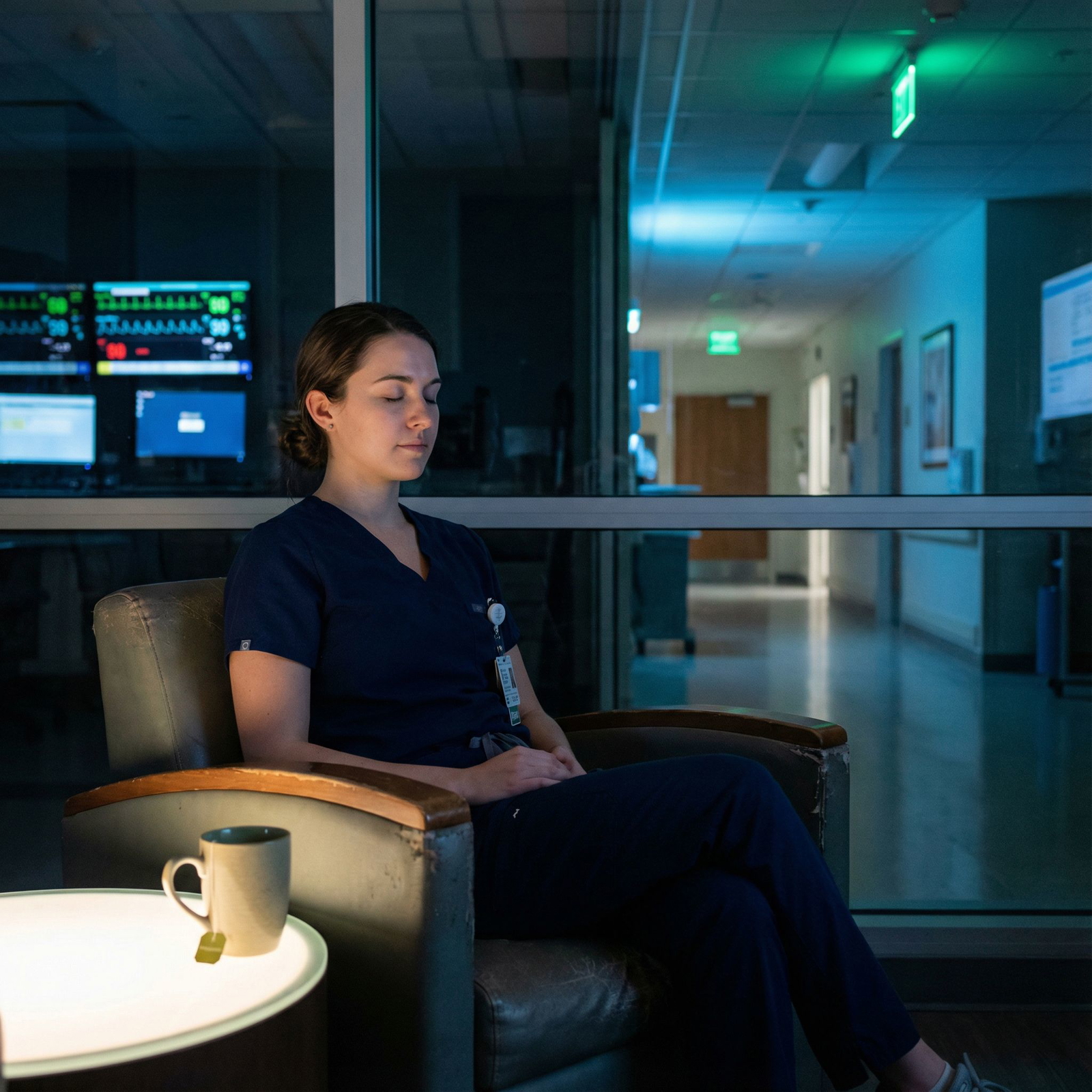
You finish the shift, peel off your badge reel from the isolation gown, and suddenly the adrenaline disappears. Now it's just you, the parking garage, and that drive home. Your eyelids feel like sandbags. You yawn three times walking to the car. You tell yourself the same lie a lot of tired residents and nurses tell themselves: I just need to get moving.
Here’s the short answer: if you are too tired to stay alert, you should not drive yet.
Not “be extra careful.” Not “blast the AC and power through.” Don’t drive.
Fatigue wrecks driving in very specific ways. Your reaction time slows. Your attention gets patchy. You miss brake lights, drift in your lane, blow past exits, and have microsleeps—those terrifying few seconds where your brain simply checks out. I’ve seen people describe the drive home and realize they don’t remember the last three traffic lights. That is not “a little tired.” That is impaired.
And yes, severe sleep deprivation can impair you in ways that look a lot like alcohol impairment. Different cause, same dangerous result: bad decisions, slow responses, false confidence.
Use this rule: if you’re nodding off, struggling to focus, or can’t clearly remember the last few minutes, driving is not safe. Full stop.
How to tell if you are too tired to drive
The problem with fatigue is that it lies to you. People who are dangerously tired often think they can still manage. Then they miss a red light, drift onto the shoulder, or arrive home with no memory of half the route.
Here’s what “too tired” usually looks like:
- heavy blinking
- repeated yawning
- trouble keeping your head up
- rubbing your face constantly just to stay engaged
- missing turns or exits
- weaving in the lane
- tailgating because your attention keeps fading
- forgetting the last few minutes of driving
- reading the same road sign twice because it didn’t register
- trouble following a simple conversation
The biggest red flag? Microsleeps.
A microsleep is a brief lapse in awareness that can last a few seconds. That sounds small until you remember what a car covers in a few seconds at road speed. Plenty of people don’t even realize it happened. They just “come to” a little farther down the road, or when the tires hit the rumble strip. That's not a near miss. That's your warning shot.
Use a blunt self-check. Ask yourself: Would I feel safe driving a child, a coworker, or a patient in this condition?
If the answer is no, you already know the answer for yourself.
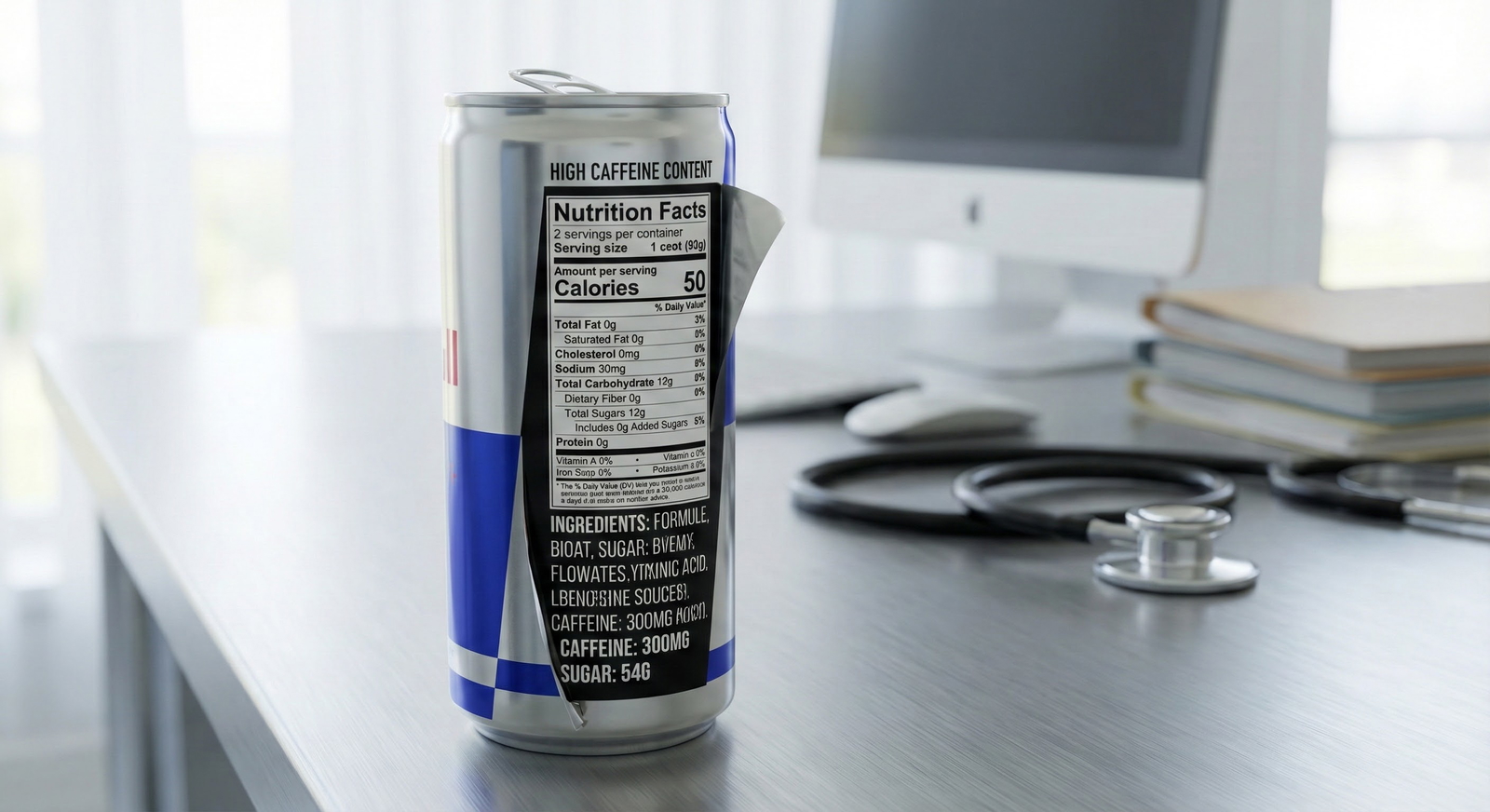
And no, coffee alone does not solve this if you’re severely sleep deprived. Caffeine can help mild drowsiness. It does not magically restore judgment, reaction time, or prevent microsleeps when you’ve been awake too long. People love to overrate caffeine because it’s convenient. It’s useful. It is not a force field.
What to do instead of driving right away
If you shouldn’t drive, you need a backup plan. Not a heroic speech. A plan.
Here are the safest next moves, in order of practicality:
Take a short nap first.
A 20 to 30 minute nap can meaningfully improve alertness if your fatigue is mild to moderate. Set an alarm. Recline the seat. Use an eye mask if you keep one in your bag. If you wake up still foggy, don’t pretend it worked.Get a ride.
Rideshare, taxi, public transit, partner, roommate, friend, co-resident. Expensive? Sometimes. Annoying? Sure. Still cheaper than a crash.Carpool after nights.
This works especially well if your program or unit has people living in the same direction. Build this before you need it.Sleep longer if you’re truly wrecked.
Sometimes a power nap isn’t enough. After back-to-back nights, a brutal call shift, or a stretch with no meaningful sleep, what you actually need is a real sleep period. Not 18 minutes in a Honda.
A few practical points matter here.
Tell someone. Seriously. Don’t sit in the parking lot trying to “decide” in secret while your judgment is already off. Tell a coworker, “I’m too tired to drive safely. I need to nap or get a ride.” Most people will help. And if they don’t, that’s a culture problem, not a you problem.
Don’t rely on stupid tricks. Loud music, open windows, slapping your cheeks, sunflower seeds, icy air. Those can make you feel busy. They do not make you safe. I’ve seen people swear by them right up until they describe drifting across two lanes on the freeway.
Plan ahead, especially after:
- back-to-back night shifts
- 24-hour or extended shifts
- long commutes
- recent poor daytime sleep
- illness or dehydration
- any alcohol use, even if it was earlier

When it is okay to drive, and how to make the trip safer
Being tired doesn’t always mean you can never drive after a night shift. It means you drive only when you’re alert enough to do it safely. That distinction matters.
It’s more reasonable to drive when:
- you are fully awake, not fighting sleep
- you can concentrate normally
- you’ve had at least some real rest
- your eyes don’t feel heavy
- you can complete the route without fading in and out
If you decide you’re alert enough, reduce the risk anyway.
Do this:
- take the shortest sensible route
- avoid long, monotonous highway stretches if they make you zone out
- leave extra time so you’re not rushing
- keep a backup stop in mind if drowsiness hits
- pull over immediately if your alertness drops
Don’t do this:
- start the trip hoping you’ll “wake up on the way”
- ignore the first signs of drifting attention
- convince yourself familiarity with the route makes it safe
The safest commute is the one you do after adequate sleep. Not the one you survive by force.
Build a night-shift survival plan for the commute home
This gets easier when you stop making the decision at the end of the shift and start making it before the shift even starts.
Here’s the practical pre-commute checklist I’d use:
Assess alertness honestly.
Not ego. Not habit. Honest assessment.Decide whether you need a nap.
If you’re heavy-eyed, foggy, or irritable in that weird overtired way, assume you may need rest before driving.Choose transportation.
Drive, rideshare, carpool, pickup, transit. Pick one on purpose.Text someone if needed.
“I’m too tired to drive. I’m napping first.” Easy. Responsible. Done.Keep basics ready.
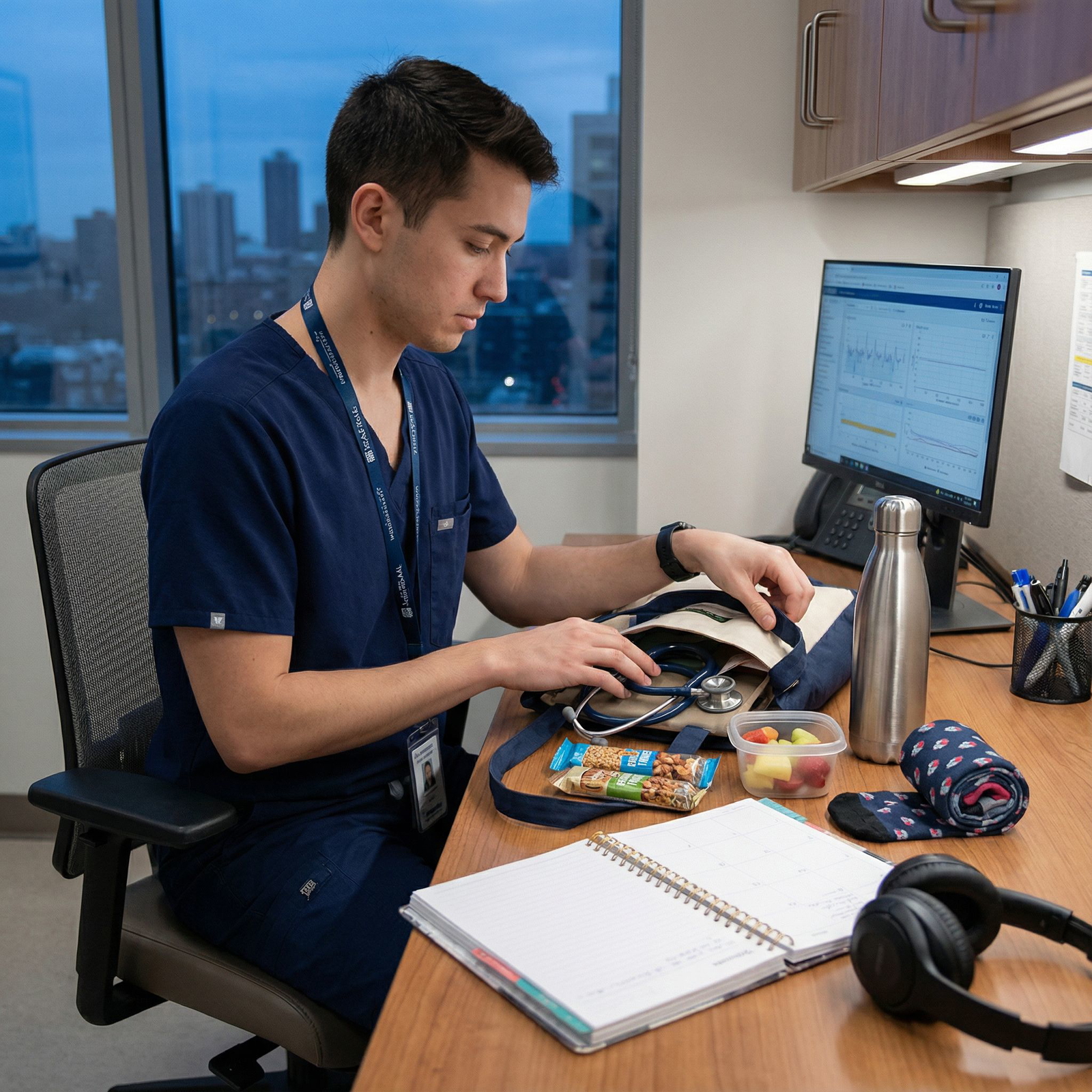
Water, a snack, phone charger, eye mask, backup rideshare app, and a safe place to rest.
Think ahead before sign-out. Know where you can safely nap. Know which coworker lives nearby. Know whether your hospital has a call room, lounge, or quiet area you can use. Small planning beats post-shift desperation every time.
And here’s the boundary that matters most: if you are too tired to drive, do not push through because of guilt, inconvenience, cost, or some weird residency culture badge-of-honor nonsense. That mentality is dumb. Fatigue-related driving is a safety issue, not a toughness test.
You do not get points for white-knuckling your way home. You get home safely or you don’t. That’s the whole game.

The bottom line is simple. If you’re fighting sleep, having microsleeps, or struggling to focus, don’t drive yet. Nap first. Get a ride. Wait until you’re actually alert. Coffee and bravado are not a transportation strategy. The goal isn’t to prove you can handle being exhausted. The goal is to get home safely, every single time.
FAQ
1. How do I know if I’m too tired to drive after a night shift?
If you’re nodding off, drifting in your lane, missing turns, or can’t remember parts of the drive, you’re too tired to drive safely. Treat those signs as a stop signal, not a challenge.
2. Will coffee or an energy drink make it safe to drive home?
Not if you’re severely sleep deprived. Caffeine may make you feel more awake, but it does not reliably fix impaired reaction time or microsleeps.
3. Is a short 20-minute nap enough before driving home?
Sometimes, yes—especially for mild fatigue. But if you’re extremely tired, a short nap may not be enough. If you still feel heavy-eyed, foggy, or slow after waking up, don’t drive yet.
4. What should I do if I’m too tired but I have no ride home?
Don’t force the drive. Stay where you are, nap if possible, ask a coworker for help, use rideshare or public transit, or call someone to pick you up. Awkward beats unsafe. Every time.
5. When is it actually okay to drive after a night shift?
It’s okay when you’re awake, alert, and able to concentrate without fighting sleep. If you feel drowsy at all, especially after a brutal shift, wait, rest, or use another way home.