The biggest relocation mistakes residents make in the South are completely predictable—and almost always preventable.
If you are about to move to a residency in Texas, Georgia, the Carolinas, Tennessee, Florida, or anywhere in that orbit, you are walking into a trap-filled zone. Not because the South is bad. Because it is different. And most residents treat it like a generic, cheaper version of wherever they trained before.
They pay for that.
I have watched residents arrive confident and excited in June, and by November they are exhausted, broke in a “low cost of living” city, stuck in a miserable commute, and counting the days until graduation. The problem was not the program. It was the way they moved.
Let me walk you through the mistakes people actually regret after relocating to the South—and how you avoid becoming the next cautionary story.
Mistake #1: Assuming “Low Cost of Living” Means You Can Stop Doing Math
There is a dangerous myth: “The South is cheap, I will be fine.”
Wrong. Parts of the South are cheap. Others are quietly brutal for residents.
Think about:
- Austin vs rural East Texas
- Miami vs Gainesville
- Nashville vs Johnson City
- Charleston vs Columbia
Very different stories.
| Category | Value |
|---|---|
| Birmingham | 28 |
| Houston | 30 |
| Nashville | 37 |
| Charleston | 40 |
| Miami | 45 |
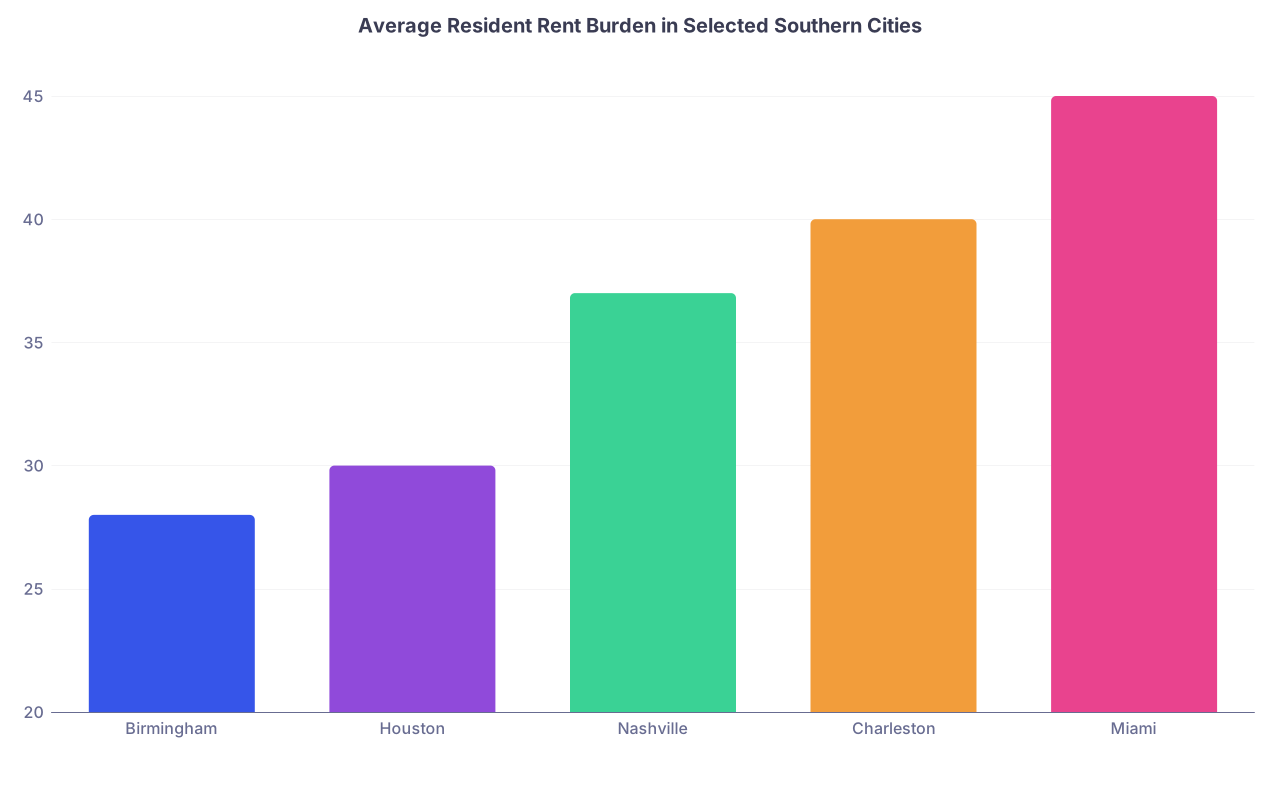
Those percentages are “rent as a share of take-home pay” for residents I have seen or worked with. In other words: some of you are bleeding cash for the privilege of being “in a cool city in the South.”
The specific mistakes here:
Basing rent budget on PGY pay before taxes
Residents see "$62–68k" and think they can stretch to $1,800–2,000/month. After taxes, retirement withholding (often mandatory), and health insurance, their actual monthly income is a punch in the face.Ignoring parking, tolls, and gas
You move to Houston, Dallas, Atlanta, or Tampa and think, “I will just drive; gas is cheap.” Then you discover:- Hospital parking can be $80–$200/month.
- Tolls (Houston, Dallas, Orlando) add up if you commute from the “affordable” suburbs.
- You burn through a tank every 4–5 days doing call, clinic, conferences across multiple sites.
Underestimating furniture and climate adaptation costs
People come from Boston or Chicago with heavy winter gear and zero warm-weather clothes. Then they have to buy:- Lighter work clothing
- Dehumidifier or better AC units
- Blackout shades because sunrise is relentless in some places
- Pest control because roaches and ants in the South are not optional visitors
Do not make this mistake. Before you sign a lease:
- Calculate your after-tax monthly income for your PGY level in that state.
- Cap housing (rent + parking + utilities) at 30–35% max of that number.
- Ask current residents: “How much do you actually spend on gas, parking, and tolls each month?” Get a number and add 20%.
If your dream urban neighborhood breaks that 35% limit, that “fun city” will turn into a stress factory by October.
Mistake #2: Underestimating Commute + Traffic Hell
If you are moving from a dense East Coast or Midwestern city, you might think, “The South has big roads, I will zip through traffic.”
No. You will sit in a hot, sun-baked parking lot on wheels.
The mistake is simple: residents choose housing based on “distance” instead of time at 6:30–7:00 a.m. and 5–6 p.m. And in many Southern cities, those are completely different numbers.
Common disaster scenarios I have seen:
- The intern who moves to a “nice, affordable suburb” 25 miles from an Atlanta hospital because the rent is $300/month cheaper. Three weeks in, they are spending 1.5–2 hours a day in traffic and starting 28-hour calls already exhausted.
- The Florida resident who forgets about beach/Disney/sports traffic patterns and gets stuck behind tourist congestion on every post-call drive home.
- The Texan transplant who did not ask about flood-prone routes and learns the hard way during hurricane season that their only road to the hospital is underwater.
Your commute in the South is not just about time. It is about:
- Heat and fatigue
- Storms, hurricanes, and flooding
- Early darkness in winter + long rural stretches with no lights
- Wild drivers on giant trucks (you will meet them)
Here is the rule residents wish they had followed:
For intern year, prioritize commute time and safety over everything except physical safety of the neighborhood.
How to avoid the trap:
- Use Google Maps at your actual pre-round time (e.g., Wednesday 6:30 a.m., not Sunday noon) and check typical commute.
- Ask residents: “If you oversleep by 15 minutes, are you doomed?” If the answer is yes, that location is a problem.
- Check multiple sites if your program rotates: main hospital, VA, children’s hospital, affiliated community sites. Many South programs use spread-out facilities.
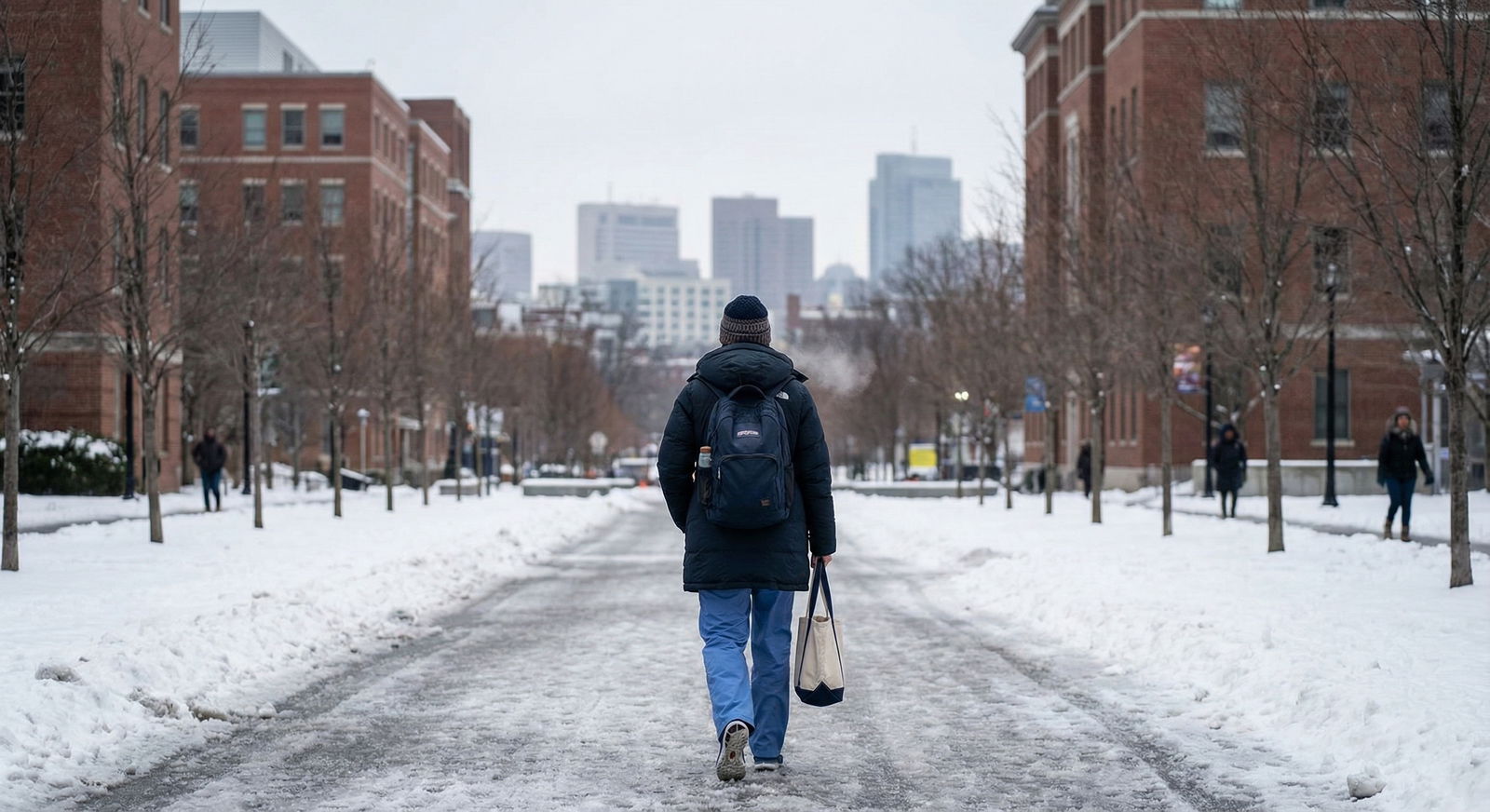
You will be tired. You will be post-call. You do not want a 45-minute, stormy, highway commute in the dark at 7 p.m. in December.
Mistake #3: Ignoring Heat, Humidity, Allergies, and Bugs
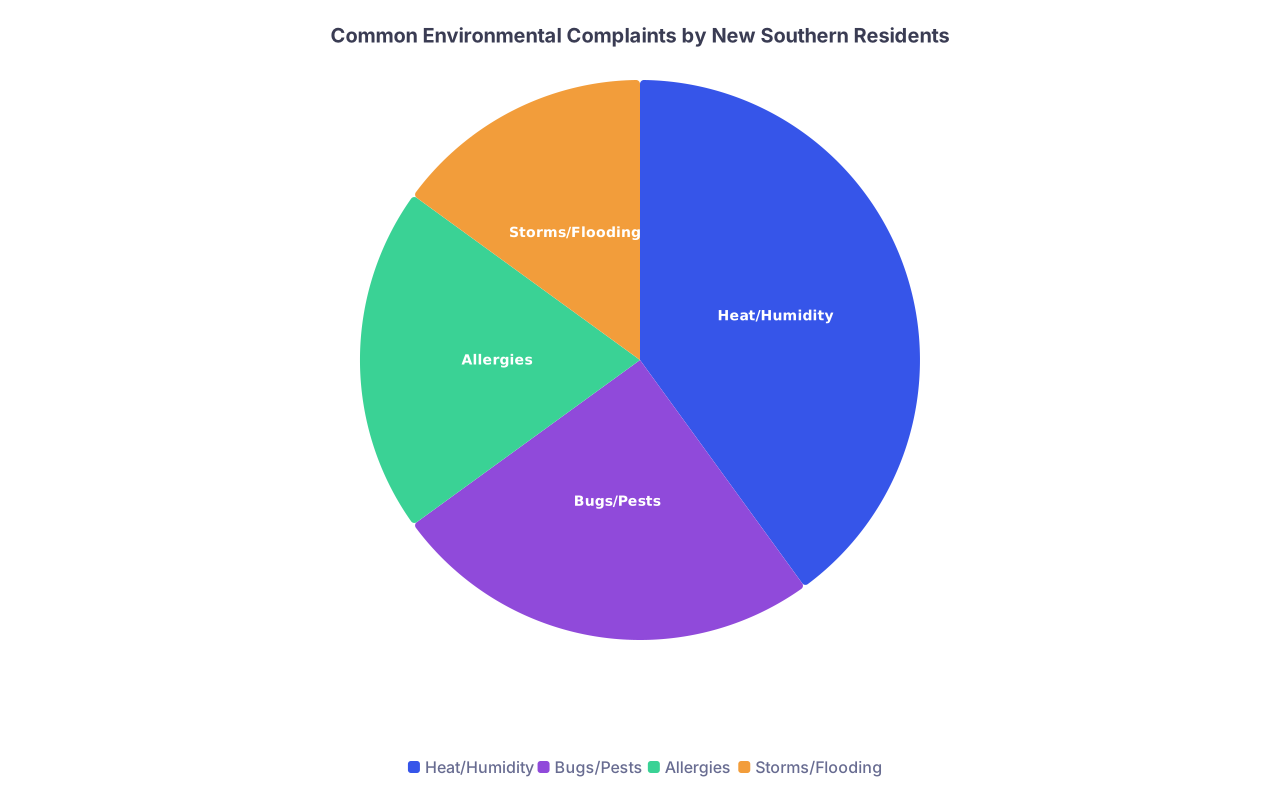
Northern and West Coast transplants consistently underestimate the physical environment. They imagine “a little hotter than home.” What they get:
- Heat indices over 100°F for weeks.
- Humidity that makes scrubs feel like wet towels.
- Allergies from pollen seasons that feel endless.
- Mosquitoes the size of small drones, roaches that apparently pay rent, and palmetto bugs in some states that “appear” even in clean apartments.
This is not cosmetic. It directly affects sleep, fatigue, and focus at work.
Typical mistakes:
Leasing in older buildings with bad AC
You see an adorable “historic” apartment in New Orleans, Charleston, or Savannah. The photos are charming. The reality: single-pane windows, ancient AC struggling at 82°F indoors in July, and mold in corners.Choosing top-floor units with poor insulation
In Phoenix this is obvious. In Tennessee or the Carolinas, people forget. Then they discover their top-floor unit hits 85°F by mid-afternoon and the AC runs nonstop.Not accounting for allergies and asthma
Residents move to places like North Carolina, Georgia, or East Texas and get smashed by pollen. I have seen previously healthy people suddenly need inhalers or allergy shots—and try to cope while on wards.Thinking bugs are a “cleanliness” issue
They are not, at least not entirely. In many parts of the South, regular pest control is baseline, not a luxury.
| Category | Value |
|---|---|
| Heat/Humidity | 40 |
| Bugs/Pests | 25 |
| Allergies | 20 |
| Storms/Flooding | 15 |
If you do not want to be the intern crying in their car in August because they have not slept in three days and their apartment smells like damp carpet, do this before signing:
- Ask current residents specifically: “Is your AC strong enough in July/August? What is your electric bill like?”
- Drive by complexes after rain; look for standing water and visible mold on exterior walls.
- Build pest control (either landlord-provided or your own service) into your monthly budget.
- If you have asthma or bad allergies, verify whether your unit has carpet vs hardwood, central AC vs window units, and if the building has had mold issues.
The South is survivable. Doing residency in a barely-cooled, humid box is not.
Mistake #4: Misreading Neighborhood Safety and Culture
A lot of residents do “research” by reading generic real estate blogs or tourist guides. Terrible idea.
The South has:
- Fast-gentrifying areas where crime and gun violence are still real.
- Neighborhoods that feel fine at noon and very different at 2 a.m. post-call.
- Social and political climates that can feel welcoming or hostile depending on your identity (race, religion, sexual orientation, gender expression).
Mistakes I see over and over:
Trusting crime maps alone
Crime data is often delayed, incomplete, or skewed by how communities report. I have seen residents move into “up and coming” areas with high break-in rates around shift change hours.Not asking where residents actually live
If nobody in the program lives in the neighborhood you are considering and they all warn you away… listen.Assuming “Southern hospitality” = universal acceptance
Many people find incredibly supportive communities here. Others, especially LGBTQ+ residents or those from religious or racial minorities, feel isolated or targeted in certain towns. You do not figure that out from an apartment listing.
You are not moving as a generic young professional. You are moving as:
- Someone leaving for work at 4:45–5:30 a.m.
- Someone walking to and from their car in the dark.
- Someone wearing scrubs and a badge—identifiable, predictable.
Use this filter set:
- Ask at least three current residents: “Where would you not live as a single intern?” Listen to their first two or three answers carefully.
- Drive the neighborhood at early morning (pre-round time) and late evening. How does it feel? Are there people around? Lighting? Empty lots?
- For marginalized identities, reach out to affinity groups: SNMA, LMSA, Pride/LGBTQ+ groups at your hospital or university. Ask bluntly: “Where do your members feel safe living here?”
If the program cannot connect you with anyone who shares your background, that is also data.
Mistake #5: Misjudging Support Systems and Distance From Home
Residents make a classic emotional miscalculation: “Flights are cheap. I will go home all the time.” Then reality shows up:
- Flight schedules from smaller Southern cities are painfully limited.
- Connections through Atlanta, Charlotte, or Dallas get delayed constantly during storm season.
- Call schedules make long-weekend trips rare.
The regret hits around fall of intern year. They are homesick, their partner is miserable, or their kids are struggling—and they now realize they are effectively locked into that location for three to seven years.
Typical scenarios:
- The partner who assumed they would “find something remote” and now resents being stuck in a small Southern city with limited social outlets.
- The resident who thought they would drive “home” 6–7 hours regularly and discovers they are too exhausted and call makes it impossible.
- The IMG who moved alone, underestimated cultural adjustment, and ends up isolated without a strong immigrant or cultural community near them.
Relocation is not just geographic. It is social.
Look at:
- Direct flights from your new city to your home city. How many per day? At what cost range normally (not during a sale)?
- Size and activity of communities you care about: religious groups, ethnic grocery stores, language communities, parenting groups, queer community, etc.
- What happens if your car dies? Is there any public transport, or are you fully stranded?
Here is a simple rule:
If you or your partner already feel nervous about isolation, do not choose the smallest Southern city you matched to without very concrete plans for social support. Hope is not a strategy.
Mistake #6: Not Preparing for Weather, Storms, and Disasters
Ask any Gulf Coast, Florida, or coastal Carolina resident who went through their first real hurricane season. They will all say some version of: “I was not ready.”
Residents forget:
- You may be required to stay at the hospital during hurricanes, tornado threats, or ice storms.
- Power outages in high heat are miserable if your building has no generator or backup plan.
- Flooding can cut off your route to the hospital, even if your own area is fine.
Common missteps:
- Renting in flood-prone zones because the rent is cheap and the place “has never flooded in the last few years.” Translation: nobody wants that unit.
- Keeping your only car in an uncovered lot that floods.
- Not having even the most basic emergency supplies because “I am in an apartment; it’ll be fine.”
Here is what a more realistic relocation planning process looks like:

| Step | Description |
|---|---|
| Step 1 | Choose City |
| Step 2 | Check Weather Risks |
| Step 3 | Check Flood Maps and Elevation |
| Step 4 | Focus on Heat and Storm Resilience |
| Step 5 | Avoid Low Lying and Flood Zones |
| Step 6 | Confirm Hospital Disaster Policy |
| Step 7 | Choose Apartment with Reliable Power and Access |
| Step 8 | Hurricane or Flood Risk? |
Before you sign a lease, especially in coastal or flood-prone areas:
- Look up FEMA flood maps for the address. If it is in a significant risk area, ask yourself if cheaper rent is worth losing your car or belongings.
- Ask your program: “What is the expectation for residents during hurricanes/storms? Do we sleep at the hospital? Is there housing?”
- Check if the building has:
- History of flooding complaints
- Backup generators (rare, but a huge plus)
- Secure parking away from obvious flood-prone areas
You are going to be essential staff. That means you are not evacuating when tourists do.
Mistake #7: Assuming the South = One Culture
Another quiet relocation failure: people assume “the South” is one big block of culture, food, and politics.
It is not. At all.
- Houston vs Dallas vs San Antonio vs Lubbock
- Miami vs Jacksonville vs Pensacola
- Atlanta vs Macon vs Savannah
- Nashville vs Memphis vs Knoxville
Different politics. Different social norms. Different expectations about diversity, religion, and social life.
Residents get burned when they:
- Move expecting big-city Atlanta-level diversity and land in a small, overwhelmingly homogenous Southern town.
- Assume nightlife, art, and progressive communities will be present in any “college town” and discover otherwise.
- Underestimate how much regional culture impacts patient interactions, from end-of-life conversations to views on vaccines, contraception, and mental health.
This matters for quality of life and professional growth. If you are deeply uncomfortable with the dominant culture around you, three to seven years will feel like a sentence, not a chapter.
Do not gloss this over. Before you move:
- Spend a weekend there off-interview-season if you can, preferably staying near where you might actually live.
- Talk to residents of multiple backgrounds, not just the one person the program shows you. Ask what surprised them most about living there.
- Look up local news and school board controversies. It gives you a fast read on community tensions.
If the cultural mismatch feels extreme and you already know you hate it on day one, you will not magically “get used to it” while working 70–80 hour weeks.
Mistake #8: Neglecting Licensing, Taxes, and Financial Quirks
One of the most boring but painful mistakes: not planning for state-specific financial realities.
You see “no state income tax” in Texas, Florida, Tennessee and think you are winning. Then:
- Car insurance explodes in your new ZIP code.
- Property/renters’ insurance is sky-high in hurricane or flood zones.
- Licensing fees, controlled substance registrations, and background checks hit all at once your first month.
Or you move to a state with income tax (Georgia, North Carolina, Virginia) and forget to adjust your net-income expectations accordingly.
Residents also forget about:
- Reciprocity issues if they plan to moonlight in bordering states.
- Local vehicle taxes or annual registration fees that are much higher than where they came from.
- The cost and delay of getting a new license, plates, and registration when DMV offices are backed up for months.
None of this is catastrophic alone. Together, in July of intern year, they crush your budget.
Before moving:
- Ask GME or current seniors: “What unexpected fees did you pay your first 3 months here?”
- Look up state medical licensing timelines and costs, plus any separate controlled substance registrations.
- Check car insurance estimates and required minimums for your future ZIP code, not your current one.
If you plan to stay in the South long term, these state choices matter. It is easier to make smart decisions now than patch financial leaks later.
FAQ (4 Questions)
1. How far from the hospital is “too far” for a Southern residency commute?
If your one-way commute is consistently over 30 minutes in real rush-hour traffic, you are flirting with long-term burnout. For most interns in Southern cities, 10–20 minutes door-to-door is the sweet spot. In very spread-out metro areas (Houston, Dallas, Atlanta), 25 minutes can be workable if routes are reliable and you are not dealing with chronic gridlock. If seniors warn that “a wreck on that highway can turn it into a 90-minute nightmare,” do not live there as a PGY-1.
2. Is it worth paying more to live in a “cool” neighborhood in the South?
It can be, but residents overdo this constantly. If upgrading neighborhoods pushes your total housing burden (rent + parking + utilities) above 35% of your take-home pay, you are buying Instagram aesthetics at the cost of chronic money anxiety. A better trade is usually: safe, boring, short commute + occasional Uber to the fun areas. Especially intern year. You can always move to the hip district later; it is much harder to dig out of credit card debt.
3. I am an LGBTQ+ resident. How do I assess if a Southern city will be safe and livable for me?
Skip the glossy city marketing. Go straight to local reality. Contact your program and specifically ask to speak with LGBTQ+ residents or staff. Check for active LGBTQ+ physician groups, Pride organizations, and inclusive faith or community groups. Look at local non-discrimination policies, hate crime legislation, and the climate around healthcare for LGBTQ+ patients. If the program cannot connect you with anyone who shares your identity and you see no visible community in the city, treat that as a serious yellow, if not red, flag.
4. What is the single most important relocation decision I should get right for a Southern residency?
Your housing choice. Not the exact building finishes, but the combination of location, commute, safety, and climate control. A place that is safe at 5 a.m., reliably cool and dry in August, and within 20 minutes of your main hospital will protect your sleep, your wallet, and your sanity more than any other decision. Everything else—social life, dining, weekend trips—can be adjusted. Fixing a terrible apartment or commute mid-year is much harder.
Open a map of your future city right now. Drop a pin on your hospital and draw a rough 20-minute driving circle around it. Any apartment you are considering outside that circle—or in a flood zone, sketchy area, or heat trap—go cross it off your list before you talk yourself into a mistake you will regret all year.